Originaldokument
GPT Image 2 · en
Scene:
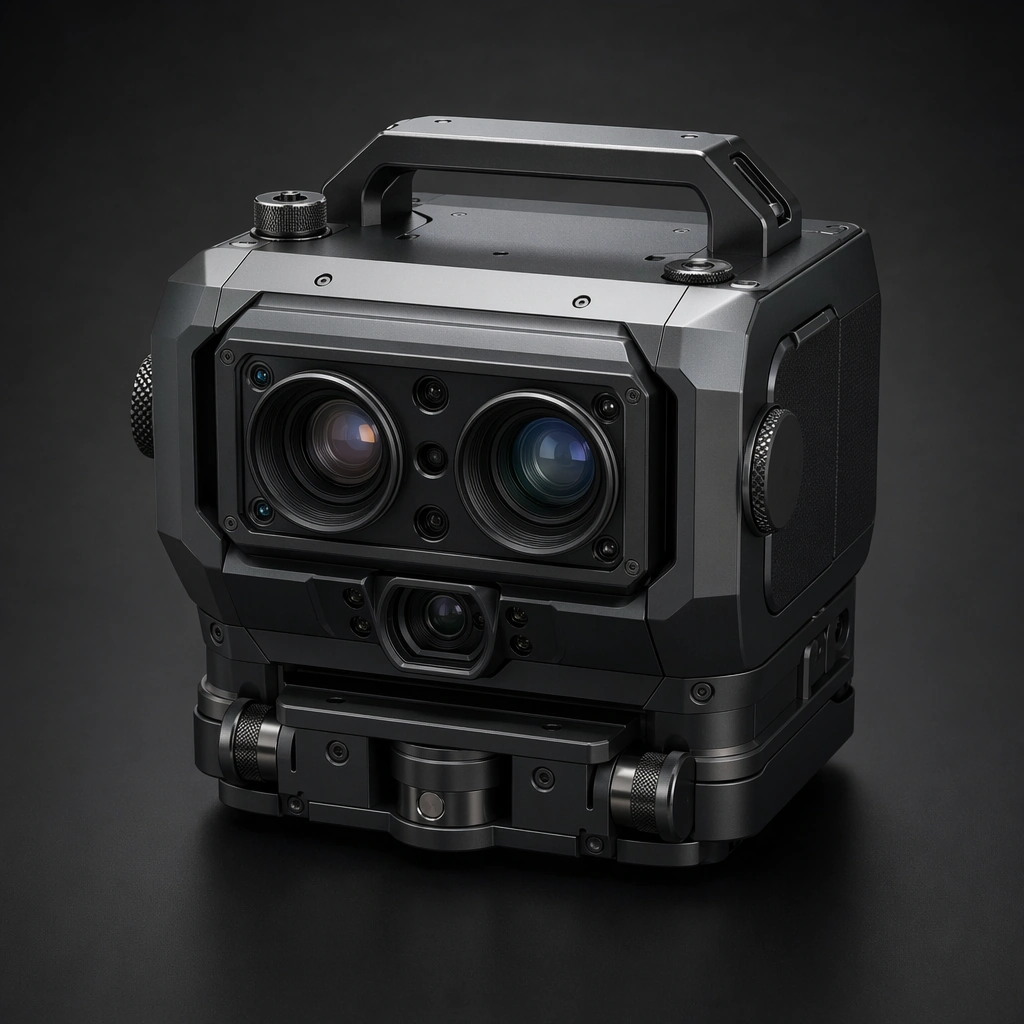
A square dark-neutral studio with concentrated top light, crisp reflections, and soft shadow falloff around one object. Compose the frame as a square key visual with disciplined camera placement, premium lighting control, and believable real-world scale. The tonal range should feel polished and intentional, with enough atmosphere to create depth without obscuring form. Keep contrast calibrated for launch, catalog, or research presentation use rather than casual snapshot aesthetics.

Subject:
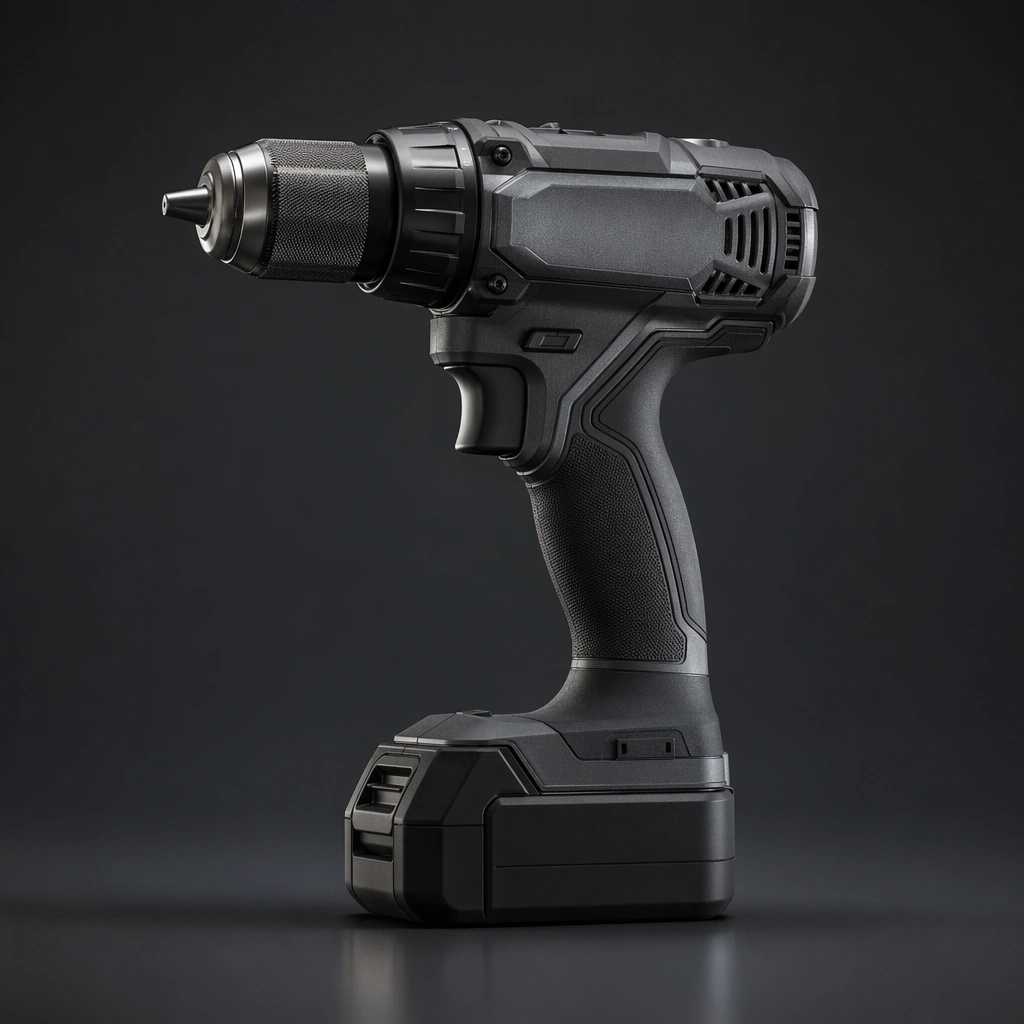
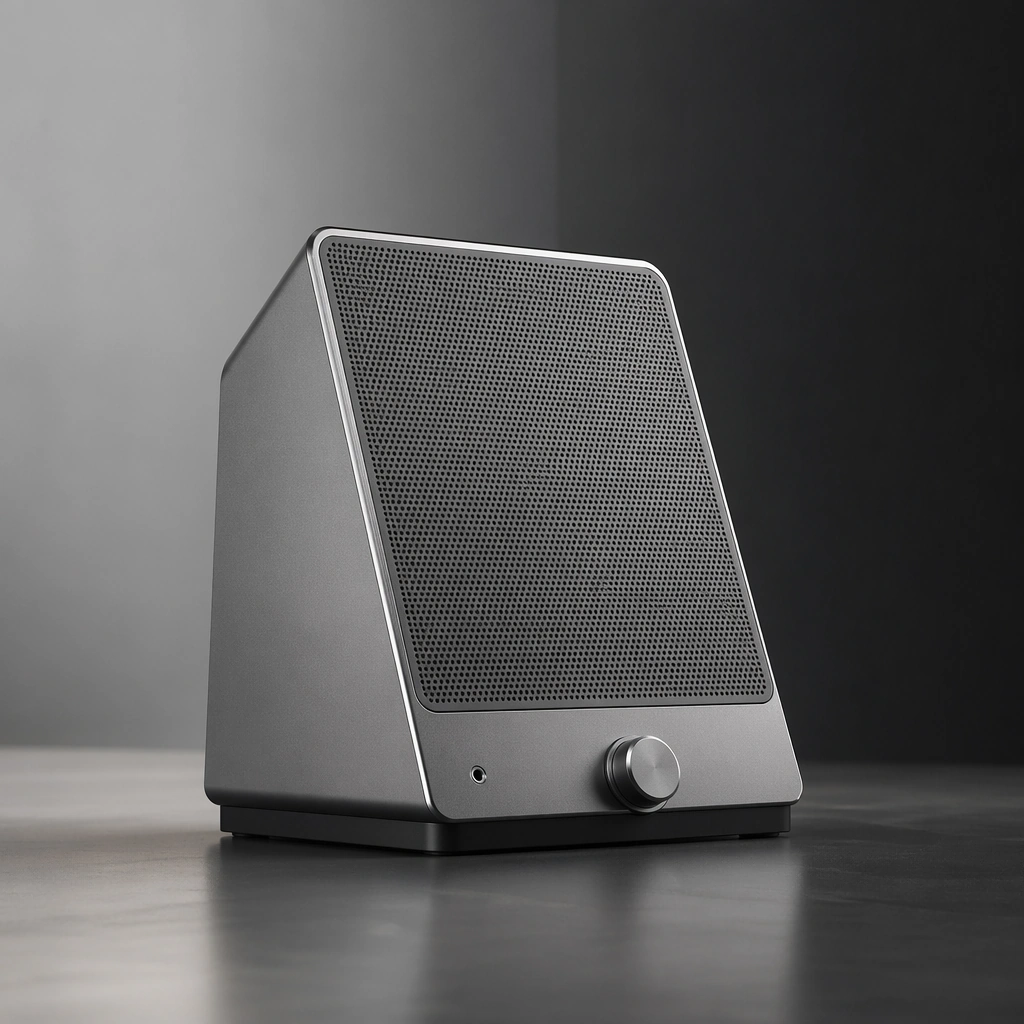
Center an original compact professional device with lens surfaces, metal dials, textured grip, and clean assembly lines. Make the subject feel original, production-aware, and clearly grounded in Tool and Device Hero Render System. Treat this as an independent study that must feel complete and coherent without relying on any external reference image. The focal hierarchy should be immediate: primary form first, then material behavior, then supporting environmental cues that clarify use context and difficulty.

Important details:
Prioritize real materials and control placement over nostalgia or branding. The result should feel expensive, deliberate, and fit for hard-surface product marketing. The visual language should still feel native to Tool and Device Hero Render System, using disciplined industrial or campaign composition instead of generic stock photography. Use believable materials, engineering logic, and professional composition discipline. Reflections, shadows, edge breaks, texture scale, interface density, and small physical joints must all support realism. Avoid filler props, vague mood-board clutter, or any element that weakens the sense of a purpose-built industrial or automotive image.

Use case:
Tool Renders single study 5/9 for Tool and Device Hero Render System, built as image support-one.

Constraints:
No readable text, no watermark, no logos, preserve exact 1:1 aspect ratio, no logos, no readable labels, no workshop clutter, no toy aesthetics, no fake interface text, no cartoon gloss.
Verwendung
- Den vollständigen Original-Prompt einschließlich Parametern kopieren.
- Motiv, Text und Komposition an die eigenen Anforderungen anpassen.
- Ein kompatibles externes Werkzeug nutzen; Zugangsbedingungen und Ergebnis prüfen.
Vor dem Start
- Prüfen, ob ein Referenzbild nötig ist. Kompatibilität belegt nicht das tatsächlich verwendete Modell.
- Namen, Zahlen und Bildtexte prüfen; Modellversionen können andere Ergebnisse liefern.