Originaldokument
GPT Image 2 · en
Scene:
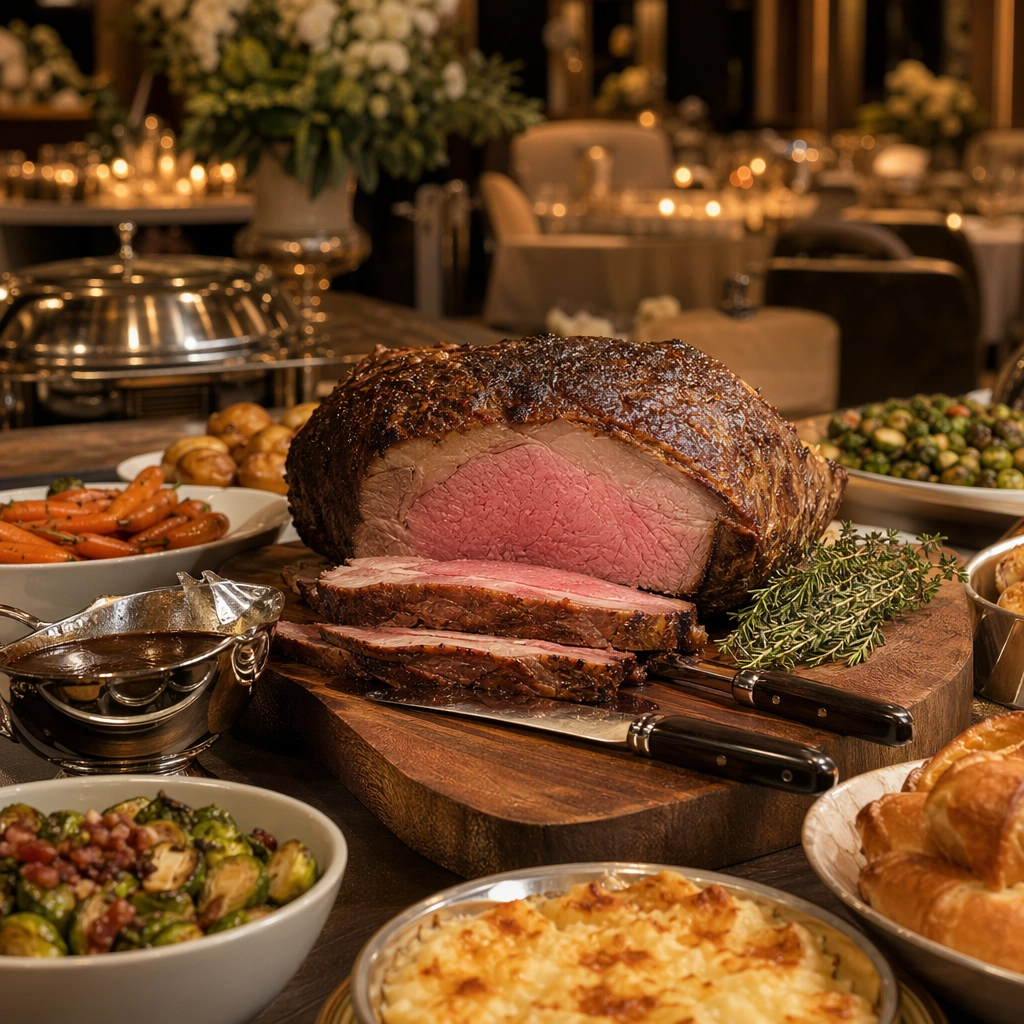
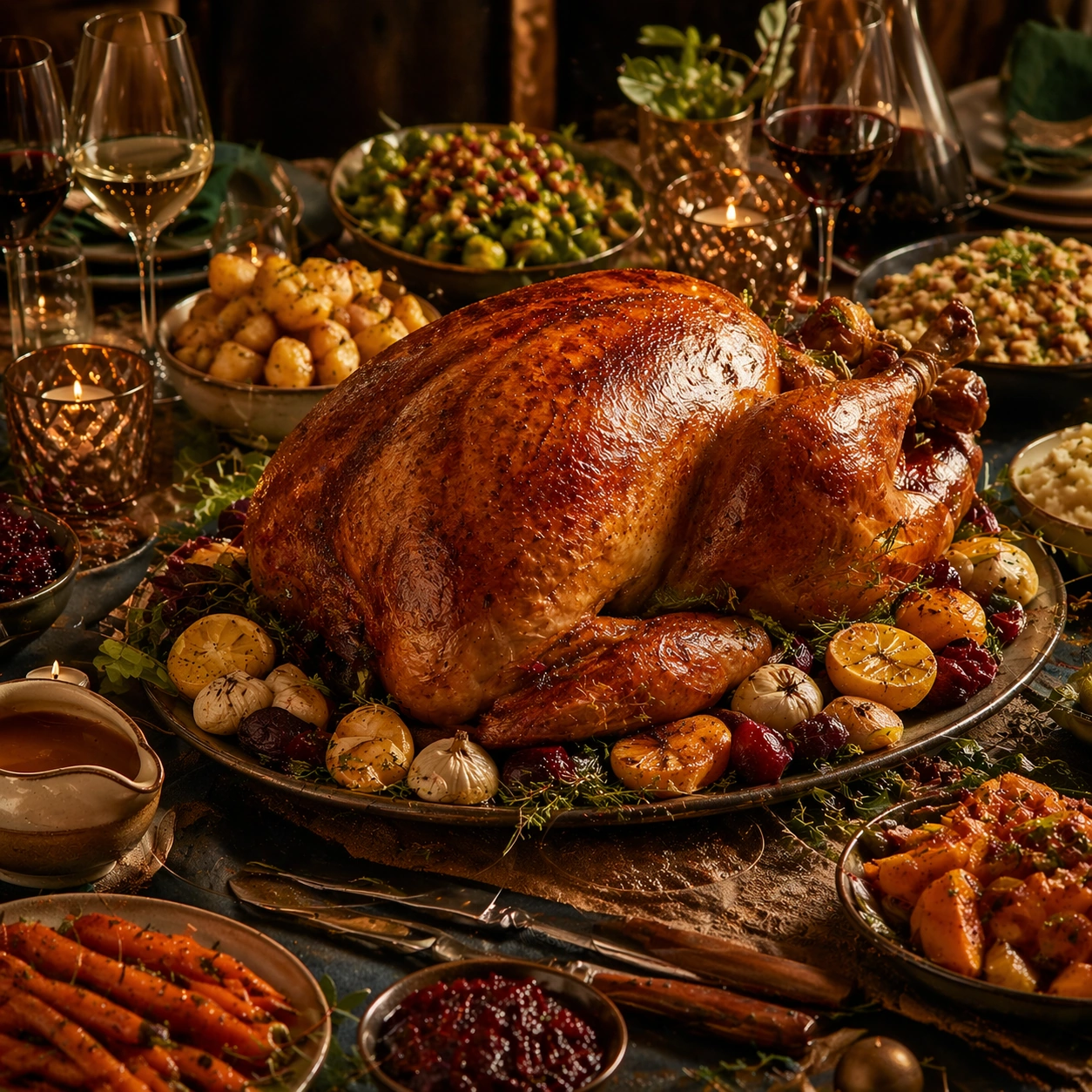
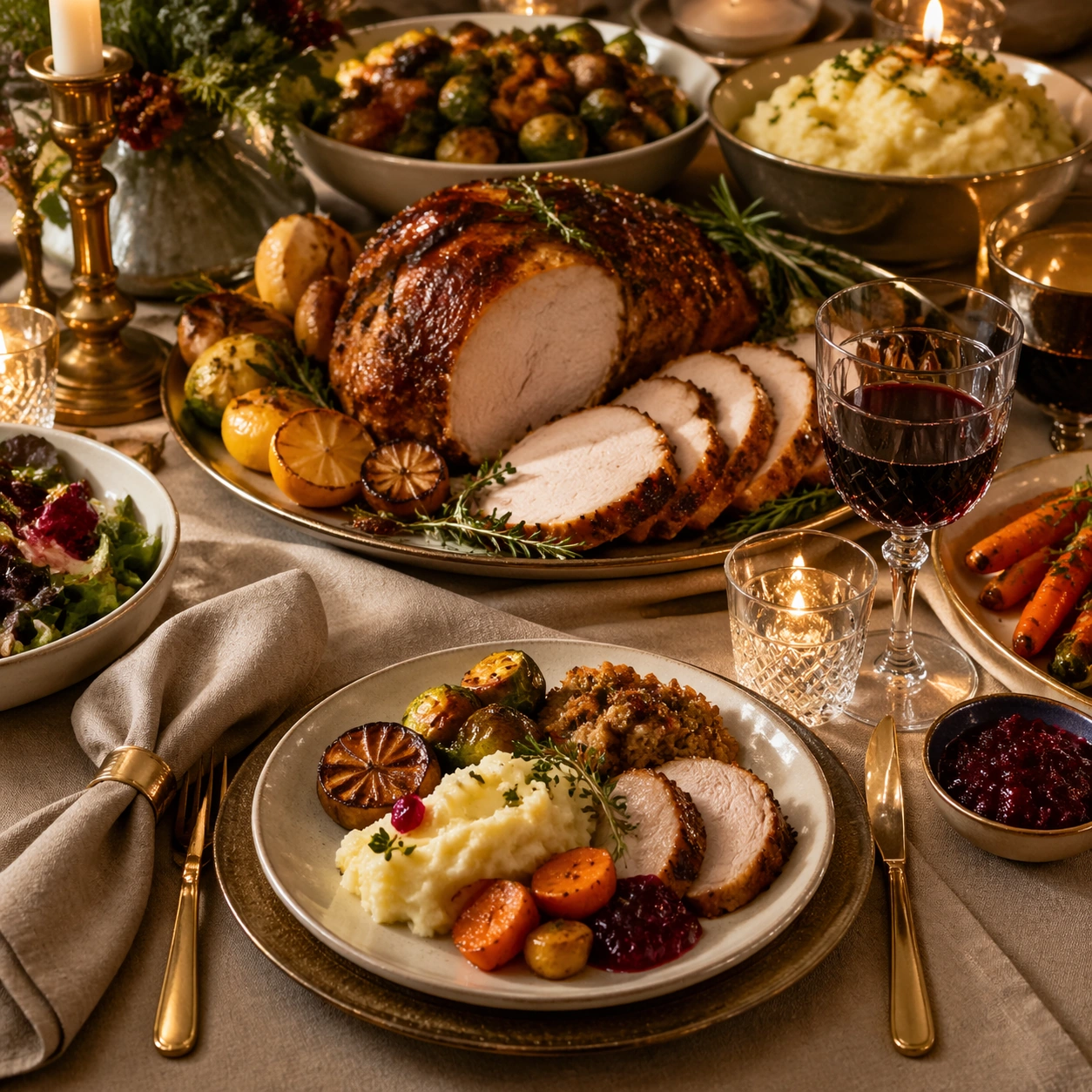
Compose a square feast or banquet campaign image with abundant but controlled table choreography, rich servingware, and a celebratory atmosphere that feels suitable for hospitality campaigns, seasonal dining promotions, or event editorials. The frame should manage many elements without losing hierarchy, elegance, or appetite appeal. Shoot from overhead on a large table section with dessert plates, fruit platters, and serving tools arranged into a balanced square composition.

Subject:
The food must look substantial and celebratory, with believable multi-dish coordination, serving logic, and table rituals that suggest a real banquet rather than a random buffet pile. Use repeated forms and color grouping to make the spread feel abundant yet controlled and campaign-friendly.

Important details:
This topic depends on composition reasoning. Preserve a strong centerpiece, readable secondary dishes, coherent servingware, and lighting that supports depth across the table. Celebration should emerge from abundance, color, and ritual objects, not from gimmicks or branded holiday symbols. Everything must feel premium, coordinated, and logistically plausible. This image should feel fully self-contained while still belonging to the same broader topic and commercial world. Spacing, platter size, and color rhythm are critical. The scene should feel celebratory, premium, and clear enough to support hospitality promotion.

Use case:
Festive Feast single study 8/9, built for Prompt Atlas coverage of a food and beverage commercial visual system.

Constraints:
No readable text, no watermark, no logos, preserve exact 1:1 aspect ratio, no readable text, no logos, no generic wedding décor, no buffet-chaos clutter, no novelty party props, no copied holiday mascots, no visible faces dominating the frame, no candy-shop chaos, no children’s party props, no readable dessert labels.
Verwendung
- Den vollständigen Original-Prompt einschließlich Parametern kopieren.
- Motiv, Text und Komposition an die eigenen Anforderungen anpassen.
- Ein kompatibles externes Werkzeug nutzen; Zugangsbedingungen und Ergebnis prüfen.
Vor dem Start
- Prüfen, ob ein Referenzbild nötig ist. Kompatibilität belegt nicht das tatsächlich verwendete Modell.
- Namen, Zahlen und Bildtexte prüfen; Modellversionen können andere Ergebnisse liefern.