Originaldokument
GPT Image 2 · en
Scene:
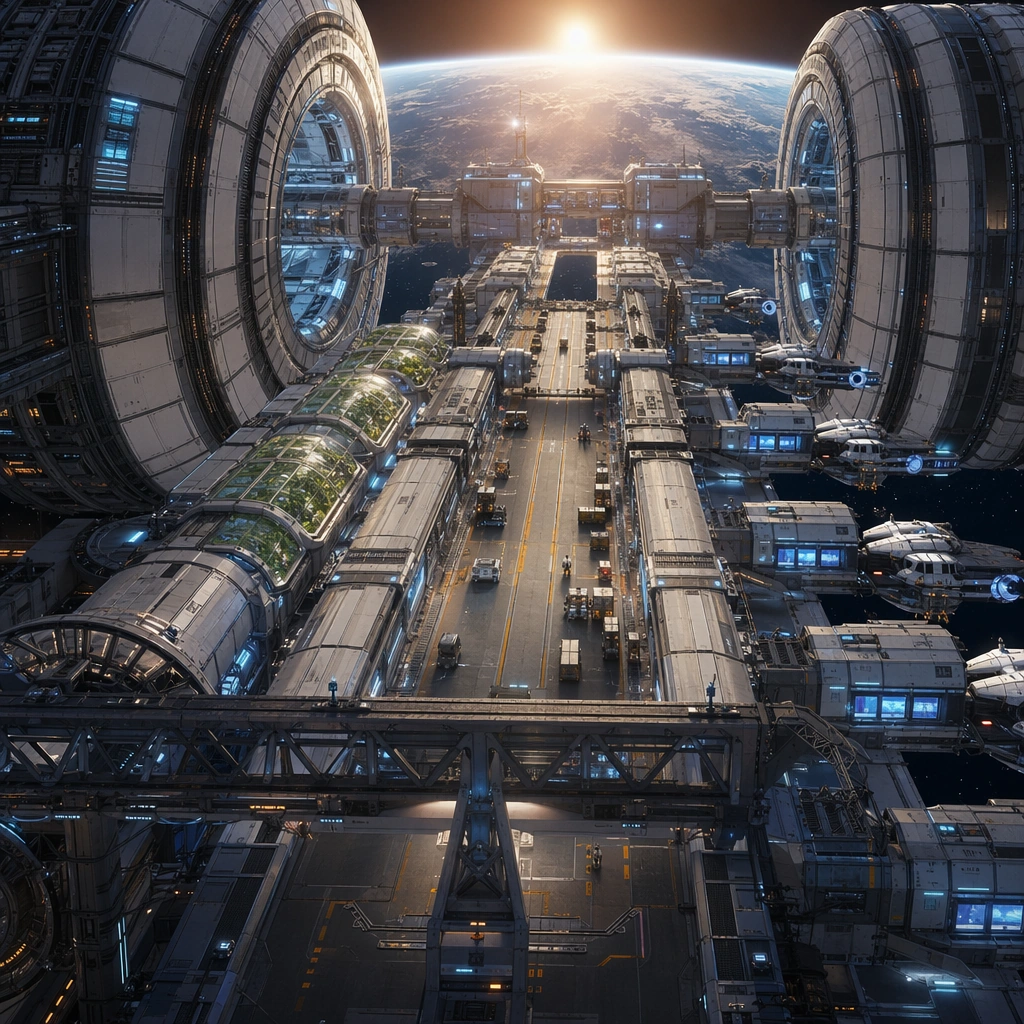
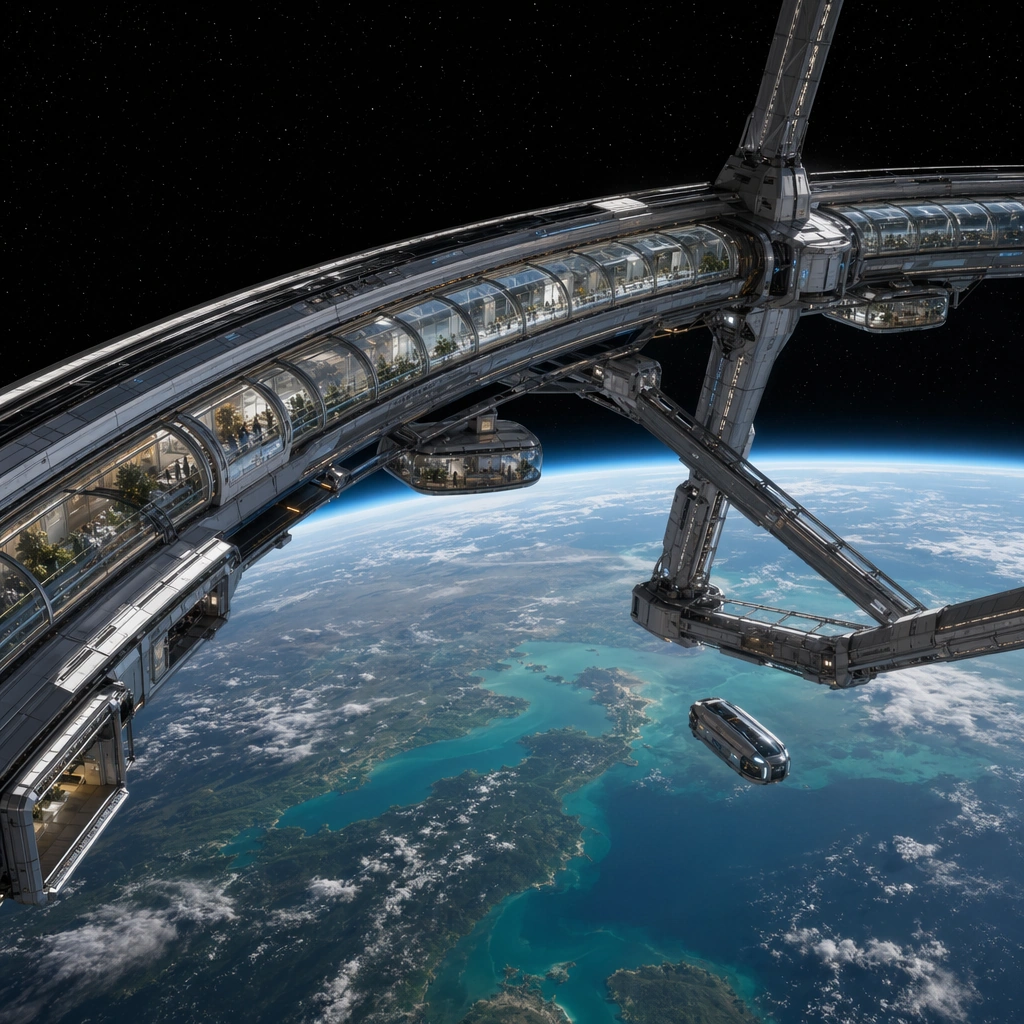
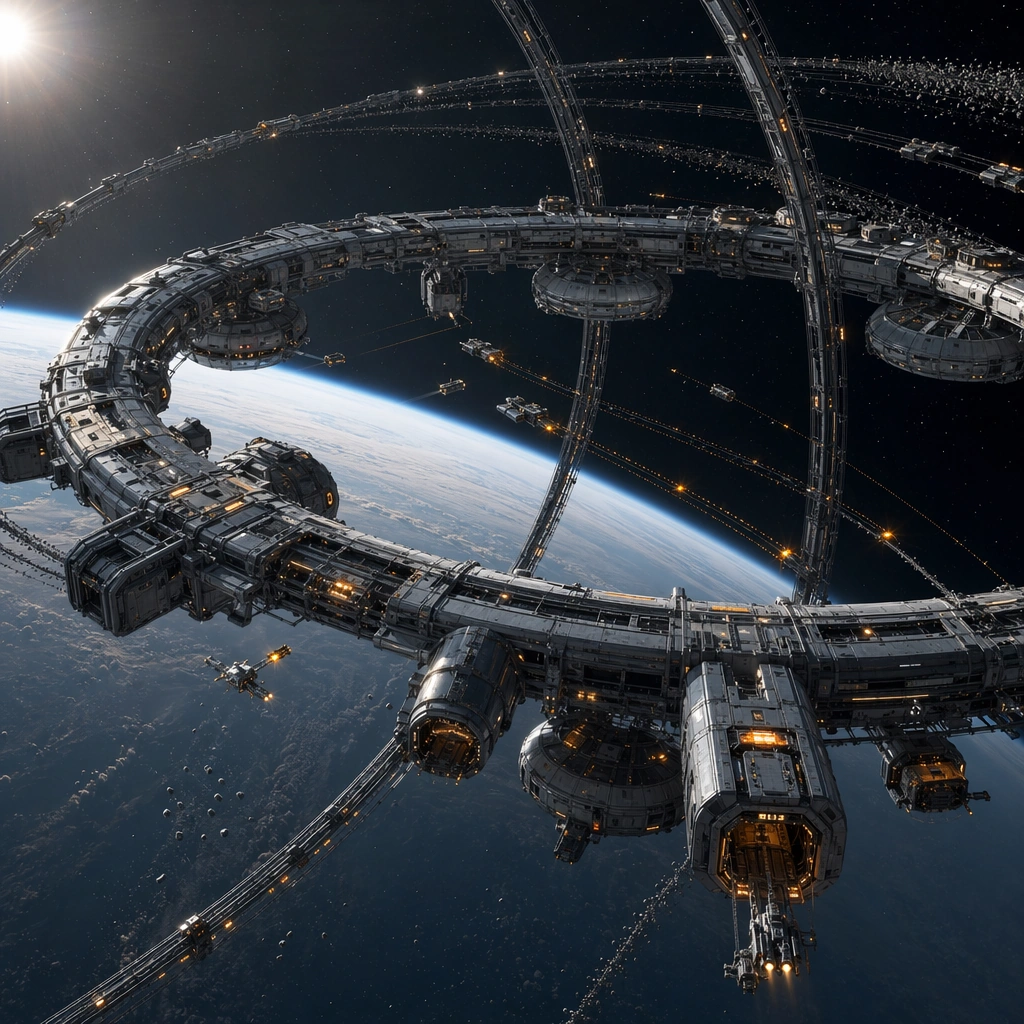
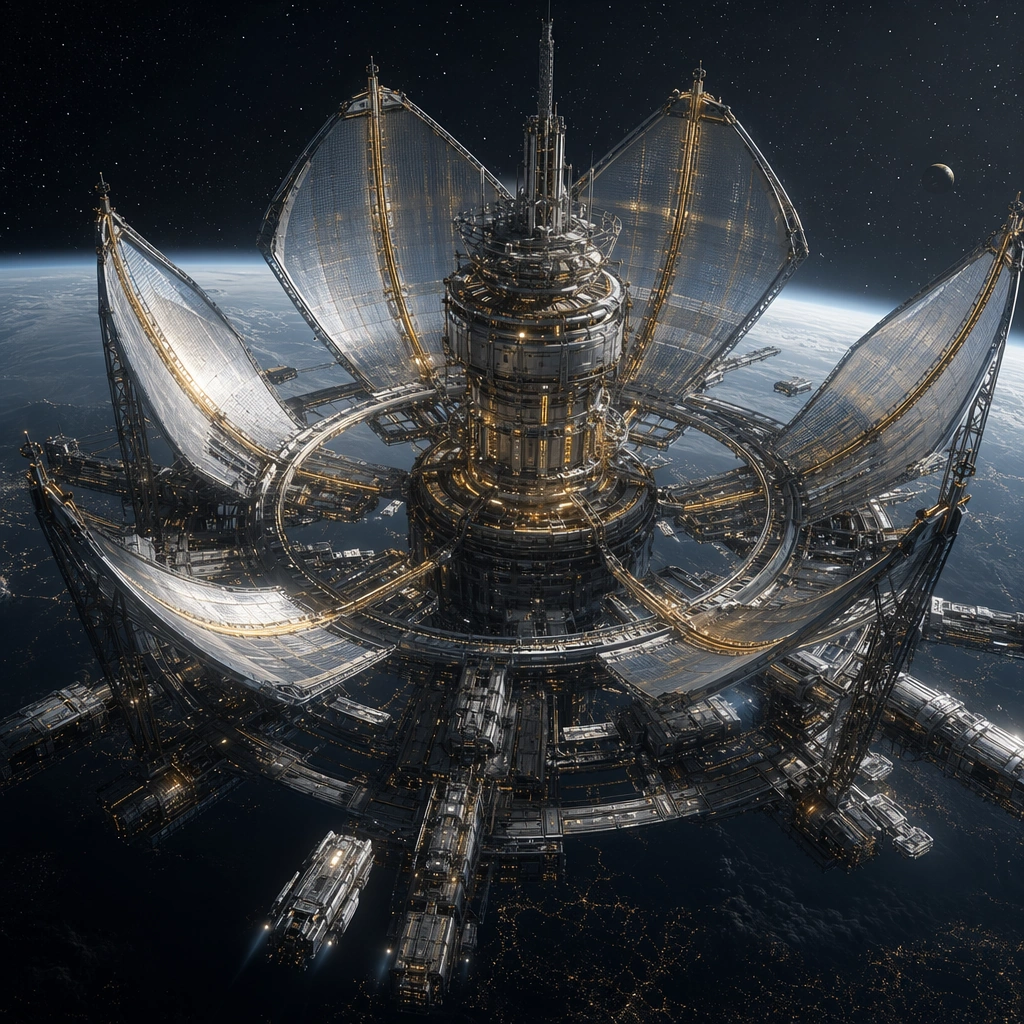
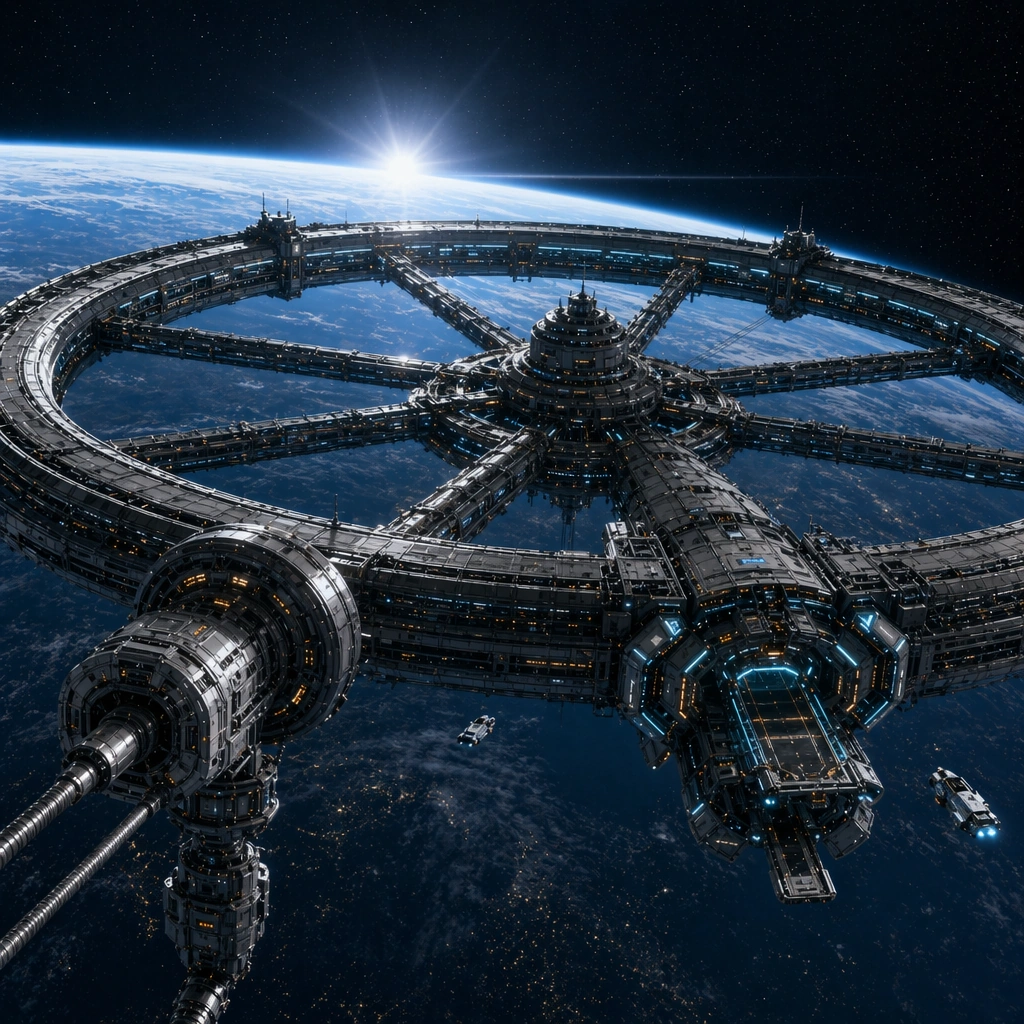
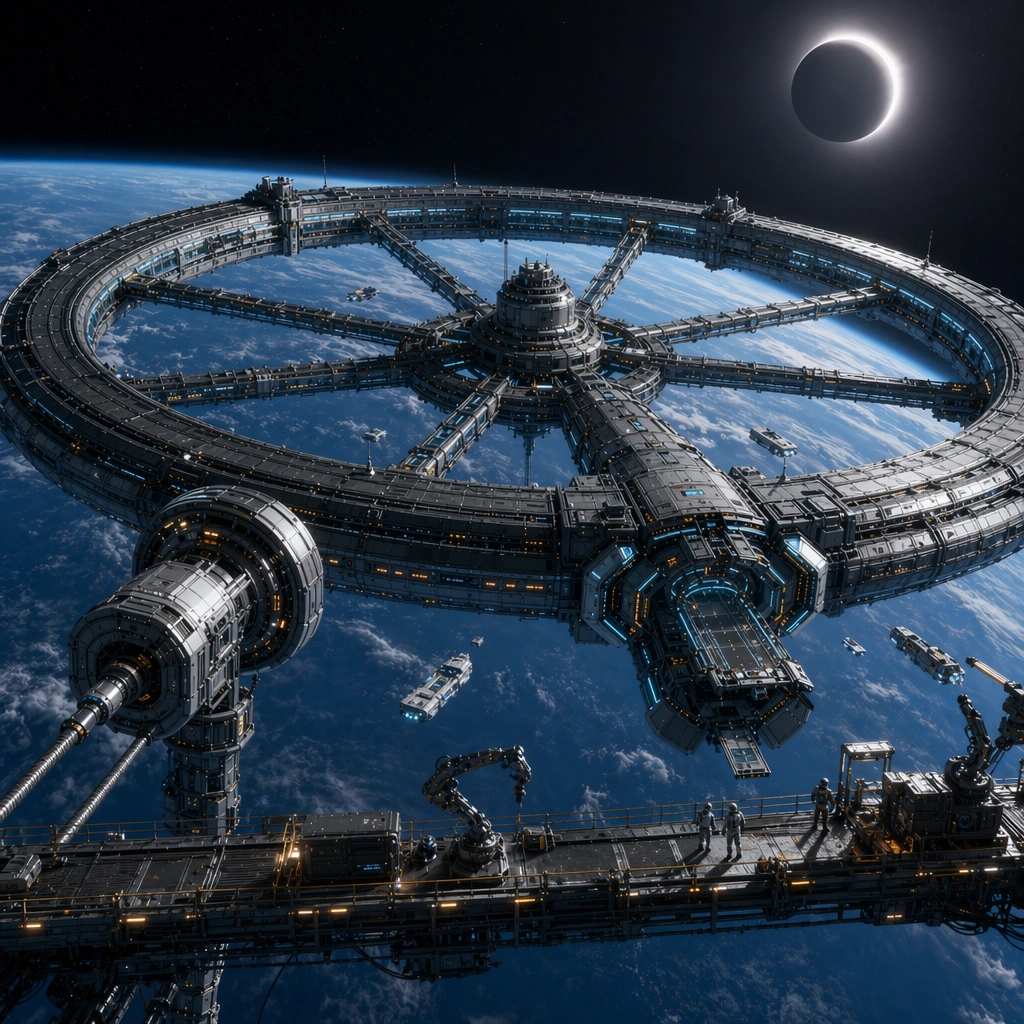
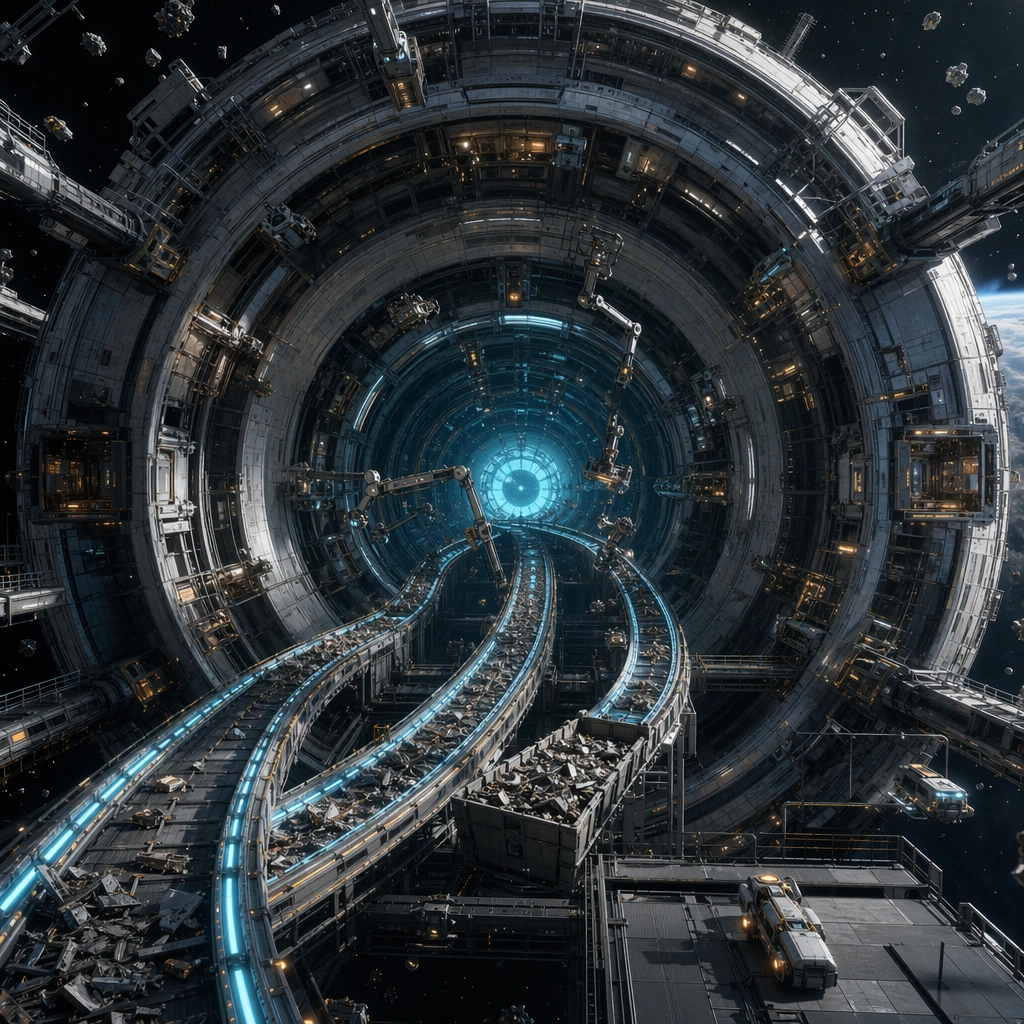
Design a square key-art study for speculative orbital infrastructure with strong depth, silent space atmosphere, and enough detail to feel like a finished professional concept poster. Treat each image as a distinct program or mission context rather than a small variation on the same frame. Compose a square vertical-feeling view inside a giant recycler aperture where shredded orbital material travels along luminous conveyor arcs into a processing throat.

Subject:
Show one legible orbital typology with disciplined silhouette, clear traffic logic, and small human or vehicle cues that reveal the scale without turning the composition into a crowded fleet battle. The design should feel commercially useful for worldbuilding, editorial, or launch-visual surfaces. The main structure should feel like civic infrastructure at megastructure scale, with gantries, capture grids, and repair niches giving the scene believable industrial depth.

Important details:
Favor sharp hierarchy, credible modular engineering, and a palette of cool metals balanced by one environmental accent color. Each image should feel singular, but it must still belong to the same broader orbital design category with believable infrastructure grammar. Balance awe with function so the void feels impressive but still clearly engineered for recycling, sorting, and safe orbital cleanup. Preserve internal logic in docking, circulation, and maintenance access so the megastructure feels buildable rather than decorative.

Use case:
Orbital Vistas single study 4/5, designed as a self-contained support image for this topic.

Constraints:
No readable text, no watermark, no logos, preserve exact 1:1 aspect ratio, no fantasy insignia, no heroic movie-poster characters, no crowded battle fleets, no readable station markings, no religious iconography, no molten fantasy forge.
Verwendung
- Den vollständigen Original-Prompt einschließlich Parametern kopieren.
- Motiv, Text und Komposition an die eigenen Anforderungen anpassen.
- Ein kompatibles externes Werkzeug nutzen; Zugangsbedingungen und Ergebnis prüfen.
Vor dem Start
- Prüfen, ob ein Referenzbild nötig ist. Kompatibilität belegt nicht das tatsächlich verwendete Modell.
- Namen, Zahlen und Bildtexte prüfen; Modellversionen können andere Ergebnisse liefern.