Originaldokument
GPT Image 2 · en
Scene:
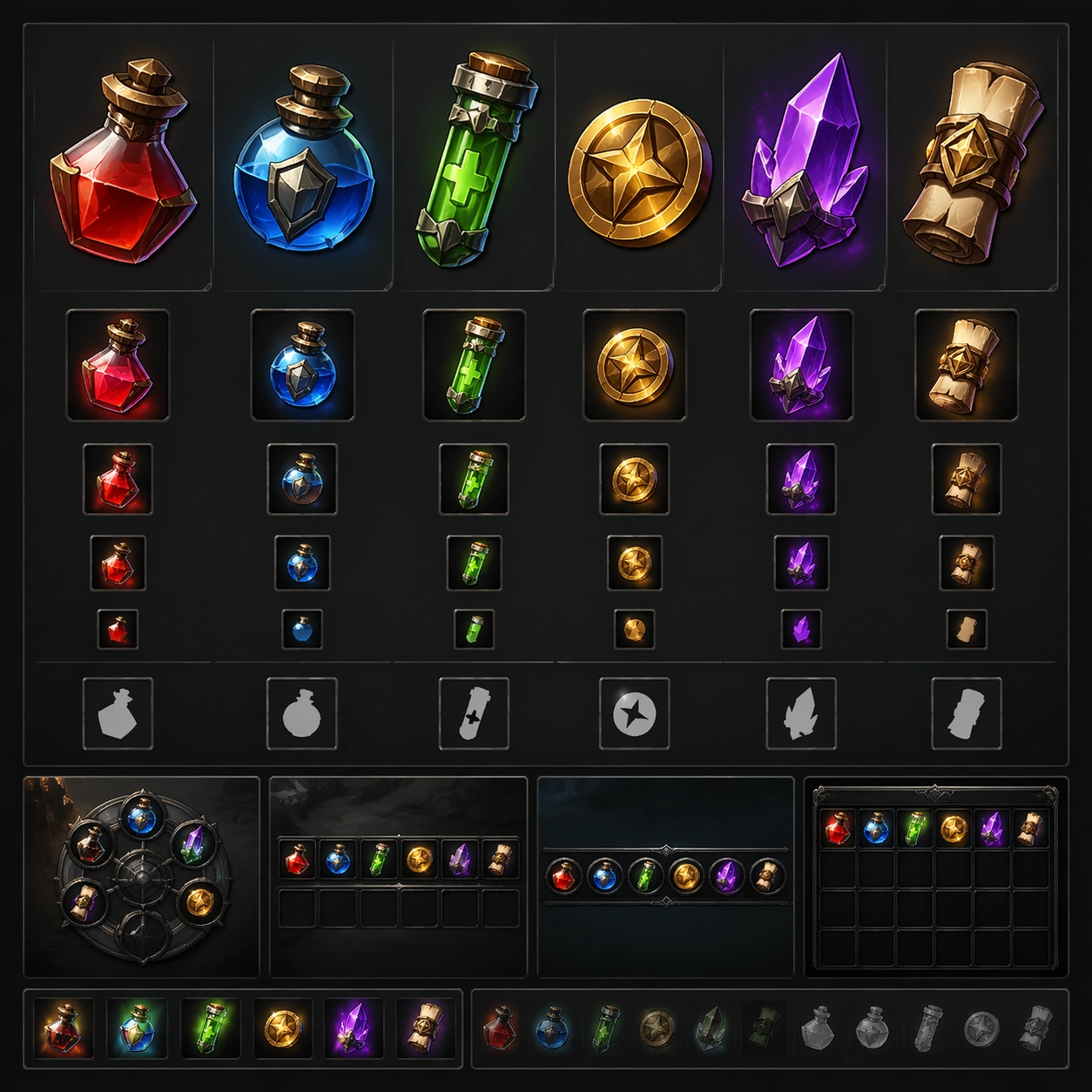
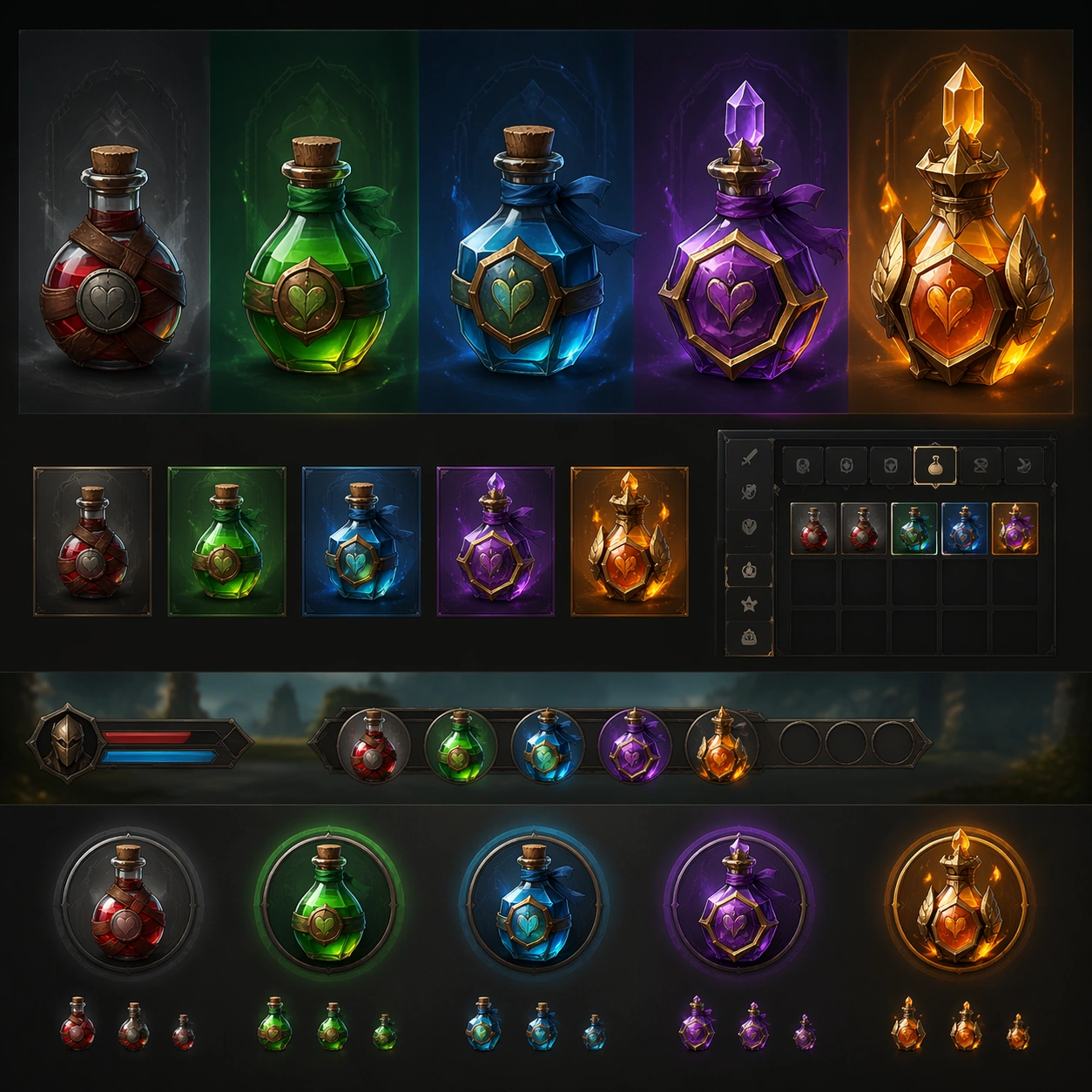
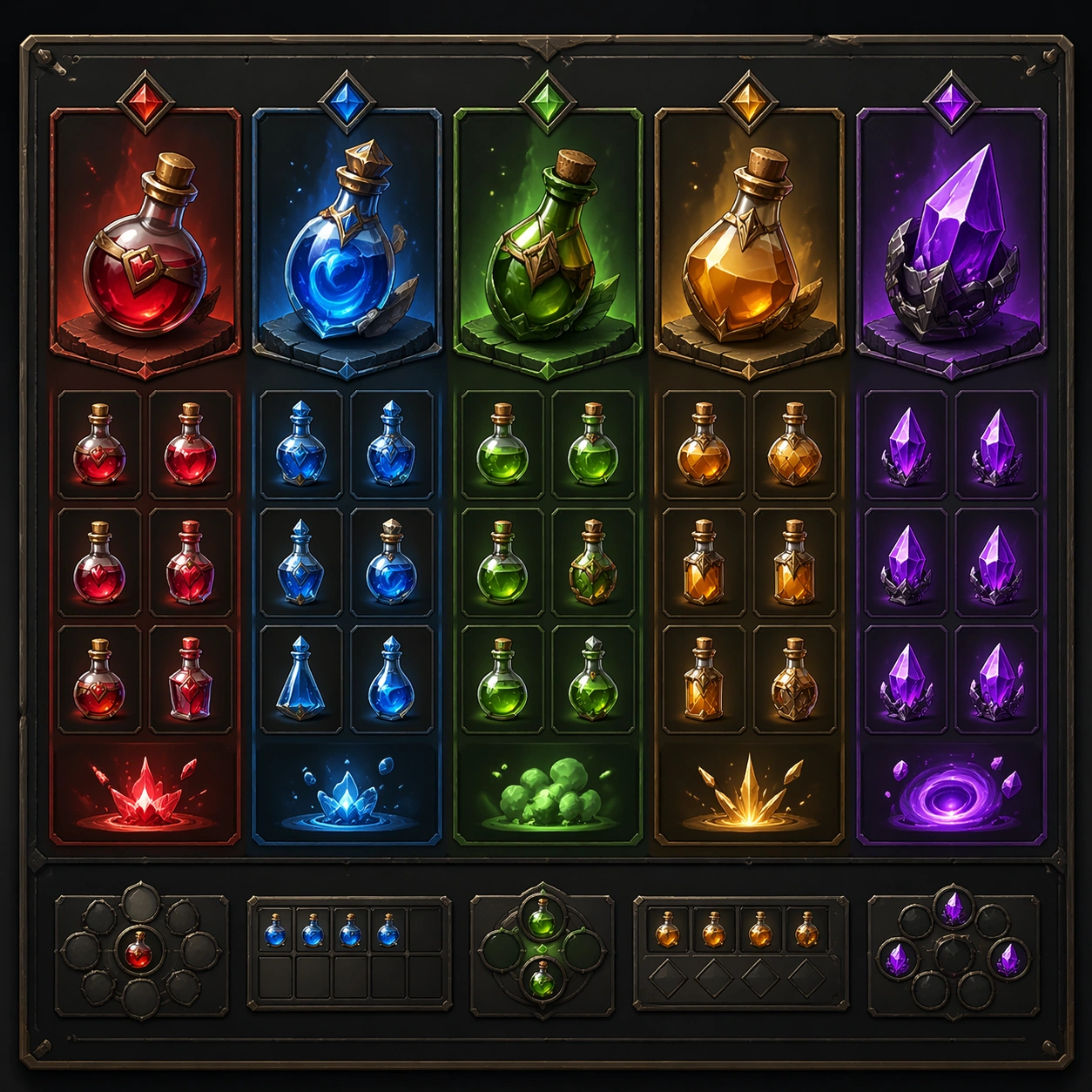
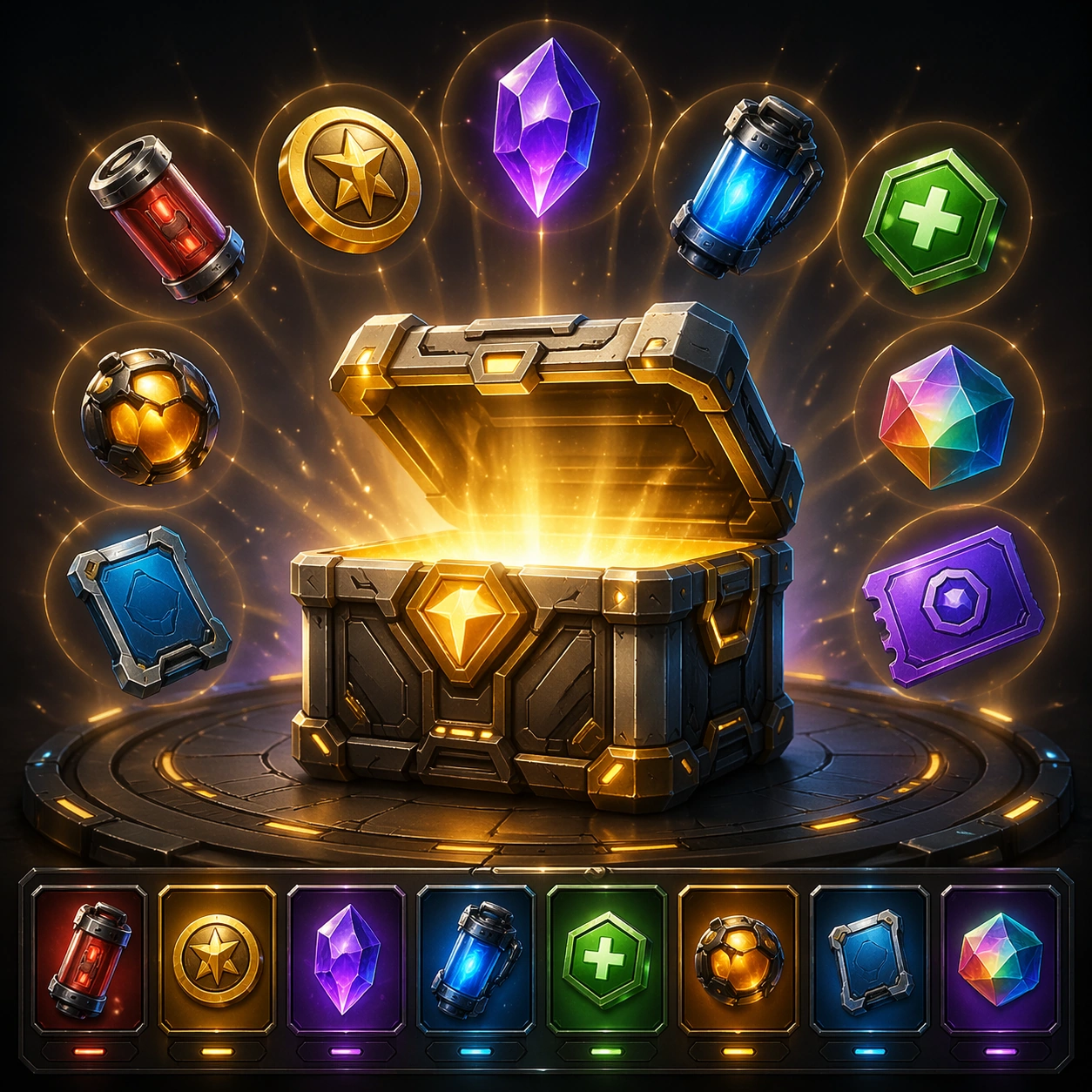
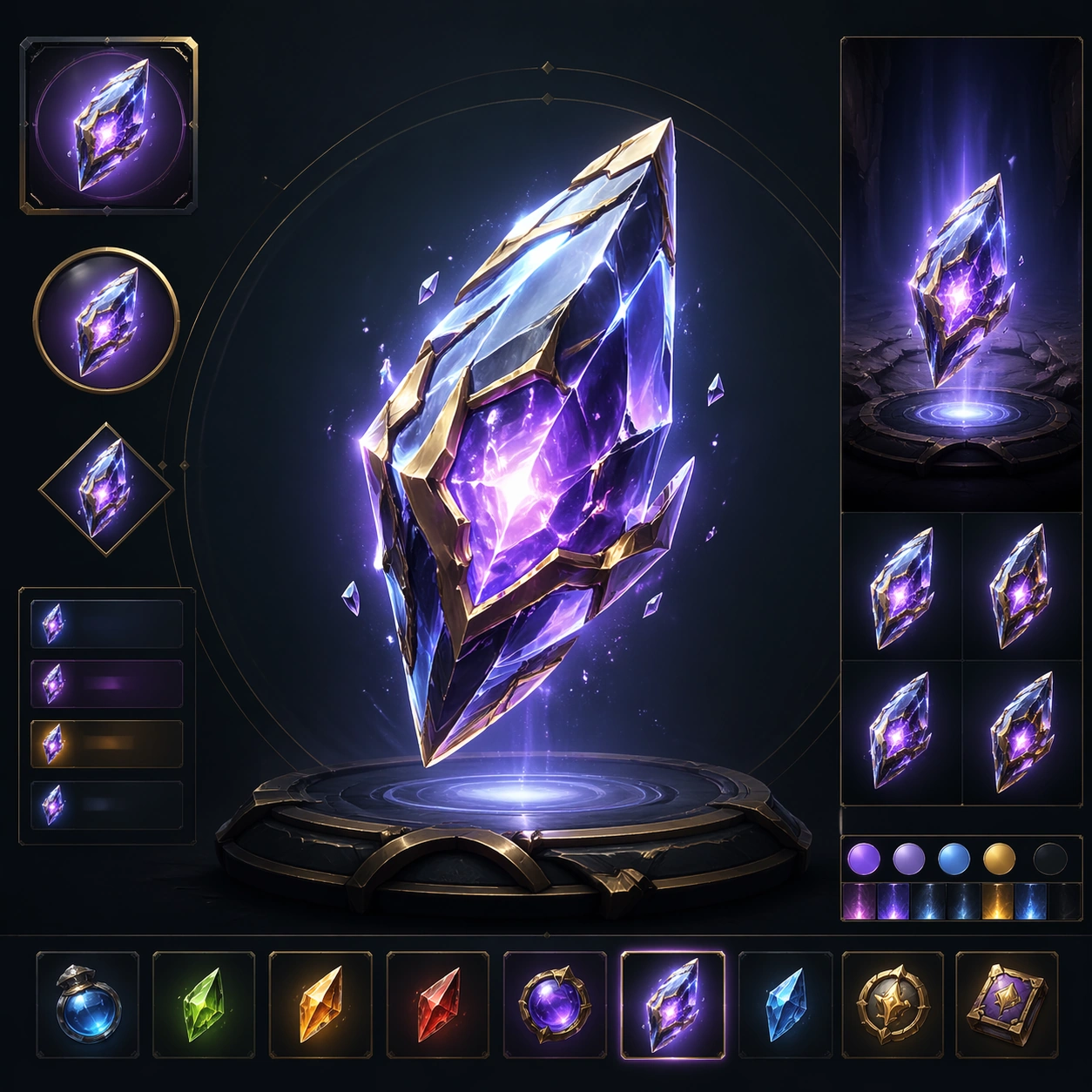
A square production-ready image designed for a game-art review wall and a commercial gallery at the same time. Frame a luminous artifact shard icon rendered like a rare loot pickup with layered internal glow with disciplined lighting, clean edge separation, and enough surrounding context to prove how the asset would behave in a real product surface. The camera, crop, and tonal balance should feel intentional rather than generic, with high readability at first glance and convincing material response under closer inspection.

Subject:
Center the study on a luminous artifact shard icon rendered like a rare loot pickup with layered internal glow. Translate the topic into a concrete, shippable visual statement instead of a loose mood board. Build layered object relationships, believable surface finish, and strong silhouette grouping so the image reads immediately as part of Loot Consumable Icon Family. The subject should feel made for a live game pipeline: useful in store, UI, campaign, or art-review contexts, with visual hierarchy strong enough to survive aggressive cropping.

Important details:
the shard should read as magical or advanced without becoming an unreadable light blob. Keep every supporting element subordinate to the main read, and make category separation obvious through form, color zoning, depth, and material logic rather than words. Where panels, cards, badges, or interface blocks appear, they must look professionally structured but remain unreadable. The visual language should feel premium, original, and coherent across this package, with no filler clutter and no accidental resemblance to a specific shipped game IP.

Use case:
Loot Consumable Icon Family single study 3/9, focused on artifact shard core.

Constraints:
No readable text, no watermark, no logos, preserve exact 1:1 aspect ratio, no runic text, no logo crest, no broken hierarchy, no generic stock-photo staging, no accidental UI gibberish.
Verwendung
- Den vollständigen Original-Prompt einschließlich Parametern kopieren.
- Motiv, Text und Komposition an die eigenen Anforderungen anpassen.
- Ein kompatibles externes Werkzeug nutzen; Zugangsbedingungen und Ergebnis prüfen.
Vor dem Start
- Prüfen, ob ein Referenzbild nötig ist. Kompatibilität belegt nicht das tatsächlich verwendete Modell.
- Namen, Zahlen und Bildtexte prüfen; Modellversionen können andere Ergebnisse liefern.