Originaldokument
GPT Image 2 · en
Scene:
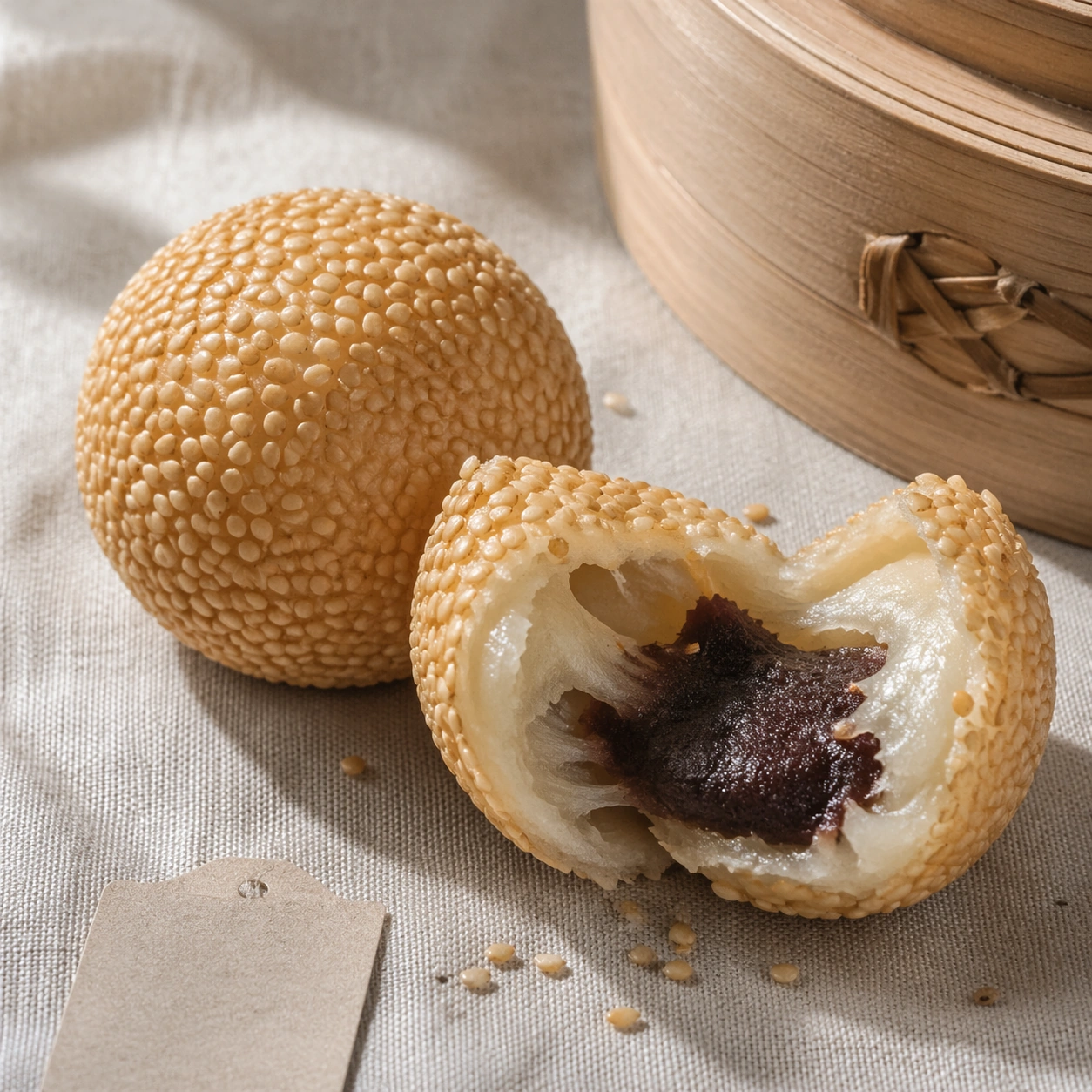
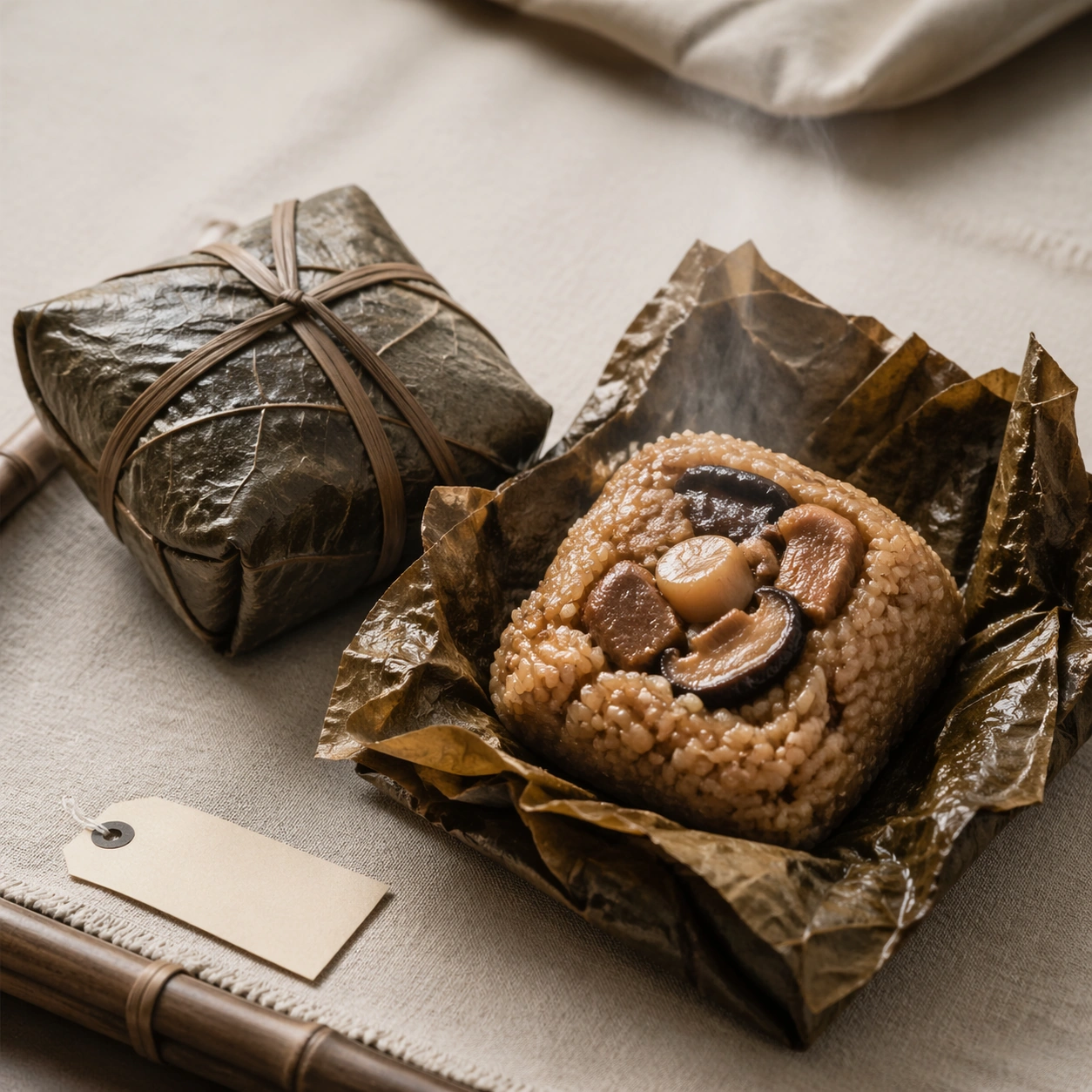
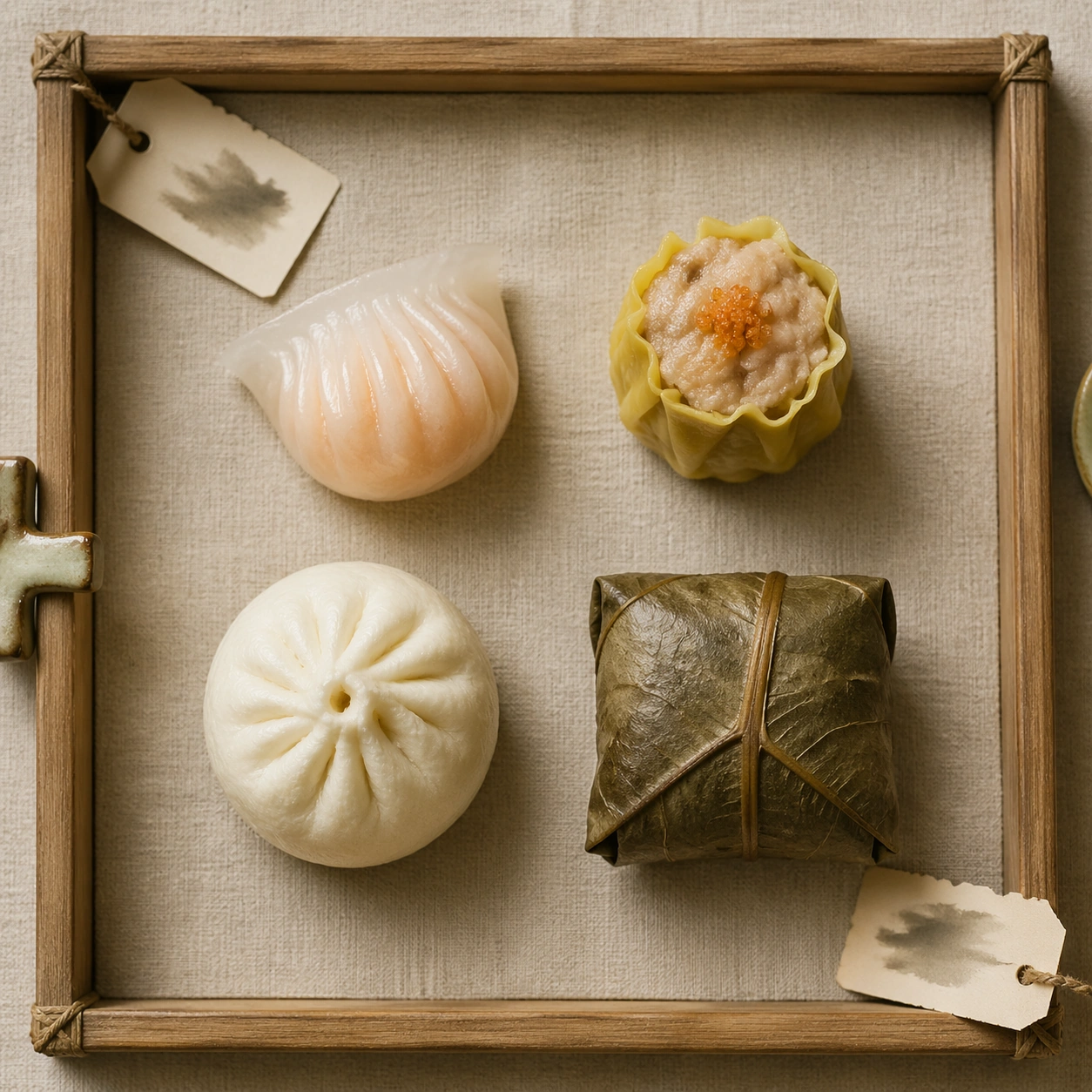
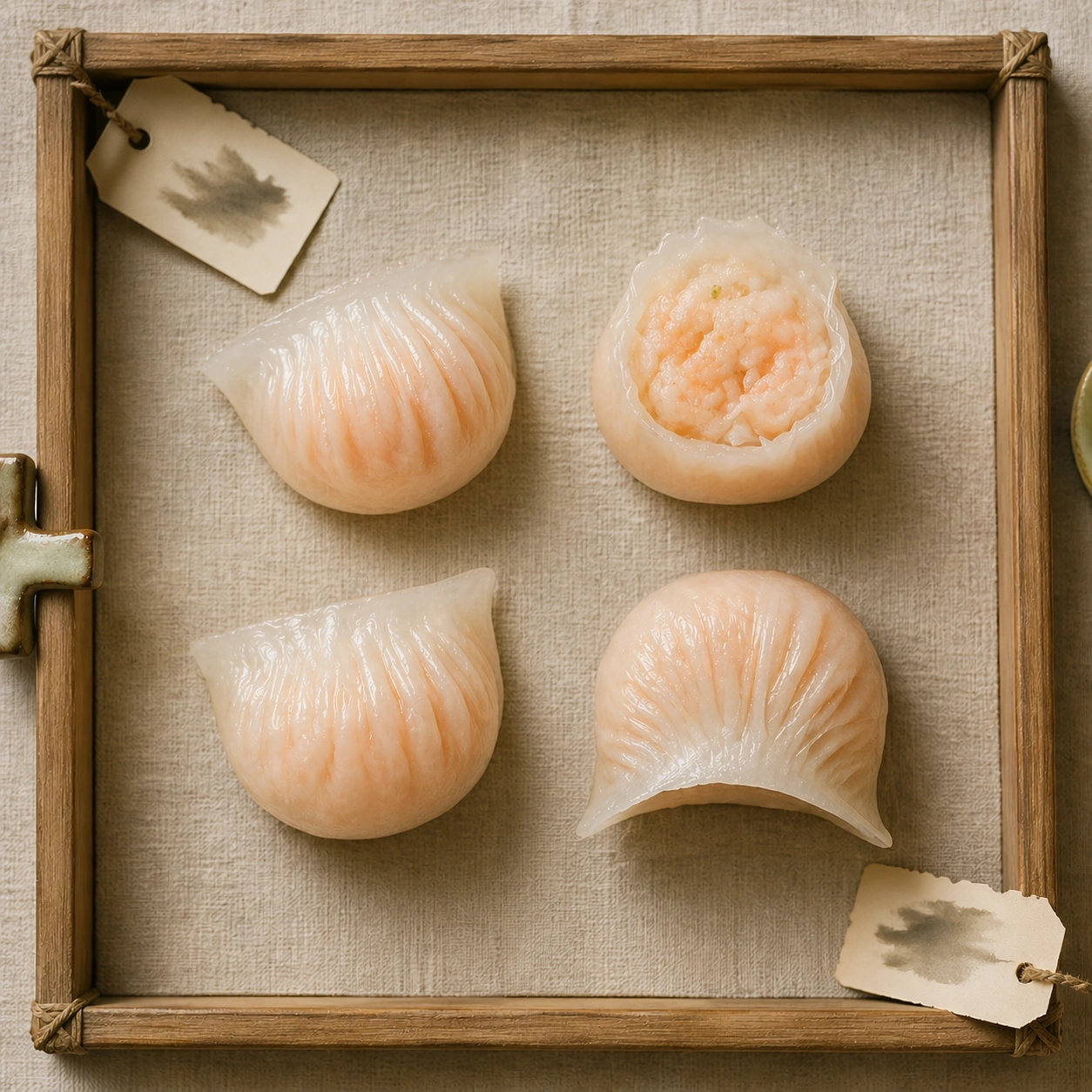
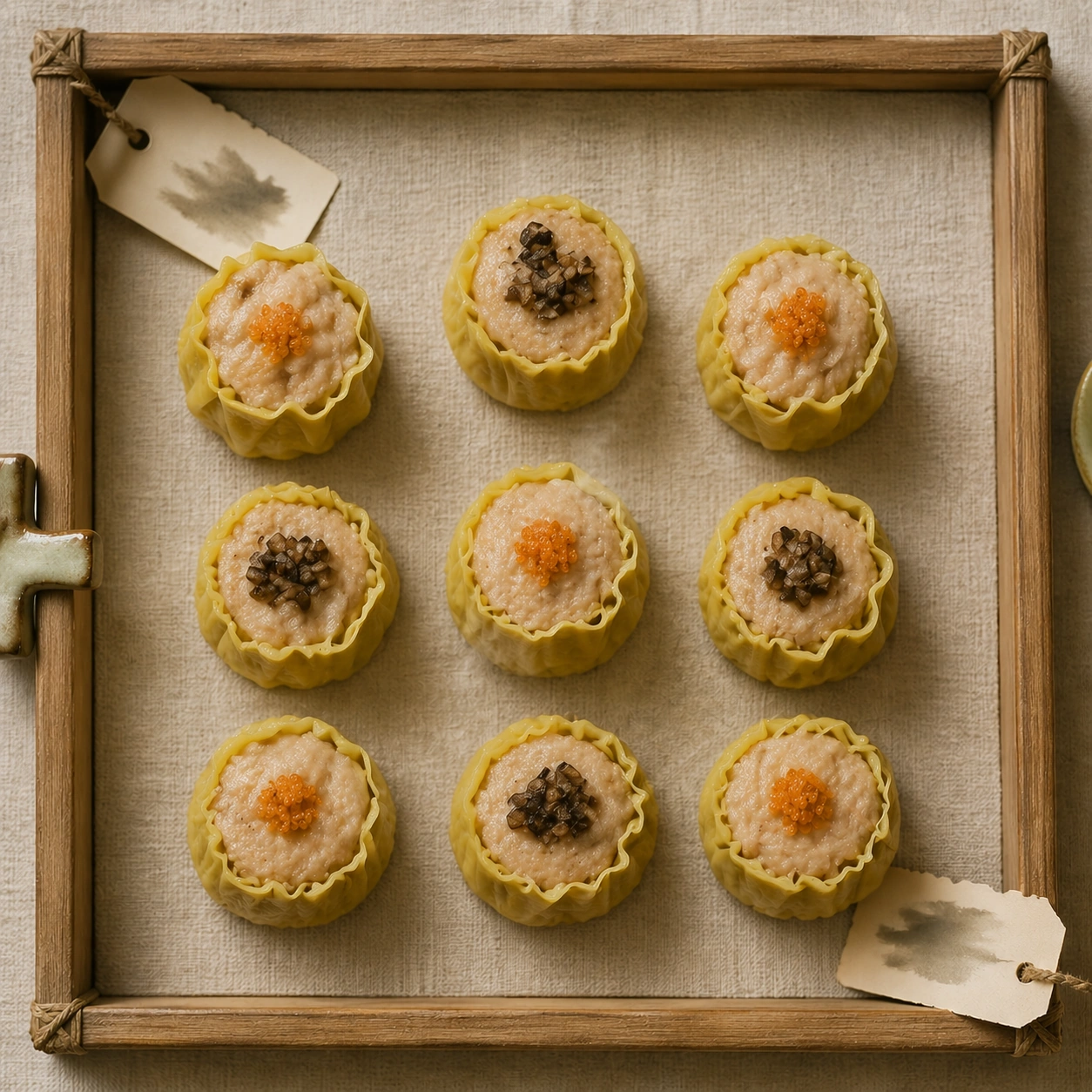
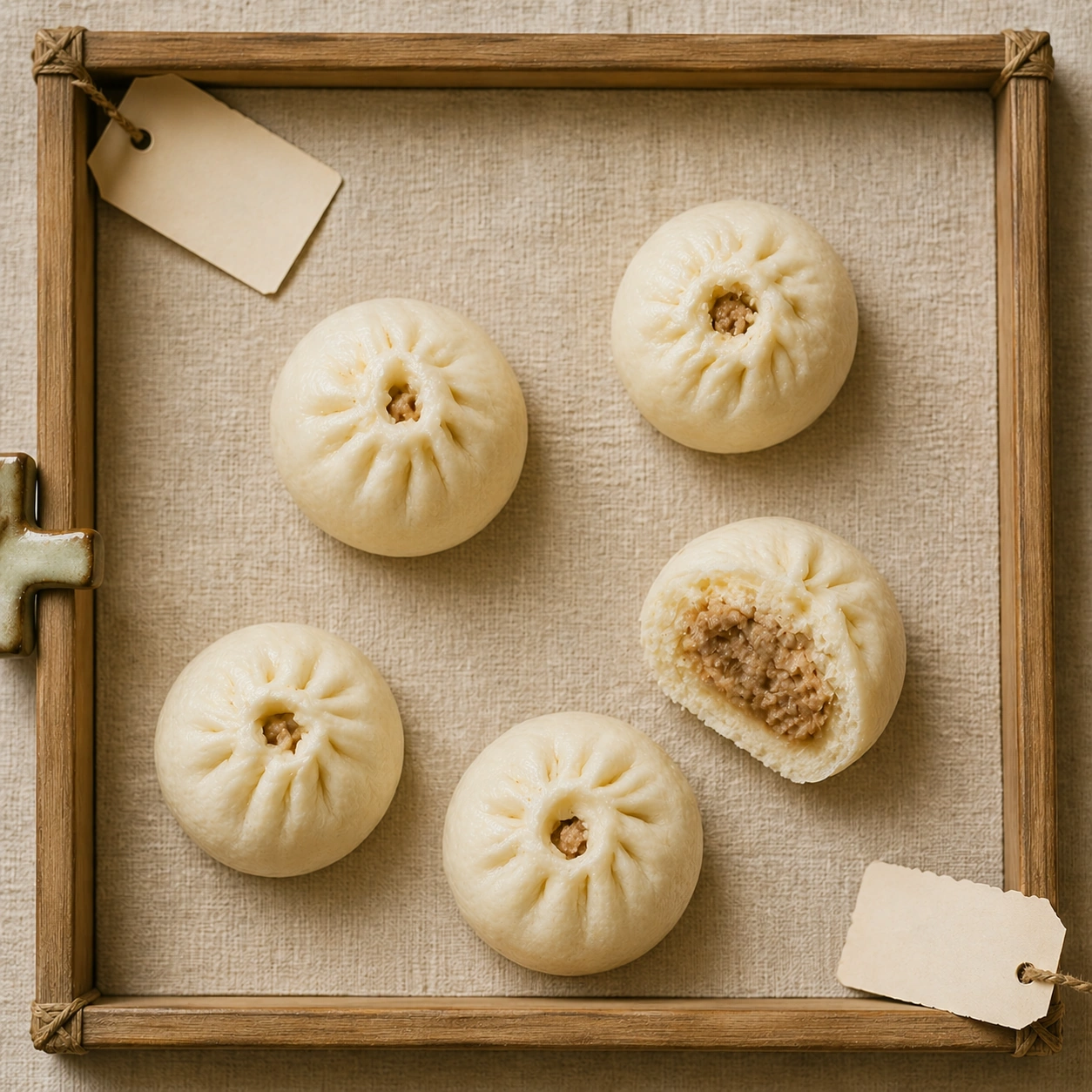
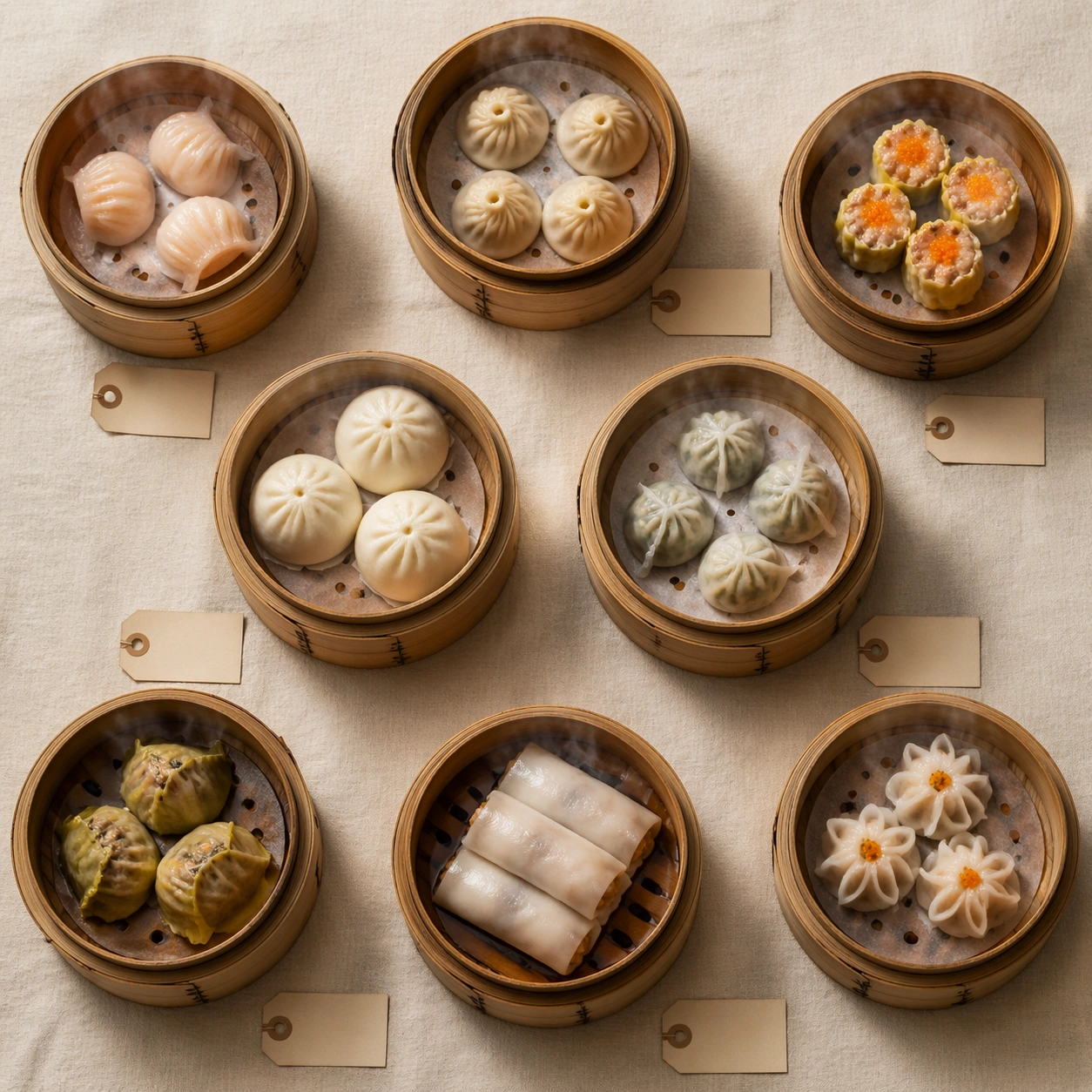
Create a square museum-atlas photograph of dim sum presented on natural linen or pale neutral textile, lit with calm daylight and restrained shadow. The composition should feel archival, specimen-like, and quietly luxurious rather than crowded or banquet-style. Blank museum tabs, bamboo details, and shallow steam are acceptable so long as no readable characters appear anywhere. Create a square overhead composition of open bamboo steamers resting on linen, lit by soft daylight and arranged with generous spacing so each steamer becomes one module in a larger layout. The atmosphere should remain museum-like rather than banquet-like.

Subject:
Place a small selection of steamers containing different dim sum forms: translucent dumplings, buns, open-crown dumplings, and rolls. Each basket should feel intentionally curated, with steam rising lightly and no sauces or utensils competing for attention. The larger composition should read like a constellation of handcrafted forms.

Important details:
Make the dumplings feel handcrafted and specific: pleat count, skin thickness, translucency, filling pressure, steam moisture, and wrapper folds all need to be believable. The museum treatment should elevate the food without turning it into abstraction. Every item should still look edible, warm, and tactile. The image must balance overview clarity with close-up texture: bamboo grain, wrapper translucency, dough softness, and steam all need to remain legible. The spacing between baskets is as important as the food inside them.

Use case:
Dim sum miniature atlas single study 9/9, expanding the atlas into an overhead constellation of steamers.

Constraints:
No readable text, no watermark, no logos, preserve exact 1:1 aspect ratio, no banquet table clutter, no readable calligraphy, no sauce spills, no glossy menu styling, no plastic steamer look, no crowded banquet table, no readable menu slips, no plastic dim sum cart cues.
Verwendung
- Den vollständigen Original-Prompt einschließlich Parametern kopieren.
- Motiv, Text und Komposition an die eigenen Anforderungen anpassen.
- Ein kompatibles externes Werkzeug nutzen; Zugangsbedingungen und Ergebnis prüfen.
Vor dem Start
- Prüfen, ob ein Referenzbild nötig ist. Kompatibilität belegt nicht das tatsächlich verwendete Modell.
- Namen, Zahlen und Bildtexte prüfen; Modellversionen können andere Ergebnisse liefern.