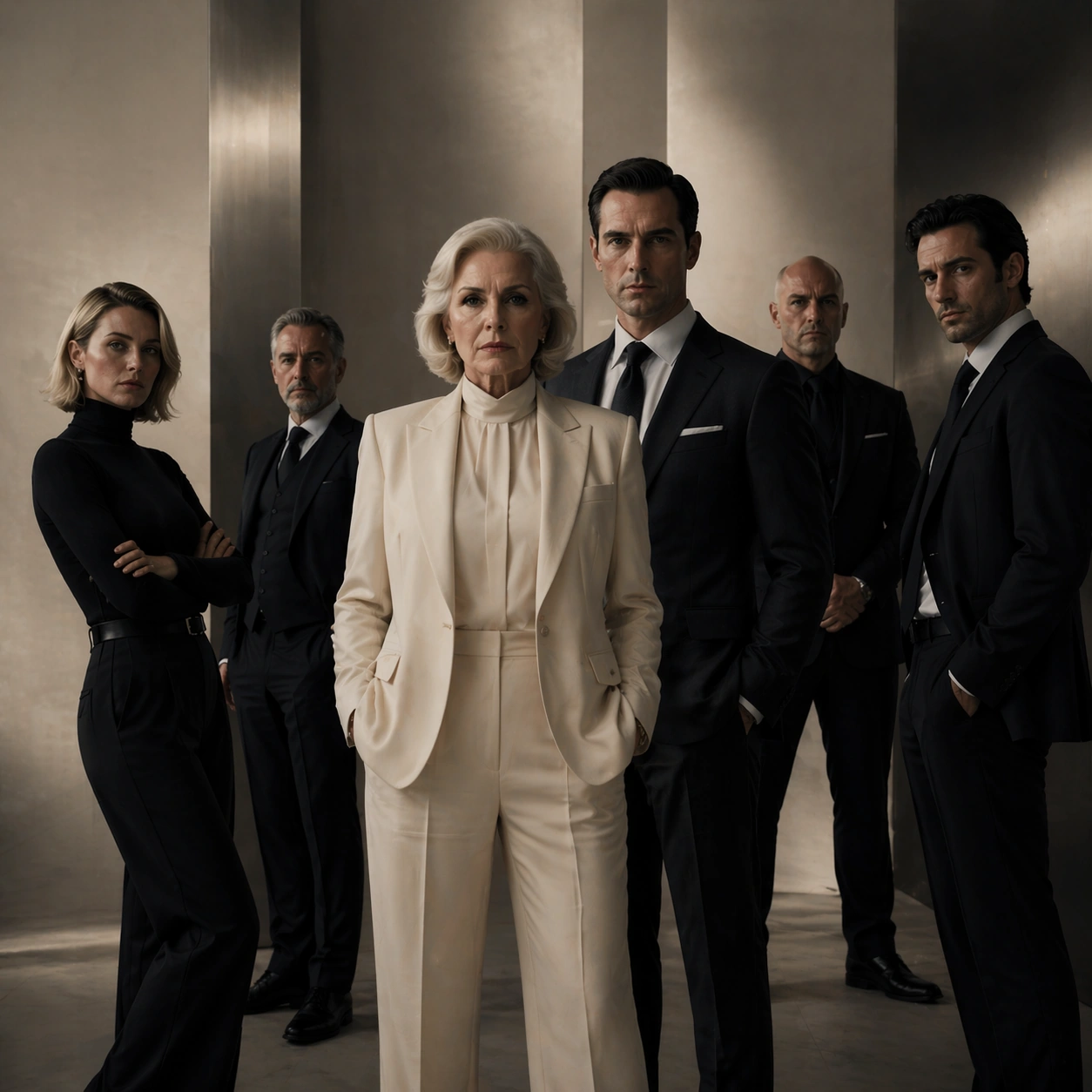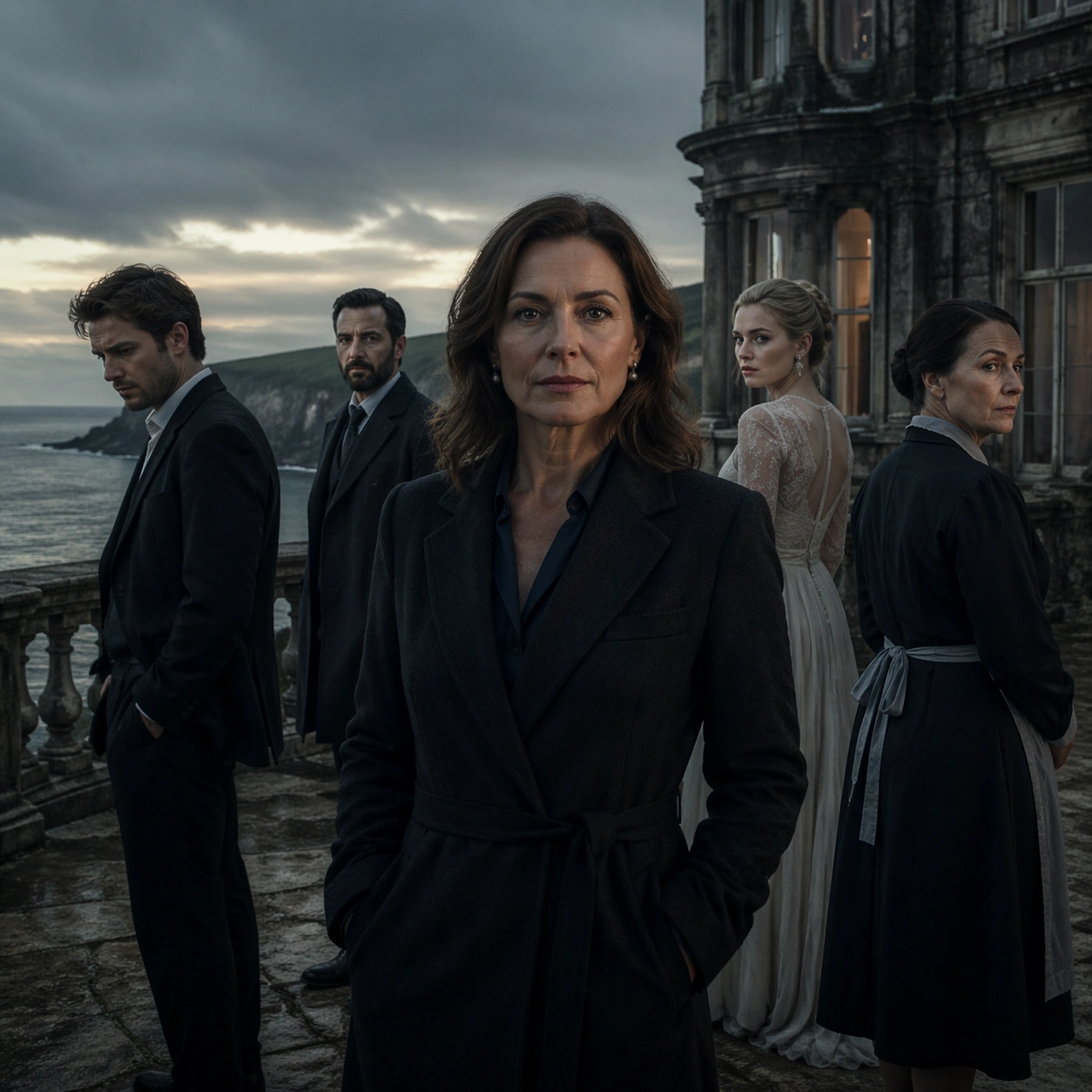
Documento original
GPT Image 2 · en
Scene:
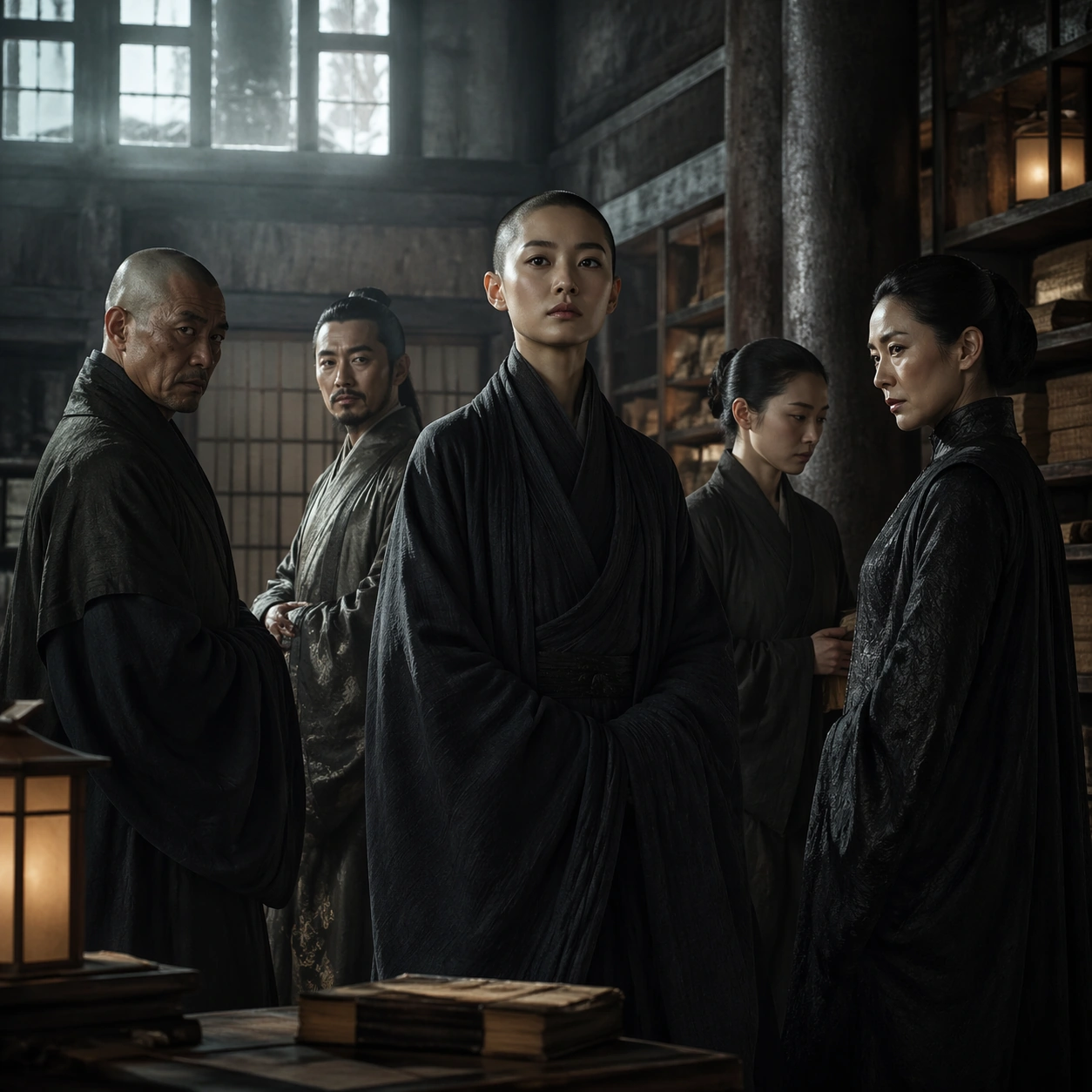
A square prestige-series key art image inside a mountain monastery archive lit by cold dawn light from high windows and a few warm practical lamps. Stone columns, paper screens, and tiered shelves create a disciplined architectural frame. The mood is contemplative but dangerous, with heavy silence and a premium photographic finish that suggests serious serialized drama rather than mystical fantasy.

Subject:
Create a fictional ensemble of five conspirators embedded inside a religious institution. The lead is a young abbess in layered charcoal robes, centered and poised, holding neither weapon nor scripture but commanding the scene through stillness. Around her stand a war-scarred monk, an aristocratic donor in understated silk, a novice archivist with divided loyalty, and a severe investigator from the capital. Arrange them so the abbess is clearly the emotional center while the others form a network of suspicion and dependency. Their faces must feel lived-in, subtle, and complex, avoiding caricature.

Important details:
This study depends on relationship geometry more than overt plot props. Use posture, depth, and gaze to imply secret factions inside a closed institution. Maintain a restrained palette and sparse set dressing so the image reads like premium key art. The environment should feel real and expensive, not stagey. Keep clothing textures, age differences, and personal histories legible at thumbnail scale.

Use case:
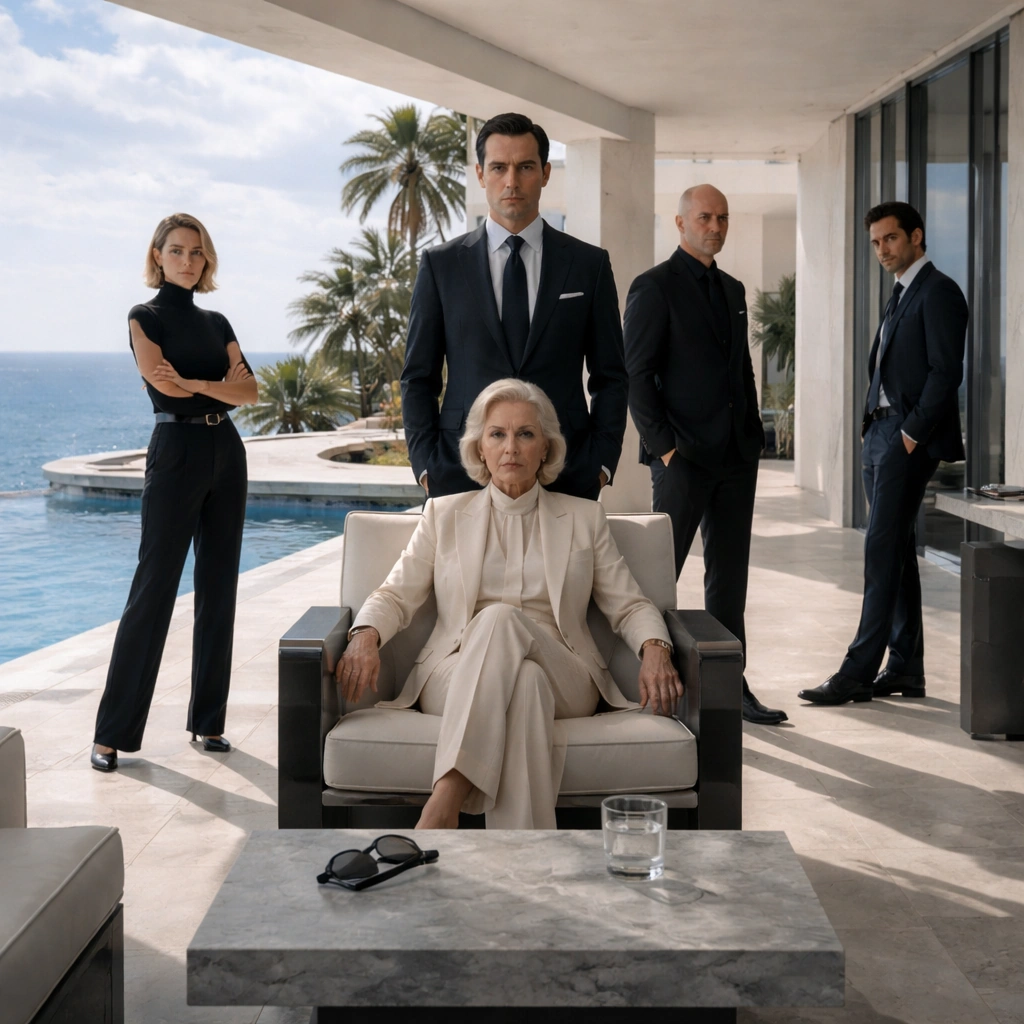
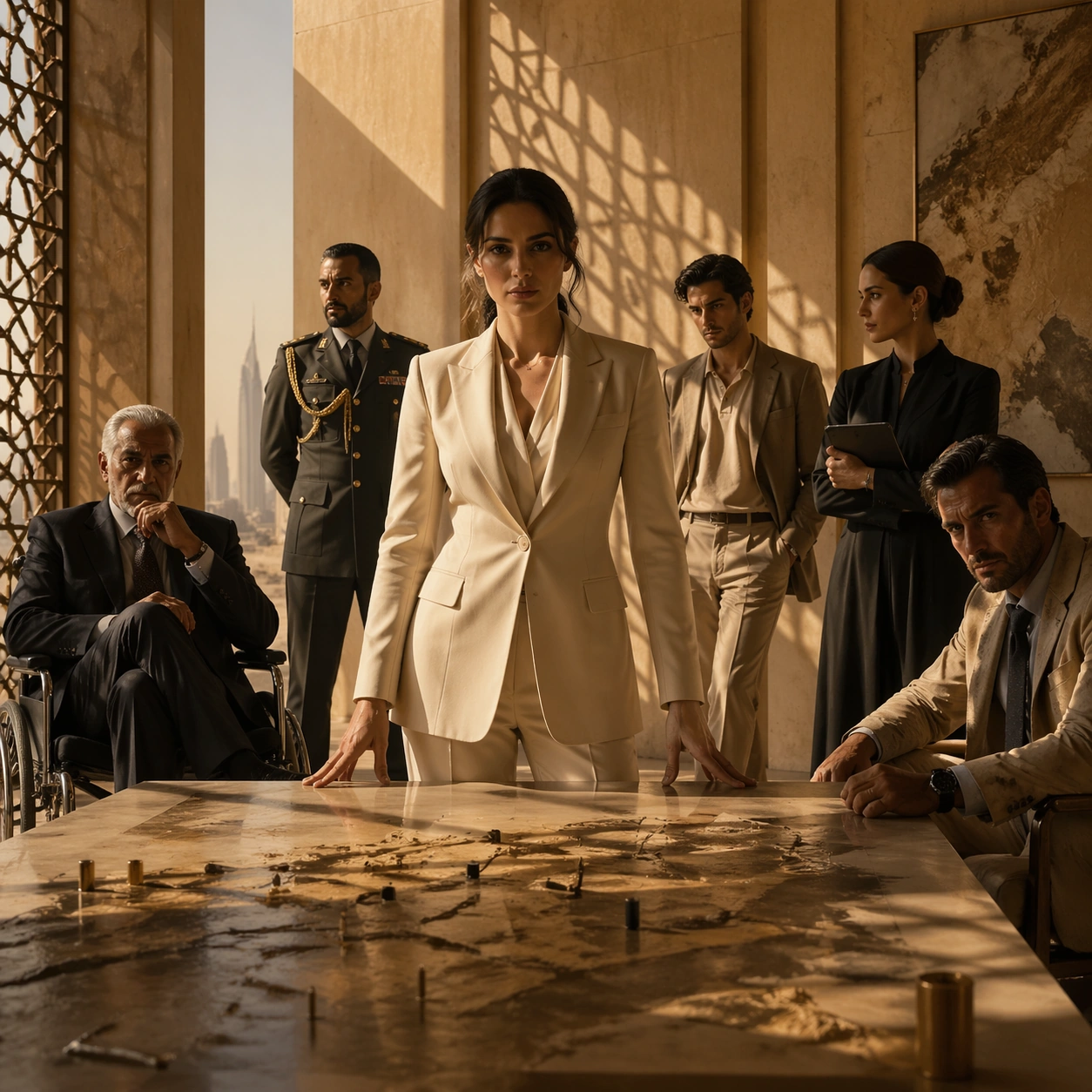
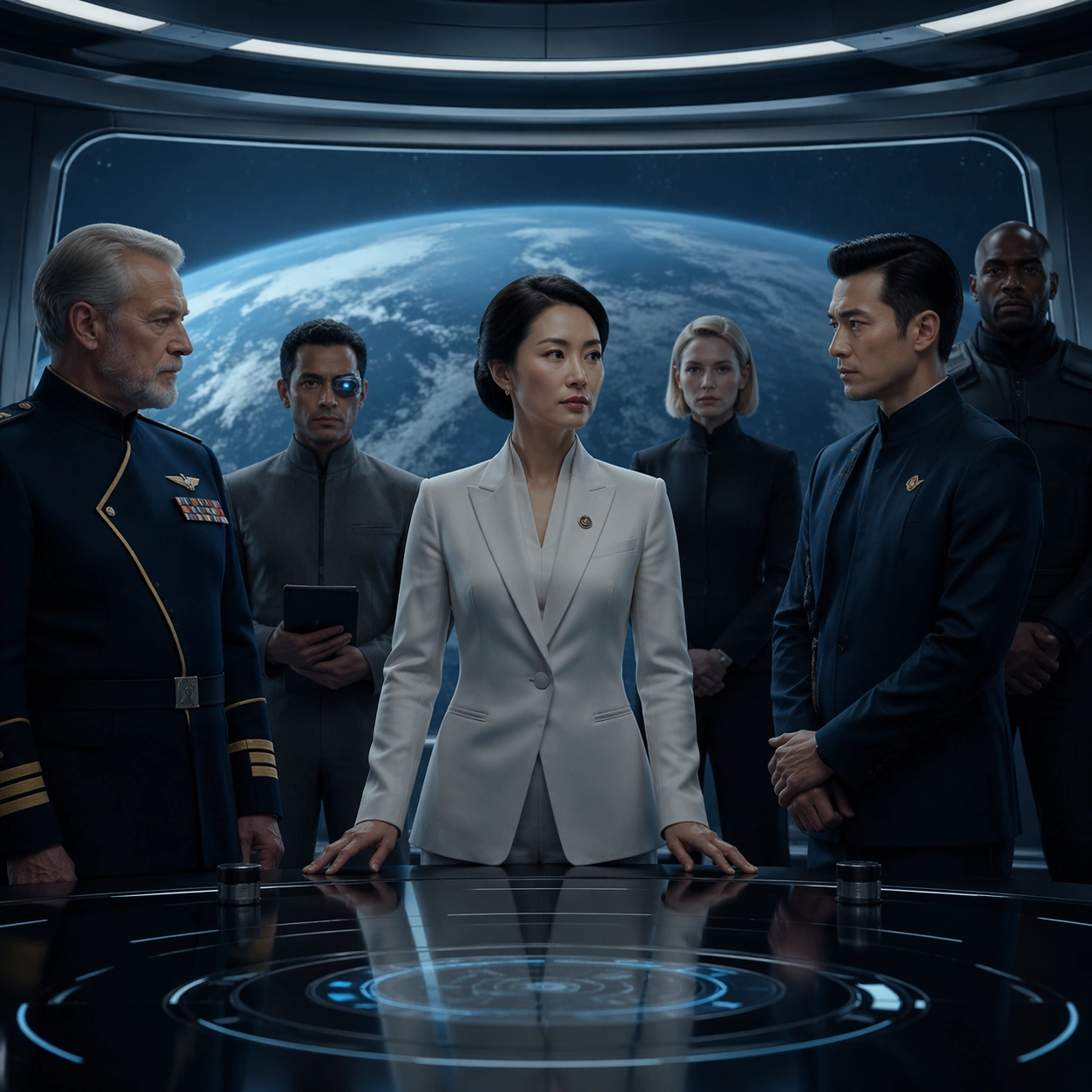
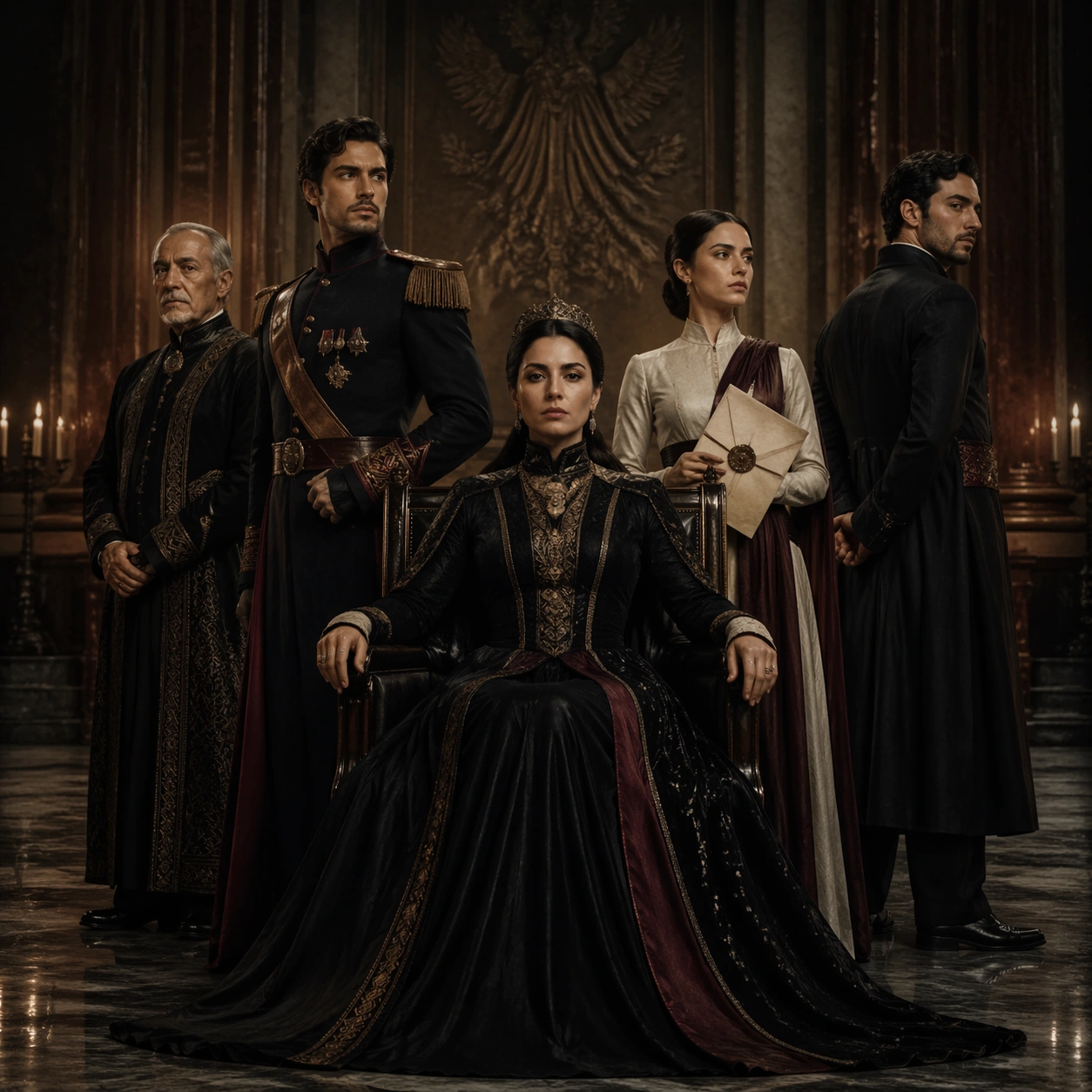
Prestige TV Key Art Remix single study 7/9, exploring monastery intrigue through prestige ensemble campaign language.

Constraints:
No readable text, no watermark, no logos, preserve exact 1:1 aspect ratio, no glowing magic effects, no chanting crowd, no overt battle scene, no camp villain expressions, no fantasy-world excess.
Cómo usar
- Copia el prompt original completo, incluidos los parámetros.
- Adapta el tema, el texto y la composición a tus necesidades.
- Usa una herramienta externa compatible; comprueba el acceso y el resultado.
Antes de empezar
- Comprueba si necesita una imagen de referencia. La compatibilidad no demuestra qué modelo generó el ejemplo.
- Revisa nombres, cifras y textos; el resultado puede variar entre versiones del modelo.