Documento original
GPT Image 2 · en
Scene:
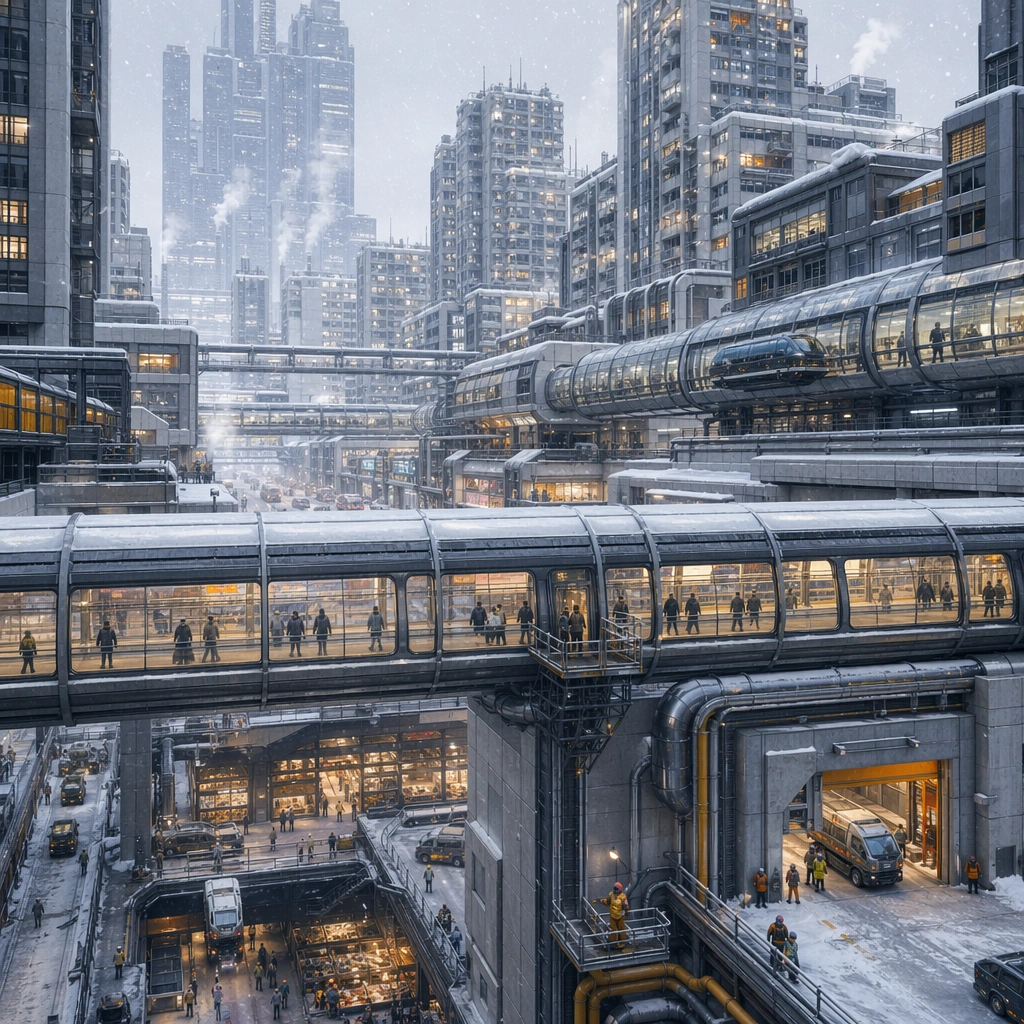
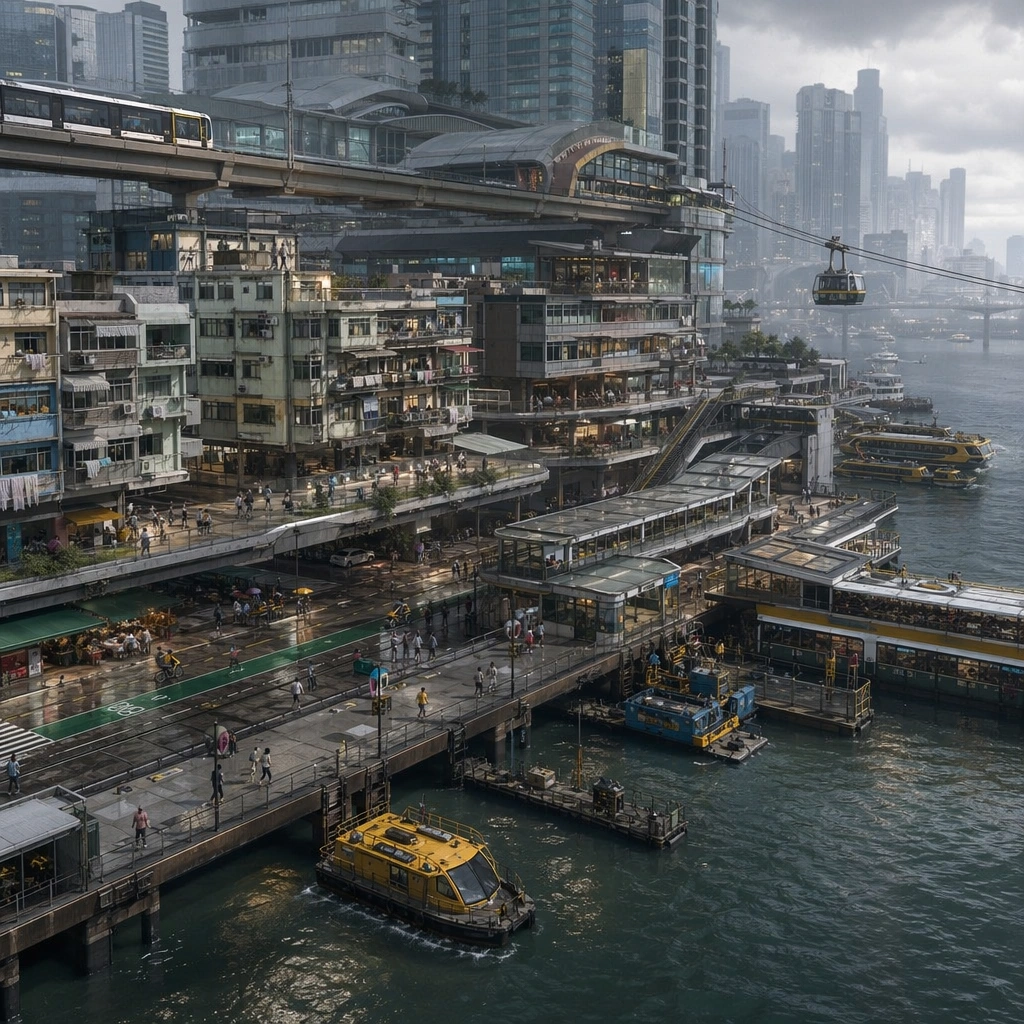
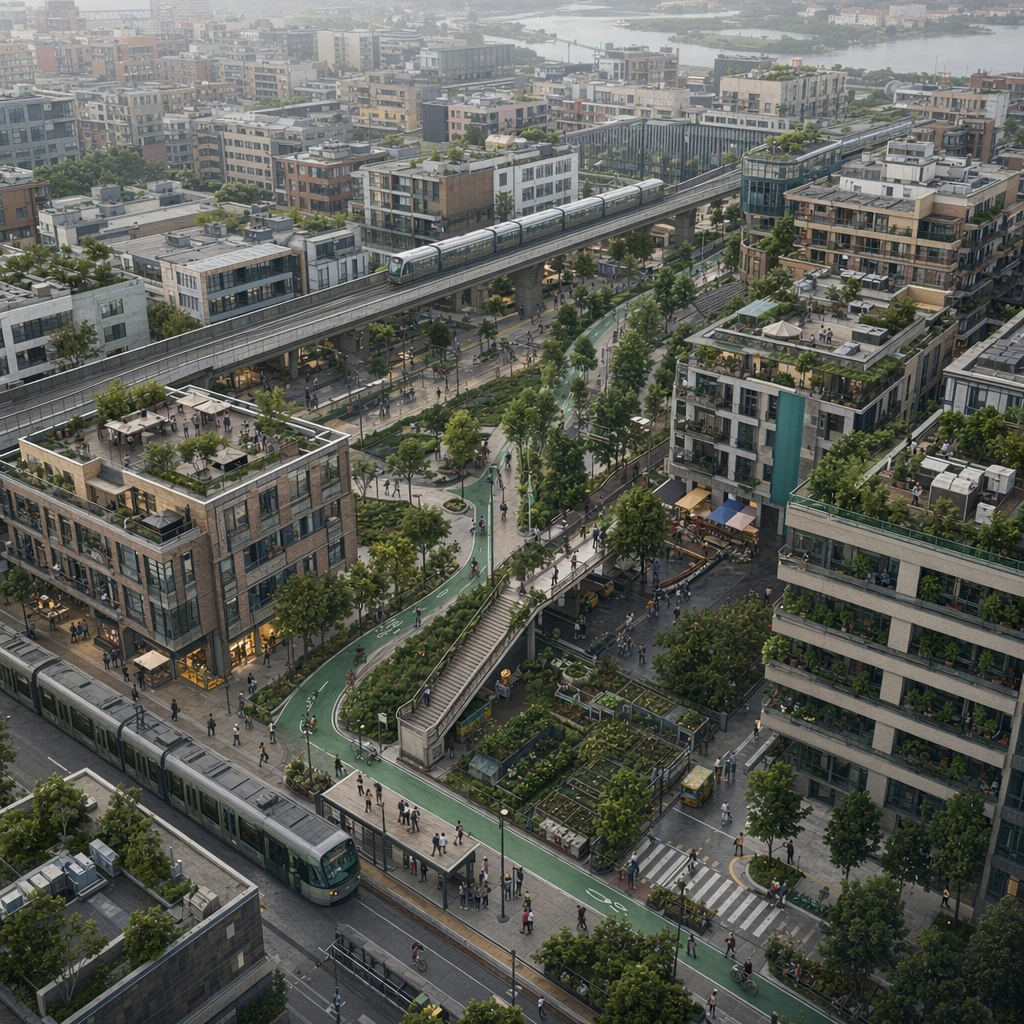
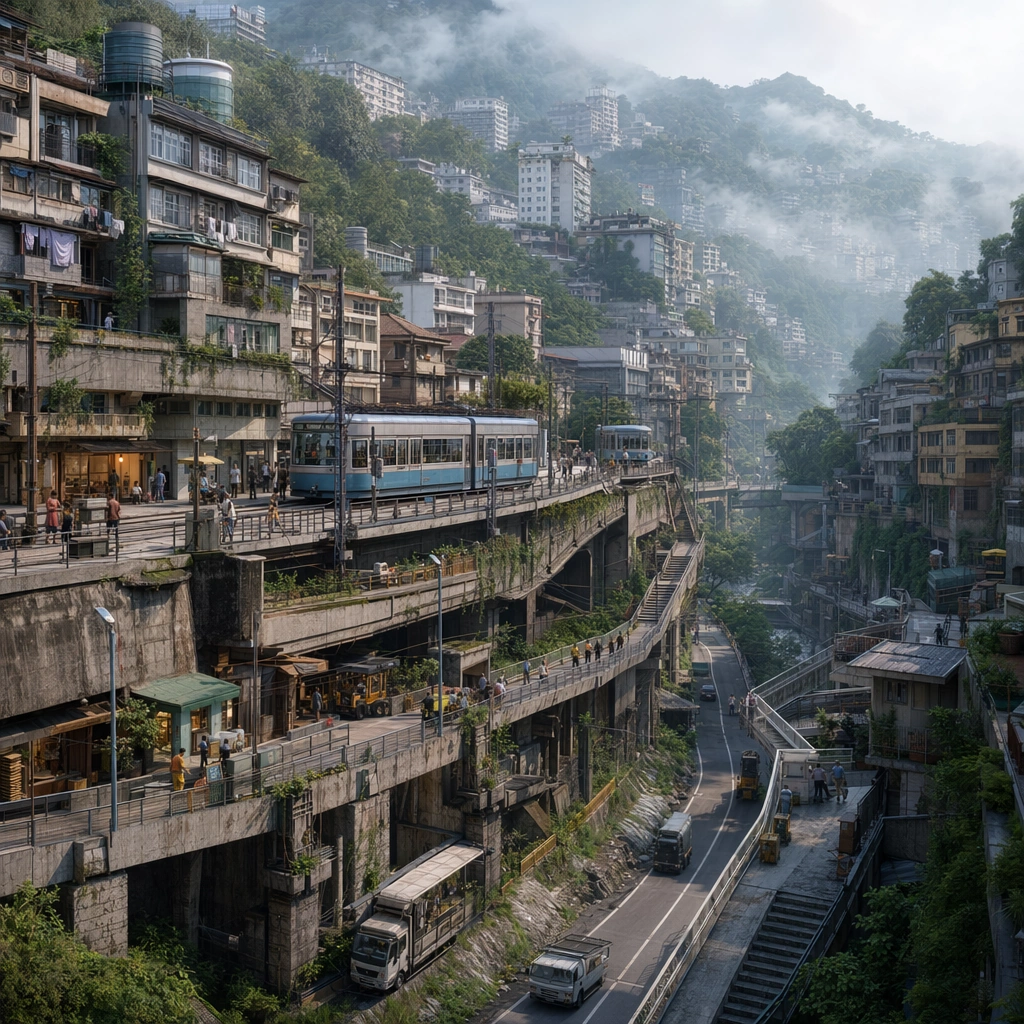
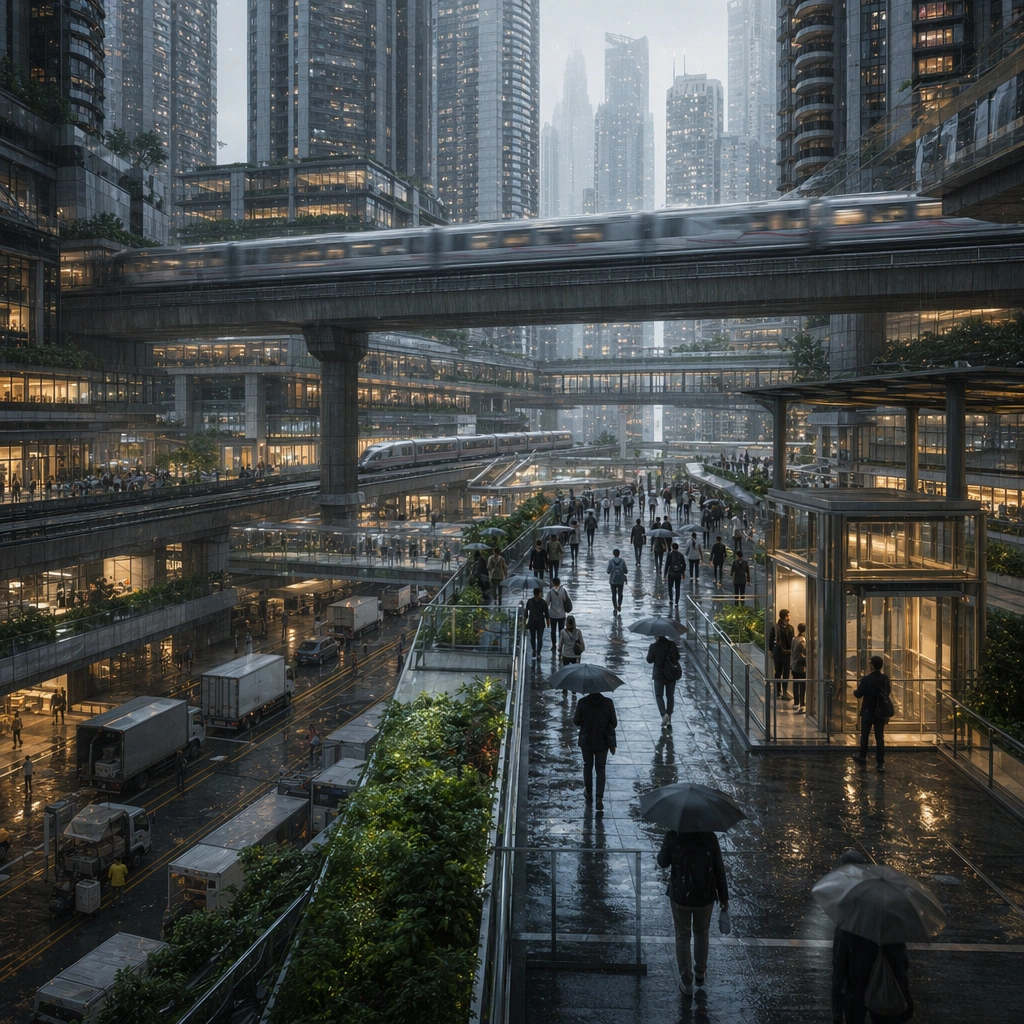
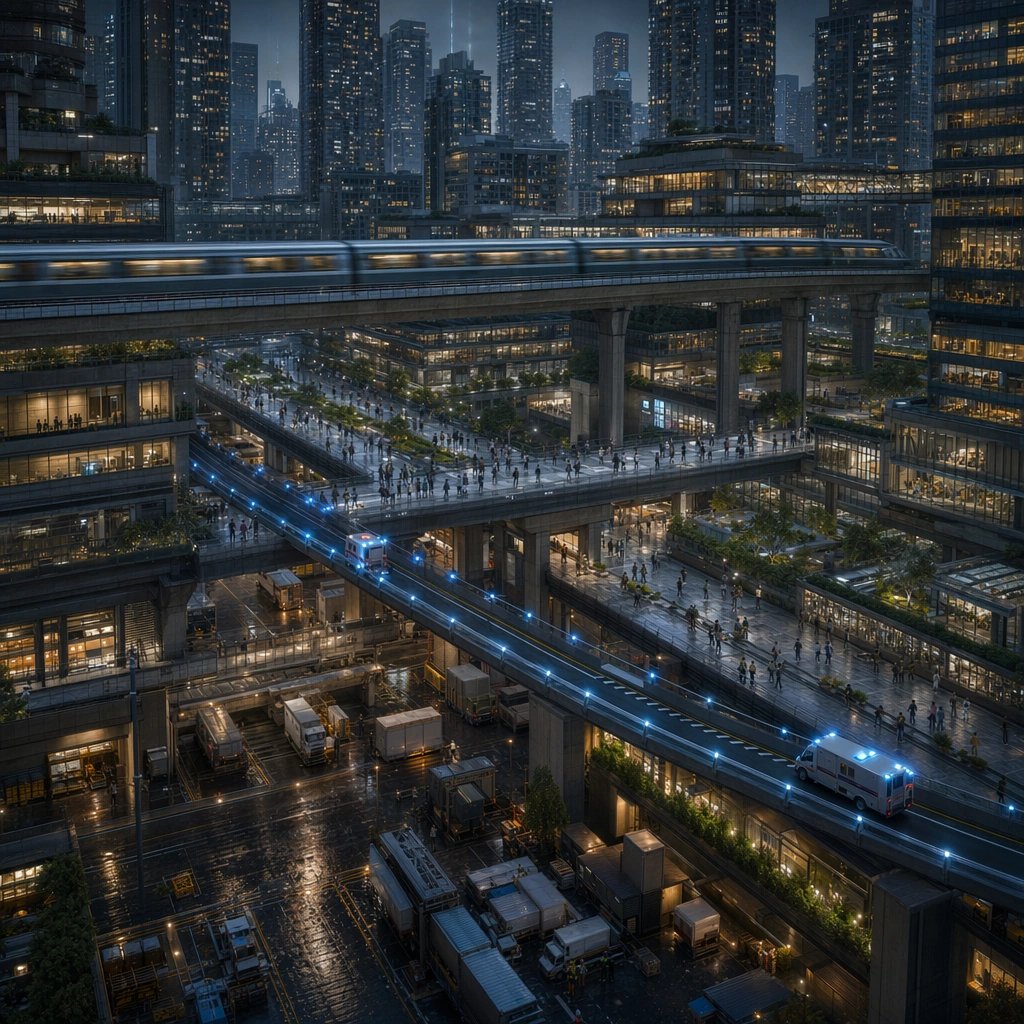
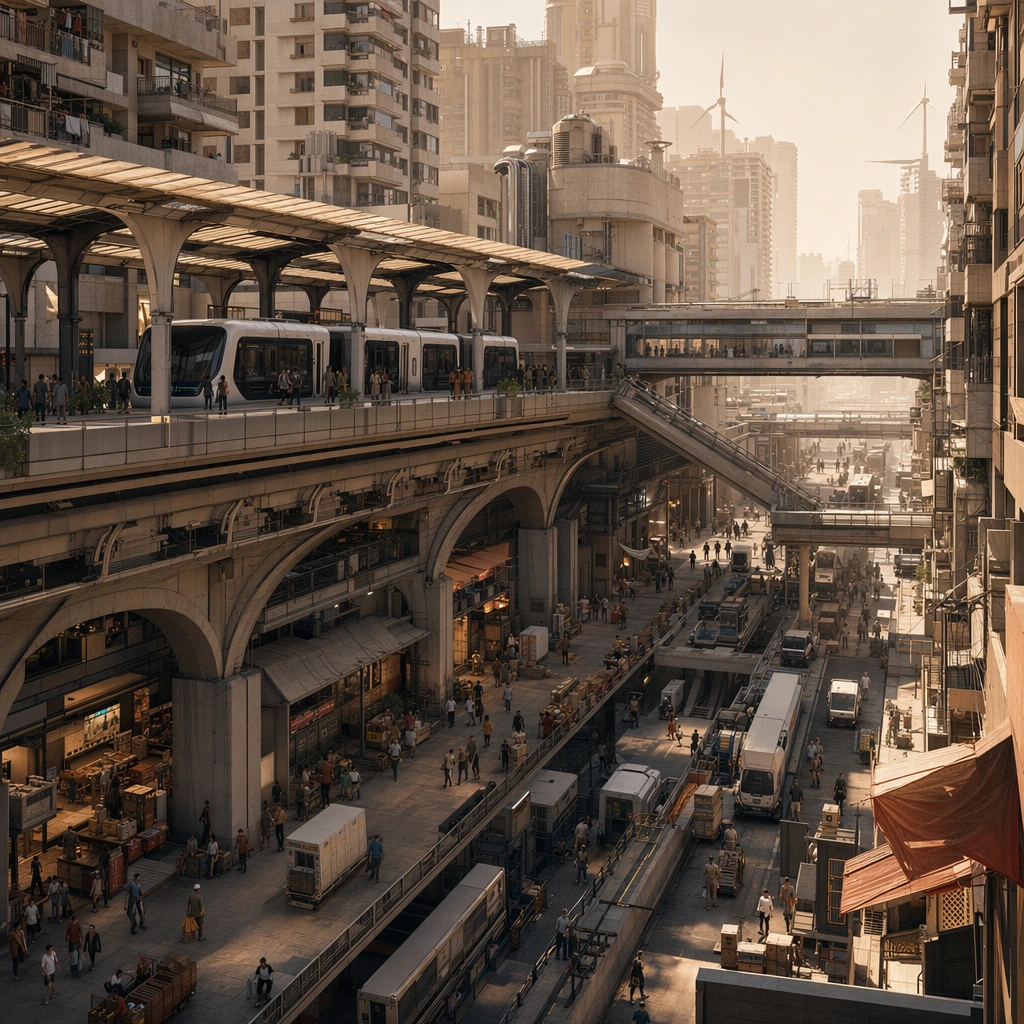
Design a square urban concept image that sells one future-city mobility idea clearly enough for an editorial spread, launch visual, or worldbuilding board. The framing should always reveal at least two transport layers and one strong lived-in density cue. Show a sun-blasted city center protected by canopied transit decks, deep arcades, and wind-tempered circulation routes.

Subject:
Show a complete district-scale mobility ecosystem with believable housing, transit, commerce, and utility access. Human presence can appear as tiny commuters, riders, or maintenance workers, but the main protagonist is the city system itself. The district should read as climate-responsive, with cooling shade, cargo lanes, pedestrian cover, and housing density all integrated into one system.

Important details:
Use depth layering, disciplined architecture families, and just enough weather or atmosphere to create mood without erasing the logic of roads, bridges, lines, and occupancy. The result should feel specific to a place and function, not like an all-purpose neon metropolis. Favor dusty neutrals, pale metals, and deep shadows while keeping the movement hierarchy extremely clear. Preserve credible circulation between transport levels so every district reads as somewhere people could actually move through and inhabit.

Use case:
Future City single study 3/5, designed as a self-contained support image for this topic.

Constraints:
No readable text, no watermark, no logos, preserve exact 1:1 aspect ratio, no superhero chase scenes, no floating random platforms without support, no unreadable giant signage, no sterile empty plazas, no shiny utopian emptiness.
Cómo usar
- Copia el prompt original completo, incluidos los parámetros.
- Adapta el tema, el texto y la composición a tus necesidades.
- Usa una herramienta externa compatible; comprueba el acceso y el resultado.
Antes de empezar
- Comprueba si necesita una imagen de referencia. La compatibilidad no demuestra qué modelo generó el ejemplo.
- Revisa nombres, cifras y textos; el resultado puede variar entre versiones del modelo.