Documento original
GPT Image 2 · en
Scene:
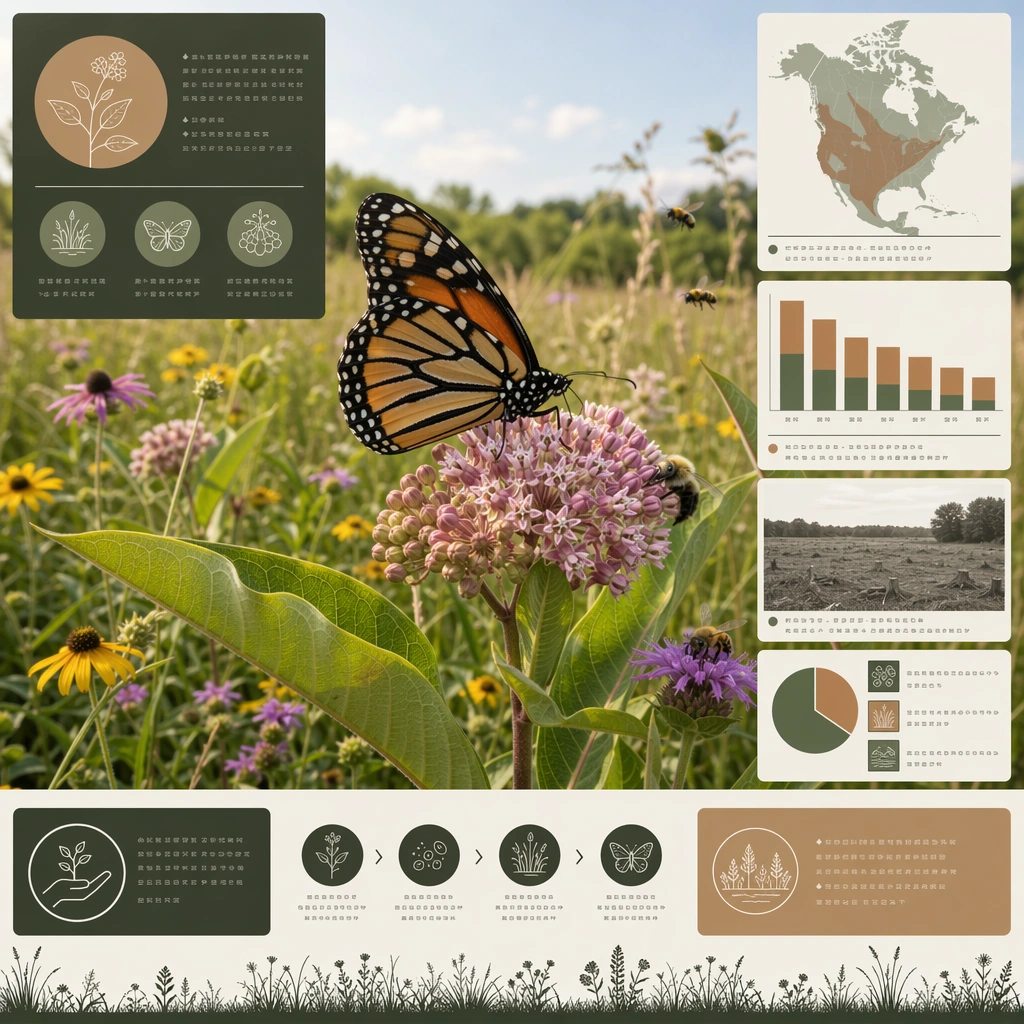
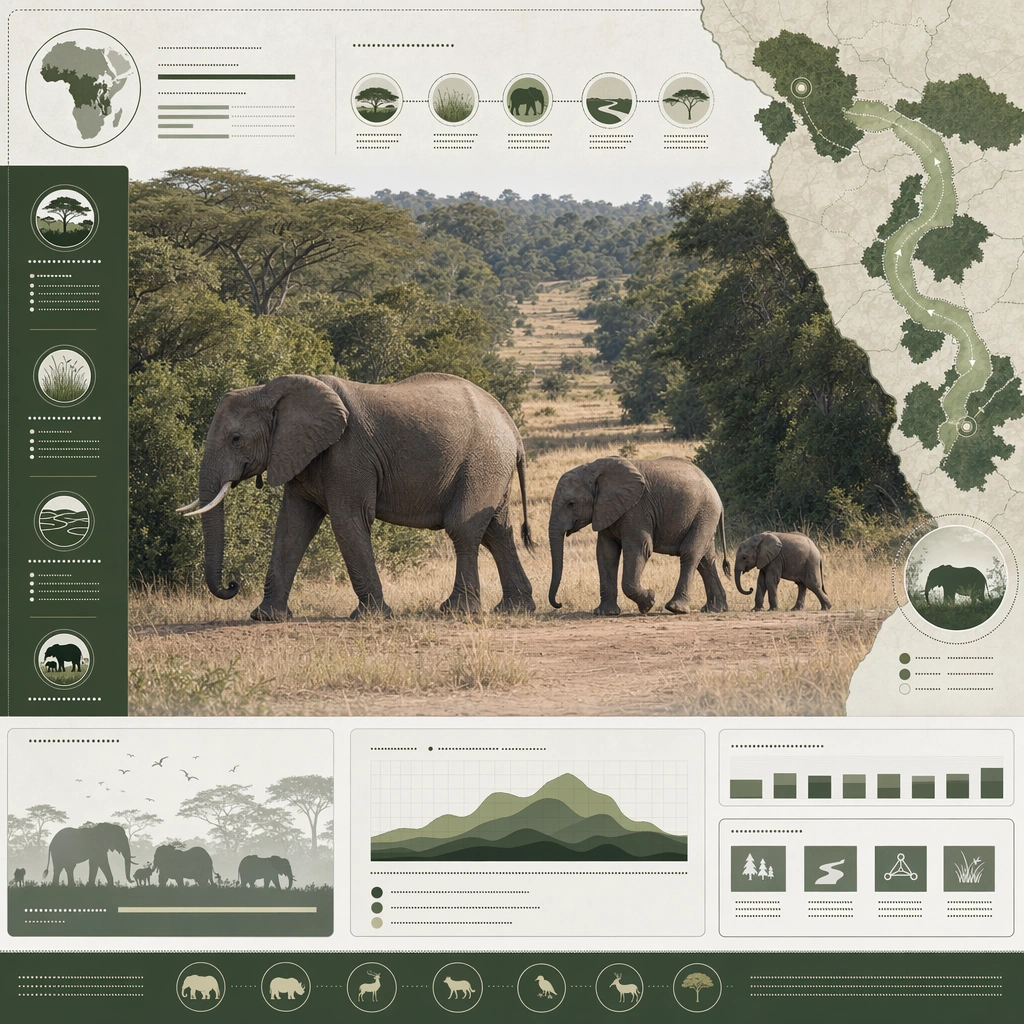
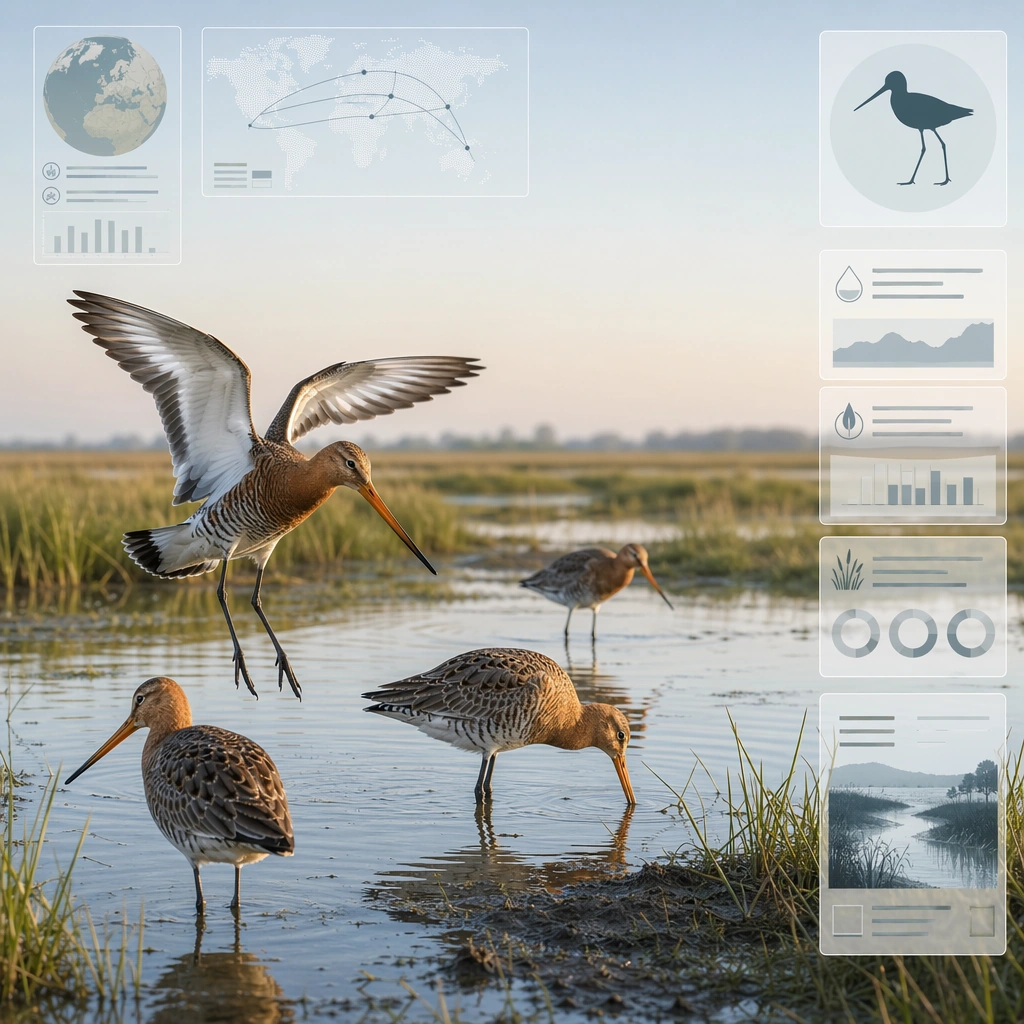
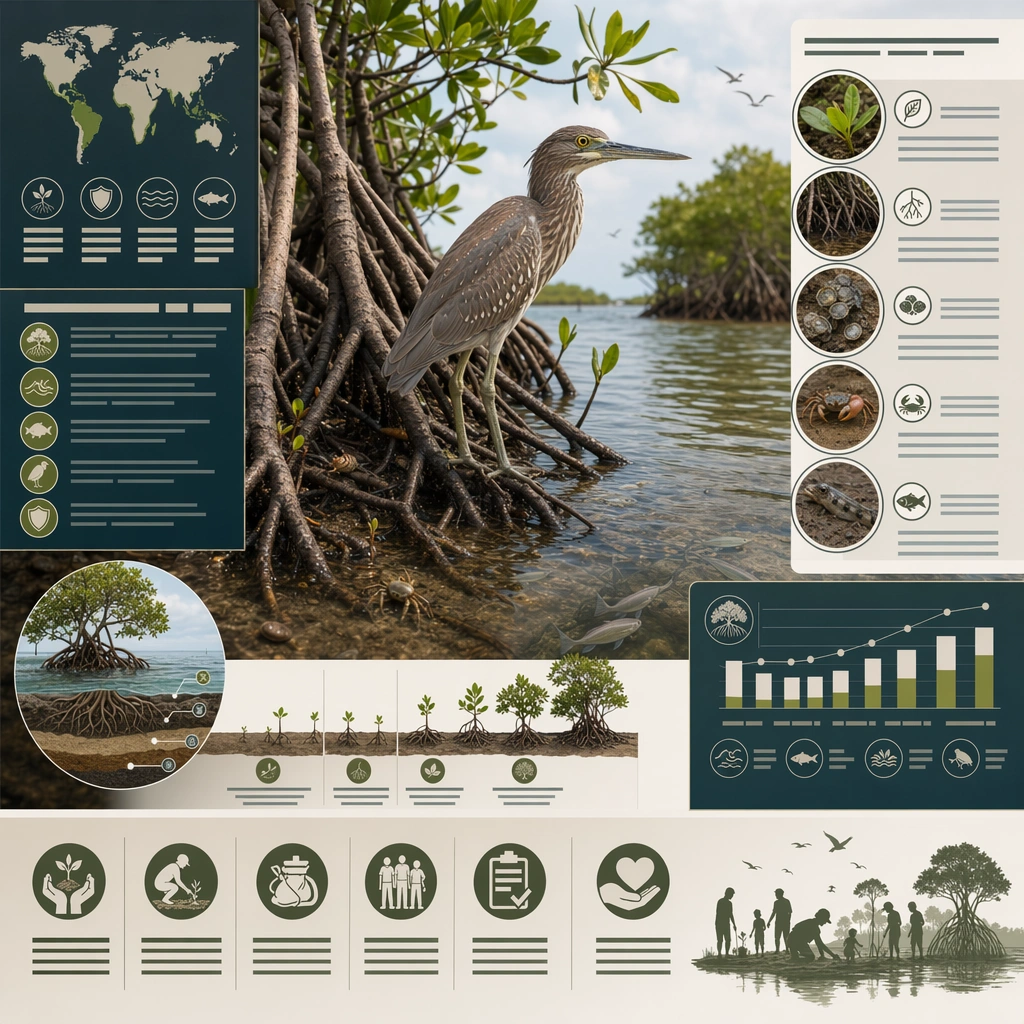
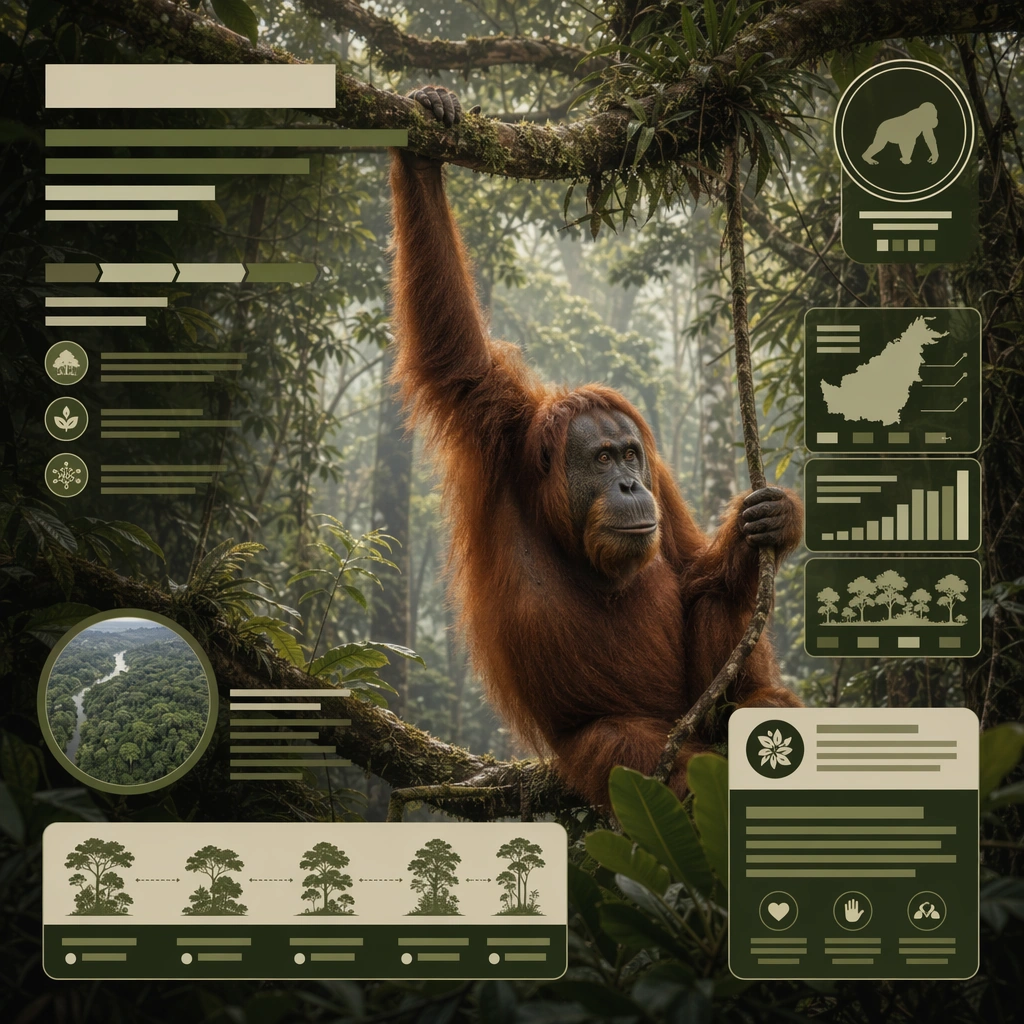
A square wildlife conservation poster or public education board that combines a compelling animal image with clean infographic zones, awareness framing, and campaign-ready hierarchy. The scene should feel useful for museums, nonprofits, school outreach, social campaigns, or public-service posters. Lead with real animal beauty and habitat credibility, then support it with disciplined layout space for future messaging outside the generated image. Use layered rainforest canopy depth with filtered humidity light and poster modules placed in clear negative space around the foliage.

Subject:
Focus on one species and one conservation pressure such as habitat loss, migration disruption, reef decline, clean water, pollinator collapse, canopy protection, or coastal restoration. The animal must remain real and ecologically grounded, with species-appropriate environment, body language, and scale. Avoid sensational wildlife photography tricks that overshadow the educational purpose. Show the orangutan calmly within the trees, emphasizing body weight, grasp, and arboreal life rather than staged eye-contact theatrics.

Important details:
Use structured public communication cues like chart bars, map shapes, data windows, species badges, or campaign modules, but keep all text abstract and unreadable. The image should feel urgent yet credible, emotional yet educational. Make the layout clean enough for actual advocacy use and the habitat specific enough that the poster teaches through composition alone. The habitat relationship is the message. Let branch structure and vertical depth teach why canopy protection matters.

Use case:
Wildlife Conservation Poster Family single study 7/9, orangutan canopy protection poster for a commercially reusable prompt atlas example.

Constraints:
No readable text, no watermark, no logos, preserve exact 1:1 aspect ratio, no readable slogans, no brand logos, no disaster movie spectacle, no species mixing errors, no fantasy habitat mashups, no anthropomorphic activism props, no human tourist scene, no cartoon expression, no fantasy jungle saturation.
Cómo usar
- Copia el prompt original completo, incluidos los parámetros.
- Adapta el tema, el texto y la composición a tus necesidades.
- Usa una herramienta externa compatible; comprueba el acceso y el resultado.
Antes de empezar
- Comprueba si necesita una imagen de referencia. La compatibilidad no demuestra qué modelo generó el ejemplo.
- Revisa nombres, cifras y textos; el resultado puede variar entre versiones del modelo.