Documento original
GPT Image 2 · en
Scene:
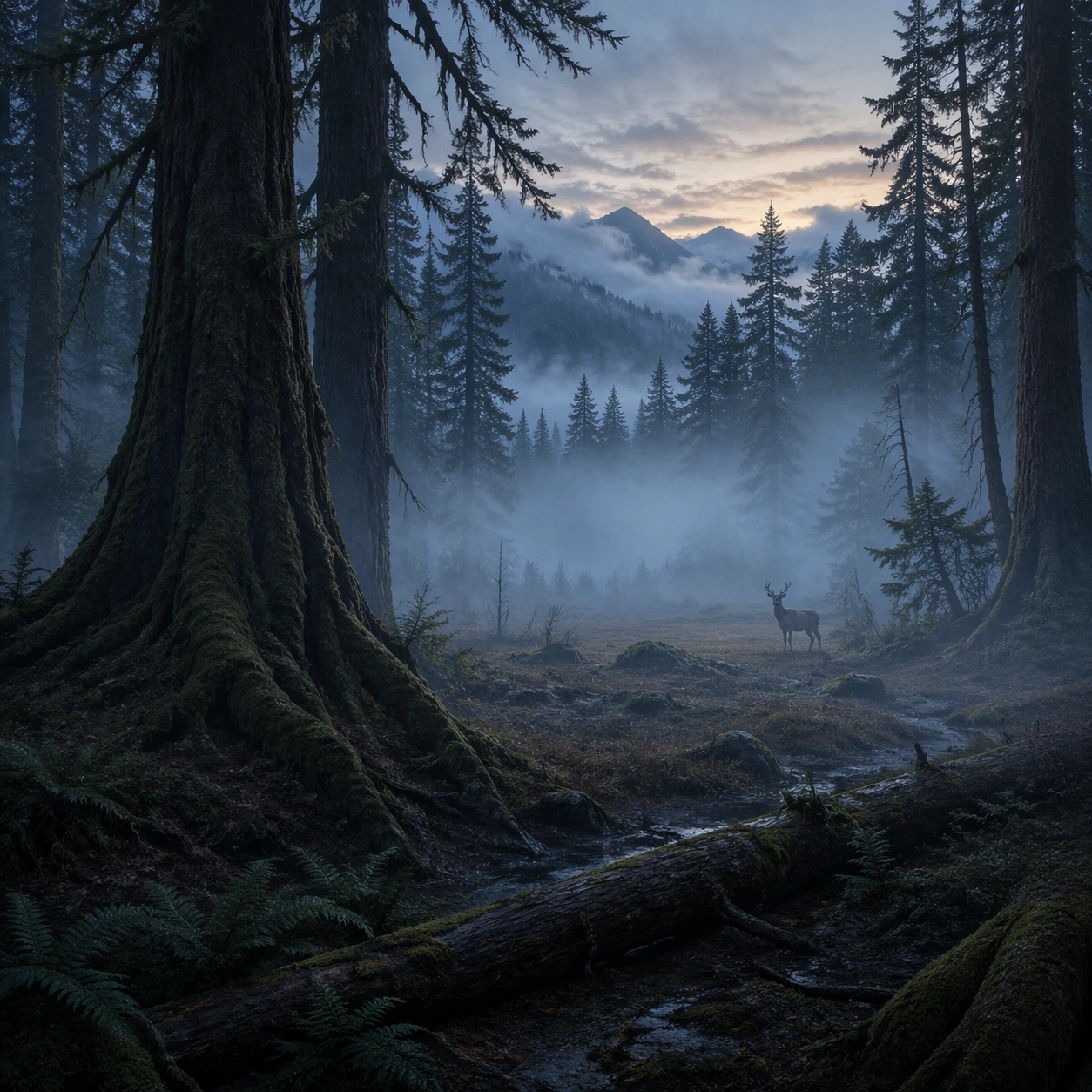
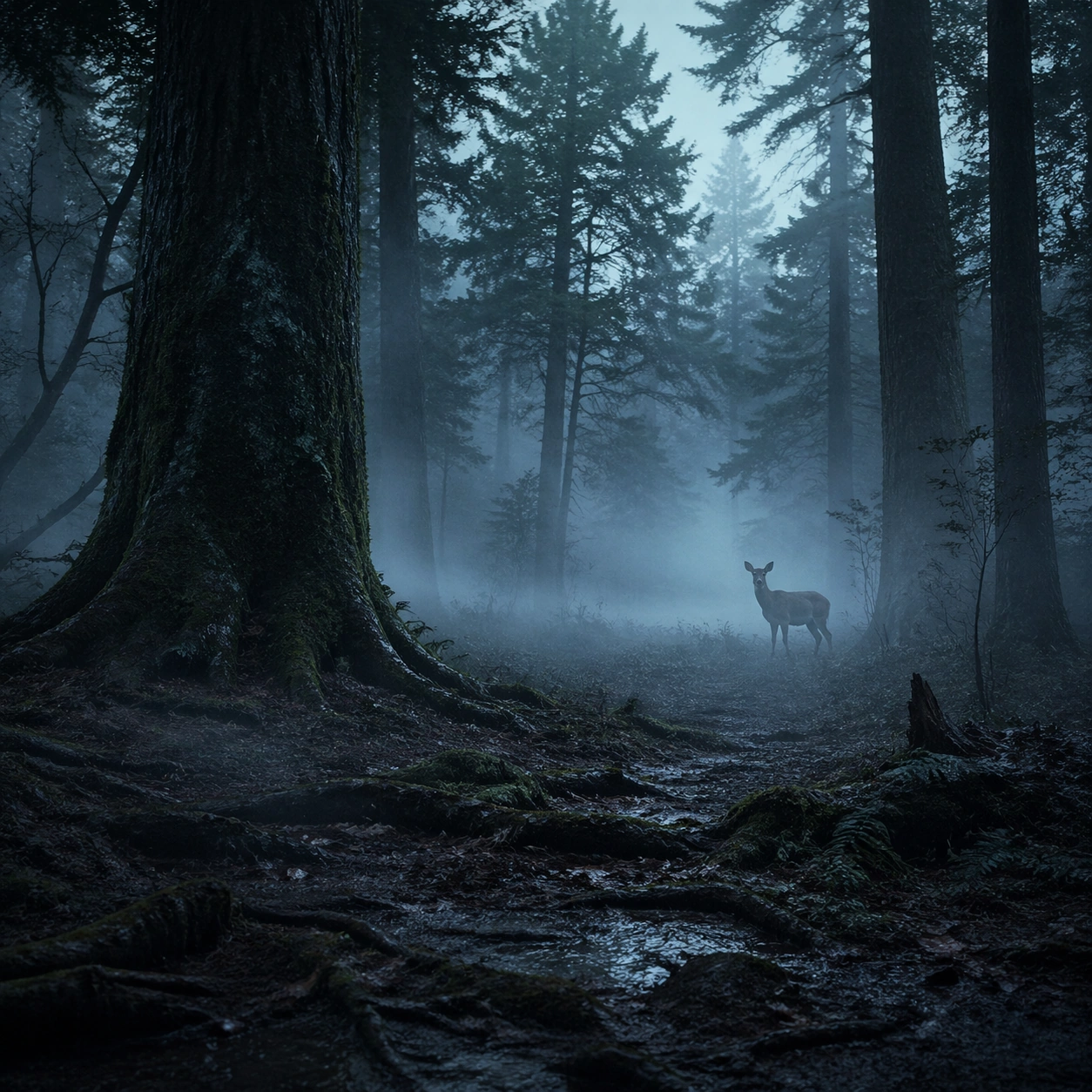
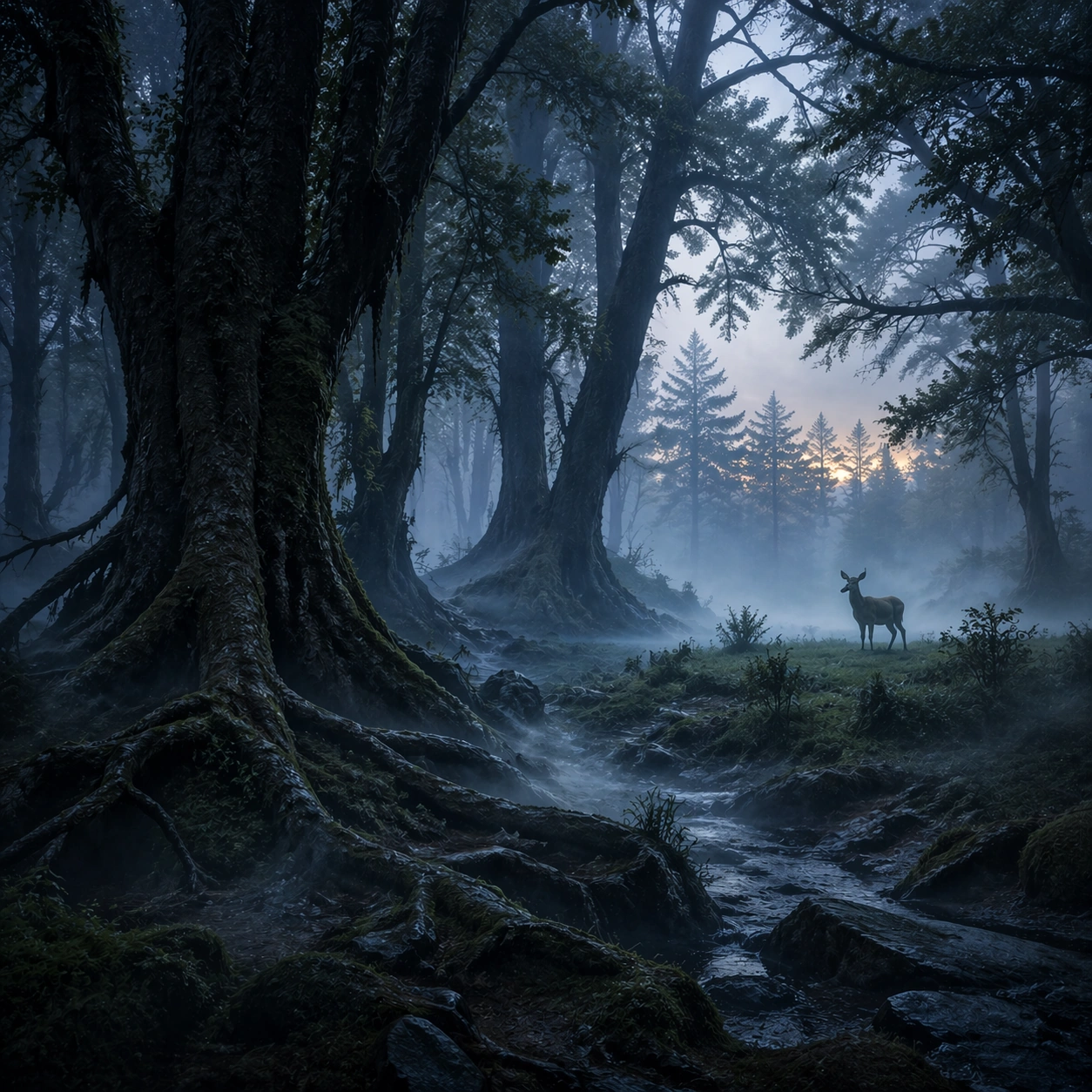
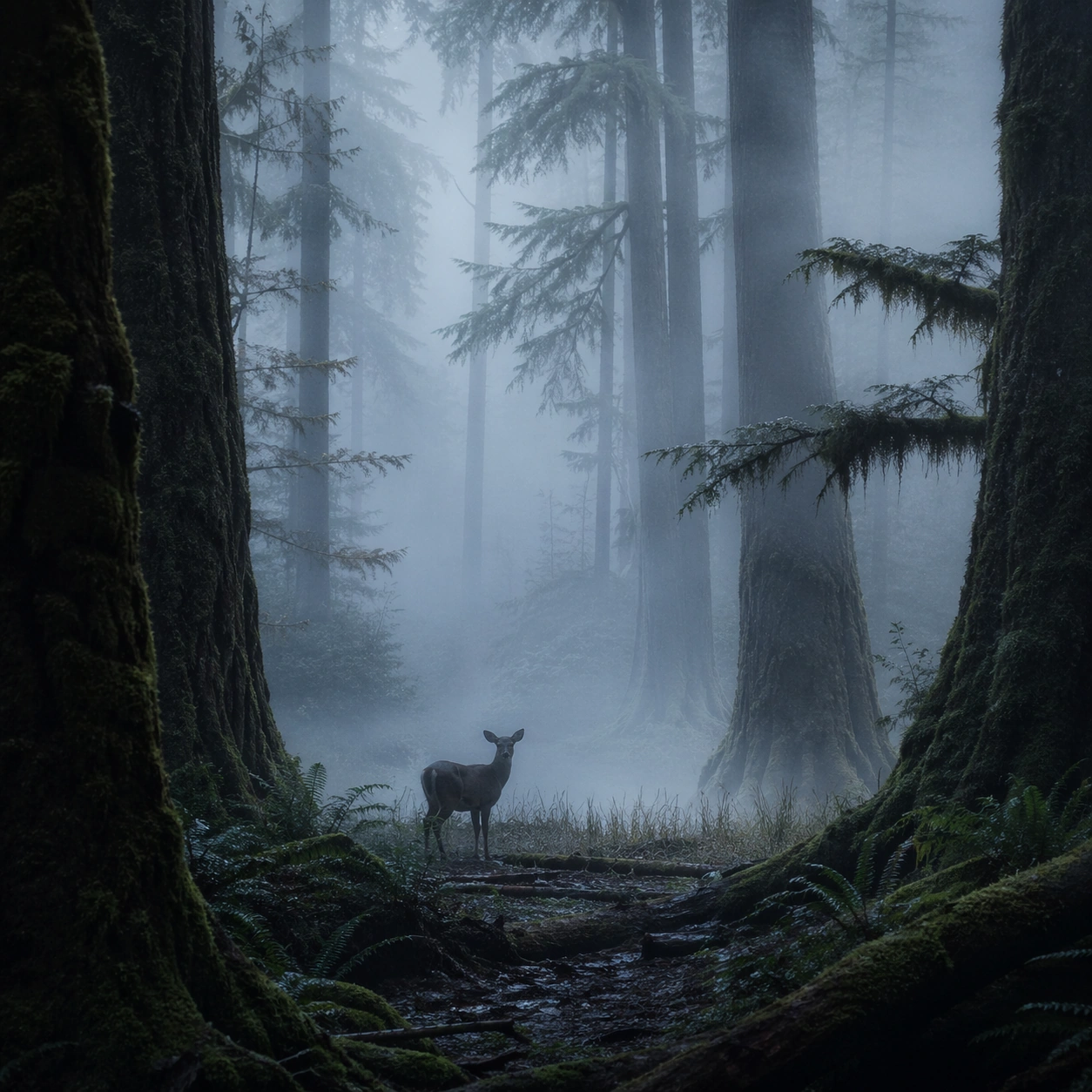
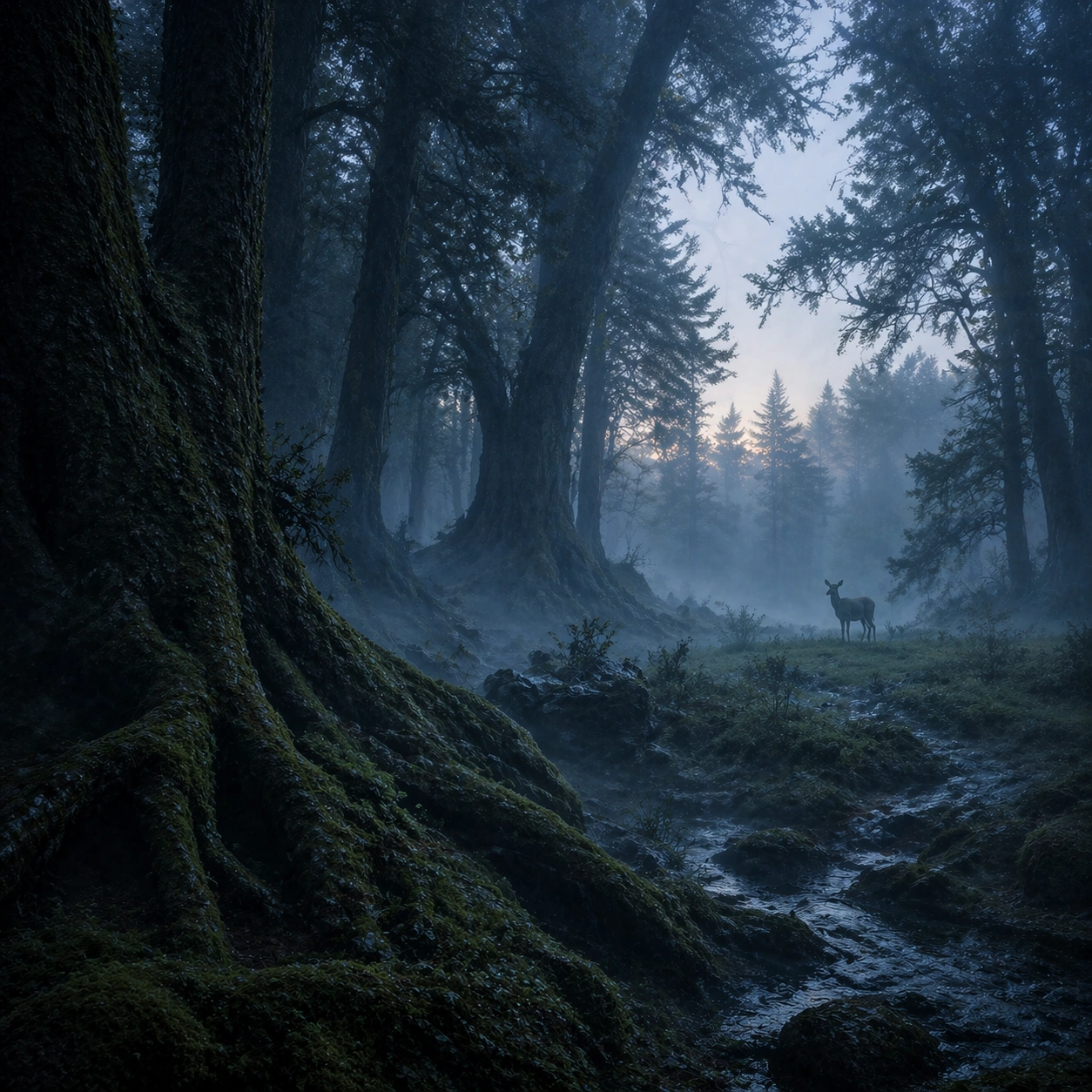
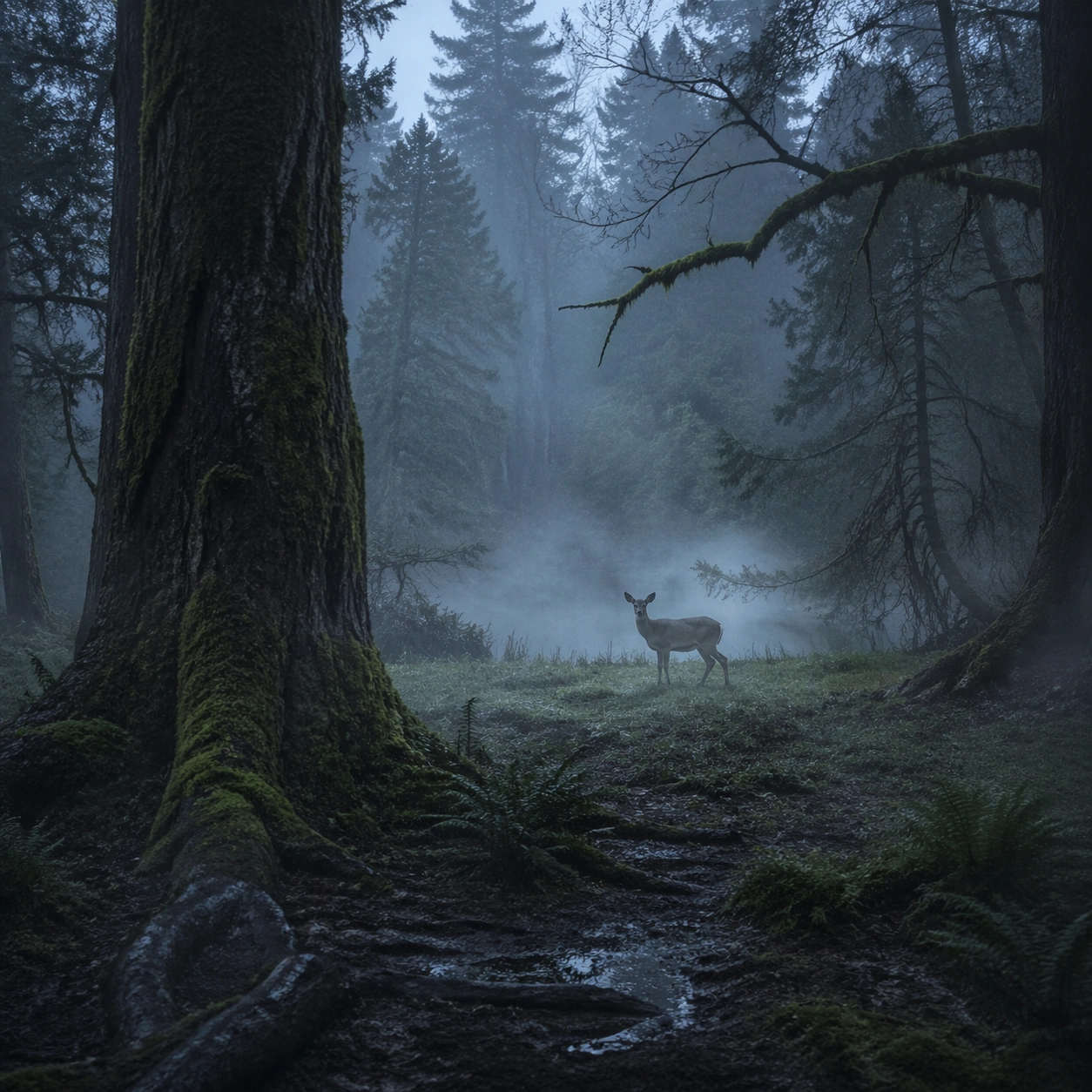
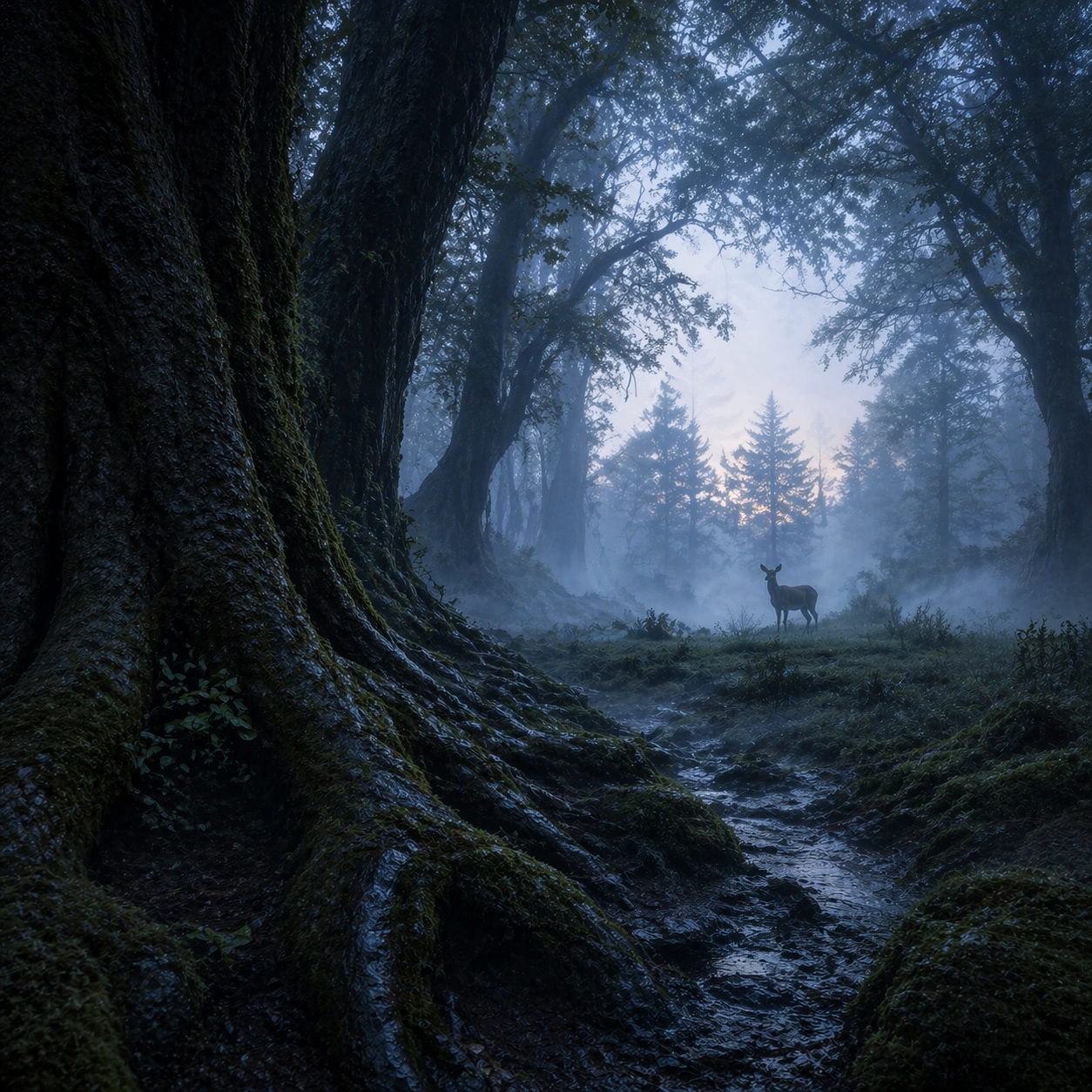
Create a square cinematic still for Forest Fog Morning Reverie. Use production-grade photoreal lighting, disciplined lens behavior, and a composition that feels like a finished key frame from an original film rather than a casual snapshot. A primeval forest before sunrise is layered with cold ground fog that drifts between roots and trunks, with the nearest trees dark and tactile, middle-ground branches softened by mist, and the distance fading into pale blue-gray air. Move the camera closer or lower so the viewer feels more embedded inside the atmosphere while the same light direction and environment remain intact.

Subject:
Build a coherent original scene whose emotional center comes from atmosphere, light physics, and spatial clarity. Avoid relying on celebrity likeness, franchise iconography, or stylized illustration shortcuts. Ancient bark, moss-dark trunks, a still deer near a clearing edge, and damp earth should anchor the scene, but the composition should remain spacious enough that atmosphere and depth become the dominant emotional read. Preserve the same world logic from the reference and let one human-scale or material-scale element become more prominent without stealing focus from the atmosphere.

Important details:
Preserve a believable physical world with strong depth layering, careful color separation, and premium image discipline. Focus on subtle depth cues, with three or more distinct fog densities, soft moisture on surfaces, and a quiet ecological realism that feels observed in the field instead of staged for fantasy illustration. Keep the palette family, structural read, and light behavior from image 01 while increasing immediacy and tactile presence.

Use case:
Forest Fog series study 2/9.

Constraints:
No readable text, no watermark, no logos, preserve exact 1:1 aspect ratio, no fairy creatures, no glowing magic particles, no readable signs, no oversized moon, no campfire.
Cómo usar
- Copia el prompt original completo, incluidos los parámetros.
- Adapta el tema, el texto y la composición a tus necesidades.
- Usa una herramienta externa compatible; comprueba el acceso y el resultado.
Antes de empezar
- Comprueba si necesita una imagen de referencia. La compatibilidad no demuestra qué modelo generó el ejemplo.
- Revisa nombres, cifras y textos; el resultado puede variar entre versiones del modelo.