Documento original
GPT Image 2 · en
Scene:
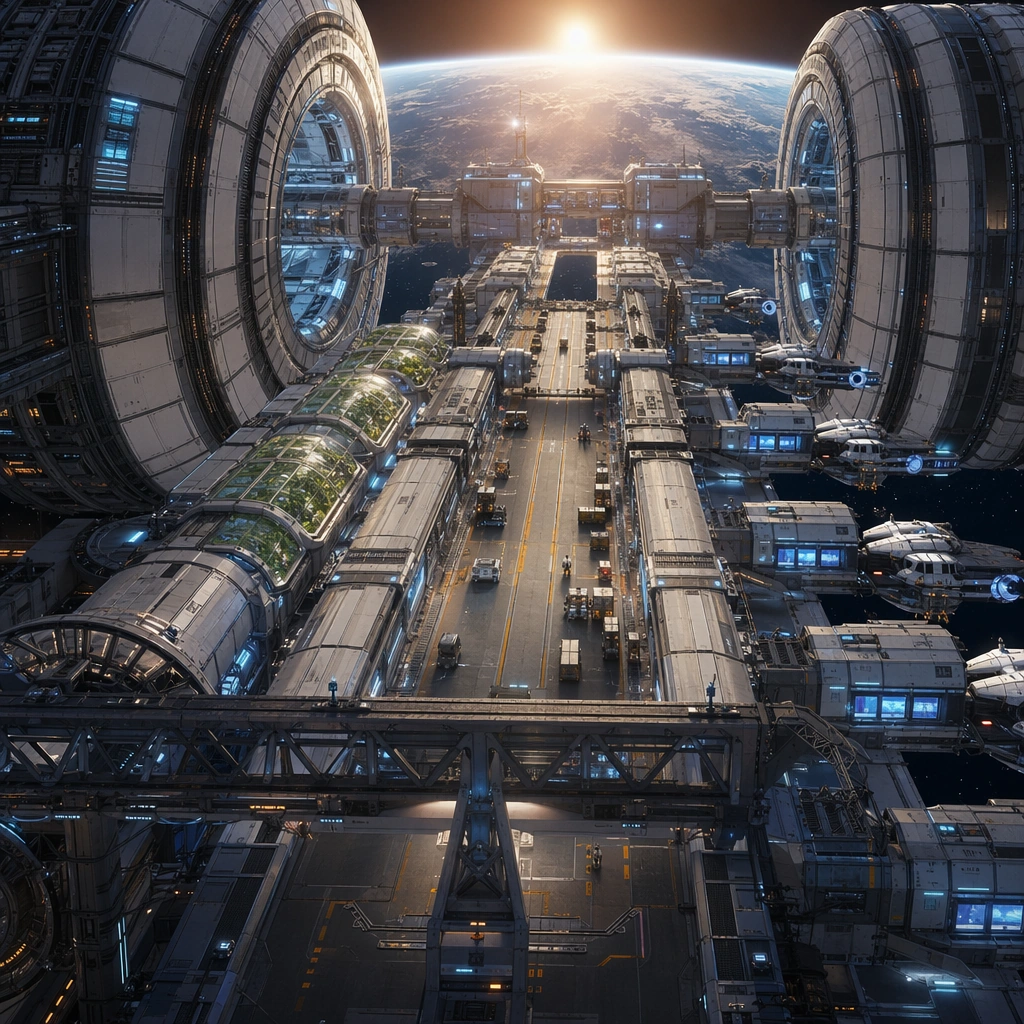
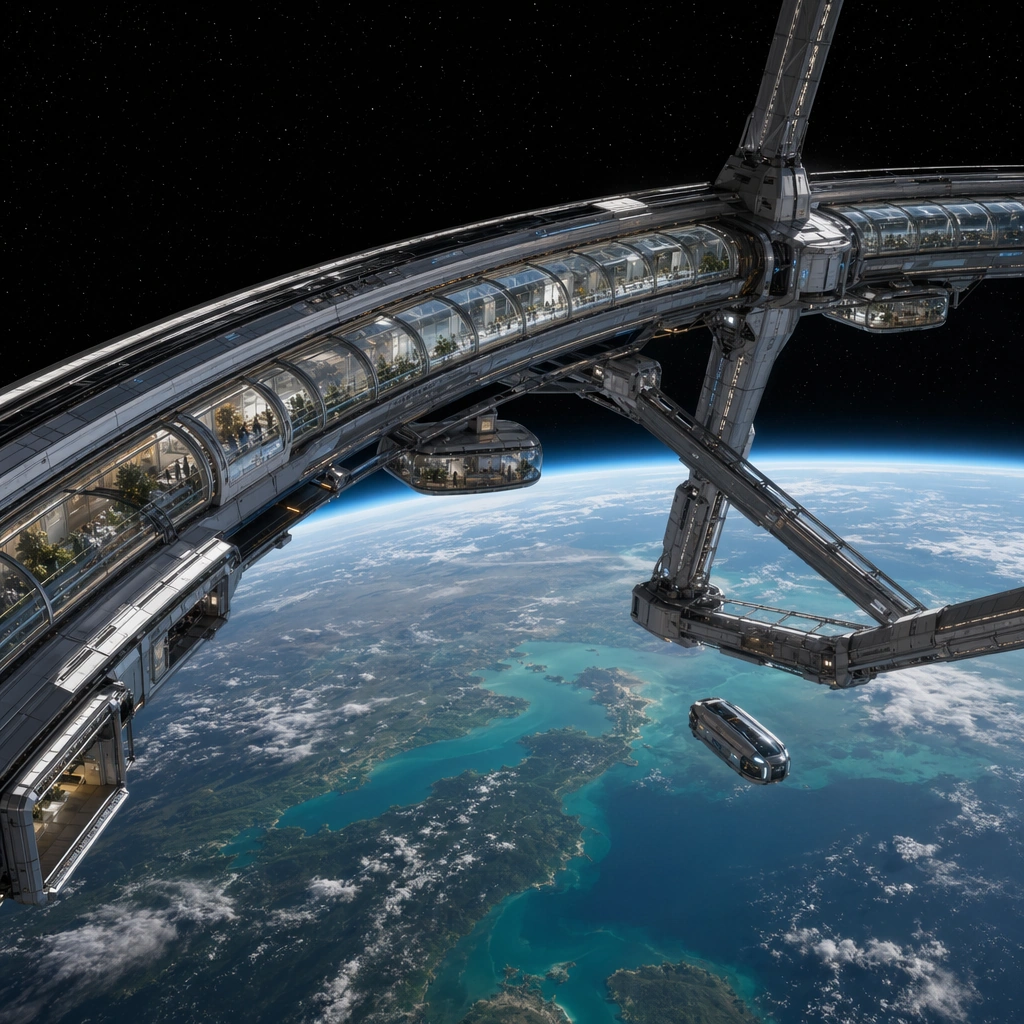
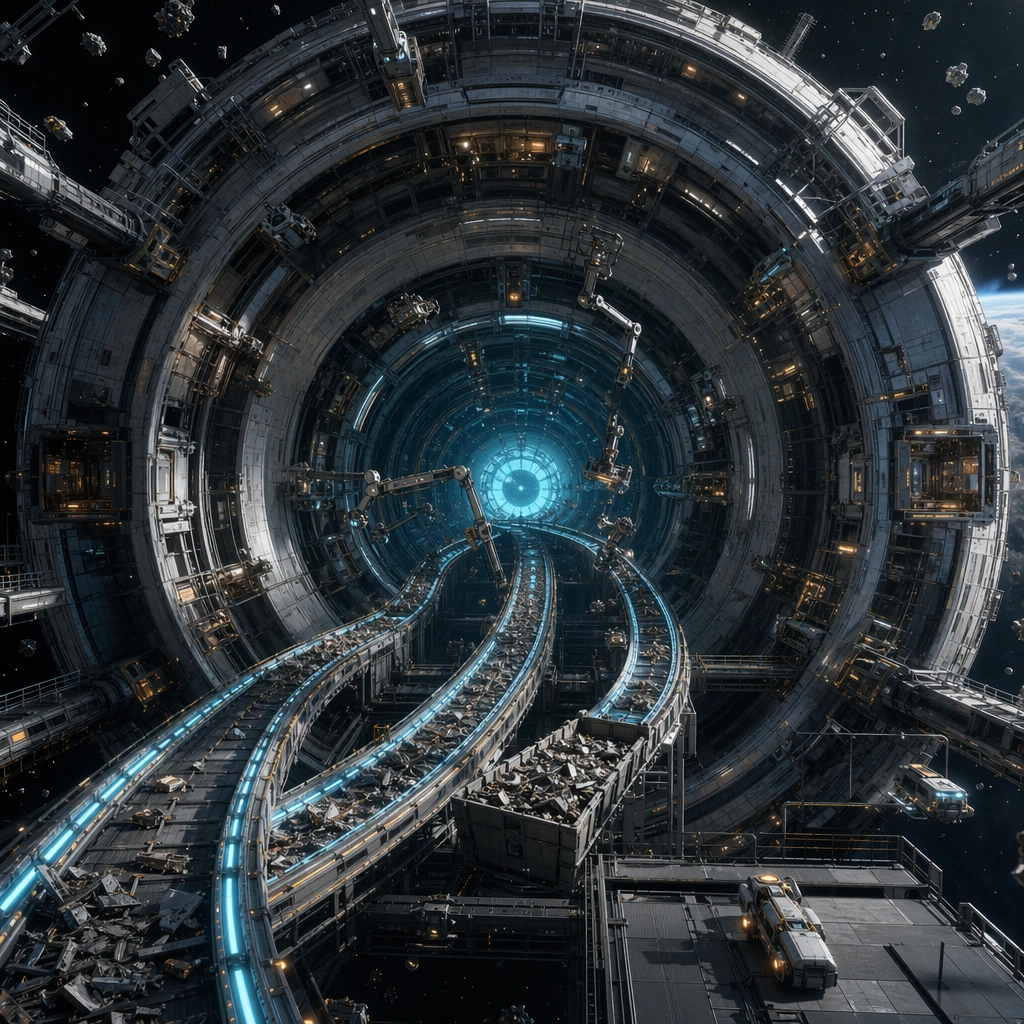
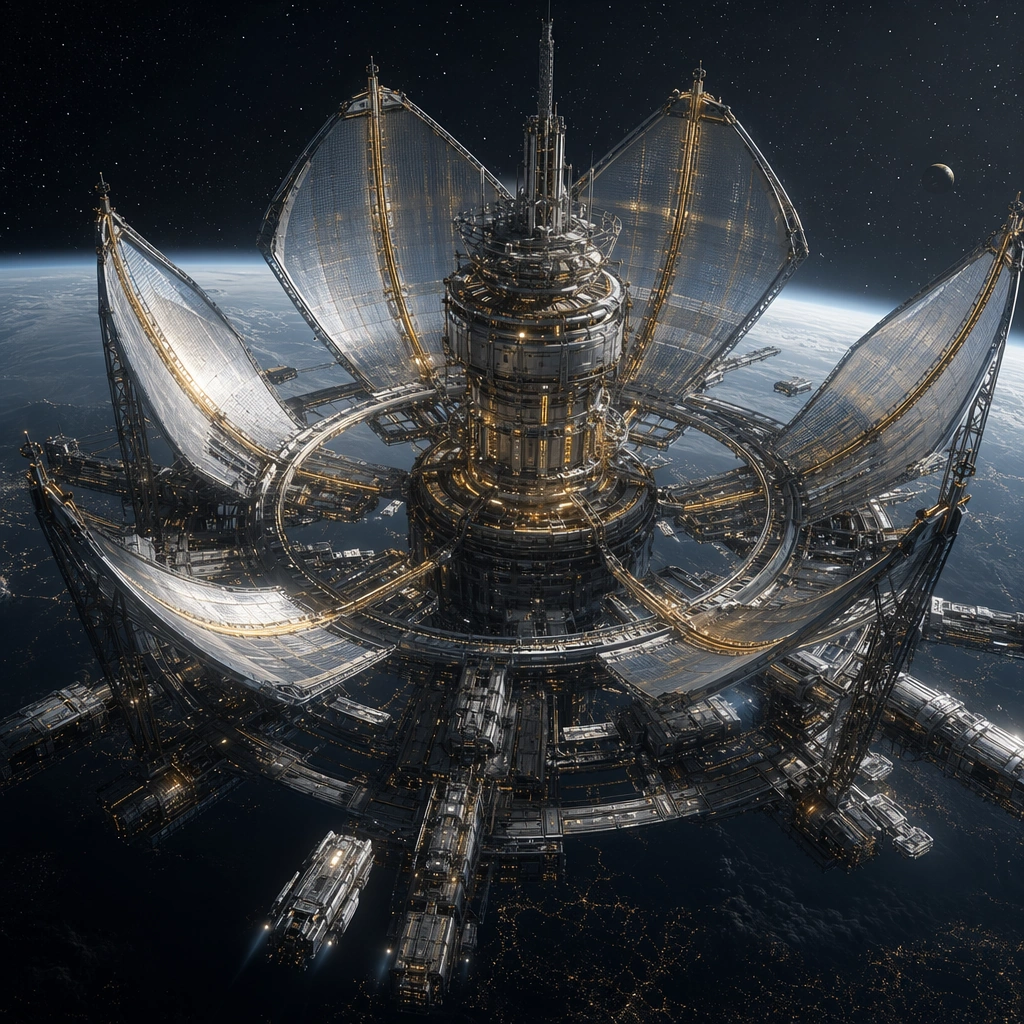
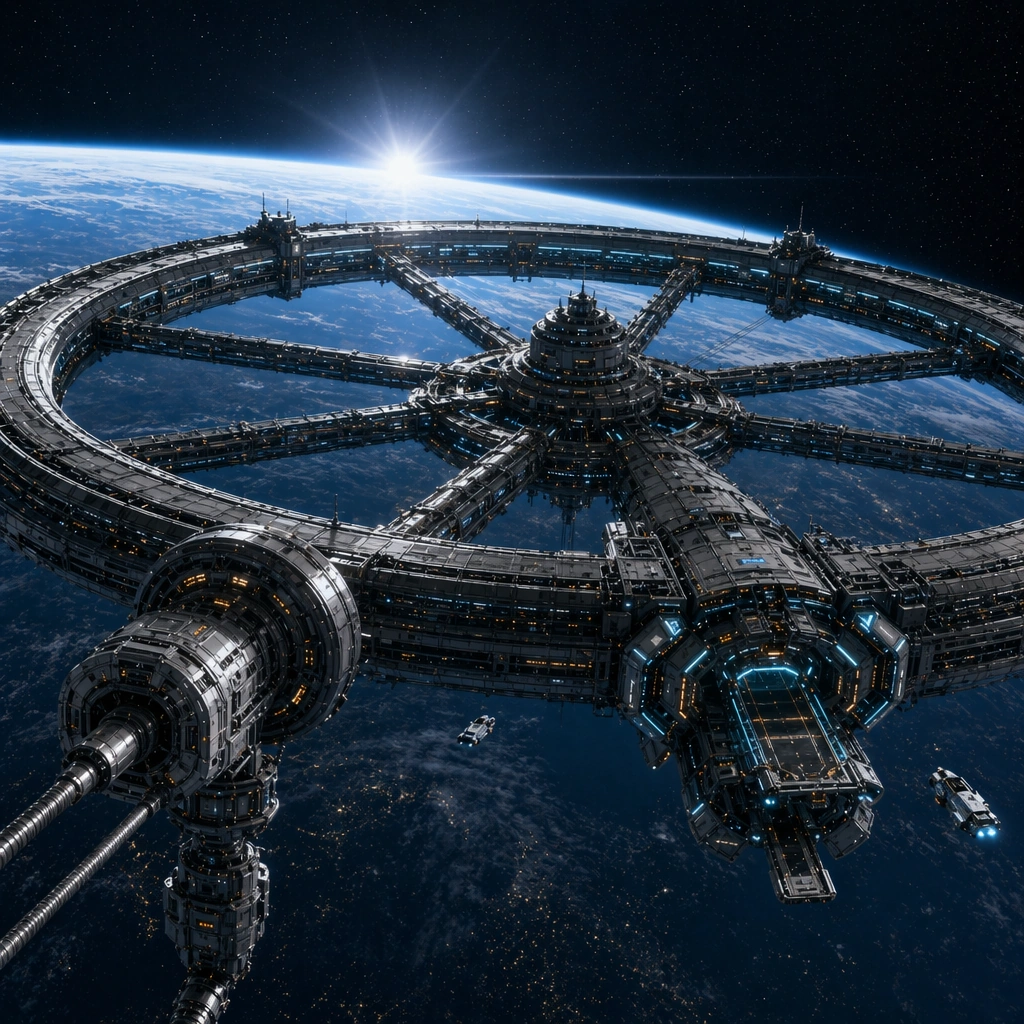
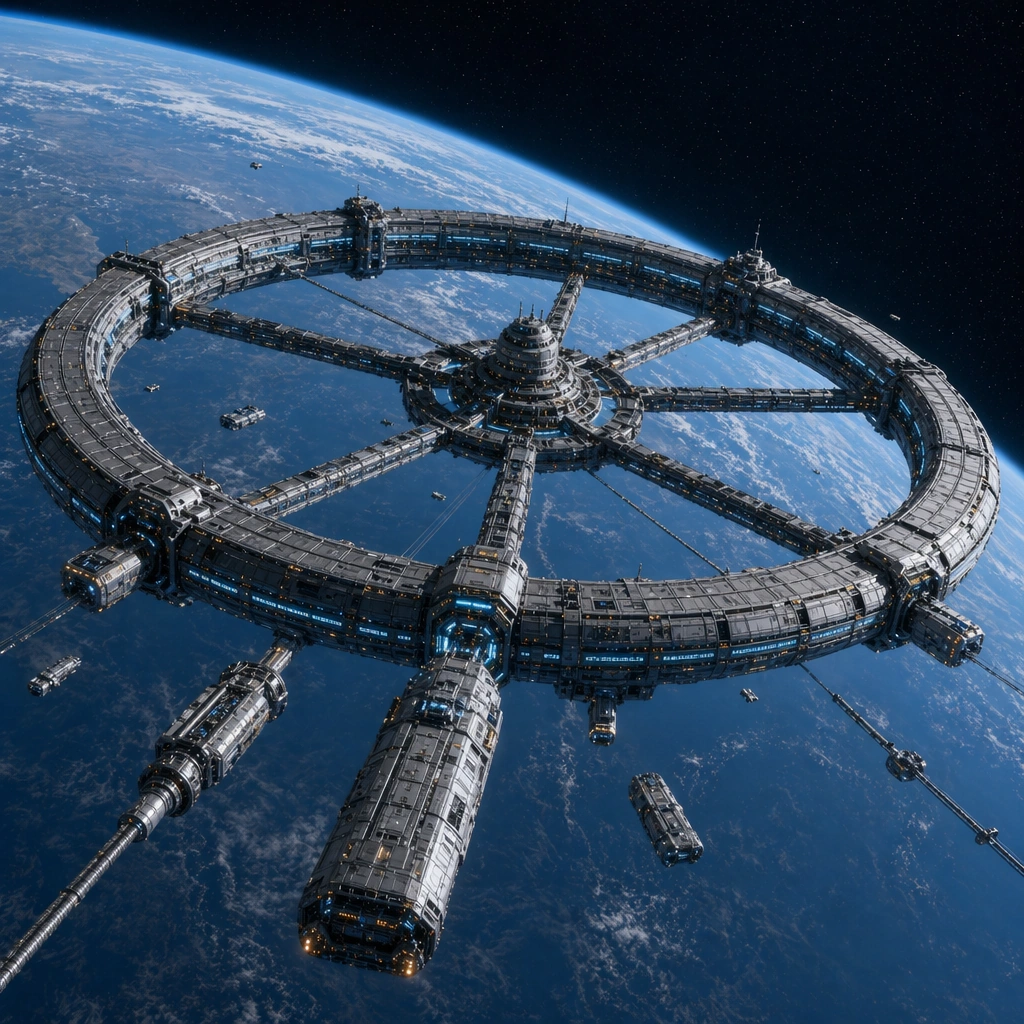
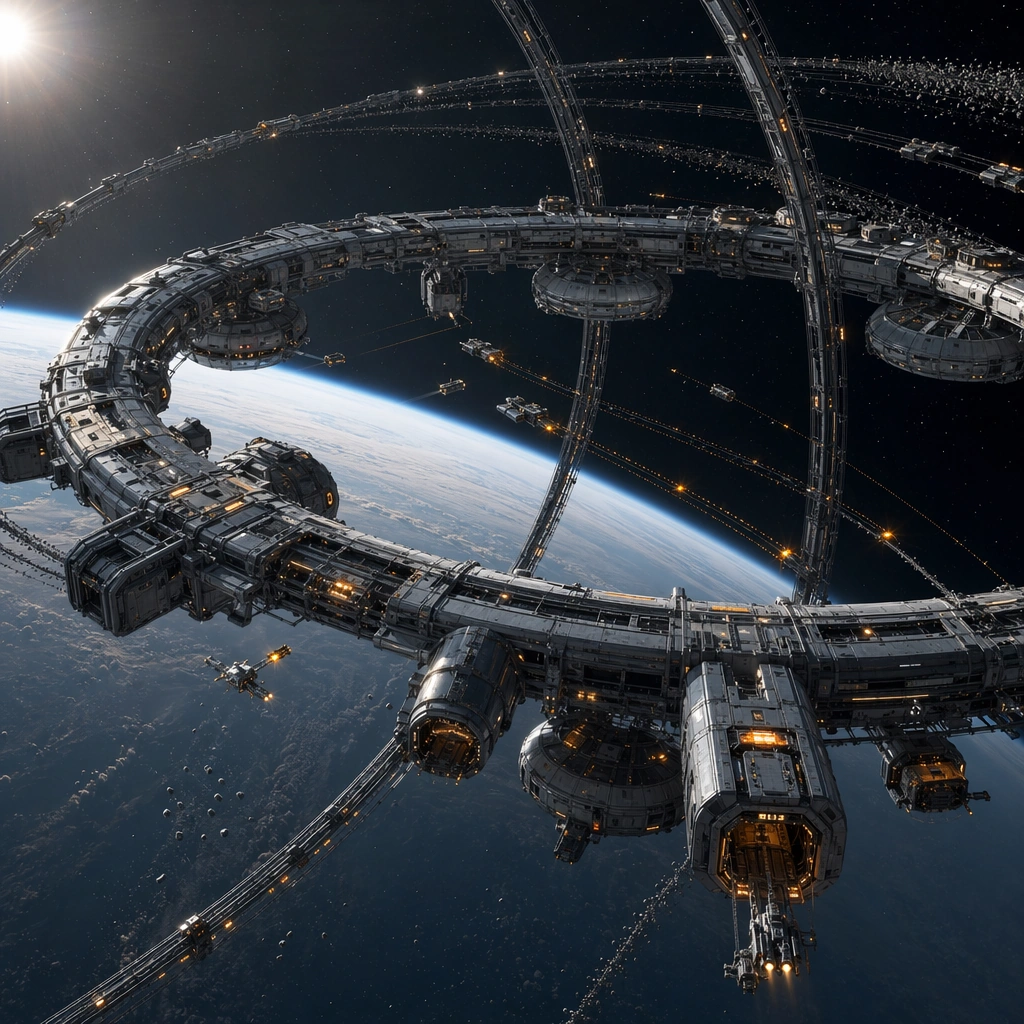
Design a square key-art study for speculative orbital infrastructure with strong depth, silent space atmosphere, and enough detail to feel like a finished professional concept poster. Treat each image as a distinct program or mission context rather than a small variation on the same frame. Show a wide orbital halo floating in hard sunlight with slender magnet arcs bending around the frame and a distant debris field under control.

Subject:
Show one legible orbital typology with disciplined silhouette, clear traffic logic, and small human or vehicle cues that reveal the scale without turning the composition into a crowded fleet battle. The design should feel commercially useful for worldbuilding, editorial, or launch-visual surfaces. The structure should read as a functional orbital sanitation network with guide beacons, collection pods, and repair apertures rather than as a mystical ring.

Important details:
Favor sharp hierarchy, credible modular engineering, and a palette of cool metals balanced by one environmental accent color. Each image should feel singular, but it must still belong to the same broader orbital design category with believable infrastructure grammar. Use disciplined spacing, crisp negative space, and clear motion cues in the debris lanes so the concept feels like a real public infrastructure program. Preserve internal logic in docking, circulation, and maintenance access so the megastructure feels buildable rather than decorative.

Use case:
Orbital Vistas single study 2/5, designed as a self-contained support image for this topic.

Constraints:
No readable text, no watermark, no logos, preserve exact 1:1 aspect ratio, no fantasy insignia, no heroic movie-poster characters, no crowded battle fleets, no readable station markings, no glowing magic field bubbles.
Cómo usar
- Copia el prompt original completo, incluidos los parámetros.
- Adapta el tema, el texto y la composición a tus necesidades.
- Usa una herramienta externa compatible; comprueba el acceso y el resultado.
Antes de empezar
- Comprueba si necesita una imagen de referencia. La compatibilidad no demuestra qué modelo generó el ejemplo.
- Revisa nombres, cifras y textos; el resultado puede variar entre versiones del modelo.