Document original
GPT Image 2 · en
Scene:
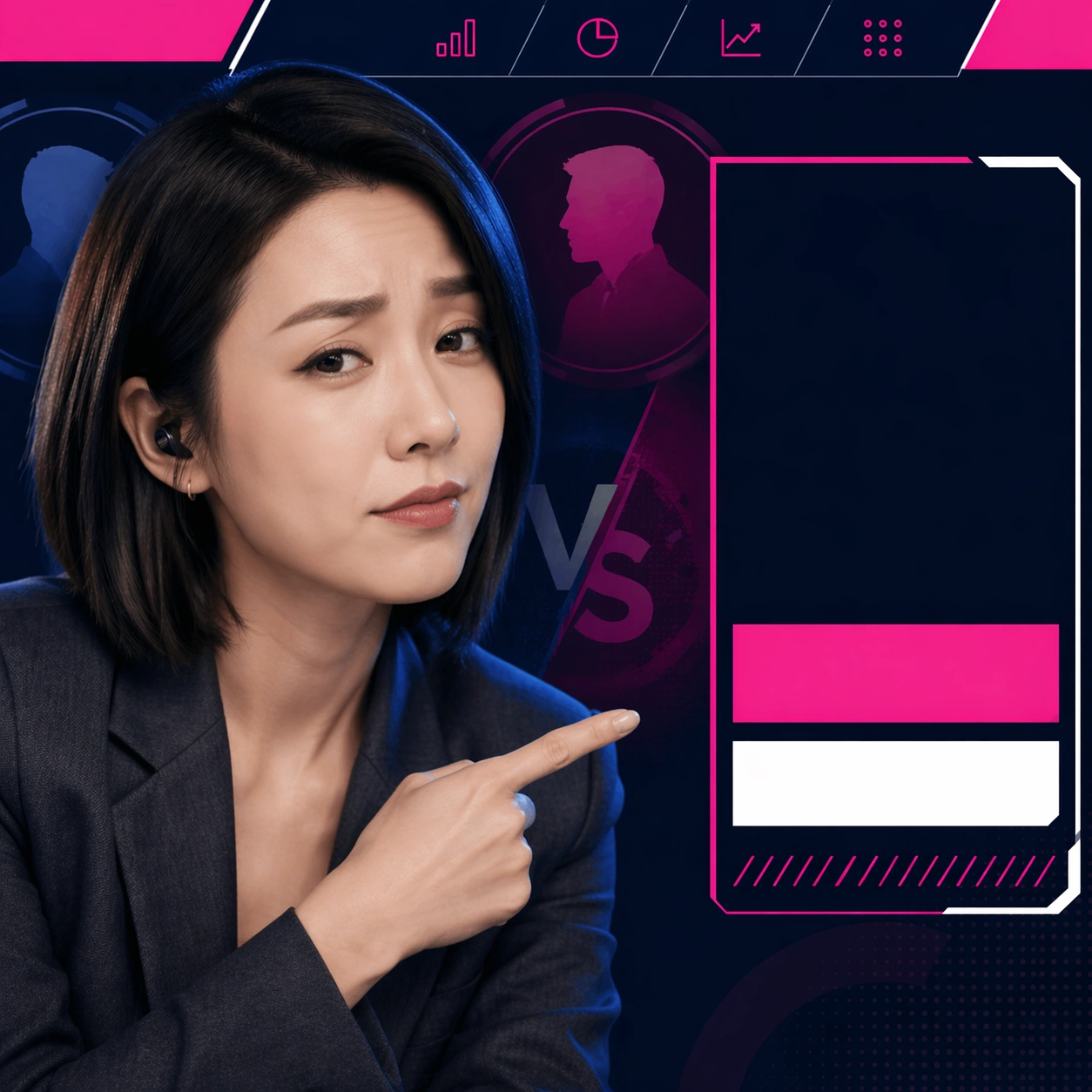
A square short-video thumbnail master template for a tech-business creator channel. The composition should be loud enough to read at phone size but still clean and system-driven: a close face crop on the left two-thirds, a bold rectangular hook zone on the right, and a narrow top category strip. Background uses a dark navy gradient with lime and white accent blocks, like a modern YouTube Shorts or Bilibili cover system.

Subject:
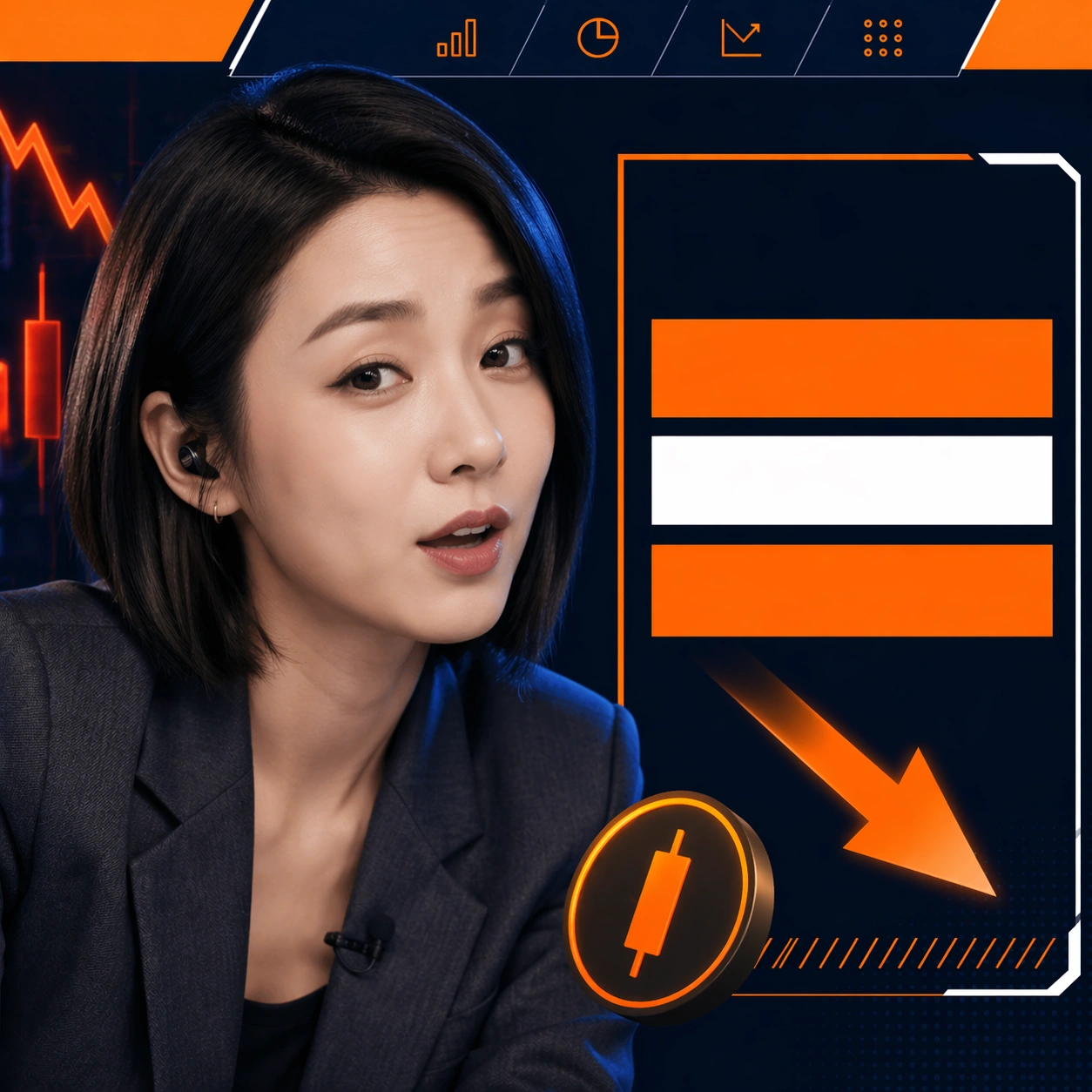
A confident East Asian female host in her early thirties with a sharp bob haircut, charcoal blazer, and small in-ear mic leans slightly toward camera with one raised eyebrow and a half-smile. She should feel like a recognizable recurring creator rather than a generic stock portrait. Behind her are abstract shapes suggesting dashboards, charts, and studio light reflections, but kept blurred and secondary. The cover must establish one host identity, one lighting setup, and one template structure that later series images can preserve.

Important details:
Design for thumbnail legibility first: oversized face, simple background, one bright accent color, and a clean empty block where hook text would normally sit, but rendered as non-readable bars and geometric placeholders only. Keep the host's face, hair, blazer, and lighting highly stable because follow-up covers will depend on this image as the identity reference. The whole frame should feel like a premium recurring channel pack, not a random poster.

Use case:
Short Video Cover Pack series study 1/9, establishing the recurring host identity and reusable cover template for a creator channel.

Constraints:
No readable text, no watermark, no logos, preserve exact 1:1 aspect ratio, no cluttered background, no extra people, no tiny unreadable details everywhere, no poster-like empty dead space.
Mode d’emploi
- Copiez le prompt original complet, paramètres compris.
- Adaptez le sujet, le texte et la composition à vos besoins.
- Utilisez un outil externe compatible ; vérifiez l’accès et le résultat.
Avant de commencer
- Vérifiez si une image de référence est nécessaire. La compatibilité ne prouve pas le modèle utilisé pour cet exemple.
- Vérifiez noms, chiffres et textes ; les versions du modèle peuvent produire des résultats différents.