Document original
GPT Image 2 · en
Scene:
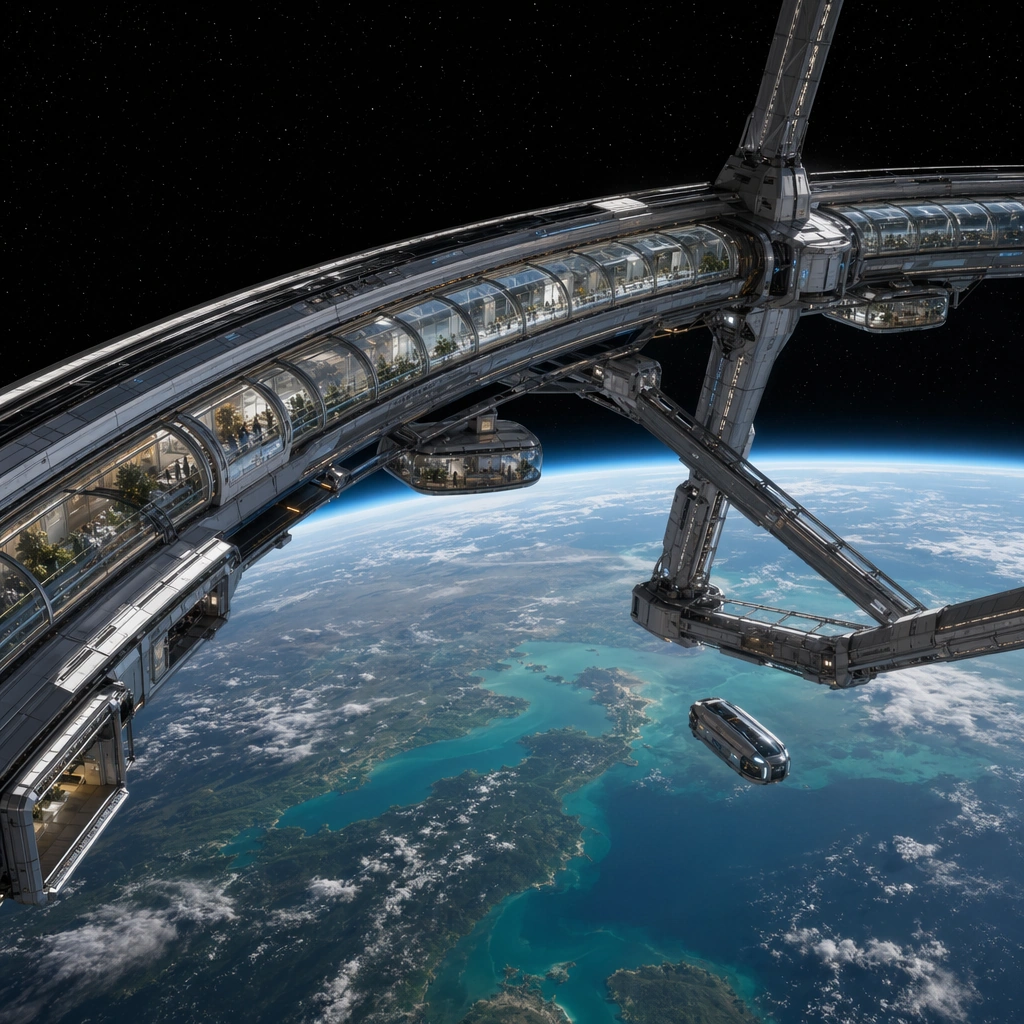
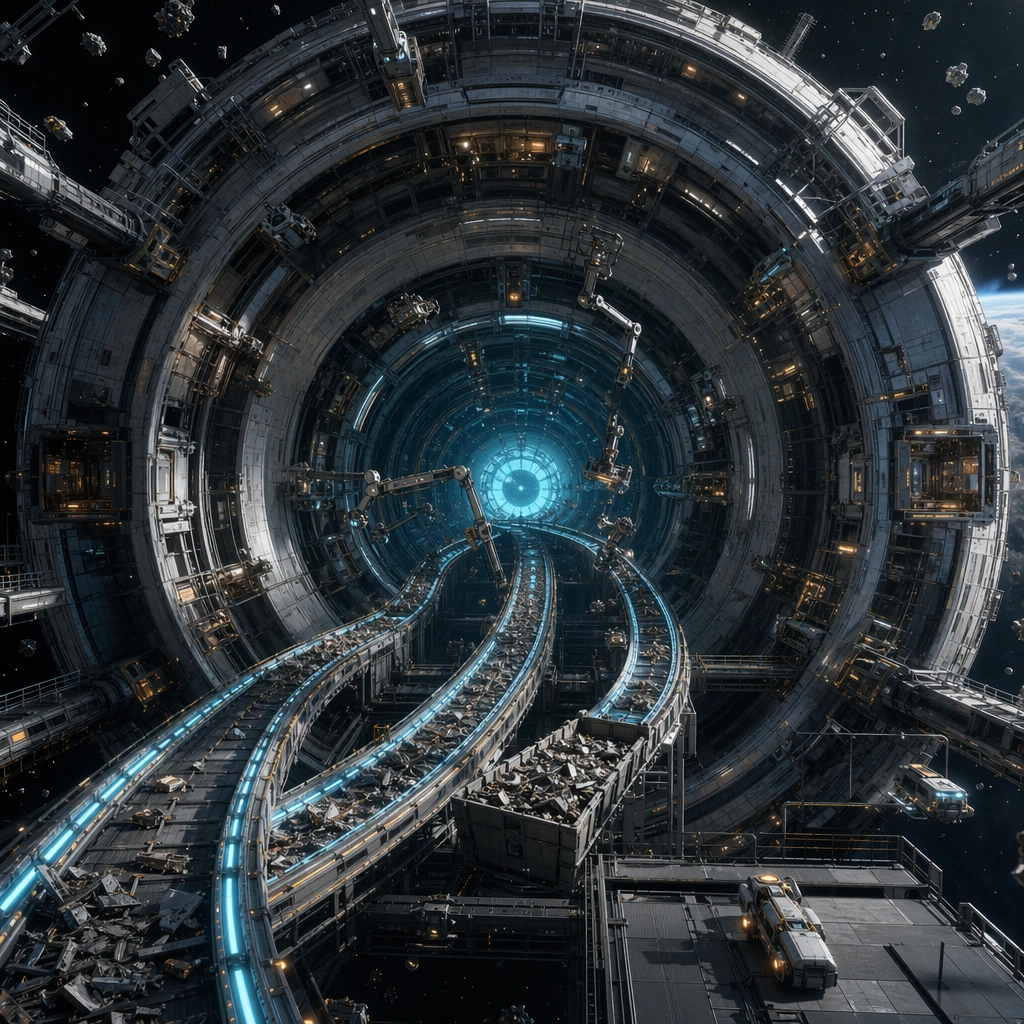
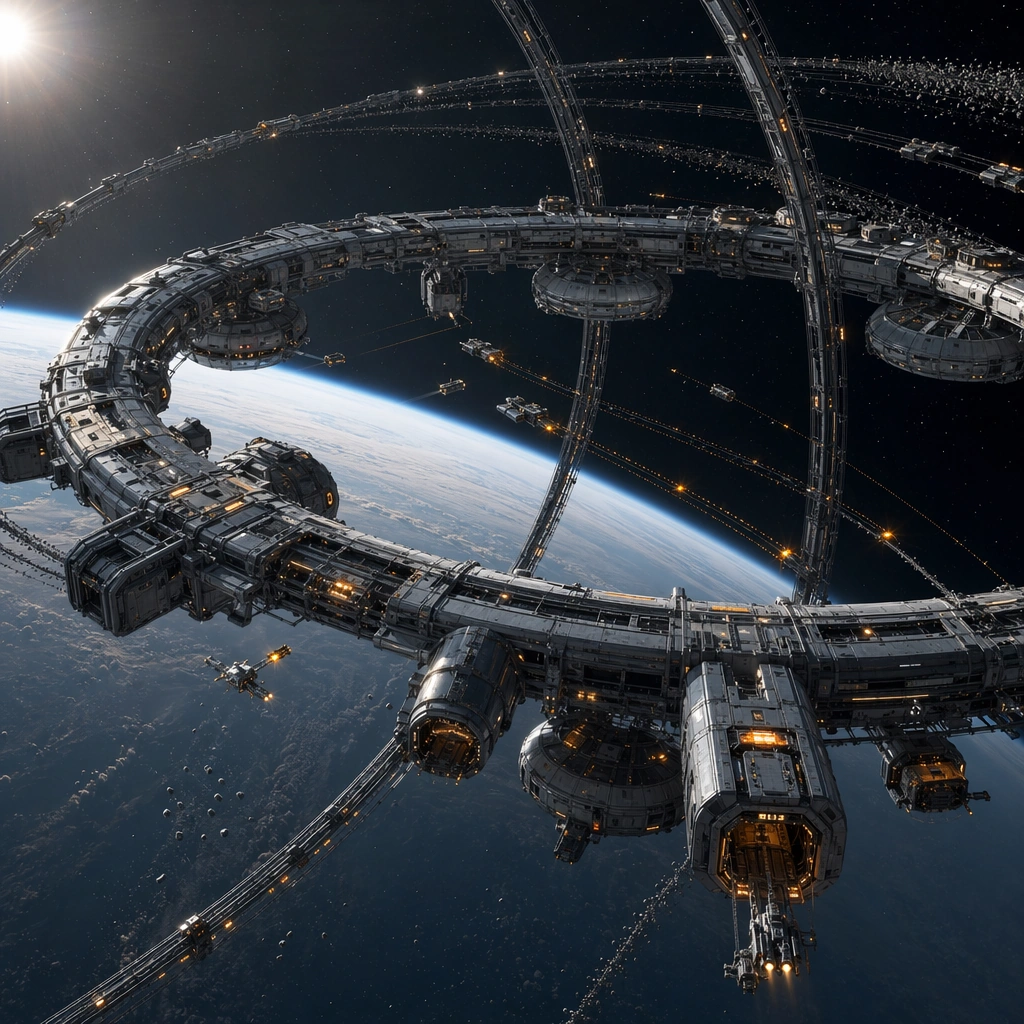
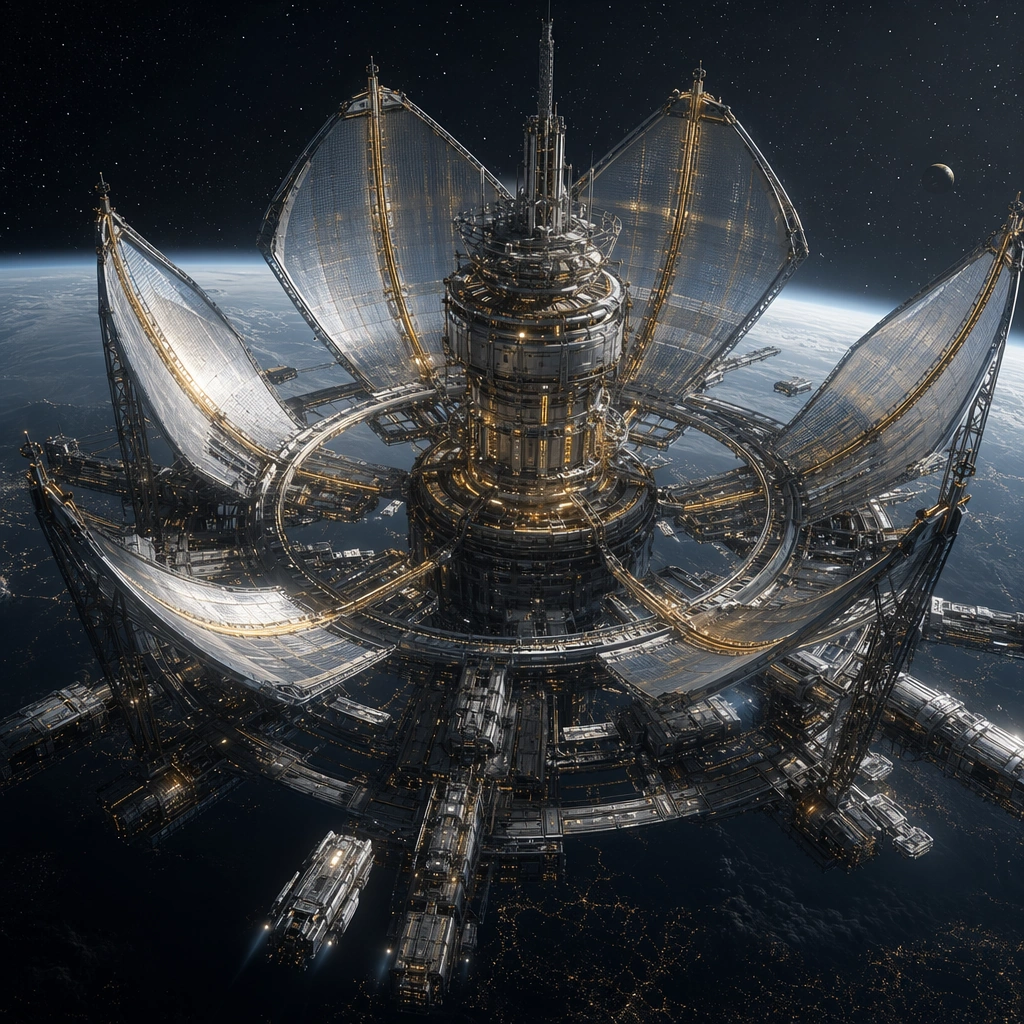
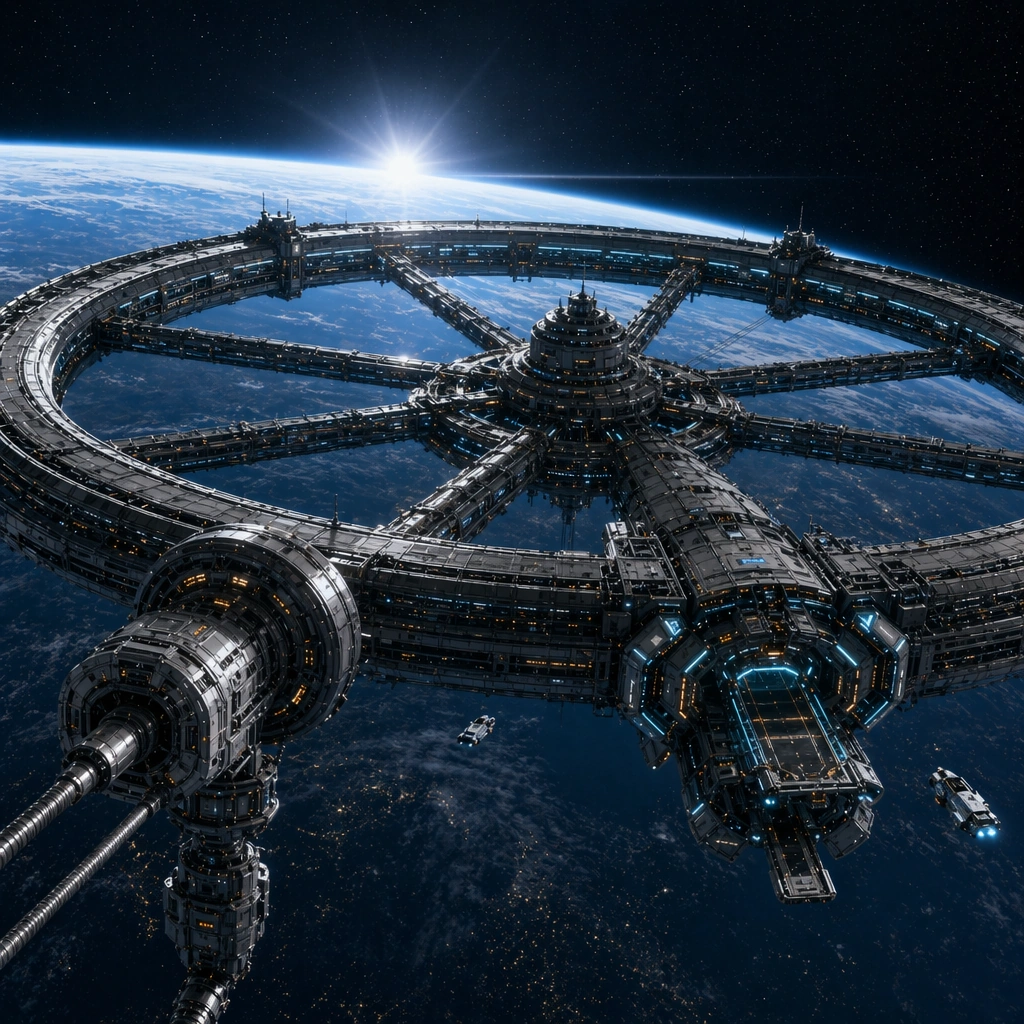
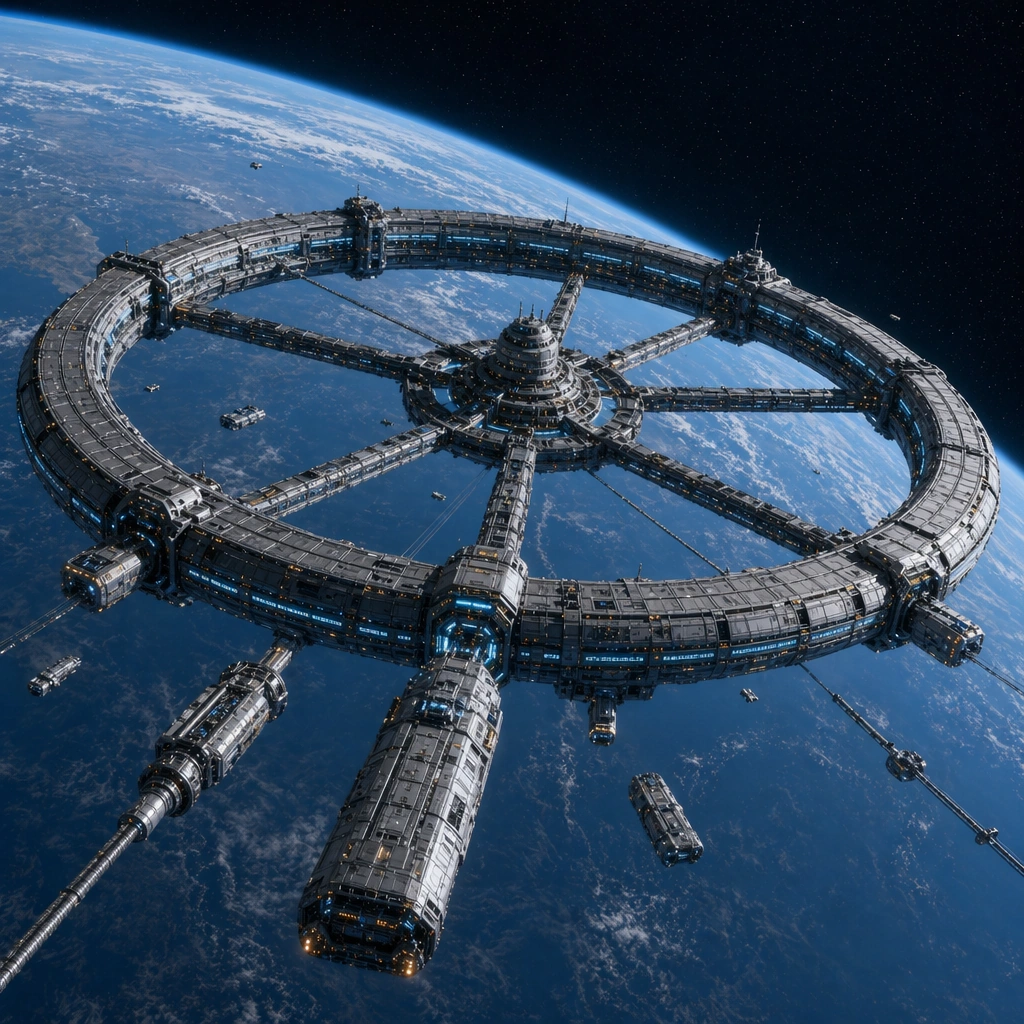
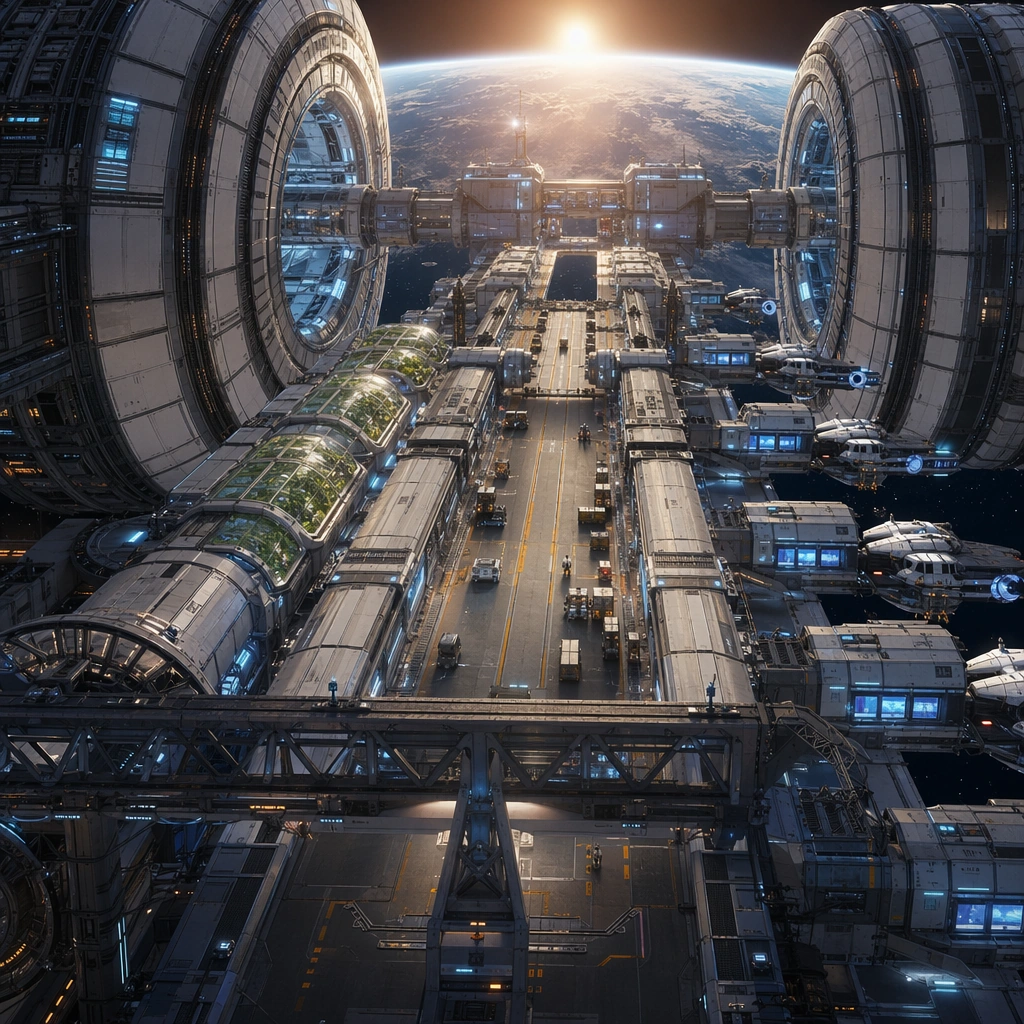
Design a square key-art study for speculative orbital infrastructure with strong depth, silent space atmosphere, and enough detail to feel like a finished professional concept poster. Treat each image as a distinct program or mission context rather than a small variation on the same frame. Stage a calm transit corridor between habitation drums and medical docking arms with a planet sunrise far beyond the structure.

Subject:
Show one legible orbital typology with disciplined silhouette, clear traffic logic, and small human or vehicle cues that reveal the scale without turning the composition into a crowded fleet battle. The design should feel commercially useful for worldbuilding, editorial, or launch-visual surfaces. Include small transport craft, queueing berths, emergency greenhouse pods, and soft civic lighting so the megastructure reads as a humanitarian system instead of a fortress.

Important details:
Favor sharp hierarchy, credible modular engineering, and a palette of cool metals balanced by one environmental accent color. Each image should feel singular, but it must still belong to the same broader orbital design category with believable infrastructure grammar. Emphasize humane scale markers and orderly circulation while keeping the orbital setting vast, quiet, and engineering-driven. Preserve internal logic in docking, circulation, and maintenance access so the megastructure feels buildable rather than decorative.

Use case:
Orbital Vistas single study 3/5, designed as a self-contained support image for this topic.

Constraints:
No readable text, no watermark, no logos, preserve exact 1:1 aspect ratio, no fantasy insignia, no heroic movie-poster characters, no crowded battle fleets, no readable station markings, no military intimidation cues.
Mode d’emploi
- Copiez le prompt original complet, paramètres compris.
- Adaptez le sujet, le texte et la composition à vos besoins.
- Utilisez un outil externe compatible ; vérifiez l’accès et le résultat.
Avant de commencer
- Vérifiez si une image de référence est nécessaire. La compatibilité ne prouve pas le modèle utilisé pour cet exemple.
- Vérifiez noms, chiffres et textes ; les versions du modèle peuvent produire des résultats différents.