Document original
GPT Image 2 · en
Scene:
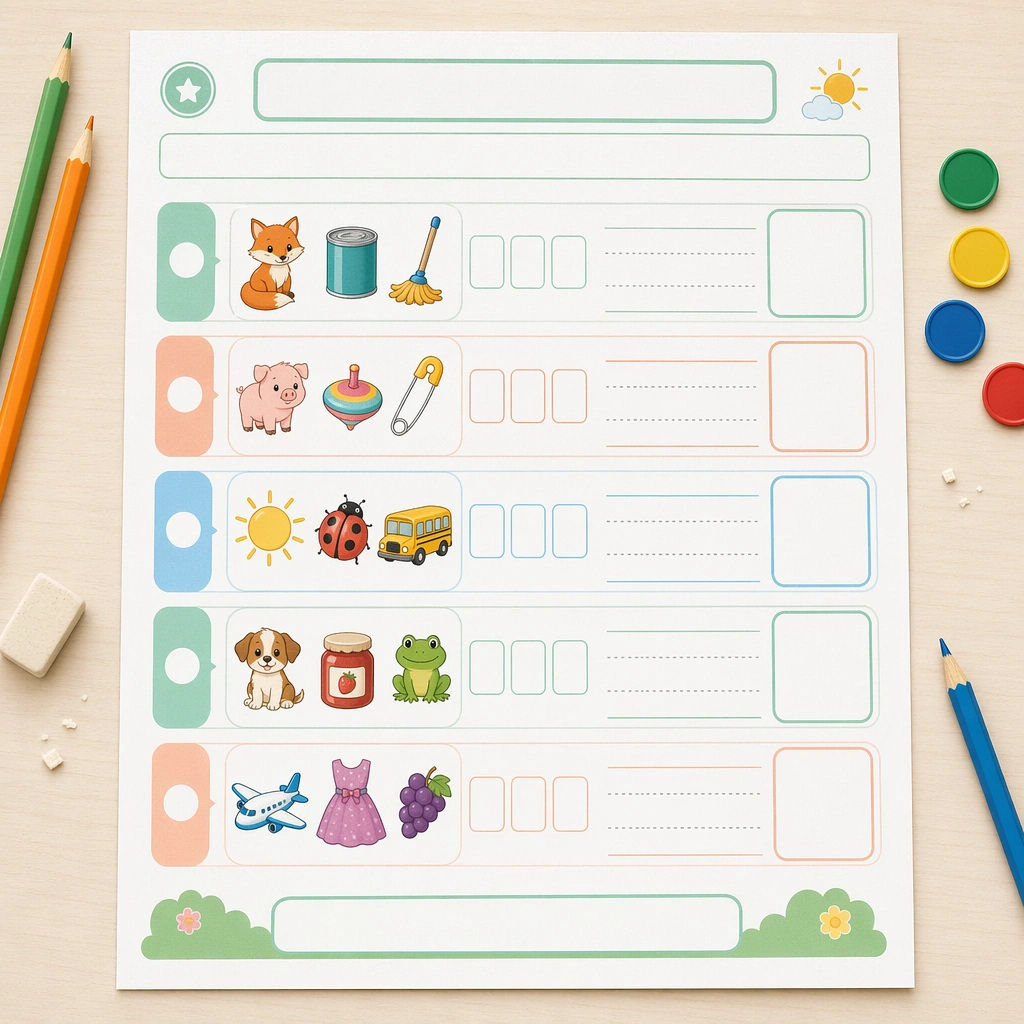
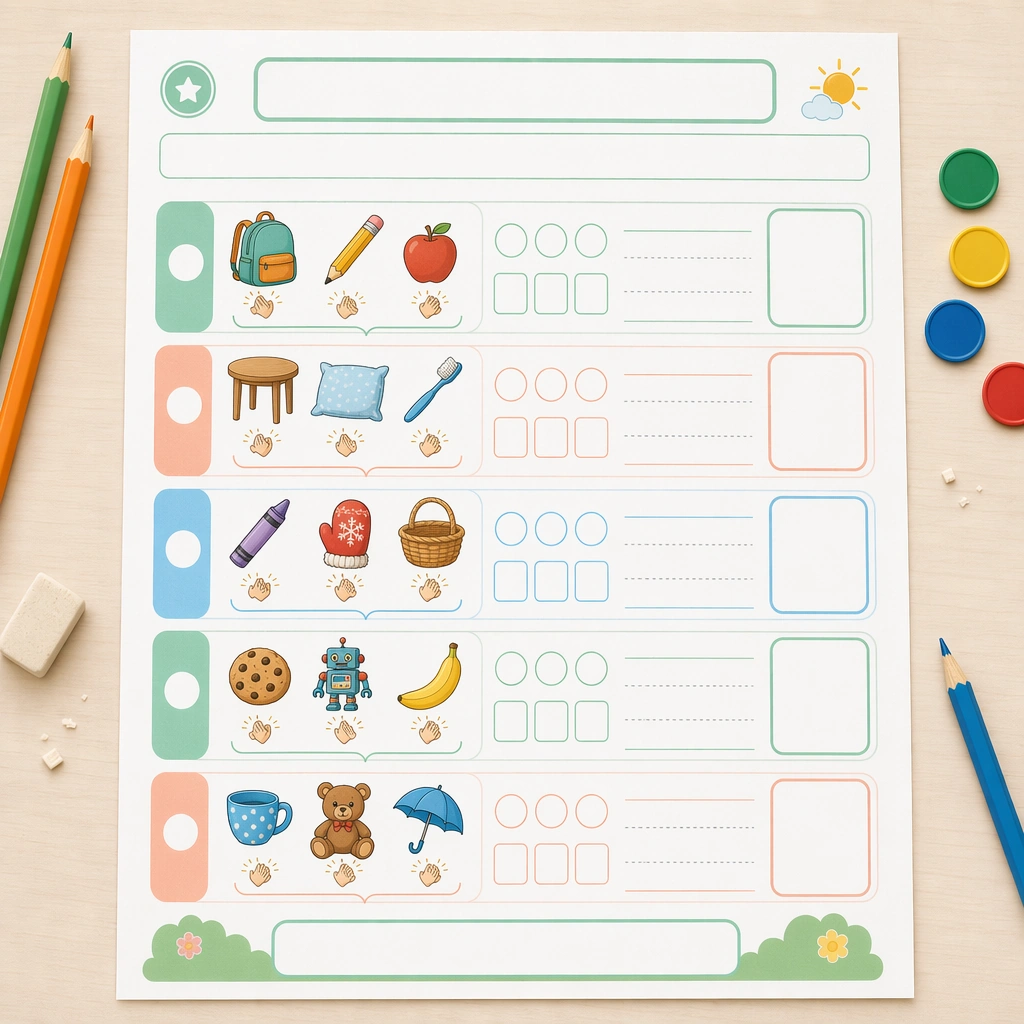
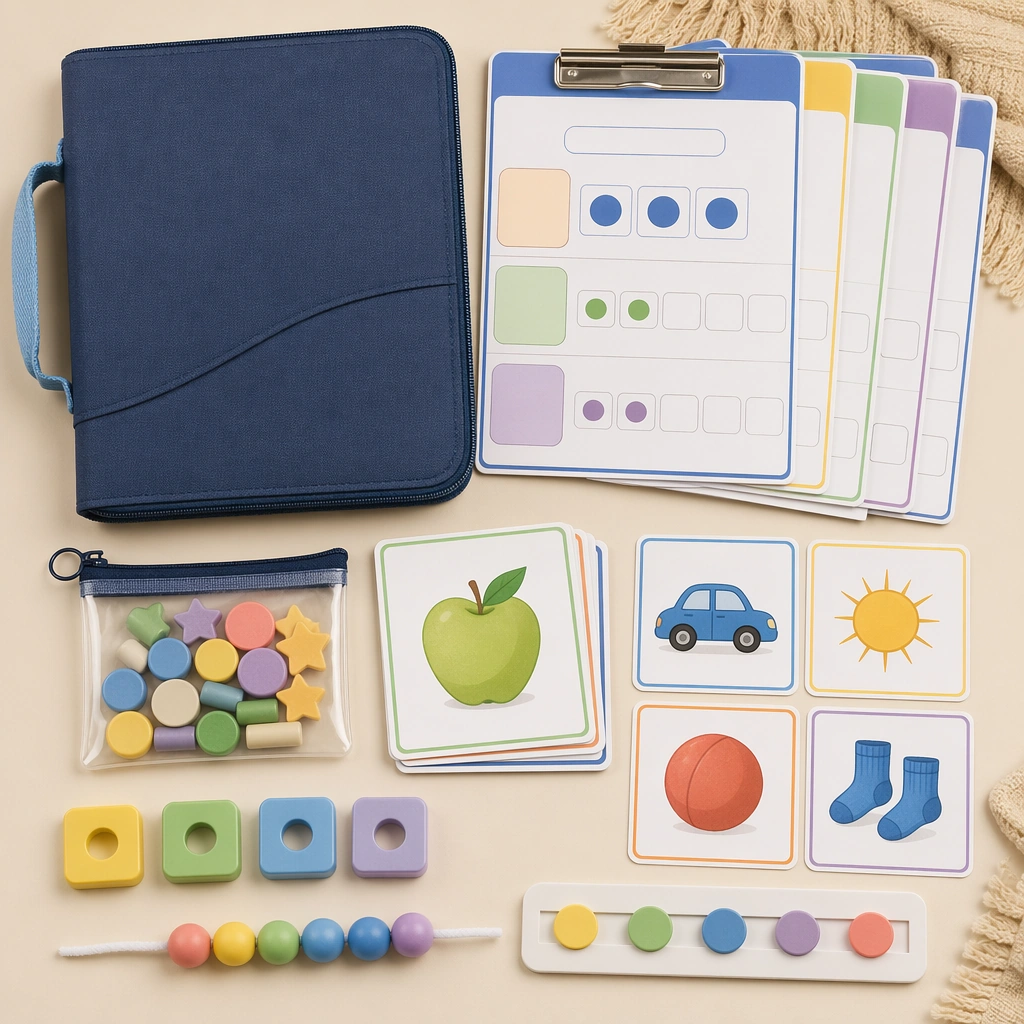
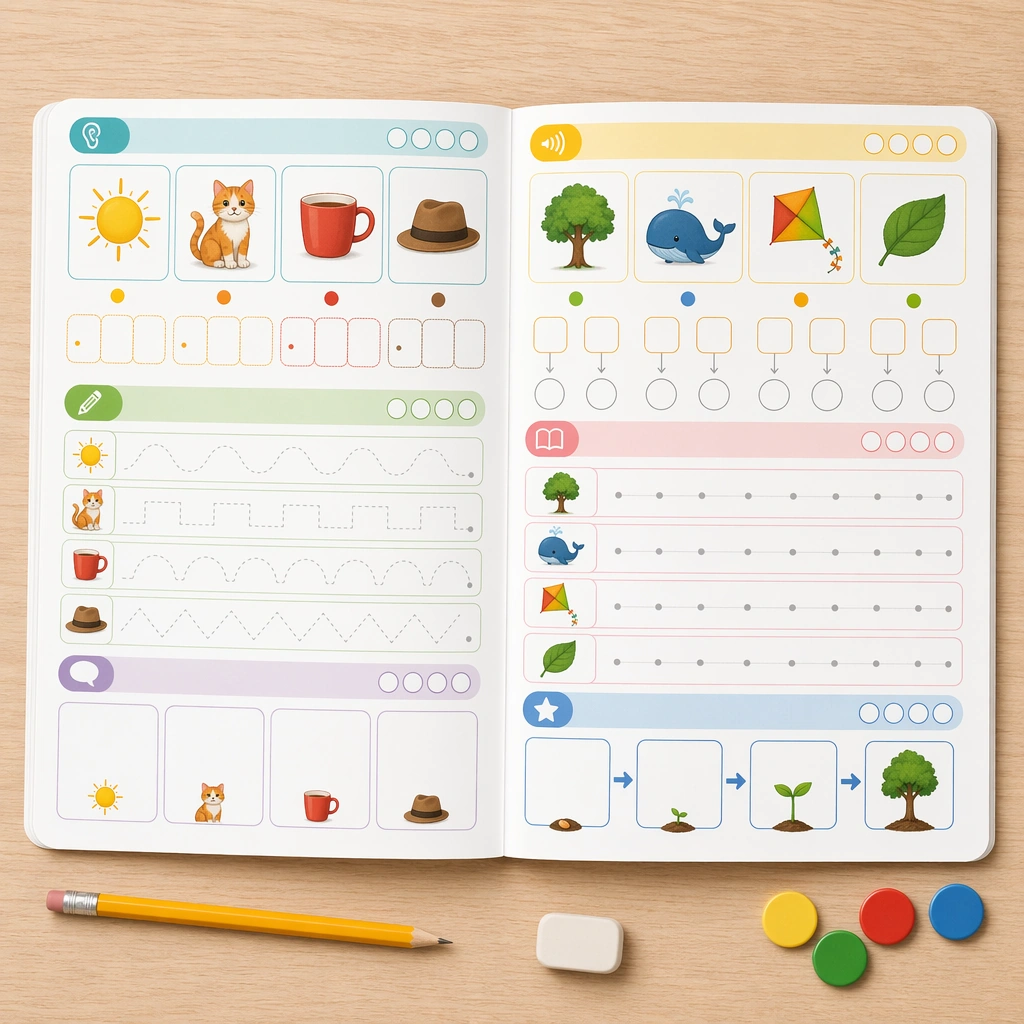
Create a square top-down view of an open literacy workbook on a pale oak desk, with rounded page corners, tidy binding, and crisp studio-classroom lighting. The spread should feel like a premium retail workbook preview, balanced between usability and polished presentation. Keep the square frame balanced, calm, and production-ready so the asset can serve gallery review, research comparison, and real educational delivery at the same time.

Subject:
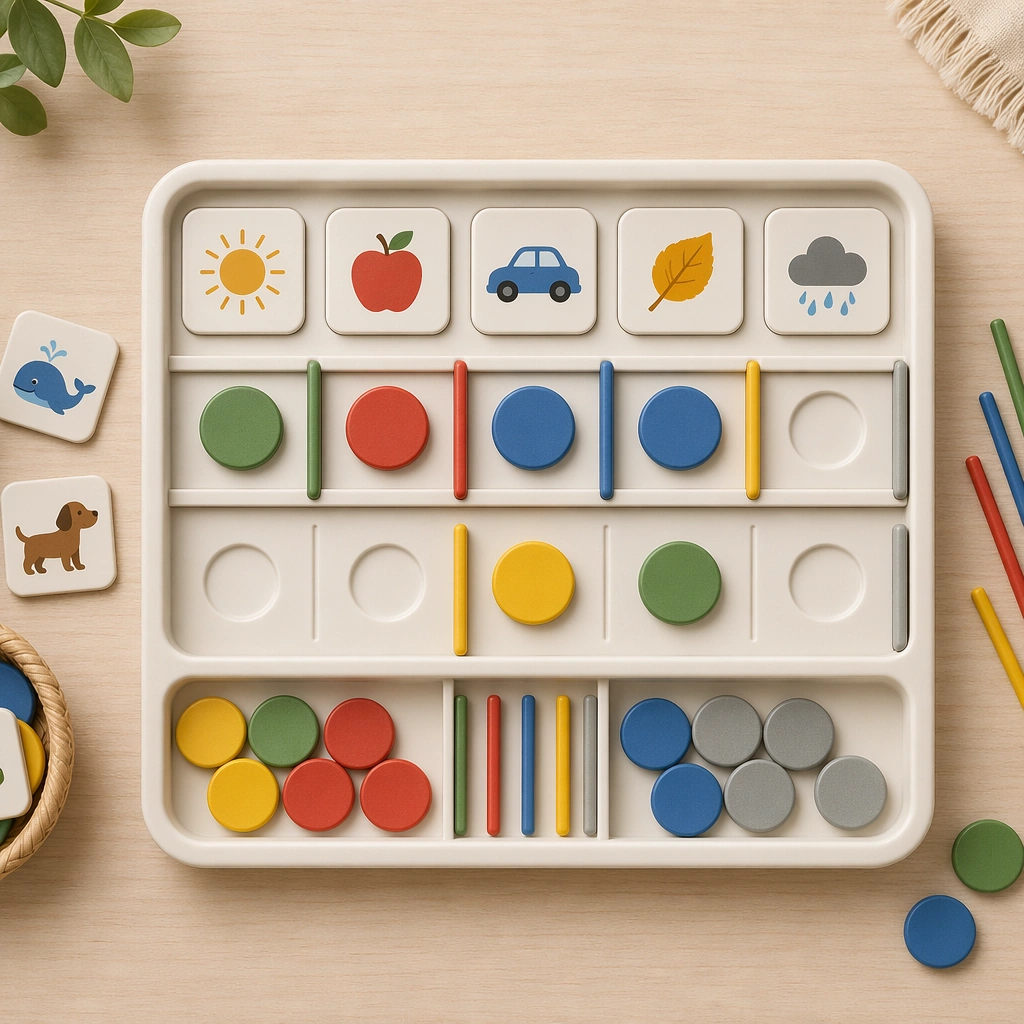
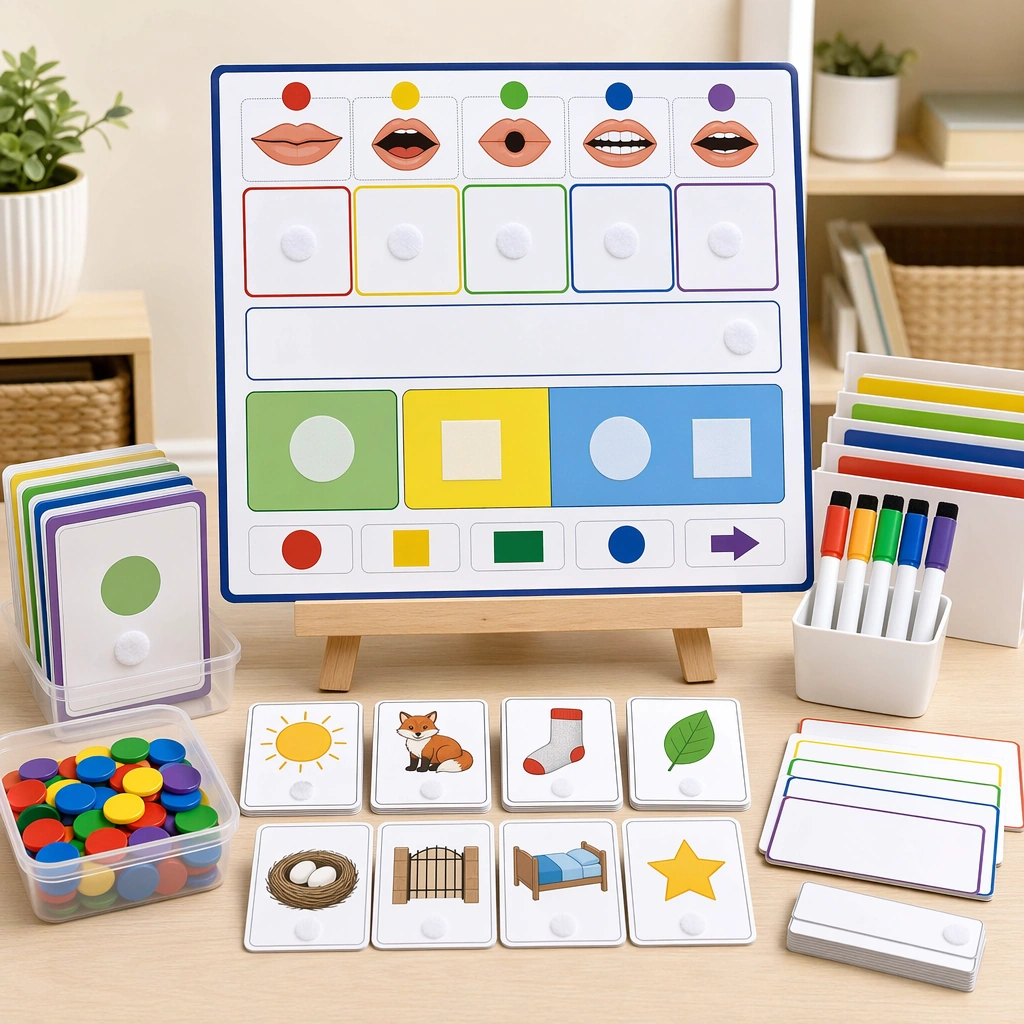
Use two facing pages filled with picture-based phonics exercises, blank tracing lines, icon-led directions, and empty progress markers. Add a pencil, a soft eraser, and a few counters as supporting props, but keep the workbook pages dominant and highly legible. The subject arrangement should feel complete and self-contained, able to stand alone as a real supporting deliverable inside the same education business line.

Important details:
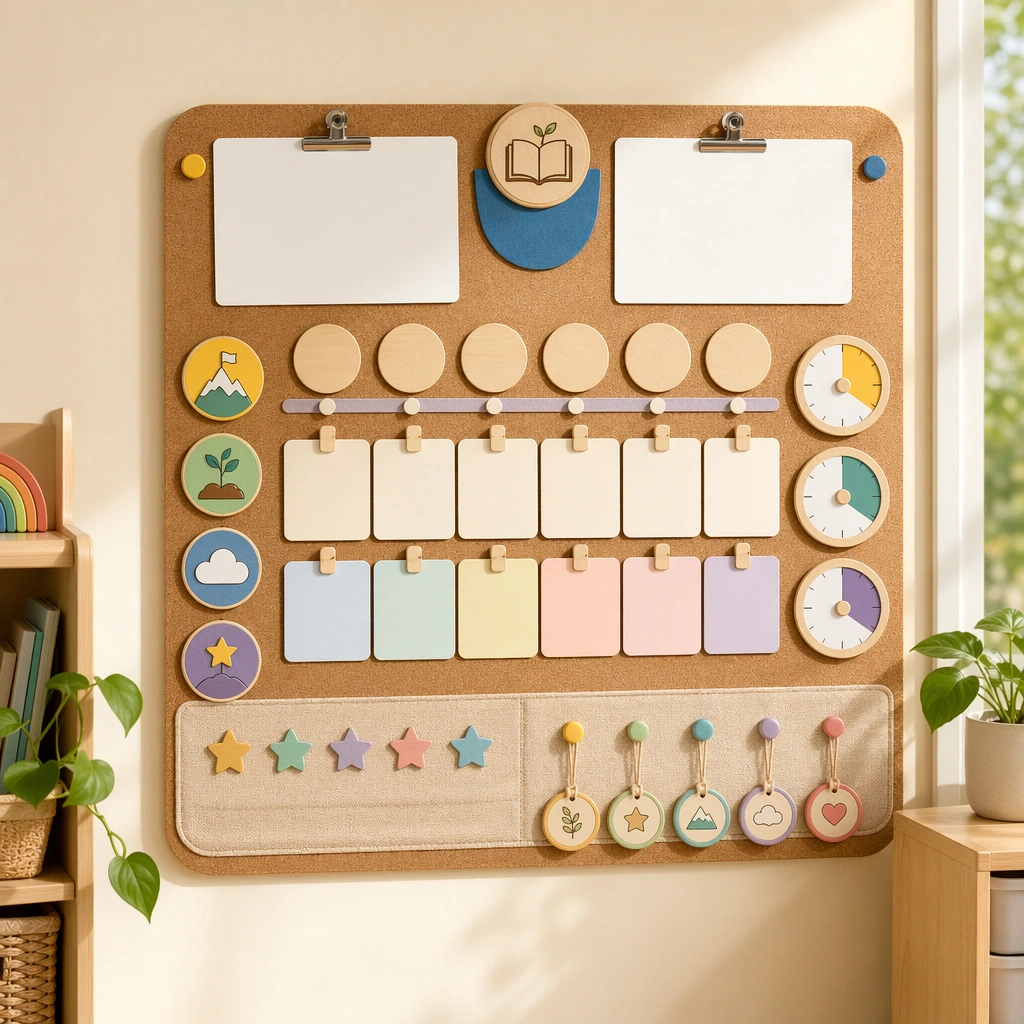
The design must communicate developmental pacing through spacing, color-coded modules, and obvious response zones instead of real words. It should look like something a teacher would recognize as production-ready for young learners and parents alike. Keep the visual hierarchy modular, commercially believable, and clearly tied to a real educational use case rather than a generic mood board.

Use case:
Phonics and Reading Practice Sheet single study 1/5, workbook spread.

Constraints:
No readable text, no watermark, no logos, preserve exact 1:1 aspect ratio, no readable text, no real letters, no logos, no teacher scribbles, no chaotic classroom mess, no broken magnets.
Mode d’emploi
- Copiez le prompt original complet, paramètres compris.
- Adaptez le sujet, le texte et la composition à vos besoins.
- Utilisez un outil externe compatible ; vérifiez l’accès et le résultat.
Avant de commencer
- Vérifiez si une image de référence est nécessaire. La compatibilité ne prouve pas le modèle utilisé pour cet exemple.
- Vérifiez noms, chiffres et textes ; les versions du modèle peuvent produire des résultats différents.