Document original
GPT Image 2 · en
Scene:
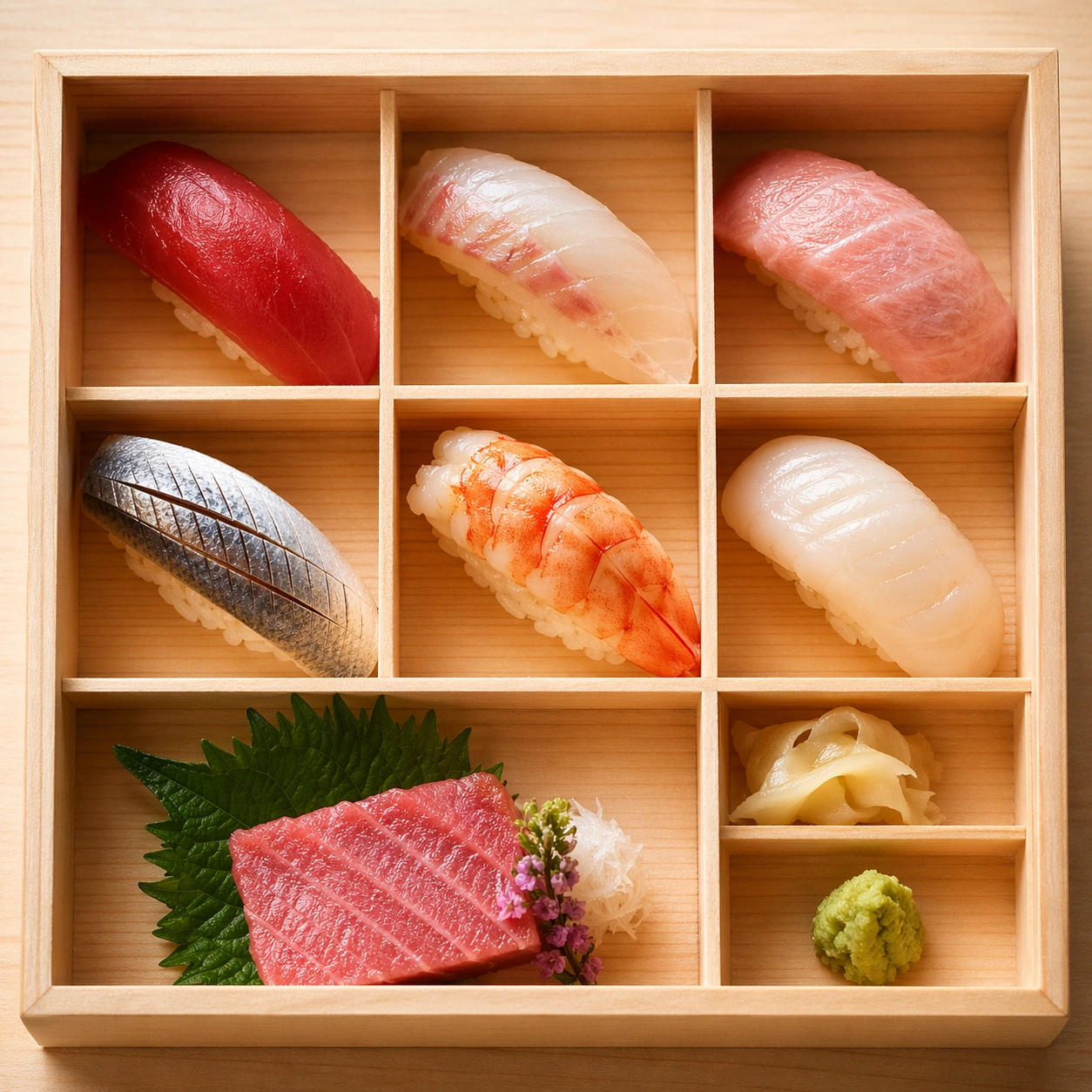
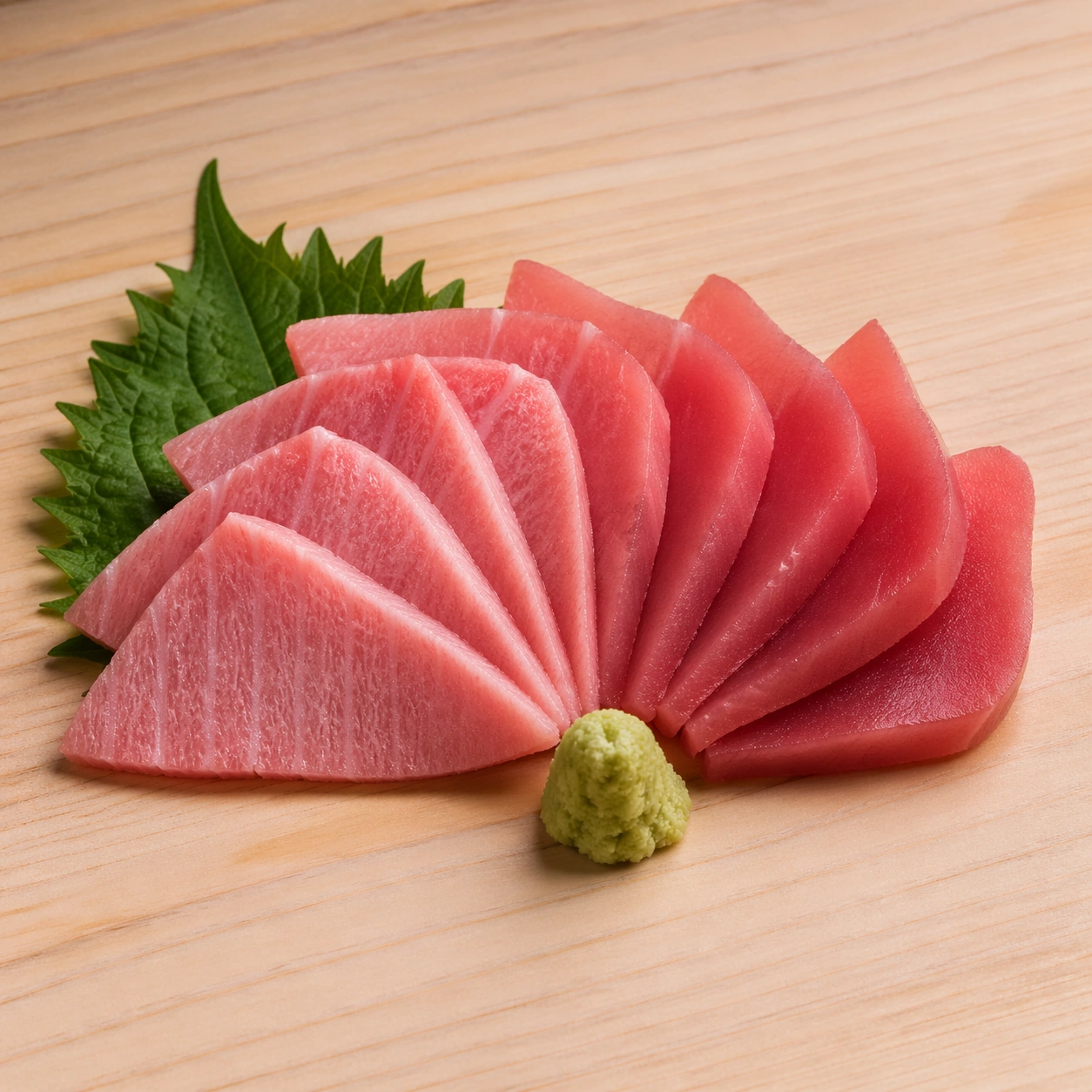
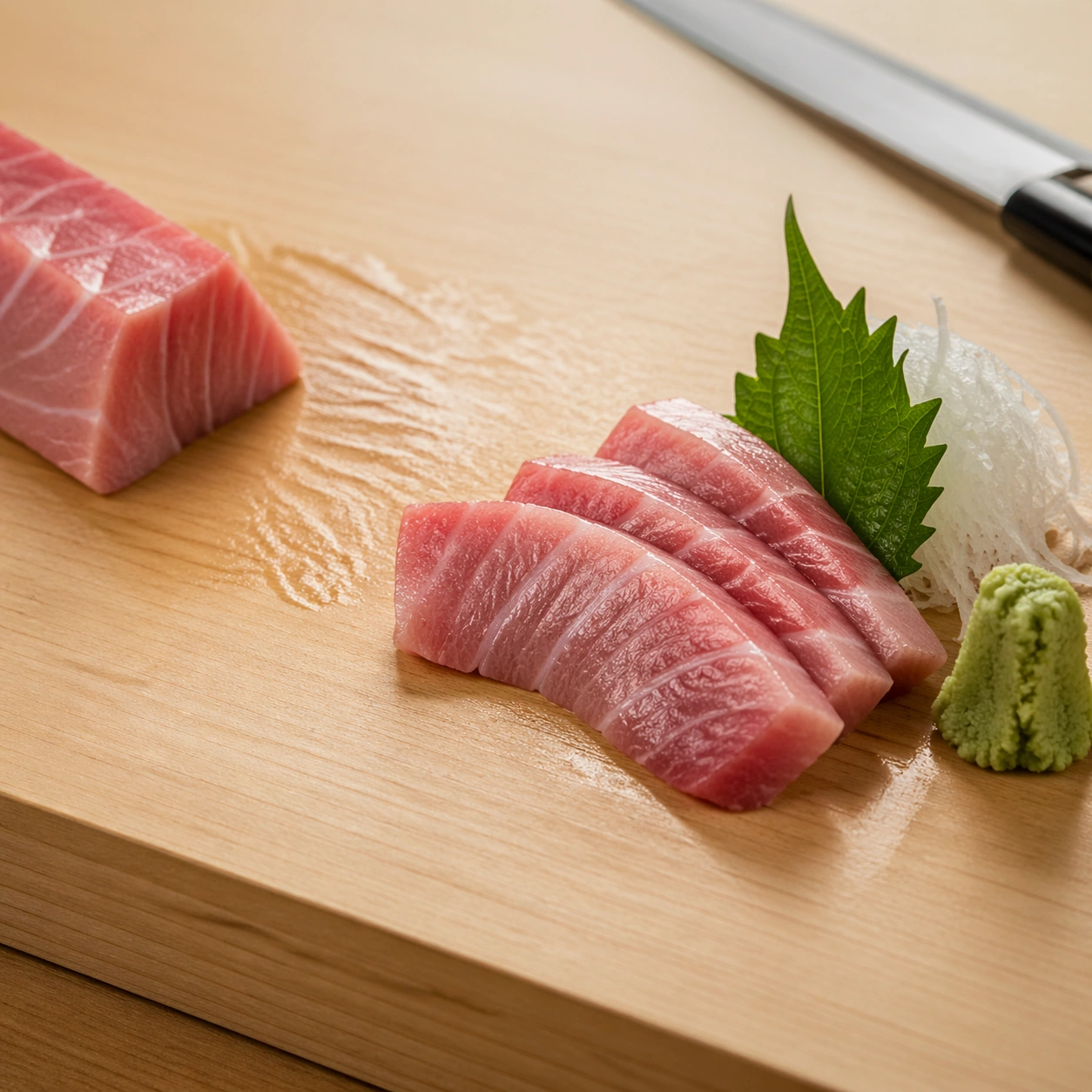
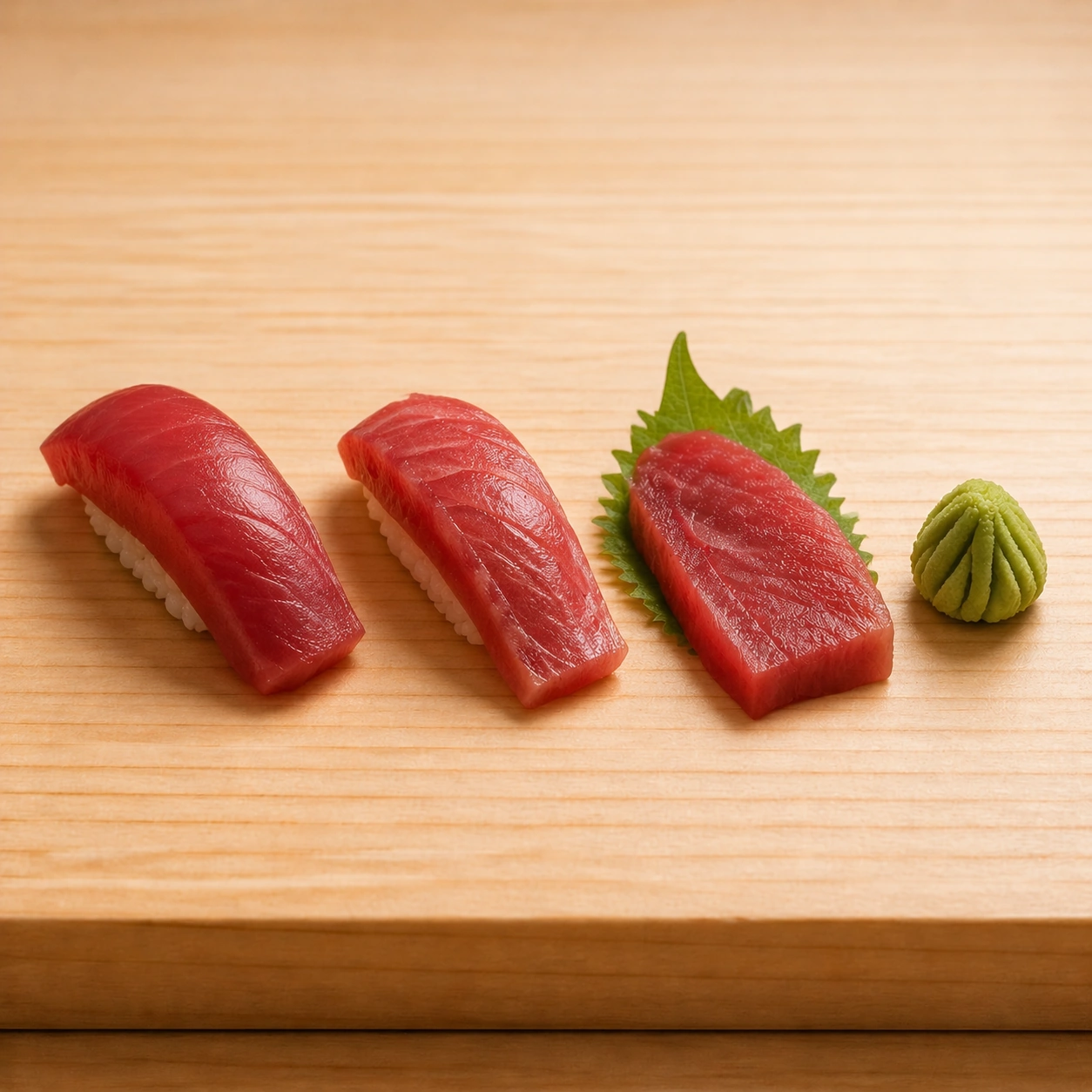
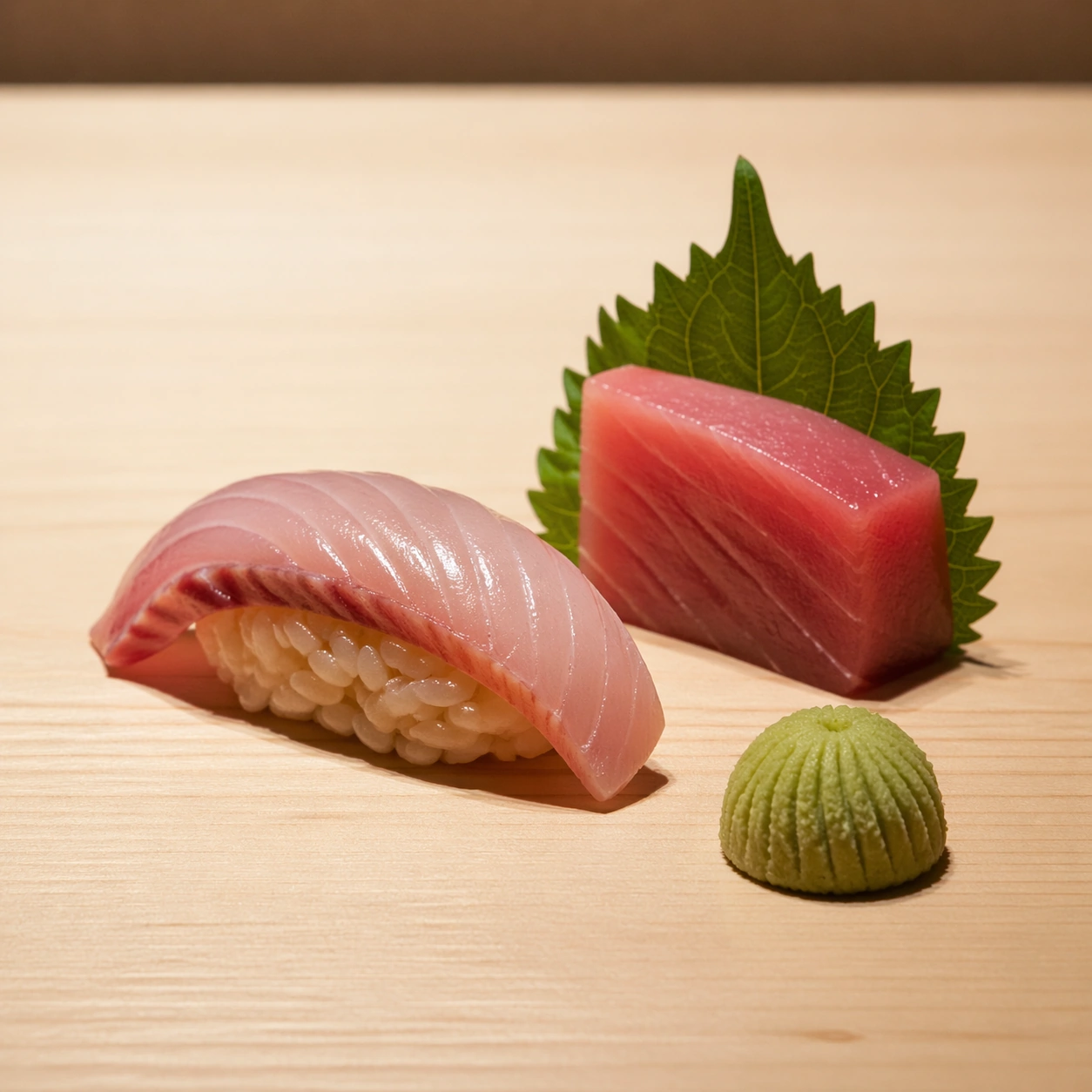
Create a square high-end sushi photograph on pale hinoki wood or a neutral omakase counter, lit with precise raking light that reveals grain in fish and separation in rice. The environment should feel silent, expensive, and almost clinical in its cleanliness. Space, alignment, and proportion matter as much as the ingredients themselves. Create a square minimalist counter photograph on hinoki or pale stone with broad negative space and precise top-side lighting. The scene should feel almost like a design study.

Subject:
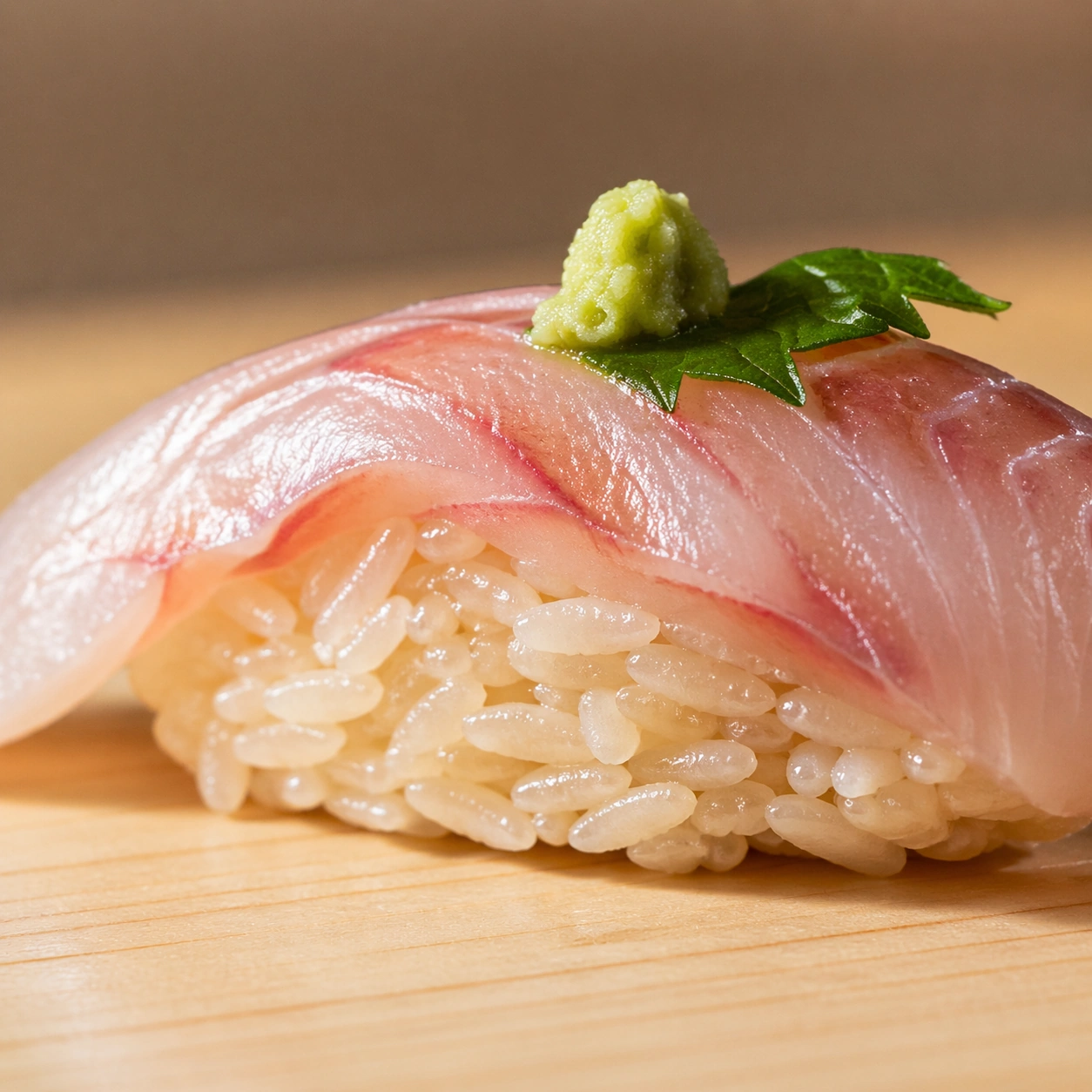
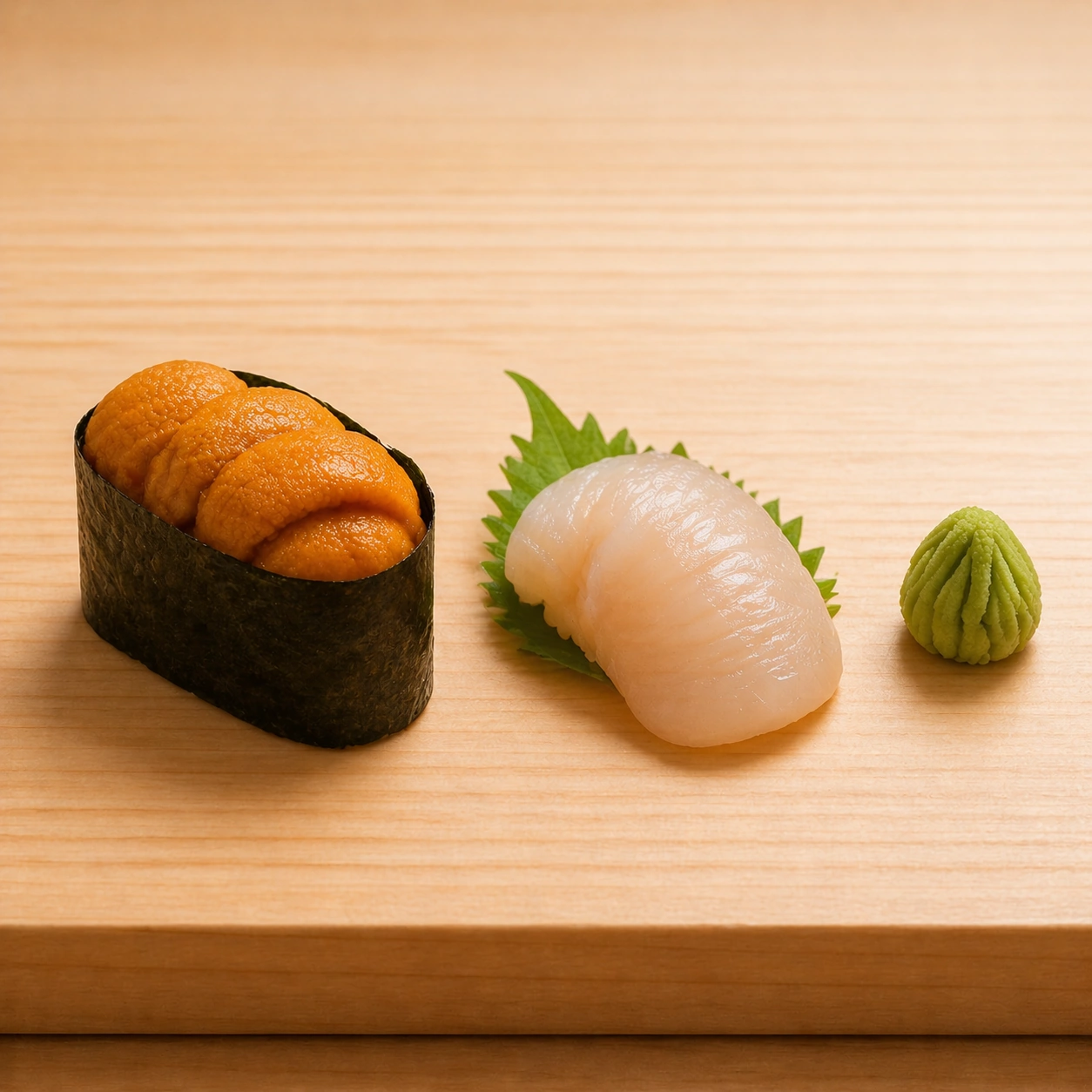
Feature one immaculate wasabi dome beside one or two sushi elements, making the condiment geometry a meaningful part of the composition rather than an afterthought. The dome should show fine ridges and moist matte texture, while the neighboring fish and rice keep the culinary context intact. The arrangement should be sparse and exact.

Important details:
Every ingredient should reward macro inspection: fish grain direction, cut angle, moisture, knife marks, rice-grain separation, wasabi texture, shiso curl, and the grain of the wood beneath all need to remain distinct. The result should communicate mastery through restraint and surgical care rather than abundance. Make the wasabi feel freshly shaped and tactile rather than like generic green paste. The scene should prove that even a tiny condiment form participates in the precision language of high-end sushi.

Use case:
Sushi and sashimi precision single study 7/9, treating the wasabi dome as a formal element of omakase composition.

Constraints:
No readable text, no watermark, no logos, preserve exact 1:1 aspect ratio, no soy sauce pools, no decorative restaurant clutter, no readable menu cards, no plastic sushi display look, no overloaded garnish, no giant condiment portion, no bright neon green, no side-dish clutter.
Mode d’emploi
- Copiez le prompt original complet, paramètres compris.
- Adaptez le sujet, le texte et la composition à vos besoins.
- Utilisez un outil externe compatible ; vérifiez l’accès et le résultat.
Avant de commencer
- Vérifiez si une image de référence est nécessaire. La compatibilité ne prouve pas le modèle utilisé pour cet exemple.
- Vérifiez noms, chiffres et textes ; les versions du modèle peuvent produire des résultats différents.