
Document original
GPT Image 2 · en
Scene:
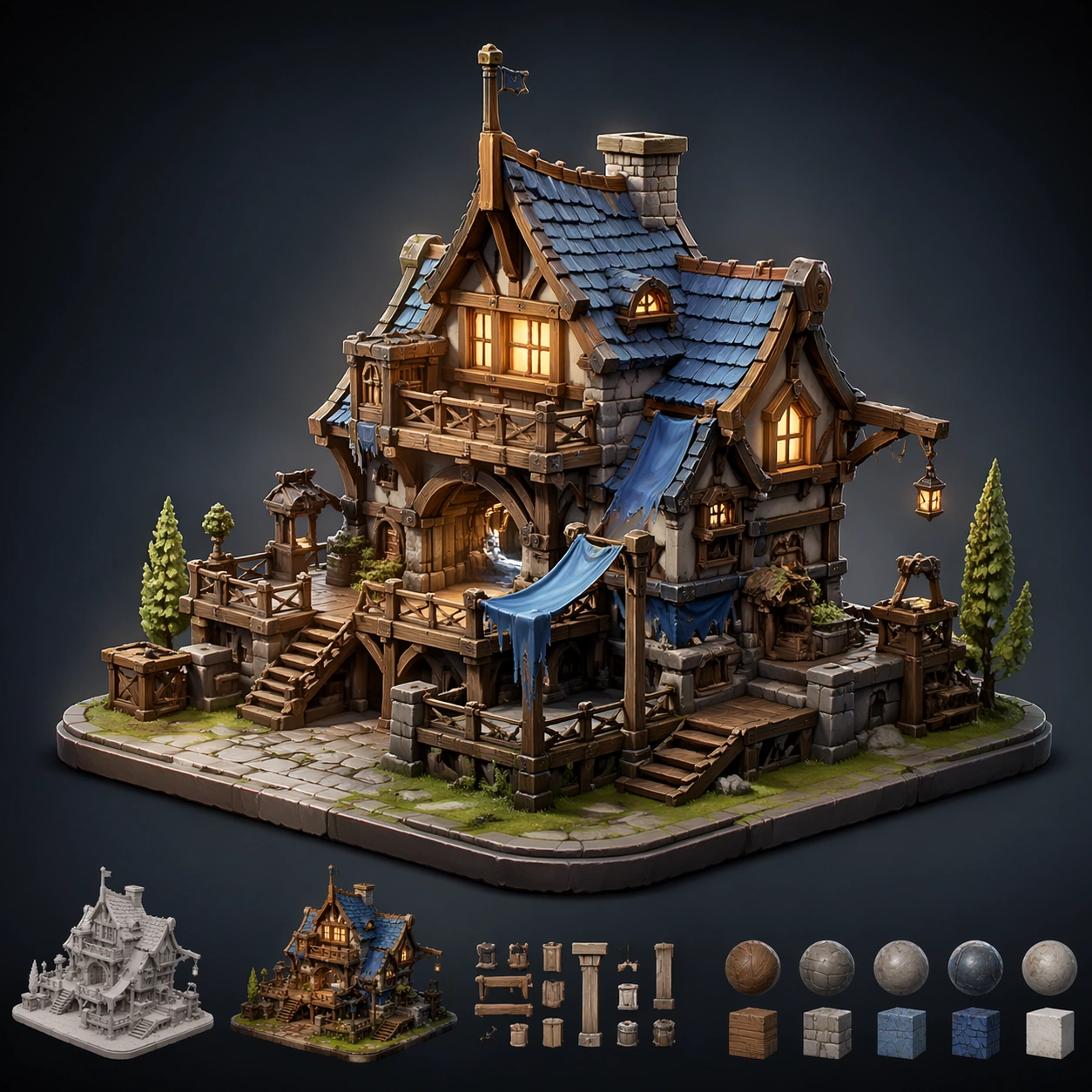
A square master proof frame with stable lighting, strong continuity cues, and a premium commerce-ready layout. Frame the composition like a premium game-production deliverable rather than generic concept art, with disciplined square balance, controlled highlight placement, and enough negative space to keep the focal structure easy to parse. Use lighting, value grouping, and depth layers to make the scene feel intentional, collectible, and immediately useful for internal review or outward-facing promotion.

Subject:
Present the main product or subject in a neutral anchor composition that can support every later proof variation. Build the image around one dominant primary read, then support it with clearly organized secondary shapes, props, interface shells, or environment structures that reinforce gameplay context and commercial usefulness. Every object should look original, fully resolved, and designed to survive cropping for store, profile, patch, or gallery surfaces.

Important details:
This image defines the continuity rules for the rest of the carousel system. Make every frame conversion-oriented, with credible product or subject continuity, strong proof logic, and a premium commerce finish that could sit inside a real carousel or detail page. Treat this image as the root visual anchor: it must be especially stable, complete, and easy for later variations to inherit from.

Use case:
Before-After Proof Carousel series study 1/9.

Constraints:
No readable text, no watermark, no logos, preserve exact 1:1 aspect ratio, no exaggerated miracle effects, no readable copy blocks, no brand logos, no fake certification seals, no chaotic ecommerce clutter.
Mode d’emploi
- Copiez le prompt original complet, paramètres compris.
- Adaptez le sujet, le texte et la composition à vos besoins.
- Utilisez un outil externe compatible ; vérifiez l’accès et le résultat.
Avant de commencer
- Vérifiez si une image de référence est nécessaire. La compatibilité ne prouve pas le modèle utilisé pour cet exemple.
- Vérifiez noms, chiffres et textes ; les versions du modèle peuvent produire des résultats différents.