Documento originale
GPT Image 2 · en
Scene:
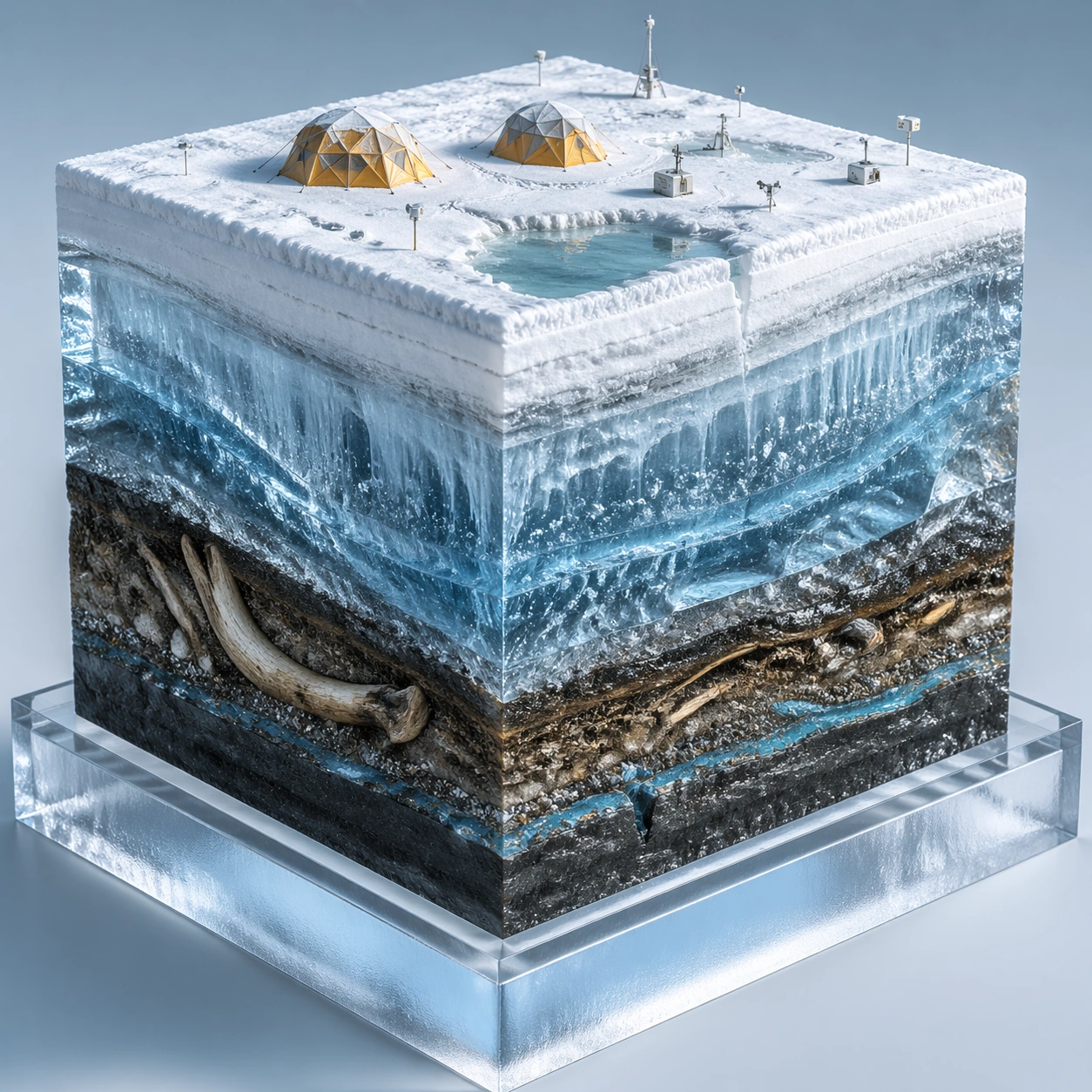
A square high-resolution studio render of an arctic diorama cube sitting on a frosted acrylic plinth. The lighting is cold, bright, and clean, with pale blue reflections and fine crystalline sparkle. Show the cube from a slightly elevated three-quarter view so the snow-covered top and the transparent ice-rich side faces are equally readable.

Subject:
The top face contains a tiny polar research camp with two dome tents, snow tracks, wind-carved drifts, a frozen melt pond, and low scientific instruments without visible labels. The cutaway sides reveal compacted snow, blue glacier ice, trapped air bubbles, dark permafrost soil, fossilized plant matter, an old mammoth bone fragment, brine channels, and a narrow subglacial stream. Include delicate frost crystals and sediment bands along the edges.

Important details:
The structure must show cold-region science rather than generic ice fantasy. Snow, firn, glacier ice, permafrost, organic matter, and buried bone should have distinct textures and plausible vertical ordering. The research camp should sit physically on the top surface, with stakes and tracks pressing into snow. Blue ice should be translucent but not opaque enough to hide the layers. Keep all four cube faces aligned and the cut edges sharp.

Use case:
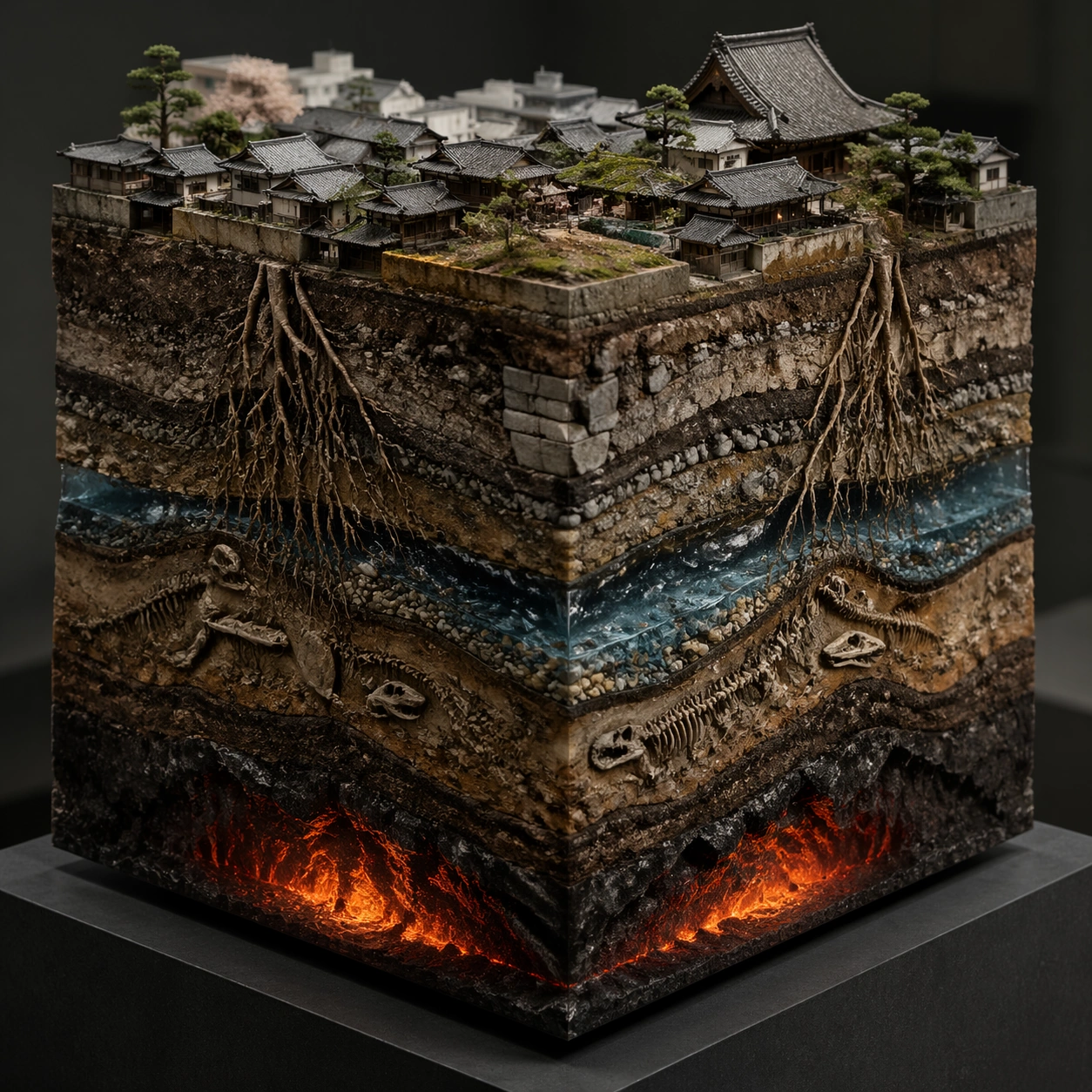
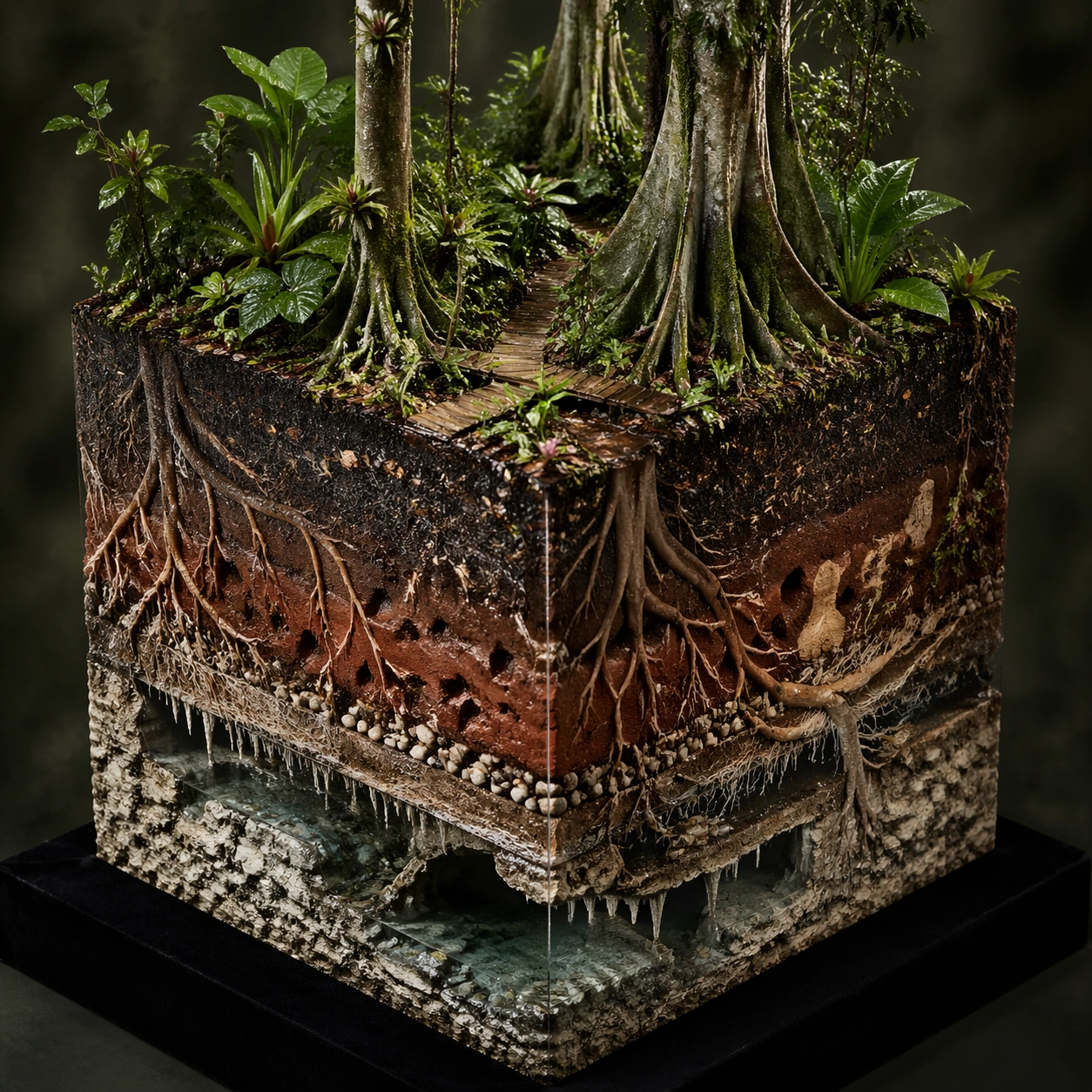
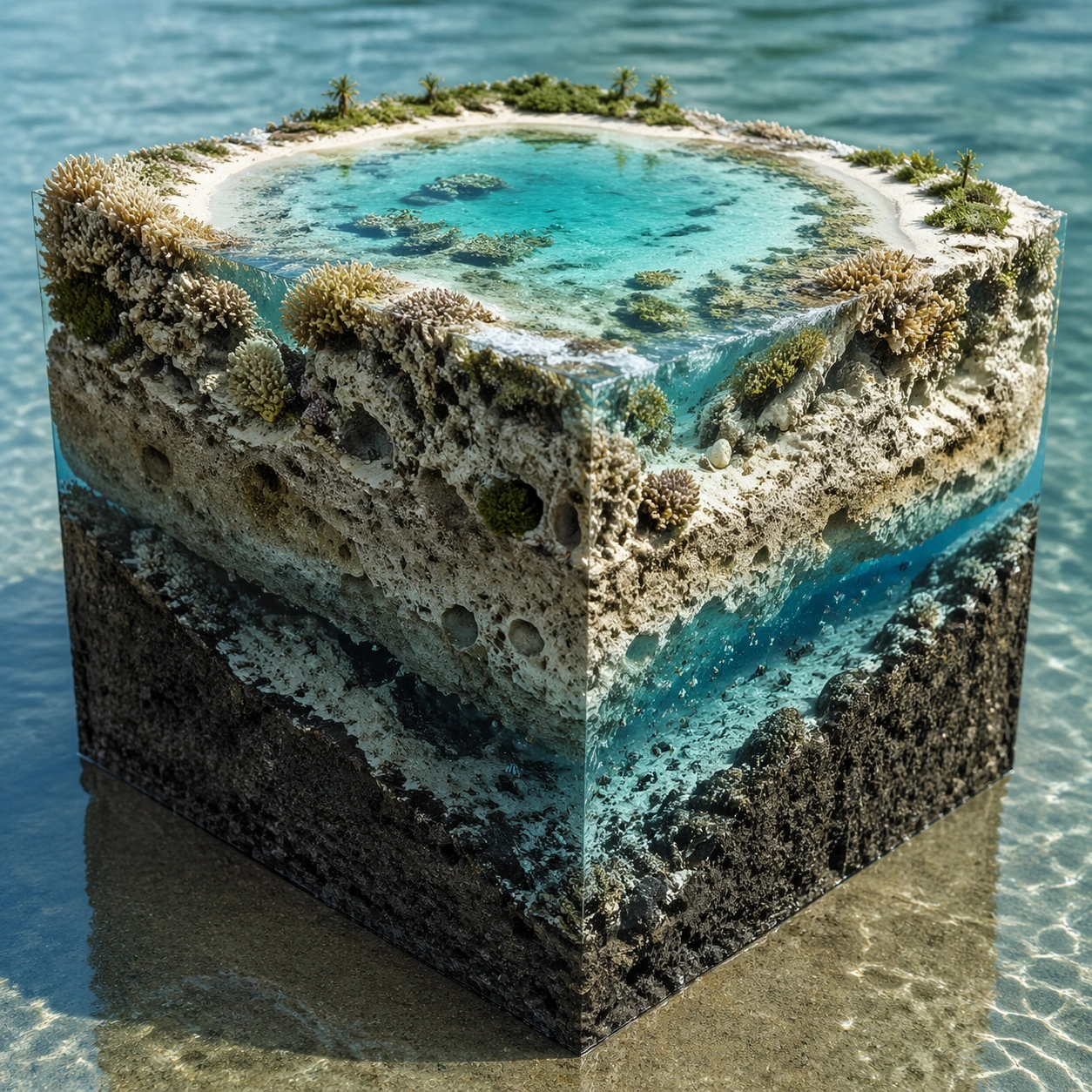
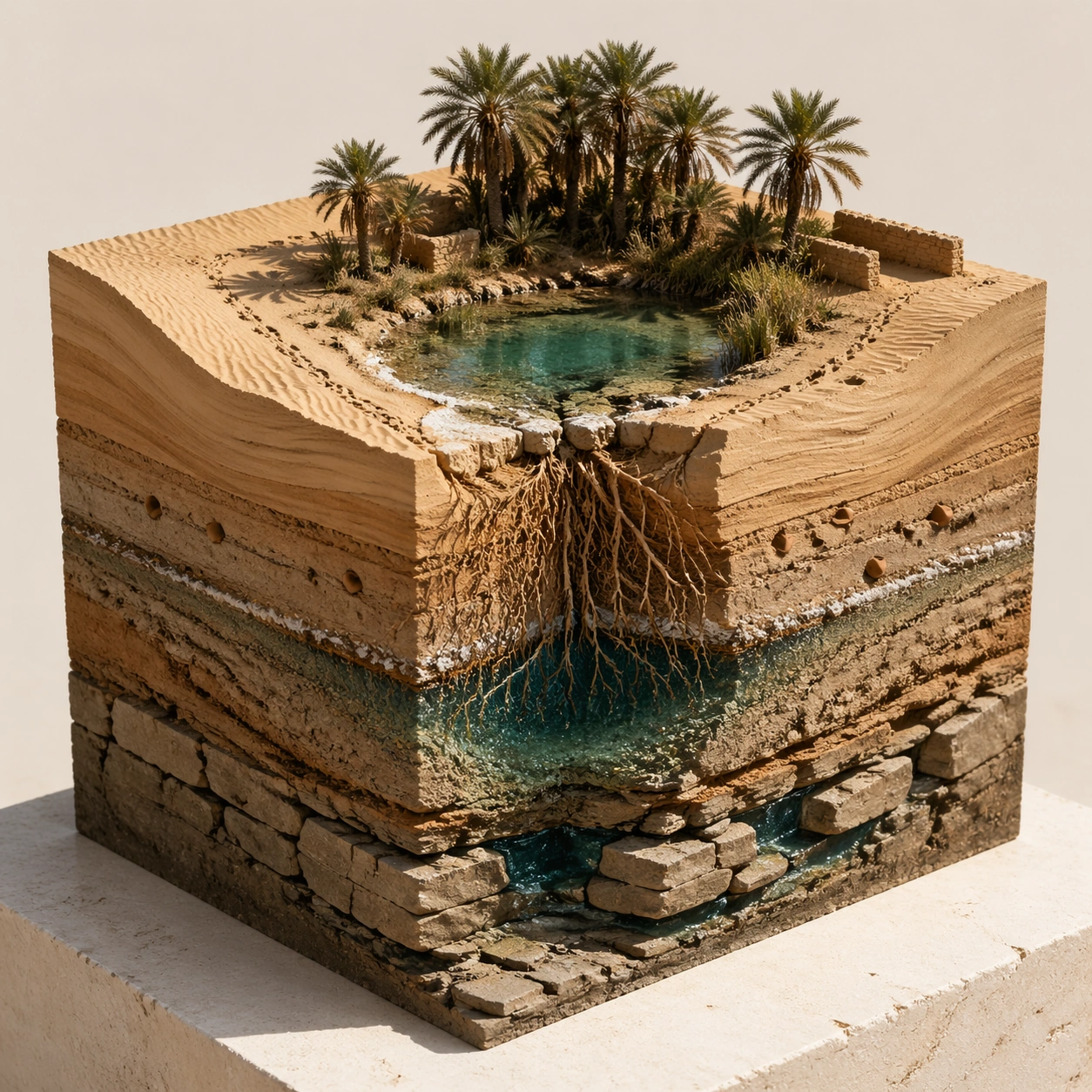
Hyperreal Diorama Cube single study 3/8, testing an arctic research scene with transparent ice, permafrost stratigraphy, fossils, and subglacial water.

Constraints:
No readable text, no watermark, no logos, preserve exact 1:1 aspect ratio, no polar bear mascot, no flags, no labels, no floating instruments, no melted cube edges, no impossible glowing ice, no random bone piles, no cropped side faces.
Come usare
- Copia tutto il prompt originale, inclusi i parametri.
- Adatta soggetto, testo e composizione alle tue esigenze.
- Usa uno strumento esterno compatibile; verifica accesso e risultato.
Prima di iniziare
- Controlla se serve un’immagine di riferimento. La compatibilità non prova il modello usato per l’esempio.
- Verifica nomi, numeri e testi; i risultati cambiano con le versioni del modello.