Documento originale
GPT Image 2 · en
Scene:
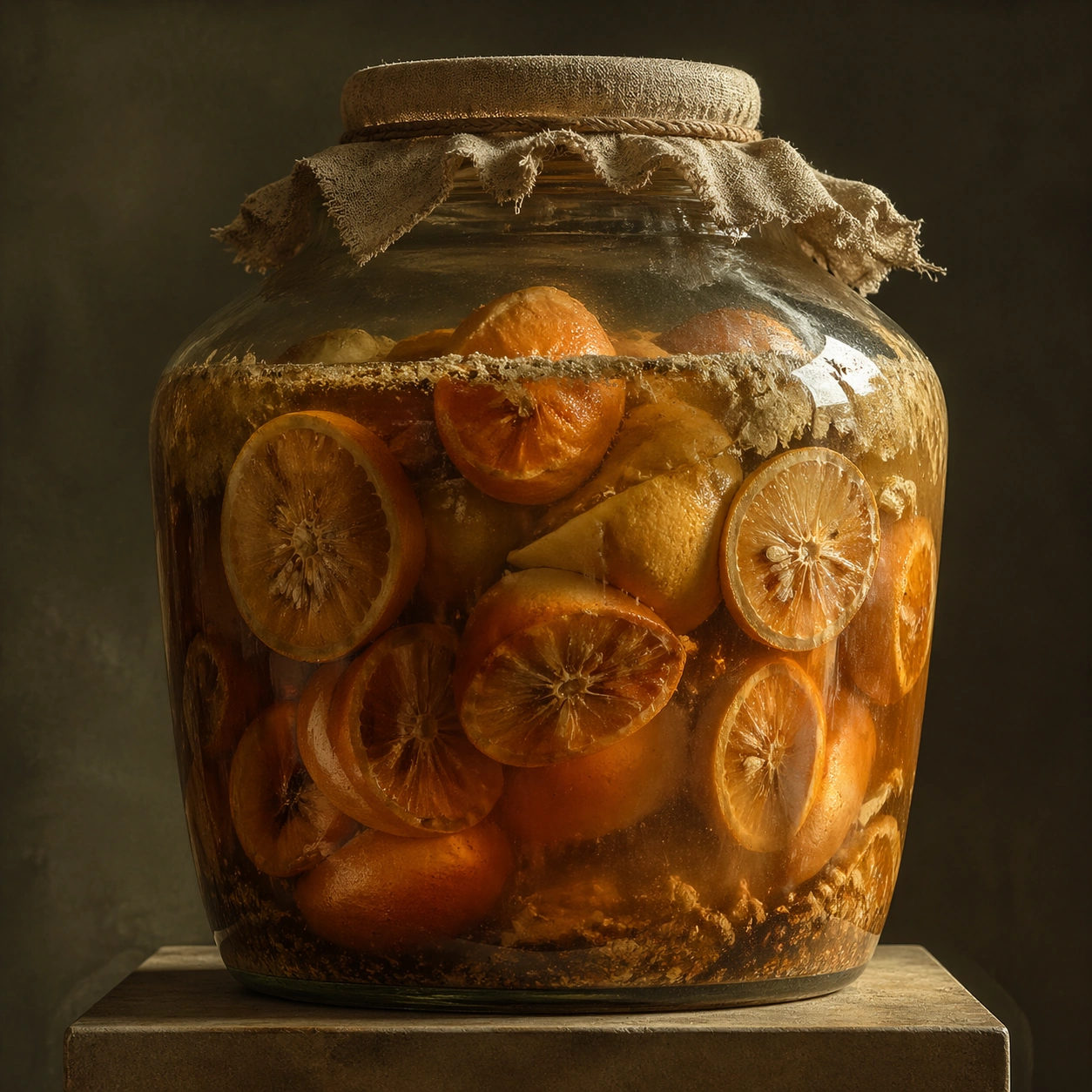
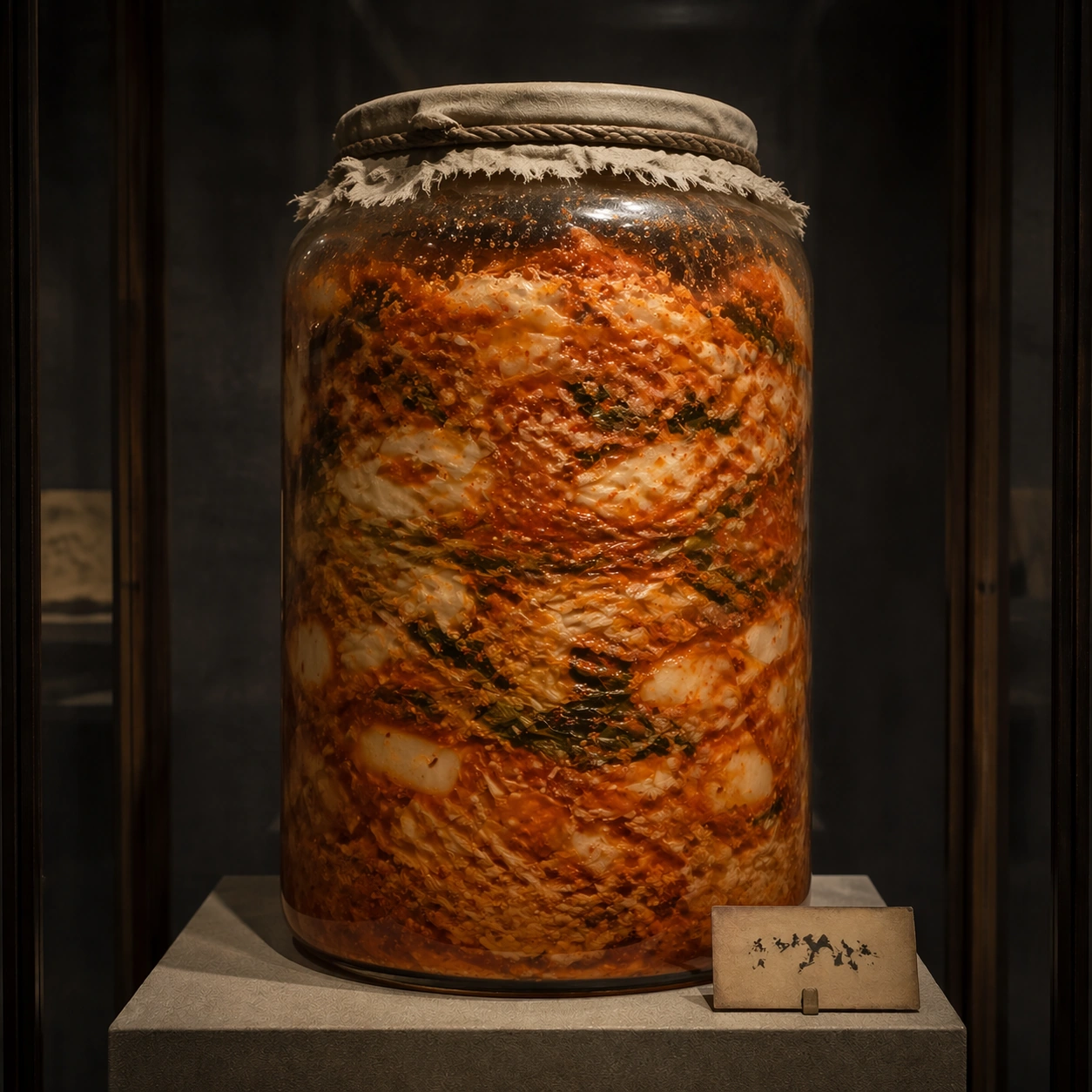
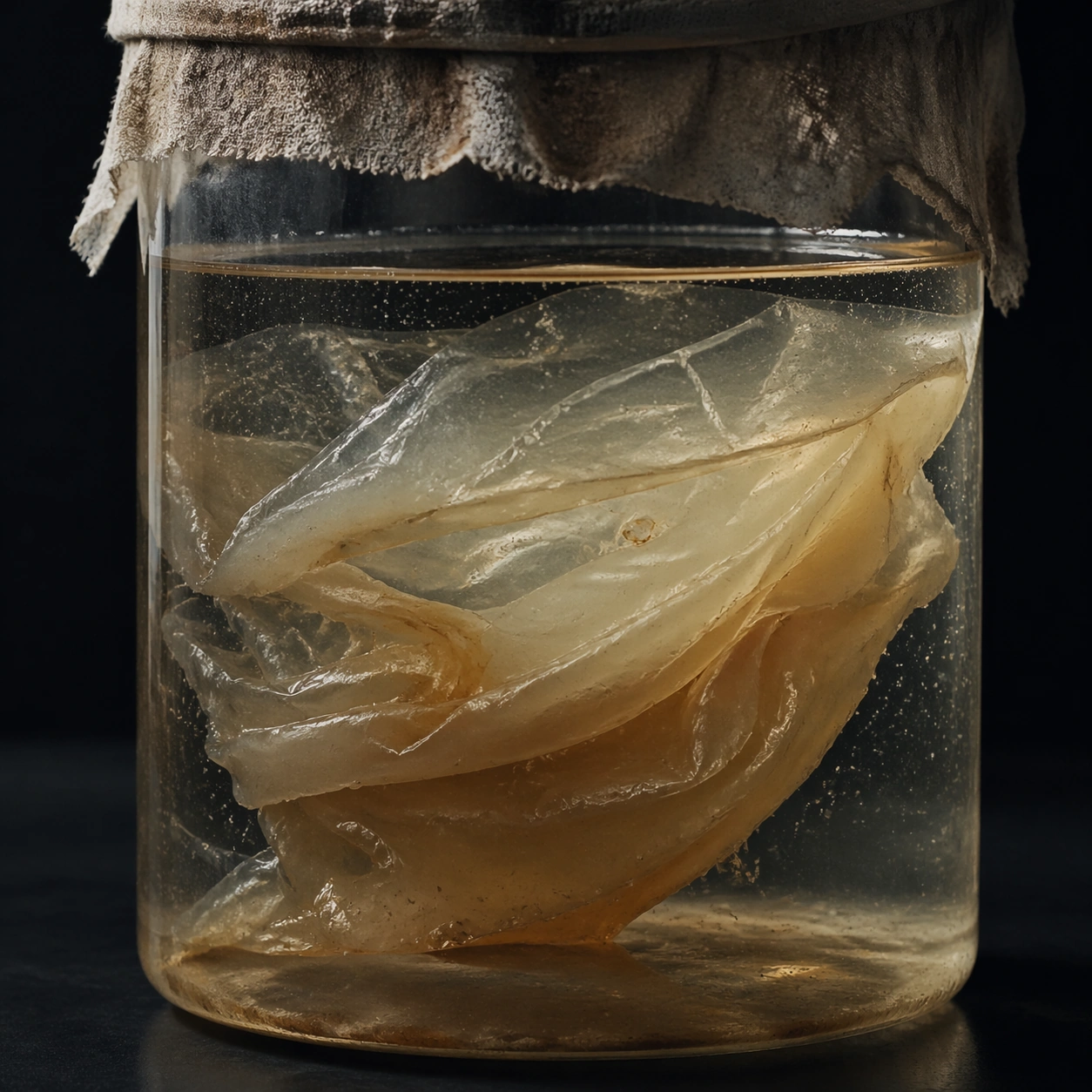
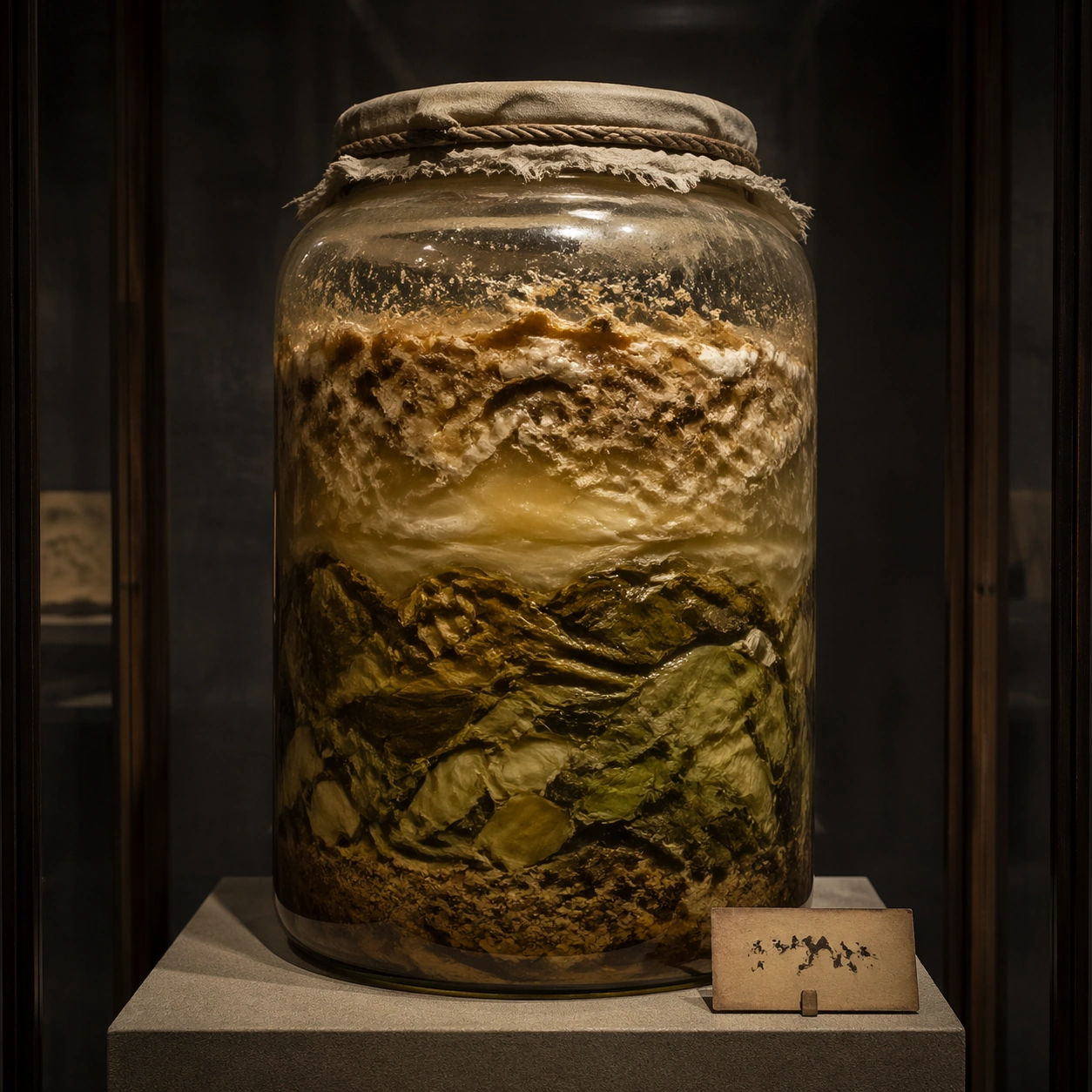
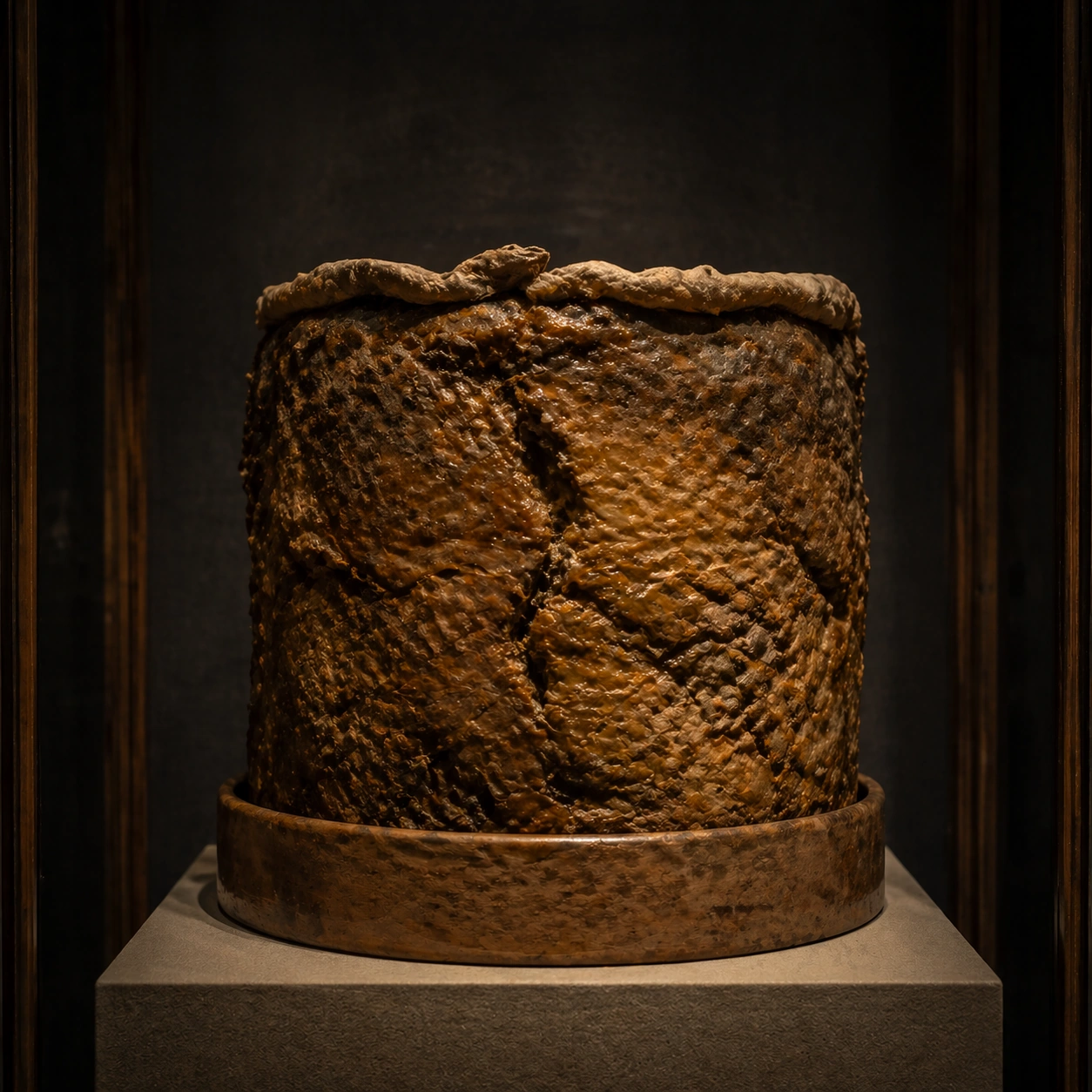
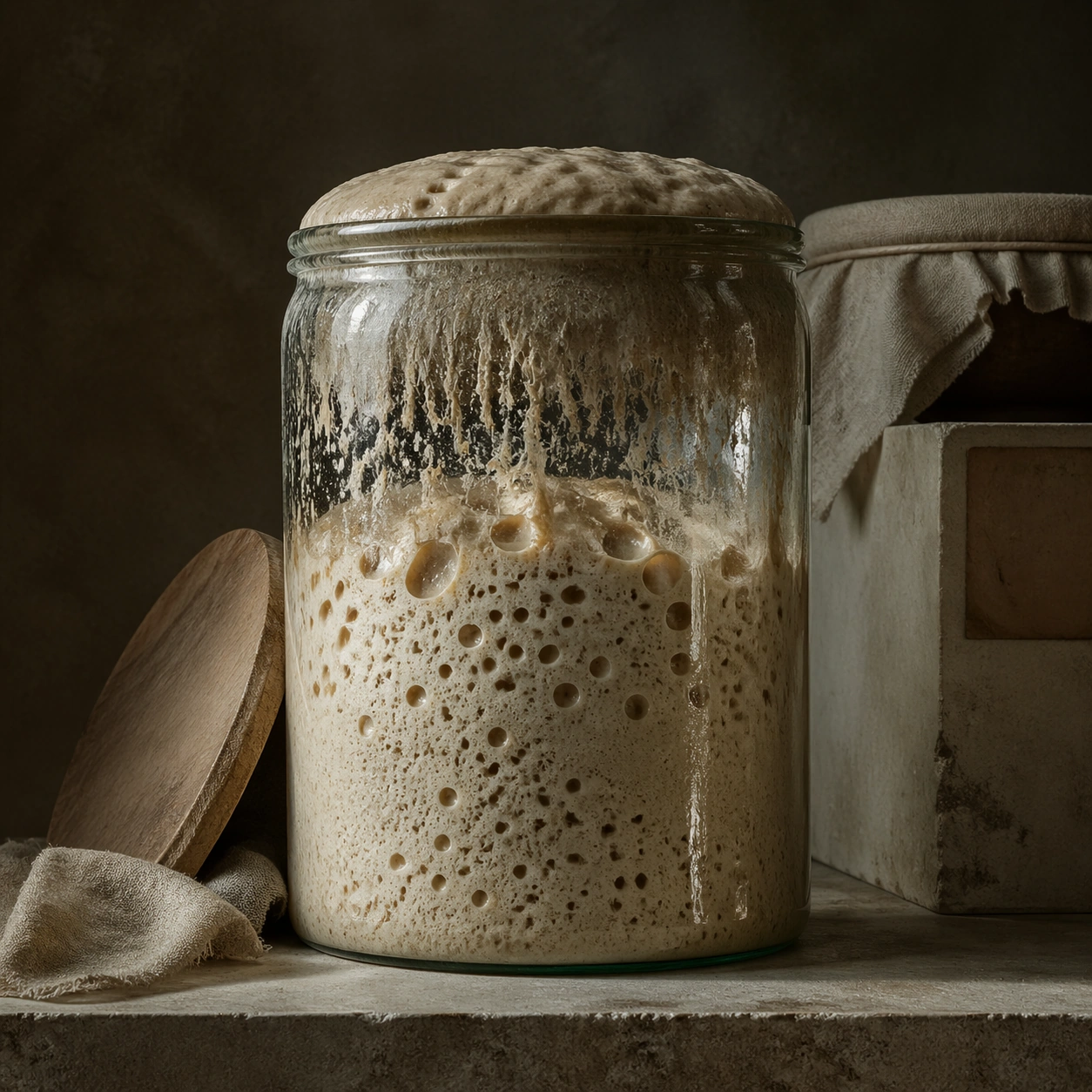
Create a square museum-vitrine style photograph of fermentation vessels treated as natural-history specimens, with calm raking light, restrained reflections, and an atmosphere of patient observation. Glass, ceramic, cloth covers, and aged labels can appear, but any markings must stay unreadable. The mood should be archival, biological, and sculptural at once. Use a square archival still life on a muted pedestal or shelf with daylight from one side and soft shadow on the other. The glass crock should feel domestic in origin but elevated to specimen status.

Subject:
Show a mature starter risen high inside a thick glass vessel, with bubble columns, a domed top, and traces along the inner walls marking previous expansion. A cloth cover or wooden lid can sit nearby as context. The subject should feel calm yet visibly alive.

Important details:
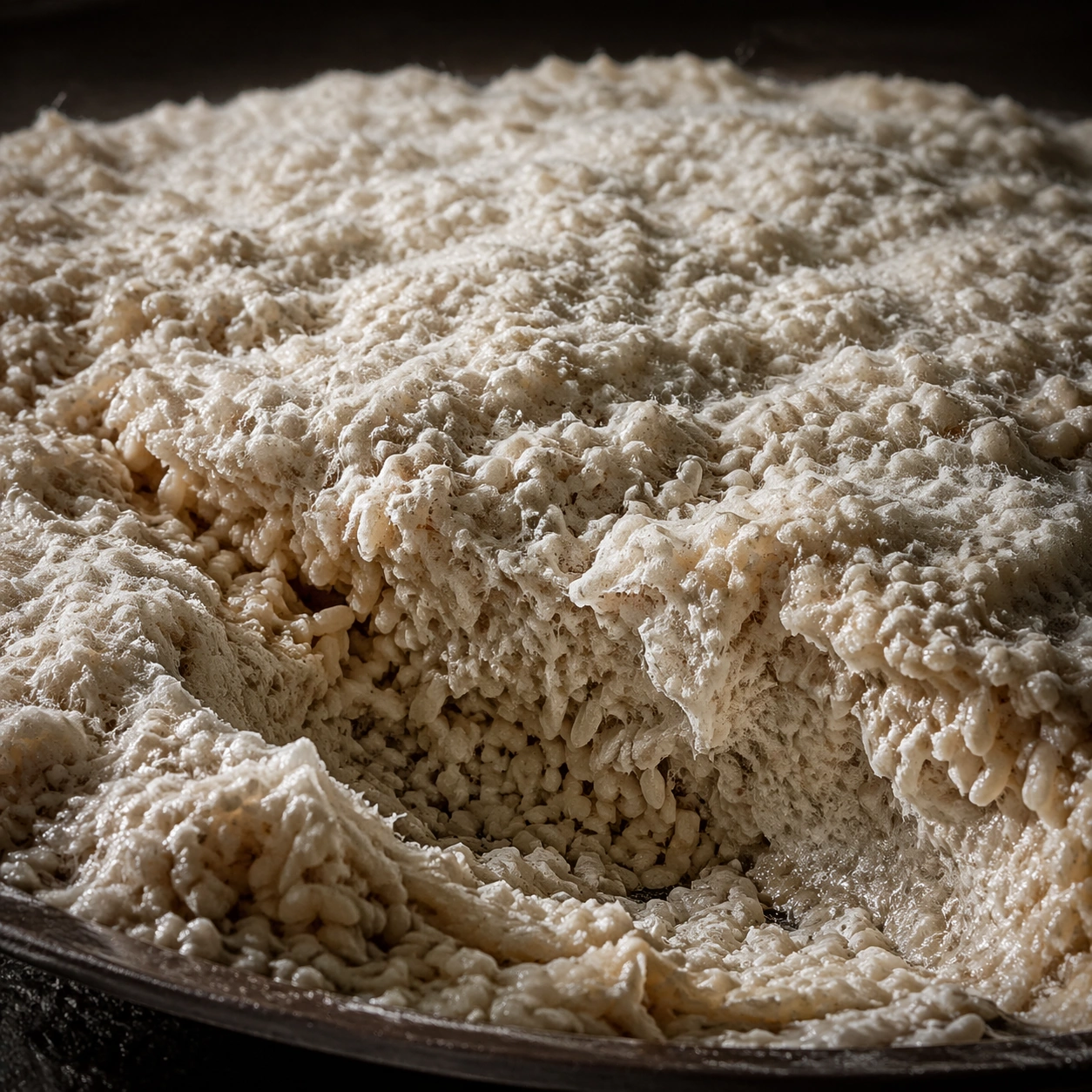
Micro texture is essential: skins, bubbles, sediment, microbial mats, crusts, folds, and wet surfaces all need distinct tactile logic. The images should respect the beauty of slow transformation without sanitizing it into generic product photography. Fermentation must look alive, layered, and physically specific. Bubble size variation, wet sheen, and the elasticity of the top surface must feel real. The viewer should understand fermentation dynamics from the vessel markings and internal structure alone.

Use case:
Fermentation sculpture atlas single study 6/9, presenting a mature sourdough starter as a live archival object.

Constraints:
No readable text, no watermark, no logos, preserve exact 1:1 aspect ratio, no readable dates or species names, no modern supermarket packaging, no laboratory sterility that kills the organic feel, no mold-horror sensationalism, no cartoon colors, no kitchen counter clutter, no readable measurement marks, no bakery branding.
Come usare
- Copia tutto il prompt originale, inclusi i parametri.
- Adatta soggetto, testo e composizione alle tue esigenze.
- Usa uno strumento esterno compatibile; verifica accesso e risultato.
Prima di iniziare
- Controlla se serve un’immagine di riferimento. La compatibilità non prova il modello usato per l’esempio.
- Verifica nomi, numeri e testi; i risultati cambiano con le versioni del modello.