PROMPT · ESPLORAZIONE CREATIVA

Galleria di prompt

Esplora prompt reali ed esempi generati. Trova ispirazione per la prossima missione creativa e copia gratuitamente il prompt completo.

Esempi
10,974
Modelli
17
Fonti
1277
10.974 esempi di prompt · pagina 58 di 229
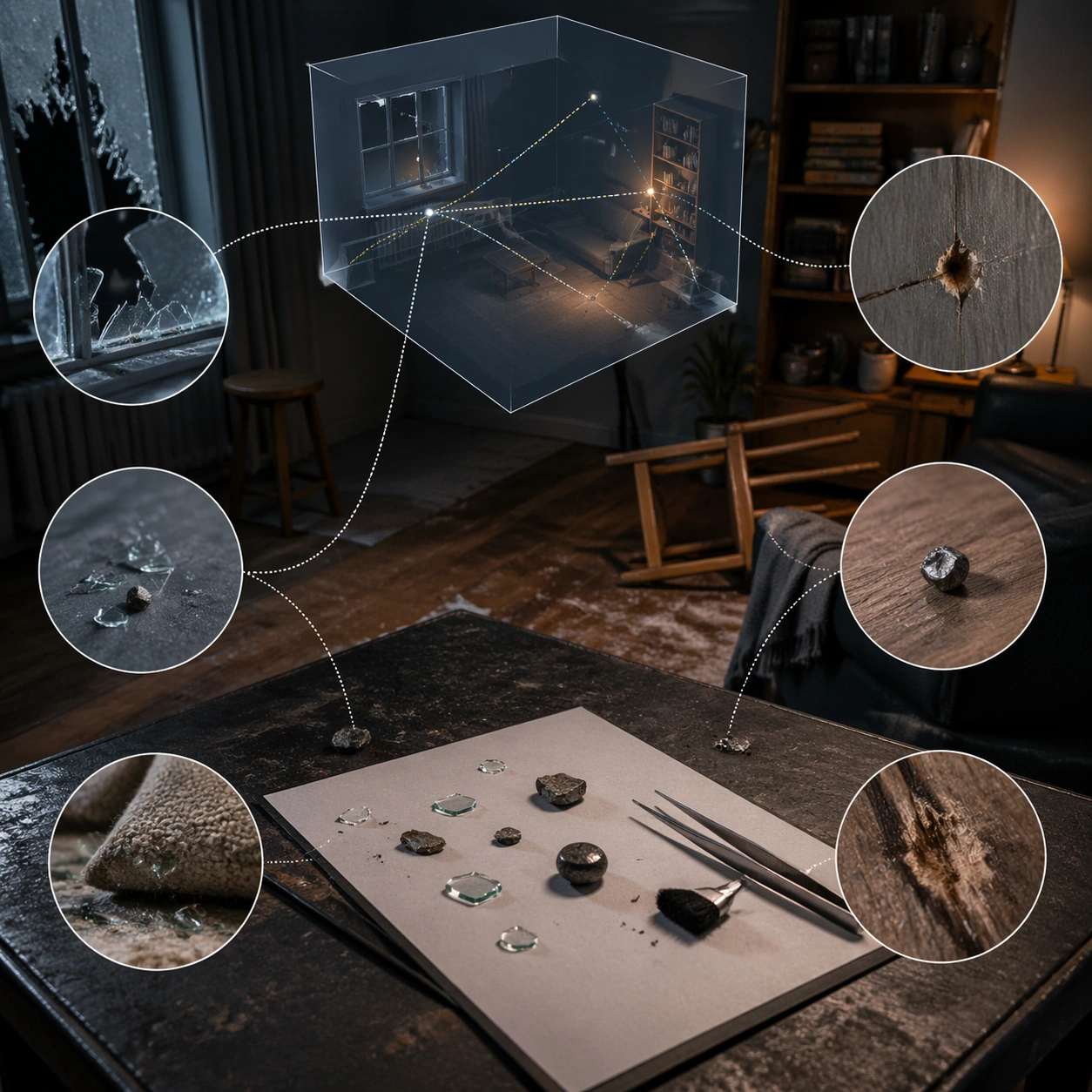
Example generated from “Forensic Scene Reconstruction — Detail Callout”
GPT Image 2en

Scene: A square reconstruction image that feels evidence-based, spatially coherent, and controlled enough for analytical review. Build the frame around small but decisive material evidence foregrounded clearly. Keep the lighting, camera distance, and spatial organization tuned for a high-signal research image rather than a casual snapshot. The image belongs to the Forensic Scene Reconstruction theme and should feel immediately legible as a prompt atlas theme for forensic scene reconstruction, testing physics-materials, reasoning-composition, style-transfer with gpt image 2.. Subject: Center the study on small but decisive material evidence foregrounded clearly. Translate the theme into a concrete visual statement instead of an abstract mood board: the viewer should understand what kind of image this is, what is being tested, and why the composition is difficult. Use the slug idea of forensic scene reconstruction as a literal guide for subject matter, materials, and staging. Important details: The image should communicate inference and real-world knowledge through placement, materials, object relationships, and disciplined visual hierarchy. Preserve a disciplined square composition, clear focal hierarchy, and enough secondary information to make the image feel complete rather than underspecified. The image should look polished, novel, and exhibition-ready, with topic-specific credibility coming from the way surfaces, structure, and visual language reinforce Forensic Scene Reconstruction. Avoid generic filler elements that do not serve the main concept. Use case: Forensic Scene Reconstruction single study 6/8, testing physics-materials, reasoning-composition, style-transfer through the detail callout variation. Constraints: No readable text, no watermark, no logos, preserve exact 1:1 aspect ratio, no readable evidence tags, no police logos, no gore, no sensational crime-drama theatrics, no broken spatial logic, no arbitrary clutter.
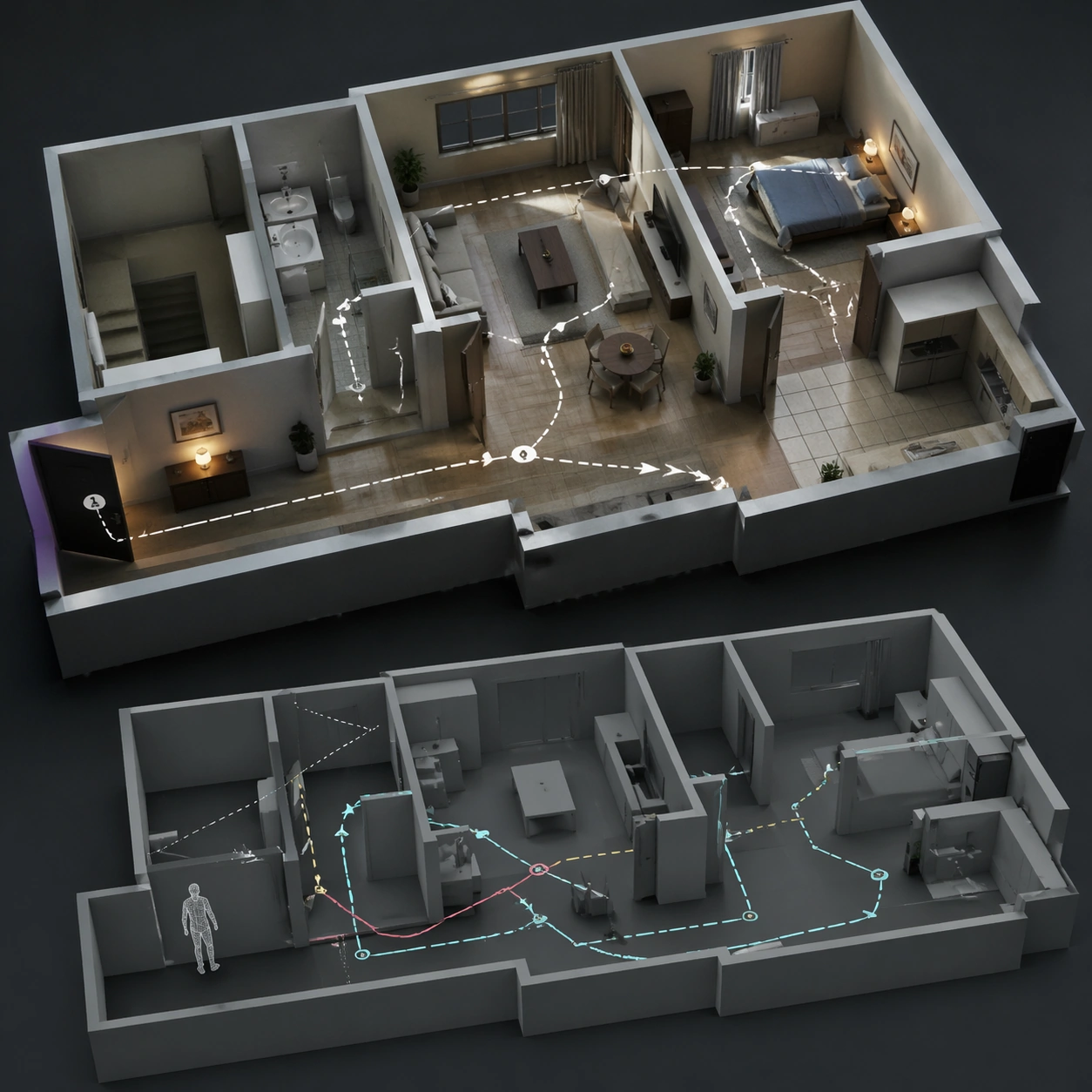
Example generated from “Forensic Scene Reconstruction — Spatial Model”
GPT Image 2en

Scene: A square reconstruction image that feels evidence-based, spatially coherent, and controlled enough for analytical review. Build the frame around the scene reduced into a legible structural map or reconstruction view. Keep the lighting, camera distance, and spatial organization tuned for a high-signal research image rather than a casual snapshot. The image belongs to the Forensic Scene Reconstruction theme and should feel immediately legible as a prompt atlas theme for forensic scene reconstruction, testing physics-materials, reasoning-composition, style-transfer with gpt image 2.. Subject: Center the study on the scene reduced into a legible structural map or reconstruction view. Translate the theme into a concrete visual statement instead of an abstract mood board: the viewer should understand what kind of image this is, what is being tested, and why the composition is difficult. Use the slug idea of forensic scene reconstruction as a literal guide for subject matter, materials, and staging. Important details: The image should communicate inference and real-world knowledge through placement, materials, object relationships, and disciplined visual hierarchy. Preserve a disciplined square composition, clear focal hierarchy, and enough secondary information to make the image feel complete rather than underspecified. The image should look polished, novel, and exhibition-ready, with topic-specific credibility coming from the way surfaces, structure, and visual language reinforce Forensic Scene Reconstruction. Avoid generic filler elements that do not serve the main concept. Use case: Forensic Scene Reconstruction single study 7/8, testing physics-materials, reasoning-composition, style-transfer through the spatial model variation. Constraints: No readable text, no watermark, no logos, preserve exact 1:1 aspect ratio, no readable evidence tags, no police logos, no gore, no sensational crime-drama theatrics, no broken spatial logic, no arbitrary clutter.
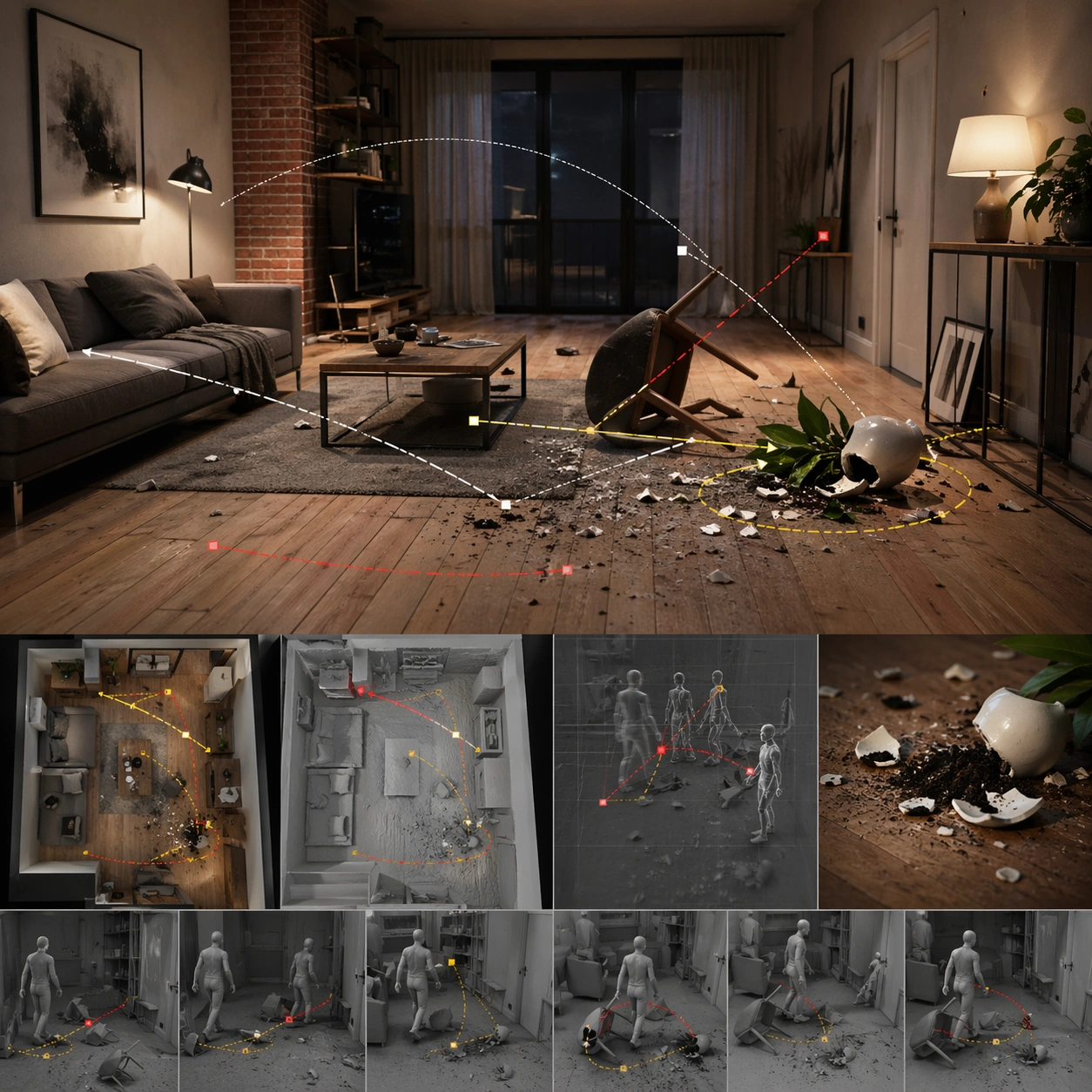
Example generated from “Forensic Scene Reconstruction — Final Reconstruction”
GPT Image 2en

Scene: A square reconstruction image that feels evidence-based, spatially coherent, and controlled enough for analytical review. Build the frame around the strongest final analytical reconstruction frame. Keep the lighting, camera distance, and spatial organization tuned for a high-signal research image rather than a casual snapshot. The image belongs to the Forensic Scene Reconstruction theme and should feel immediately legible as a prompt atlas theme for forensic scene reconstruction, testing physics-materials, reasoning-composition, style-transfer with gpt image 2.. Subject: Center the study on the strongest final analytical reconstruction frame. Translate the theme into a concrete visual statement instead of an abstract mood board: the viewer should understand what kind of image this is, what is being tested, and why the composition is difficult. Use the slug idea of forensic scene reconstruction as a literal guide for subject matter, materials, and staging. Important details: The image should communicate inference and real-world knowledge through placement, materials, object relationships, and disciplined visual hierarchy. Preserve a disciplined square composition, clear focal hierarchy, and enough secondary information to make the image feel complete rather than underspecified. The image should look polished, novel, and exhibition-ready, with topic-specific credibility coming from the way surfaces, structure, and visual language reinforce Forensic Scene Reconstruction. Avoid generic filler elements that do not serve the main concept. Use case: Forensic Scene Reconstruction single study 8/8, testing physics-materials, reasoning-composition, style-transfer through the final reconstruction variation. Constraints: No readable text, no watermark, no logos, preserve exact 1:1 aspect ratio, no readable evidence tags, no police logos, no gore, no sensational crime-drama theatrics, no broken spatial logic, no arbitrary clutter.
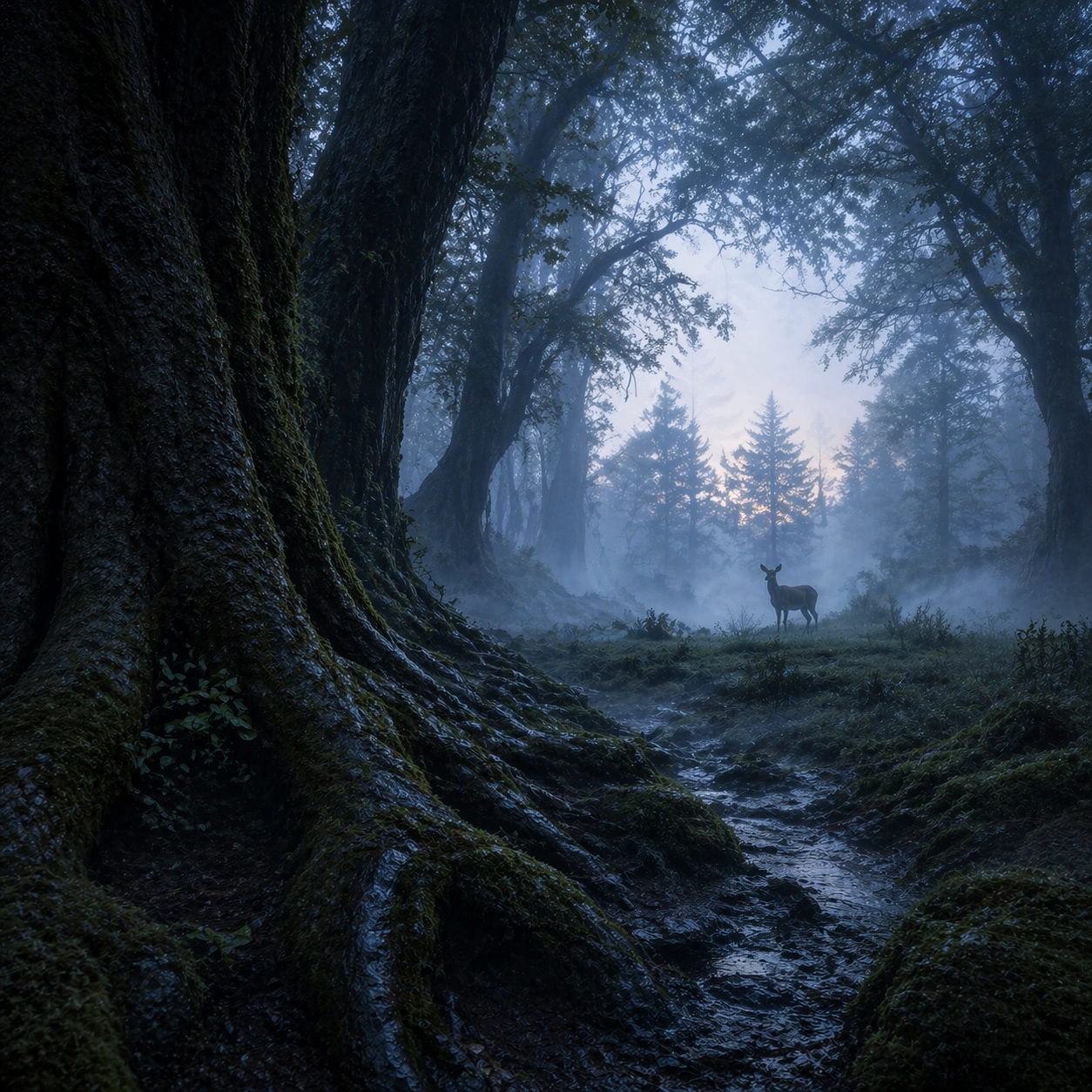
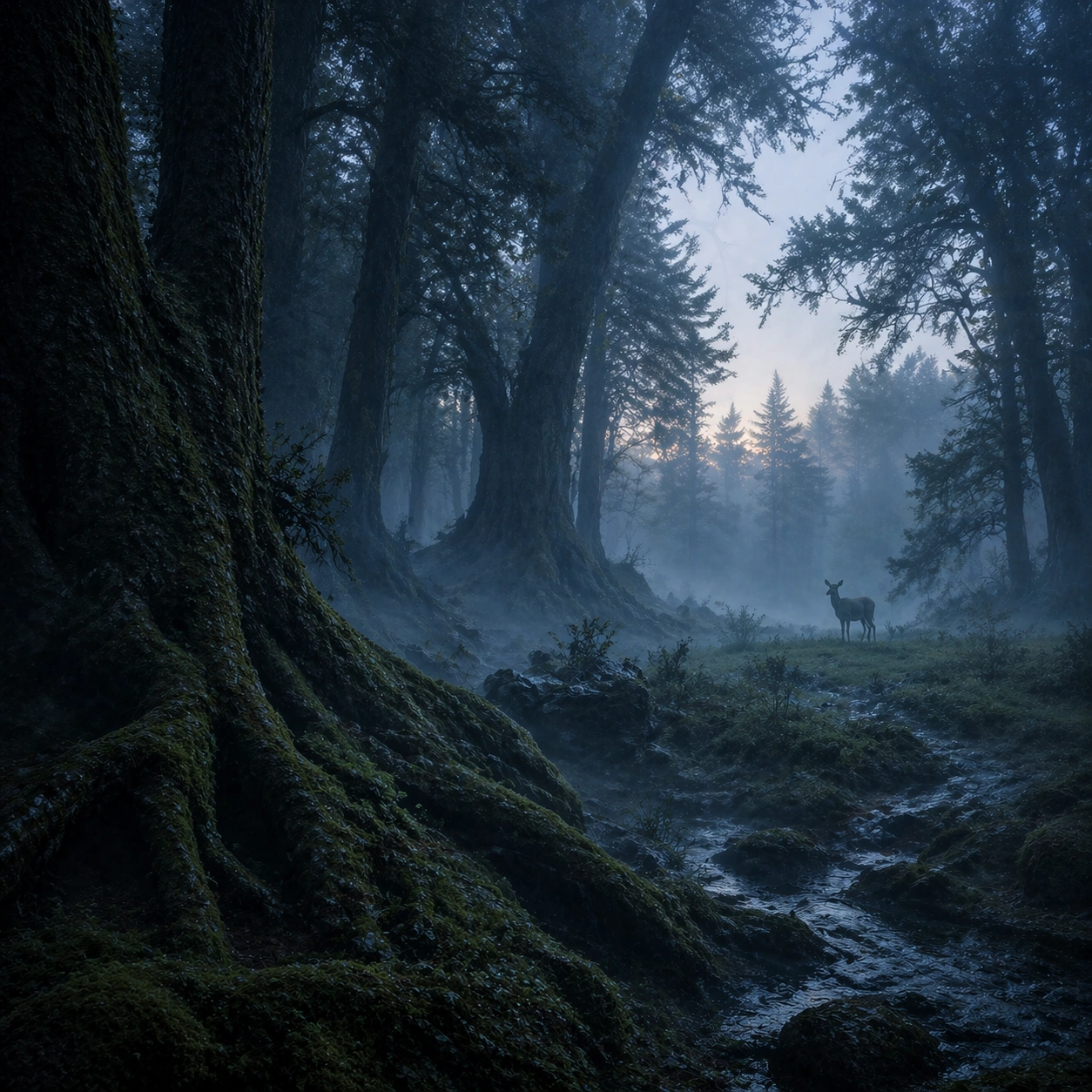
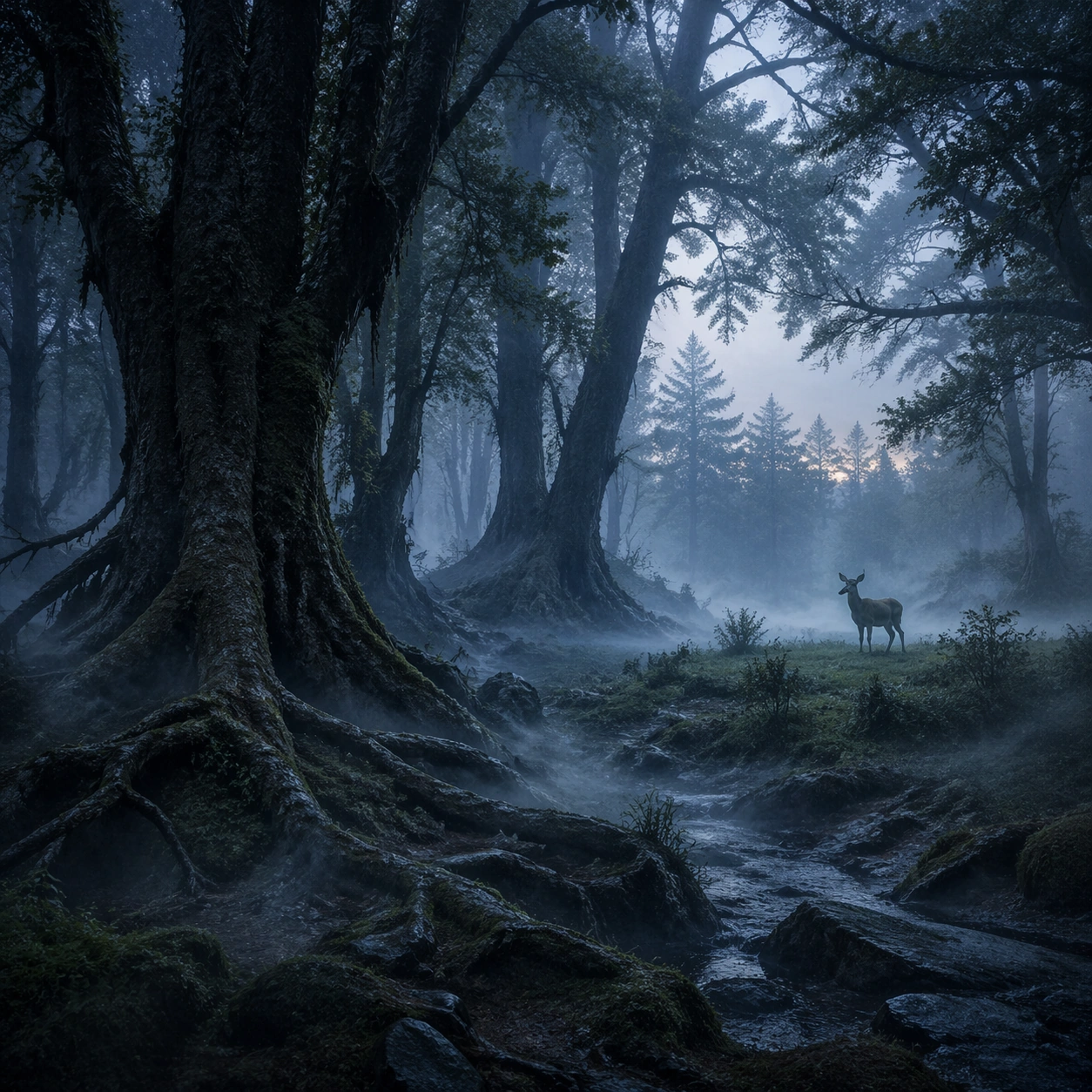
Example generated from “Forest Fog Morning Reverie — Reference Anchor”
GPT Image 2en

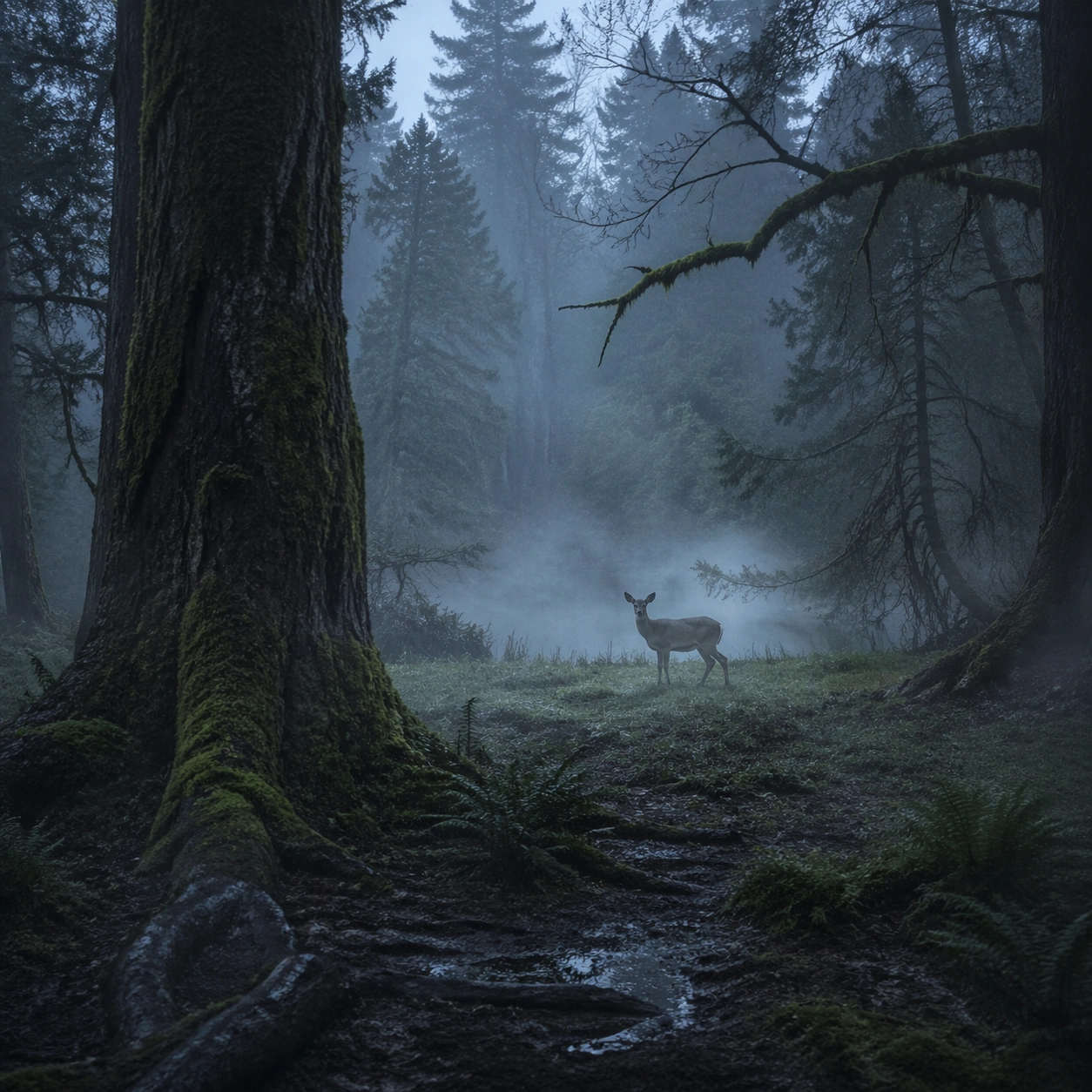
Scene: Create a square cinematic still for Forest Fog Morning Reverie. Use production-grade photoreal lighting, disciplined lens behavior, and a composition that feels like a finished key frame from an original film rather than a casual snapshot. A primeval forest before sunrise is layered with cold ground fog that drifts between roots and trunks, with the nearest trees dark and tactile, middle-ground branches softened by mist, and the distance fading into pale blue-gray air. Keep the camera in a disciplined anchor position so the full lighting event and the main spatial structure are immediately legible from edge to edge. Subject: Build a coherent original scene whose emotional center comes from atmosphere, light physics, and spatial clarity. Avoid relying on celebrity likeness, franchise iconography, or stylized illustration shortcuts. Ancient bark, moss-dark trunks, a still deer near a clearing edge, and damp earth should anchor the scene, but the composition should remain spacious enough that atmosphere and depth become the dominant emotional read. This frame should lock the canonical arrangement, scale relationship, and emotional tone that the later dependent images inherit. Important details: Preserve a believable physical world with strong depth layering, careful color separation, and premium image discipline. Focus on subtle depth cues, with three or more distinct fog densities, soft moisture on surfaces, and a quiet ecological realism that feels observed in the field instead of staged for fantasy illustration. Use this image to establish the authoritative direction of light, atmospheric density, and structural silhouette for the package. Use case: Forest Fog series study 1/9. Constraints: No readable text, no watermark, no logos, preserve exact 1:1 aspect ratio, no fairy creatures, no glowing magic particles, no readable signs, no oversized moon, no campfire.

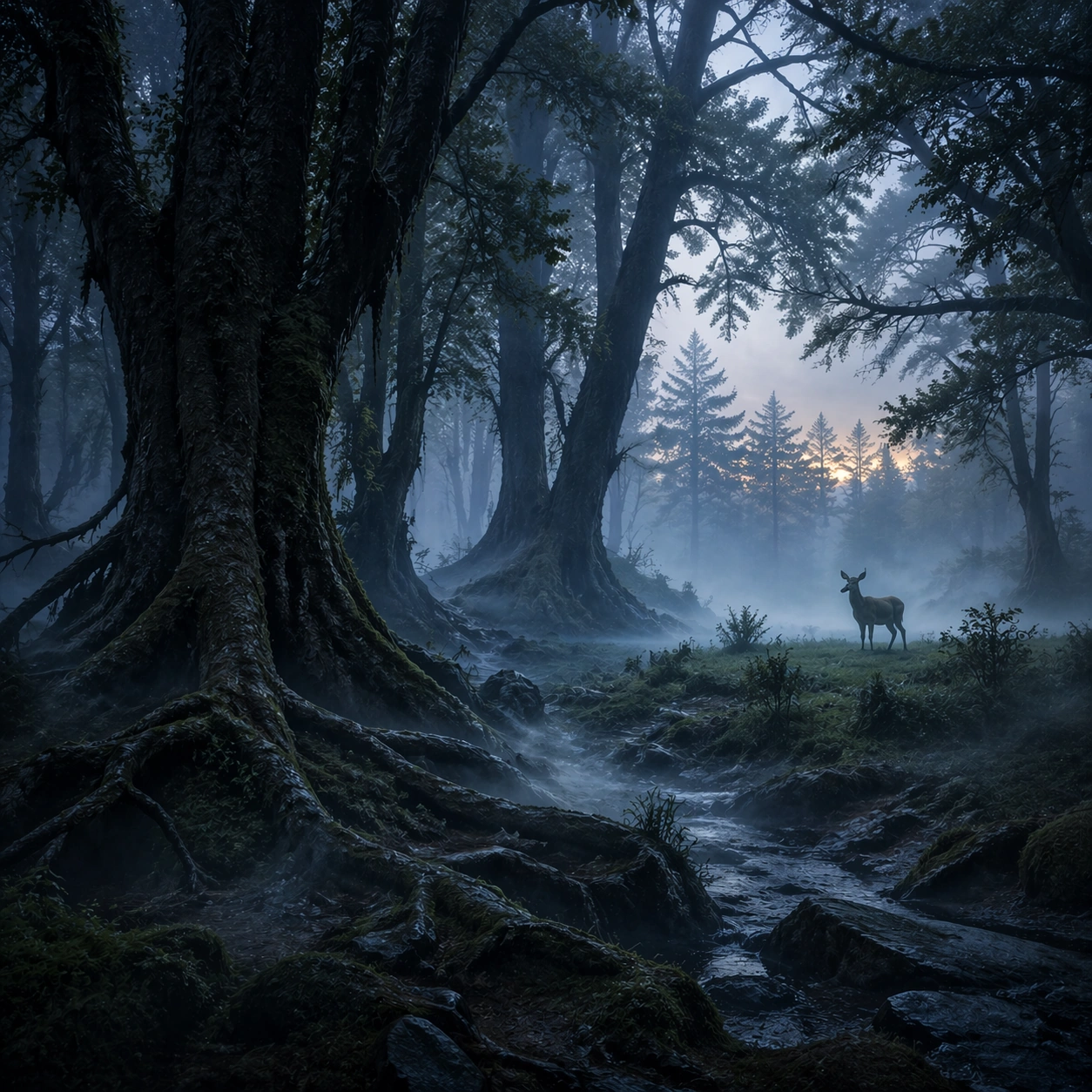
Example generated from “Forest Fog Morning Reverie — Closer Frame”
GPT Image 2en

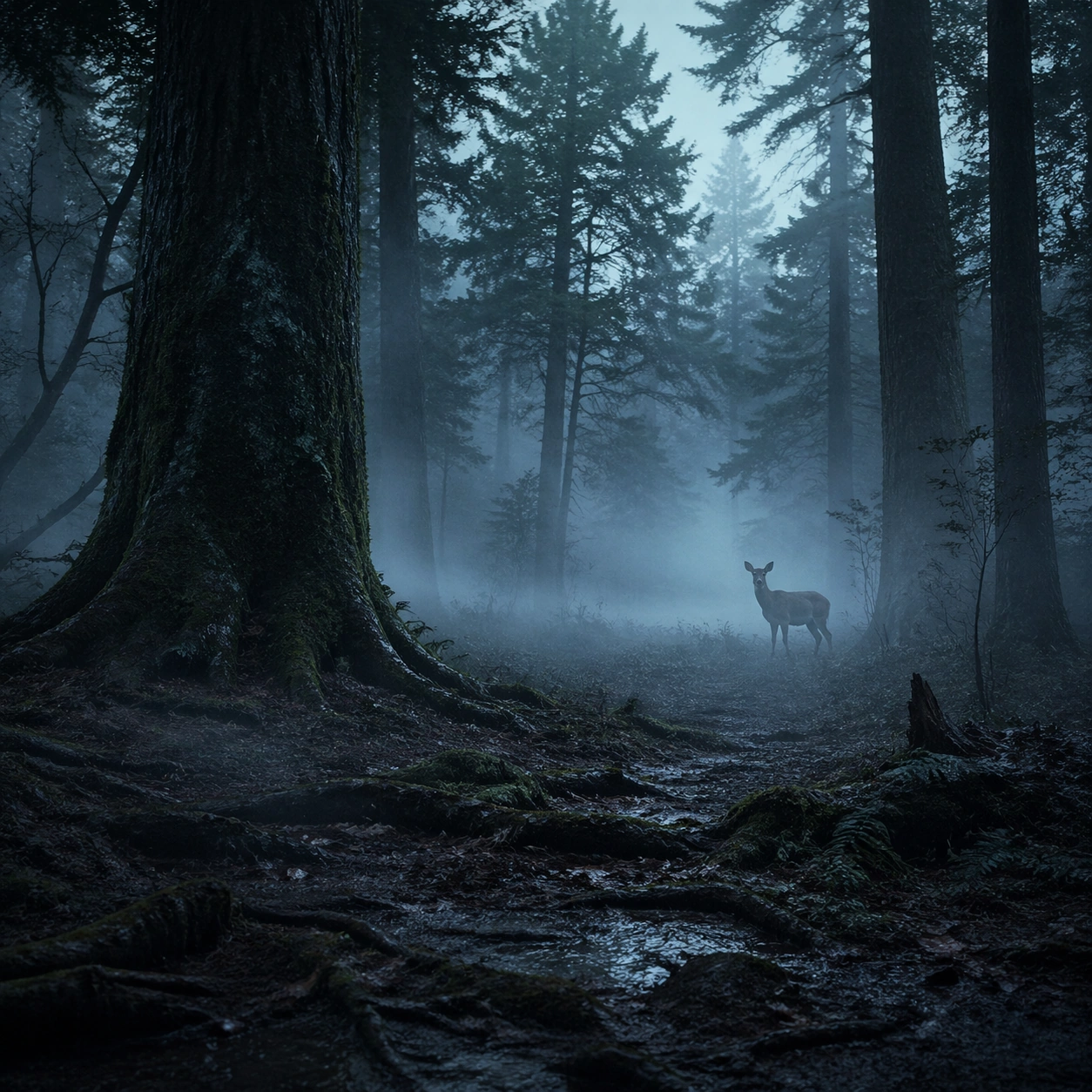
Scene: Create a square cinematic still for Forest Fog Morning Reverie. Use production-grade photoreal lighting, disciplined lens behavior, and a composition that feels like a finished key frame from an original film rather than a casual snapshot. A primeval forest before sunrise is layered with cold ground fog that drifts between roots and trunks, with the nearest trees dark and tactile, middle-ground branches softened by mist, and the distance fading into pale blue-gray air. Move the camera closer or lower so the viewer feels more embedded inside the atmosphere while the same light direction and environment remain intact. Subject: Build a coherent original scene whose emotional center comes from atmosphere, light physics, and spatial clarity. Avoid relying on celebrity likeness, franchise iconography, or stylized illustration shortcuts. Ancient bark, moss-dark trunks, a still deer near a clearing edge, and damp earth should anchor the scene, but the composition should remain spacious enough that atmosphere and depth become the dominant emotional read. Preserve the same world logic from the reference and let one human-scale or material-scale element become more prominent without stealing focus from the atmosphere. Important details: Preserve a believable physical world with strong depth layering, careful color separation, and premium image discipline. Focus on subtle depth cues, with three or more distinct fog densities, soft moisture on surfaces, and a quiet ecological realism that feels observed in the field instead of staged for fantasy illustration. Keep the palette family, structural read, and light behavior from image 01 while increasing immediacy and tactile presence. Use case: Forest Fog series study 2/9. Constraints: No readable text, no watermark, no logos, preserve exact 1:1 aspect ratio, no fairy creatures, no glowing magic particles, no readable signs, no oversized moon, no campfire.

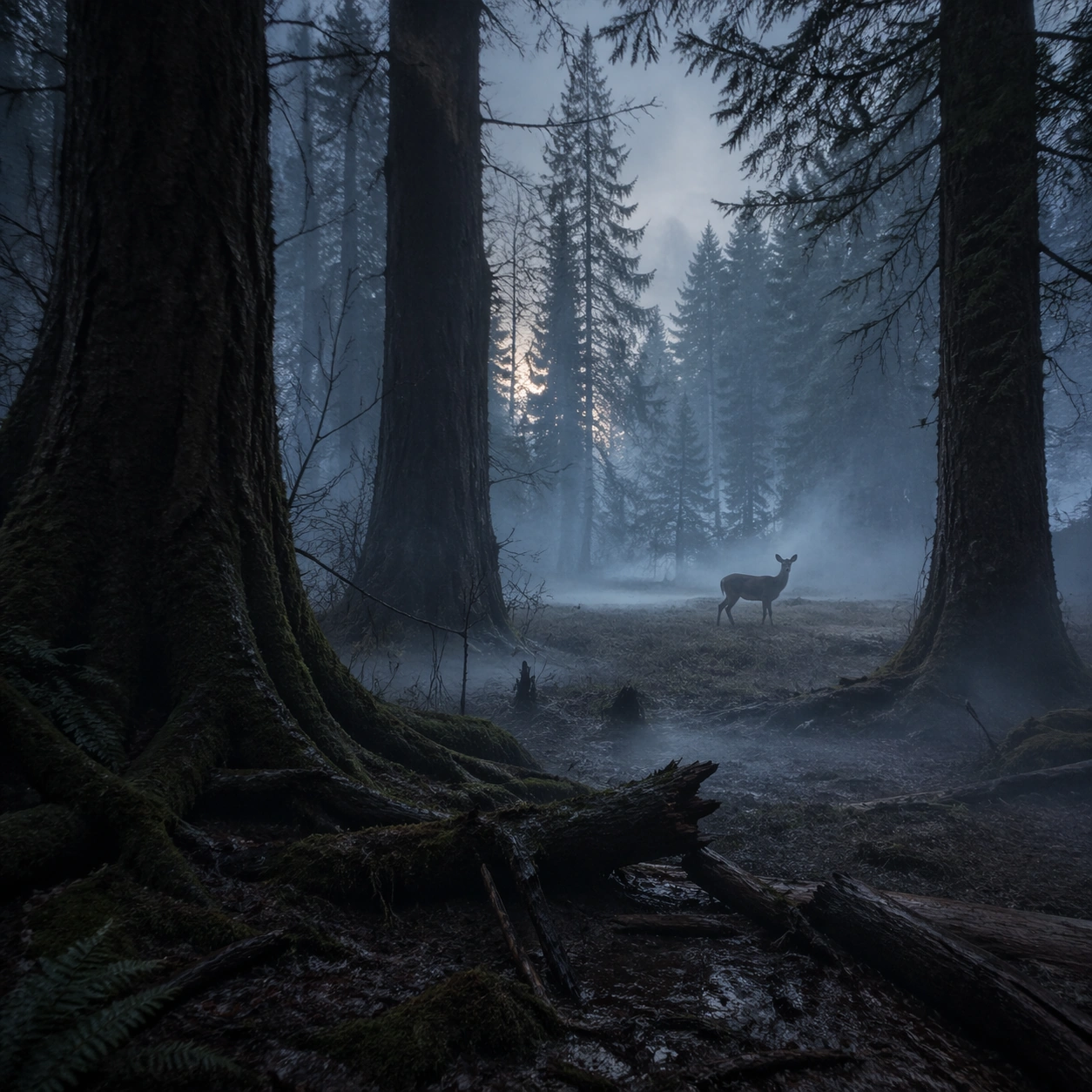
Example generated from “Forest Fog Morning Reverie — Spatial Counterpoint”
GPT Image 2en

Scene: Create a square cinematic still for Forest Fog Morning Reverie. Use production-grade photoreal lighting, disciplined lens behavior, and a composition that feels like a finished key frame from an original film rather than a casual snapshot. A primeval forest before sunrise is layered with cold ground fog that drifts between roots and trunks, with the nearest trees dark and tactile, middle-ground branches softened by mist, and the distance fading into pale blue-gray air. Shift to an oblique or lateral point of view that reveals different depth layers while staying inside the same place and the same atmospheric event. Subject: Build a coherent original scene whose emotional center comes from atmosphere, light physics, and spatial clarity. Avoid relying on celebrity likeness, franchise iconography, or stylized illustration shortcuts. Ancient bark, moss-dark trunks, a still deer near a clearing edge, and damp earth should anchor the scene, but the composition should remain spacious enough that atmosphere and depth become the dominant emotional read. Hold the reference structure, but use the new angle to show secondary planes, foreground interruption, or a changed distance relationship. Important details: Preserve a believable physical world with strong depth layering, careful color separation, and premium image discipline. Focus on subtle depth cues, with three or more distinct fog densities, soft moisture on surfaces, and a quiet ecological realism that feels observed in the field instead of staged for fantasy illustration. The success condition is continuity with the reference plus a richer sense of depth, not a new location or a new lighting system. Use case: Forest Fog series study 3/9. Constraints: No readable text, no watermark, no logos, preserve exact 1:1 aspect ratio, no fairy creatures, no glowing magic particles, no readable signs, no oversized moon, no campfire.

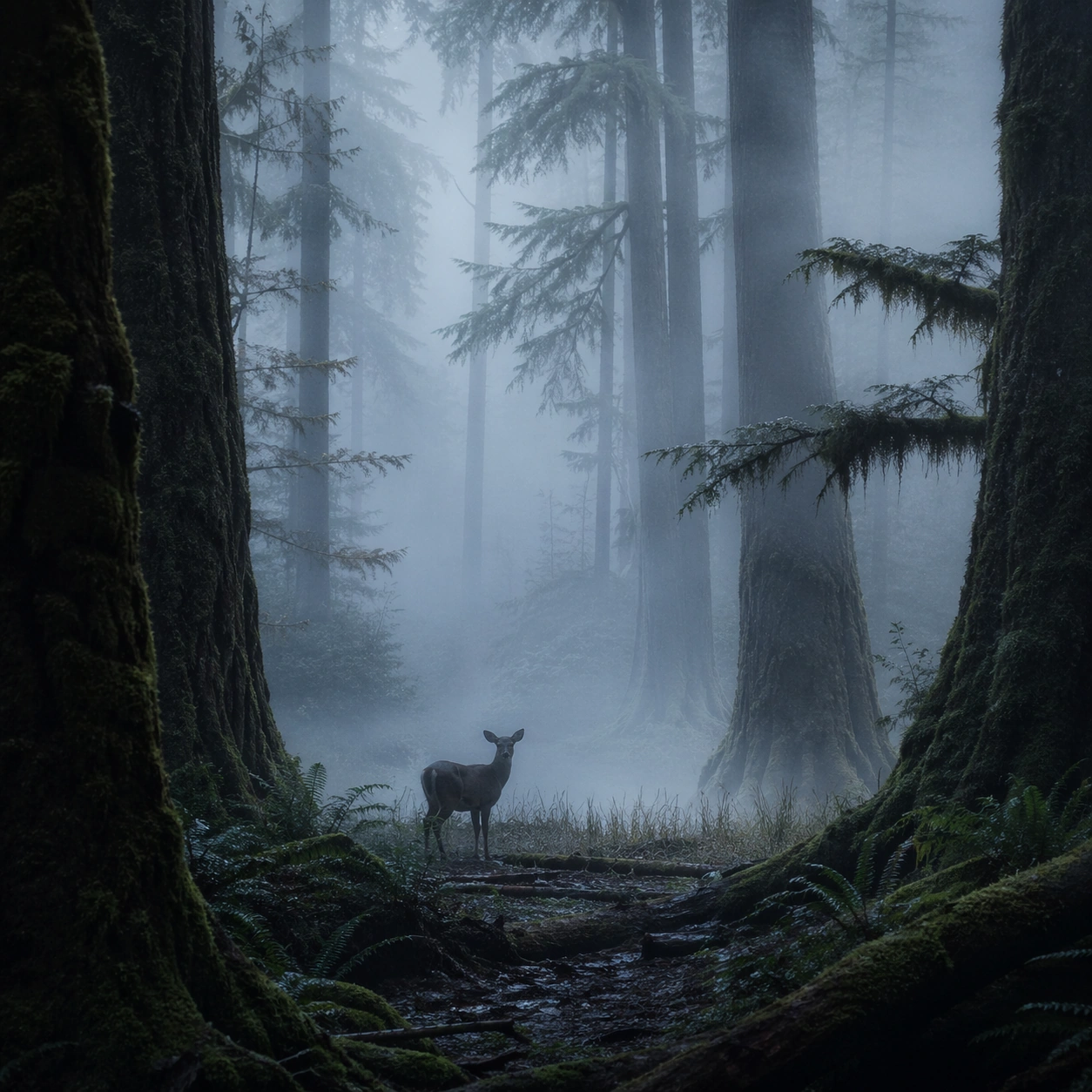
Example generated from “Forest Fog Morning Reverie — Climax Frame”
GPT Image 2en

Scene: Create a square cinematic still for Forest Fog Morning Reverie. Use production-grade photoreal lighting, disciplined lens behavior, and a composition that feels like a finished key frame from an original film rather than a casual snapshot. A primeval forest before sunrise is layered with cold ground fog that drifts between roots and trunks, with the nearest trees dark and tactile, middle-ground branches softened by mist, and the distance fading into pale blue-gray air. Push the composition toward the emotional peak of the same setup, with the most dramatic balance of brightness, shadow, or atmospheric density inside the established world. Subject: Build a coherent original scene whose emotional center comes from atmosphere, light physics, and spatial clarity. Avoid relying on celebrity likeness, franchise iconography, or stylized illustration shortcuts. Ancient bark, moss-dark trunks, a still deer near a clearing edge, and damp earth should anchor the scene, but the composition should remain spacious enough that atmosphere and depth become the dominant emotional read. Everything should still read as the same location and same event, but framed for maximum narrative force and visual closure. Important details: Preserve a believable physical world with strong depth layering, careful color separation, and premium image discipline. Focus on subtle depth cues, with three or more distinct fog densities, soft moisture on surfaces, and a quiet ecological realism that feels observed in the field instead of staged for fantasy illustration. Make it feel like the strongest hero frame of the sequence without breaking continuity or introducing a new design language. Use case: Forest Fog series study 4/9. Constraints: No readable text, no watermark, no logos, preserve exact 1:1 aspect ratio, no fairy creatures, no glowing magic particles, no readable signs, no oversized moon, no campfire.

Example generated from “Forest Fog Morning Reverie — Surface Study”
GPT Image 2en

Scene: Create a square cinematic still for Forest Fog Morning Reverie. Use production-grade photoreal lighting, disciplined lens behavior, and a composition that feels like a finished key frame from an original film rather than a casual snapshot. A primeval forest before sunrise is layered with cold ground fog that drifts between roots and trunks, with the nearest trees dark and tactile, middle-ground branches softened by mist, and the distance fading into pale blue-gray air. Build an independent square study around the way atmosphere interacts with surfaces, keeping enough environmental context for the image to feel finished rather than cropped at random. Subject: Build a coherent original scene whose emotional center comes from atmosphere, light physics, and spatial clarity. Avoid relying on celebrity likeness, franchise iconography, or stylized illustration shortcuts. Ancient bark, moss-dark trunks, a still deer near a clearing edge, and damp earth should anchor the scene, but the composition should remain spacious enough that atmosphere and depth become the dominant emotional read. Let textures, reflections, residue, moisture, dust, or particulate response become primary, while the broader setting remains clearly implied. Important details: Preserve a believable physical world with strong depth layering, careful color separation, and premium image discipline. Focus on subtle depth cues, with three or more distinct fog densities, soft moisture on surfaces, and a quiet ecological realism that feels observed in the field instead of staged for fantasy illustration. The key is material credibility under dramatic light, with micro-contrast and controlled mood supporting the theme. Use case: Forest Fog single study 5/9. Constraints: No readable text, no watermark, no logos, preserve exact 1:1 aspect ratio, no fairy creatures, no glowing magic particles, no readable signs, no oversized moon, no campfire.

Example generated from “Forest Fog Morning Reverie — Silhouette Study”
GPT Image 2en

Scene: Create a square cinematic still for Forest Fog Morning Reverie. Use production-grade photoreal lighting, disciplined lens behavior, and a composition that feels like a finished key frame from an original film rather than a casual snapshot. A primeval forest before sunrise is layered with cold ground fog that drifts between roots and trunks, with the nearest trees dark and tactile, middle-ground branches softened by mist, and the distance fading into pale blue-gray air. Compose an independent frame where one human, animal, or object silhouette negotiates with the atmospheric light event in a clean, readable way. Subject: Build a coherent original scene whose emotional center comes from atmosphere, light physics, and spatial clarity. Avoid relying on celebrity likeness, franchise iconography, or stylized illustration shortcuts. Ancient bark, moss-dark trunks, a still deer near a clearing edge, and damp earth should anchor the scene, but the composition should remain spacious enough that atmosphere and depth become the dominant emotional read. The silhouette should supply scale and emotional orientation, but the environment still needs to carry most of the storytelling weight. Important details: Preserve a believable physical world with strong depth layering, careful color separation, and premium image discipline. Focus on subtle depth cues, with three or more distinct fog densities, soft moisture on surfaces, and a quiet ecological realism that feels observed in the field instead of staged for fantasy illustration. Keep the silhouette simple and believable, avoiding poster-like graphic flattening while preserving strong contrast. Use case: Forest Fog single study 6/9. Constraints: No readable text, no watermark, no logos, preserve exact 1:1 aspect ratio, no fairy creatures, no glowing magic particles, no readable signs, no oversized moon, no campfire.

Example generated from “Forest Fog Morning Reverie — Transition Study”
GPT Image 2en

Scene: Create a square cinematic still for Forest Fog Morning Reverie. Use production-grade photoreal lighting, disciplined lens behavior, and a composition that feels like a finished key frame from an original film rather than a casual snapshot. A primeval forest before sunrise is layered with cold ground fog that drifts between roots and trunks, with the nearest trees dark and tactile, middle-ground branches softened by mist, and the distance fading into pale blue-gray air. Treat this as an adjacent moment before or after the main event, preserving the same topic language while letting the atmosphere shift slightly in intensity or position. Subject: Build a coherent original scene whose emotional center comes from atmosphere, light physics, and spatial clarity. Avoid relying on celebrity likeness, franchise iconography, or stylized illustration shortcuts. Ancient bark, moss-dark trunks, a still deer near a clearing edge, and damp earth should anchor the scene, but the composition should remain spacious enough that atmosphere and depth become the dominant emotional read. Show the environment in transition, with clear evidence of recent motion, changing weather, or fading light, but without turning it into action spectacle. Important details: Preserve a believable physical world with strong depth layering, careful color separation, and premium image discipline. Focus on subtle depth cues, with three or more distinct fog densities, soft moisture on surfaces, and a quiet ecological realism that feels observed in the field instead of staged for fantasy illustration. Subtle temporal storytelling matters here more than maximal drama, so let traces, gradients, and environmental residue do the work. Use case: Forest Fog single study 7/9. Constraints: No readable text, no watermark, no logos, preserve exact 1:1 aspect ratio, no fairy creatures, no glowing magic particles, no readable signs, no oversized moon, no campfire.

Example generated from “Forest Fog Morning Reverie — Wide Study”
GPT Image 2en

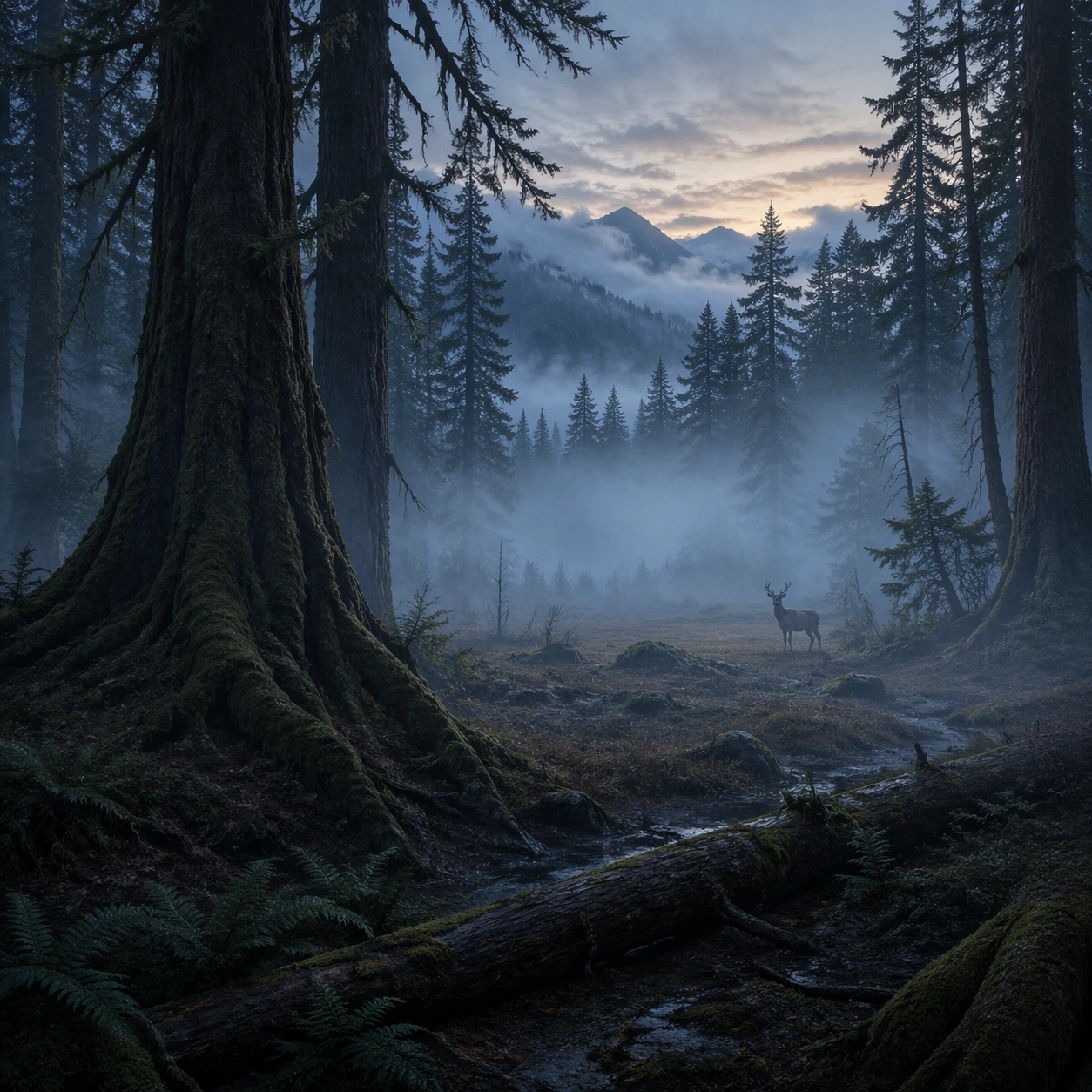
Scene: Create a square cinematic still for Forest Fog Morning Reverie. Use production-grade photoreal lighting, disciplined lens behavior, and a composition that feels like a finished key frame from an original film rather than a casual snapshot. A primeval forest before sunrise is layered with cold ground fog that drifts between roots and trunks, with the nearest trees dark and tactile, middle-ground branches softened by mist, and the distance fading into pale blue-gray air. Pull back enough to explain the broader geography or architectural envelope while keeping the square crop intentional and balanced. Subject: Build a coherent original scene whose emotional center comes from atmosphere, light physics, and spatial clarity. Avoid relying on celebrity likeness, franchise iconography, or stylized illustration shortcuts. Ancient bark, moss-dark trunks, a still deer near a clearing edge, and damp earth should anchor the scene, but the composition should remain spacious enough that atmosphere and depth become the dominant emotional read. The wider frame should reveal how the main light or weather phenomenon organizes the surrounding world and not just the immediate subject. Important details: Preserve a believable physical world with strong depth layering, careful color separation, and premium image discipline. Focus on subtle depth cues, with three or more distinct fog densities, soft moisture on surfaces, and a quiet ecological realism that feels observed in the field instead of staged for fantasy illustration. Make scale legible through spacing, horizon control, and foreground-to-background separation rather than through extra props. Use case: Forest Fog single study 8/9. Constraints: No readable text, no watermark, no logos, preserve exact 1:1 aspect ratio, no fairy creatures, no glowing magic particles, no readable signs, no oversized moon, no campfire.

Example generated from “Forest Fog Morning Reverie — Afterglow Study”
GPT Image 2en

Scene: Create a square cinematic still for Forest Fog Morning Reverie. Use production-grade photoreal lighting, disciplined lens behavior, and a composition that feels like a finished key frame from an original film rather than a casual snapshot. A primeval forest before sunrise is layered with cold ground fog that drifts between roots and trunks, with the nearest trees dark and tactile, middle-ground branches softened by mist, and the distance fading into pale blue-gray air. End on a quieter independent image that holds the residue of the topic atmosphere after its loudest moment has passed, while still feeling complete and exhibition-ready. Subject: Build a coherent original scene whose emotional center comes from atmosphere, light physics, and spatial clarity. Avoid relying on celebrity likeness, franchise iconography, or stylized illustration shortcuts. Ancient bark, moss-dark trunks, a still deer near a clearing edge, and damp earth should anchor the scene, but the composition should remain spacious enough that atmosphere and depth become the dominant emotional read. The frame should suggest memory, aftermath, or lingering presence through environment first and only secondarily through any figure or object. Important details: Preserve a believable physical world with strong depth layering, careful color separation, and premium image discipline. Focus on subtle depth cues, with three or more distinct fog densities, soft moisture on surfaces, and a quiet ecological realism that feels observed in the field instead of staged for fantasy illustration. Favor restraint, believable light decay, and subtle narrative closure over spectacle or decorative excess. Use case: Forest Fog single study 9/9. Constraints: No readable text, no watermark, no logos, preserve exact 1:1 aspect ratio, no fairy creatures, no glowing magic particles, no readable signs, no oversized moon, no campfire.

Example generated from “Founder Headshot Lighting Matrix — Identity Reference”
GPT Image 2en

Scene: A square premium portrait photograph for Founder Headshot Lighting Matrix. Place the subject in a restrained medium-gray studio with soft frontal key light, subtle fill, and a clean square crop. Use a medium close portrait framing with believable lens behavior, clean depth separation, natural skin rendering, and controlled tonal range. The light should feel physically plausible rather than synthetic, with enough negative space and environmental context to read like a finished editorial or commercial delivery. Keep the palette, contrast, and production styling aligned with premium executive portrait photography with real studio craft and restrained retouching. Subject: Photograph one credible tech founder in the late thirties, with intelligent eyes, medium olive skin, dark brown hair brushed back from a natural hairline, and an understated executive presence. Wardrobe direction: a charcoal blazer over an open-collar white shirt. Pose and expression: standing square to camera with relaxed shoulders and a direct, thoughtful gaze. The emotional register should feel grounded, calm, and highly credible. This frame establishes the reference model. Later images must preserve exact face / hair base / body proportions from the reference model. Preserve the recognizable brow line, eye spacing, nose bridge, mouth shape, jaw rhythm, and body proportions from image 01 while making this frame clearly distinct through scene, lighting, styling, and posture. Important details: Business credibility matters more than glamour. Preserve natural skin pore detail, believable tailoring, and real lighting falloff that a photographer could actually build on set. This should feel like the master reference from a professional headshot session, with no gimmick and no branding clutter. The topic dimension is 企业肖像 + 棚拍打光 + 系列一致性. Use the example direction of 同一位 founder 输出 clean white studio、dark tech rim light、warm hospitality portrait 和 editorial black backdrop 四套头像。. The core challenge is 不是普通职业照,而是让不同品牌气质和真实打光都成立,同时保证像同一个人。. Capabilities under test: photorealism, studio-lighting, identity-preservation, commercial-mockup. Success should read as 一眼像真实企业或创始人 headshot 交付; 不同光位之间气质差异清楚,但仍像同一个人; 皮肤、发丝和西装材质自然,不像 AI 磨皮. Address the model gap described as 普通模型容易把商务头像做得过度磨皮、脸型漂移、光位不真实。. Skin texture, fabric texture, hair texture, and catchlight behavior must stay realistic, high-end, and non-plastic. Use case: Founder Headshot Lighting Matrix series study 1/9. Constraints: No readable text, no watermark, no logos, preserve exact 1:1 aspect ratio, preserve exact face / hair base / body proportions from the reference model, no face drift, no skin-tone drift, no duplicate person, no extra limbs, no AI beauty blur, no warped hands, no accidental collage layout, no dramatic props, no startup cliché neon, no extreme smile, no harsh shadow breakup.
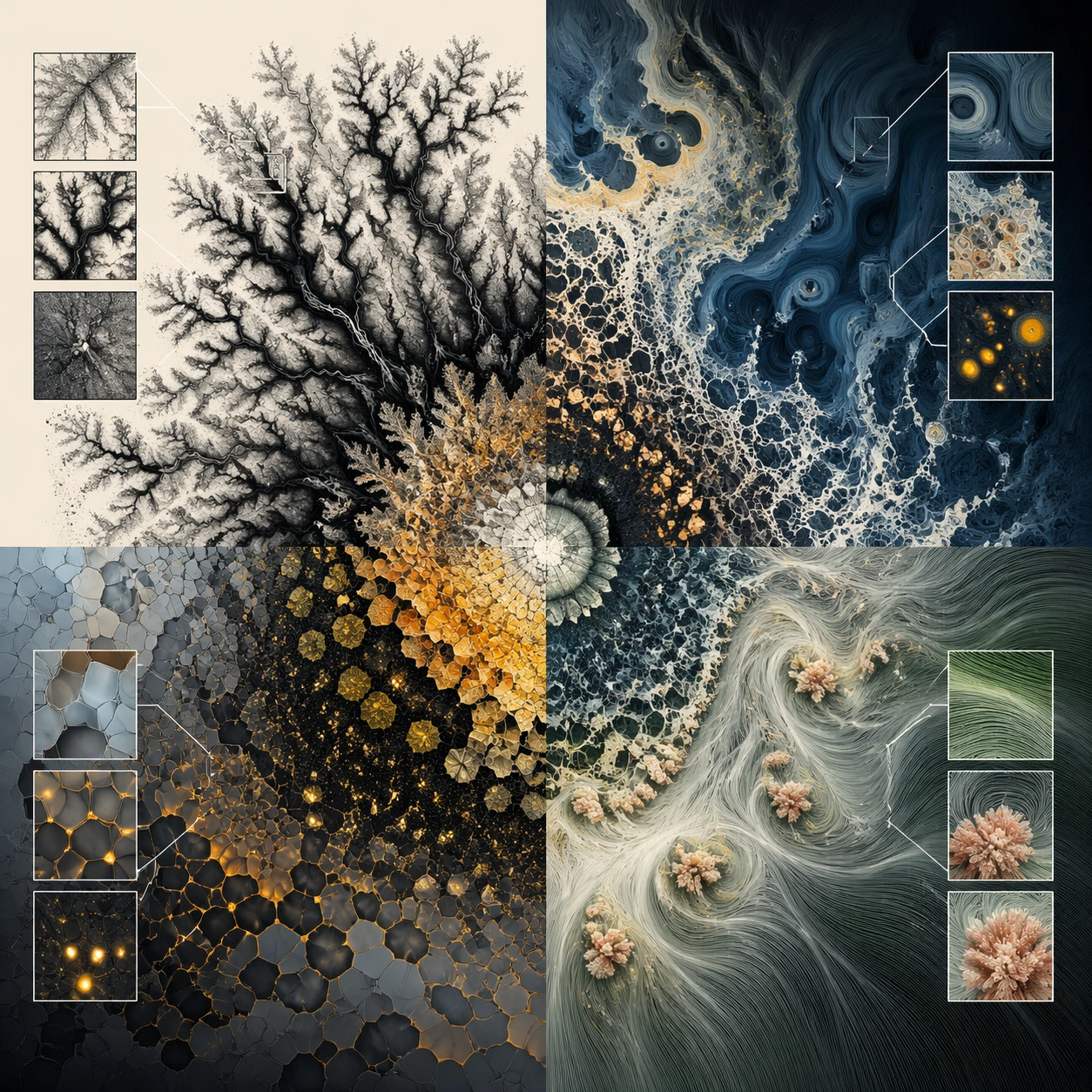
Example generated from “Founder Headshot Lighting Matrix — Clean White Studio”
GPT Image 2en

Scene: A square premium portrait photograph for Founder Headshot Lighting Matrix. Use a clean white cyclorama with high-key studio light, gentle edge separation, and polished but realistic exposure control. Use a tight head-and-shoulders portrait with believable lens behavior, clean depth separation, natural skin rendering, and controlled tonal range. The light should feel physically plausible rather than synthetic, with enough negative space and environmental context to read like a finished editorial or commercial delivery. Keep the palette, contrast, and production styling aligned with premium executive portrait photography with real studio craft and restrained retouching. Subject: Photograph one credible tech founder in the late thirties, with intelligent eyes, medium olive skin, dark brown hair brushed back from a natural hairline, and an understated executive presence. Wardrobe direction: a navy blazer with a pale blue shirt and no tie. Pose and expression: slightly angled torso, chin lifted a touch, hands out of frame. The emotional register should feel confident, efficient, and approachable. Preserve exact face / hair base / body proportions from the reference model. Keep the same skin tone family, hairline, age read, and calm underlying temperament even while the styling changes. Preserve the recognizable brow line, eye spacing, nose bridge, mouth shape, jaw rhythm, and body proportions from image 01 while making this frame clearly distinct through scene, lighting, styling, and posture. Important details: Business credibility matters more than glamour. Preserve natural skin pore detail, believable tailoring, and real lighting falloff that a photographer could actually build on set. The white set should still preserve contour in the face and jacket instead of washing the subject out. The topic dimension is 企业肖像 + 棚拍打光 + 系列一致性. Use the example direction of 同一位 founder 输出 clean white studio、dark tech rim light、warm hospitality portrait 和 editorial black backdrop 四套头像。. The core challenge is 不是普通职业照,而是让不同品牌气质和真实打光都成立,同时保证像同一个人。. Capabilities under test: photorealism, studio-lighting, identity-preservation, commercial-mockup. Success should read as 一眼像真实企业或创始人 headshot 交付; 不同光位之间气质差异清楚,但仍像同一个人; 皮肤、发丝和西装材质自然,不像 AI 磨皮. Address the model gap described as 普通模型容易把商务头像做得过度磨皮、脸型漂移、光位不真实。. Skin texture, fabric texture, hair texture, and catchlight behavior must stay realistic, high-end, and non-plastic. Use case: Founder Headshot Lighting Matrix series study 2/9. Constraints: No readable text, no watermark, no logos, preserve exact 1:1 aspect ratio, preserve exact face / hair base / body proportions from the reference model, no face drift, no skin-tone drift, no duplicate person, no extra limbs, no AI beauty blur, no warped hands, no accidental collage layout, no clipping in the shirt, no beauty-editorial makeup, no floating shoulders, no fake background gradient.

Example generated from “Founder Headshot Lighting Matrix — Dark Tech Rim Light”
GPT Image 2en

Scene: A square premium portrait photograph for Founder Headshot Lighting Matrix. Stage the portrait against a matte graphite backdrop with crisp side rim light, low-key fill, and controlled specular highlights. Use a close portrait with slight three-quarter angle with believable lens behavior, clean depth separation, natural skin rendering, and controlled tonal range. The light should feel physically plausible rather than synthetic, with enough negative space and environmental context to read like a finished editorial or commercial delivery. Keep the palette, contrast, and production styling aligned with premium executive portrait photography with real studio craft and restrained retouching. Subject: Photograph one credible tech founder in the late thirties, with intelligent eyes, medium olive skin, dark brown hair brushed back from a natural hairline, and an understated executive presence. Wardrobe direction: a black knit crewneck under a dark tailored jacket. Pose and expression: body turned slightly away from camera, eyes back to lens. The emotional register should feel focused, future-facing, and quietly intense. Preserve exact face / hair base / body proportions from the reference model. Keep the same skin tone family, hairline, age read, and calm underlying temperament even while the styling changes. Preserve the recognizable brow line, eye spacing, nose bridge, mouth shape, jaw rhythm, and body proportions from image 01 while making this frame clearly distinct through scene, lighting, styling, and posture. Important details: Business credibility matters more than glamour. Preserve natural skin pore detail, believable tailoring, and real lighting falloff that a photographer could actually build on set. Keep the lighting premium and engineered, not cinematic chaos. The eyes must stay readable inside the darker lighting scheme. The topic dimension is 企业肖像 + 棚拍打光 + 系列一致性. Use the example direction of 同一位 founder 输出 clean white studio、dark tech rim light、warm hospitality portrait 和 editorial black backdrop 四套头像。. The core challenge is 不是普通职业照,而是让不同品牌气质和真实打光都成立,同时保证像同一个人。. Capabilities under test: photorealism, studio-lighting, identity-preservation, commercial-mockup. Success should read as 一眼像真实企业或创始人 headshot 交付; 不同光位之间气质差异清楚,但仍像同一个人; 皮肤、发丝和西装材质自然,不像 AI 磨皮. Address the model gap described as 普通模型容易把商务头像做得过度磨皮、脸型漂移、光位不真实。. Skin texture, fabric texture, hair texture, and catchlight behavior must stay realistic, high-end, and non-plastic. Use case: Founder Headshot Lighting Matrix series study 3/9. Constraints: No readable text, no watermark, no logos, preserve exact 1:1 aspect ratio, preserve exact face / hair base / body proportions from the reference model, no face drift, no skin-tone drift, no duplicate person, no extra limbs, no AI beauty blur, no warped hands, no accidental collage layout, no hacker cliché screens, no colored LED overload, no crushed blacks, no sci-fi costume feeling.

Example generated from “Founder Headshot Lighting Matrix — Warm Hospitality Portrait”
GPT Image 2en

Scene: A square premium portrait photograph for Founder Headshot Lighting Matrix. Photograph the subject in a softly lit warm-toned studio corner with creamy beige backdrop, bounced key light, and gentle practical warmth. Use a medium portrait with space around the shoulders with believable lens behavior, clean depth separation, natural skin rendering, and controlled tonal range. The light should feel physically plausible rather than synthetic, with enough negative space and environmental context to read like a finished editorial or commercial delivery. Keep the palette, contrast, and production styling aligned with premium executive portrait photography with real studio craft and restrained retouching. Subject: Photograph one credible tech founder in the late thirties, with intelligent eyes, medium olive skin, dark brown hair brushed back from a natural hairline, and an understated executive presence. Wardrobe direction: a soft brown jacket over a fine-knit off-white polo. Pose and expression: slight lean forward with a welcoming half smile. The emotional register should feel open, human, and reassuring. Preserve exact face / hair base / body proportions from the reference model. Keep the same skin tone family, hairline, age read, and calm underlying temperament even while the styling changes. Preserve the recognizable brow line, eye spacing, nose bridge, mouth shape, jaw rhythm, and body proportions from image 01 while making this frame clearly distinct through scene, lighting, styling, and posture. Important details: Business credibility matters more than glamour. Preserve natural skin pore detail, believable tailoring, and real lighting falloff that a photographer could actually build on set. The warmth should come from the light and palette, not from orange skin. Keep the founder believable and modern. The topic dimension is 企业肖像 + 棚拍打光 + 系列一致性. Use the example direction of 同一位 founder 输出 clean white studio、dark tech rim light、warm hospitality portrait 和 editorial black backdrop 四套头像。. The core challenge is 不是普通职业照,而是让不同品牌气质和真实打光都成立,同时保证像同一个人。. Capabilities under test: photorealism, studio-lighting, identity-preservation, commercial-mockup. Success should read as 一眼像真实企业或创始人 headshot 交付; 不同光位之间气质差异清楚,但仍像同一个人; 皮肤、发丝和西装材质自然,不像 AI 磨皮. Address the model gap described as 普通模型容易把商务头像做得过度磨皮、脸型漂移、光位不真实。. Skin texture, fabric texture, hair texture, and catchlight behavior must stay realistic, high-end, and non-plastic. Use case: Founder Headshot Lighting Matrix series study 4/9. Constraints: No readable text, no watermark, no logos, preserve exact 1:1 aspect ratio, preserve exact face / hair base / body proportions from the reference model, no face drift, no skin-tone drift, no duplicate person, no extra limbs, no AI beauty blur, no warped hands, no accidental collage layout, no hotel-lobby clichés, no over-yellow white balance, no exaggerated grin, no lifestyle ad props.

Example generated from “Founder Headshot Lighting Matrix — Editorial Black Backdrop”
GPT Image 2en

Scene: A square premium portrait photograph for Founder Headshot Lighting Matrix. Use a seamless black backdrop with sculpted key light, minimal fill, and elegant falloff into darkness. Use a close portrait with vertical energy inside the square with believable lens behavior, clean depth separation, natural skin rendering, and controlled tonal range. The light should feel physically plausible rather than synthetic, with enough negative space and environmental context to read like a finished editorial or commercial delivery. Keep the palette, contrast, and production styling aligned with premium executive portrait photography with real studio craft and restrained retouching. Subject: Photograph one credible tech founder in the late thirties, with intelligent eyes, medium olive skin, dark brown hair brushed back from a natural hairline, and an understated executive presence. Wardrobe direction: a black suit jacket with a fine black crewneck. Pose and expression: upright posture, head slightly tilted, one shoulder closer to camera. The emotional register should feel authoritative, modern, and media-ready. Preserve exact face / hair base / body proportions from the reference model. Keep the same skin tone family, hairline, age read, and calm underlying temperament even while the styling changes. Preserve the recognizable brow line, eye spacing, nose bridge, mouth shape, jaw rhythm, and body proportions from image 01 while making this frame clearly distinct through scene, lighting, styling, and posture. Important details: Business credibility matters more than glamour. Preserve natural skin pore detail, believable tailoring, and real lighting falloff that a photographer could actually build on set. The face must remain fully legible and natural even against the dark styling. Keep the portrait expensive rather than theatrical. The topic dimension is 企业肖像 + 棚拍打光 + 系列一致性. Use the example direction of 同一位 founder 输出 clean white studio、dark tech rim light、warm hospitality portrait 和 editorial black backdrop 四套头像。. The core challenge is 不是普通职业照,而是让不同品牌气质和真实打光都成立,同时保证像同一个人。. Capabilities under test: photorealism, studio-lighting, identity-preservation, commercial-mockup. Success should read as 一眼像真实企业或创始人 headshot 交付; 不同光位之间气质差异清楚,但仍像同一个人; 皮肤、发丝和西装材质自然,不像 AI 磨皮. Address the model gap described as 普通模型容易把商务头像做得过度磨皮、脸型漂移、光位不真实。. Skin texture, fabric texture, hair texture, and catchlight behavior must stay realistic, high-end, and non-plastic. Use case: Founder Headshot Lighting Matrix series study 5/9. Constraints: No readable text, no watermark, no logos, preserve exact 1:1 aspect ratio, preserve exact face / hair base / body proportions from the reference model, no face drift, no skin-tone drift, no duplicate person, no extra limbs, no AI beauty blur, no warped hands, no accidental collage layout, no noir exaggeration, no hatched shadows across the face, no glossy fashion makeup, no floating collar.

Example generated from “Founder Headshot Lighting Matrix — Soft Window Office”
GPT Image 2en

Scene: A square premium portrait photograph for Founder Headshot Lighting Matrix. Place the subject near a large office window with soft overcast daylight, blurred architectural background, and subtle desk-edge context. Use a medium close documentary-style portrait with believable lens behavior, clean depth separation, natural skin rendering, and controlled tonal range. The light should feel physically plausible rather than synthetic, with enough negative space and environmental context to read like a finished editorial or commercial delivery. Keep the palette, contrast, and production styling aligned with premium executive portrait photography with real studio craft and restrained retouching. Subject: Photograph one credible tech founder in the late thirties, with intelligent eyes, medium olive skin, dark brown hair brushed back from a natural hairline, and an understated executive presence. Wardrobe direction: a tailored dark overshirt over a fine gray tee. Pose and expression: seated at an angle with hands loosely together below frame line. The emotional register should feel reflective, articulate, and composed. Preserve exact face / hair base / body proportions from the reference model. Keep the same skin tone family, hairline, age read, and calm underlying temperament even while the styling changes. Preserve the recognizable brow line, eye spacing, nose bridge, mouth shape, jaw rhythm, and body proportions from image 01 while making this frame clearly distinct through scene, lighting, styling, and posture. Important details: Business credibility matters more than glamour. Preserve natural skin pore detail, believable tailoring, and real lighting falloff that a photographer could actually build on set. The office environment should support credibility without turning into a set-dressed startup cliché. Keep the light realistic and flattering. The topic dimension is 企业肖像 + 棚拍打光 + 系列一致性. Use the example direction of 同一位 founder 输出 clean white studio、dark tech rim light、warm hospitality portrait 和 editorial black backdrop 四套头像。. The core challenge is 不是普通职业照,而是让不同品牌气质和真实打光都成立,同时保证像同一个人。. Capabilities under test: photorealism, studio-lighting, identity-preservation, commercial-mockup. Success should read as 一眼像真实企业或创始人 headshot 交付; 不同光位之间气质差异清楚,但仍像同一个人; 皮肤、发丝和西装材质自然,不像 AI 磨皮. Address the model gap described as 普通模型容易把商务头像做得过度磨皮、脸型漂移、光位不真实。. Skin texture, fabric texture, hair texture, and catchlight behavior must stay realistic, high-end, and non-plastic. Use case: Founder Headshot Lighting Matrix series study 6/9. Constraints: No readable text, no watermark, no logos, preserve exact 1:1 aspect ratio, preserve exact face / hair base / body proportions from the reference model, no face drift, no skin-tone drift, no duplicate person, no extra limbs, no AI beauty blur, no warped hands, no accidental collage layout, no readable screens, no visible company logo, no coworker silhouettes, no fake lens flare.

Example generated from “Founder Headshot Lighting Matrix — Seated Thought Leader”
GPT Image 2en

Scene: A square premium portrait photograph for Founder Headshot Lighting Matrix. Use a studio setup with a simple upholstered chair, soft key light from camera left, and a muted taupe background. Use a waist-up portrait with seated composition with believable lens behavior, clean depth separation, natural skin rendering, and controlled tonal range. The light should feel physically plausible rather than synthetic, with enough negative space and environmental context to read like a finished editorial or commercial delivery. Keep the palette, contrast, and production styling aligned with premium executive portrait photography with real studio craft and restrained retouching. Subject: Photograph one credible tech founder in the late thirties, with intelligent eyes, medium olive skin, dark brown hair brushed back from a natural hairline, and an understated executive presence. Wardrobe direction: a dark green suit with an open-neck ivory shirt. Pose and expression: seated upright, one arm resting lightly, shoulders relaxed. The emotional register should feel assured, analytical, and mature. Preserve exact face / hair base / body proportions from the reference model. Keep the same skin tone family, hairline, age read, and calm underlying temperament even while the styling changes. Preserve the recognizable brow line, eye spacing, nose bridge, mouth shape, jaw rhythm, and body proportions from image 01 while making this frame clearly distinct through scene, lighting, styling, and posture. Important details: Business credibility matters more than glamour. Preserve natural skin pore detail, believable tailoring, and real lighting falloff that a photographer could actually build on set. The chair is compositional support only. The image must stay portrait-led and not feel like furniture advertising. The topic dimension is 企业肖像 + 棚拍打光 + 系列一致性. Use the example direction of 同一位 founder 输出 clean white studio、dark tech rim light、warm hospitality portrait 和 editorial black backdrop 四套头像。. The core challenge is 不是普通职业照,而是让不同品牌气质和真实打光都成立,同时保证像同一个人。. Capabilities under test: photorealism, studio-lighting, identity-preservation, commercial-mockup. Success should read as 一眼像真实企业或创始人 headshot 交付; 不同光位之间气质差异清楚,但仍像同一个人; 皮肤、发丝和西装材质自然,不像 AI 磨皮. Address the model gap described as 普通模型容易把商务头像做得过度磨皮、脸型漂移、光位不真实。. Skin texture, fabric texture, hair texture, and catchlight behavior must stay realistic, high-end, and non-plastic. Use case: Founder Headshot Lighting Matrix series study 7/9. Constraints: No readable text, no watermark, no logos, preserve exact 1:1 aspect ratio, preserve exact face / hair base / body proportions from the reference model, no face drift, no skin-tone drift, no duplicate person, no extra limbs, no AI beauty blur, no warped hands, no accidental collage layout, no oversized chair, no crossed-arm stiffness, no power-pose parody, no awkward hand crops.

Example generated from “Founder Headshot Lighting Matrix — Profile Confidence”
GPT Image 2en

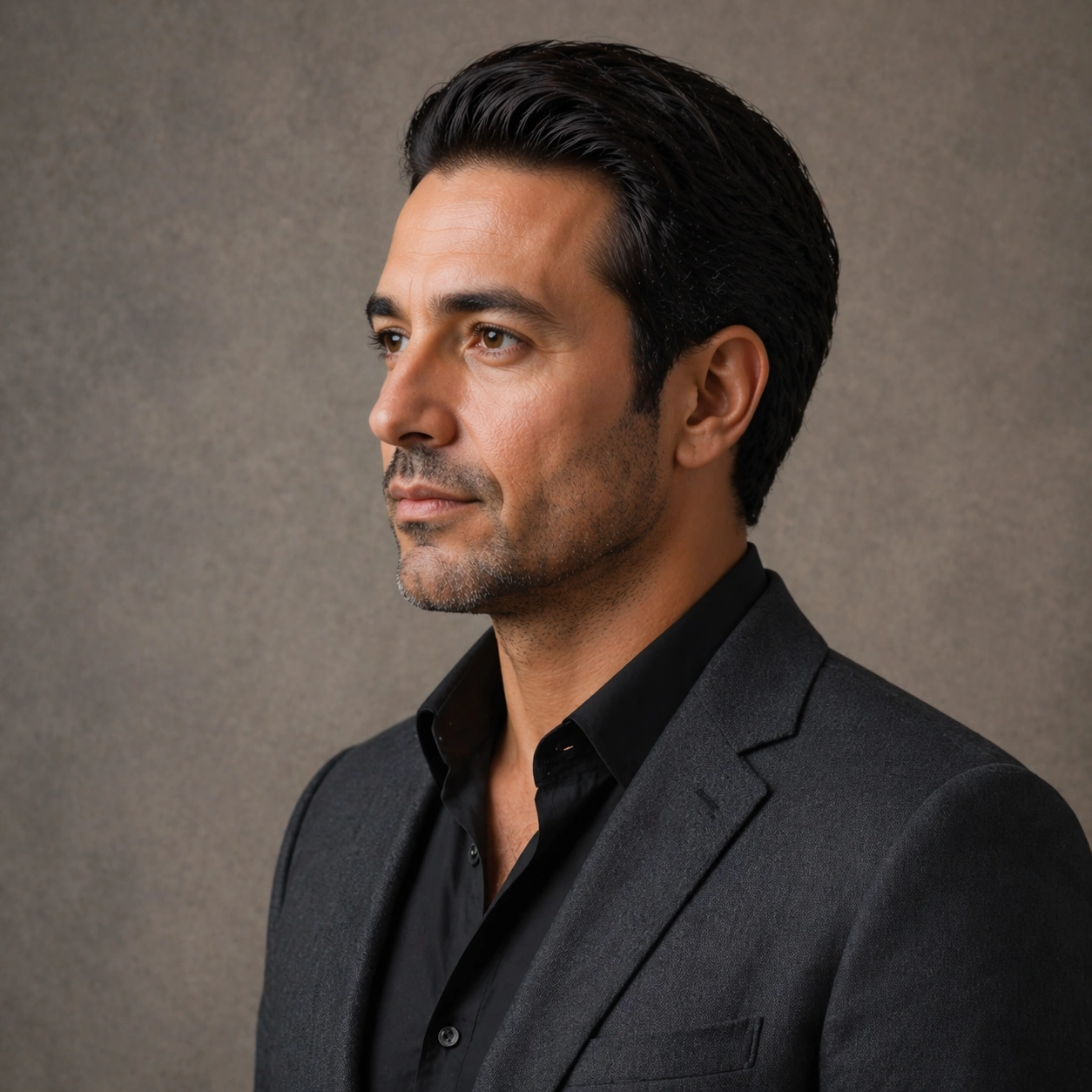
Scene: A square premium portrait photograph for Founder Headshot Lighting Matrix. Build a neutral studio profile portrait with crisp side key light, subtle fill, and a textured gray-beige backdrop. Use a profile portrait from chest up with believable lens behavior, clean depth separation, natural skin rendering, and controlled tonal range. The light should feel physically plausible rather than synthetic, with enough negative space and environmental context to read like a finished editorial or commercial delivery. Keep the palette, contrast, and production styling aligned with premium executive portrait photography with real studio craft and restrained retouching. Subject: Photograph one credible tech founder in the late thirties, with intelligent eyes, medium olive skin, dark brown hair brushed back from a natural hairline, and an understated executive presence. Wardrobe direction: a slate blazer with a black open-neck shirt. Pose and expression: clean side profile with relaxed jaw and poised neck line. The emotional register should feel decisive, self-possessed, and elegant. Preserve exact face / hair base / body proportions from the reference model. Keep the same skin tone family, hairline, age read, and calm underlying temperament even while the styling changes. Preserve the recognizable brow line, eye spacing, nose bridge, mouth shape, jaw rhythm, and body proportions from image 01 while making this frame clearly distinct through scene, lighting, styling, and posture. Important details: Business credibility matters more than glamour. Preserve natural skin pore detail, believable tailoring, and real lighting falloff that a photographer could actually build on set. The profile must still unmistakably match the reference identity. Hairline, ear shape, nose bridge, and jaw rhythm need consistency. The topic dimension is 企业肖像 + 棚拍打光 + 系列一致性. Use the example direction of 同一位 founder 输出 clean white studio、dark tech rim light、warm hospitality portrait 和 editorial black backdrop 四套头像。. The core challenge is 不是普通职业照,而是让不同品牌气质和真实打光都成立,同时保证像同一个人。. Capabilities under test: photorealism, studio-lighting, identity-preservation, commercial-mockup. Success should read as 一眼像真实企业或创始人 headshot 交付; 不同光位之间气质差异清楚,但仍像同一个人; 皮肤、发丝和西装材质自然,不像 AI 磨皮. Address the model gap described as 普通模型容易把商务头像做得过度磨皮、脸型漂移、光位不真实。. Skin texture, fabric texture, hair texture, and catchlight behavior must stay realistic, high-end, and non-plastic. Use case: Founder Headshot Lighting Matrix series study 8/9. Constraints: No readable text, no watermark, no logos, preserve exact 1:1 aspect ratio, preserve exact face / hair base / body proportions from the reference model, no face drift, no skin-tone drift, no duplicate person, no extra limbs, no AI beauty blur, no warped hands, no accidental collage layout, no caricature profile, no exaggerated nose bridge, no over-sharpened hair edges, no empty mannequin feeling.

Example generated from “Founder Headshot Lighting Matrix — Founder Casual Finish”
GPT Image 2en

Scene: A square premium portrait photograph for Founder Headshot Lighting Matrix. Photograph the subject against a pale stone backdrop with broad soft light, gentle shadow wrap, and natural color contrast. Use a relaxed medium close crop with believable lens behavior, clean depth separation, natural skin rendering, and controlled tonal range. The light should feel physically plausible rather than synthetic, with enough negative space and environmental context to read like a finished editorial or commercial delivery. Keep the palette, contrast, and production styling aligned with premium executive portrait photography with real studio craft and restrained retouching. Subject: Photograph one credible tech founder in the late thirties, with intelligent eyes, medium olive skin, dark brown hair brushed back from a natural hairline, and an understated executive presence. Wardrobe direction: a dark merino crewneck layered under a lightweight navy overshirt. Pose and expression: easy posture with a subtle smile and slight body turn. The emotional register should feel smart, warm, and quietly charismatic. Preserve exact face / hair base / body proportions from the reference model. Keep the same skin tone family, hairline, age read, and calm underlying temperament even while the styling changes. Preserve the recognizable brow line, eye spacing, nose bridge, mouth shape, jaw rhythm, and body proportions from image 01 while making this frame clearly distinct through scene, lighting, styling, and posture. Important details: Business credibility matters more than glamour. Preserve natural skin pore detail, believable tailoring, and real lighting falloff that a photographer could actually build on set. This image should feel most human and least corporate while still belonging to the same premium portrait session. The topic dimension is 企业肖像 + 棚拍打光 + 系列一致性. Use the example direction of 同一位 founder 输出 clean white studio、dark tech rim light、warm hospitality portrait 和 editorial black backdrop 四套头像。. The core challenge is 不是普通职业照,而是让不同品牌气质和真实打光都成立,同时保证像同一个人。. Capabilities under test: photorealism, studio-lighting, identity-preservation, commercial-mockup. Success should read as 一眼像真实企业或创始人 headshot 交付; 不同光位之间气质差异清楚,但仍像同一个人; 皮肤、发丝和西装材质自然,不像 AI 磨皮. Address the model gap described as 普通模型容易把商务头像做得过度磨皮、脸型漂移、光位不真实。. Skin texture, fabric texture, hair texture, and catchlight behavior must stay realistic, high-end, and non-plastic. Use case: Founder Headshot Lighting Matrix series study 9/9. Constraints: No readable text, no watermark, no logos, preserve exact 1:1 aspect ratio, preserve exact face / hair base / body proportions from the reference model, no face drift, no skin-tone drift, no duplicate person, no extra limbs, no AI beauty blur, no warped hands, no accidental collage layout, no hoodie startup cliché, no lifestyle chaos, no loud props, no influencer selfie energy.

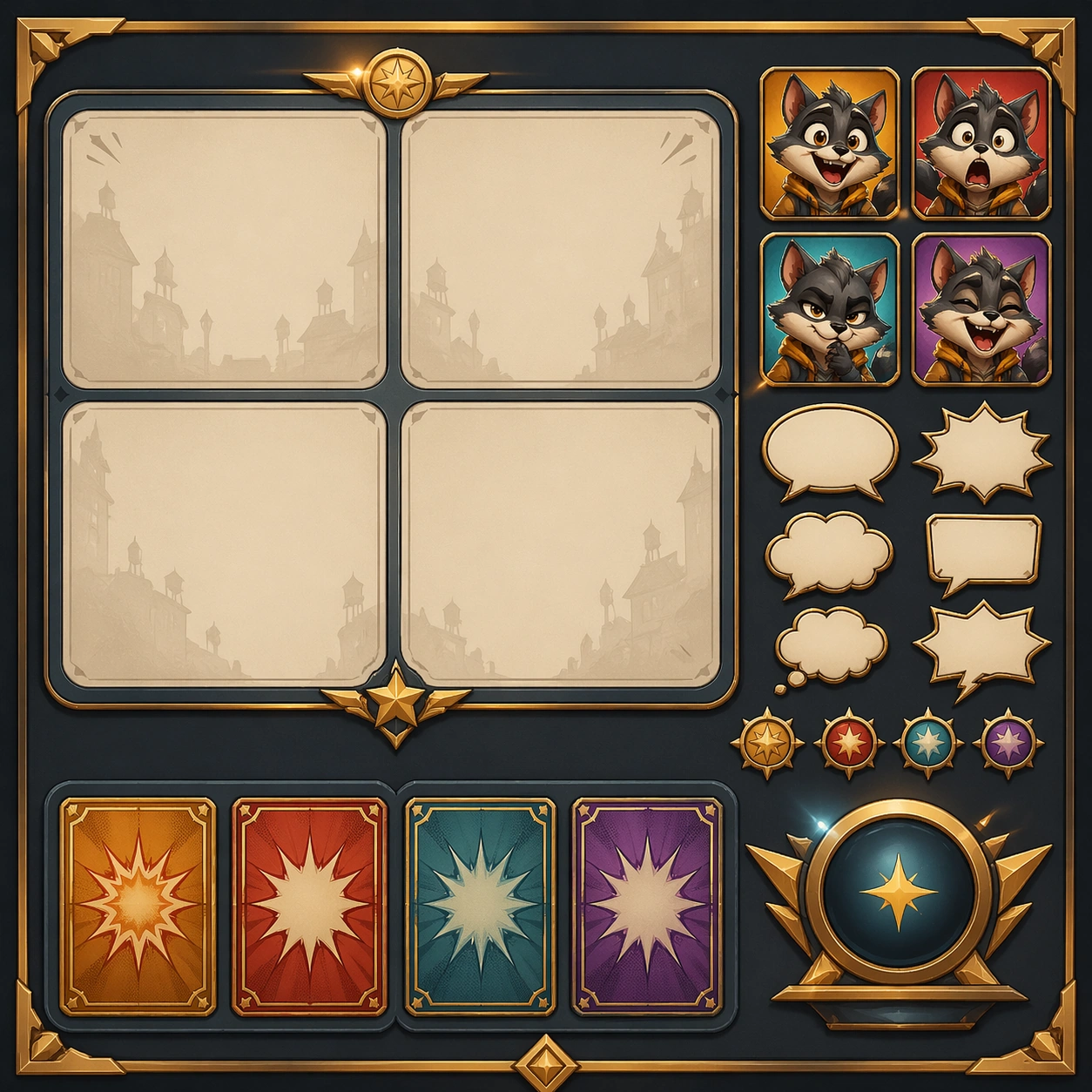
Example generated from “Four Panel Gag Sequence — Reference Anchor”
GPT Image 2en

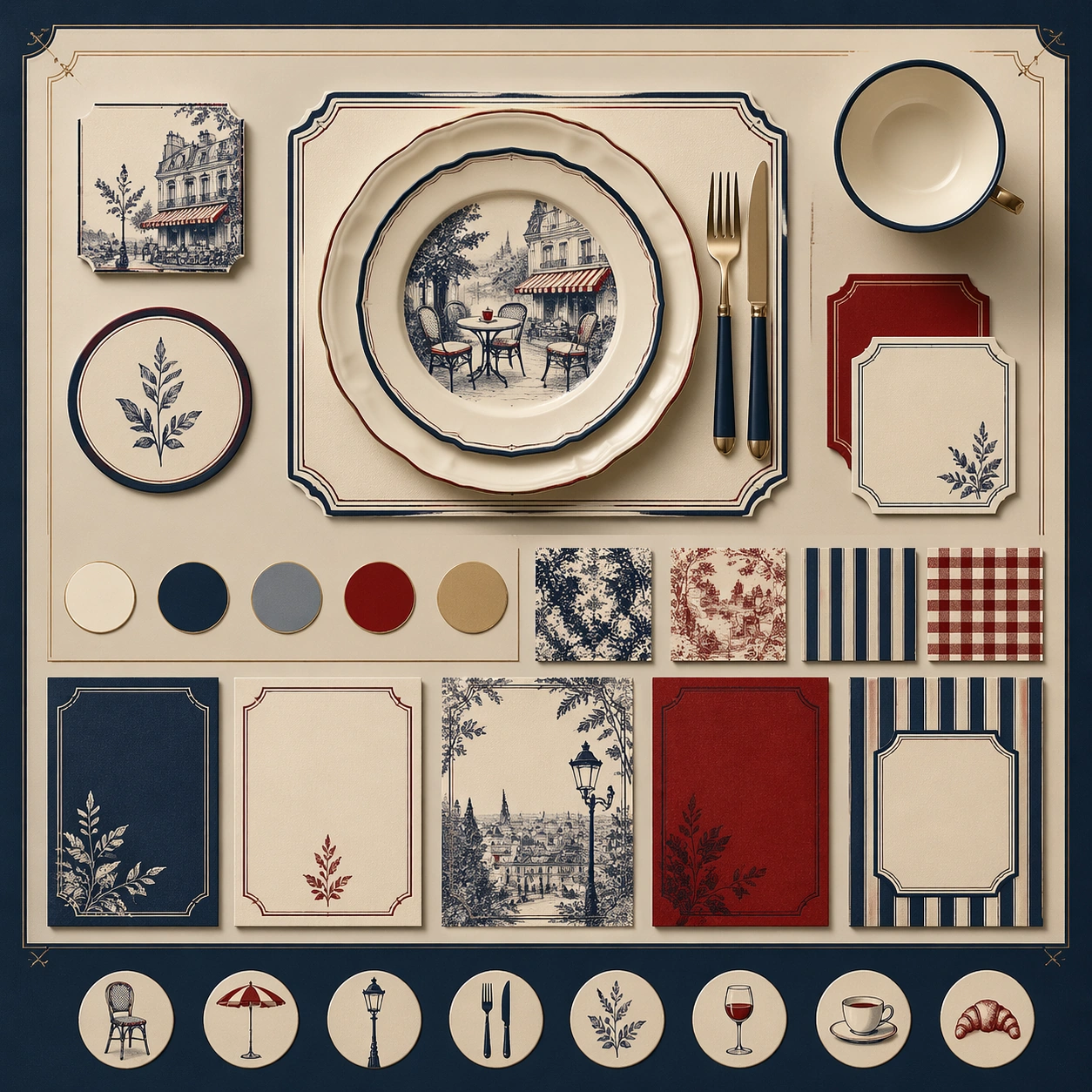
Scene: Create a square reference image for Four-Panel Gag Sequence. Build a reference anchor establishing the core system with a premium, production-ready finish. Use a polished modular board or campaign surface with clean spacing, premium game-UI finish, and clear focal hierarchy. The composition should feel intentional, clean, and reusable for gallery, research, campaign, or internal handoff contexts. Lighting must support readability first, with the main forms clearly separated from the background and enough breathing room for the system to stay legible at both hero scale and thumbnail scale. Subject: Center a coherent original game-art system built for premium production and marketing surfaces. For this image, focus on reference anchor. Keep the same system logic stable across screenshots, cards, banners, and overview boards. This image is the canonical anchor that later series images must follow. The viewer should immediately understand what role this surface plays inside a cohesive game-production asset pack. Important details: Lock framing, icon grammar, palette blocking, and surface hierarchy so the kit feels production-ready and consistent. Preserve the core silhouette, framing language, and material logic from the reference image while each variation changes function. Keep materials believable, edge hierarchy disciplined, and the visual language consistent with 4-Panel Gag. Use abstract interface blocks or diagram accents when helpful, but avoid any readable language. The final result should feel like a deliberate production asset rather than a random illustration. Use case: Four-Panel Gag Sequence series study 1/9, designed as reference anchor within a cohesive asset pack. Constraints: No readable text, no watermark, no logos, preserve exact 1:1 aspect ratio, no unrelated objects, no broken visual hierarchy, no malformed anatomy or broken perspective, no random decorative clutter.
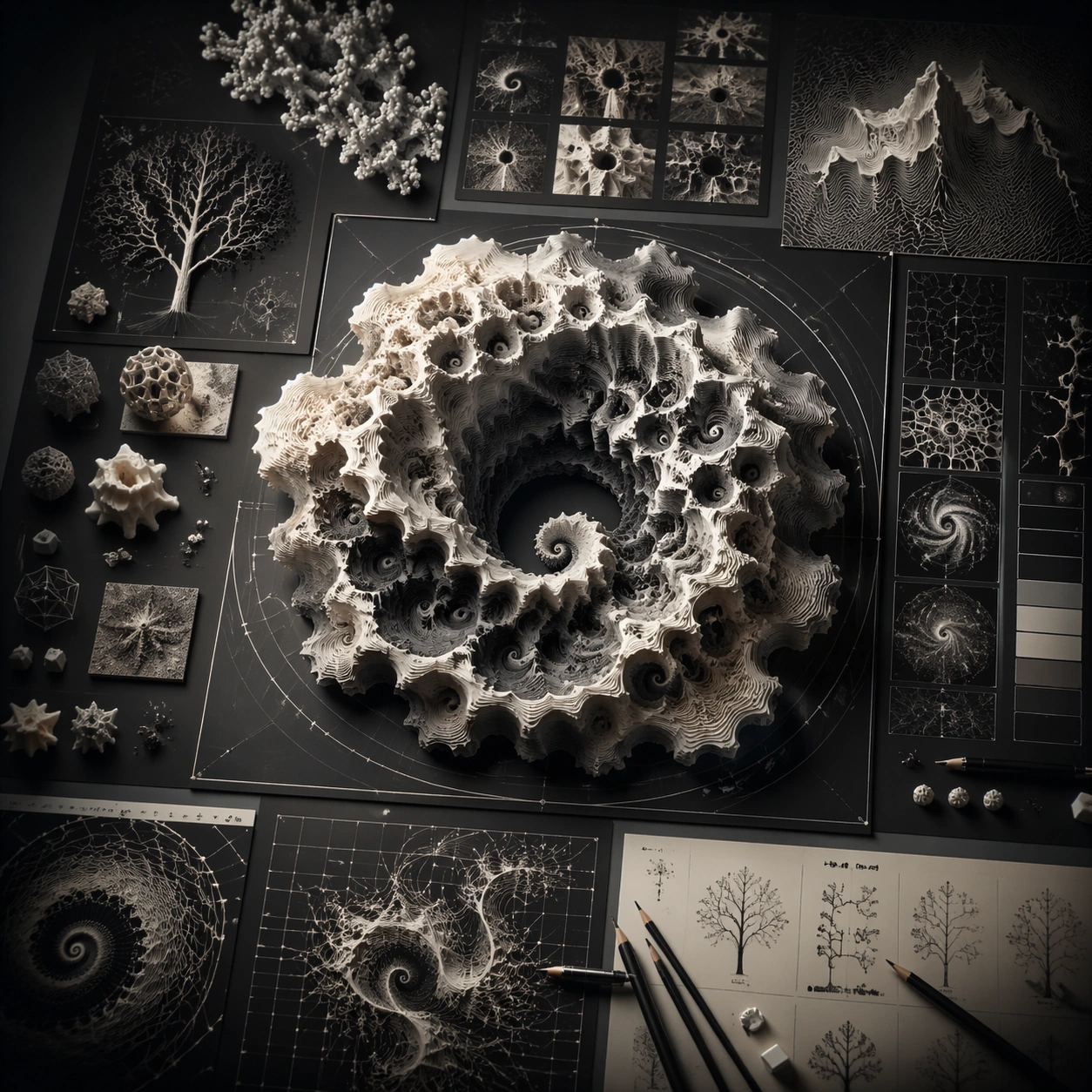
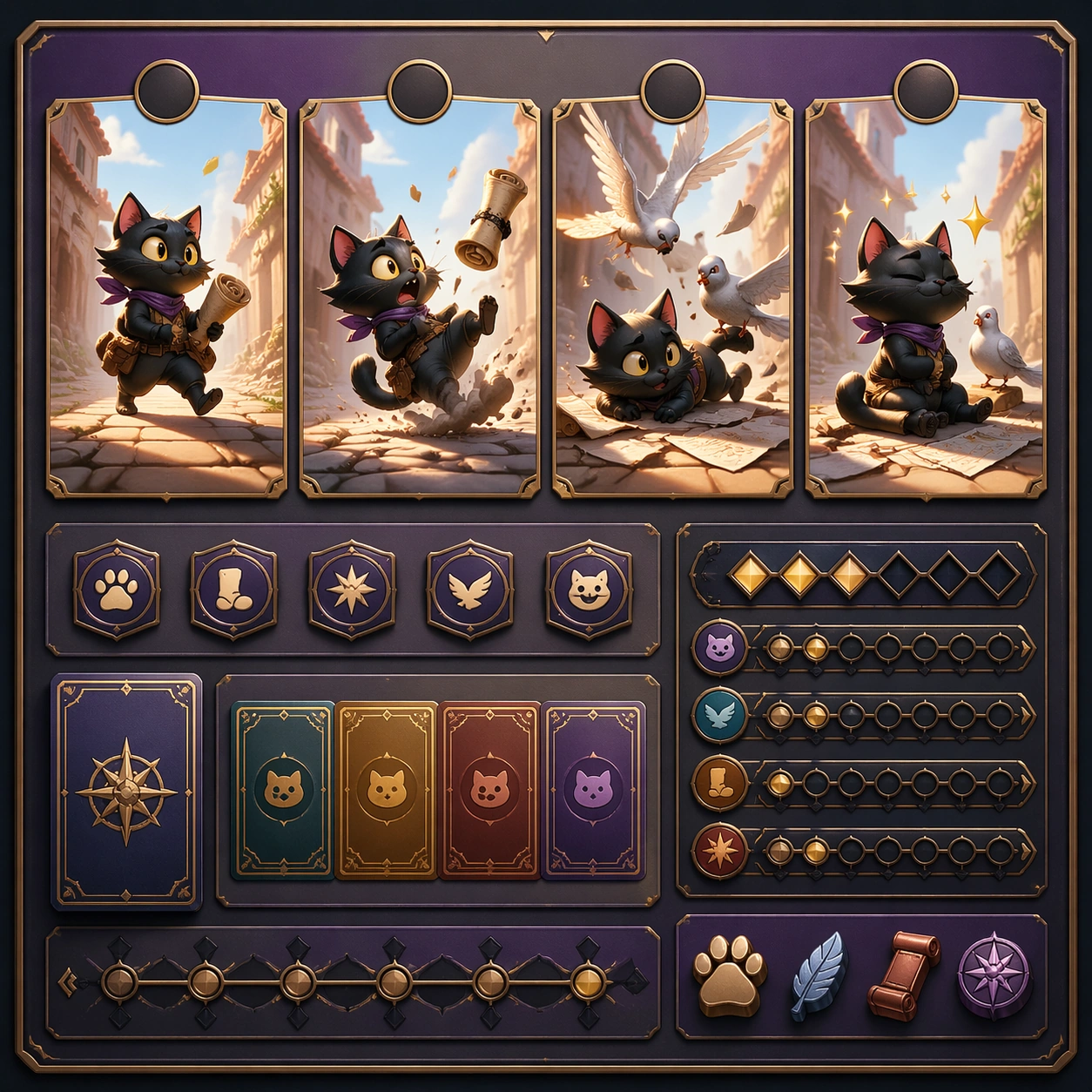
Example generated from “Four Panel Gag Sequence — Variant One”
GPT Image 2en

Scene: Create a square dependent image for Four-Panel Gag Sequence. Build a first controlled variation in the same system with a premium, production-ready finish. Use a polished modular board or campaign surface with clean spacing, premium game-UI finish, and clear focal hierarchy. The composition should feel intentional, clean, and reusable for gallery, research, campaign, or internal handoff contexts. Lighting must support readability first, with the main forms clearly separated from the background and enough breathing room for the system to stay legible at both hero scale and thumbnail scale. Subject: Center a coherent original game-art system built for premium production and marketing surfaces. For this image, focus on the intended support surface. Keep the same system logic stable across screenshots, cards, banners, and overview boards. Preserve exact identity or system logic from the reference image while changing only the intended variation axis. The viewer should immediately understand what role this surface plays inside a cohesive game-production asset pack. Important details: Lock framing, icon grammar, palette blocking, and surface hierarchy so the kit feels production-ready and consistent. Preserve the core silhouette, framing language, and material logic from the reference image while each variation changes function. Keep materials believable, edge hierarchy disciplined, and the visual language consistent with 4-Panel Gag. Use abstract interface blocks or diagram accents when helpful, but avoid any readable language. The final result should feel like a deliberate production asset rather than a random illustration. Use case: Four-Panel Gag Sequence series study 2/9, designed as variant one within a cohesive asset pack. Constraints: No readable text, no watermark, no logos, preserve exact 1:1 aspect ratio, no unrelated objects, no broken visual hierarchy, no malformed anatomy or broken perspective, no random decorative clutter.
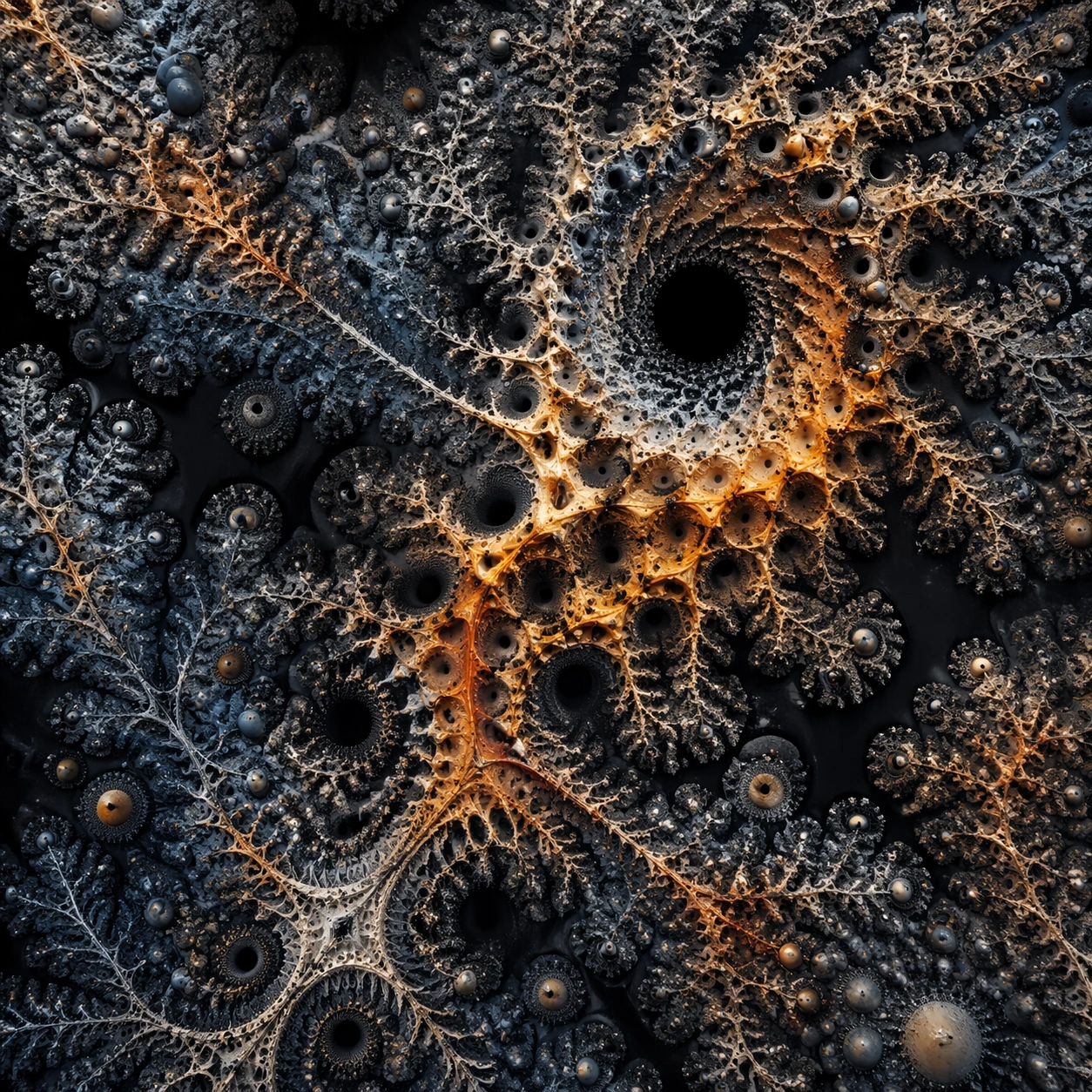
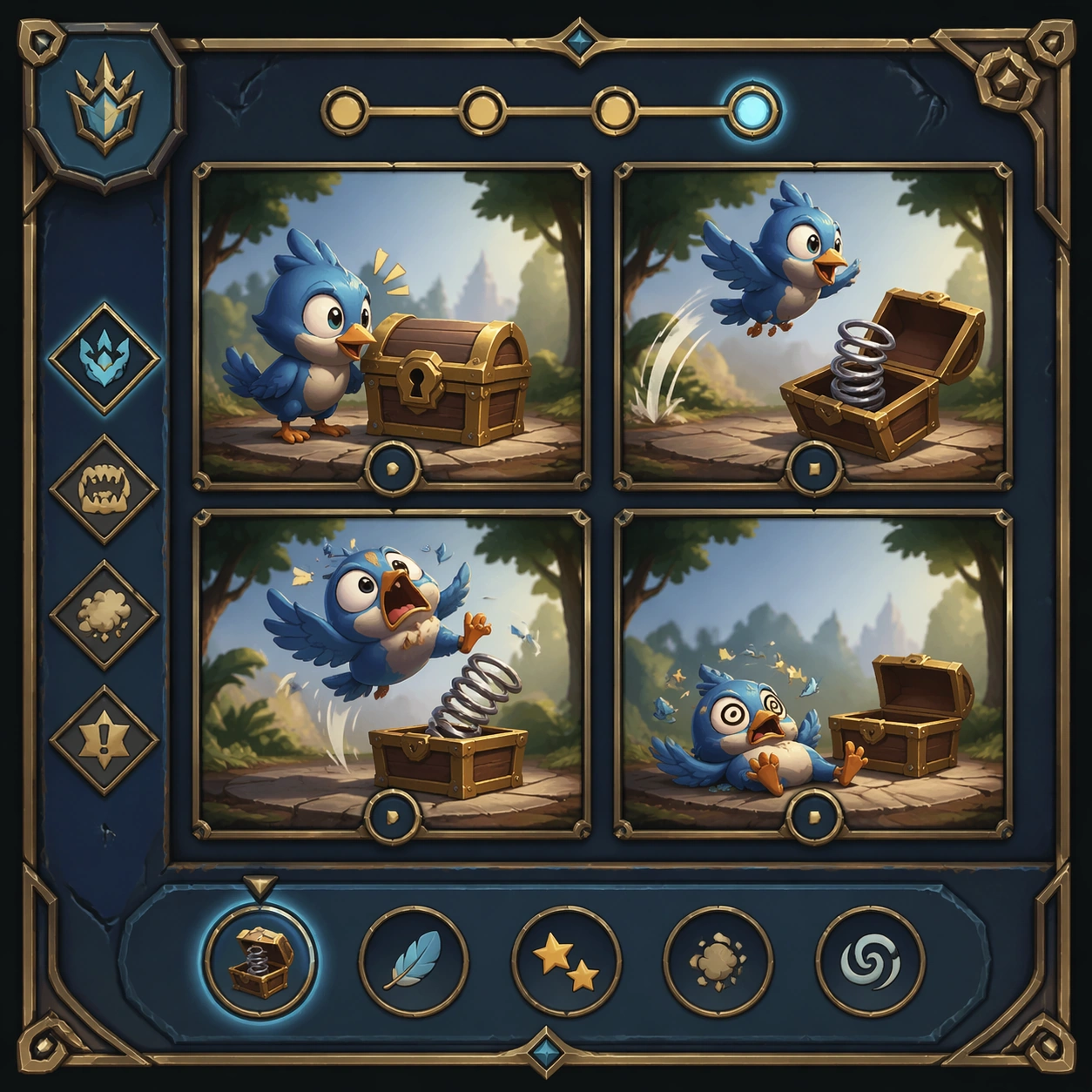
Example generated from “Four Panel Gag Sequence — Variant Two”
GPT Image 2en

Scene: Create a square dependent image for Four-Panel Gag Sequence. Build a second controlled variation in the same system with a premium, production-ready finish. Use a polished modular board or campaign surface with clean spacing, premium game-UI finish, and clear focal hierarchy. The composition should feel intentional, clean, and reusable for gallery, research, campaign, or internal handoff contexts. Lighting must support readability first, with the main forms clearly separated from the background and enough breathing room for the system to stay legible at both hero scale and thumbnail scale. Subject: Center a coherent original game-art system built for premium production and marketing surfaces. For this image, focus on the intended support surface. Keep the same system logic stable across screenshots, cards, banners, and overview boards. Preserve exact identity or system logic from the reference image while changing only the intended variation axis. The viewer should immediately understand what role this surface plays inside a cohesive game-production asset pack. Important details: Lock framing, icon grammar, palette blocking, and surface hierarchy so the kit feels production-ready and consistent. Preserve the core silhouette, framing language, and material logic from the reference image while each variation changes function. Keep materials believable, edge hierarchy disciplined, and the visual language consistent with 4-Panel Gag. Use abstract interface blocks or diagram accents when helpful, but avoid any readable language. The final result should feel like a deliberate production asset rather than a random illustration. Use case: Four-Panel Gag Sequence series study 3/9, designed as variant two within a cohesive asset pack. Constraints: No readable text, no watermark, no logos, preserve exact 1:1 aspect ratio, no unrelated objects, no broken visual hierarchy, no malformed anatomy or broken perspective, no random decorative clutter.
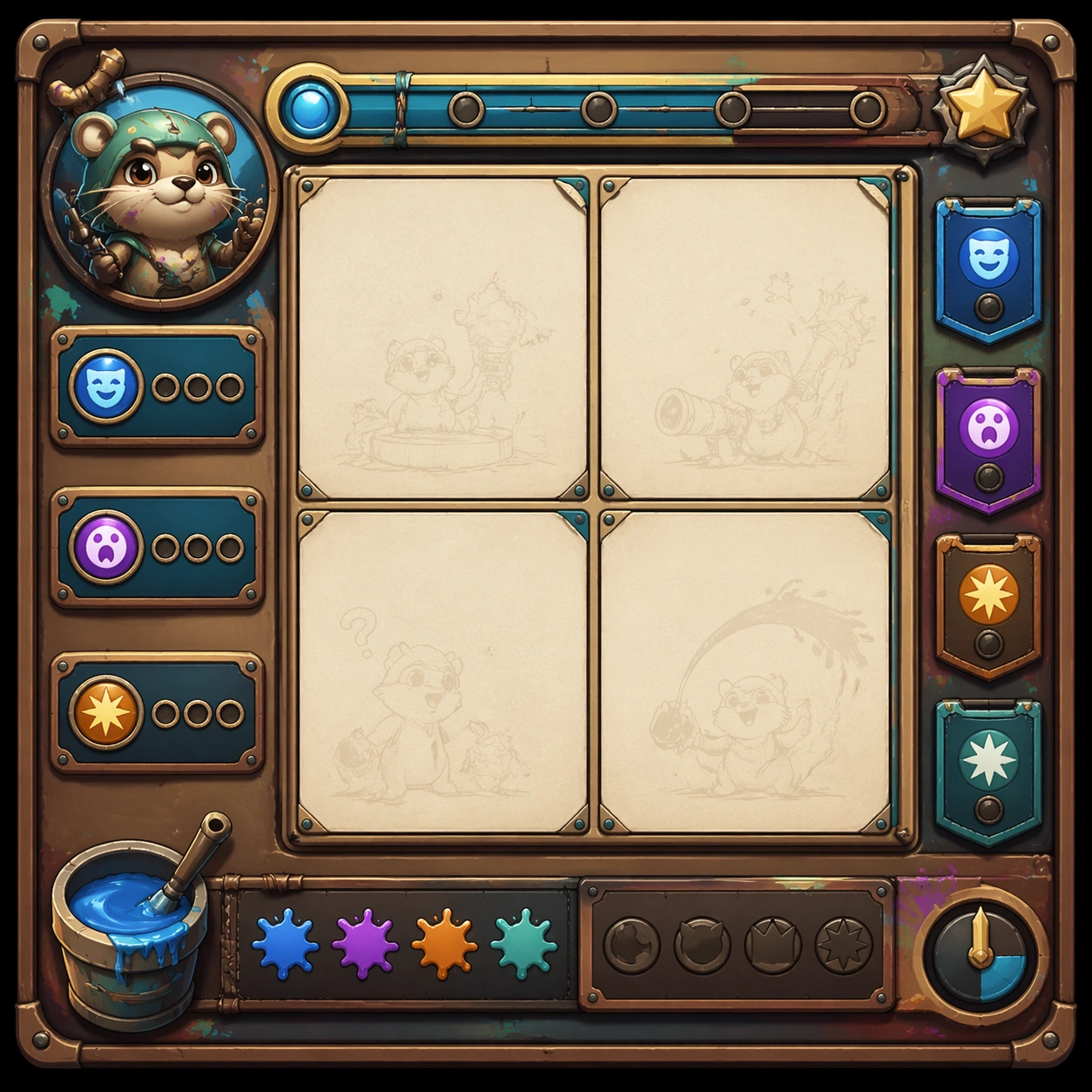
Example generated from “Four Panel Gag Sequence — Variant Three”
GPT Image 2en

Scene: Create a square dependent image for Four-Panel Gag Sequence. Build a third controlled variation in the same system with a premium, production-ready finish. Use a polished modular board or campaign surface with clean spacing, premium game-UI finish, and clear focal hierarchy. The composition should feel intentional, clean, and reusable for gallery, research, campaign, or internal handoff contexts. Lighting must support readability first, with the main forms clearly separated from the background and enough breathing room for the system to stay legible at both hero scale and thumbnail scale. Subject: Center a coherent original game-art system built for premium production and marketing surfaces. For this image, focus on the intended support surface. Keep the same system logic stable across screenshots, cards, banners, and overview boards. Preserve exact identity or system logic from the reference image while changing only the intended variation axis. The viewer should immediately understand what role this surface plays inside a cohesive game-production asset pack. Important details: Lock framing, icon grammar, palette blocking, and surface hierarchy so the kit feels production-ready and consistent. Preserve the core silhouette, framing language, and material logic from the reference image while each variation changes function. Keep materials believable, edge hierarchy disciplined, and the visual language consistent with 4-Panel Gag. Use abstract interface blocks or diagram accents when helpful, but avoid any readable language. The final result should feel like a deliberate production asset rather than a random illustration. Use case: Four-Panel Gag Sequence series study 4/9, designed as variant three within a cohesive asset pack. Constraints: No readable text, no watermark, no logos, preserve exact 1:1 aspect ratio, no unrelated objects, no broken visual hierarchy, no malformed anatomy or broken perspective, no random decorative clutter.
Example generated from “Four Panel Gag Sequence — Support One”
GPT Image 2en

Scene: Create a square standalone support image for Four-Panel Gag Sequence. Build a support-surface study with a clear focal hierarchy and a finished professional surface. Use a polished modular board or campaign surface with clean spacing, premium game-UI finish, and clear focal hierarchy. The frame should feel self-contained and polished, with enough structure to explain the system even without the reference series, yet still obviously belonging to the same theme and production world. Subject: Show a coherent original game-art system built for premium production and marketing surfaces in a way that emphasizes the intended support surface. Keep the same system logic stable across screenshots, cards, banners, and overview boards. Even though this image is independent, the viewer should still recognize the same universe, same commercial logic, and same production intent as the core package. Important details: Lock framing, icon grammar, palette blocking, and surface hierarchy so the kit feels production-ready and consistent. Preserve the broader theme language through color, framing, material choices, and modular composition. Use clean panel rhythm, premium asset presentation, and believable detail density. The image should work equally well as a gallery study, research reference, and mock production deliverable. Use case: Four-Panel Gag Sequence single study 5/9, exploring support one as a support surface. Constraints: No readable text, no watermark, no logos, preserve exact 1:1 aspect ratio, no unrelated objects, no broken visual hierarchy, no visual noise that obscures the main surface, no accidental brand resemblance.

Example generated from “Four Panel Gag Sequence — Support Two”
GPT Image 2en

Scene: Create a square standalone support image for Four-Panel Gag Sequence. Build a second support-surface study with a clear focal hierarchy and a finished professional surface. Use a polished modular board or campaign surface with clean spacing, premium game-UI finish, and clear focal hierarchy. The frame should feel self-contained and polished, with enough structure to explain the system even without the reference series, yet still obviously belonging to the same theme and production world. Subject: Show a coherent original game-art system built for premium production and marketing surfaces in a way that emphasizes the intended support surface. Keep the same system logic stable across screenshots, cards, banners, and overview boards. Even though this image is independent, the viewer should still recognize the same universe, same commercial logic, and same production intent as the core package. Important details: Lock framing, icon grammar, palette blocking, and surface hierarchy so the kit feels production-ready and consistent. Preserve the broader theme language through color, framing, material choices, and modular composition. Use clean panel rhythm, premium asset presentation, and believable detail density. The image should work equally well as a gallery study, research reference, and mock production deliverable. Use case: Four-Panel Gag Sequence single study 6/9, exploring support two as a support surface. Constraints: No readable text, no watermark, no logos, preserve exact 1:1 aspect ratio, no unrelated objects, no broken visual hierarchy, no visual noise that obscures the main surface, no accidental brand resemblance.

Example generated from “Four Panel Gag Sequence — Support Three”
GPT Image 2en

Scene: Create a square standalone support image for Four-Panel Gag Sequence. Build a third support-surface study with a clear focal hierarchy and a finished professional surface. Use a polished modular board or campaign surface with clean spacing, premium game-UI finish, and clear focal hierarchy. The frame should feel self-contained and polished, with enough structure to explain the system even without the reference series, yet still obviously belonging to the same theme and production world. Subject: Show a coherent original game-art system built for premium production and marketing surfaces in a way that emphasizes the intended support surface. Keep the same system logic stable across screenshots, cards, banners, and overview boards. Even though this image is independent, the viewer should still recognize the same universe, same commercial logic, and same production intent as the core package. Important details: Lock framing, icon grammar, palette blocking, and surface hierarchy so the kit feels production-ready and consistent. Preserve the broader theme language through color, framing, material choices, and modular composition. Use clean panel rhythm, premium asset presentation, and believable detail density. The image should work equally well as a gallery study, research reference, and mock production deliverable. Use case: Four-Panel Gag Sequence single study 7/9, exploring support three as a support surface. Constraints: No readable text, no watermark, no logos, preserve exact 1:1 aspect ratio, no unrelated objects, no broken visual hierarchy, no visual noise that obscures the main surface, no accidental brand resemblance.

Example generated from “Four Panel Gag Sequence — Support Four”
GPT Image 2en

Scene: Create a square standalone support image for Four-Panel Gag Sequence. Build a fourth support-surface study with a clear focal hierarchy and a finished professional surface. Use a polished modular board or campaign surface with clean spacing, premium game-UI finish, and clear focal hierarchy. The frame should feel self-contained and polished, with enough structure to explain the system even without the reference series, yet still obviously belonging to the same theme and production world. Subject: Show a coherent original game-art system built for premium production and marketing surfaces in a way that emphasizes the intended support surface. Keep the same system logic stable across screenshots, cards, banners, and overview boards. Even though this image is independent, the viewer should still recognize the same universe, same commercial logic, and same production intent as the core package. Important details: Lock framing, icon grammar, palette blocking, and surface hierarchy so the kit feels production-ready and consistent. Preserve the broader theme language through color, framing, material choices, and modular composition. Use clean panel rhythm, premium asset presentation, and believable detail density. The image should work equally well as a gallery study, research reference, and mock production deliverable. Use case: Four-Panel Gag Sequence single study 8/9, exploring support four as a support surface. Constraints: No readable text, no watermark, no logos, preserve exact 1:1 aspect ratio, no unrelated objects, no broken visual hierarchy, no visual noise that obscures the main surface, no accidental brand resemblance.

Example generated from “Four Panel Gag Sequence — Support Five”
GPT Image 2en

Scene: Create a square standalone support image for Four-Panel Gag Sequence. Build a fifth support-surface study with a clear focal hierarchy and a finished professional surface. Use a polished modular board or campaign surface with clean spacing, premium game-UI finish, and clear focal hierarchy. The frame should feel self-contained and polished, with enough structure to explain the system even without the reference series, yet still obviously belonging to the same theme and production world. Subject: Show a coherent original game-art system built for premium production and marketing surfaces in a way that emphasizes the intended support surface. Keep the same system logic stable across screenshots, cards, banners, and overview boards. Even though this image is independent, the viewer should still recognize the same universe, same commercial logic, and same production intent as the core package. Important details: Lock framing, icon grammar, palette blocking, and surface hierarchy so the kit feels production-ready and consistent. Preserve the broader theme language through color, framing, material choices, and modular composition. Use clean panel rhythm, premium asset presentation, and believable detail density. The image should work equally well as a gallery study, research reference, and mock production deliverable. Use case: Four-Panel Gag Sequence single study 9/9, exploring support five as a support surface. Constraints: No readable text, no watermark, no logos, preserve exact 1:1 aspect ratio, no unrelated objects, no broken visual hierarchy, no visual noise that obscures the main surface, no accidental brand resemblance.

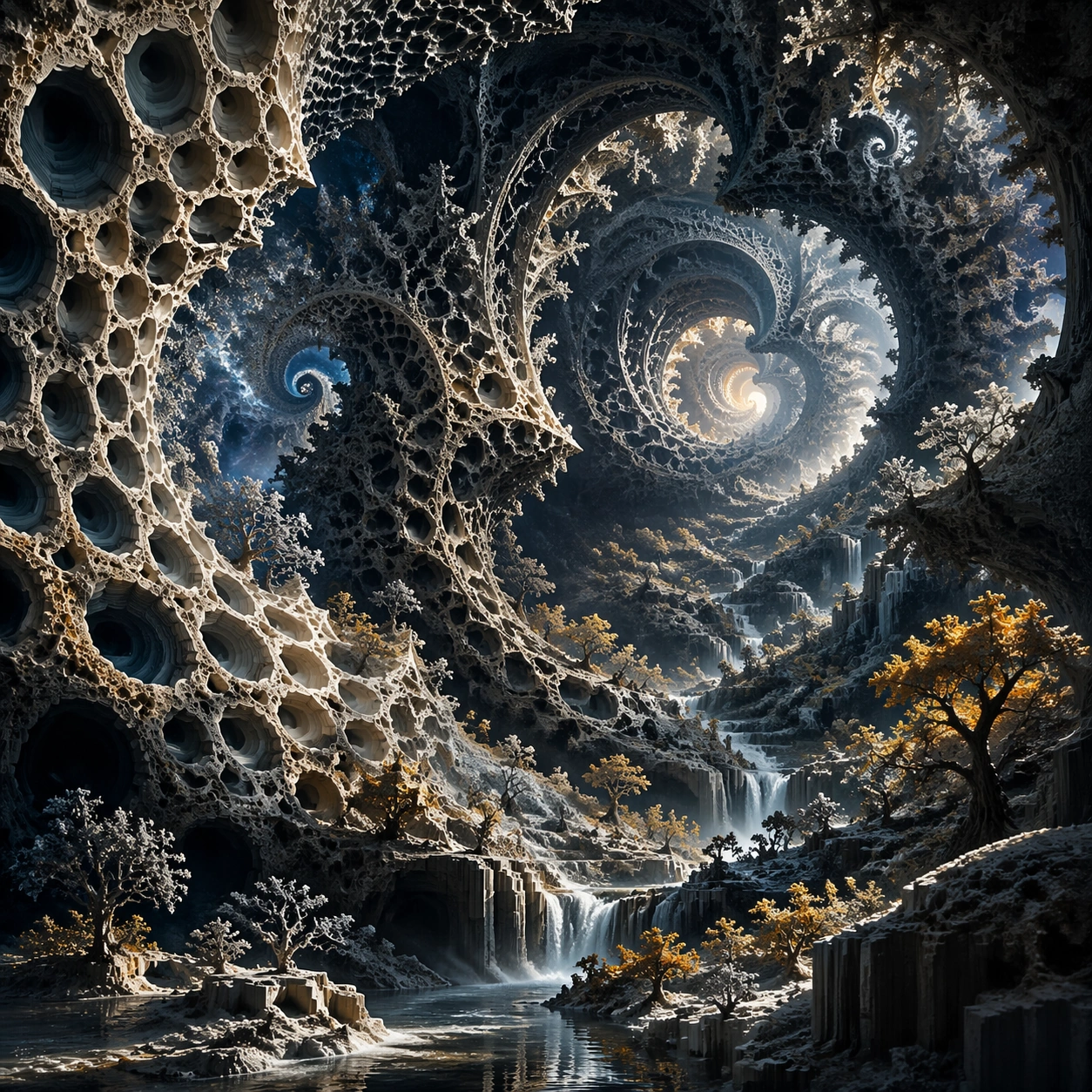
Example generated from “Fractal Generative Art — Hero Study”
GPT Image 2en

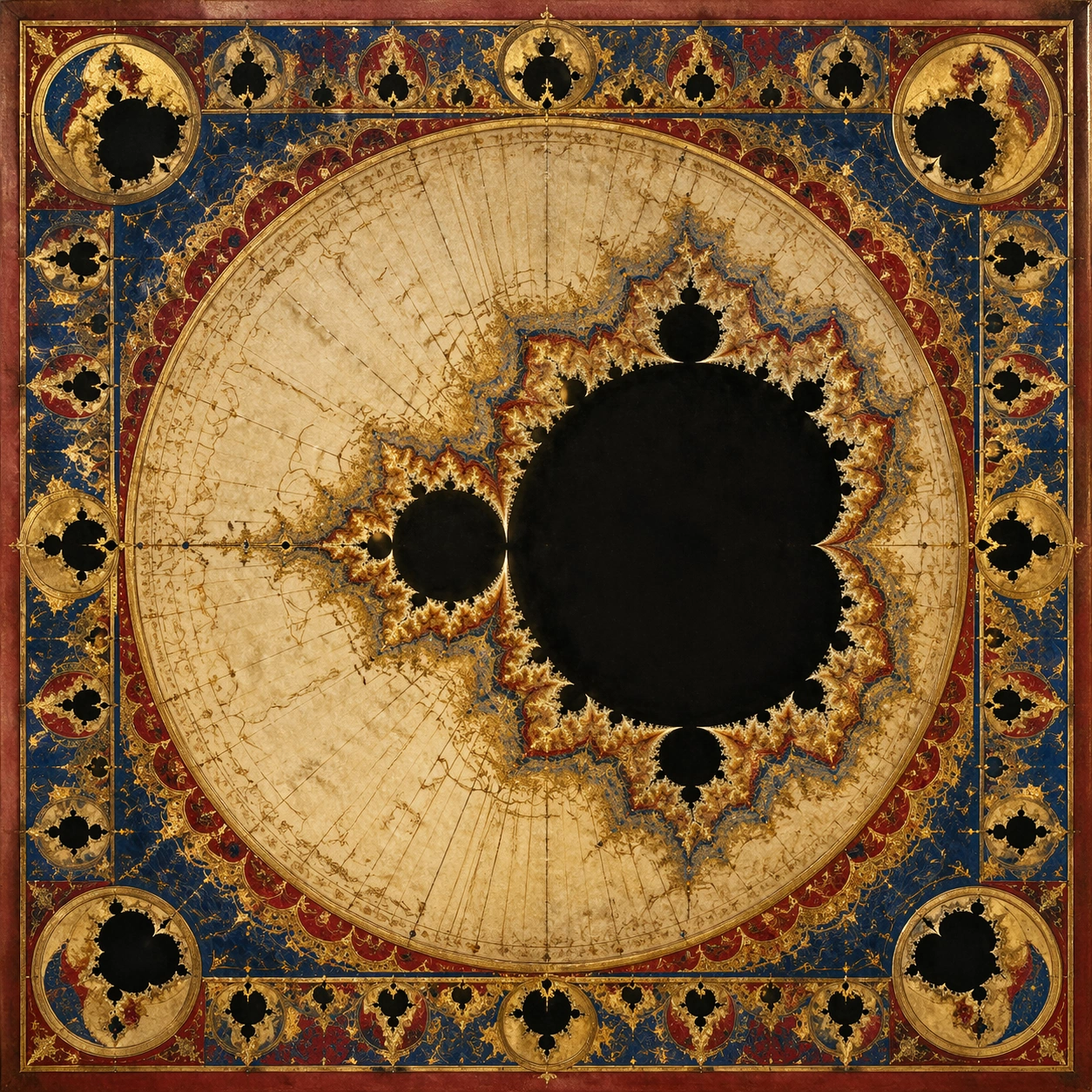
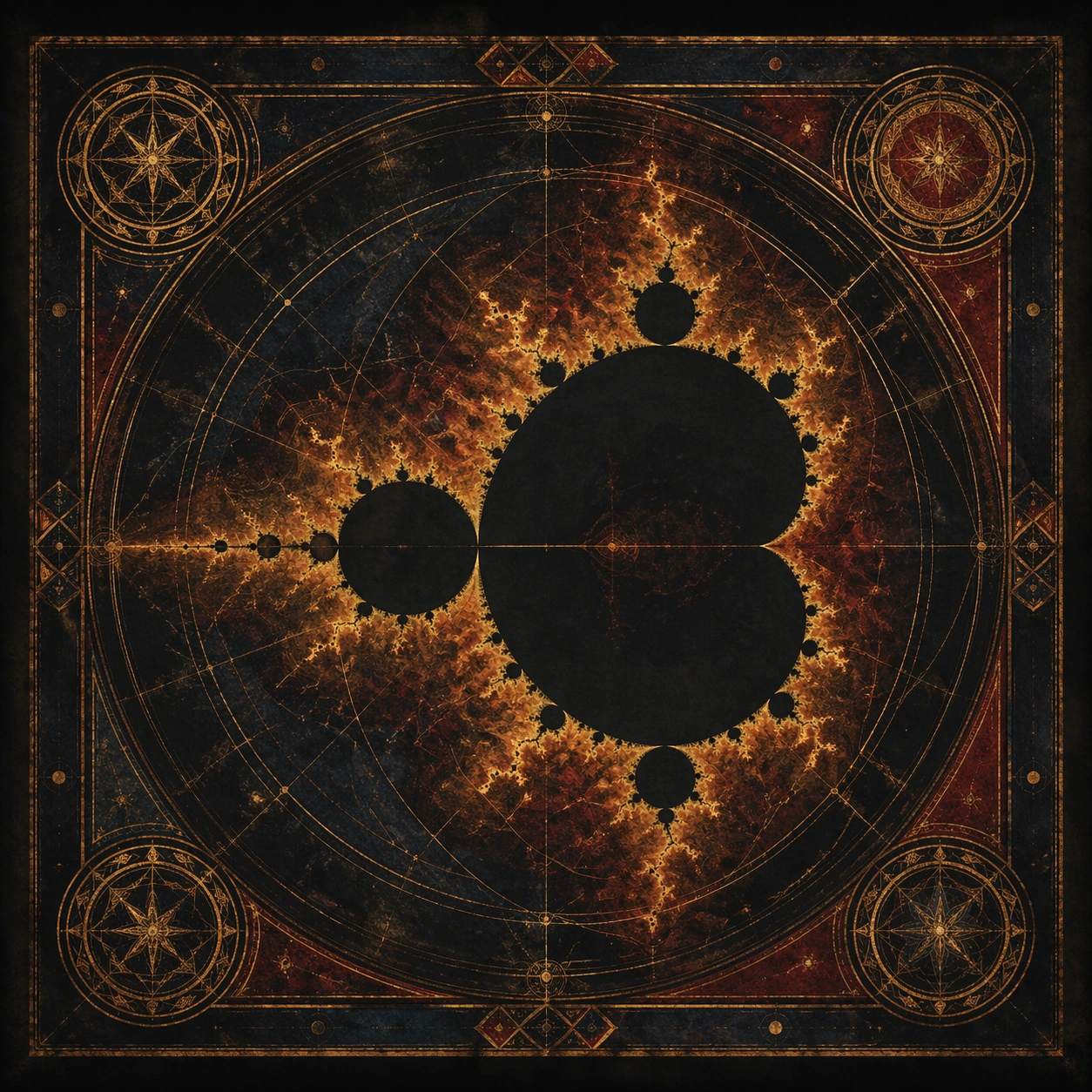
Scene: A square, exhibition-ready image with disciplined composition, coherent lighting, and an immediately readable central idea. Build the frame around the clearest possible statement of the topic. Keep the lighting, camera distance, and spatial organization tuned for a high-signal research image rather than a casual snapshot. The image belongs to the Fractal Generative Art theme and should feel immediately legible as a prompt atlas theme for fractal generative art, testing frontier-creative-composition with gpt image 2.. Subject: Center the study on the clearest possible statement of the topic. Translate the theme into a concrete visual statement instead of an abstract mood board: the viewer should understand what kind of image this is, what is being tested, and why the composition is difficult. Use the slug idea of fractal generative art as a literal guide for subject matter, materials, and staging. If helpful, borrow the broad visual cues suggested by Mandelbrot, Voronoi, Flow field, Reaction-diffusion, L-system, but keep the result original and specific to this study. Important details: The result should look intentional and technically difficult, with enough structure and material clarity to hold up under close inspection. Preserve a disciplined square composition, clear focal hierarchy, and enough secondary information to make the image feel complete rather than underspecified. The image should look polished, novel, and exhibition-ready, with topic-specific credibility coming from the way surfaces, structure, and visual language reinforce Fractal Generative Art. Avoid generic filler elements that do not serve the main concept. Use case: Fractal Generative Art single study 1/8, testing frontier-creative-composition through the hero study variation. Constraints: No readable text, no watermark, no logos, preserve exact 1:1 aspect ratio, no readable text, no watermark, no logos, no generic stock-photo staging, no broken composition, no muddy subject hierarchy.

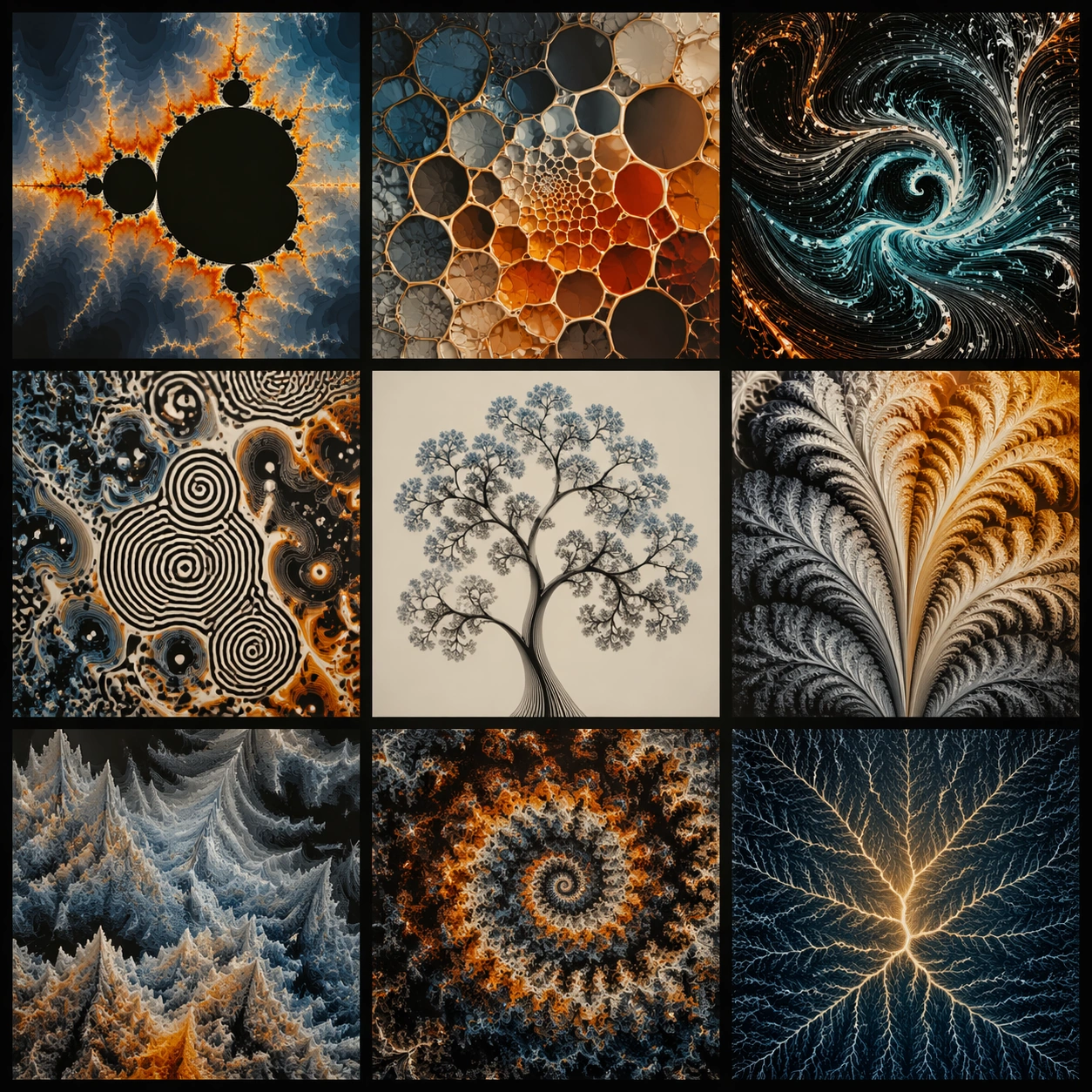
Example generated from “Fractal Generative Art — Variant Study”
GPT Image 2en

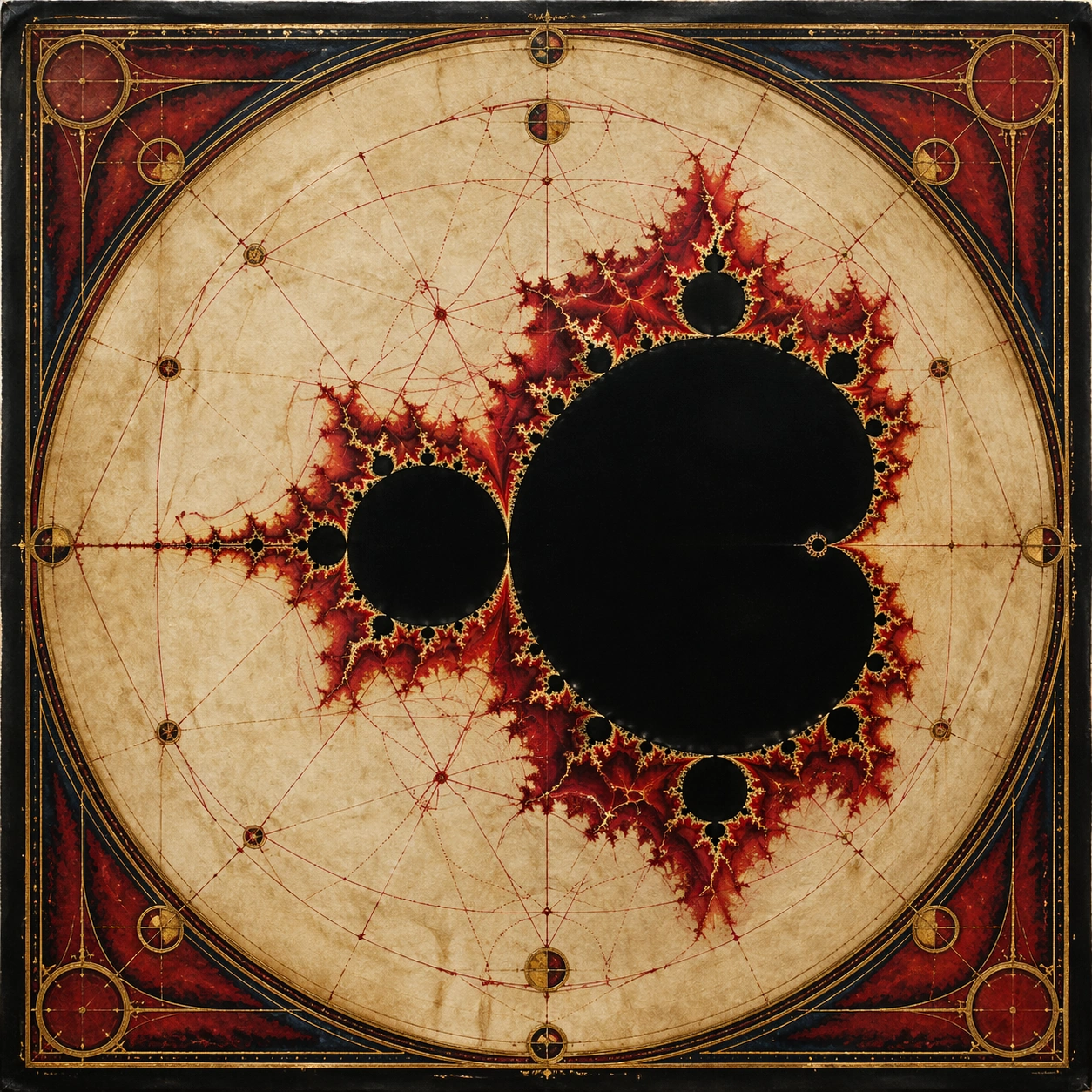
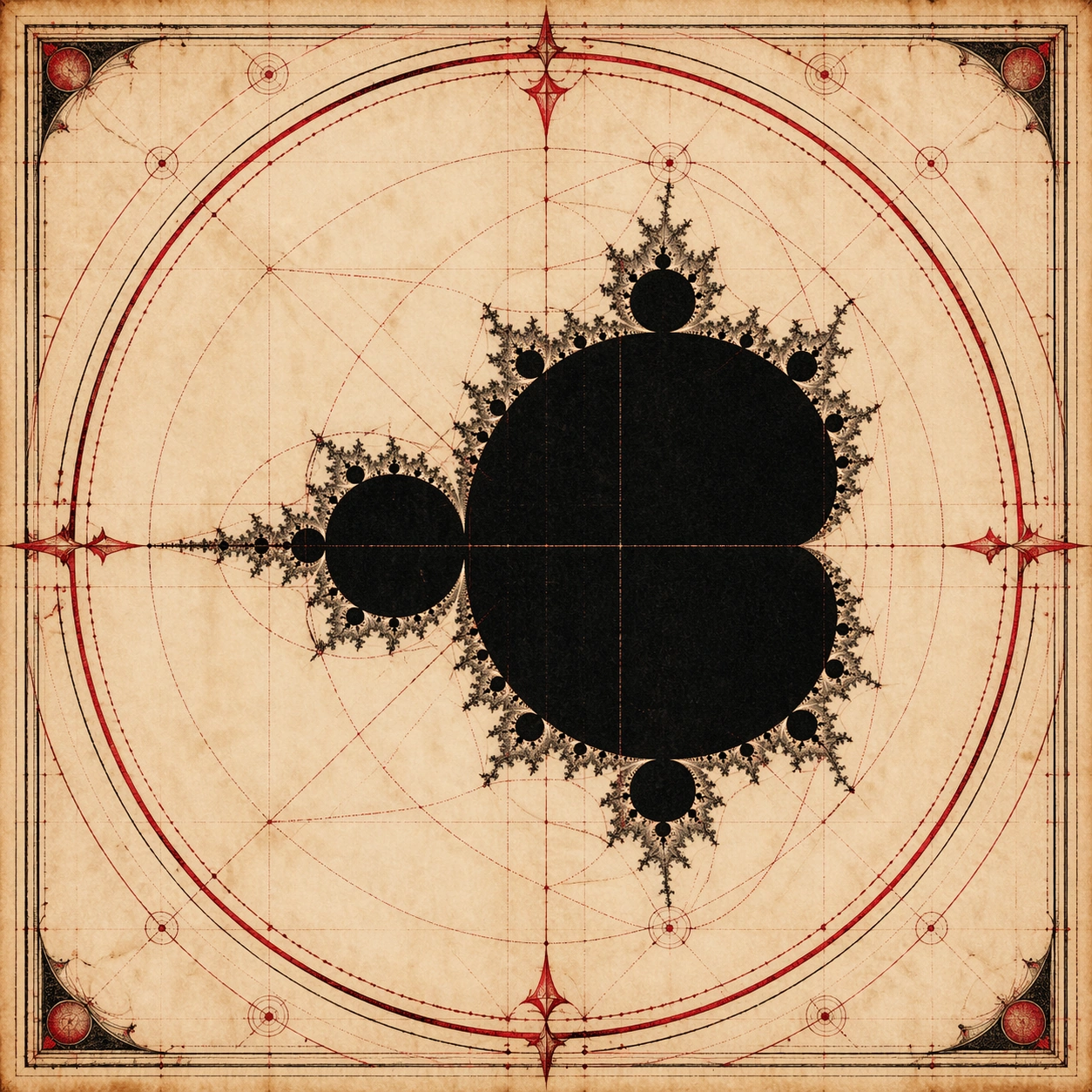
Scene: A square, exhibition-ready image with disciplined composition, coherent lighting, and an immediately readable central idea. Build the frame around a second angle that tests the idea under different conditions. Keep the lighting, camera distance, and spatial organization tuned for a high-signal research image rather than a casual snapshot. The image belongs to the Fractal Generative Art theme and should feel immediately legible as a prompt atlas theme for fractal generative art, testing frontier-creative-composition with gpt image 2.. Subject: Center the study on a second angle that tests the idea under different conditions. Translate the theme into a concrete visual statement instead of an abstract mood board: the viewer should understand what kind of image this is, what is being tested, and why the composition is difficult. Use the slug idea of fractal generative art as a literal guide for subject matter, materials, and staging. If helpful, borrow the broad visual cues suggested by Mandelbrot, Voronoi, Flow field, Reaction-diffusion, L-system, but keep the result original and specific to this study. Important details: The result should look intentional and technically difficult, with enough structure and material clarity to hold up under close inspection. Preserve a disciplined square composition, clear focal hierarchy, and enough secondary information to make the image feel complete rather than underspecified. The image should look polished, novel, and exhibition-ready, with topic-specific credibility coming from the way surfaces, structure, and visual language reinforce Fractal Generative Art. Avoid generic filler elements that do not serve the main concept. Use case: Fractal Generative Art single study 2/8, testing frontier-creative-composition through the variant study variation. Constraints: No readable text, no watermark, no logos, preserve exact 1:1 aspect ratio, no readable text, no watermark, no logos, no generic stock-photo staging, no broken composition, no muddy subject hierarchy.

Example generated from “Fractal Generative Art — Process Study”
GPT Image 2en

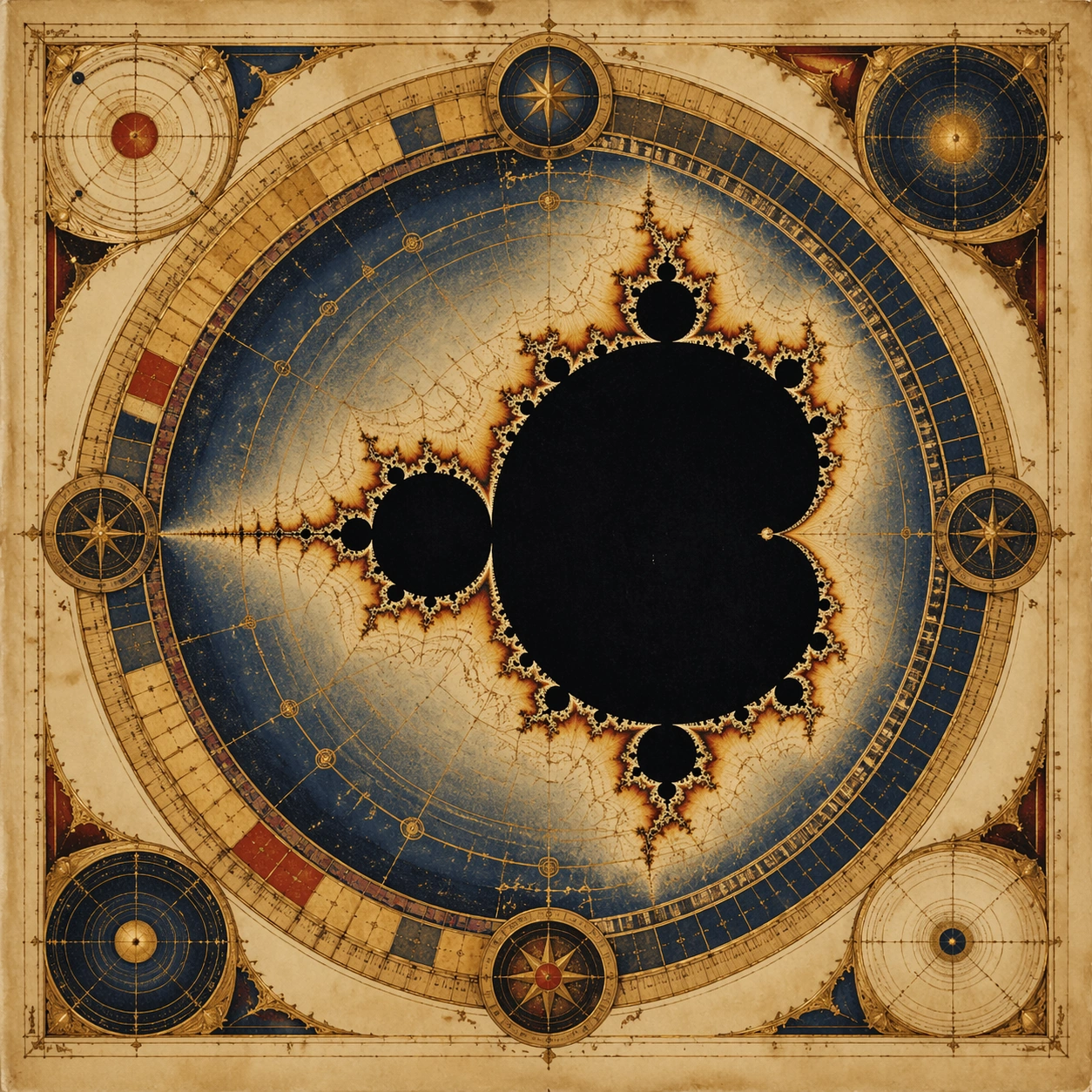
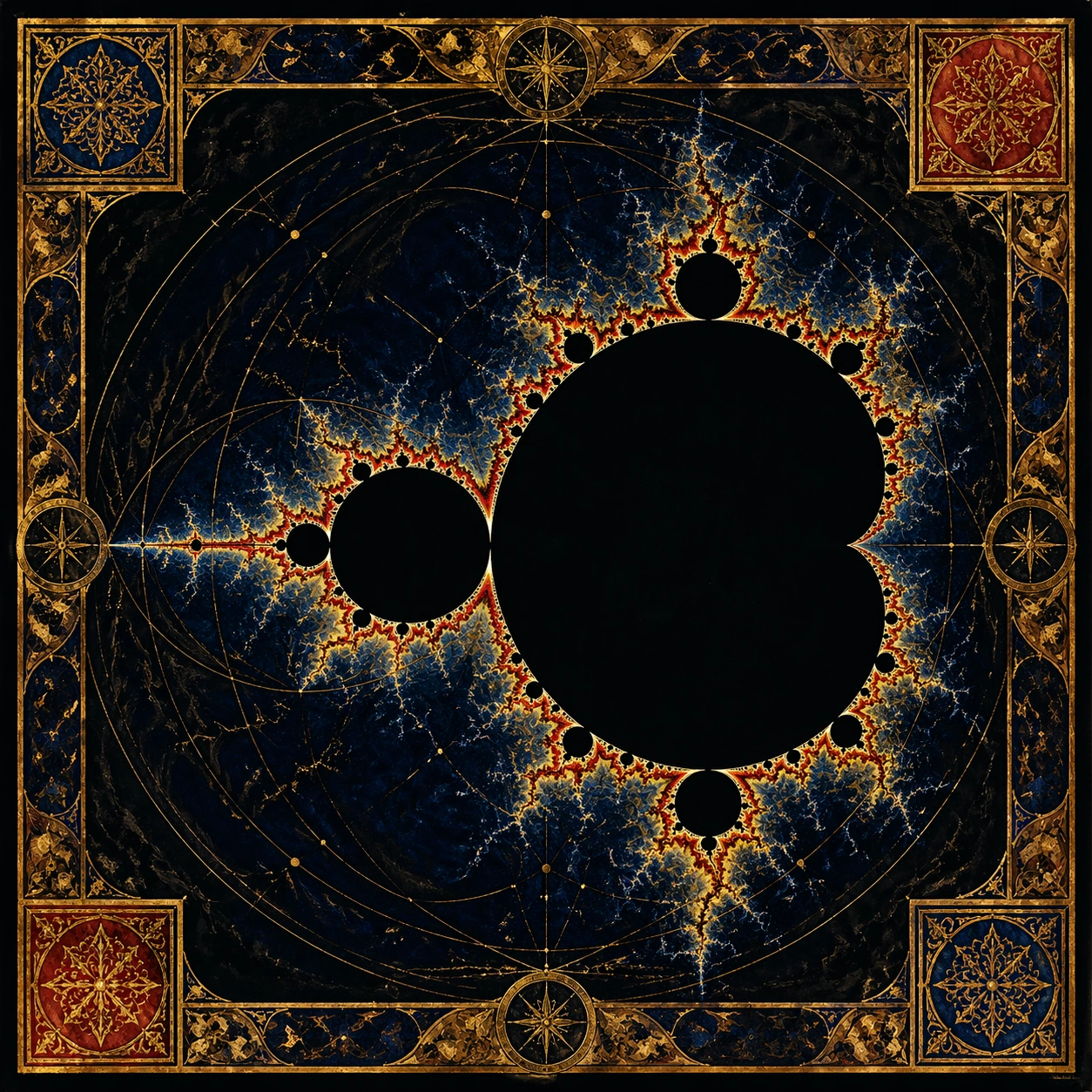
Scene: A square, exhibition-ready image with disciplined composition, coherent lighting, and an immediately readable central idea. Build the frame around visible traces of making, transformation, or staging. Keep the lighting, camera distance, and spatial organization tuned for a high-signal research image rather than a casual snapshot. The image belongs to the Fractal Generative Art theme and should feel immediately legible as a prompt atlas theme for fractal generative art, testing frontier-creative-composition with gpt image 2.. Subject: Center the study on visible traces of making, transformation, or staging. Translate the theme into a concrete visual statement instead of an abstract mood board: the viewer should understand what kind of image this is, what is being tested, and why the composition is difficult. Use the slug idea of fractal generative art as a literal guide for subject matter, materials, and staging. If helpful, borrow the broad visual cues suggested by Mandelbrot, Voronoi, Flow field, Reaction-diffusion, L-system, but keep the result original and specific to this study. Important details: The result should look intentional and technically difficult, with enough structure and material clarity to hold up under close inspection. Preserve a disciplined square composition, clear focal hierarchy, and enough secondary information to make the image feel complete rather than underspecified. The image should look polished, novel, and exhibition-ready, with topic-specific credibility coming from the way surfaces, structure, and visual language reinforce Fractal Generative Art. Avoid generic filler elements that do not serve the main concept. Use case: Fractal Generative Art single study 3/8, testing frontier-creative-composition through the process study variation. Constraints: No readable text, no watermark, no logos, preserve exact 1:1 aspect ratio, no readable text, no watermark, no logos, no generic stock-photo staging, no broken composition, no muddy subject hierarchy.

Example generated from “Fractal Generative Art — Detail Study”
GPT Image 2en

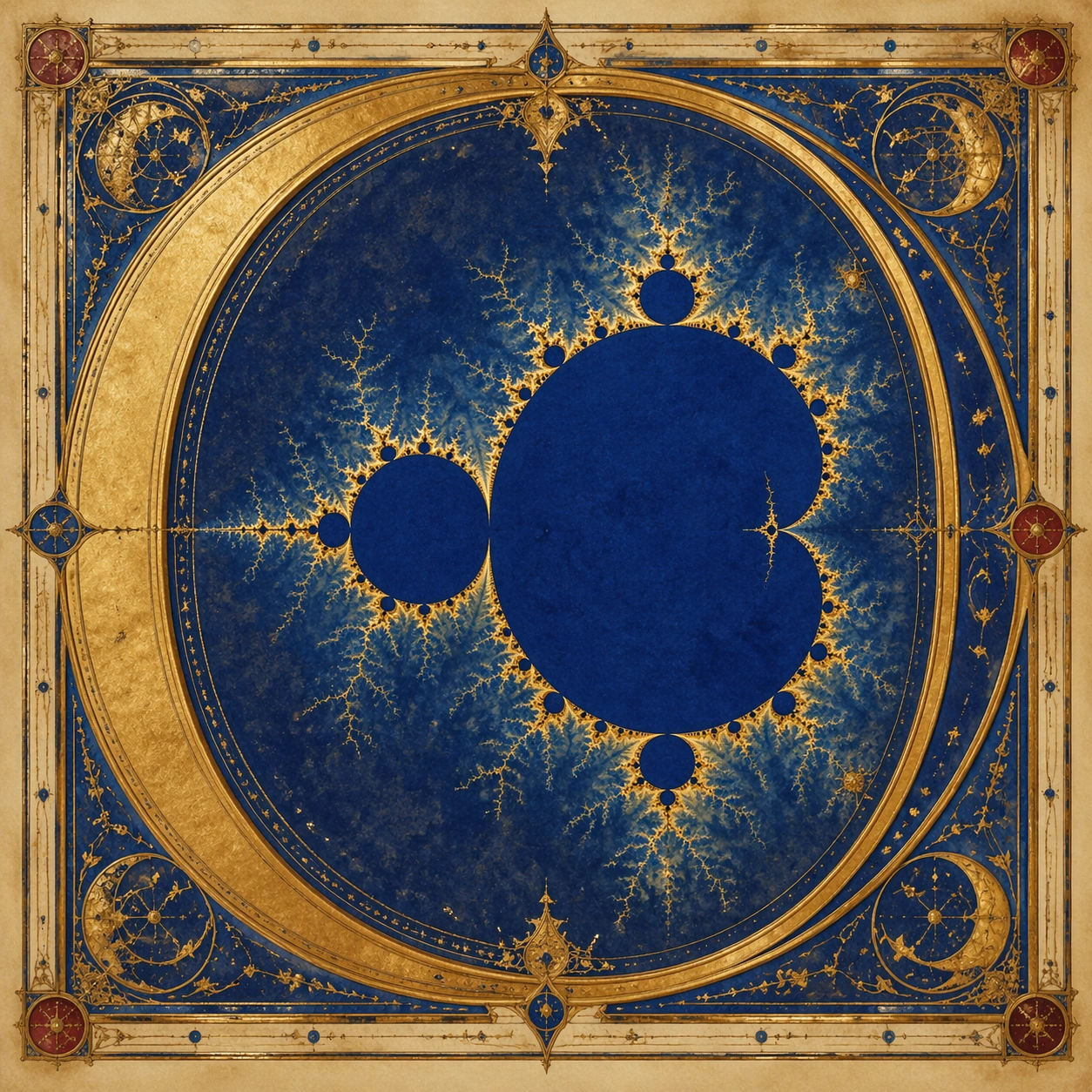
Scene: A square, exhibition-ready image with disciplined composition, coherent lighting, and an immediately readable central idea. Build the frame around close attention to one crucial part of the visual system. Keep the lighting, camera distance, and spatial organization tuned for a high-signal research image rather than a casual snapshot. The image belongs to the Fractal Generative Art theme and should feel immediately legible as a prompt atlas theme for fractal generative art, testing frontier-creative-composition with gpt image 2.. Subject: Center the study on close attention to one crucial part of the visual system. Translate the theme into a concrete visual statement instead of an abstract mood board: the viewer should understand what kind of image this is, what is being tested, and why the composition is difficult. Use the slug idea of fractal generative art as a literal guide for subject matter, materials, and staging. If helpful, borrow the broad visual cues suggested by Mandelbrot, Voronoi, Flow field, Reaction-diffusion, L-system, but keep the result original and specific to this study. Important details: The result should look intentional and technically difficult, with enough structure and material clarity to hold up under close inspection. Preserve a disciplined square composition, clear focal hierarchy, and enough secondary information to make the image feel complete rather than underspecified. The image should look polished, novel, and exhibition-ready, with topic-specific credibility coming from the way surfaces, structure, and visual language reinforce Fractal Generative Art. Avoid generic filler elements that do not serve the main concept. Use case: Fractal Generative Art single study 4/8, testing frontier-creative-composition through the detail study variation. Constraints: No readable text, no watermark, no logos, preserve exact 1:1 aspect ratio, no readable text, no watermark, no logos, no generic stock-photo staging, no broken composition, no muddy subject hierarchy.

Example generated from “Fractal Generative Art — Environment Study”
GPT Image 2en

Scene: A square, exhibition-ready image with disciplined composition, coherent lighting, and an immediately readable central idea. Build the frame around the topic placed into a broader believable context. Keep the lighting, camera distance, and spatial organization tuned for a high-signal research image rather than a casual snapshot. The image belongs to the Fractal Generative Art theme and should feel immediately legible as a prompt atlas theme for fractal generative art, testing frontier-creative-composition with gpt image 2.. Subject: Center the study on the topic placed into a broader believable context. Translate the theme into a concrete visual statement instead of an abstract mood board: the viewer should understand what kind of image this is, what is being tested, and why the composition is difficult. Use the slug idea of fractal generative art as a literal guide for subject matter, materials, and staging. If helpful, borrow the broad visual cues suggested by Mandelbrot, Voronoi, Flow field, Reaction-diffusion, L-system, but keep the result original and specific to this study. Important details: The result should look intentional and technically difficult, with enough structure and material clarity to hold up under close inspection. Preserve a disciplined square composition, clear focal hierarchy, and enough secondary information to make the image feel complete rather than underspecified. The image should look polished, novel, and exhibition-ready, with topic-specific credibility coming from the way surfaces, structure, and visual language reinforce Fractal Generative Art. Avoid generic filler elements that do not serve the main concept. Use case: Fractal Generative Art single study 5/8, testing frontier-creative-composition through the environment study variation. Constraints: No readable text, no watermark, no logos, preserve exact 1:1 aspect ratio, no readable text, no watermark, no logos, no generic stock-photo staging, no broken composition, no muddy subject hierarchy.

Example generated from “Fractal Generative Art — Comparison Study”
GPT Image 2en

Scene: A square, exhibition-ready image with disciplined composition, coherent lighting, and an immediately readable central idea. Build the frame around related elements organized into one comparative frame. Keep the lighting, camera distance, and spatial organization tuned for a high-signal research image rather than a casual snapshot. The image belongs to the Fractal Generative Art theme and should feel immediately legible as a prompt atlas theme for fractal generative art, testing frontier-creative-composition with gpt image 2.. Subject: Center the study on related elements organized into one comparative frame. Translate the theme into a concrete visual statement instead of an abstract mood board: the viewer should understand what kind of image this is, what is being tested, and why the composition is difficult. Use the slug idea of fractal generative art as a literal guide for subject matter, materials, and staging. If helpful, borrow the broad visual cues suggested by Mandelbrot, Voronoi, Flow field, Reaction-diffusion, L-system, but keep the result original and specific to this study. Important details: The result should look intentional and technically difficult, with enough structure and material clarity to hold up under close inspection. Preserve a disciplined square composition, clear focal hierarchy, and enough secondary information to make the image feel complete rather than underspecified. The image should look polished, novel, and exhibition-ready, with topic-specific credibility coming from the way surfaces, structure, and visual language reinforce Fractal Generative Art. Avoid generic filler elements that do not serve the main concept. Use case: Fractal Generative Art single study 6/8, testing frontier-creative-composition through the comparison study variation. Constraints: No readable text, no watermark, no logos, preserve exact 1:1 aspect ratio, no readable text, no watermark, no logos, no generic stock-photo staging, no broken composition, no muddy subject hierarchy.

Example generated from “Fractal Generative Art — System Study”
GPT Image 2en

Scene: A square, exhibition-ready image with disciplined composition, coherent lighting, and an immediately readable central idea. Build the frame around the topic shown as a coherent set rather than a single isolated element. Keep the lighting, camera distance, and spatial organization tuned for a high-signal research image rather than a casual snapshot. The image belongs to the Fractal Generative Art theme and should feel immediately legible as a prompt atlas theme for fractal generative art, testing frontier-creative-composition with gpt image 2.. Subject: Center the study on the topic shown as a coherent set rather than a single isolated element. Translate the theme into a concrete visual statement instead of an abstract mood board: the viewer should understand what kind of image this is, what is being tested, and why the composition is difficult. Use the slug idea of fractal generative art as a literal guide for subject matter, materials, and staging. If helpful, borrow the broad visual cues suggested by Mandelbrot, Voronoi, Flow field, Reaction-diffusion, L-system, but keep the result original and specific to this study. Important details: The result should look intentional and technically difficult, with enough structure and material clarity to hold up under close inspection. Preserve a disciplined square composition, clear focal hierarchy, and enough secondary information to make the image feel complete rather than underspecified. The image should look polished, novel, and exhibition-ready, with topic-specific credibility coming from the way surfaces, structure, and visual language reinforce Fractal Generative Art. Avoid generic filler elements that do not serve the main concept. Use case: Fractal Generative Art single study 7/8, testing frontier-creative-composition through the system study variation. Constraints: No readable text, no watermark, no logos, preserve exact 1:1 aspect ratio, no readable text, no watermark, no logos, no generic stock-photo staging, no broken composition, no muddy subject hierarchy.

Example generated from “Fractal Generative Art — Signature Study”
GPT Image 2en

Scene: A square, exhibition-ready image with disciplined composition, coherent lighting, and an immediately readable central idea. Build the frame around the strongest final articulation of the theme. Keep the lighting, camera distance, and spatial organization tuned for a high-signal research image rather than a casual snapshot. The image belongs to the Fractal Generative Art theme and should feel immediately legible as a prompt atlas theme for fractal generative art, testing frontier-creative-composition with gpt image 2.. Subject: Center the study on the strongest final articulation of the theme. Translate the theme into a concrete visual statement instead of an abstract mood board: the viewer should understand what kind of image this is, what is being tested, and why the composition is difficult. Use the slug idea of fractal generative art as a literal guide for subject matter, materials, and staging. If helpful, borrow the broad visual cues suggested by Mandelbrot, Voronoi, Flow field, Reaction-diffusion, L-system, but keep the result original and specific to this study. Important details: The result should look intentional and technically difficult, with enough structure and material clarity to hold up under close inspection. Preserve a disciplined square composition, clear focal hierarchy, and enough secondary information to make the image feel complete rather than underspecified. The image should look polished, novel, and exhibition-ready, with topic-specific credibility coming from the way surfaces, structure, and visual language reinforce Fractal Generative Art. Avoid generic filler elements that do not serve the main concept. Use case: Fractal Generative Art single study 8/8, testing frontier-creative-composition through the signature study variation. Constraints: No readable text, no watermark, no logos, preserve exact 1:1 aspect ratio, no readable text, no watermark, no logos, no generic stock-photo staging, no broken composition, no muddy subject hierarchy.

Example generated from “Fractal Mandelbrot Manuscript — Illuminated Core Folio”
GPT Image 2en

Scene: Create a square image that feels like a rare manuscript folio, archive plate, or sacred study sheet viewed head on under conservation lighting. The surface should show believable vellum, paper, pigment, or metal behavior, while the central fractal structure remains sharp enough to suggest true recursive depth rather than ornamental swirling. Present it as a conserved folio under soft archival light, absolutely flat to the viewer. Keep the square crop exact, the camera flat, and the tonal design disciplined enough that structure stays clear at poster scale and under close inspection. Subject: Use a Mandelbrot-like fractal form as the main visual intelligence of the piece, preserving nested bulb logic, recursive echo, and progressive detail bands. Surround it with borders, illumination, heraldic framing, or scholarly layout devices only when they support the sense that the fractal is being reverently studied as a sacred visual phenomenon. Focus this variation on a parchment master page centered on a richly illuminated fractal with gold accents and strict recursive clarity. The composition should feel complete and singular, as though one finished artifact has been resolved with full conviction rather than one fragment pulled from a larger sheet. Important details: Recursive structure must stay convincing at multiple scales. The image can feel historical, but it should not become naive fantasy illustration. Use gold accents, cochineal reds, lapis blues, smoke shadows, and parchment wear with restraint so the mathematical body of the fractal remains the hero of the composition. Use gold leaf points, cochineal red borders, and steady shadow only to frame the recursion rather than compete with it. Preserve crisp edge behavior, stable hierarchy, and enough fine information that the image rewards slow viewing without losing the main read from a distance. Use case: Mandelbrot Manuscript single study 1/9, designed as a self-contained sacred-geometry image with a distinct material and compositional emphasis. Constraints: No readable text, no watermark, no logos, preserve exact 1:1 aspect ratio, no readable script, no random fantasy monsters, no muddy fractal edge, no cheap clip-art border, no torn parchment dominating the frame, no ornamental clutter that hides recursion, no soft decorative blur, no loose calligraphy, no off-center page block.

Example generated from “Fractal Mandelbrot Manuscript — Seahorse Marginalia”
GPT Image 2en

Scene: Create a square image that feels like a rare manuscript folio, archive plate, or sacred study sheet viewed head on under conservation lighting. The surface should show believable vellum, paper, pigment, or metal behavior, while the central fractal structure remains sharp enough to suggest true recursive depth rather than ornamental swirling. Keep the page symmetrical enough to feel curated, with warm vellum and cool shadow balance. Keep the square crop exact, the camera flat, and the tonal design disciplined enough that structure stays clear at poster scale and under close inspection. Subject: Use a Mandelbrot-like fractal form as the main visual intelligence of the piece, preserving nested bulb logic, recursive echo, and progressive detail bands. Surround it with borders, illumination, heraldic framing, or scholarly layout devices only when they support the sense that the fractal is being reverently studied as a sacred visual phenomenon. Focus this variation on a page focused on one famous seahorse-like recursive bay, surrounded by abstract illuminated marginal systems. The composition should feel complete and singular, as though one finished artifact has been resolved with full conviction rather than one fragment pulled from a larger sheet. Important details: Recursive structure must stay convincing at multiple scales. The image can feel historical, but it should not become naive fantasy illustration. Use gold accents, cochineal reds, lapis blues, smoke shadows, and parchment wear with restraint so the mathematical body of the fractal remains the hero of the composition. The margin devices should stay non-readable and secondary, while the recursive coastline remains sharply articulated. Preserve crisp edge behavior, stable hierarchy, and enough fine information that the image rewards slow viewing without losing the main read from a distance. Use case: Mandelbrot Manuscript single study 2/9, designed as a self-contained sacred-geometry image with a distinct material and compositional emphasis. Constraints: No readable text, no watermark, no logos, preserve exact 1:1 aspect ratio, no readable script, no random fantasy monsters, no muddy fractal edge, no cheap clip-art border, no torn parchment dominating the frame, no ornamental clutter that hides recursion, no readable notes, no cartoon sea imagery, no warped page perspective.

Example generated from “Fractal Mandelbrot Manuscript — Gilded Border Recursion”
GPT Image 2en

Scene: Create a square image that feels like a rare manuscript folio, archive plate, or sacred study sheet viewed head on under conservation lighting. The surface should show believable vellum, paper, pigment, or metal behavior, while the central fractal structure remains sharp enough to suggest true recursive depth rather than ornamental swirling. Treat the image as a luxury manuscript leaf with disciplined gilding and stable frontal presentation. Keep the square crop exact, the camera flat, and the tonal design disciplined enough that structure stays clear at poster scale and under close inspection. Subject: Use a Mandelbrot-like fractal form as the main visual intelligence of the piece, preserving nested bulb logic, recursive echo, and progressive detail bands. Surround it with borders, illumination, heraldic framing, or scholarly layout devices only when they support the sense that the fractal is being reverently studied as a sacred visual phenomenon. Focus this variation on a more decorative plate where the page border echoes the fractal logic in miniature repeating illuminations. The composition should feel complete and singular, as though one finished artifact has been resolved with full conviction rather than one fragment pulled from a larger sheet. Important details: Recursive structure must stay convincing at multiple scales. The image can feel historical, but it should not become naive fantasy illustration. Use gold accents, cochineal reds, lapis blues, smoke shadows, and parchment wear with restraint so the mathematical body of the fractal remains the hero of the composition. Make the border mirror the recursion intelligently, and avoid letting the frame overpower the central mathematical form. Preserve crisp edge behavior, stable hierarchy, and enough fine information that the image rewards slow viewing without losing the main read from a distance. Use case: Mandelbrot Manuscript single study 3/9, designed as a self-contained sacred-geometry image with a distinct material and compositional emphasis. Constraints: No readable text, no watermark, no logos, preserve exact 1:1 aspect ratio, no readable script, no random fantasy monsters, no muddy fractal edge, no cheap clip-art border, no torn parchment dominating the frame, no ornamental clutter that hides recursion, no repetitive wallpaper border, no cheap fantasy ornament, no unstable center.
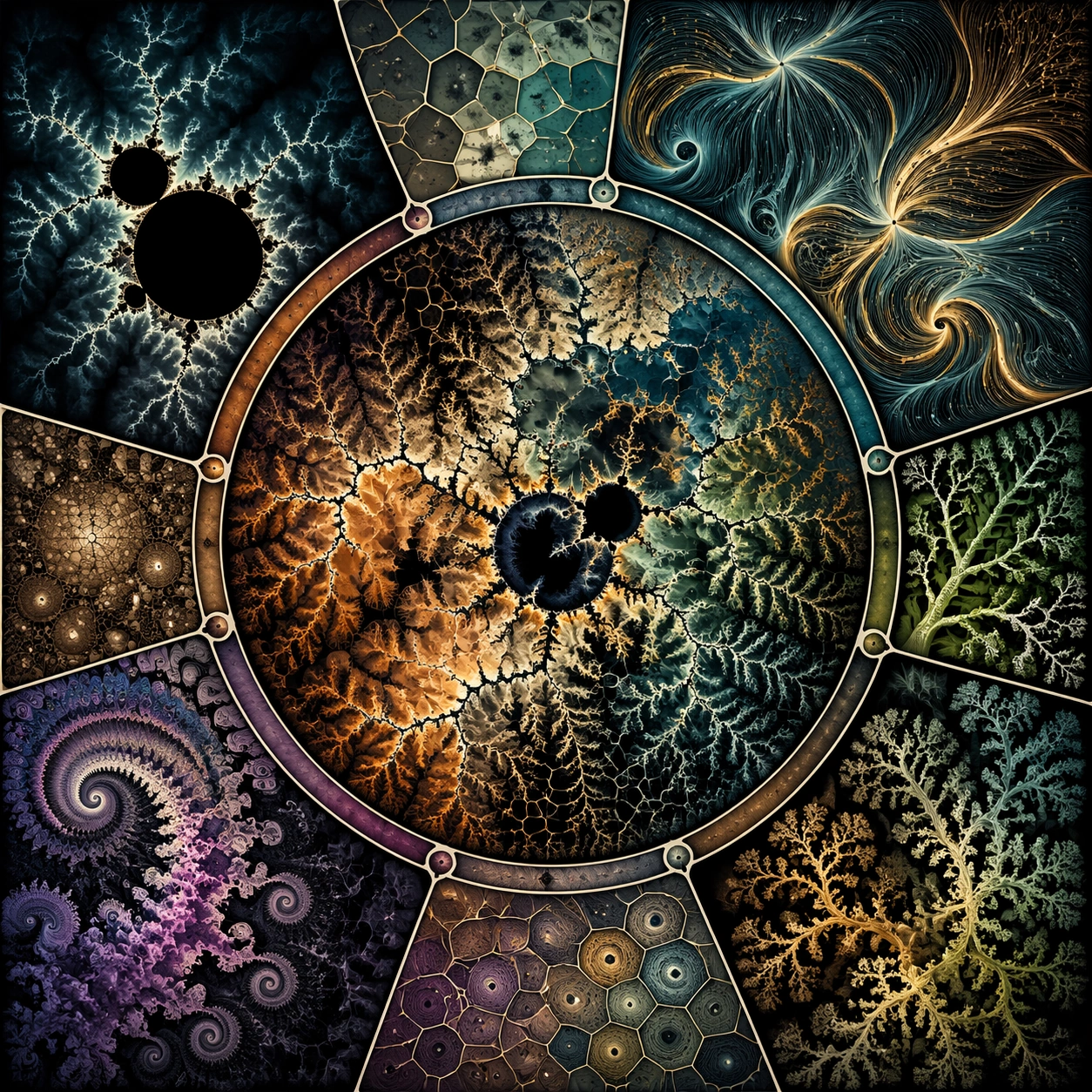
Example generated from “Fractal Mandelbrot Manuscript — Ink Bloom Zoom”
GPT Image 2en

Scene: Create a square image that feels like a rare manuscript folio, archive plate, or sacred study sheet viewed head on under conservation lighting. The surface should show believable vellum, paper, pigment, or metal behavior, while the central fractal structure remains sharp enough to suggest true recursive depth rather than ornamental swirling. Render it like a scholarly close study on vellum with deep blacks, dried crimson washes, and careful spotlighting. Keep the square crop exact, the camera flat, and the tonal design disciplined enough that structure stays clear at poster scale and under close inspection. Subject: Use a Mandelbrot-like fractal form as the main visual intelligence of the piece, preserving nested bulb logic, recursive echo, and progressive detail bands. Surround it with borders, illumination, heraldic framing, or scholarly layout devices only when they support the sense that the fractal is being reverently studied as a sacred visual phenomenon. Focus this variation on a close-study page emphasizing black-red ink transitions and the recursive bloom of the central set. The composition should feel complete and singular, as though one finished artifact has been resolved with full conviction rather than one fragment pulled from a larger sheet. Important details: Recursive structure must stay convincing at multiple scales. The image can feel historical, but it should not become naive fantasy illustration. Use gold accents, cochineal reds, lapis blues, smoke shadows, and parchment wear with restraint so the mathematical body of the fractal remains the hero of the composition. The zoomed region should still retain recognizable self-similar logic, with edge precision stronger than painterly texture. Preserve crisp edge behavior, stable hierarchy, and enough fine information that the image rewards slow viewing without losing the main read from a distance. Use case: Mandelbrot Manuscript single study 4/9, designed as a self-contained sacred-geometry image with a distinct material and compositional emphasis. Constraints: No readable text, no watermark, no logos, preserve exact 1:1 aspect ratio, no readable script, no random fantasy monsters, no muddy fractal edge, no cheap clip-art border, no torn parchment dominating the frame, no ornamental clutter that hides recursion, no watercolor mush, no abstract stain without structure, no unreadable center.

Example generated from “Fractal Mandelbrot Manuscript — Astronomical Scriptorium”
GPT Image 2en

Scene: Create a square image that feels like a rare manuscript folio, archive plate, or sacred study sheet viewed head on under conservation lighting. The surface should show believable vellum, paper, pigment, or metal behavior, while the central fractal structure remains sharp enough to suggest true recursive depth rather than ornamental swirling. Keep the layout stately and archival, as if a scholar had integrated cosmic observation with recursive study. Keep the square crop exact, the camera flat, and the tonal design disciplined enough that structure stays clear at poster scale and under close inspection. Subject: Use a Mandelbrot-like fractal form as the main visual intelligence of the piece, preserving nested bulb logic, recursive echo, and progressive detail bands. Surround it with borders, illumination, heraldic framing, or scholarly layout devices only when they support the sense that the fractal is being reverently studied as a sacred visual phenomenon. Focus this variation on a manuscript plate that links the fractal to celestial diagrams, compass rings, and pseudo-observational motifs. The composition should feel complete and singular, as though one finished artifact has been resolved with full conviction rather than one fragment pulled from a larger sheet. Important details: Recursive structure must stay convincing at multiple scales. The image can feel historical, but it should not become naive fantasy illustration. Use gold accents, cochineal reds, lapis blues, smoke shadows, and parchment wear with restraint so the mathematical body of the fractal remains the hero of the composition. Any auxiliary circles or stars must reinforce scale and wonder without undermining the recognizable fractal body. Preserve crisp edge behavior, stable hierarchy, and enough fine information that the image rewards slow viewing without losing the main read from a distance. Use case: Mandelbrot Manuscript single study 5/9, designed as a self-contained sacred-geometry image with a distinct material and compositional emphasis. Constraints: No readable text, no watermark, no logos, preserve exact 1:1 aspect ratio, no readable script, no random fantasy monsters, no muddy fractal edge, no cheap clip-art border, no torn parchment dominating the frame, no ornamental clutter that hides recursion, no random horoscope wheel, no star clutter, no literal telescope scene.

Example generated from “Fractal Mandelbrot Manuscript — Lapis Initial Page”
GPT Image 2en

Scene: Create a square image that feels like a rare manuscript folio, archive plate, or sacred study sheet viewed head on under conservation lighting. The surface should show believable vellum, paper, pigment, or metal behavior, while the central fractal structure remains sharp enough to suggest true recursive depth rather than ornamental swirling. Use lapis, ivory, and gold with gentle page grain and a calm, front-facing conservation view. Keep the square crop exact, the camera flat, and the tonal design disciplined enough that structure stays clear at poster scale and under close inspection. Subject: Use a Mandelbrot-like fractal form as the main visual intelligence of the piece, preserving nested bulb logic, recursive echo, and progressive detail bands. Surround it with borders, illumination, heraldic framing, or scholarly layout devices only when they support the sense that the fractal is being reverently studied as a sacred visual phenomenon. Focus this variation on a blue-and-gold page where the fractal sits inside an illuminated initial-like cartouche without readable lettering. The composition should feel complete and singular, as though one finished artifact has been resolved with full conviction rather than one fragment pulled from a larger sheet. Important details: Recursive structure must stay convincing at multiple scales. The image can feel historical, but it should not become naive fantasy illustration. Use gold accents, cochineal reds, lapis blues, smoke shadows, and parchment wear with restraint so the mathematical body of the fractal remains the hero of the composition. Let the cartouche behave as framing architecture only; the recursive silhouette must remain the unmistakable protagonist. Preserve crisp edge behavior, stable hierarchy, and enough fine information that the image rewards slow viewing without losing the main read from a distance. Use case: Mandelbrot Manuscript single study 6/9, designed as a self-contained sacred-geometry image with a distinct material and compositional emphasis. Constraints: No readable text, no watermark, no logos, preserve exact 1:1 aspect ratio, no readable script, no random fantasy monsters, no muddy fractal edge, no cheap clip-art border, no torn parchment dominating the frame, no ornamental clutter that hides recursion, no readable initials, no medieval parody, no oversized ornament swallowing the fractal.

Example generated from “Fractal Mandelbrot Manuscript — Candle Smoke Archive”
GPT Image 2en

Scene: Create a square image that feels like a rare manuscript folio, archive plate, or sacred study sheet viewed head on under conservation lighting. The surface should show believable vellum, paper, pigment, or metal behavior, while the central fractal structure remains sharp enough to suggest true recursive depth rather than ornamental swirling. Maintain stillness and exact recursion even though the mood is dim and aged. Keep the square crop exact, the camera flat, and the tonal design disciplined enough that structure stays clear at poster scale and under close inspection. Subject: Use a Mandelbrot-like fractal form as the main visual intelligence of the piece, preserving nested bulb logic, recursive echo, and progressive detail bands. Surround it with borders, illumination, heraldic framing, or scholarly layout devices only when they support the sense that the fractal is being reverently studied as a sacred visual phenomenon. Focus this variation on a darker archive sheet with soot-tinted edges and a warm central fractal illuminated by sparse candlelike light. The composition should feel complete and singular, as though one finished artifact has been resolved with full conviction rather than one fragment pulled from a larger sheet. Important details: Recursive structure must stay convincing at multiple scales. The image can feel historical, but it should not become naive fantasy illustration. Use gold accents, cochineal reds, lapis blues, smoke shadows, and parchment wear with restraint so the mathematical body of the fractal remains the hero of the composition. Smoke tint and edge wear should be subtle, while the fractal remains crisp enough to reward close inspection. Preserve crisp edge behavior, stable hierarchy, and enough fine information that the image rewards slow viewing without losing the main read from a distance. Use case: Mandelbrot Manuscript single study 7/9, designed as a self-contained sacred-geometry image with a distinct material and compositional emphasis. Constraints: No readable text, no watermark, no logos, preserve exact 1:1 aspect ratio, no readable script, no random fantasy monsters, no muddy fractal edge, no cheap clip-art border, no torn parchment dominating the frame, no ornamental clutter that hides recursion, no burnt holes, no dramatic fire, no murky center.
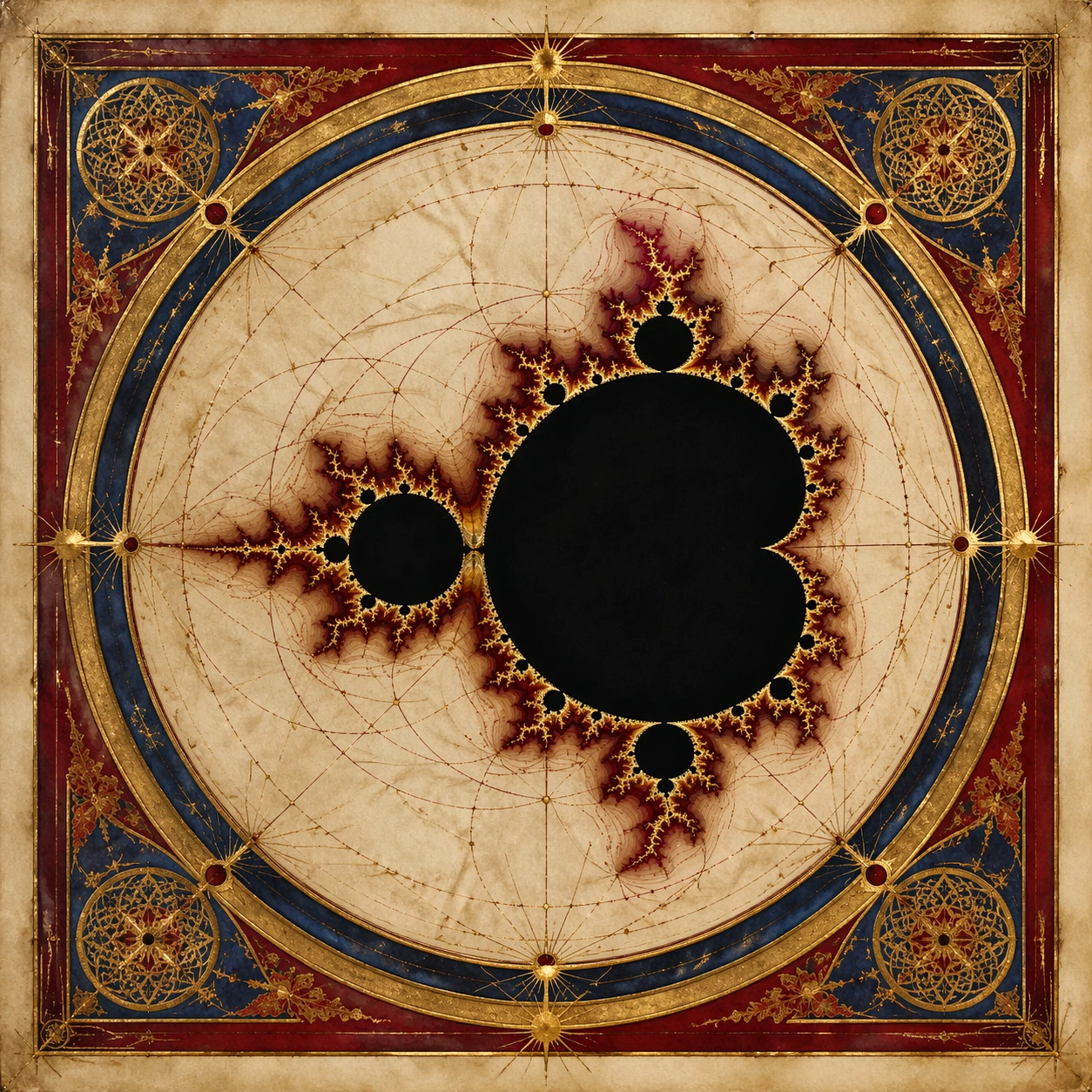
Example generated from “Fractal Mandelbrot Manuscript — Red Black Diagram”
GPT Image 2en

Scene: Create a square image that feels like a rare manuscript folio, archive plate, or sacred study sheet viewed head on under conservation lighting. The surface should show believable vellum, paper, pigment, or metal behavior, while the central fractal structure remains sharp enough to suggest true recursive depth rather than ornamental swirling. Present it as an austere archive diagram with strong contrast and almost no extraneous decoration. Keep the square crop exact, the camera flat, and the tonal design disciplined enough that structure stays clear at poster scale and under close inspection. Subject: Use a Mandelbrot-like fractal form as the main visual intelligence of the piece, preserving nested bulb logic, recursive echo, and progressive detail bands. Surround it with borders, illumination, heraldic framing, or scholarly layout devices only when they support the sense that the fractal is being reverently studied as a sacred visual phenomenon. Focus this variation on a severe two-tone study where black ink recursion and red guiding bands create a scholarly sacred plate. The composition should feel complete and singular, as though one finished artifact has been resolved with full conviction rather than one fragment pulled from a larger sheet. Important details: Recursive structure must stay convincing at multiple scales. The image can feel historical, but it should not become naive fantasy illustration. Use gold accents, cochineal reds, lapis blues, smoke shadows, and parchment wear with restraint so the mathematical body of the fractal remains the hero of the composition. Use the red only to guide hierarchy and framing, never to replace the underlying recursive logic. Preserve crisp edge behavior, stable hierarchy, and enough fine information that the image rewards slow viewing without losing the main read from a distance. Use case: Mandelbrot Manuscript single study 8/9, designed as a self-contained sacred-geometry image with a distinct material and compositional emphasis. Constraints: No readable text, no watermark, no logos, preserve exact 1:1 aspect ratio, no readable script, no random fantasy monsters, no muddy fractal edge, no cheap clip-art border, no torn parchment dominating the frame, no ornamental clutter that hides recursion, no propaganda poster feel, no readable rubrication, no accidental modern graph style.

Example generated from “Fractal Mandelbrot Manuscript — Velvet Frontispiece”
GPT Image 2en

Scene: Create a square image that feels like a rare manuscript folio, archive plate, or sacred study sheet viewed head on under conservation lighting. The surface should show believable vellum, paper, pigment, or metal behavior, while the central fractal structure remains sharp enough to suggest true recursive depth rather than ornamental swirling. Keep the framing ceremonial and frontal, with dense darkness surrounding a carefully lit sacred image panel. Keep the square crop exact, the camera flat, and the tonal design disciplined enough that structure stays clear at poster scale and under close inspection. Subject: Use a Mandelbrot-like fractal form as the main visual intelligence of the piece, preserving nested bulb logic, recursive echo, and progressive detail bands. Surround it with borders, illumination, heraldic framing, or scholarly layout devices only when they support the sense that the fractal is being reverently studied as a sacred visual phenomenon. Focus this variation on a luxurious frontispiece interpretation where the fractal glows against velvet-like darkness and precious illumination. The composition should feel complete and singular, as though one finished artifact has been resolved with full conviction rather than one fragment pulled from a larger sheet. Important details: Recursive structure must stay convincing at multiple scales. The image can feel historical, but it should not become naive fantasy illustration. Use gold accents, cochineal reds, lapis blues, smoke shadows, and parchment wear with restraint so the mathematical body of the fractal remains the hero of the composition. The luxury mood should never erase self-similarity; each nested bulb and spiral echo must remain believable. Preserve crisp edge behavior, stable hierarchy, and enough fine information that the image rewards slow viewing without losing the main read from a distance. Use case: Mandelbrot Manuscript single study 9/9, designed as a self-contained sacred-geometry image with a distinct material and compositional emphasis. Constraints: No readable text, no watermark, no logos, preserve exact 1:1 aspect ratio, no readable script, no random fantasy monsters, no muddy fractal edge, no cheap clip-art border, no torn parchment dominating the frame, no ornamental clutter that hides recursion, no jewelry product shot styling, no random crown motifs, no blurred recursion.

Example generated from “French Bistro Print And Table Culture — Reference Anchor”
GPT Image 2en

Scene: Create a square reference image for French Bistro Print and Table Culture. Build a reference anchor establishing the core system with a premium, production-ready finish. Use a polished modular board or campaign surface with clean spacing, premium game-UI finish, and clear focal hierarchy. The composition should feel intentional, clean, and reusable for gallery, research, campaign, or internal handoff contexts. Lighting must support readability first, with the main forms clearly separated from the background and enough breathing room for the system to stay legible at both hero scale and thumbnail scale. Subject: Center a coherent original game-art system built for premium production and marketing surfaces. For this image, focus on reference anchor. Keep the same system logic stable across screenshots, cards, banners, and overview boards. This image is the canonical anchor that later series images must follow. The viewer should immediately understand what role this surface plays inside a cohesive game-production asset pack. Important details: Lock framing, icon grammar, palette blocking, and surface hierarchy so the kit feels production-ready and consistent. Preserve the core silhouette, framing language, and material logic from the reference image while each variation changes function. Keep materials believable, edge hierarchy disciplined, and the visual language consistent with French Bistro. Use abstract interface blocks or diagram accents when helpful, but avoid any readable language. The final result should feel like a deliberate production asset rather than a random illustration. Use case: French Bistro Print and Table Culture series study 1/9, designed as reference anchor within a cohesive asset pack. Constraints: No readable text, no watermark, no logos, preserve exact 1:1 aspect ratio, no unrelated objects, no broken visual hierarchy, no malformed anatomy or broken perspective, no random decorative clutter.