原文
GPT Image 2 · en
Scene:
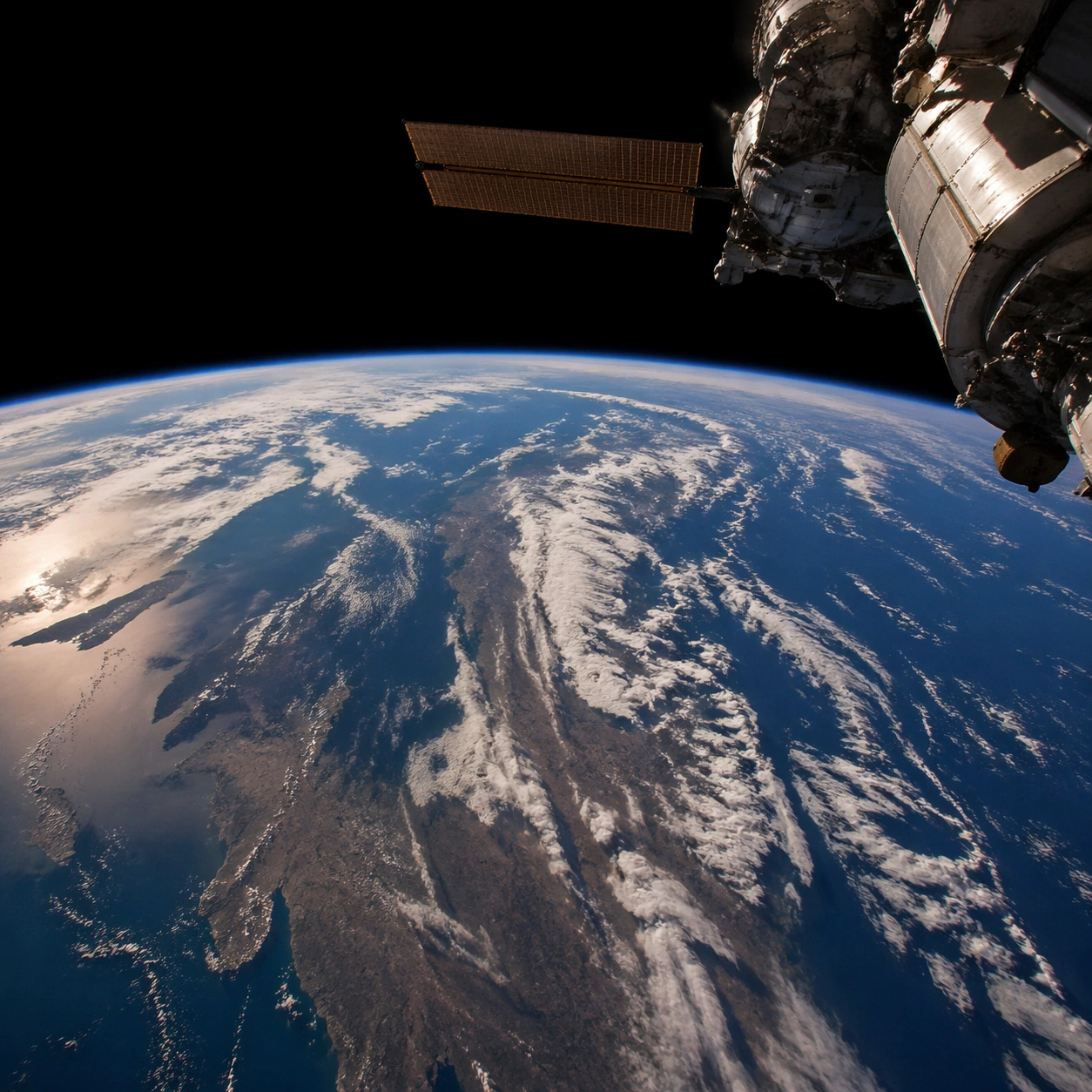
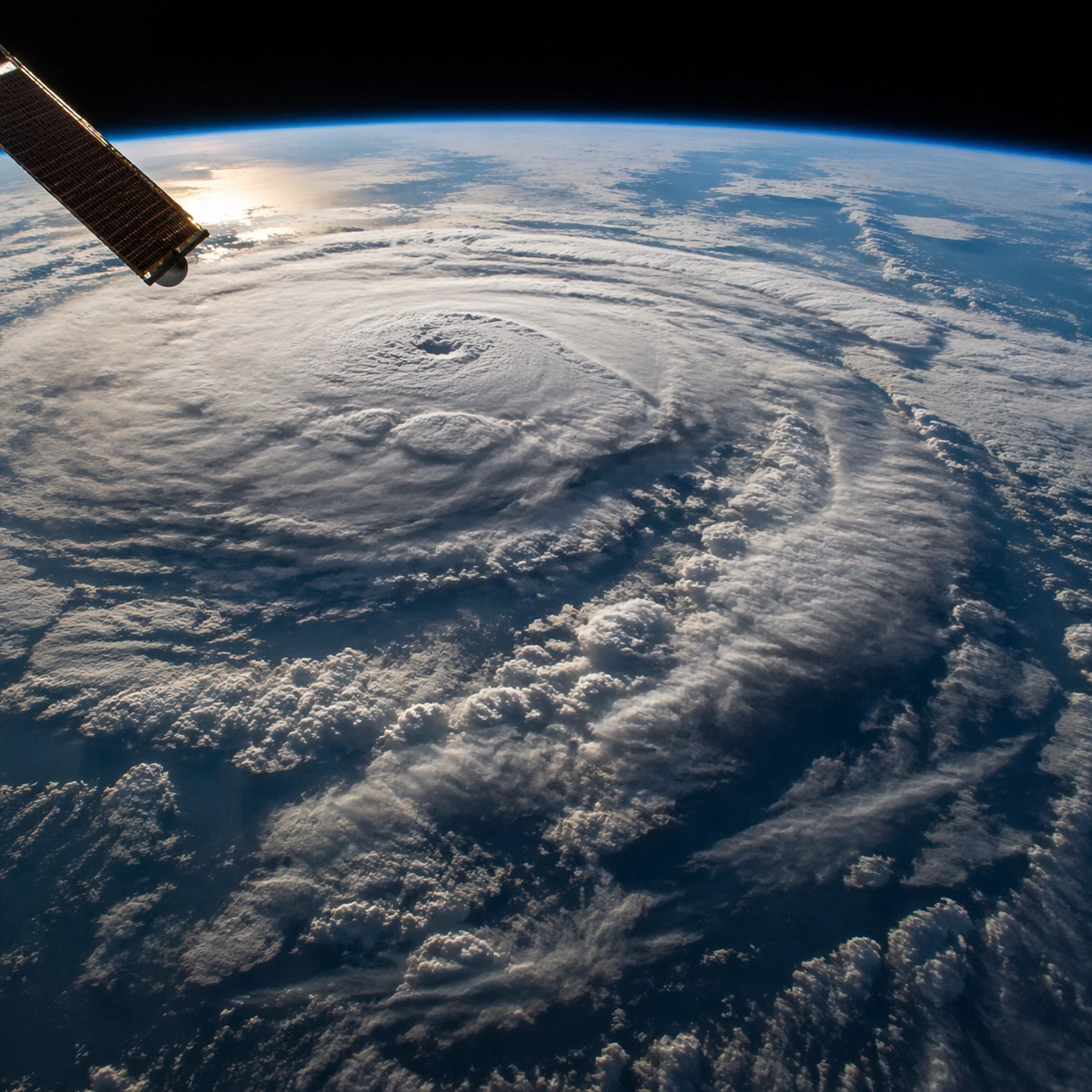
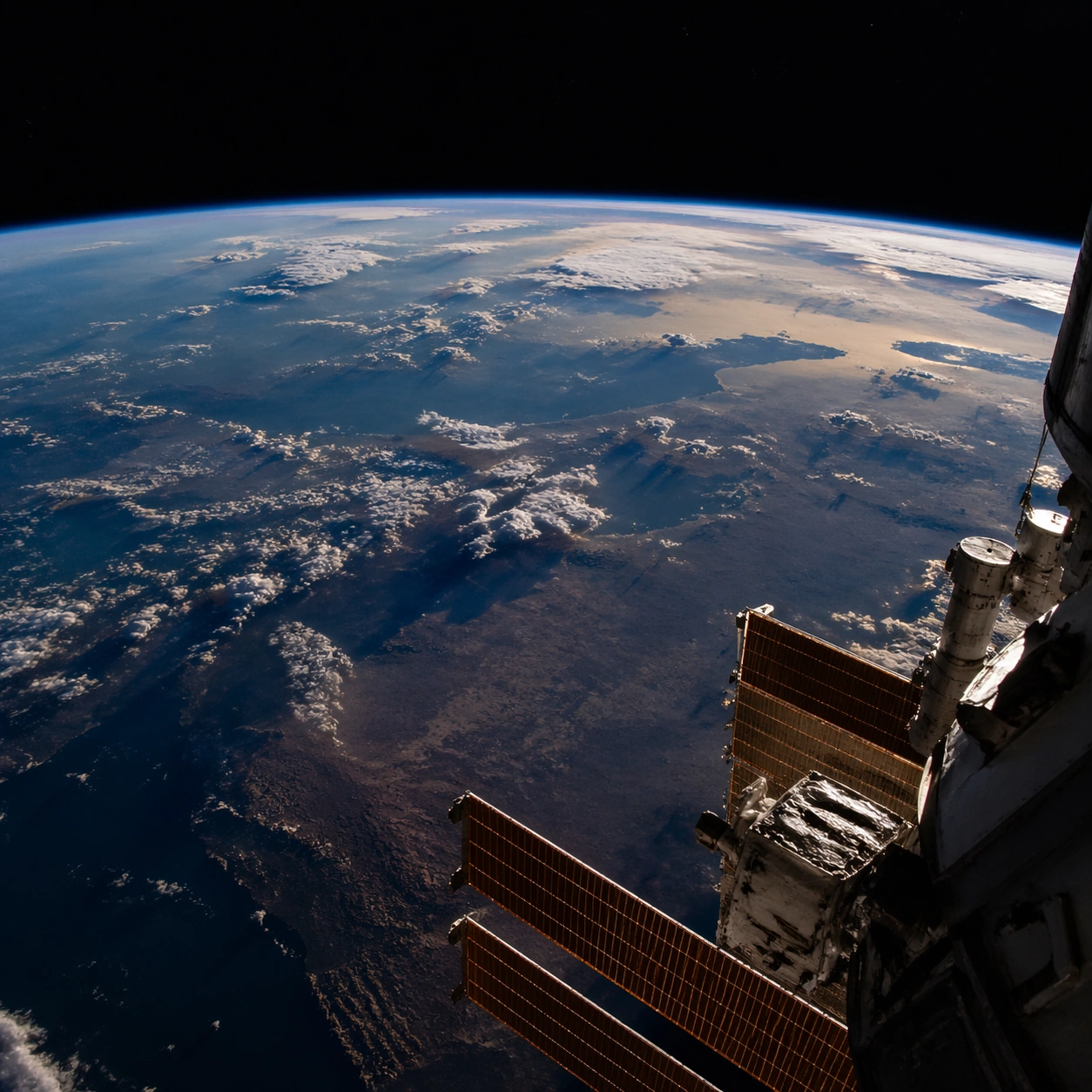
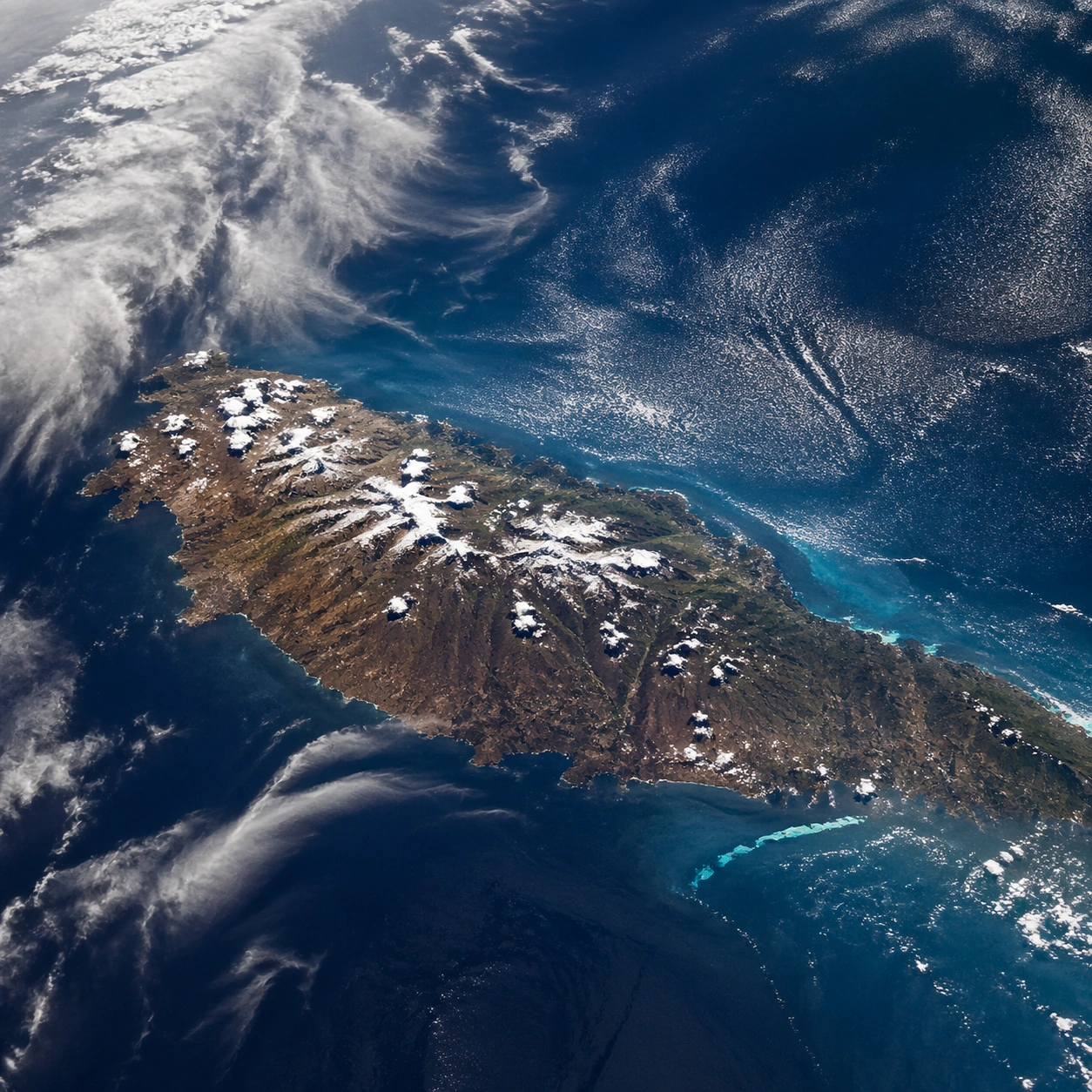
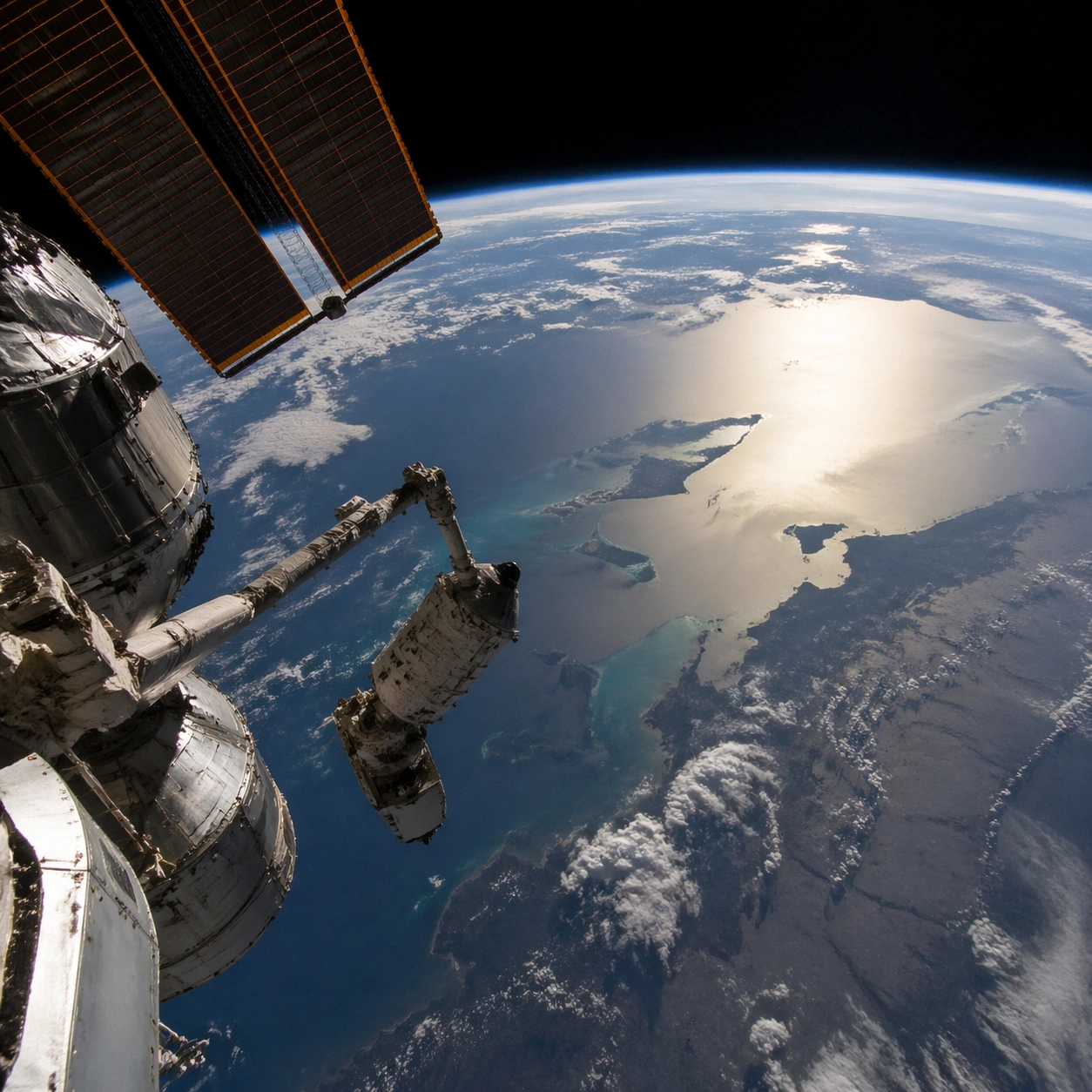
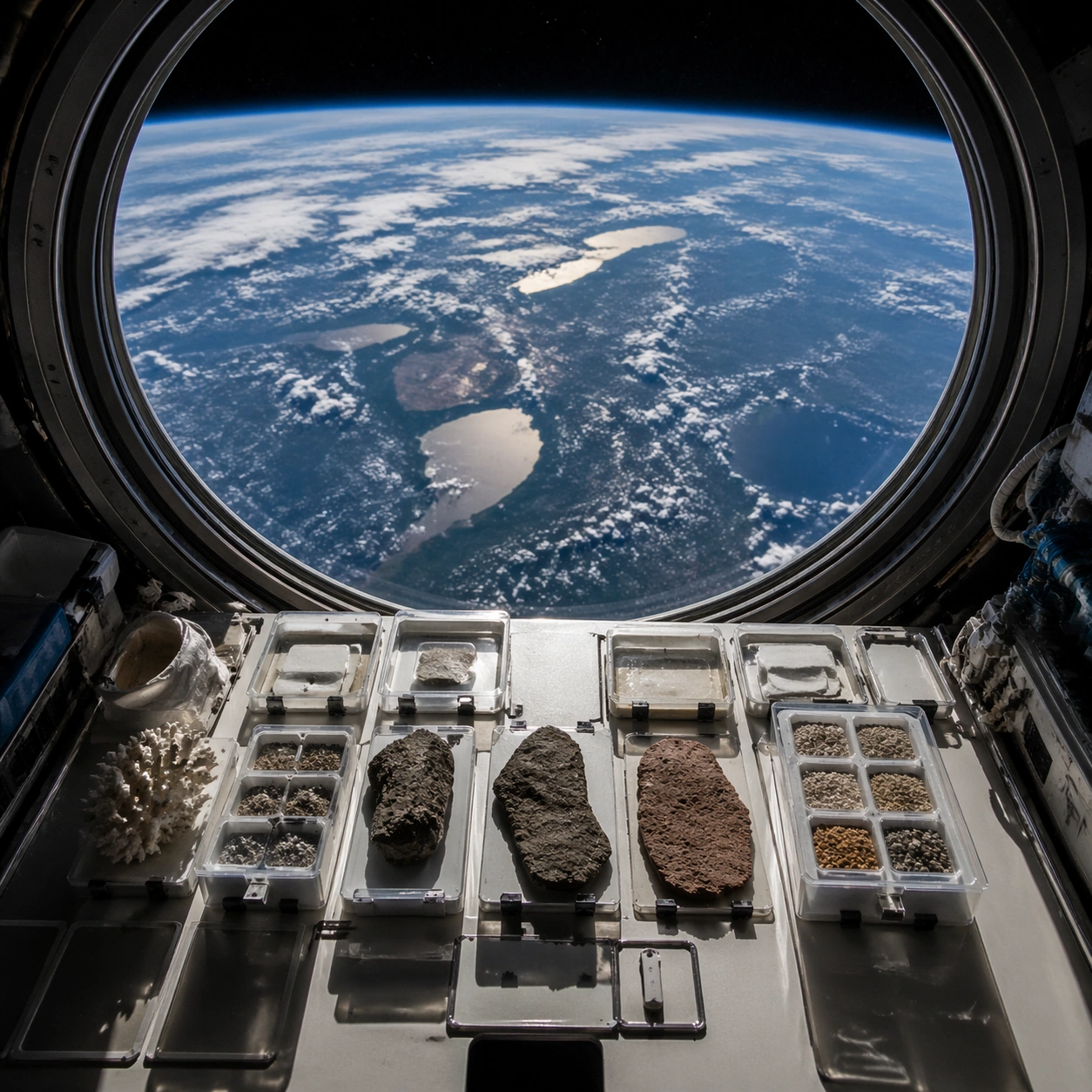
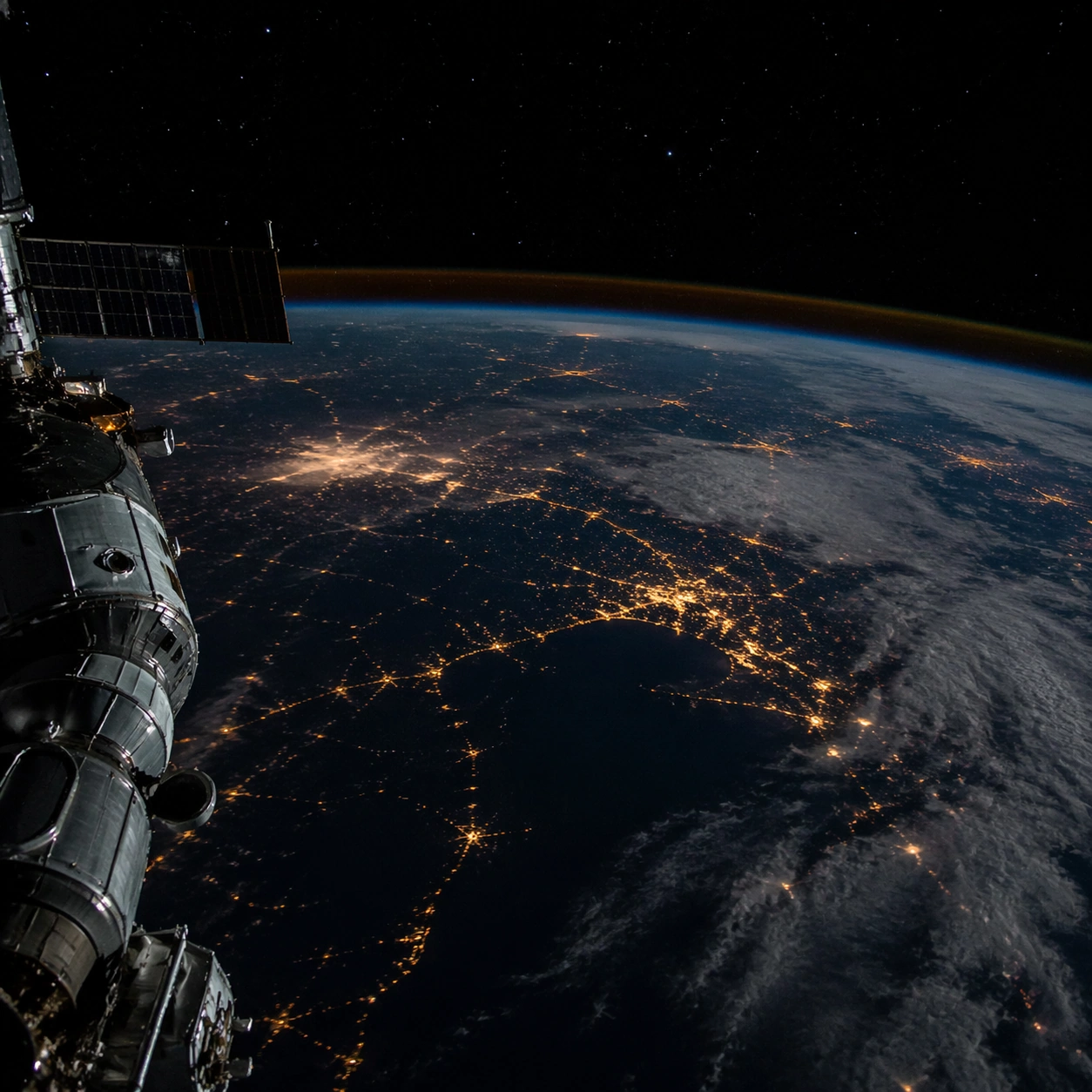
A square photographic image with intentional lens choice, coherent light, and a subject that feels observed rather than merely decorated. Build the frame around a dusk, night, or low-light frame with disciplined exposure. Keep the lighting, camera distance, and spatial organization tuned for a high-signal research image rather than a casual snapshot. The image belongs to the Orbital Earth Photography theme and should feel immediately legible as a prompt atlas theme for orbital earth photography, testing photorealism, world-knowledge, style-transfer, editing-workflow with gpt image 2..

Subject:
Center the study on a dusk, night, or low-light frame with disciplined exposure. Translate the theme into a concrete visual statement instead of an abstract mood board: the viewer should understand what kind of image this is, what is being tested, and why the composition is difficult. Use the slug idea of orbital earth photography as a literal guide for subject matter, materials, and staging. If helpful, borrow the broad visual cues suggested by NASA ISS, but keep the result original and specific to this study.

Important details:
The realism should come from timing, optics, and material response: atmosphere, contrast, depth, motion, and tiny physical cues all need to agree. Preserve a disciplined square composition, clear focal hierarchy, and enough secondary information to make the image feel complete rather than underspecified. The image should look polished, novel, and exhibition-ready, with topic-specific credibility coming from the way surfaces, structure, and visual language reinforce Orbital Earth Photography. Avoid generic filler elements that do not serve the main concept.

Use case:
Orbital Earth Photography single study 5/8, testing photorealism, world-knowledge, style-transfer, editing-workflow through the low-light atlas variation.

Constraints:
No readable text, no watermark, no logos, preserve exact 1:1 aspect ratio, no watermark, no cheap HDR excess, no unreadable signage, no fake stock-photo posing, no compositing seams, no arbitrary lens flare.
使い方
- パラメータを含む元のプロンプト全体をコピーします。
- 被写体、文字、構図を自分の要件に置き換えます。
- 対応する外部ツールで使用し、利用条件と結果を確認します。
開始前の確認
- 参考画像の要否を確認してください。互換モデルの表示は、そのモデルでの生成実績を意味しません。
- 名前、数値、画像内の文字を確認します。モデルの版で結果は変わります。