Underwater Caustics Temple — Climax Frame

Underwater Caustics Temple — Climax Frame

原文

GPT Image 2 · en

Scene:
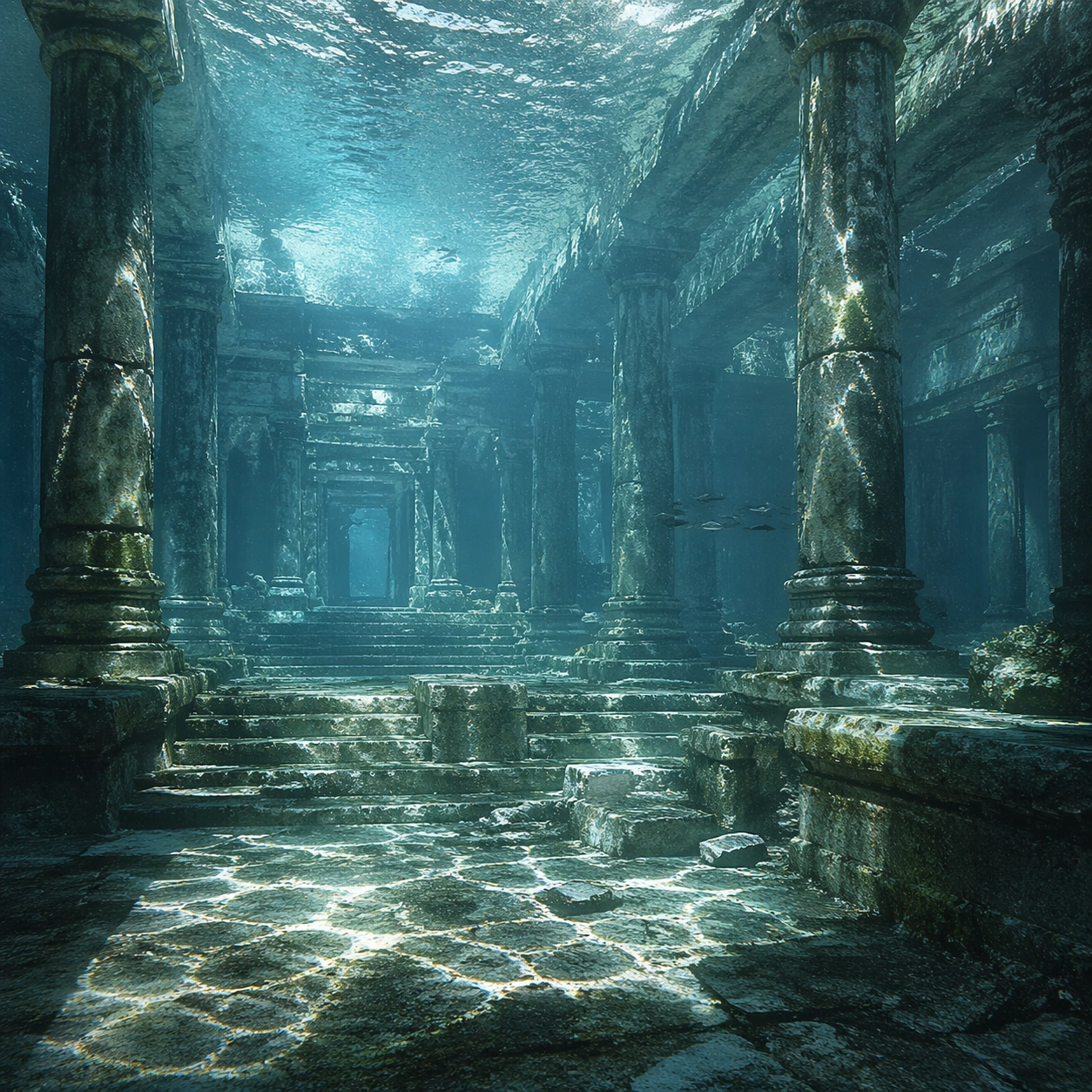
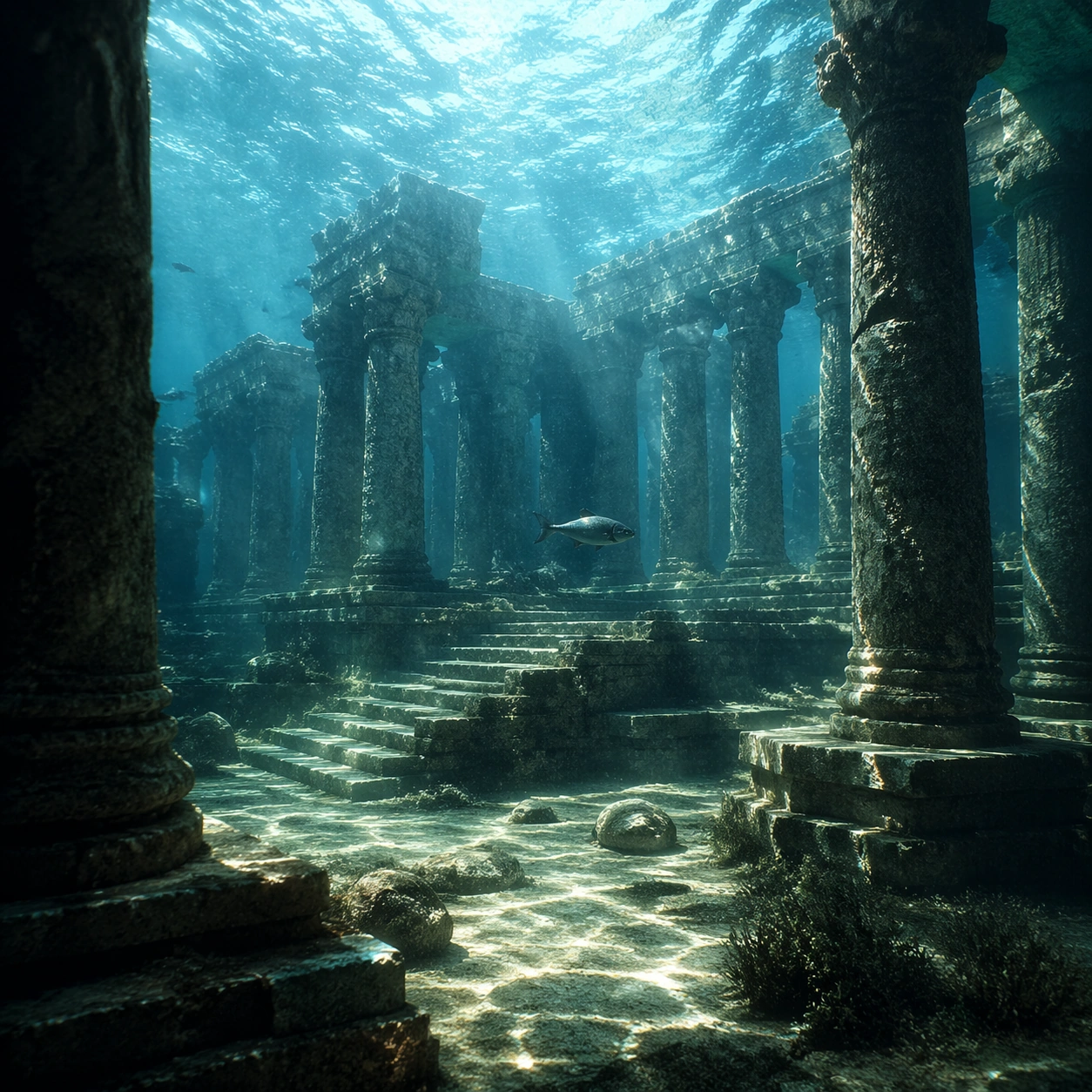
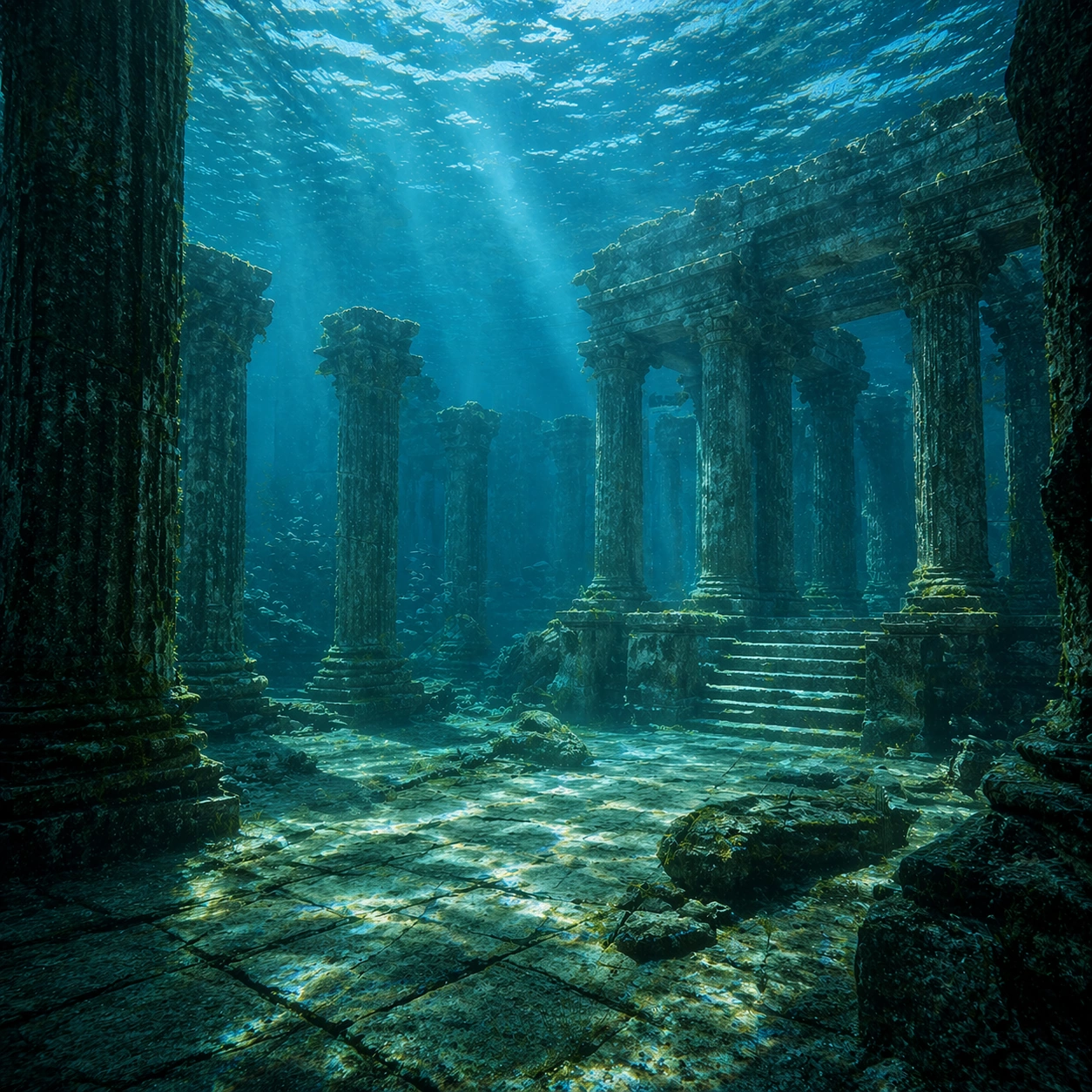
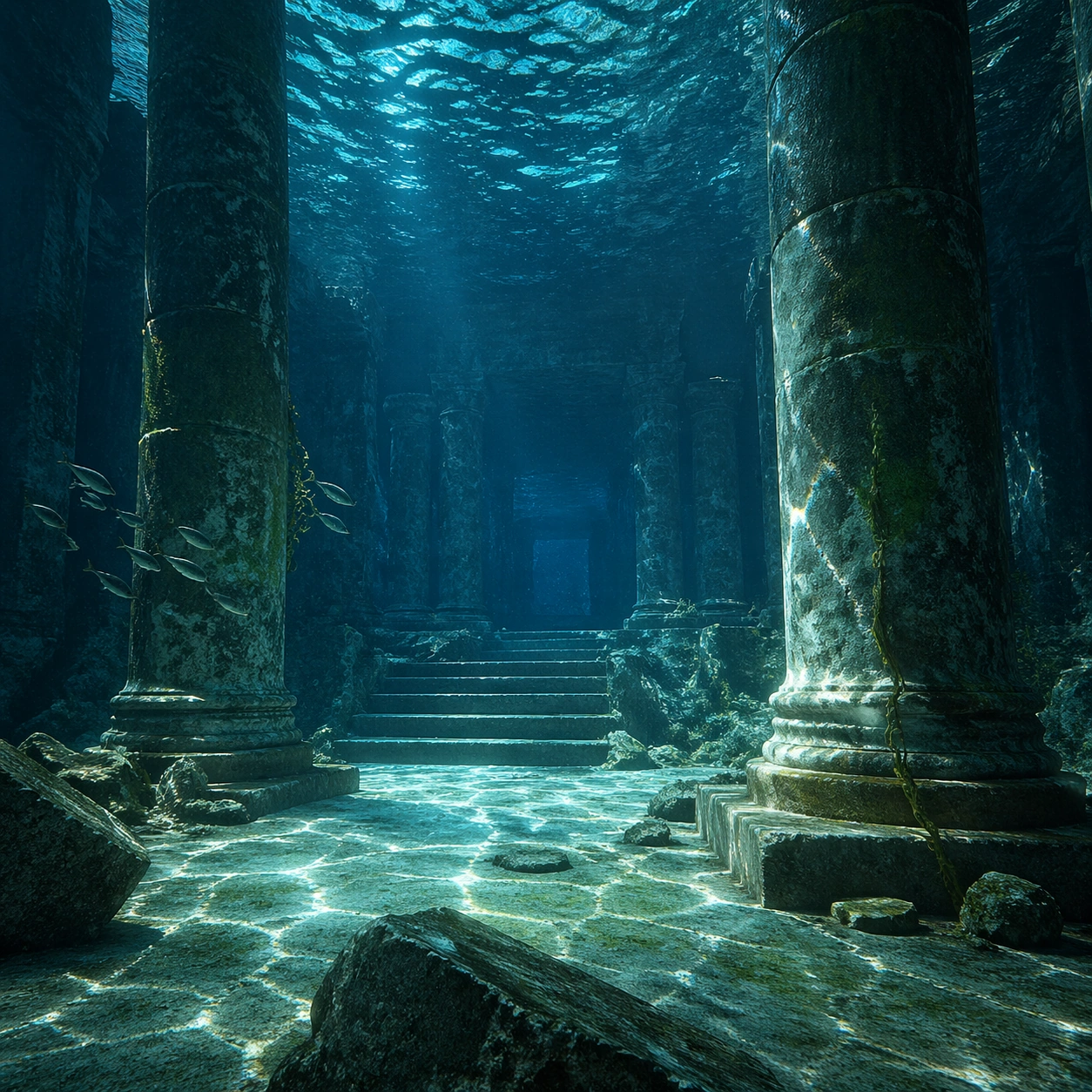
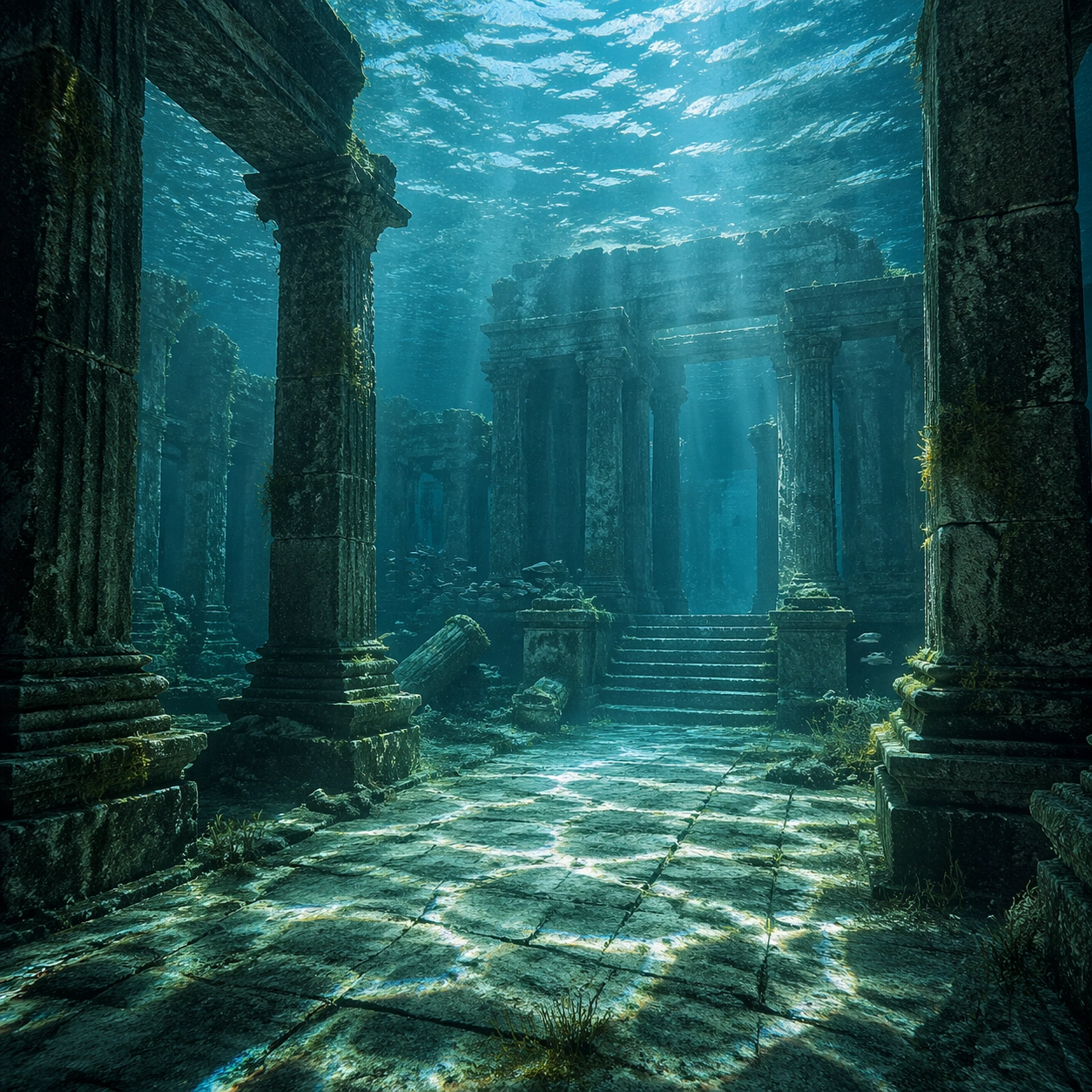
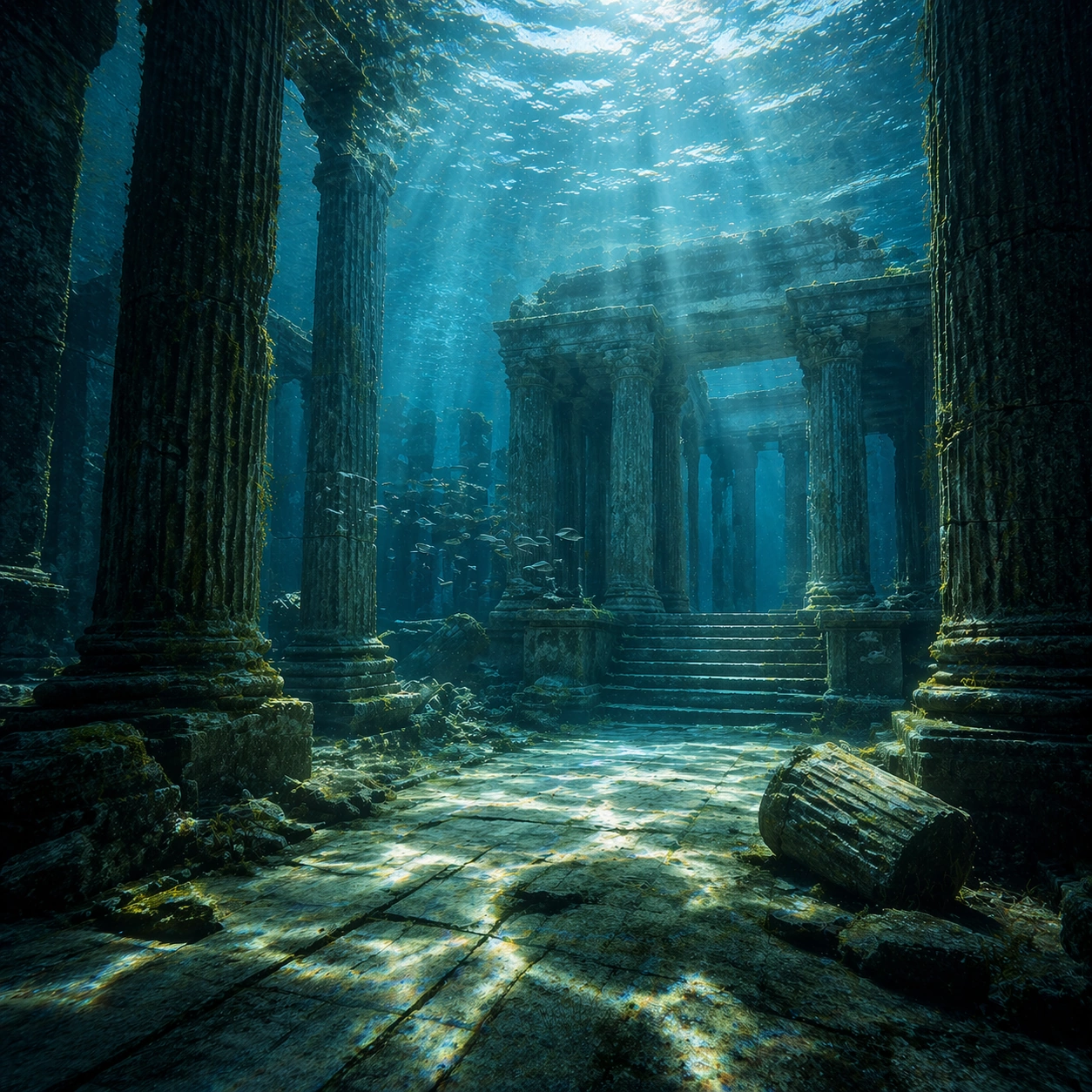
Create a square cinematic still for Underwater Caustics Temple. Use production-grade photoreal lighting, disciplined lens behavior, and a composition that feels like a finished key frame from an original film rather than a casual snapshot. A flooded ancient temple hall sits under clear seawater, where refracted sunlight ripples across columns, steps, and the stone floor in moving caustic bands, while the water body above remains bright and softly turbulent. Push the composition toward the emotional peak of the same setup, with the most dramatic balance of brightness, shadow, or atmospheric density inside the established world.

Subject:
Build a coherent original scene whose emotional center comes from atmosphere, light physics, and spatial clarity. Avoid relying on celebrity likeness, franchise iconography, or stylized illustration shortcuts. Weathered pillars, broken carvings, drifting silt, threadlike algae, and a single calm fish or small school gliding through the chamber should provide scale and life without turning the frame into an aquarium fantasy. Everything should still read as the same location and same event, but framed for maximum narrative force and visual closure.

Important details:
Preserve a believable physical world with strong depth layering, careful color separation, and premium image discipline. Make the caustics physically convincing on hard stone surfaces, with believable attenuation, soft blue-green depth, particulate haze, and refraction logic that sells the image as a real submerged space rather than a digital backdrop. Make it feel like the strongest hero frame of the sequence without breaking continuity or introducing a new design language.

Use case:
Caustics Temple series study 4/9.

Constraints:
No readable text, no watermark, no logos, preserve exact 1:1 aspect ratio, no divers, no submarines, no treasure-chest cliches, no readable inscriptions, no cartoon coral overload.

使い方

  1. パラメータを含む元のプロンプト全体をコピーします。
  2. 被写体、文字、構図を自分の要件に置き換えます。
  3. 対応する外部ツールで使用し、利用条件と結果を確認します。

開始前の確認

  • 参考画像の要否を確認してください。互換モデルの表示は、そのモデルでの生成実績を意味しません。
  • 名前、数値、画像内の文字を確認します。モデルの版で結果は変わります。
似た事例

Underwater Caustics Temple — Wide Study
GPT Image 2en

Scene: Create a square cinematic still for Underwater Caustics Temple. Use production-grade photoreal lighting, disciplined lens behavior, and a composition that feels like a finished key frame from an original film rather than a casual snapshot. A flooded ancient temple hall sit

Underwater Caustics Temple — Silhouette Study
GPT Image 2en

Scene: Create a square cinematic still for Underwater Caustics Temple. Use production-grade photoreal lighting, disciplined lens behavior, and a composition that feels like a finished key frame from an original film rather than a casual snapshot. A flooded ancient temple hall sit

Underwater Caustics Temple — Spatial Counterpoint
GPT Image 2en

Scene: Create a square cinematic still for Underwater Caustics Temple. Use production-grade photoreal lighting, disciplined lens behavior, and a composition that feels like a finished key frame from an original film rather than a casual snapshot. A flooded ancient temple hall sit

Underwater Caustics Temple — Transition Study
GPT Image 2en

Scene: Create a square cinematic still for Underwater Caustics Temple. Use production-grade photoreal lighting, disciplined lens behavior, and a composition that feels like a finished key frame from an original film rather than a casual snapshot. A flooded ancient temple hall sit

Underwater Caustics Temple — Closer Frame
GPT Image 2en

Scene: Create a square cinematic still for Underwater Caustics Temple. Use production-grade photoreal lighting, disciplined lens behavior, and a composition that feels like a finished key frame from an original film rather than a casual snapshot. A flooded ancient temple hall sit

Underwater Caustics Temple — Reference Anchor
GPT Image 2en

Scene: Create a square cinematic still for Underwater Caustics Temple. Use production-grade photoreal lighting, disciplined lens behavior, and a composition that feels like a finished key frame from an original film rather than a casual snapshot. A flooded ancient temple hall sit