原文
GPT Image 2 · en
Scene:
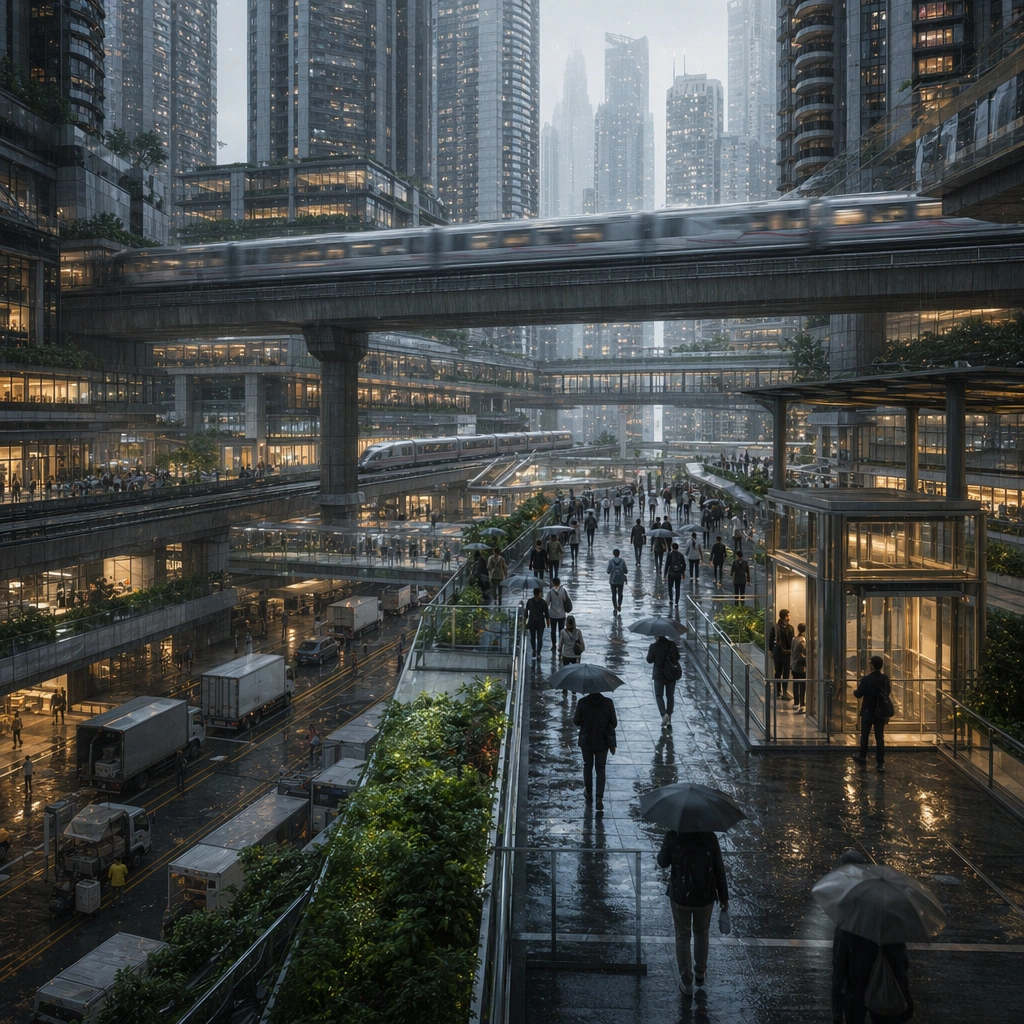
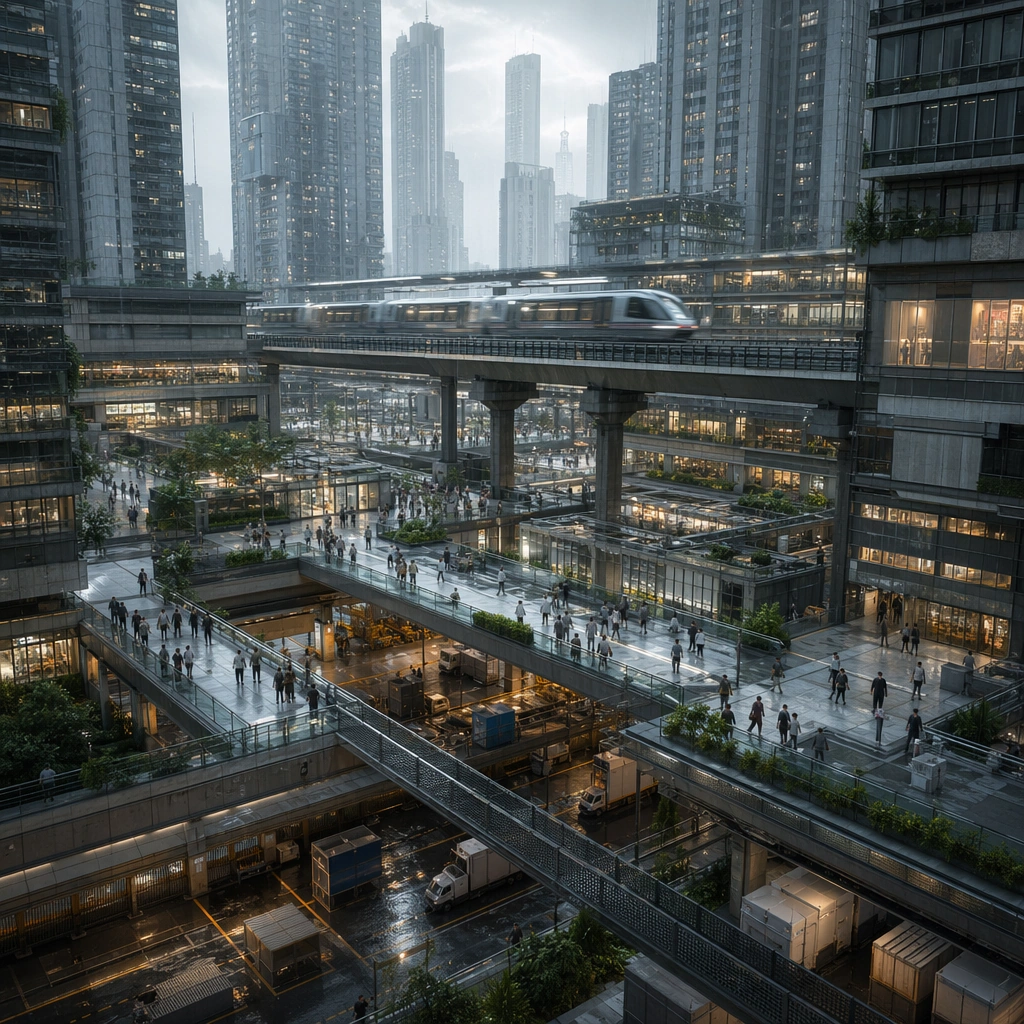
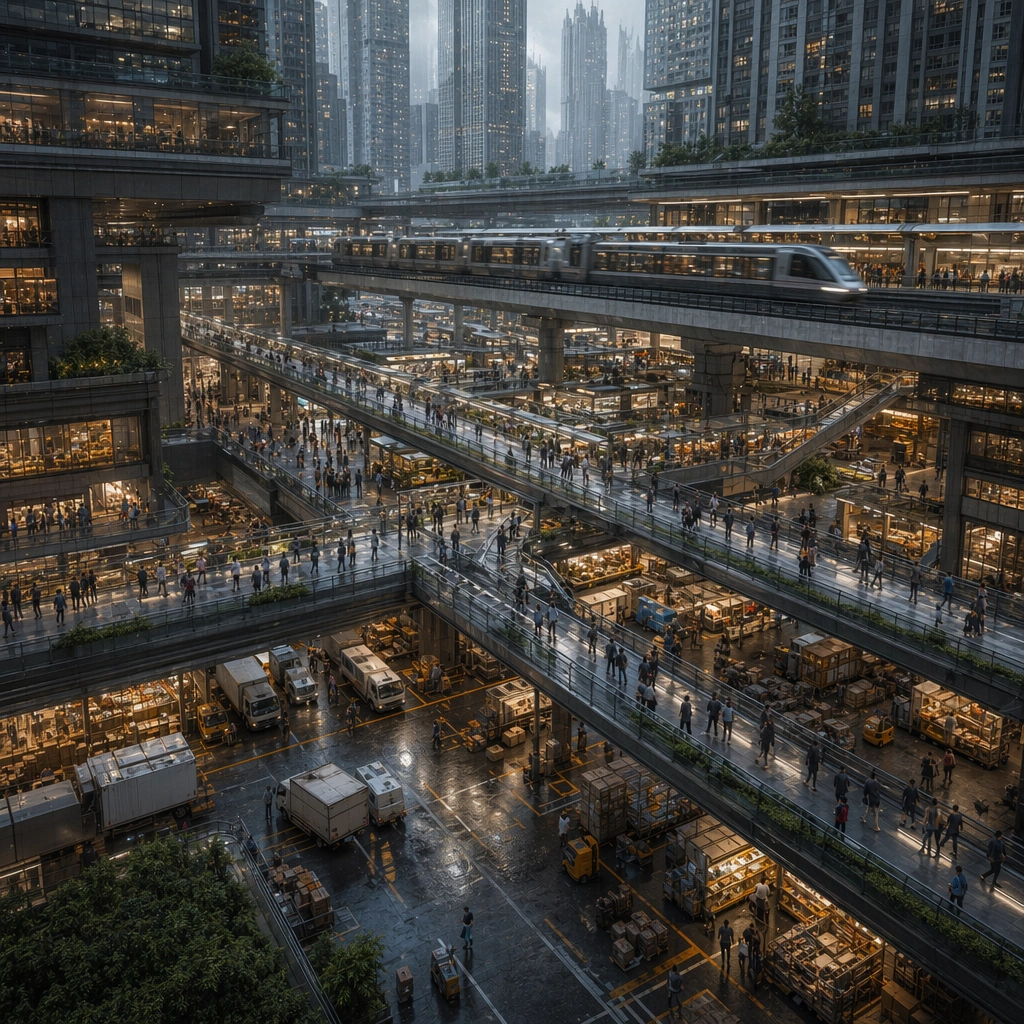
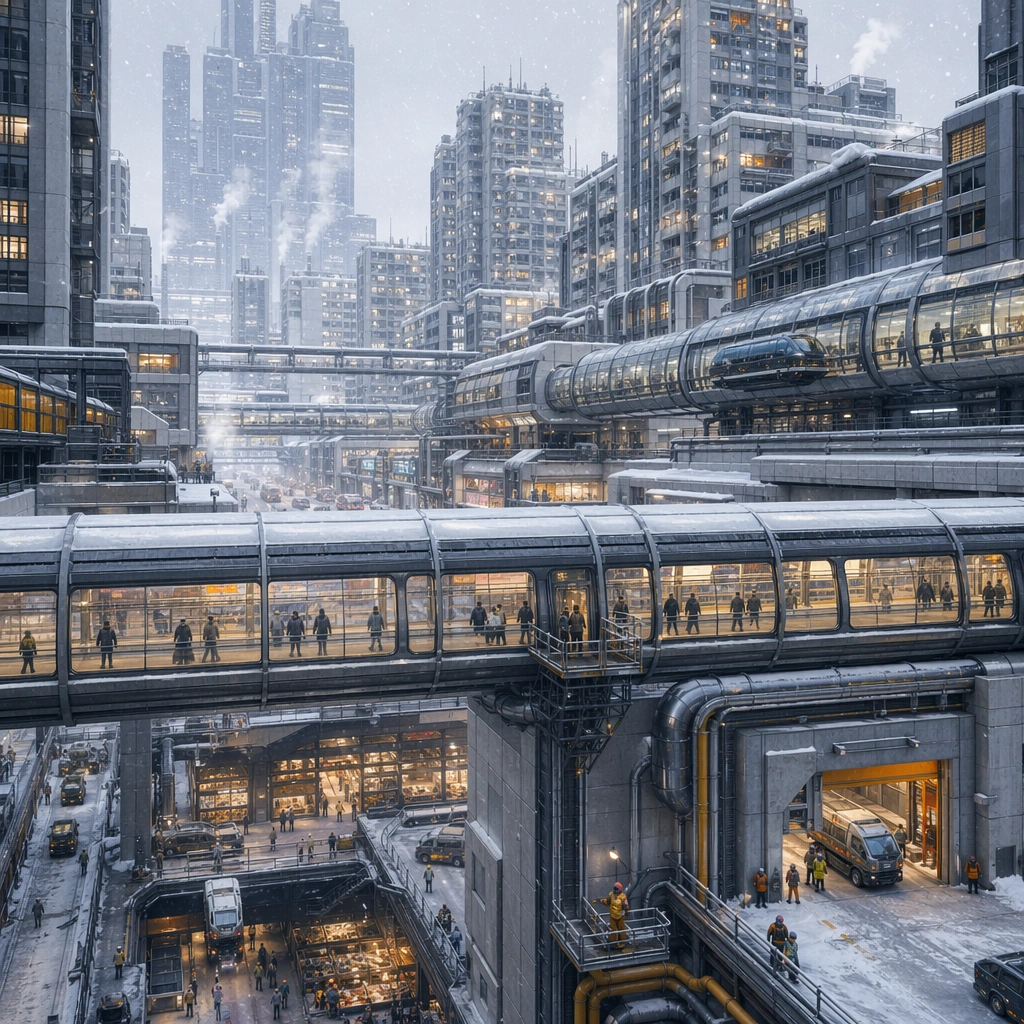
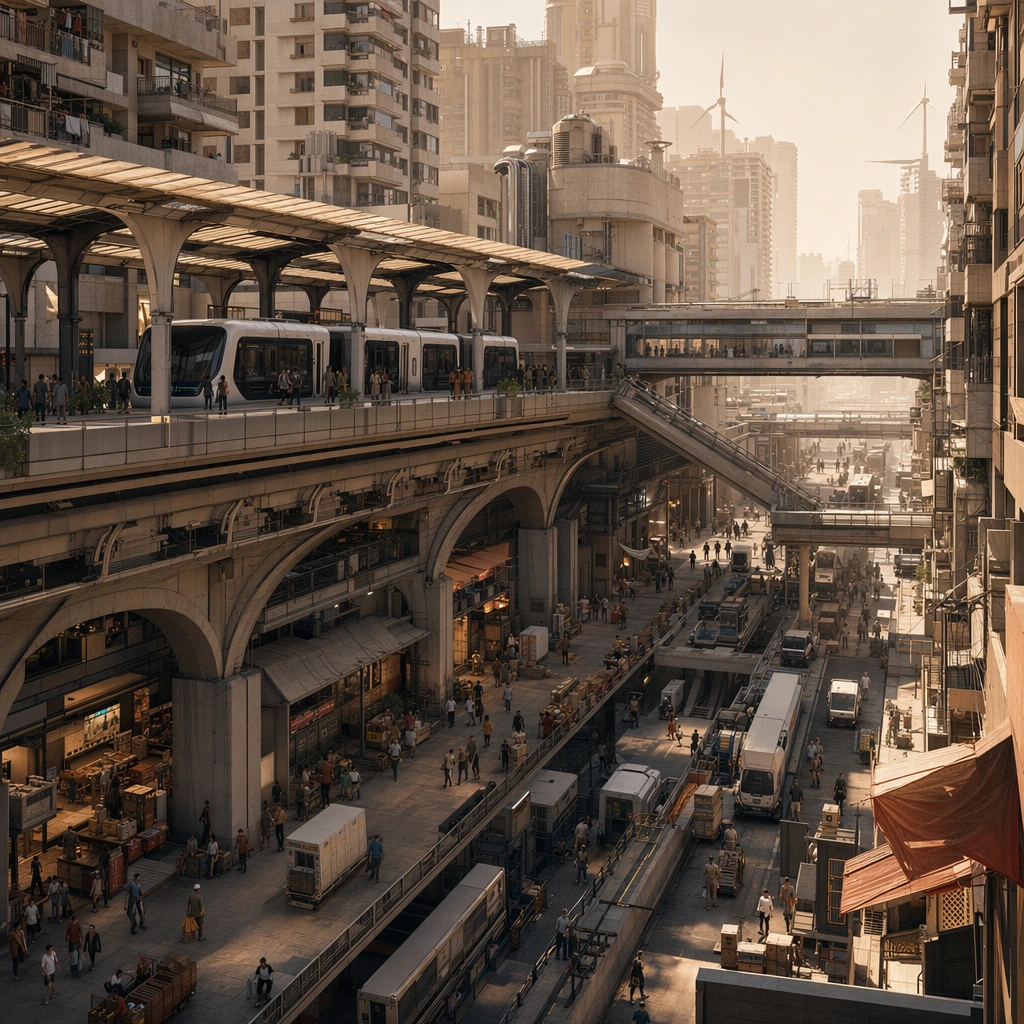
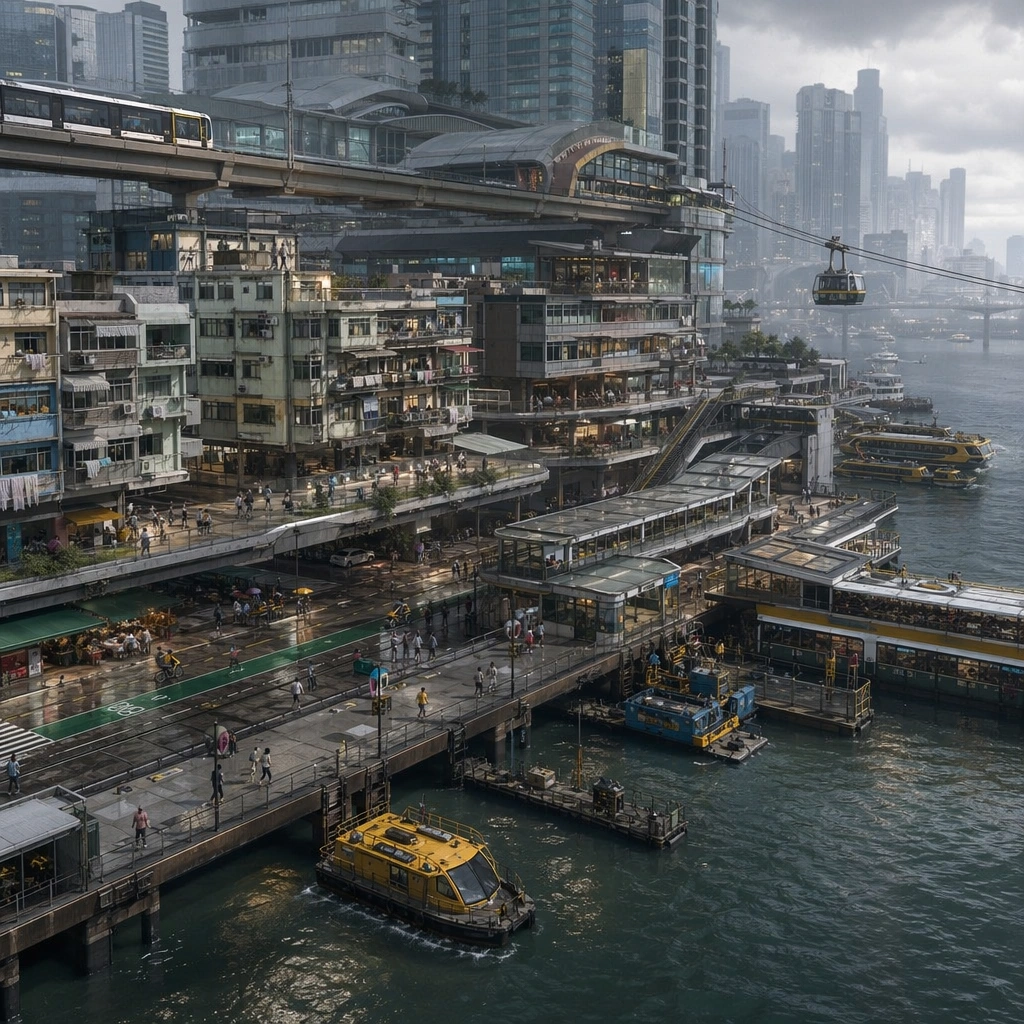
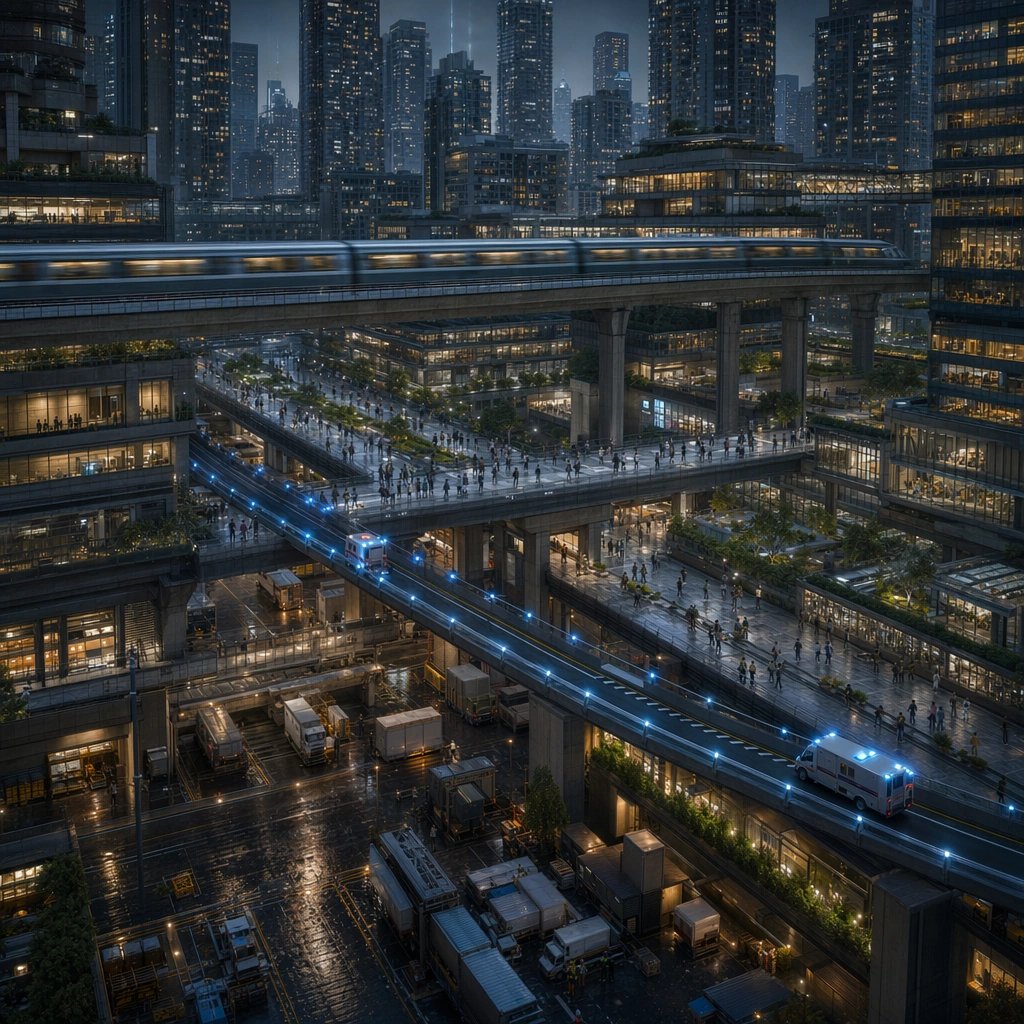
Create a square future-city key visual where transport layers, housing density, and skyline depth are all legible in one controlled composition. The camera should sit at mid-to-high elevation so the viewer can read arterial rails, pedestrian decks, service lanes, and the inhabited mass of the city at once. Favor rainy or hazy atmospheric perspective that enhances depth without hiding structural logic. Render the district at night after rain with one elevated emergency lane lit sharply as it threads through the same transport stack and tower base network.

Subject:
Center the image on a dense but coherent urban stack: rail viaducts, skybridges, delivery lanes, tower podiums, residential blocks, and public circulation surfaces all working together. The city should feel designed around movement, commerce, and real occupancy rather than as a pile of disconnected towers. Keep the anchor skyline and transit deck geometry intact while highlighting emergency routing, service bays, and safe public circulation under stress.

Important details:
Hierarchy is critical. Distinguish fast transit, local walking, freight access, and private shelter zones through lighting, material changes, and depth organization. Use disciplined steel, concrete, glass, and muted light accents so the city feels like a credible urban product surface rather than generic cyberpunk spectacle. This should feel resilient and civic, not apocalyptic, using selective blue-white lighting and disciplined wet-surface reflections to reveal infrastructure logic. Preserve the exact structural language established by the reference image, especially the stacked transit decks, bridge proportions, mixed residential density, and cool rain-surface lighting.

Use case:
Future City series study 4/4, designed as a reusable core-system image for this topic.

Constraints:
No readable text, no watermark, no logos, preserve exact 1:1 aspect ratio, no empty streets, no retro cars, no generic neon gibberish billboards, no impossible lane geometry, no riots, no fireballs, no collapse imagery.
使い方
- パラメータを含む元のプロンプト全体をコピーします。
- 被写体、文字、構図を自分の要件に置き換えます。
- 対応する外部ツールで使用し、利用条件と結果を確認します。
開始前の確認
- 参考画像の要否を確認してください。互換モデルの表示は、そのモデルでの生成実績を意味しません。
- 名前、数値、画像内の文字を確認します。モデルの版で結果は変わります。