原文
GPT Image 2 · en
Scene:
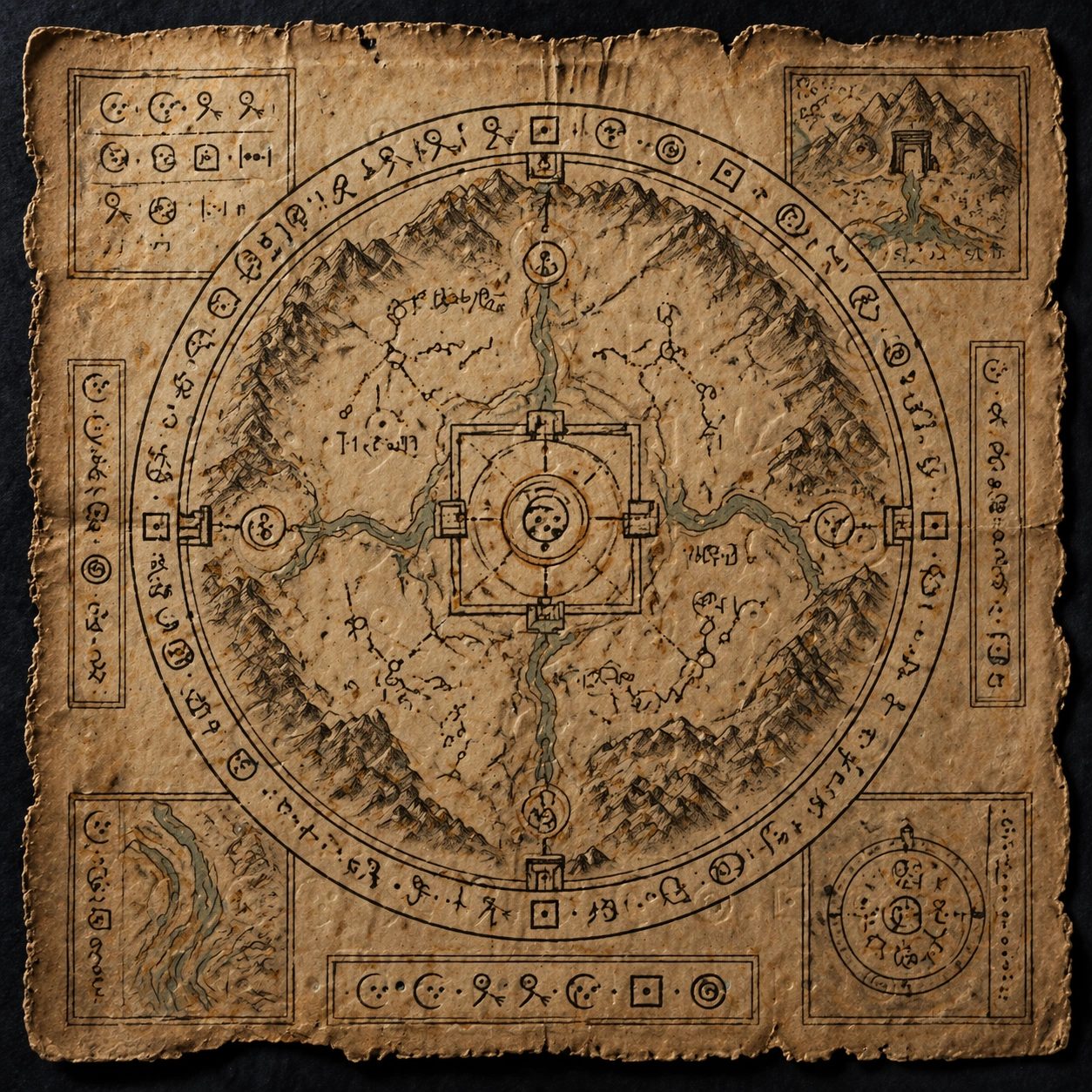
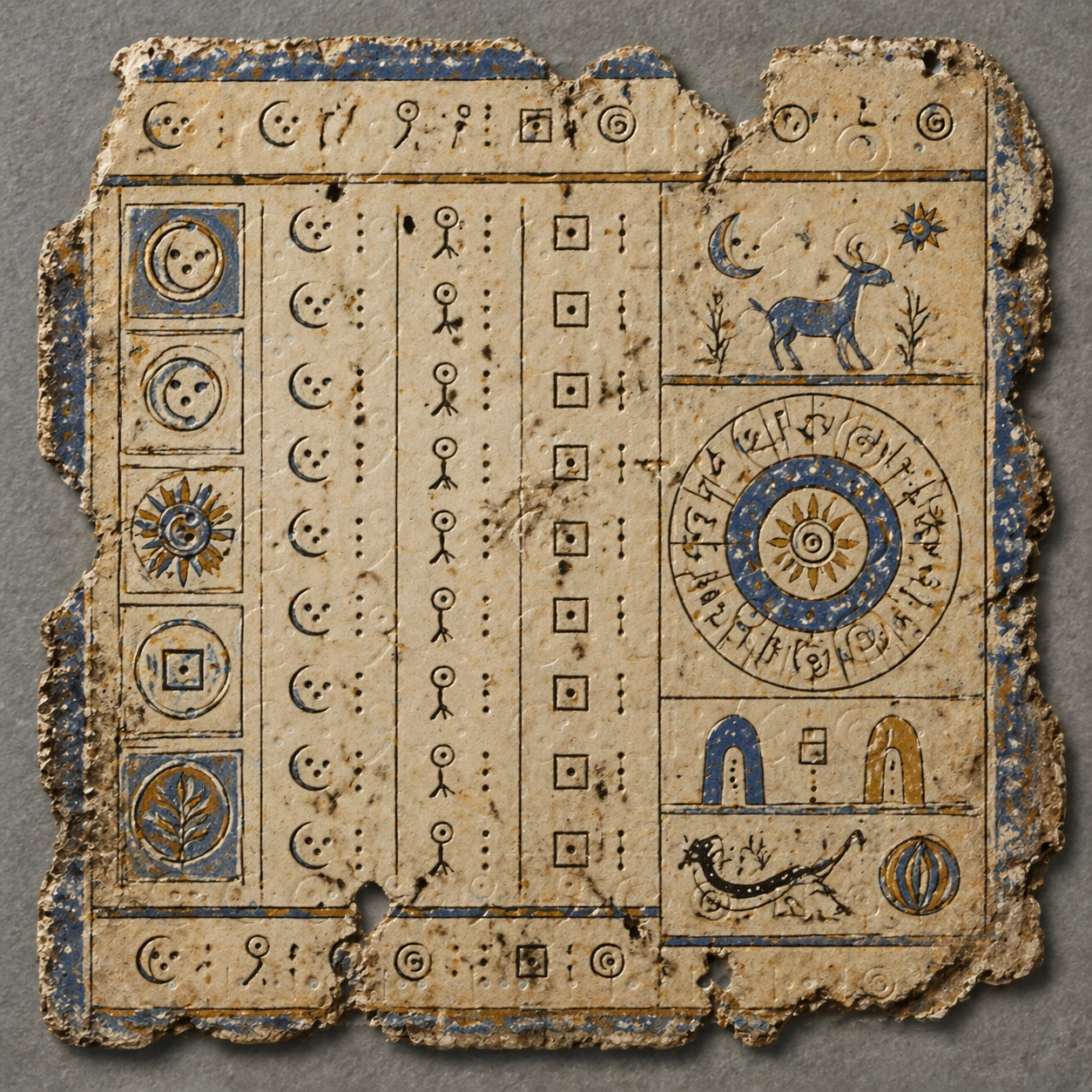
Square archival flat lay of a torn codex fragment, photographed on neutral gray conservation paper under diffuse daylight. The palette uses faded ultramarine, ocher, bone white, and carbon black. Fibers, cracks, wormholes, and repaired seams are visible, but the layout remains crisp enough to study. The fragment should look rare, fragile, and carefully preserved.

Subject:
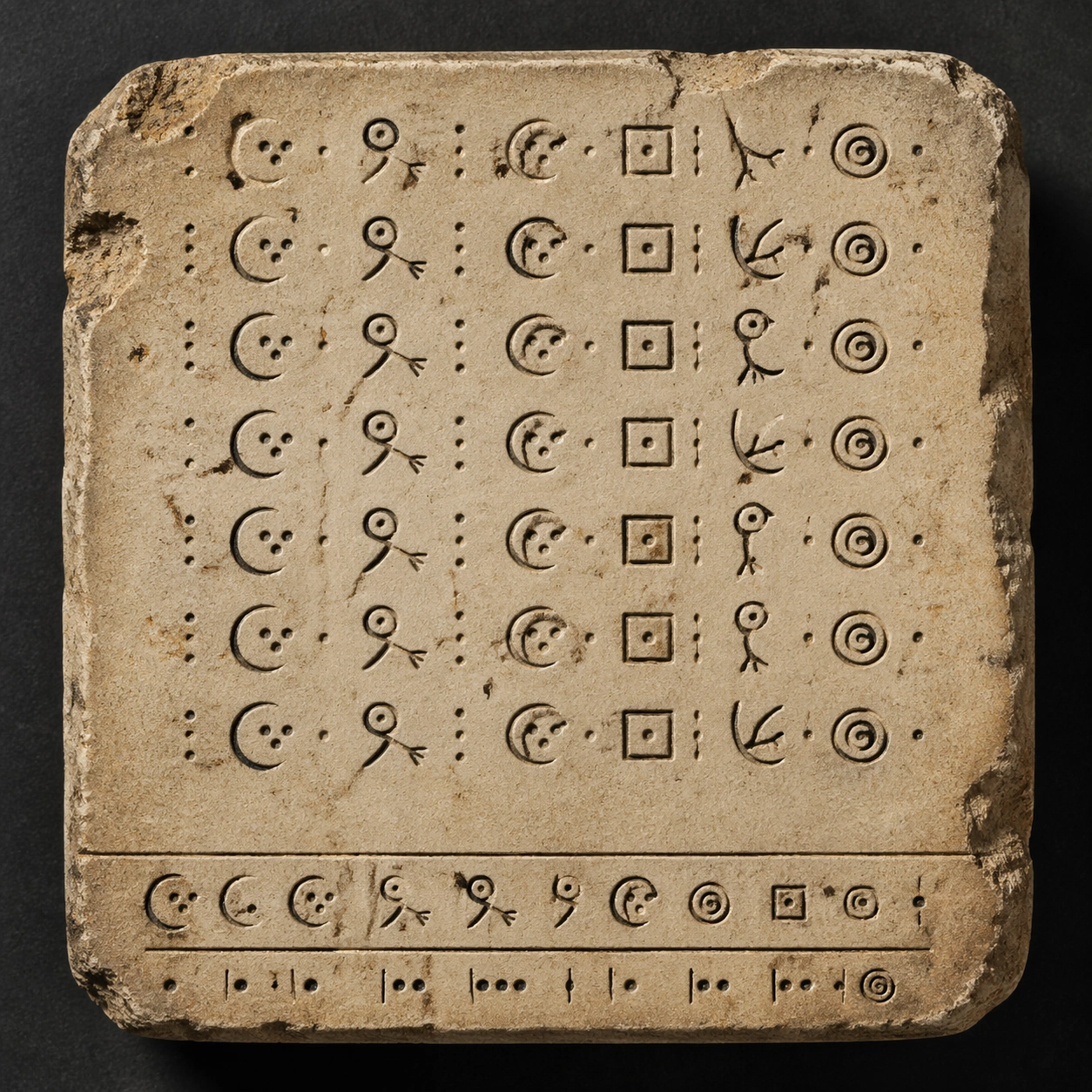
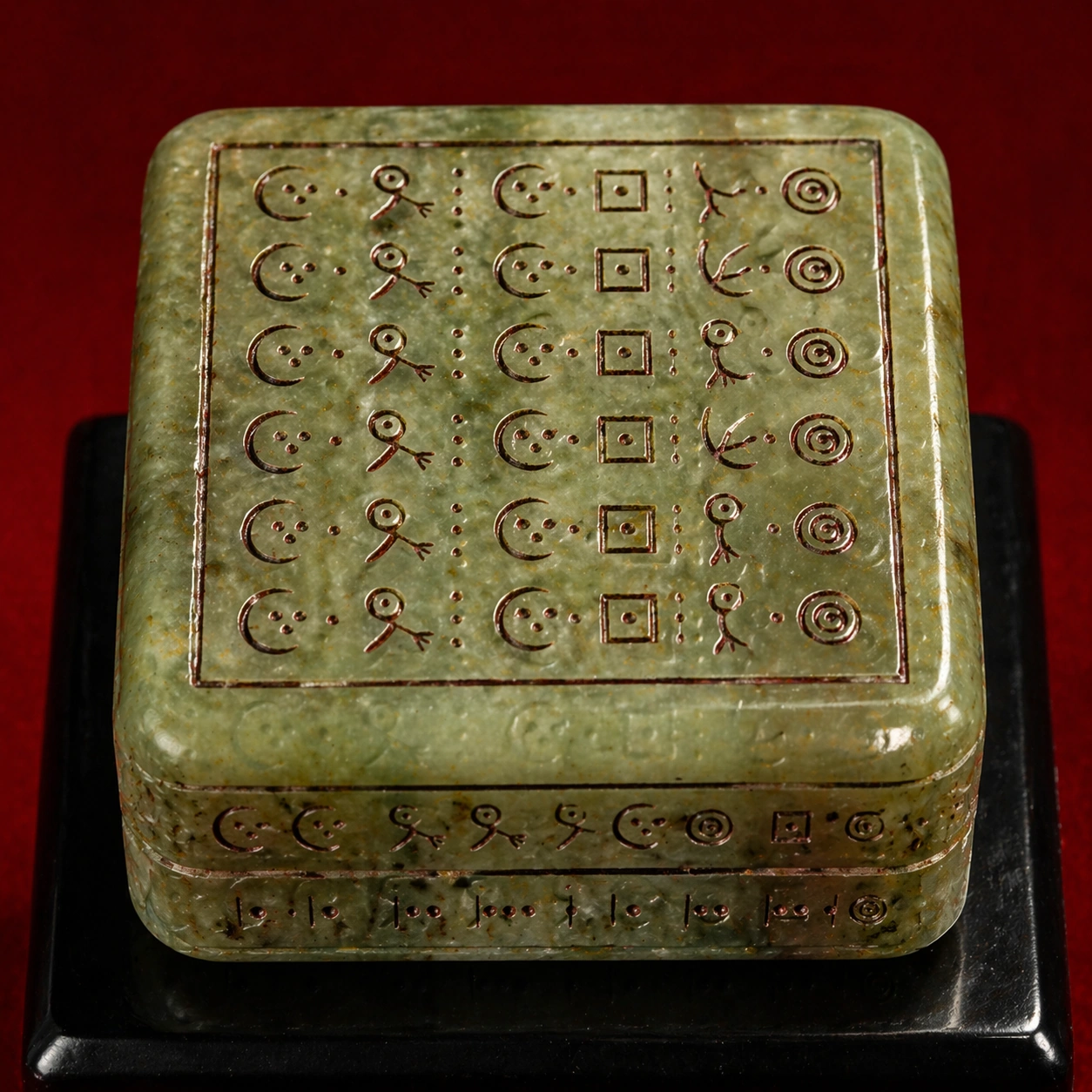
A painted codex page fragment using the same fictional glyph grammar from the reference tablet. It combines vertical glyph columns, small icon panels, calendrical-looking cycles, and margin marks. Reuse the reference family of crescent stems, three-dot radicals, hooked strokes, square seed marks, and spiral terminals, now brushed with pigment and arranged like a ceremonial manuscript rather than carved stone.

Important details:
Keep the glyphs intentionally systematic: recurring radicals, stable proportions, repeatable spacing, and clear cluster boundaries. The page may include diagrammatic suns, seed pods, gates, and animal silhouettes, but the symbols themselves must remain the primary visual test. Show how an invented language could survive across media from stone to parchment to codex. All marks must be pseudo-script, not real Mayan, Egyptian, Chinese, runic, or Latin writing.

Use case:
Fictional Symbol System series study 4/8, transferring the reference inscription grammar to a painted codex fragment.

Constraints:
No readable text, no watermark, no logos, preserve exact 1:1 aspect ratio, no Latin letters, no real alphabets, no exact historical script copying, no modern captions, no clean digital font look, no page numbers, no translation key.
使い方
- パラメータを含む元のプロンプト全体をコピーします。
- 被写体、文字、構図を自分の要件に置き換えます。
- 対応する外部ツールで使用し、利用条件と結果を確認します。
開始前の確認
- 参考画像の要否を確認してください。互換モデルの表示は、そのモデルでの生成実績を意味しません。
- 名前、数値、画像内の文字を確認します。モデルの版で結果は変わります。