原文
GPT Image 2 · en
Scene:
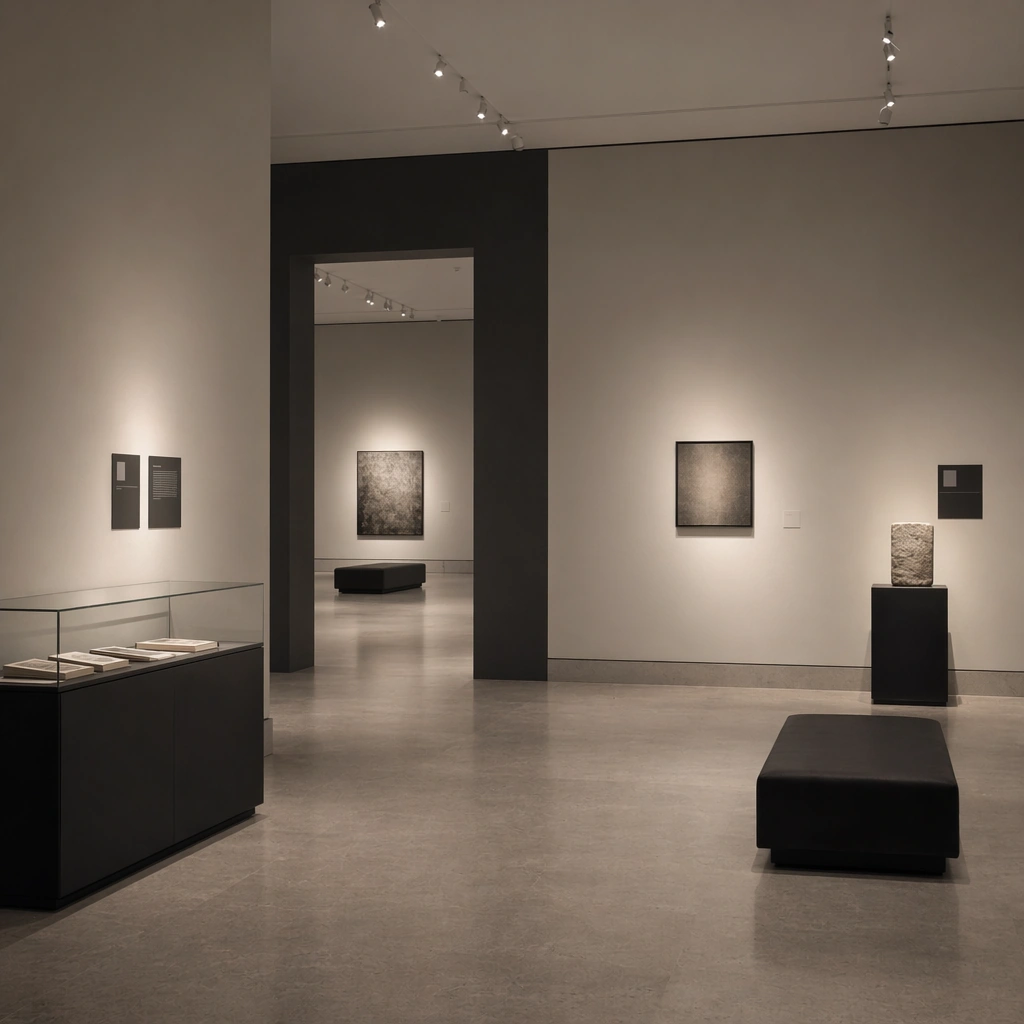
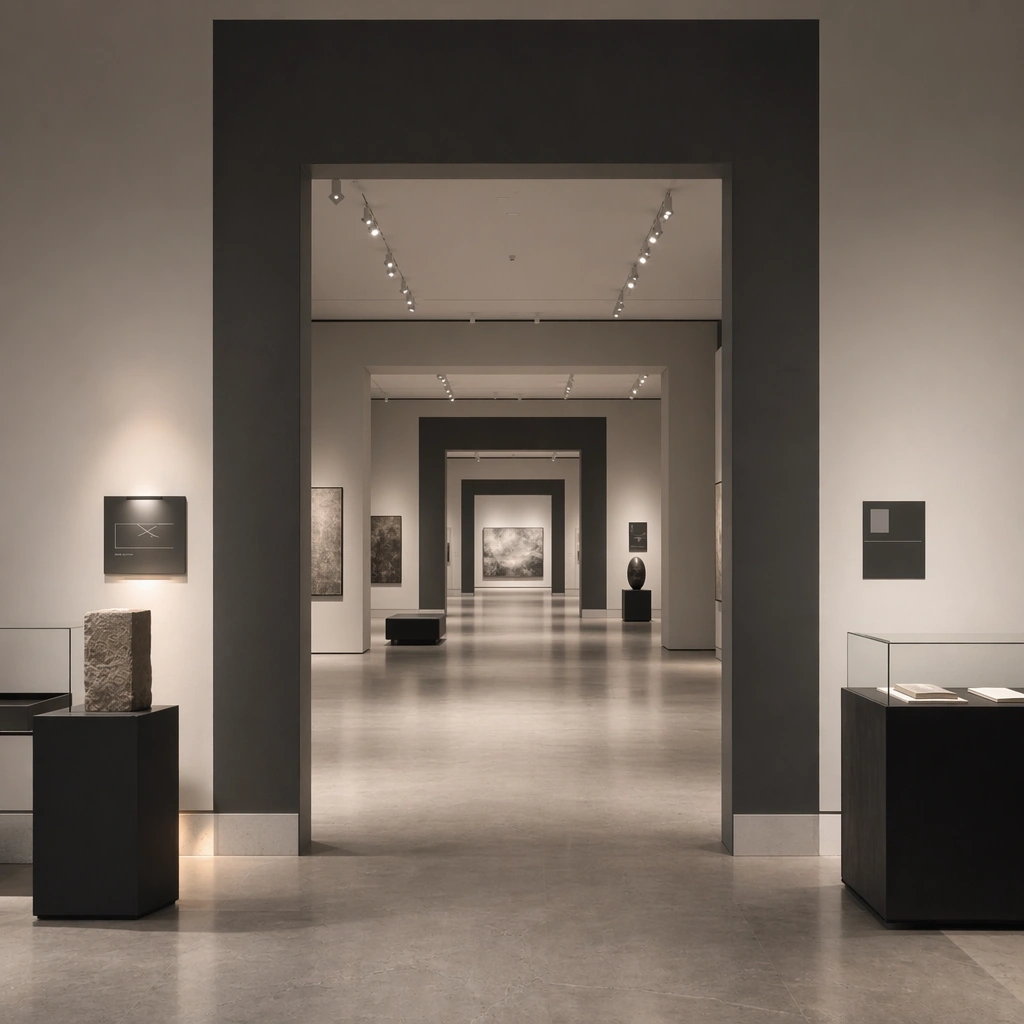
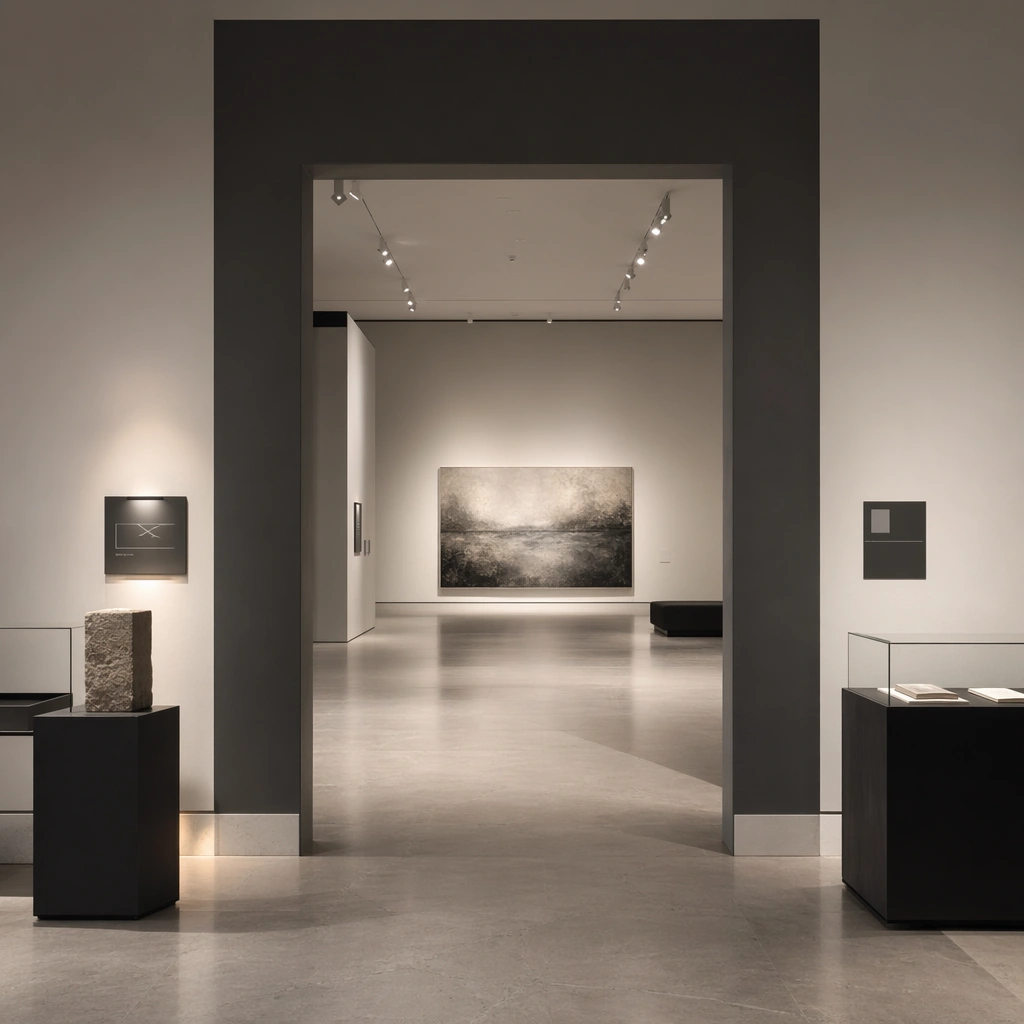
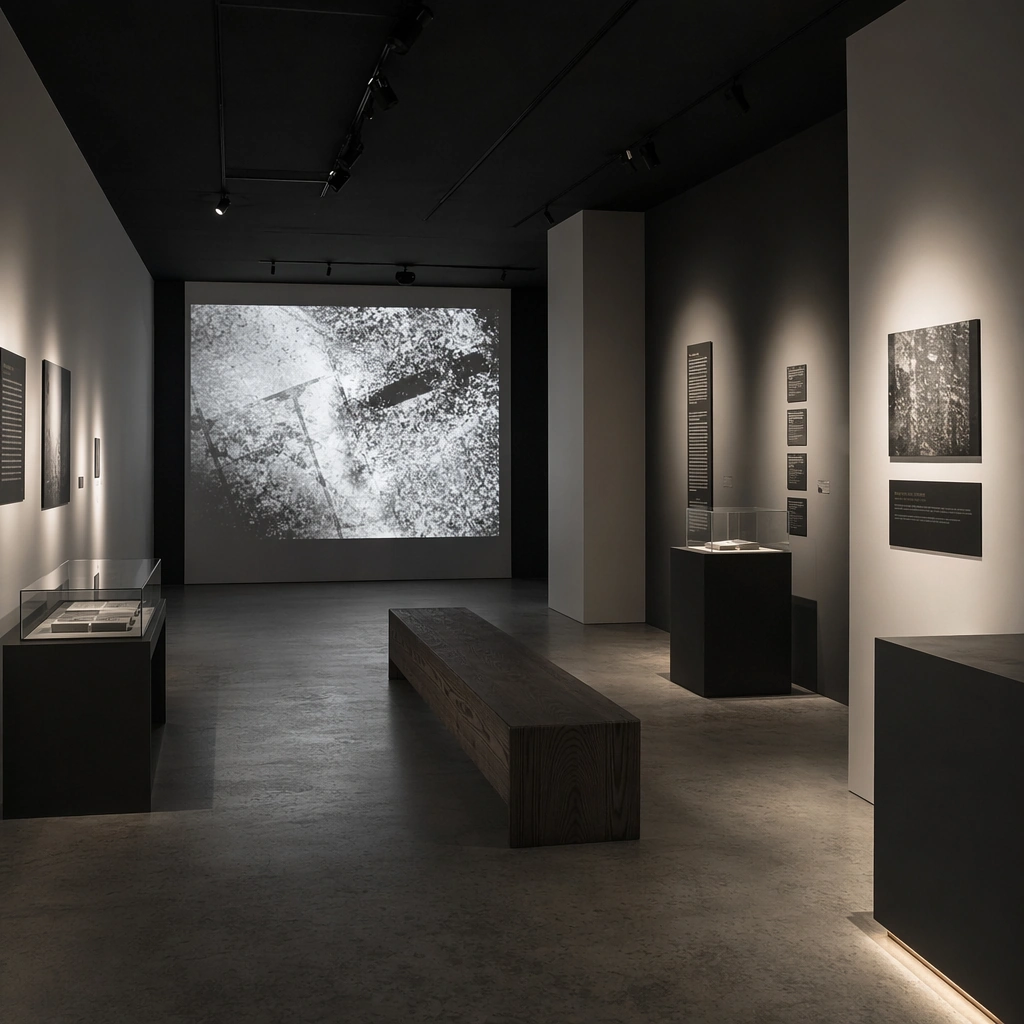
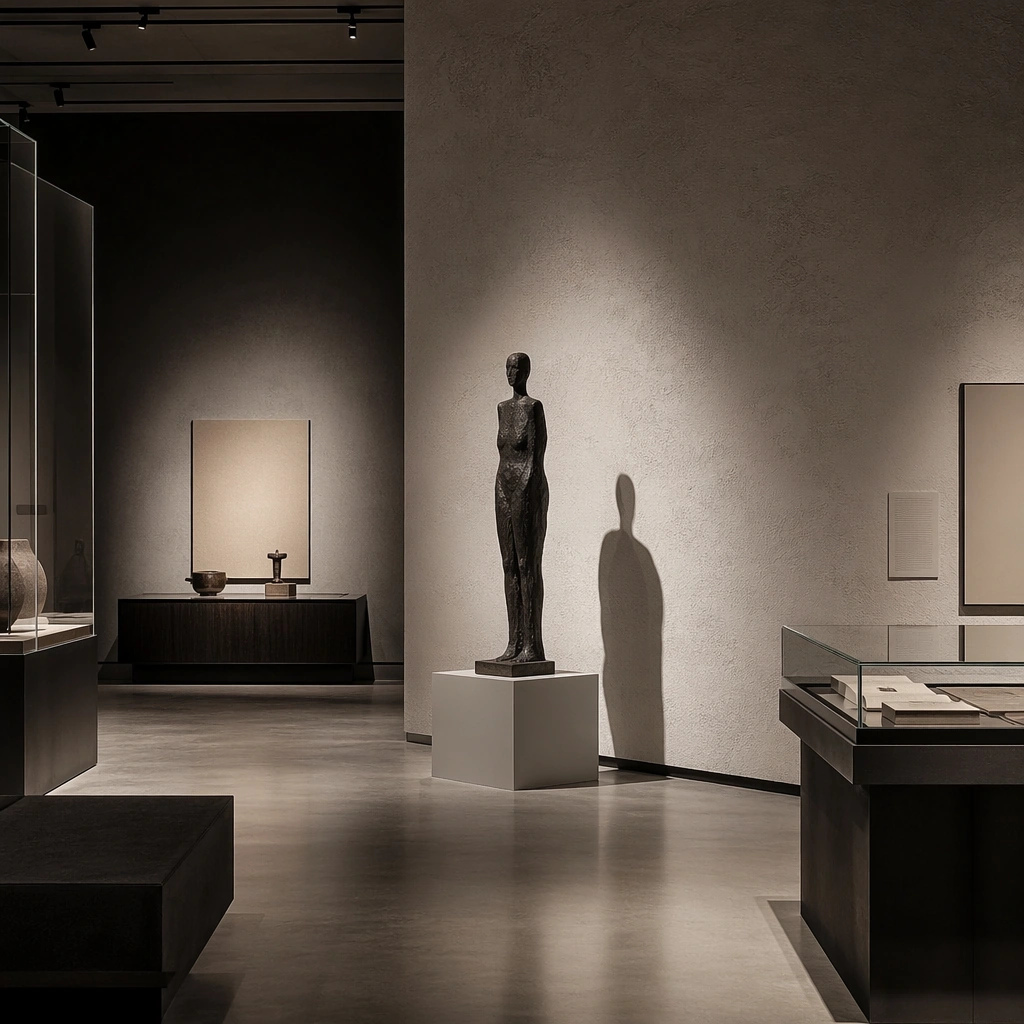
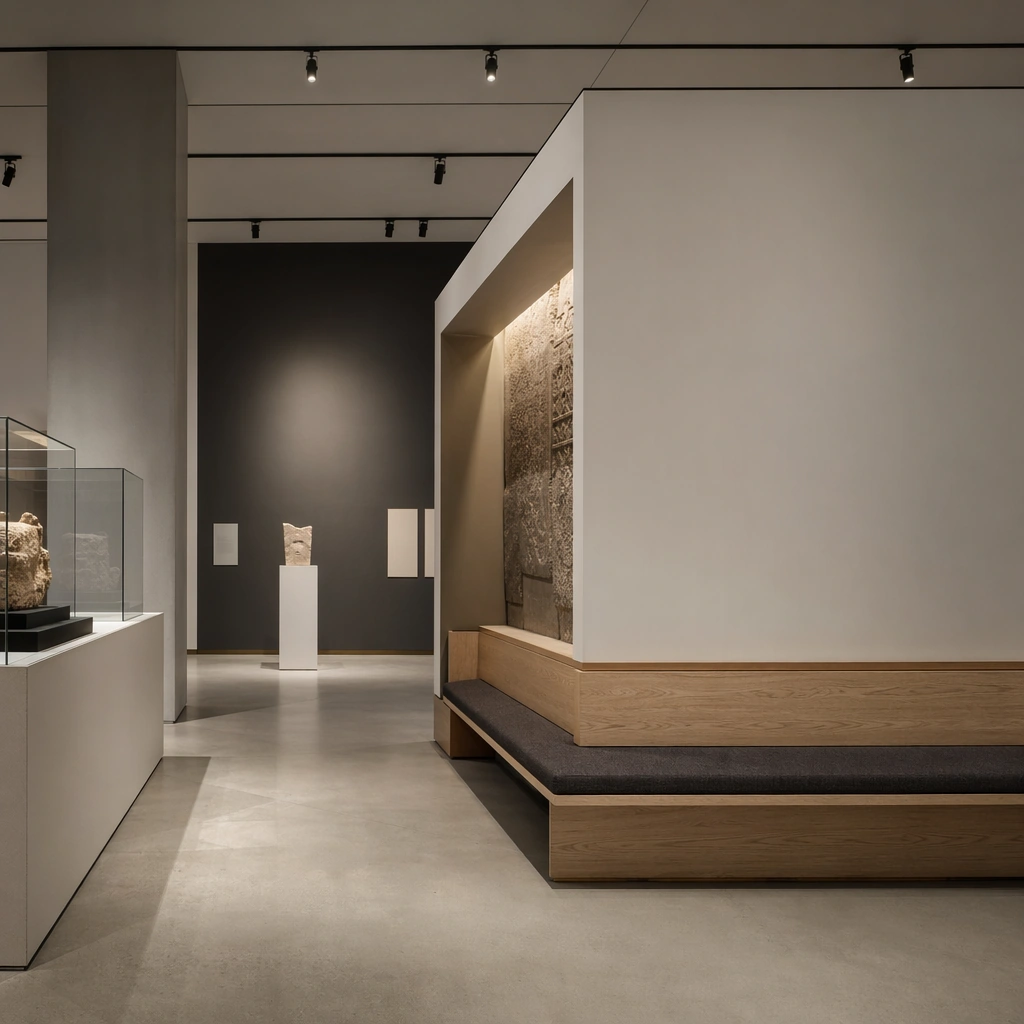
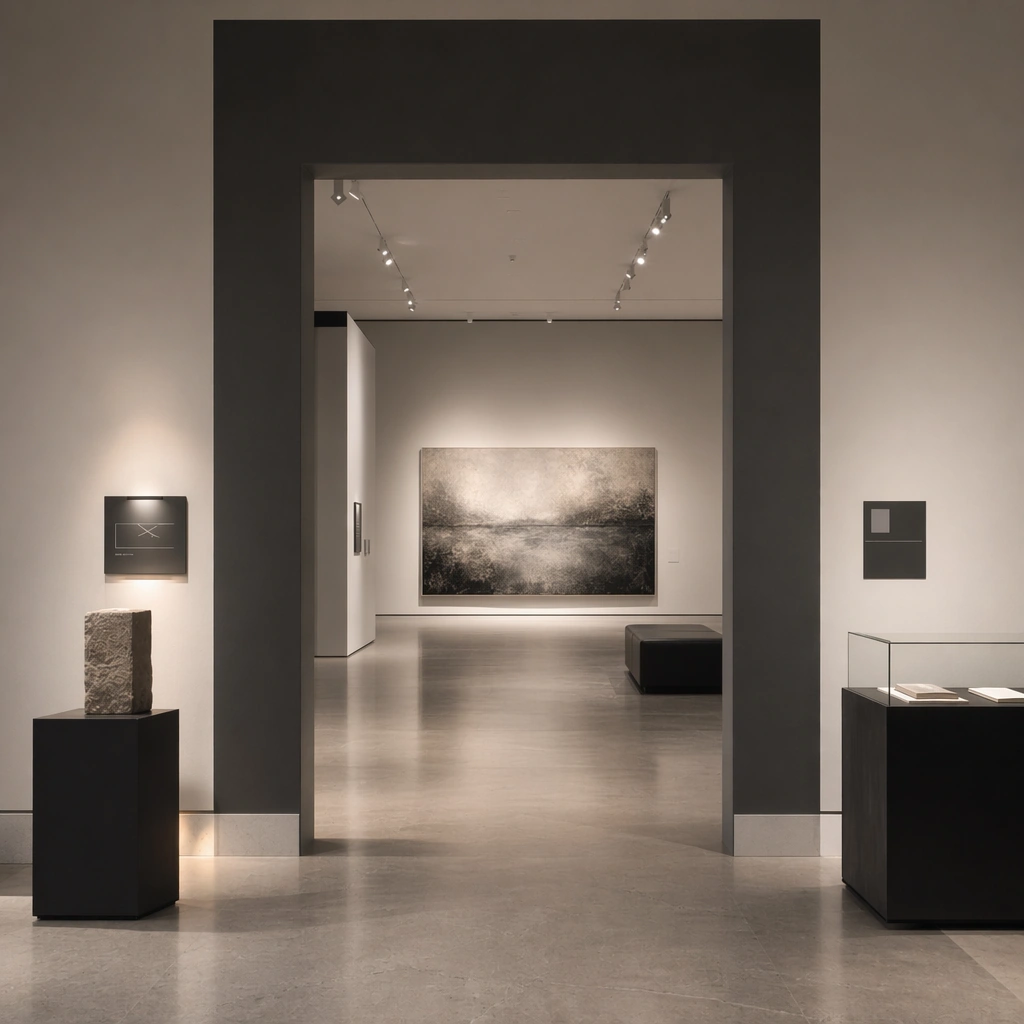
Create a square reference-dependent architecture still for Gallery Exhibition Spatial Sequence. Use a final-room composition with reflective surfaces and one seating element near the exit while keeping the same lens discipline, editorial polish, and material believability established by the reference image. The lighting can shift to support the intended mood, but the space must still feel like the same authored project with a stable viewpoint logic, convincing depth separation, and clean commercial-photography finish. Keep chalk white, charcoal gray, pale concrete, soft shadow black, and controlled spotlight warmth as the governing tonal range even when the emphasis changes.

Subject:
Show a gallery and exhibition environment with disciplined white and charcoal volumes, precise spotlighting, plinths, archival display furniture, abstract wall-label zones, and carefully paced emptiness. Focus on the exact same exhibition from the reference image, now emphasizing decompression and end-of-route mood. Preserve exact architectural identity, plan logic, material palette, fixture family, and circulation cues from the reference image while changing only the intended emphasis described here. The viewer should immediately recognize the same project, not a loose cousin, with matching silhouette logic, aligned detailing, and consistent brand atmosphere.

Important details:
Preserve the wall-label rhythm, plinth geometry, spotlight language, floor material, and slow exhibition pacing. Any abstract wayfinding, menu, wall-label, or packaging zones must stay unreadable and subordinate to the spatial image. Joinery, edges, reflections, and lighting should remain realistic enough for an operator or design team to treat the image as a credible reference. The variation should feel deliberate and commercially useful, proving that one locked spatial language can flex across multiple campaign or editorial surfaces.

Use case:
Gallery Exhibition Spatial Sequence series study 4/9, extending the closing spatial beat inside the same exhibition identity.

Constraints:
No readable text, no watermark, no logos, preserve exact 1:1 aspect ratio, preserve exact architectural identity from the reference image, no crowds, no readable wall text, no security barriers, no colorful trade-show clutter, no random gifts-shop products, no gift shop merchandise.
使い方
- パラメータを含む元のプロンプト全体をコピーします。
- 被写体、文字、構図を自分の要件に置き換えます。
- 対応する外部ツールで使用し、利用条件と結果を確認します。
開始前の確認
- 参考画像の要否を確認してください。互換モデルの表示は、そのモデルでの生成実績を意味しません。
- 名前、数値、画像内の文字を確認します。モデルの版で結果は変わります。