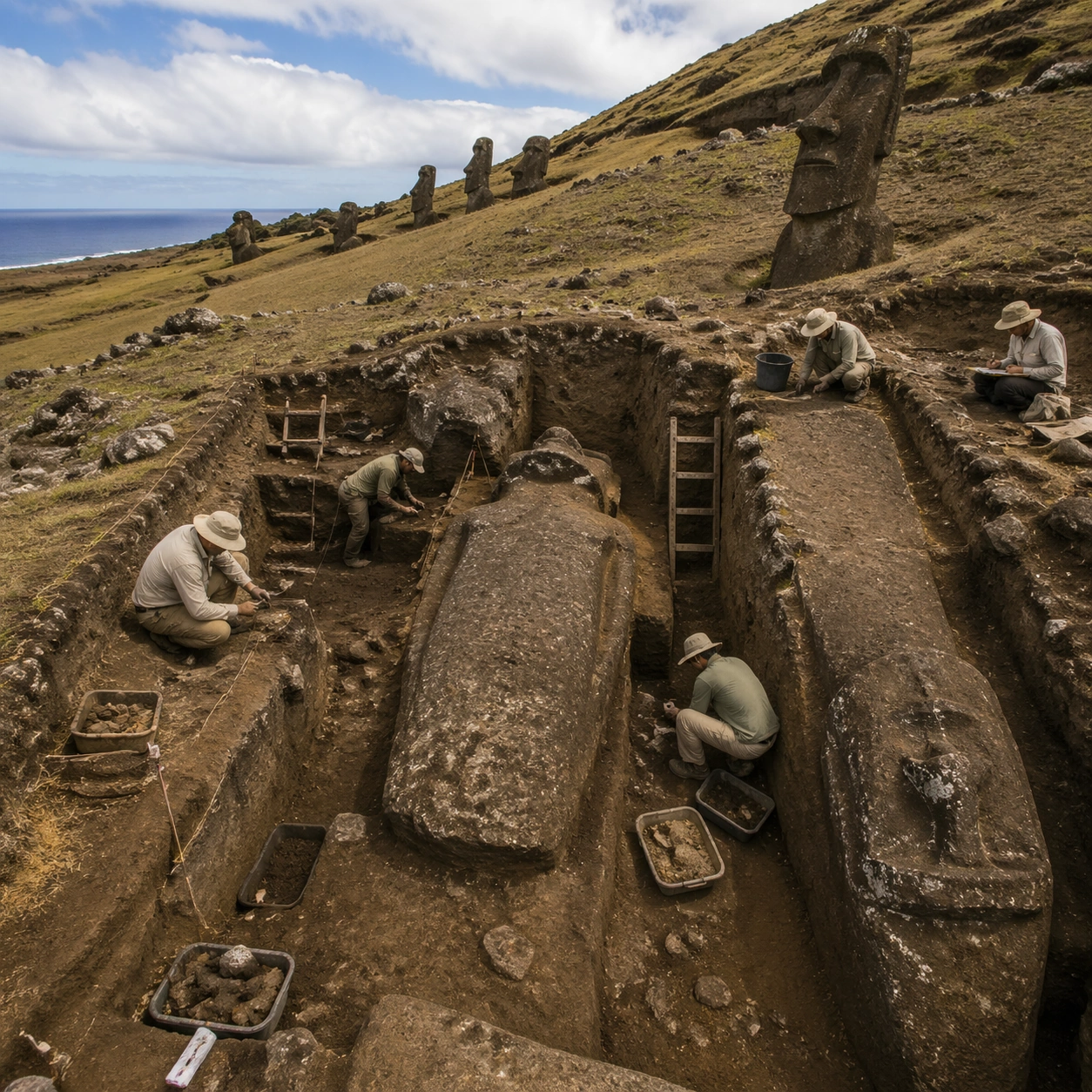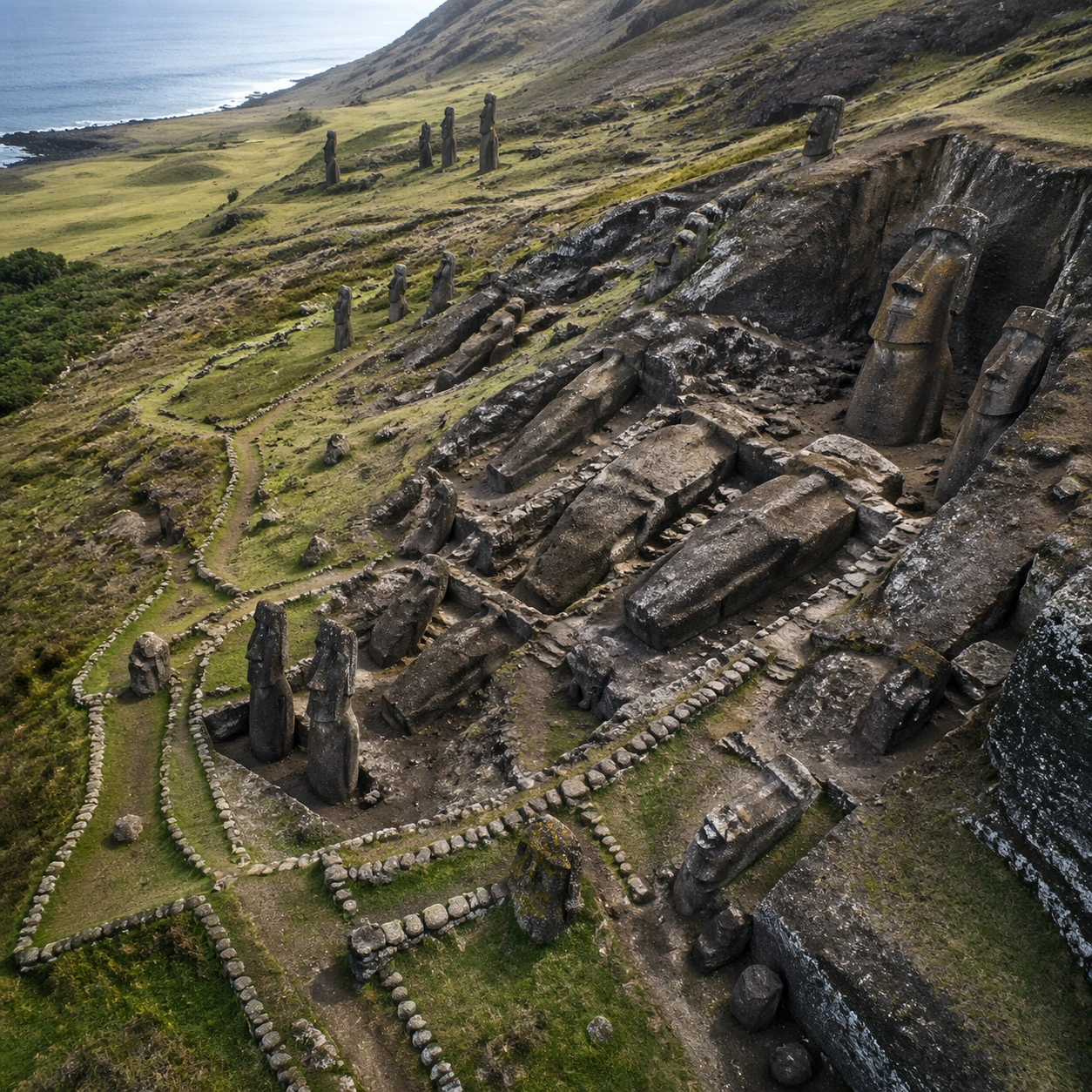
Easter Island Moai Quarry — Survey Perspective

Easter Island Moai Quarry — Survey Perspective

원본 문서

GPT Image 2 · en

Scene:
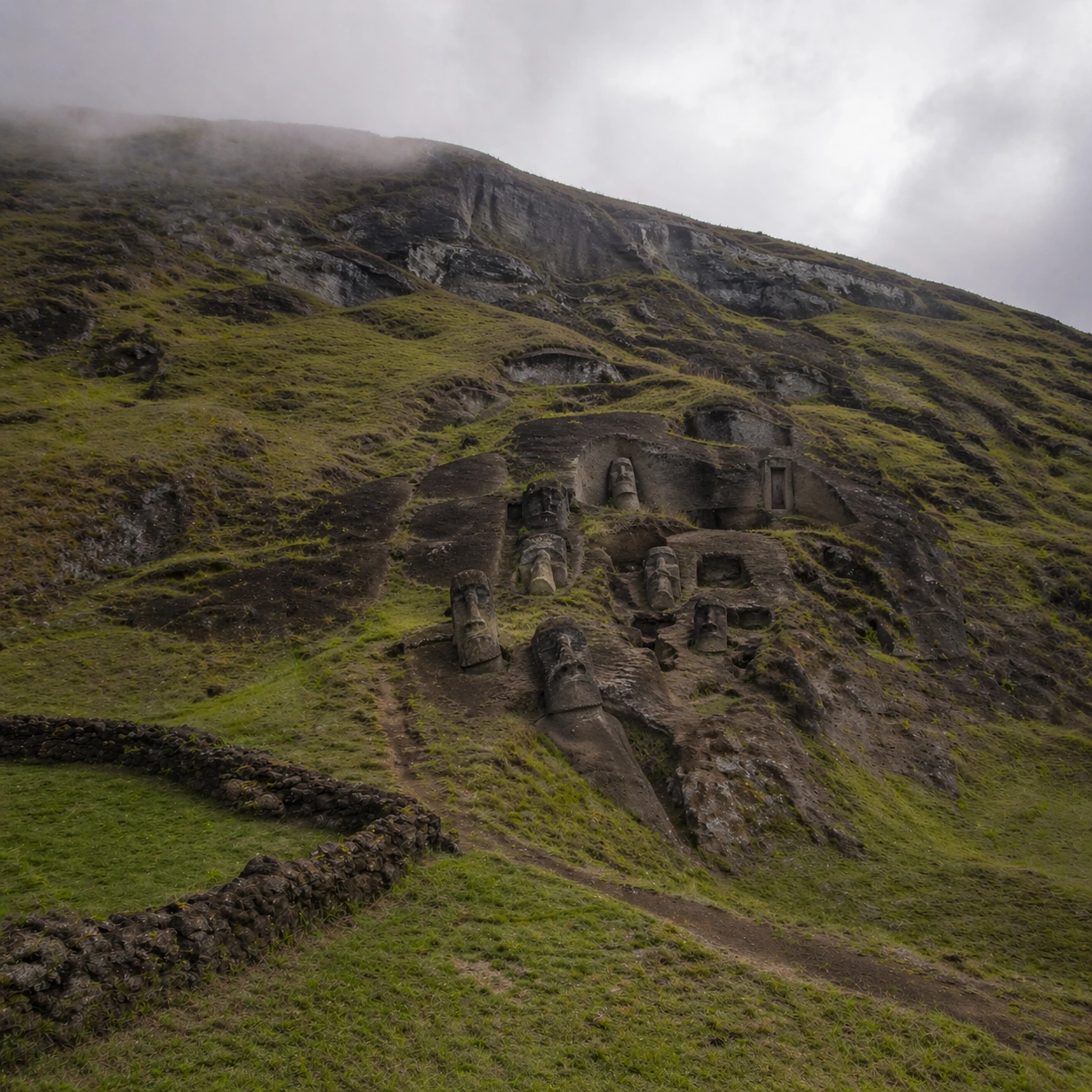
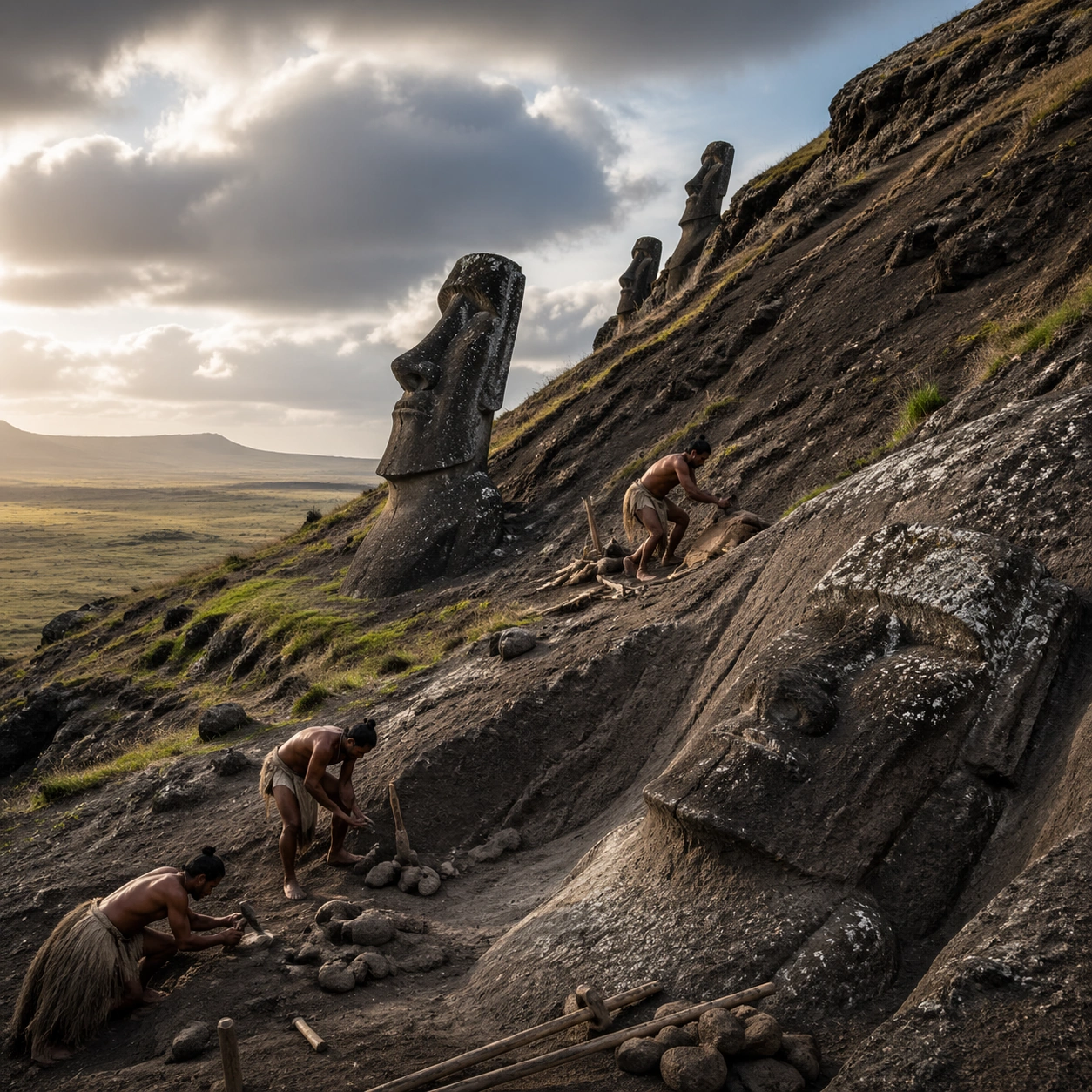
A square survey-oriented image that explains spatial logic with the clarity of an expert field overview while still reading as a finished artwork. Use a stable elevated vantage, clean depth layering, and enough visible terrain or architecture to make relationships legible without turning the frame into a literal map. The scene should feel analytical and cinematic at the same time.

Subject:
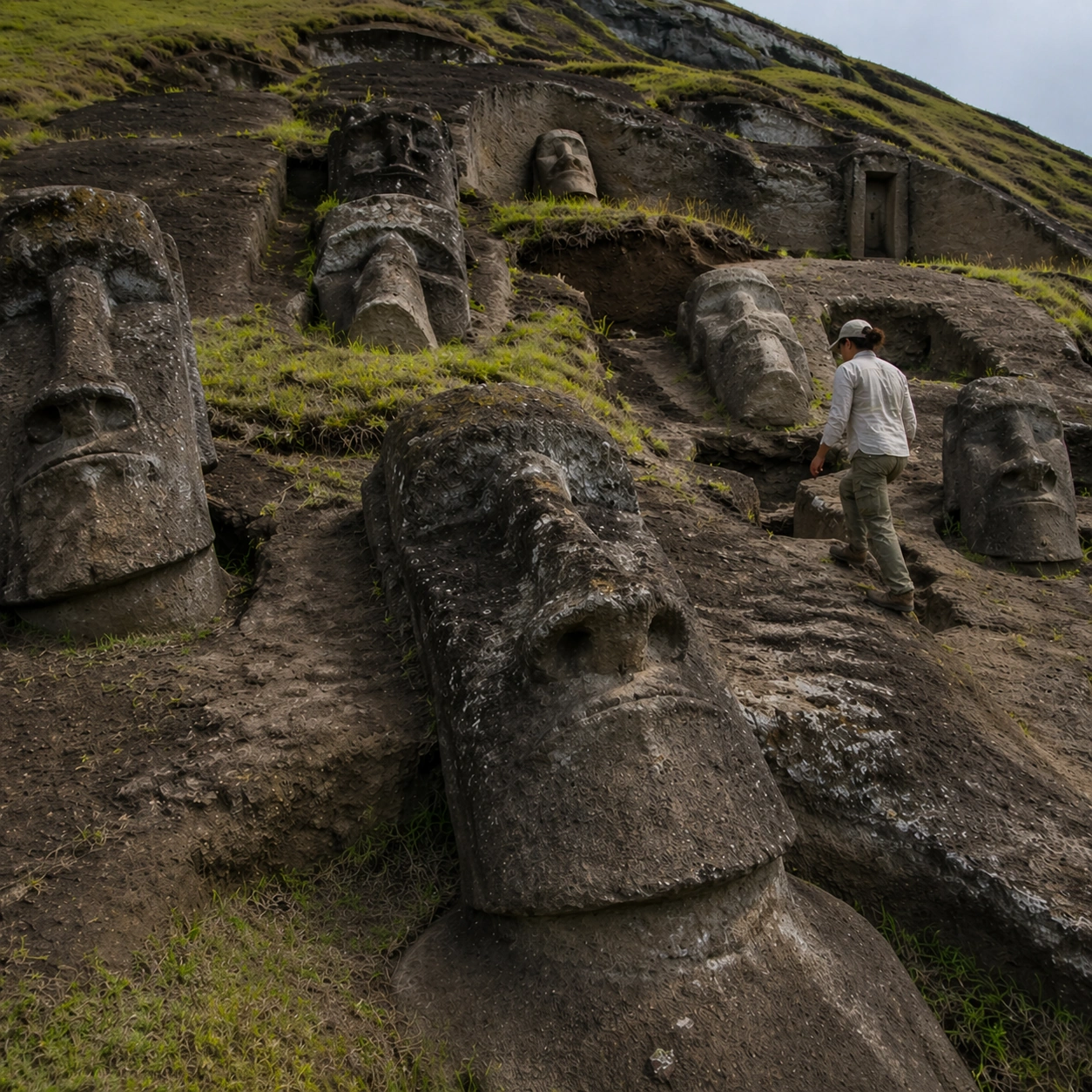
Show an elevated quarry survey that reveals carving clusters, partial burials, slope angle, and statue distribution as one geologically grounded system. Organize the composition so paths, terraces, walls, courtyards, chambers, canals, root systems, or quarry clusters can be read as a coherent system. The image should reveal how the civilization used land, water, elevation, enclosure, or monumentality. Keep all architecture, materials, and environmental details consistent with the correct place and period.

Important details:
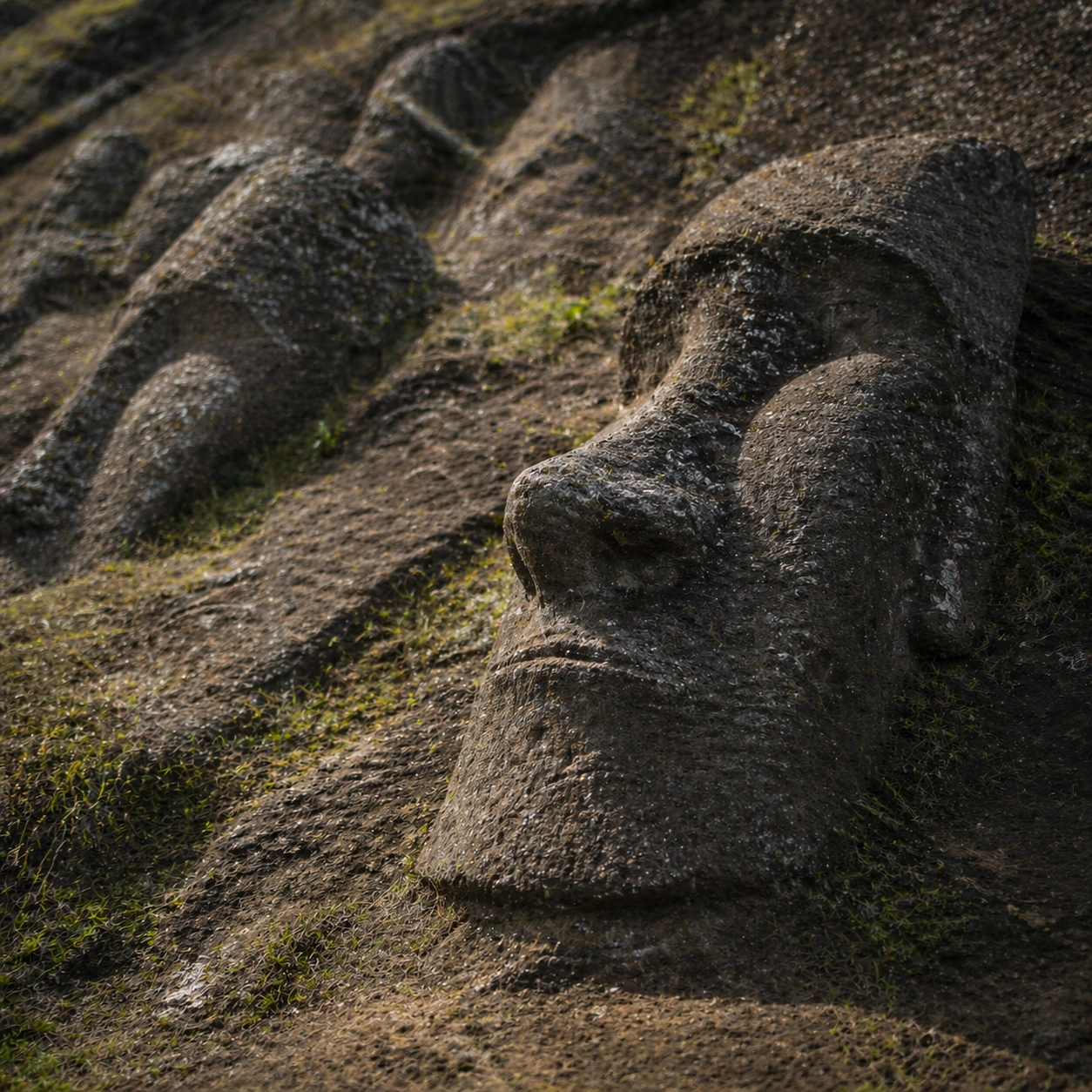
Keep the quarry recognizably Rano Raraku, with unfinished forms still attached to bedrock, tilted standing figures, and the specific relation between carved heads, slope, and volcanic terrain. This image should reward close looking by showing infrastructural logic: how stone courses align, how water moves, how rooms connect, how carved masses sit inside geology, or how vegetation interacts with built form. Avoid explicit annotation. Let composition, light, and scale cues do the explanatory work. Keep any measuring elements generic and unreadable, and make the image feel like serious research made visually elegant.

Use case:
Easter Island Moai Quarry single study 8/9.

Constraints:
No readable text, no watermark, no logos, preserve exact 1:1 aspect ratio, no sci-fi statues, no modern cranes, no fantasy rituals, no giant glowing eyes, no infographic arrows, no split-screen layout, no impossible aerial geometry, no unrelated settlements.

사용 방법

  1. 매개변수를 포함한 전체 원본 프롬프트를 복사하세요.
  2. 주제, 문구, 구도를 자신의 요구에 맞게 바꾸세요.
  3. 호환되는 외부 도구에서 사용하고 이용 조건과 결과를 확인하세요.

시작 전 확인

  • 참조 이미지가 필요한지 확인하세요. 호환 표시는 해당 모델로 이 예시를 생성했다는 뜻이 아닙니다.
  • 이름, 수치, 이미지 속 문구를 확인하세요. 모델 버전에 따라 결과가 다를 수 있습니다.
비슷한 예시

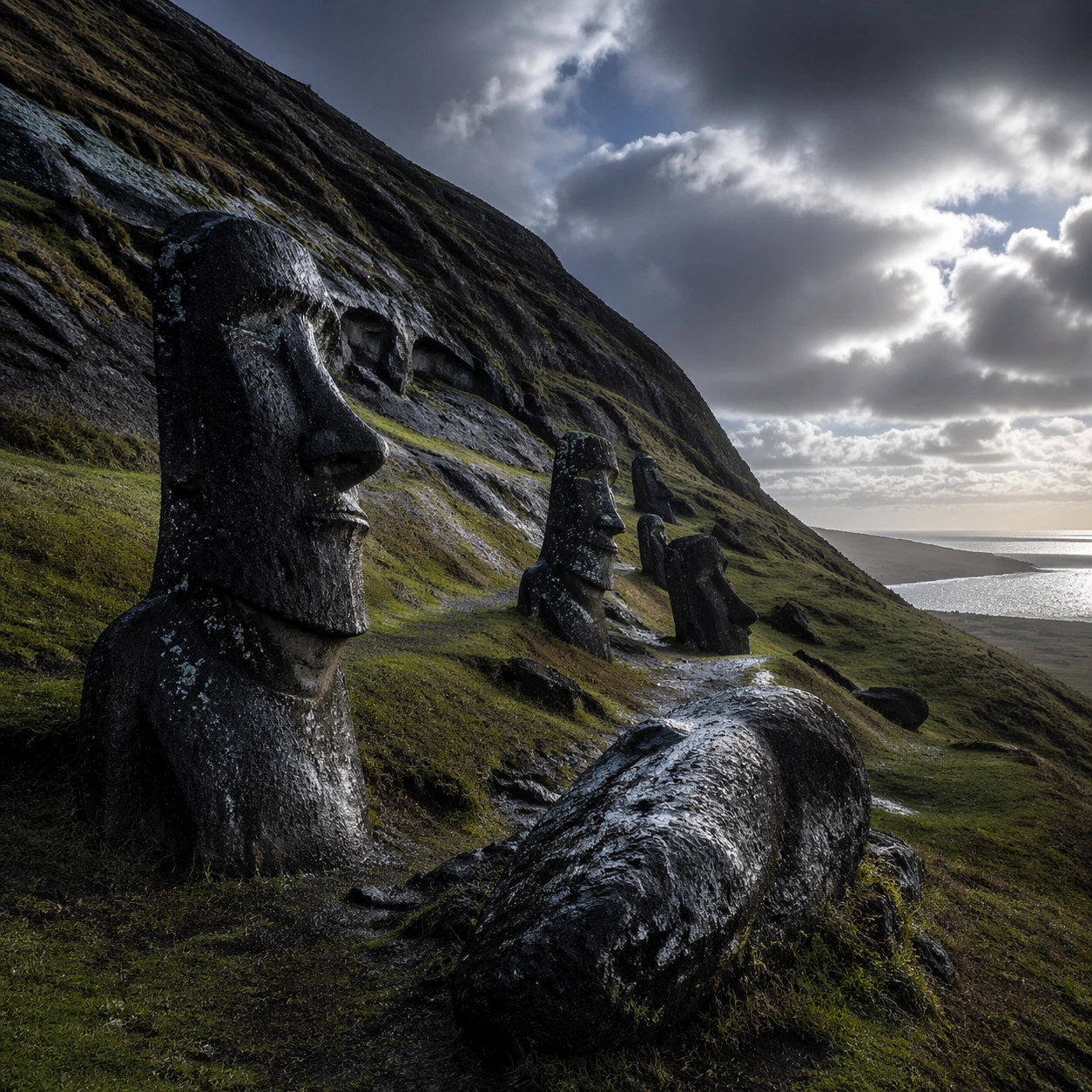
Easter Island Moai Quarry — Light Shift Study
GPT Image 2en

Scene: A square mood variation from the same civilization theme, built around post-storm Pacific light with dramatic cloud openings, darker grass, and cool highlights across the moai faces. The image should stay grounded in field realism while testing how different illumination c

Easter Island Moai Quarry — Atmospheric Wide Reveal
GPT Image 2en

Scene: A square wide reveal of the same site under a slightly different environmental condition, with more surrounding geography or architecture visible while keeping the anchor landmark dominant. Use disciplined composition, atmospheric perspective, and natural light behavior so

Easter Island Moai Quarry — Editorial Reconstruction
GPT Image 2en

Scene: A square hero image designed for a museum wall graphic or flagship magazine cover, but without any actual typography. Use strong focal hierarchy, refined contrast, and a polished finish that still feels rooted in archaeological evidence. The frame should look complete on i

Easter Island Moai Quarry — Surface Close Study
GPT Image 2en

Scene: A square close study framed within the same site established by the reference anchor. Use a tight crop, shallow but believable depth of field, and raking light that reveals tactile evidence in surface relief, pigment, tool marks, moisture, or marine wear. The image should

Easter Island Moai Quarry — Human Scale Reveal
GPT Image 2en

Scene: A square follow-up field image from the same site, slightly closer and lower than the reference anchor, with careful documentary framing and the same material palette. The camera should feel physically present inside the archaeological space, using natural light, soft dept

Easter Island Moai Quarry — Excavation Overview
GPT Image 2en

Scene: A square independent archaeology study composed from a slightly elevated fieldwork viewpoint. Use balanced natural light, crisp evidence hierarchy, and practical site organization so the image feels publishable in a museum report and still visually strong enough for a gall