원본 문서
GPT Image 2 · en
Scene:
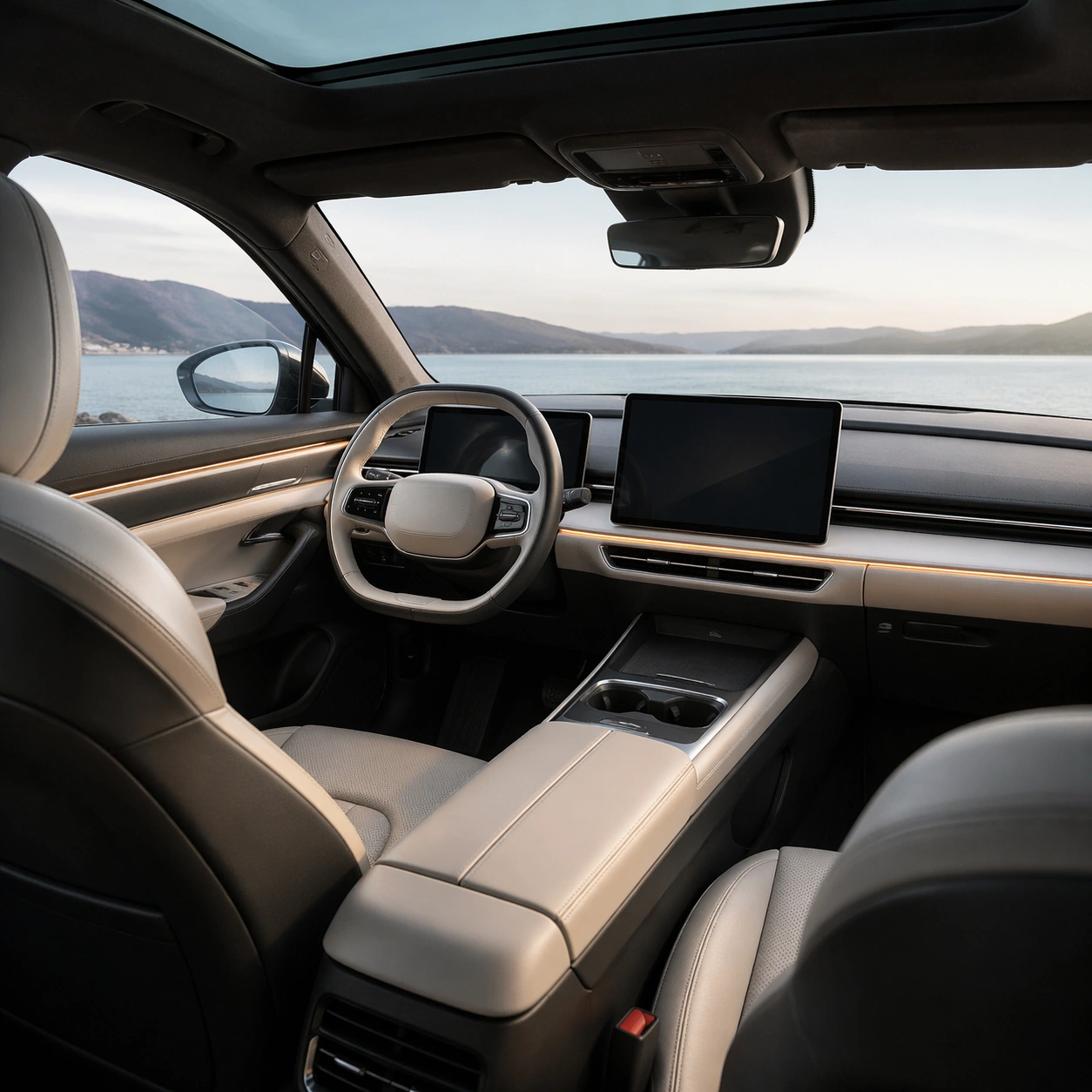
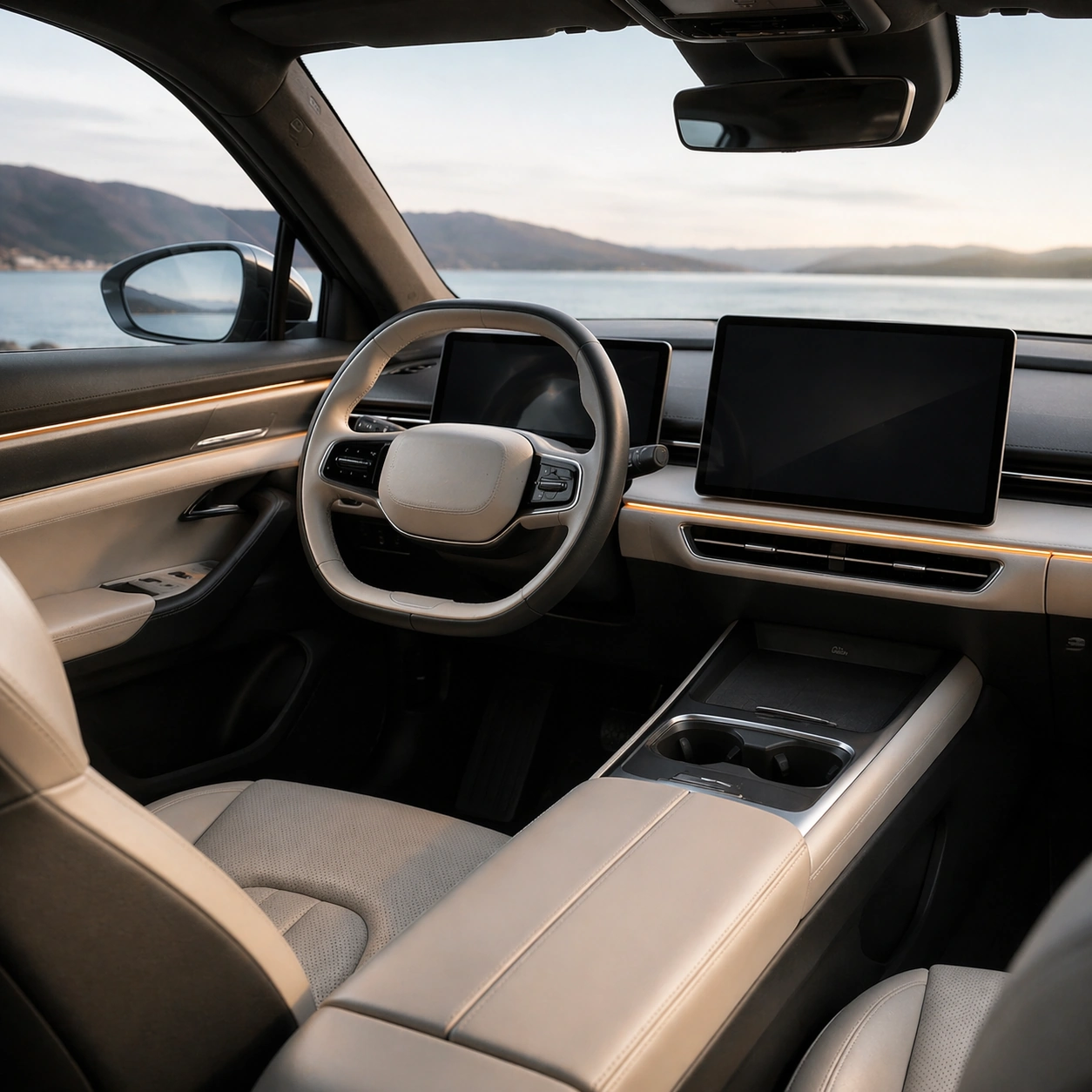
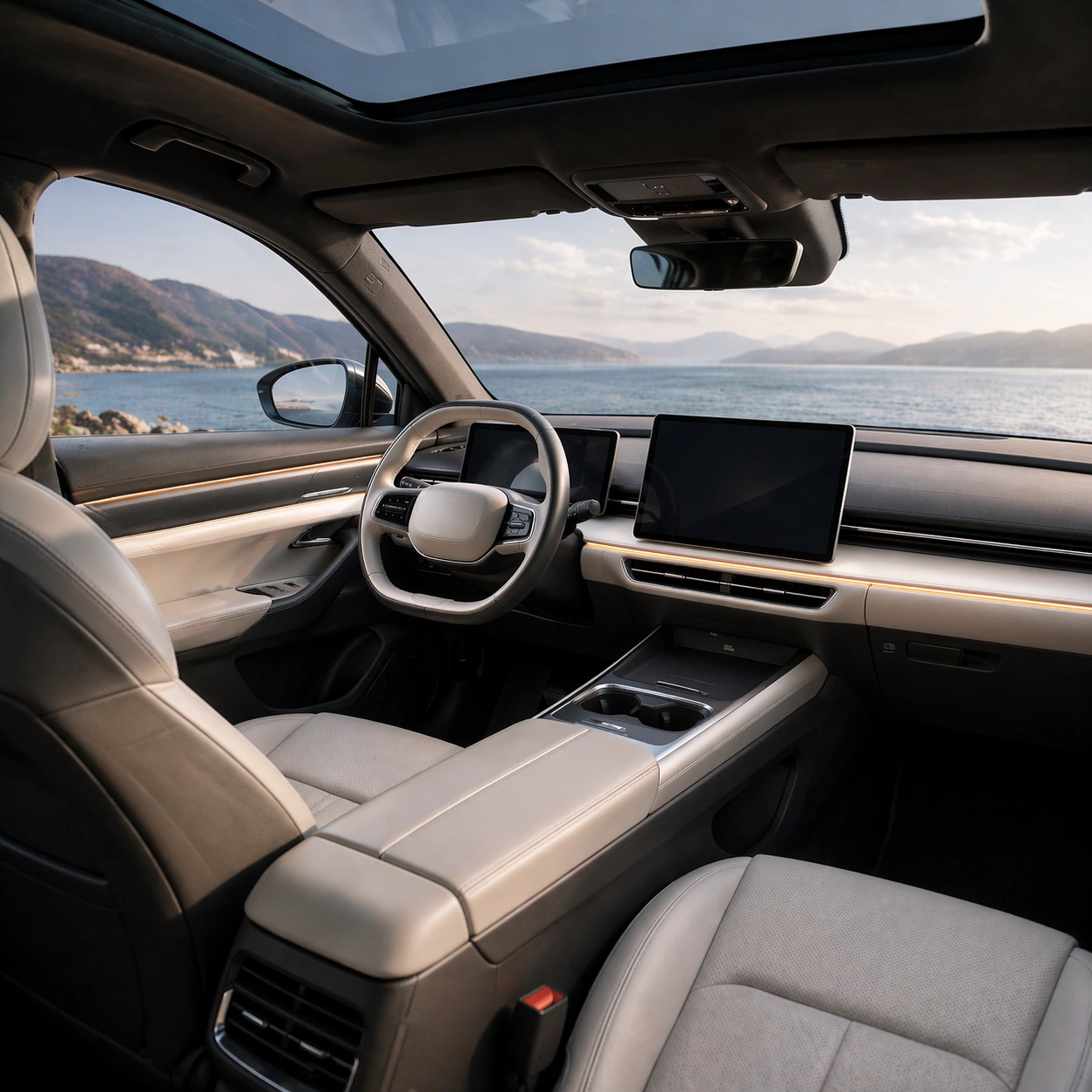
A square passenger-side perspective with open panoramic glass, controlled daylight, and balanced specular behavior across trim and upholstery. Compose the frame as a square key visual with disciplined camera placement, premium lighting control, and believable real-world scale. The tonal range should feel polished and intentional, with enough atmosphere to create depth without obscuring form. Keep contrast calibrated for launch, catalog, or research presentation use rather than casual snapshot aesthetics.

Subject:
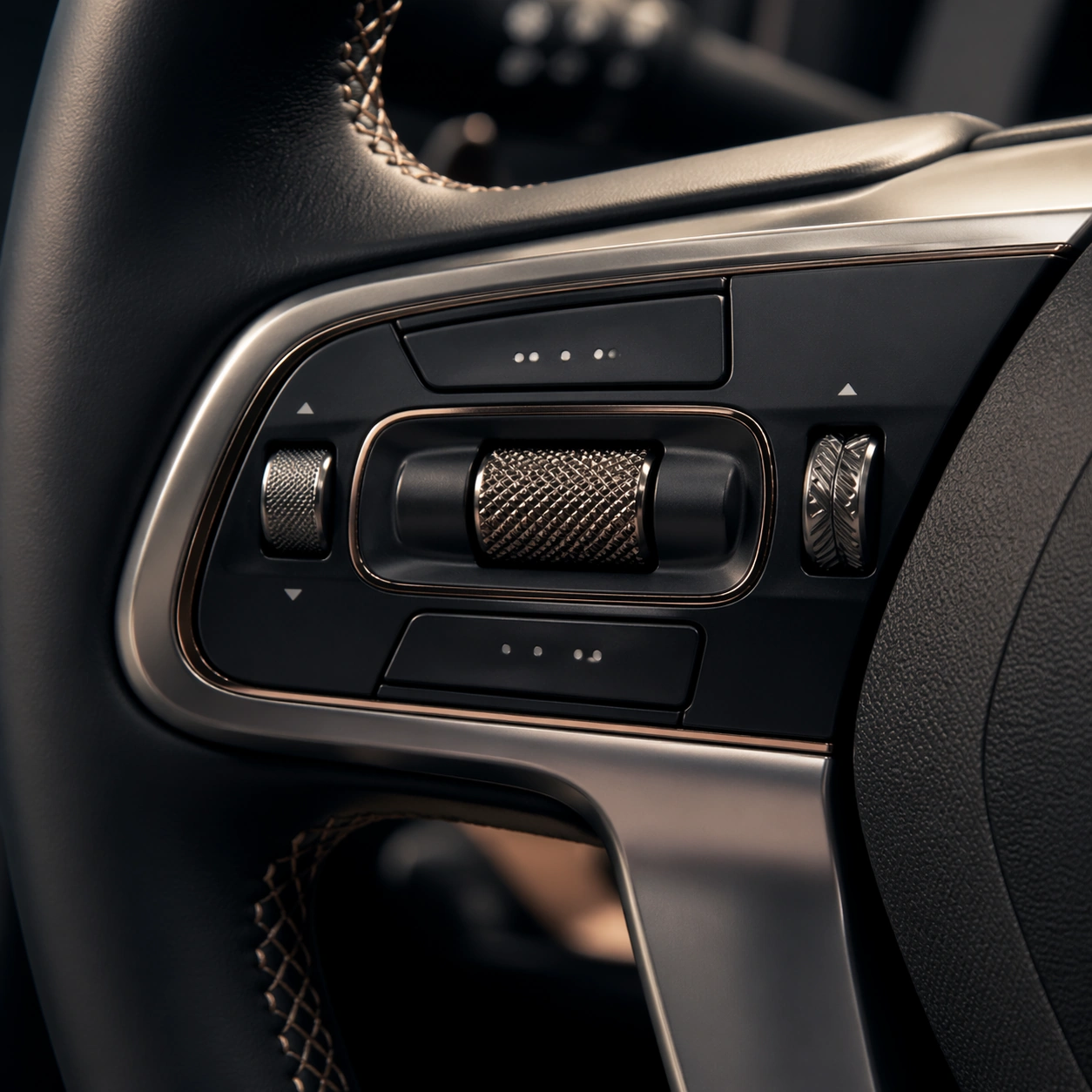
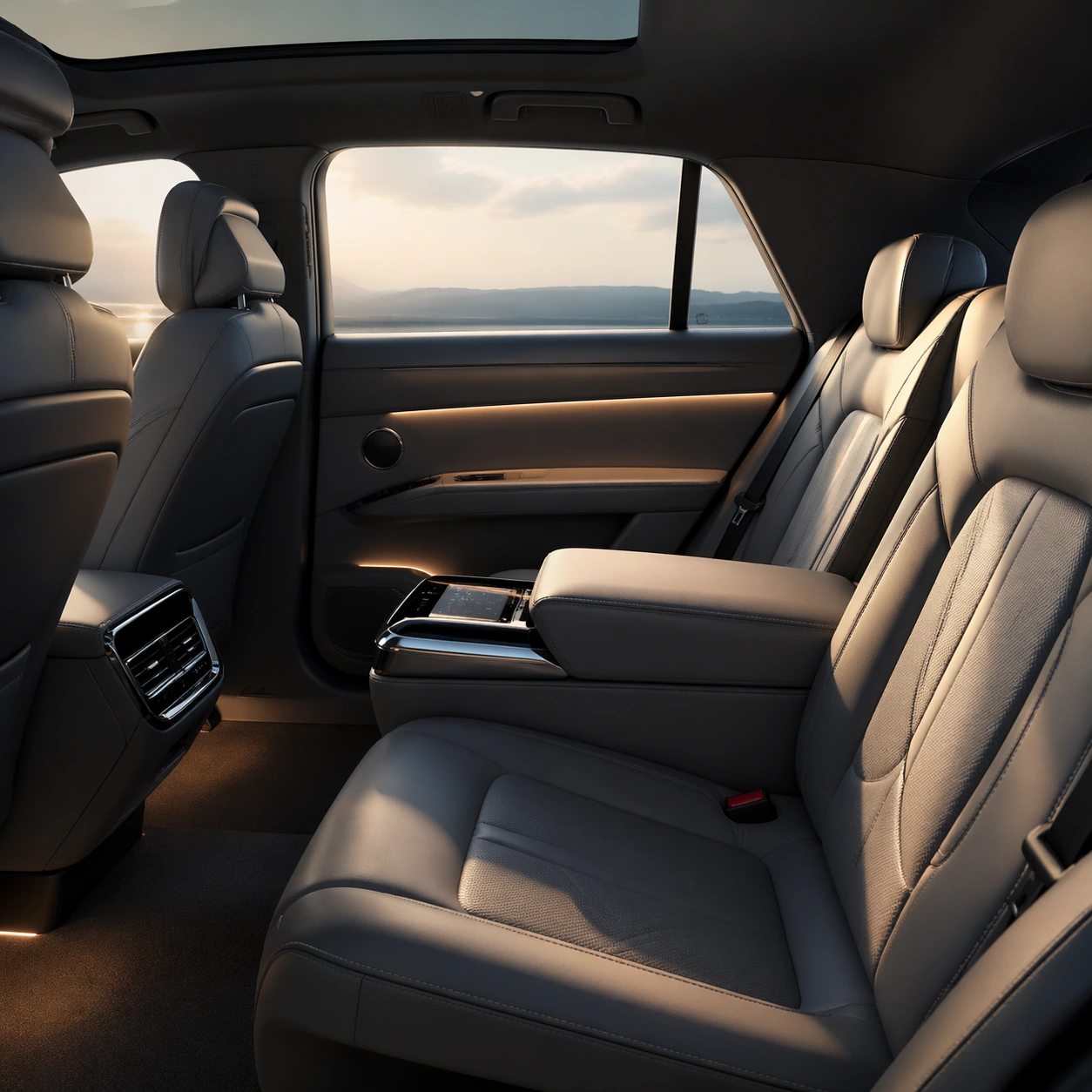
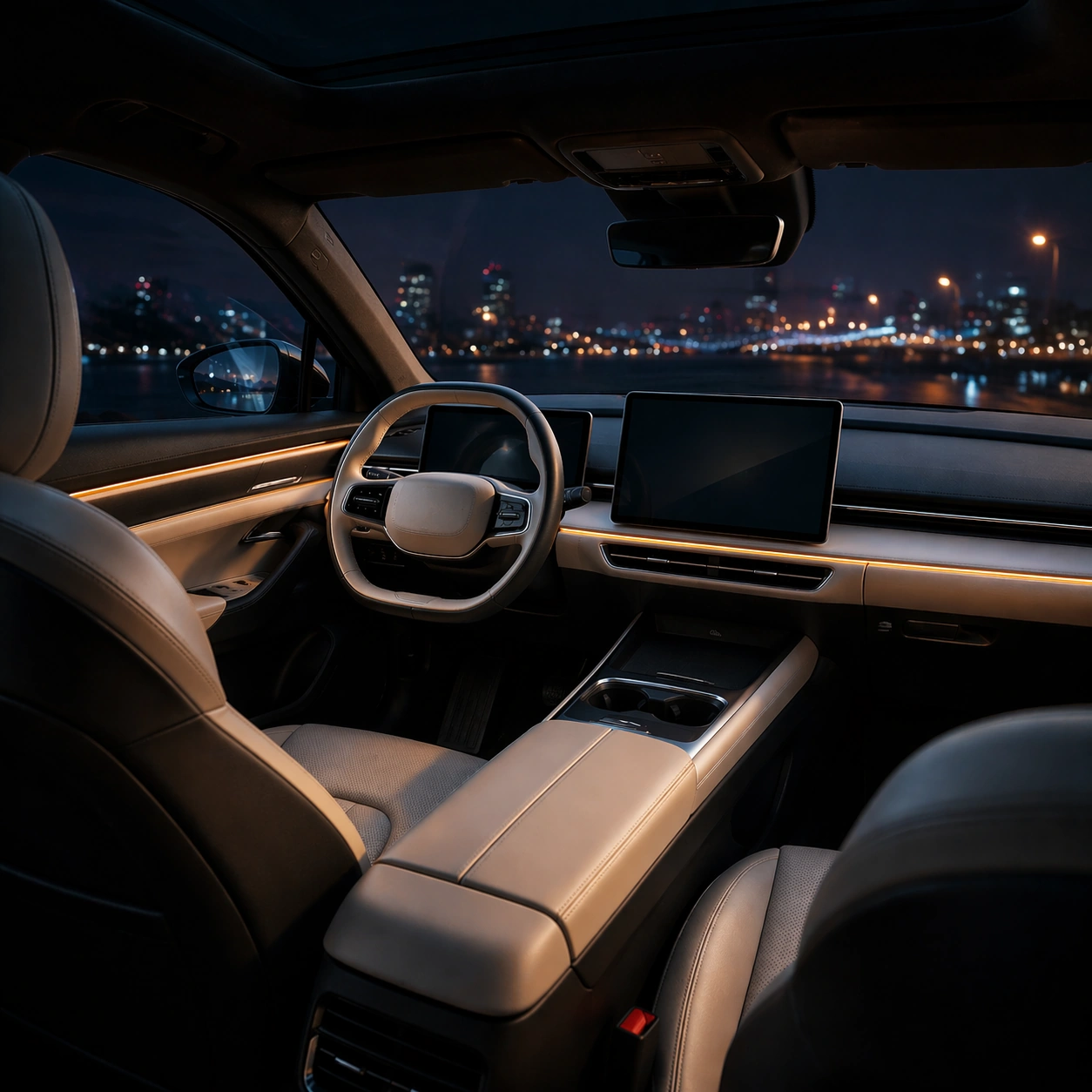
Center an original premium electric crossover interior with a sculpted steering wheel, floating instrument panel, thin vent architecture, integrated ambient light band, perforated leather seats, and a panoramic roof. Make the subject feel original, production-aware, and clearly grounded in Automotive Interior Cockpit UI Hero. For this series image, preserve exact core subject identity, proportions, base geometry, and material language from the reference image whenever continuity matters. The focal hierarchy should be immediate: primary form first, then material behavior, then supporting environmental cues that clarify use context and difficulty.

Important details:
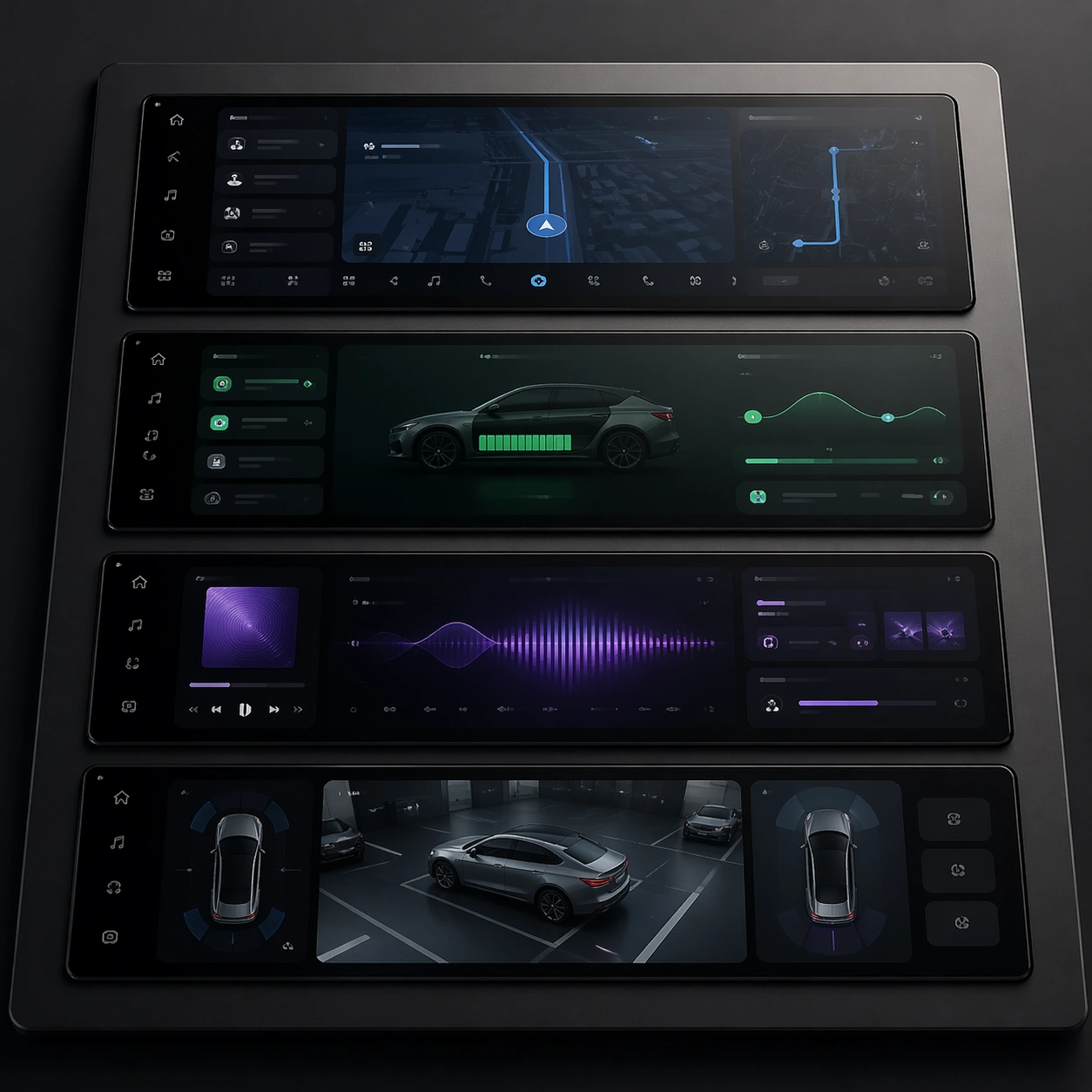
Turn the same cockpit into a brochure-quality premium interior plate with spatial clarity, elegant restraint, and clean visual hierarchy suitable for product communication. Preserve exact steering-wheel geometry, seat shape, dashboard architecture, screen proportions, ambient light path, and material palette across the series. The UI must feel believable but contain no readable text. Cabin ergonomics should feel manufacturable and premium. Use believable materials, engineering logic, and professional composition discipline. Reflections, shadows, edge breaks, texture scale, interface density, and small physical joints must all support realism. Avoid filler props, vague mood-board clutter, or any element that weakens the sense of a purpose-built industrial or automotive image.

Use case:
Cockpit UI series study 4/9 for Automotive Interior Cockpit UI Hero, built as image 04-presentation-master.

Constraints:
No readable text, no watermark, no logos, preserve exact 1:1 aspect ratio, no readable UI labels, no logos, no passengers, no fantasy holograms, no steering-wheel badge text, no cheap plastic sheen.
사용 방법
- 매개변수를 포함한 전체 원본 프롬프트를 복사하세요.
- 주제, 문구, 구도를 자신의 요구에 맞게 바꾸세요.
- 호환되는 외부 도구에서 사용하고 이용 조건과 결과를 확인하세요.
시작 전 확인
- 참조 이미지가 필요한지 확인하세요. 호환 표시는 해당 모델로 이 예시를 생성했다는 뜻이 아닙니다.
- 이름, 수치, 이미지 속 문구를 확인하세요. 모델 버전에 따라 결과가 다를 수 있습니다.