Documento original
GPT Image 2 · en
Scene:
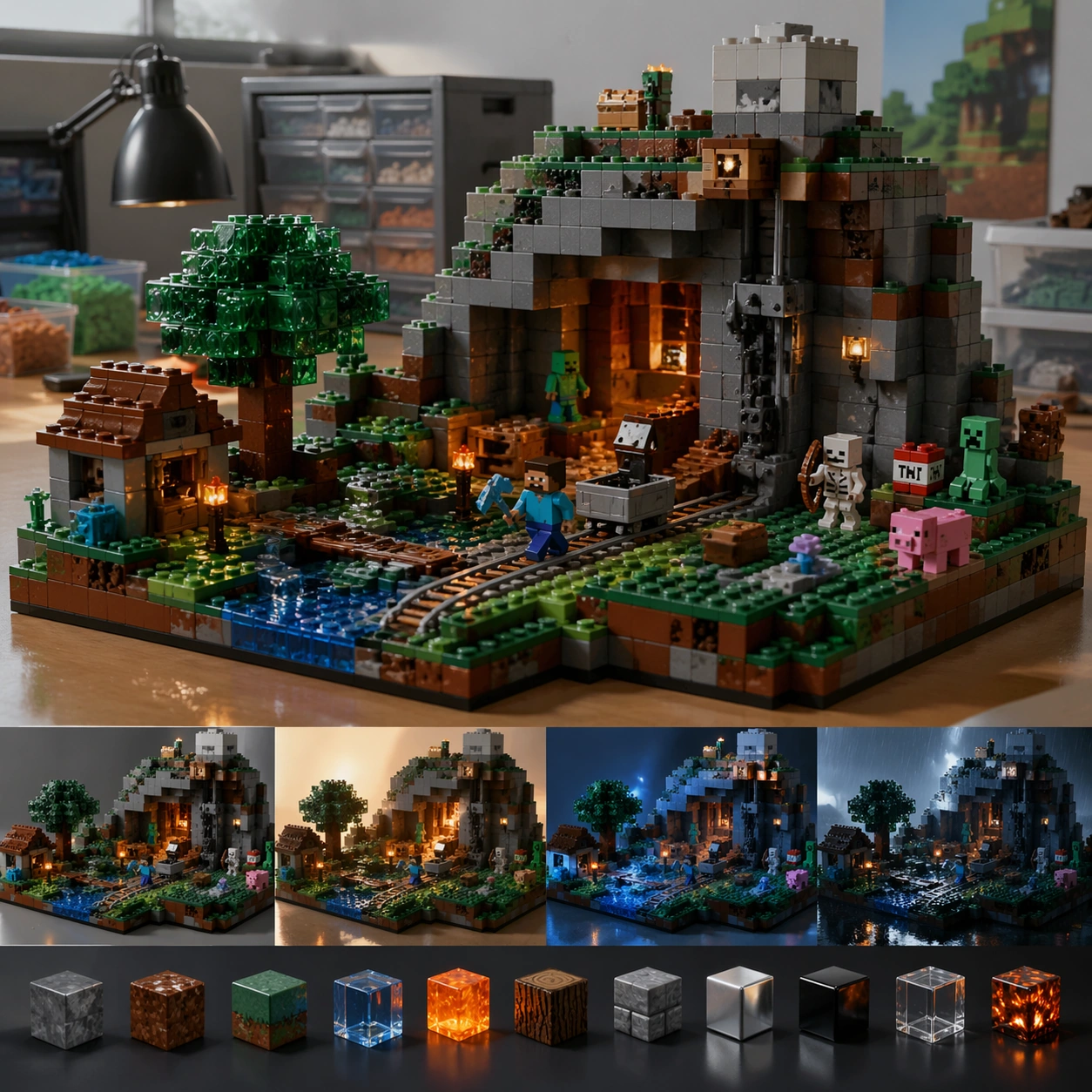
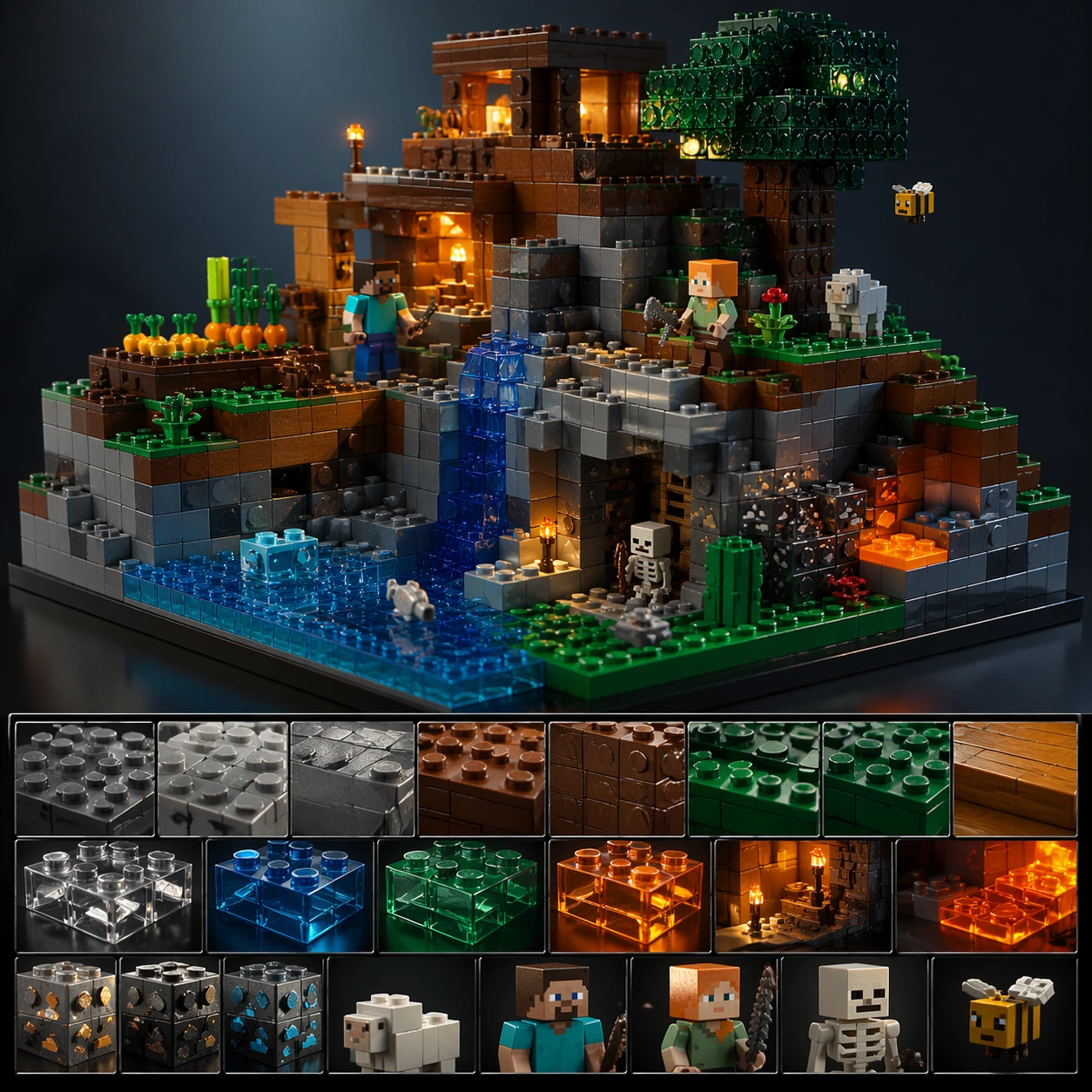
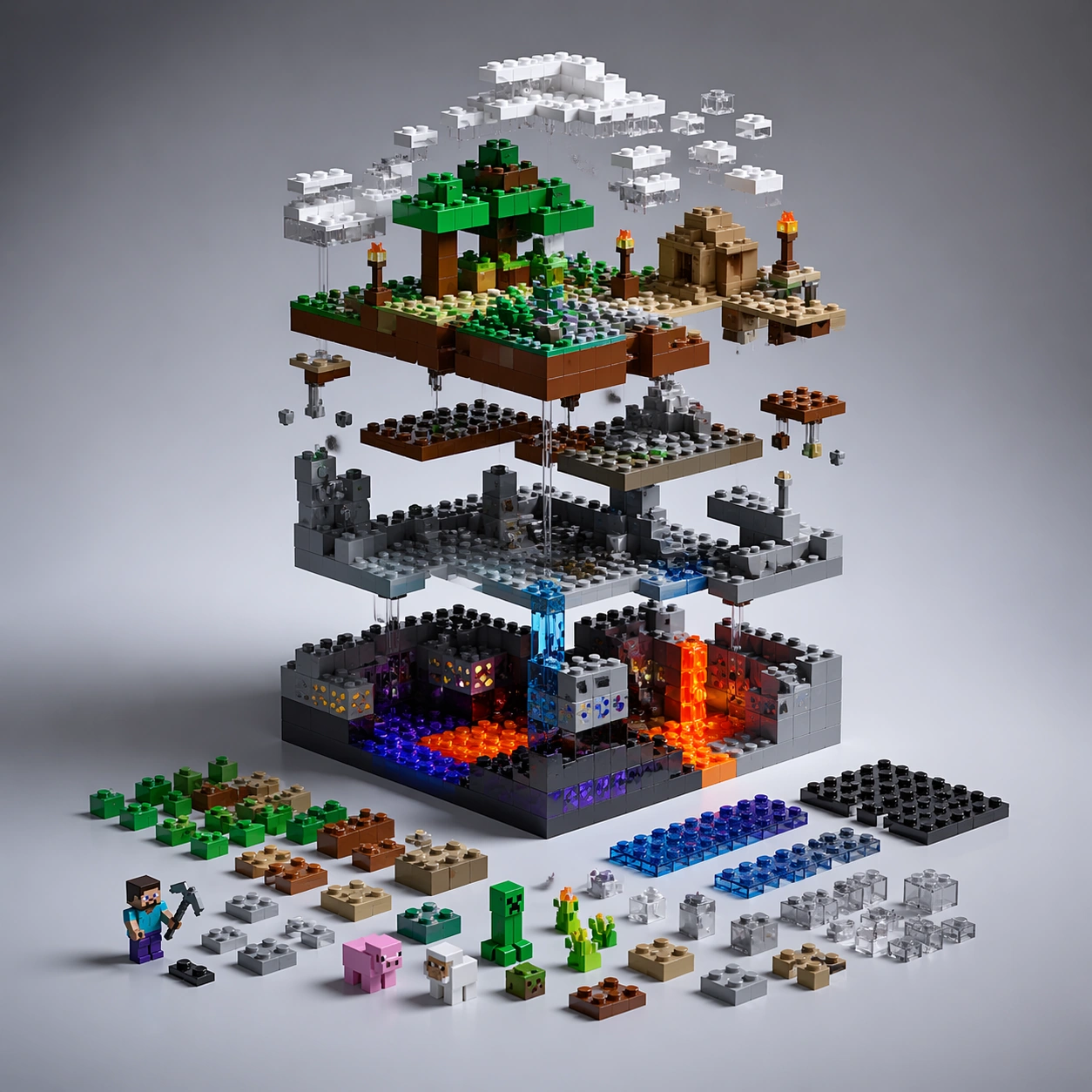
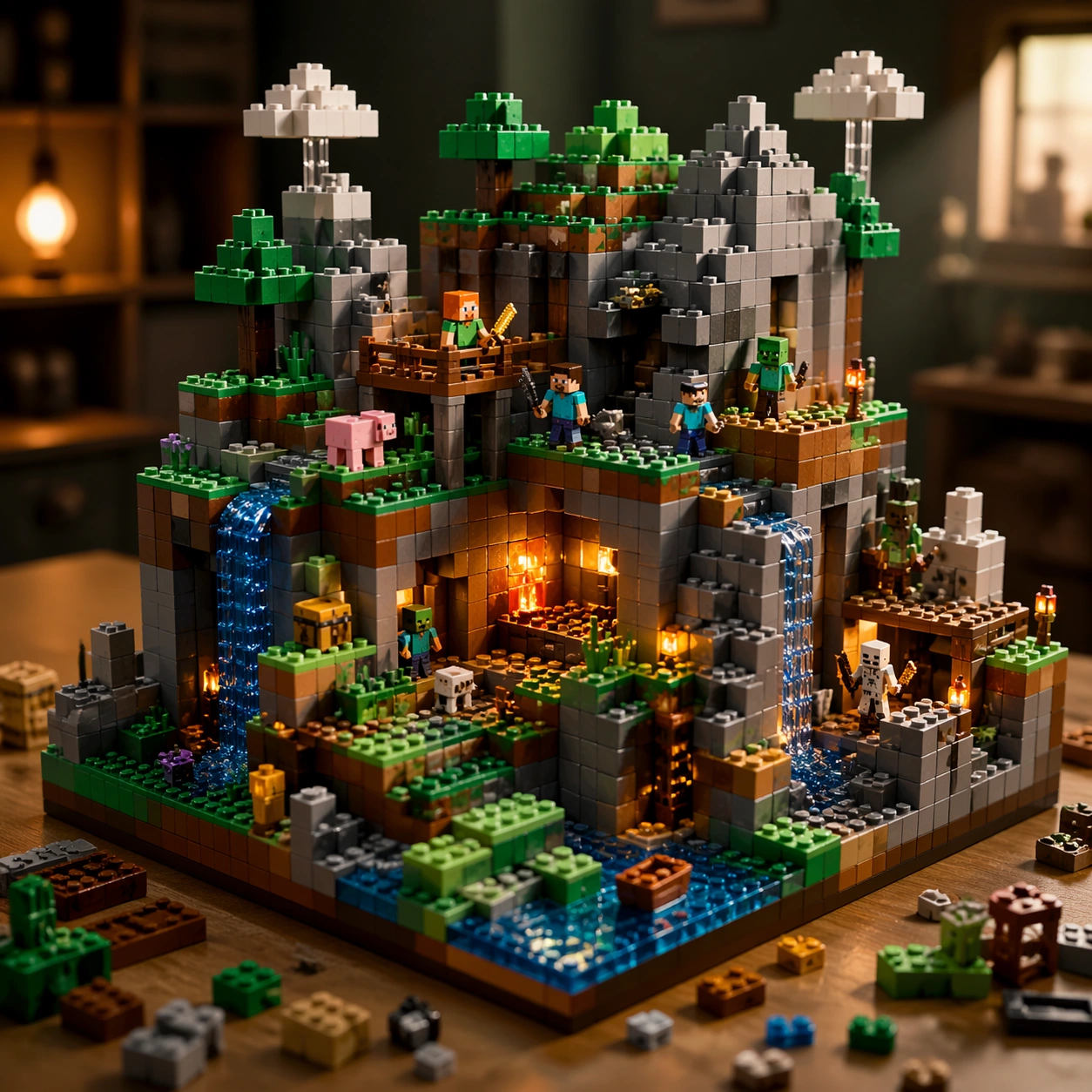
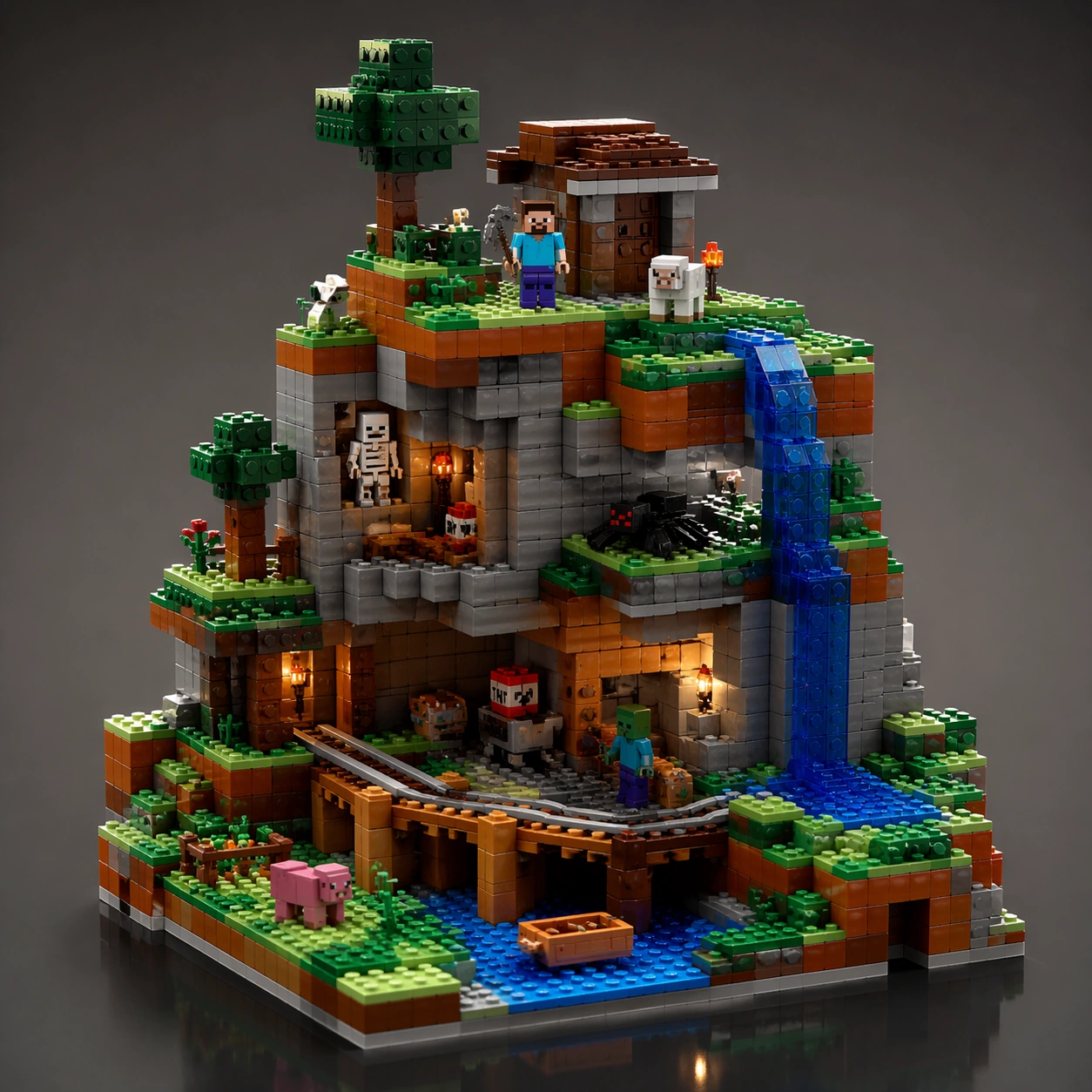
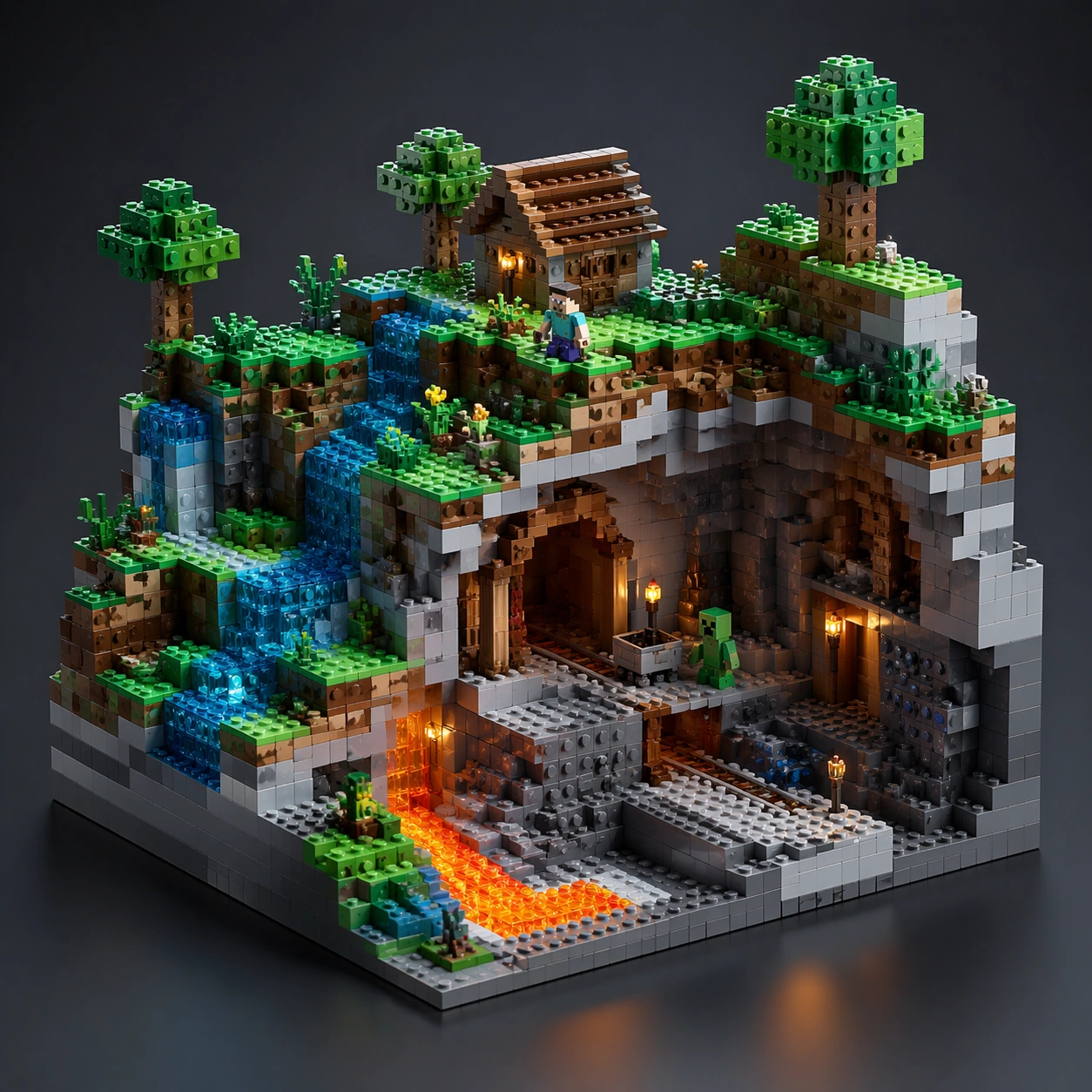
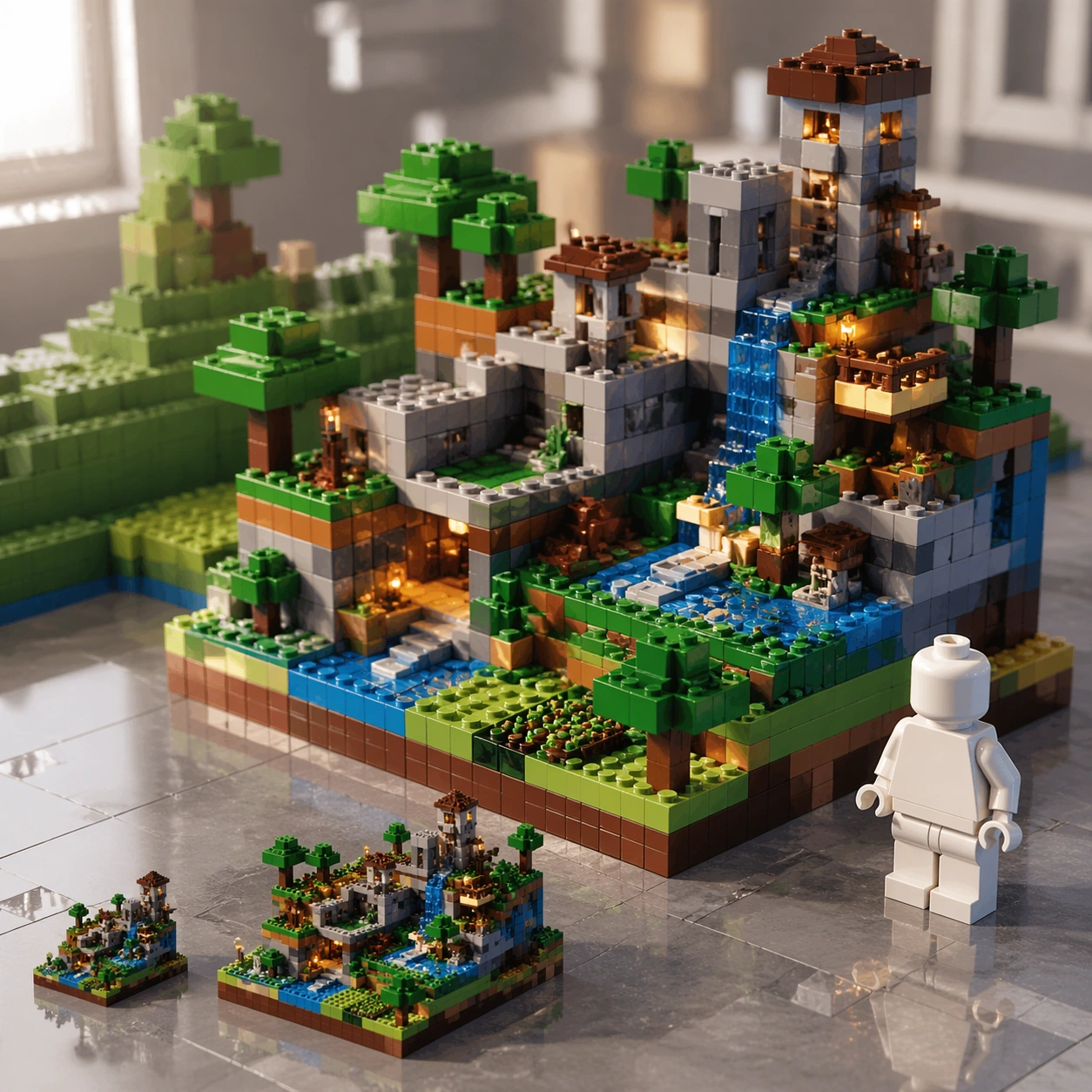
A square CGI or design-visualization frame with calibrated lighting, intentional composition, and premium material rendering. Build the frame around supporting context that clarifies proportion and use without becoming literal advertising. Keep the lighting, camera distance, and spatial organization tuned for a high-signal research image rather than a casual snapshot. The image belongs to the Lego Scene Rebuild theme and should feel immediately legible as a prompt atlas theme for lego scene rebuild, testing physics-materials, style-transfer, commercial-mockup with gpt image 2..

Subject:
Center the study on supporting context that clarifies proportion and use without becoming literal advertising. Translate the theme into a concrete visual statement instead of an abstract mood board: the viewer should understand what kind of image this is, what is being tested, and why the composition is difficult. Use the slug idea of lego scene rebuild as a literal guide for subject matter, materials, and staging. If helpful, borrow the broad visual cues suggested by Minecraft, studio, but keep the result original and specific to this study.

Important details:
The model must feel engineered or art-directed rather than merely stylized: edges, seams, translucency, reflections, and scale cues should all hold up. Preserve a disciplined square composition, clear focal hierarchy, and enough secondary information to make the image feel complete rather than underspecified. The image should look polished, novel, and exhibition-ready, with topic-specific credibility coming from the way surfaces, structure, and visual language reinforce Lego Scene Rebuild. Avoid generic filler elements that do not serve the main concept.

Use case:
Lego Scene Rebuild single study 5/8, testing physics-materials, style-transfer, commercial-mockup through the scale comparison variation.

Constraints:
No readable text, no watermark, no logos, preserve exact 1:1 aspect ratio, no real brand logos, no low-poly shortcuts, no broken reflections, no muddy materials, no generic showroom clutter, no unreadable UI overlays.
Como usar
- Copie o prompt original completo, incluindo os parâmetros.
- Adapte o tema, o texto e a composição aos seus requisitos.
- Use uma ferramenta externa compatível; confira o acesso e o resultado.
Antes de começar
- Verifique se é necessária uma imagem de referência. Compatibilidade não comprova qual modelo gerou o exemplo.
- Confira nomes, números e textos; os resultados variam entre versões do modelo.