Documento original
GPT Image 2 · en
Scene:
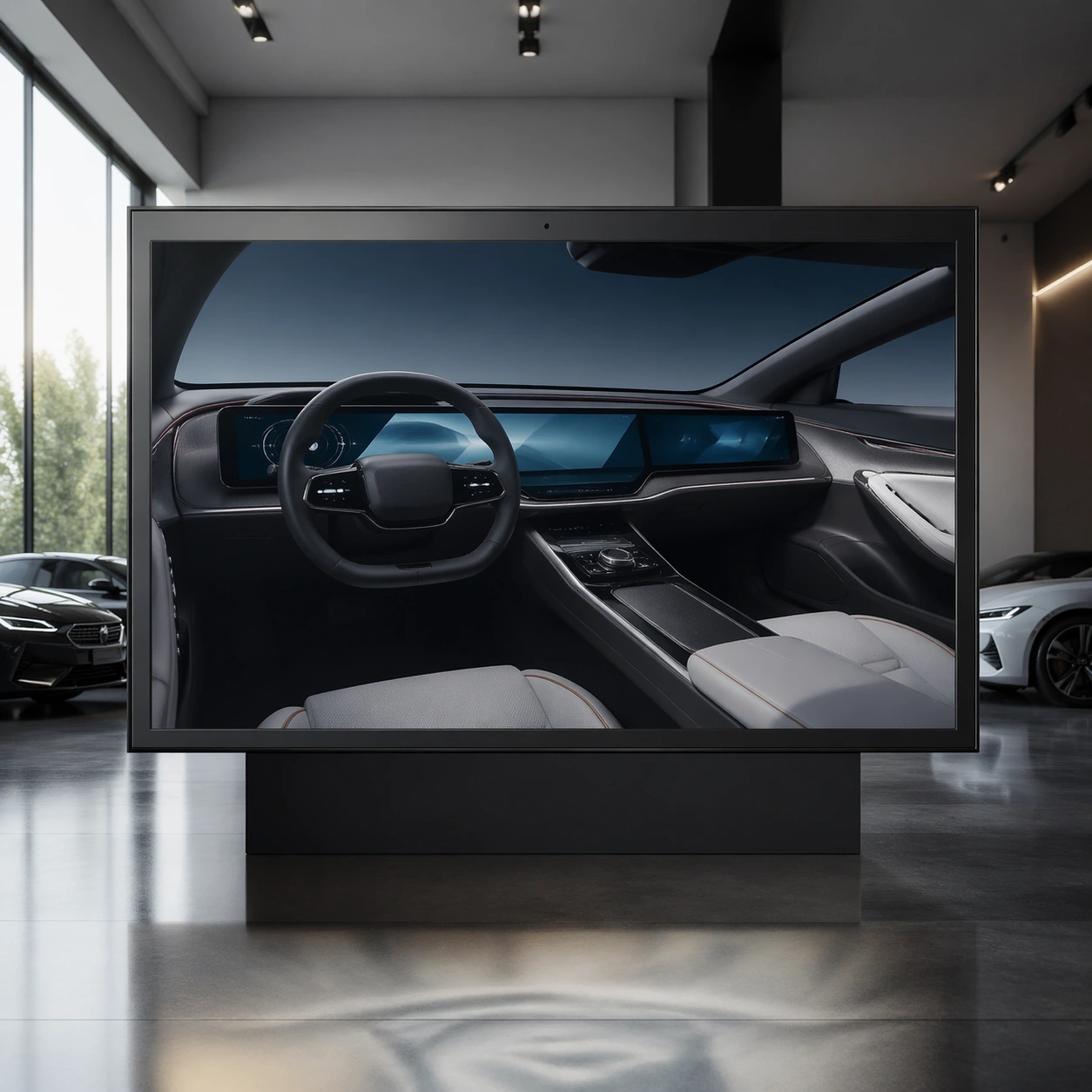
A square showroom-like environment with one large clean digital screen, polished floor reflections, and disciplined architectural light. Compose the frame as a square key visual with disciplined camera placement, premium lighting control, and believable real-world scale. The tonal range should feel polished and intentional, with enough atmosphere to create depth without obscuring form. Keep contrast calibrated for launch, catalog, or research presentation use rather than casual snapshot aesthetics.

Subject:
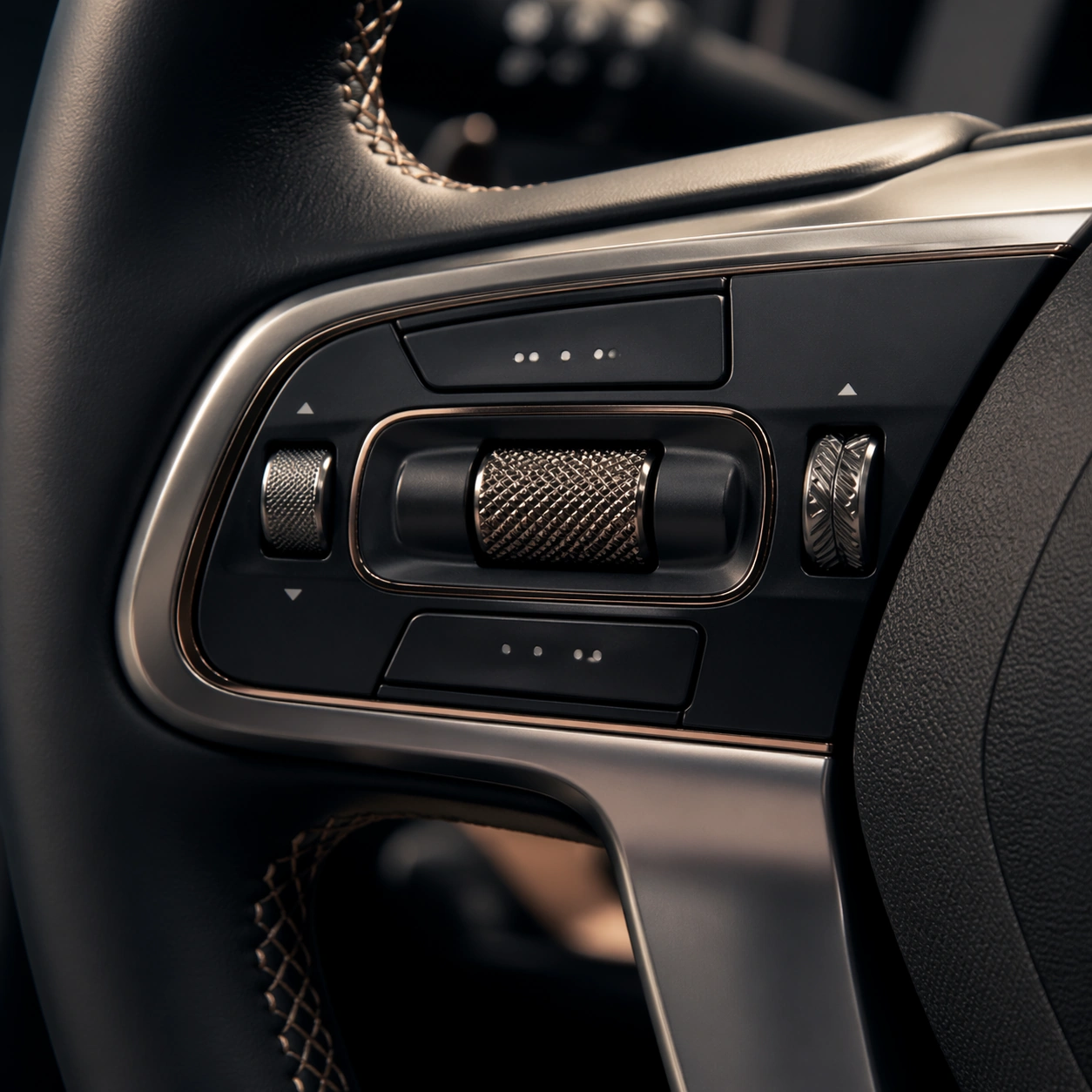
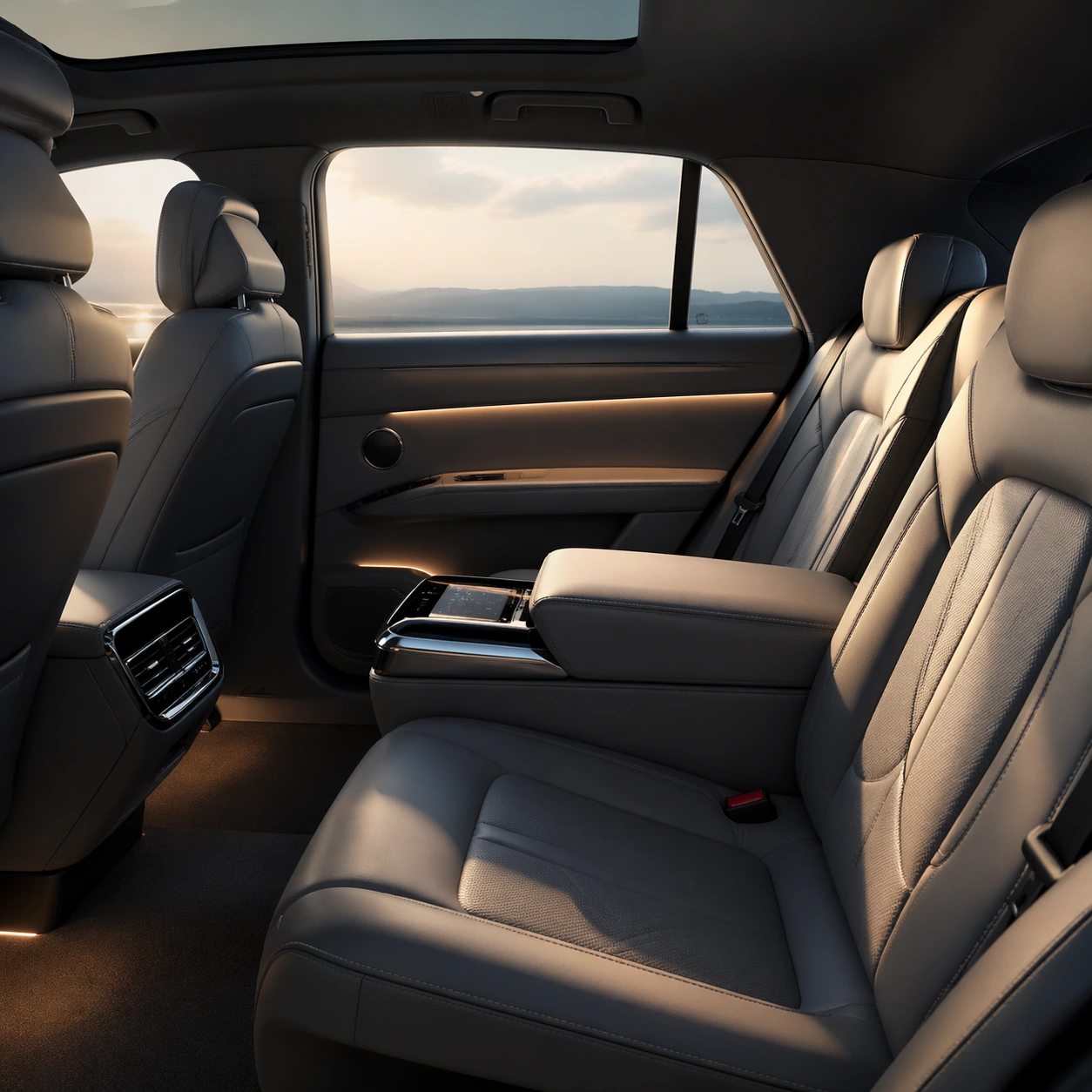
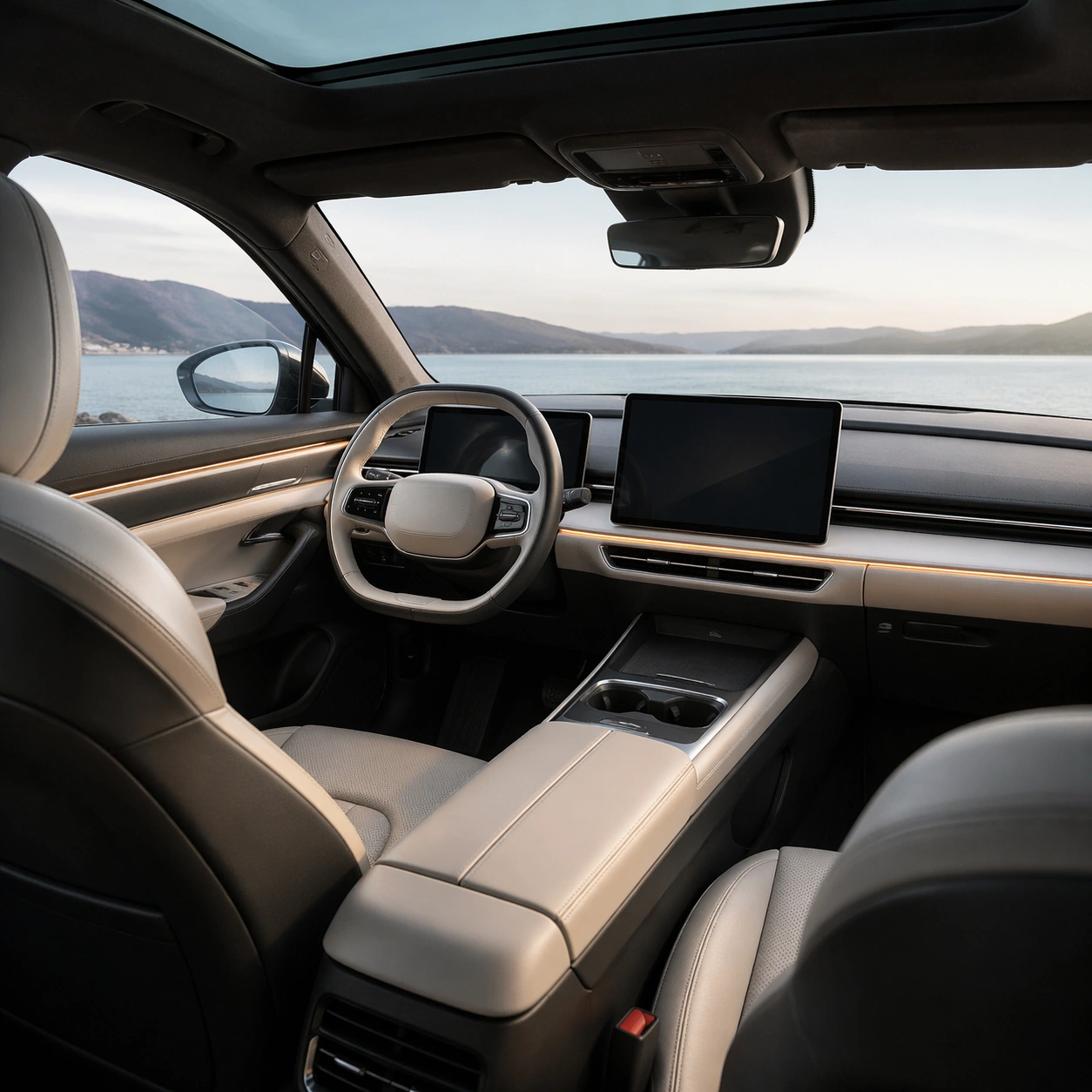
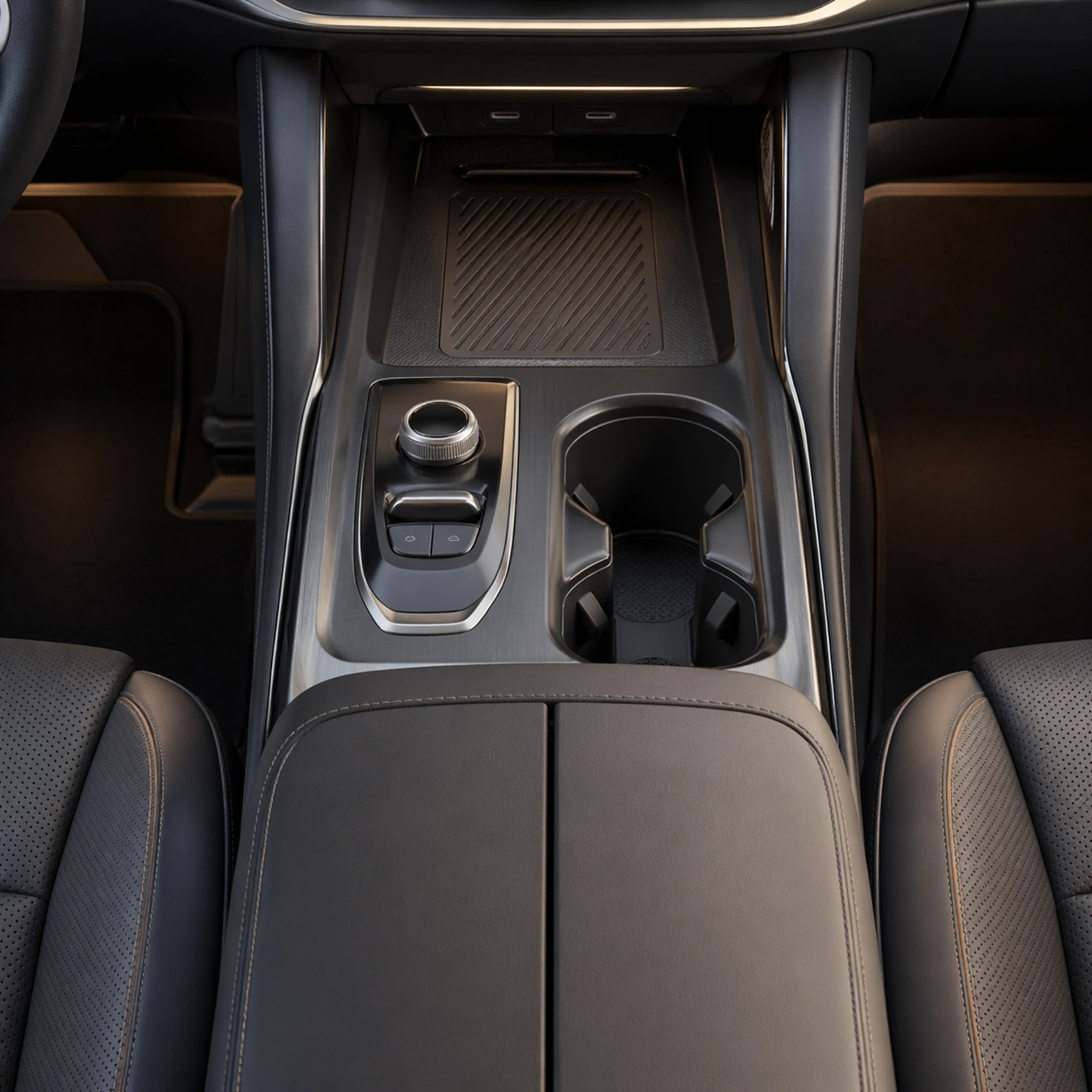
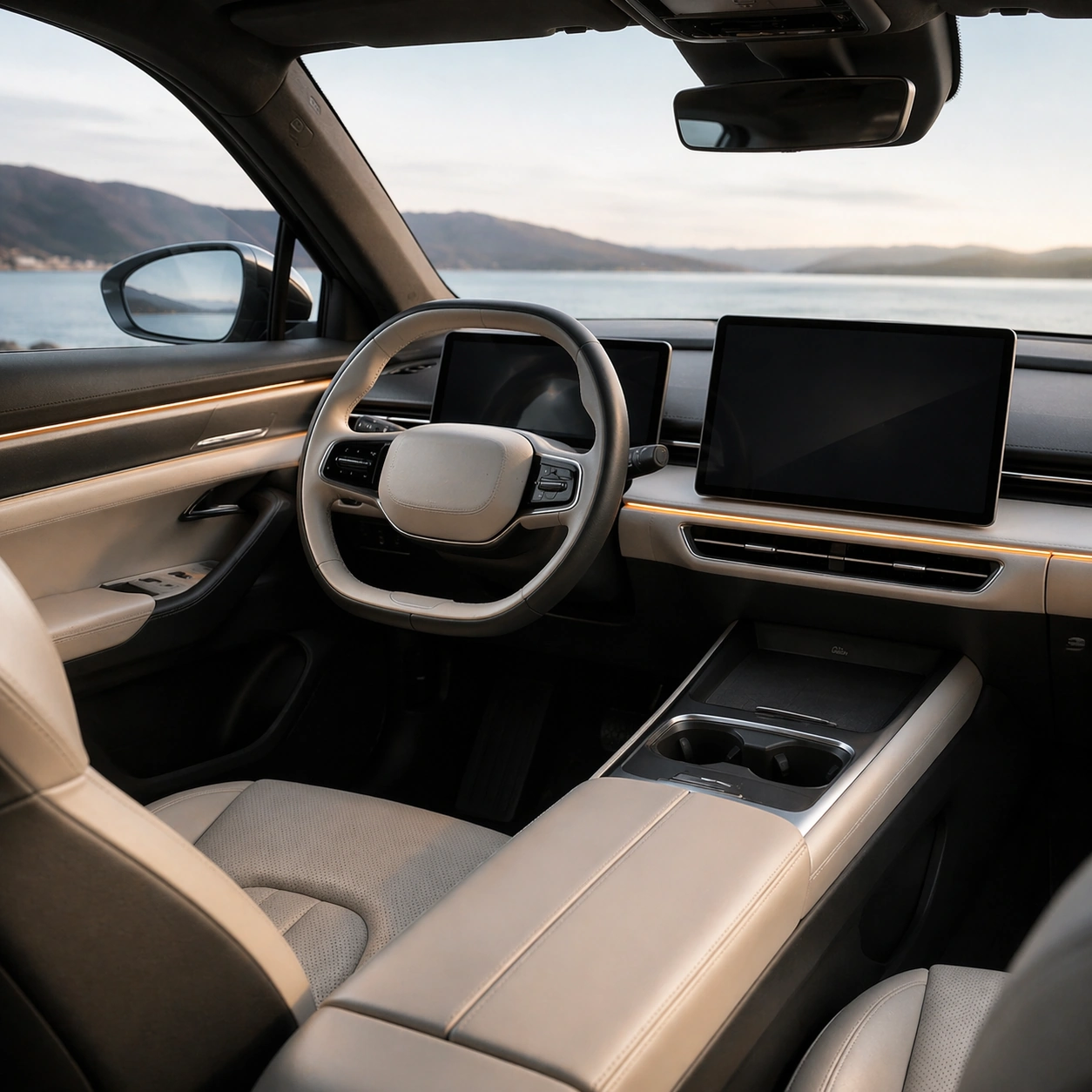
Center an original cockpit visual adapted to a premium freestanding display inside an automotive retail space. Make the subject feel original, production-aware, and clearly grounded in Automotive Interior Cockpit UI Hero. Treat this as an independent study that must feel complete and coherent without relying on any external reference image. The focal hierarchy should be immediate: primary form first, then material behavior, then supporting environmental cues that clarify use context and difficulty.

Important details:
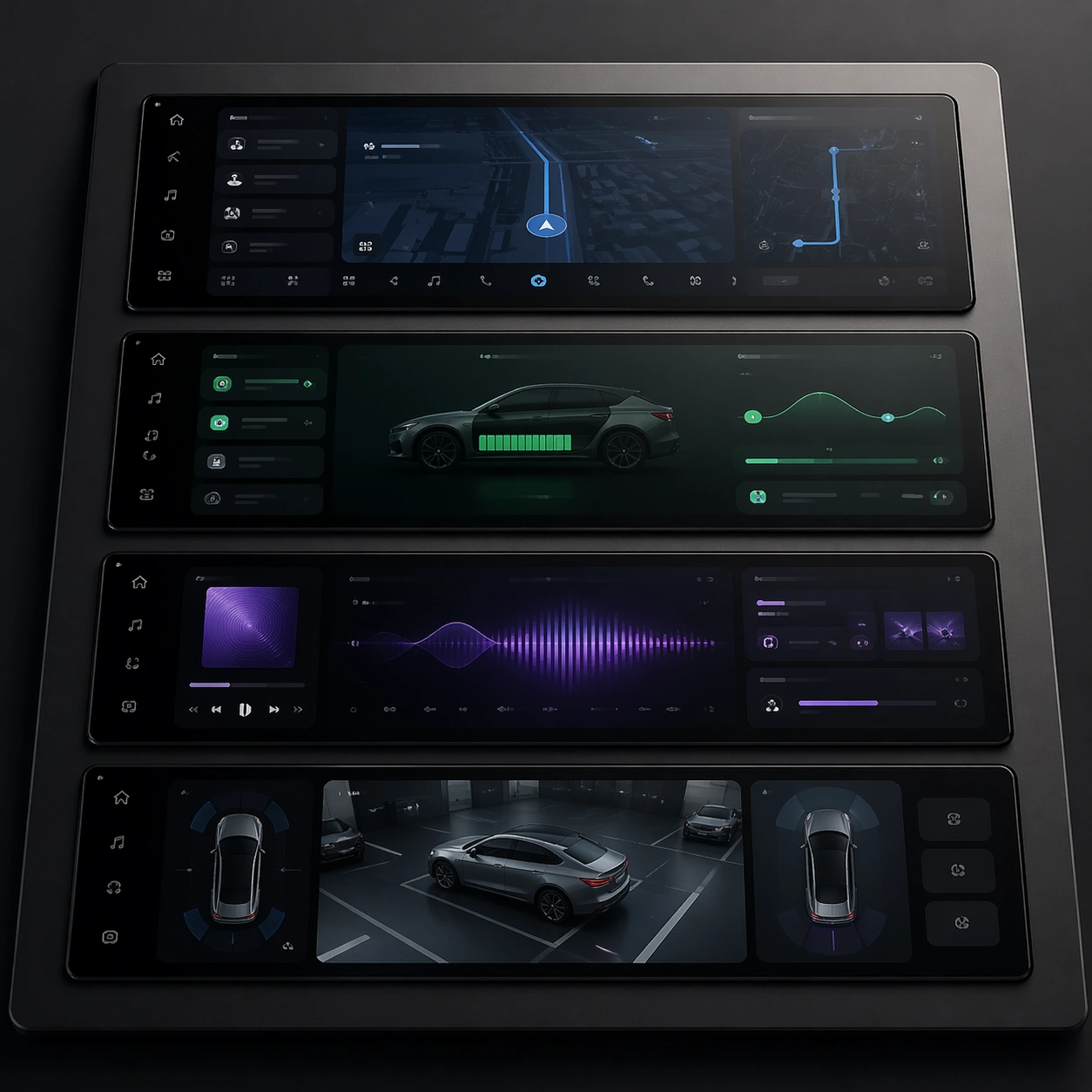
Keep all on-screen content abstract and non-readable while the retail environment remains believable. The mockup should demonstrate premium communication rather than flashy entertainment. The visual language should still feel native to Automotive Interior Cockpit UI Hero, using disciplined industrial or campaign composition instead of generic stock photography. Use believable materials, engineering logic, and professional composition discipline. Reflections, shadows, edge breaks, texture scale, interface density, and small physical joints must all support realism. Avoid filler props, vague mood-board clutter, or any element that weakens the sense of a purpose-built industrial or automotive image.

Use case:
Cockpit UI single study 9/9 for Automotive Interior Cockpit UI Hero, built as image support-five.

Constraints:
No readable text, no watermark, no logos, preserve exact 1:1 aspect ratio, no readable text, no logos, no app-store iconography, no fantasy holograms, no navigation labels, no brand marks.
Como usar
- Copie o prompt original completo, incluindo os parâmetros.
- Adapte o tema, o texto e a composição aos seus requisitos.
- Use uma ferramenta externa compatível; confira o acesso e o resultado.
Antes de começar
- Verifique se é necessária uma imagem de referência. Compatibilidade não comprova qual modelo gerou o exemplo.
- Confira nomes, números e textos; os resultados variam entre versões do modelo.