原始文档
GPT Image 2 · en
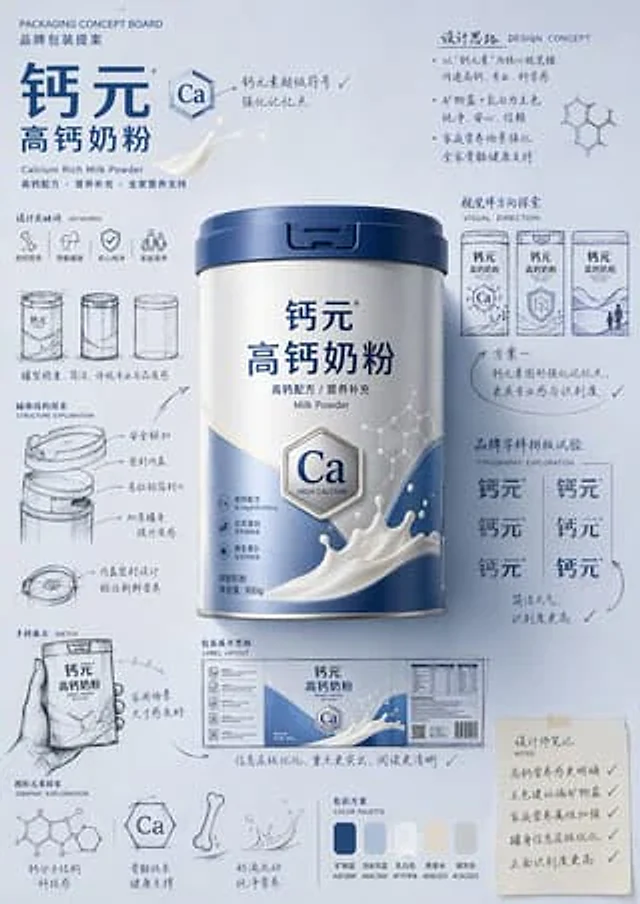
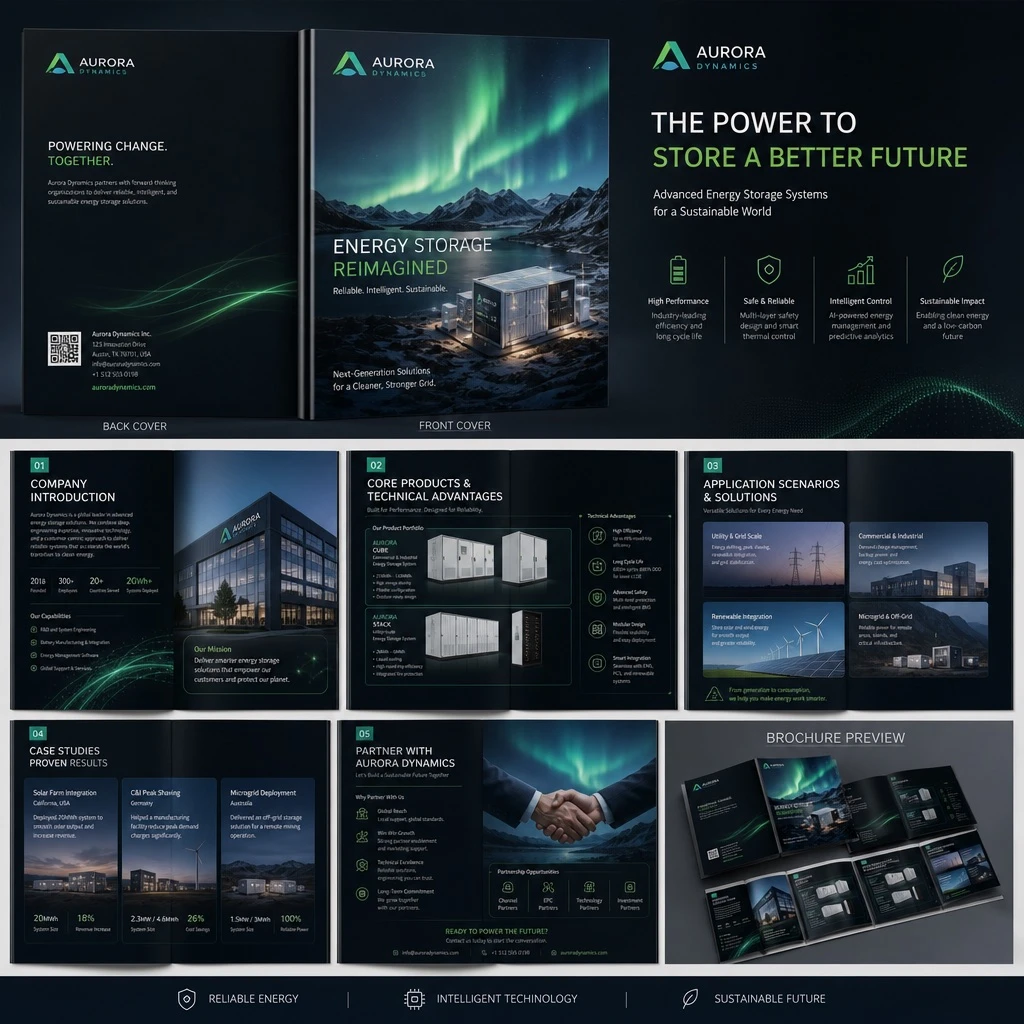
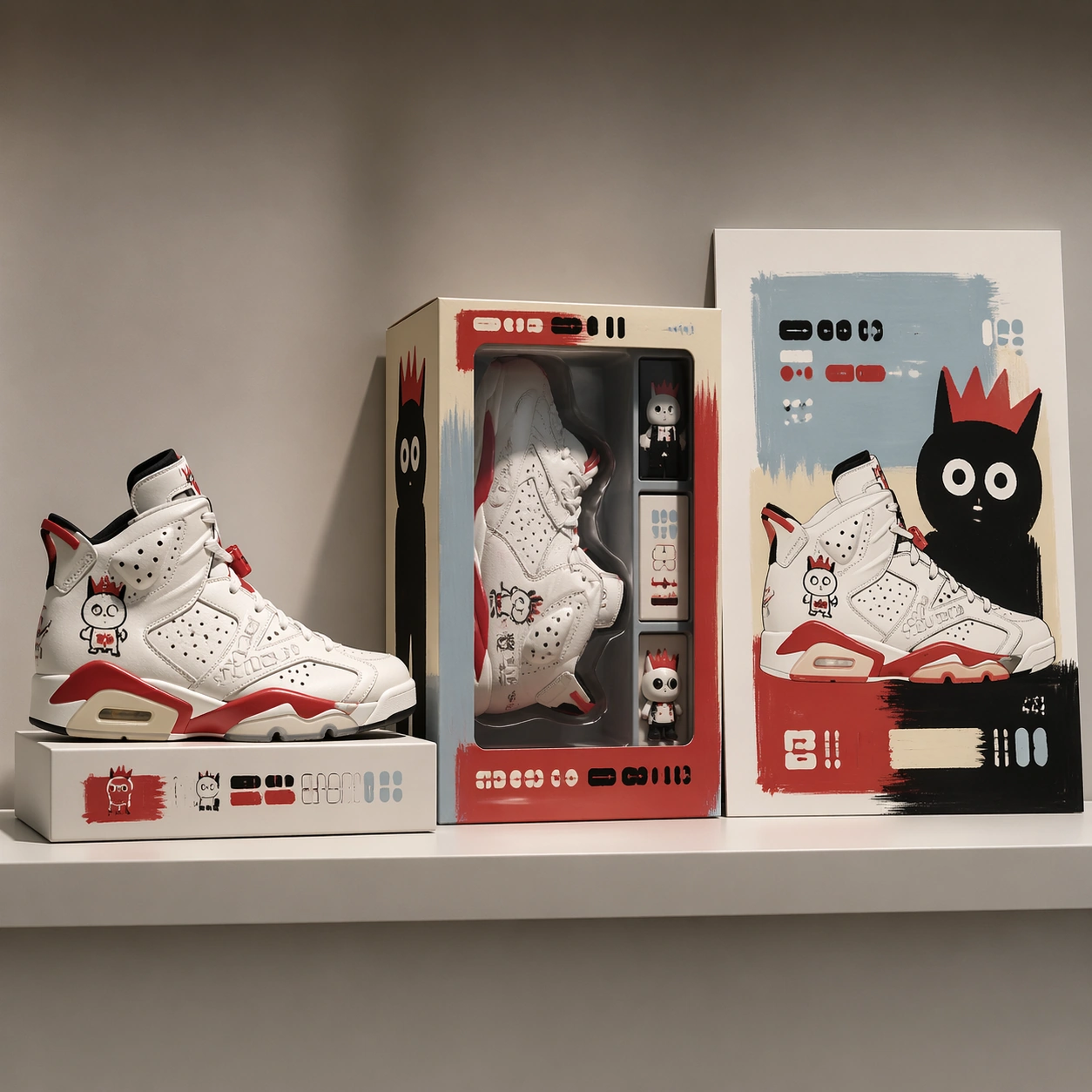
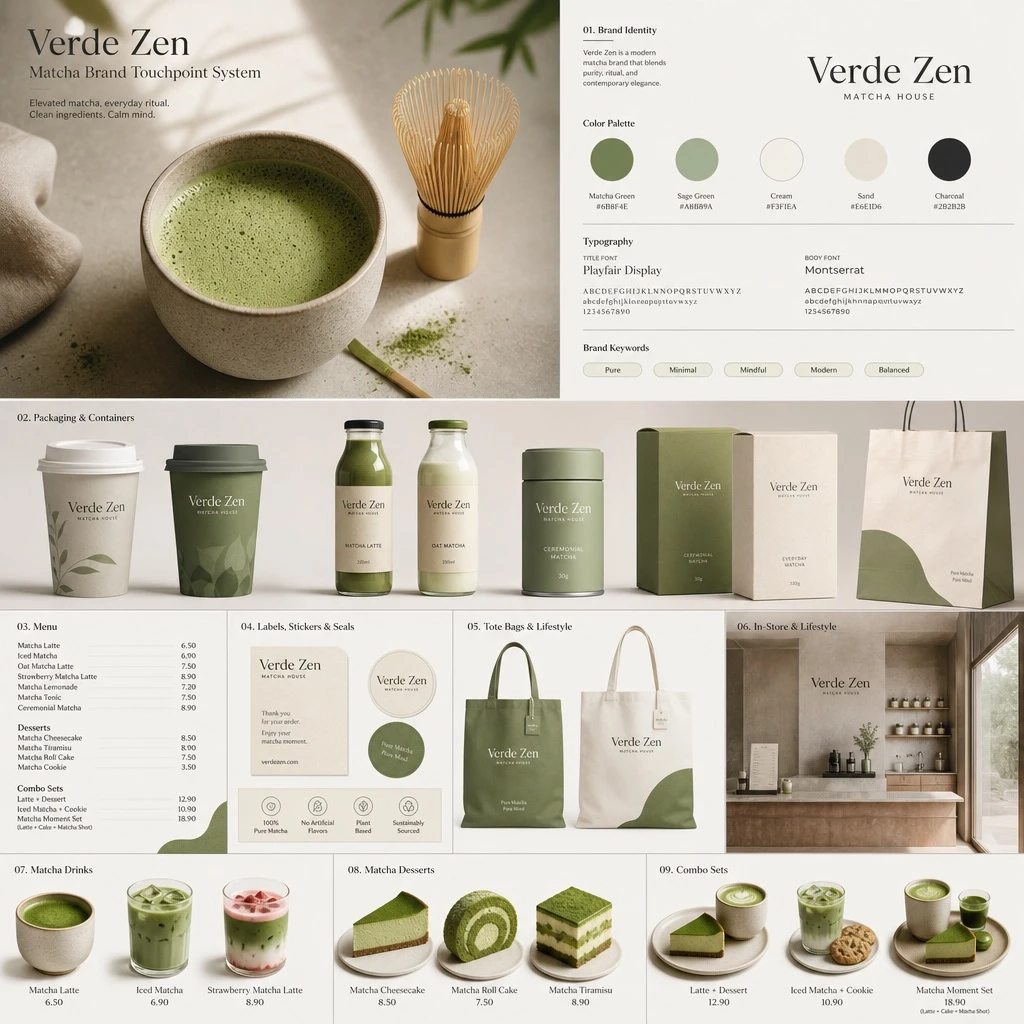
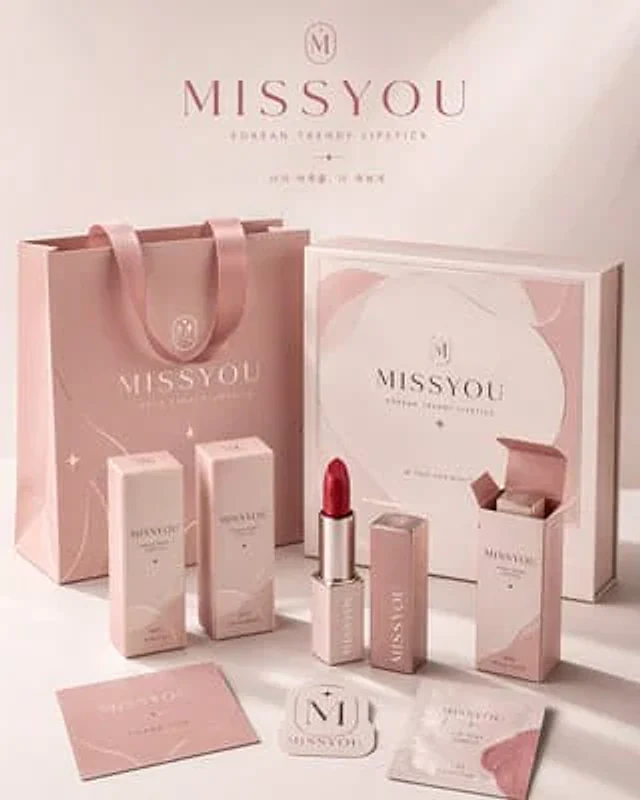
Please specify the category as{argument name="category" default="Product Category"} brand{argument name="brand name" default="Brand Name"} Create a high-aesthetic, high-quality "Brand Packaging System Showcase". This is not just a regular e-commerce white-background image or single-product photo, but a showcase with a brand proposal style, demonstrating the "unified presentation of a single brand across multiple packaging media," showcasing the complete packaging system of a mature consumer brand. [Proportion Requirements] The overall composition must be a fixed 4:5 vertical poster. Horizontal compositions or scattered arrangements are prohibited. The layout should follow poster reading logic: white space at the top, the main visual focus of the packaging system in the center, and auxiliary packaging, labels, and products at the bottom. The center of gravity should be concentrated, suitable for direct publication as a brand showcase poster. [Core Requirements] Automatically match the most reasonable packaging combination based on the [product category], and build a unified visual system around the [brand name]. Select a small number of representative packaging formats to form a sophisticated system. Prioritize hierarchy, brand consistency, and aesthetic appeal over quantity. You can include: shopping bags, gift boxes, express boxes, long boxes, single-item boxes, pouches, sleeves, sample bags, bottles, jars, tubes, spray bottles, pump bottles, labels, stickers, hang tags, cards, and the product itself. [Category Adaptation] Adapt packaging formats according to the [product category]: for example, baking uses paper bags and food containers; coffee/tea uses cups and sleeves; beauty/skincare uses jars and tubes; fragrance/lifestyle uses candles and cards; fashion/collectibles uses drawer boxes and hang tags. The result must conform to category characteristics and be systematic. [Quantity Control] Control the number of items to avoid overcrowding. The scene should follow the "less is more" principle. Recommendation: 1-2 large items, 2-3 medium items, 2-4 small items/labels, and 1-3 actual products. The total number of visible elements should be between 6-10. Ensure sufficient white space and clear hierarchy. [Visual System] All packaging must belong to the same brand system, with the [brand name] as the core element. Maintain a consistent logo placement, font style, graphics, illustration/pattern system, and material textures. The style can be minimalist, organic, modern, luxurious, or youthful, but it must be sophisticated and high-quality. [Color Mechanism] Avoid fixed combinations. Generate different color schemes, such as cream white/caramel brown, hazy blue/warm white, olive green/linen beige, chocolate brown/ivory white, etc. Avoid using neon colors or cheap, highly saturated colors. Maintain a sophisticated sense of restraint. [Composition] Use a commercial studio setting, employing a 3/4 overhead or slight perspective. Layer the arrangement: large items in the background, core packaging in the midground, and smaller items/products in the foreground. At least one product should interact with the packaging (e.g., partially revealing the box). Create balanced triangles or staggered compositions. [Visual Style] High-end commercial photography quality. Clean studio backgrounds (white, warm white, light gray). Emphasize material textures (paper creases, box structure, bottle outline, print quality, embossing, matte/cotton/kraft paper texture). Modern and concise visual language. [Lighting and Shadow] Commercial-grade lighting. Soft studio lighting or subtle directional natural sidelighting. Use crisp but restrained light and shadow to add depth. The light should be clear and bright, never dim or cluttered. [Final Result] The final image should look like a packaging proposal poster or visual landing page for a mature brand, emphasizing a vertical poster feel, brand consistency, system integrity, and commercial photography quality.使用方法
- 复制完整原始提示词,并保留其中的参数。
- 按需求替换主体、文字和构图要求。
- 在兼容的外部工具中使用,核对当前使用条件并检查结果。
开始前需了解
- 先确认是否需要参考图。标注兼容模型,不代表该示例由这个模型生成。
- 核对名称、数字与画面文字;不同模型版本的结果可能不同。