原始文档
GPT Image 2 · en
Scene:
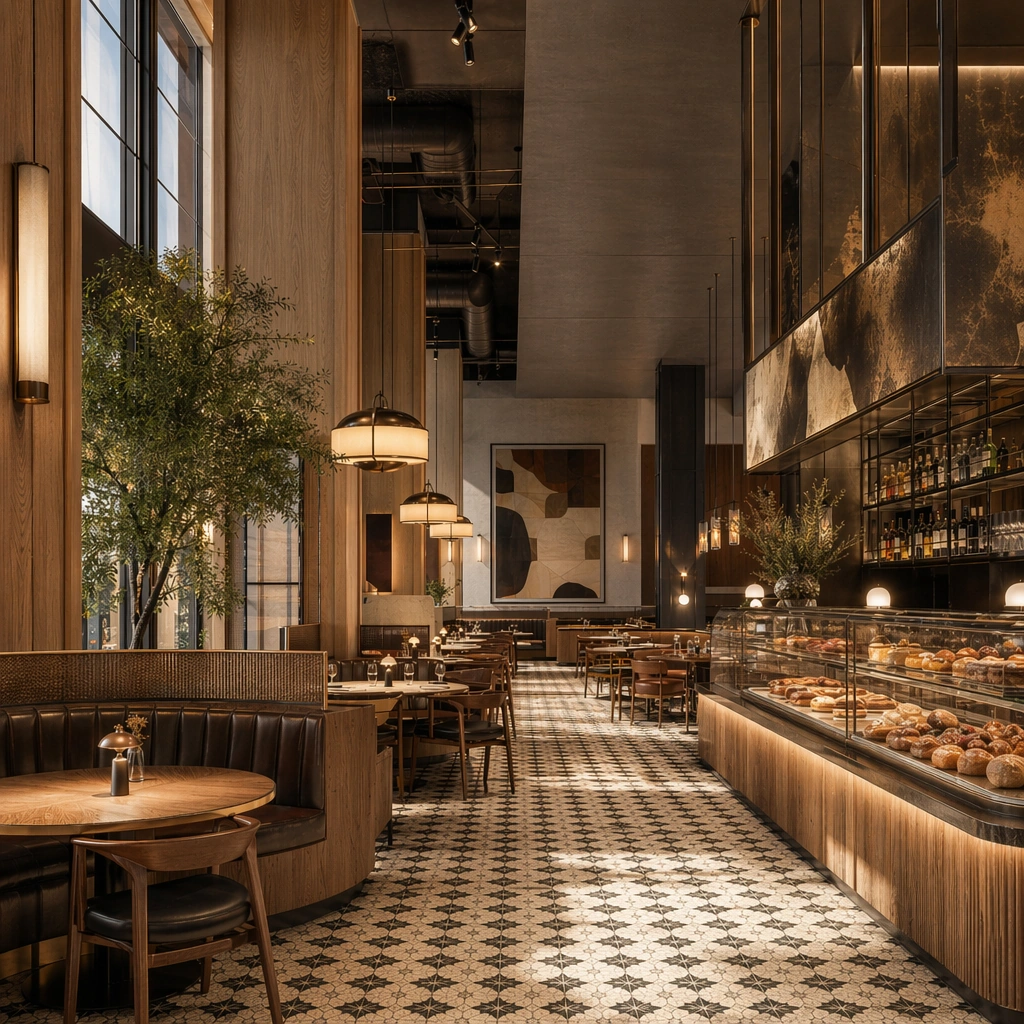
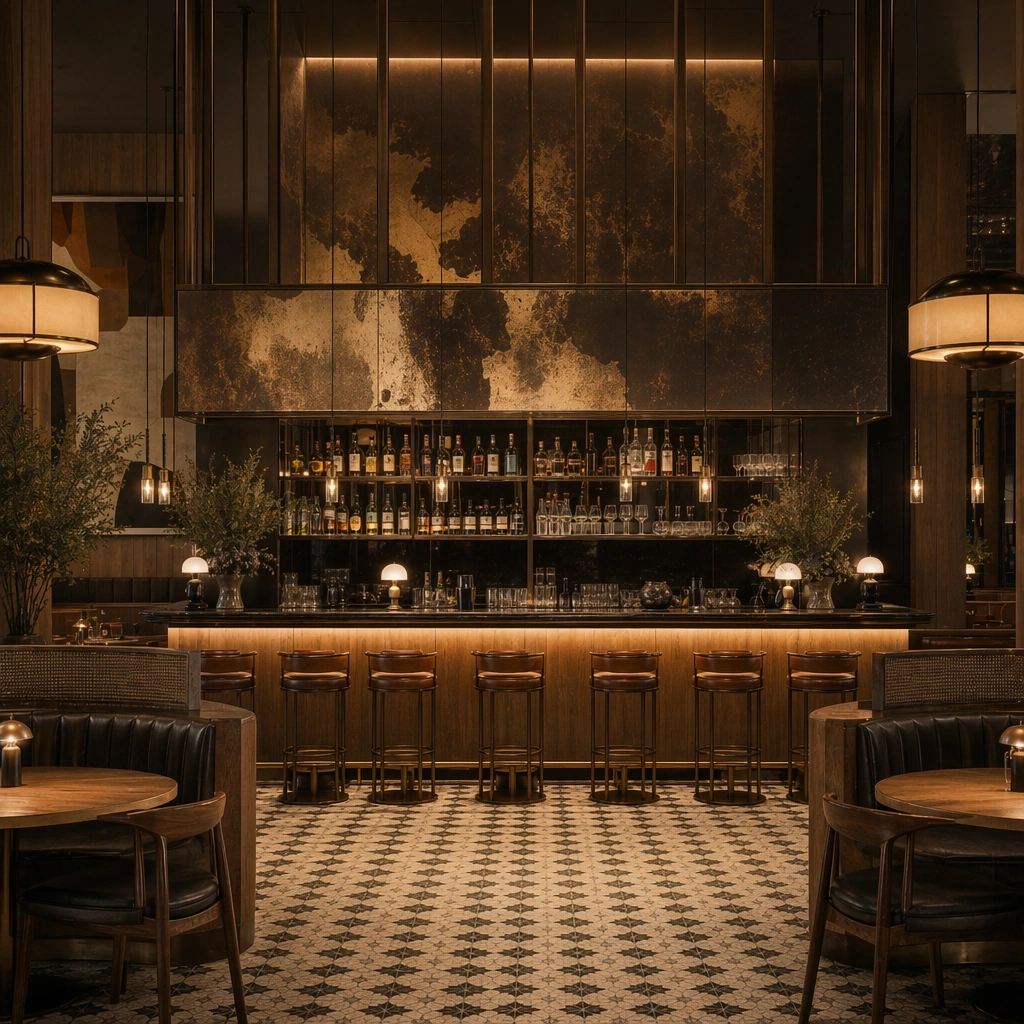
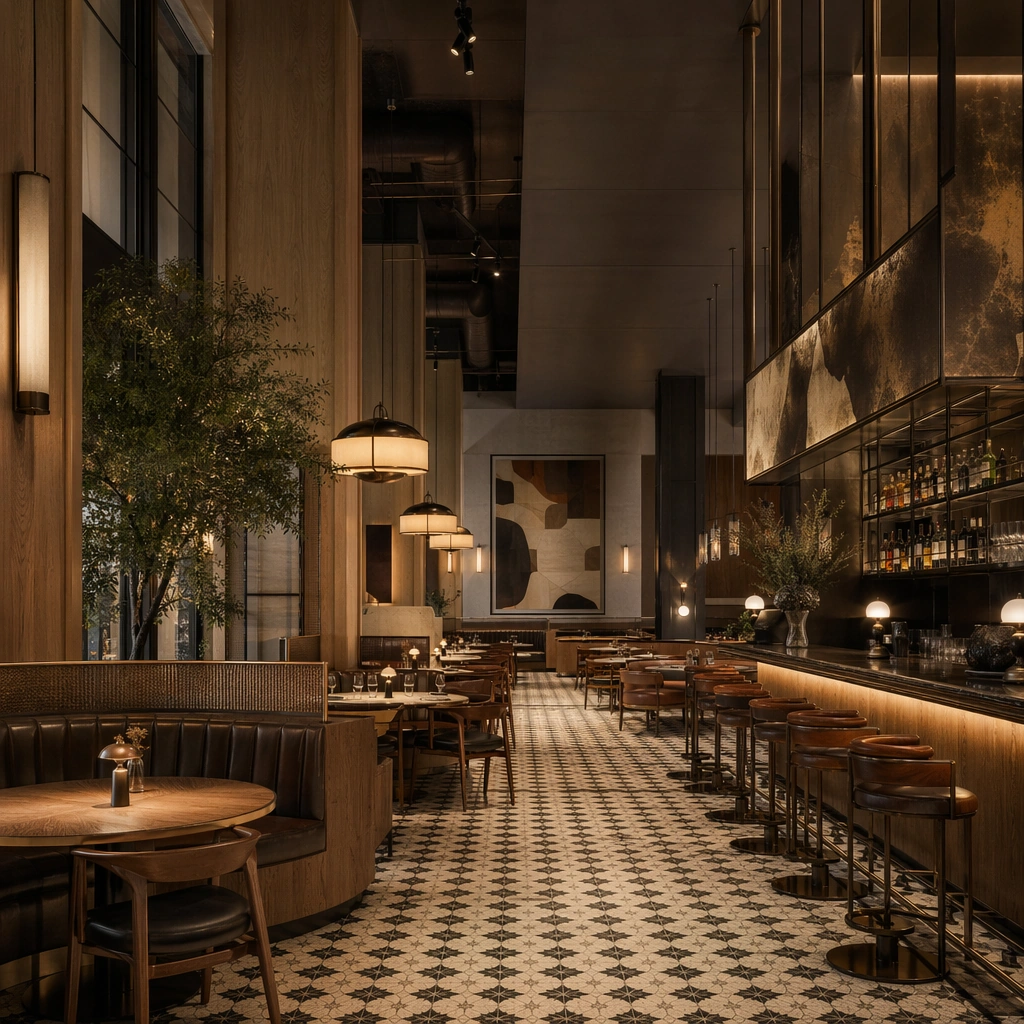
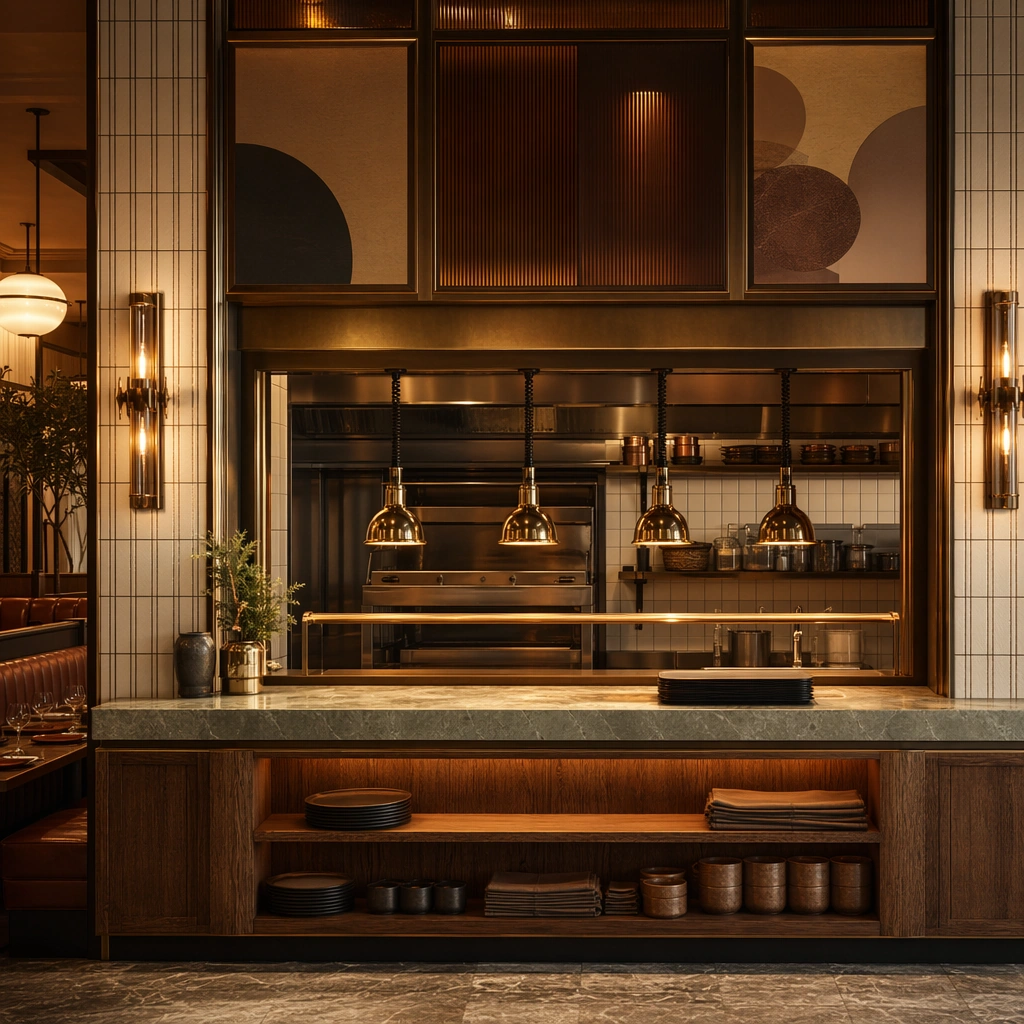
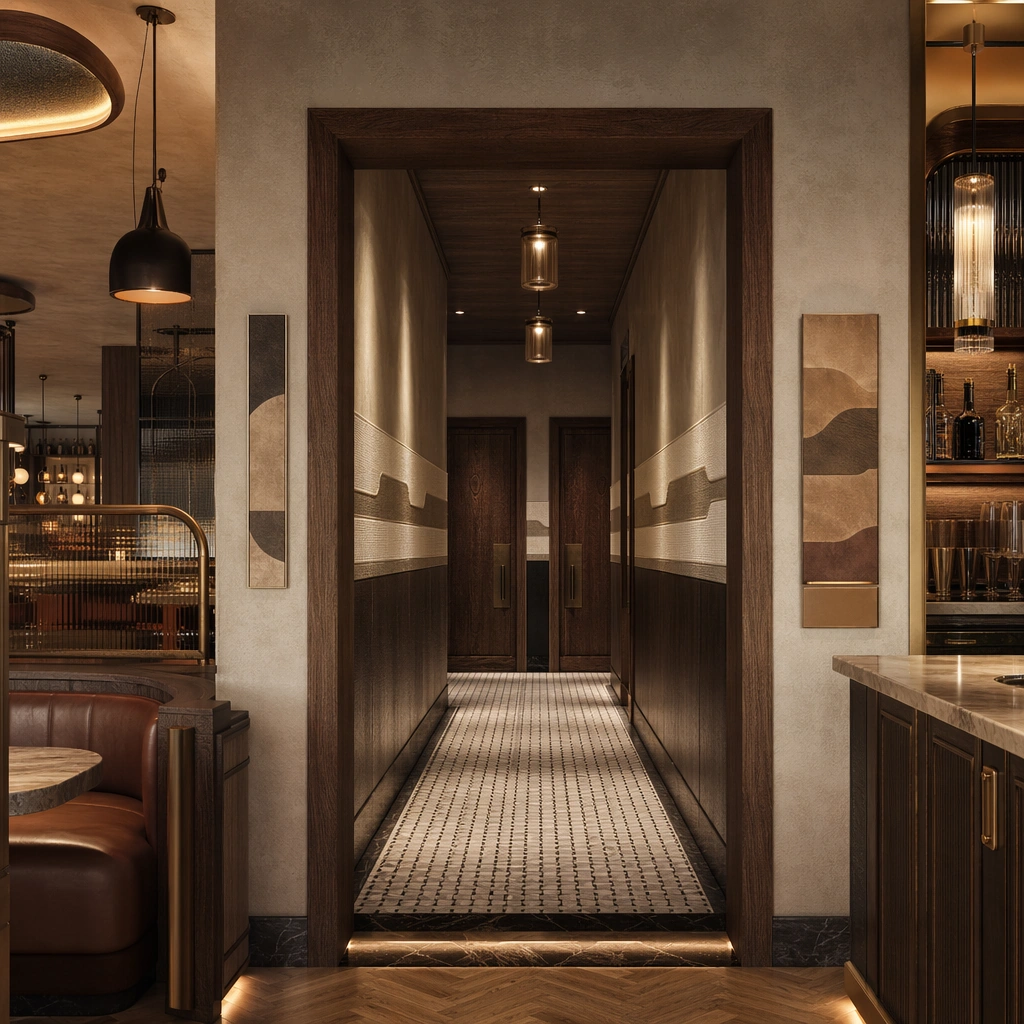
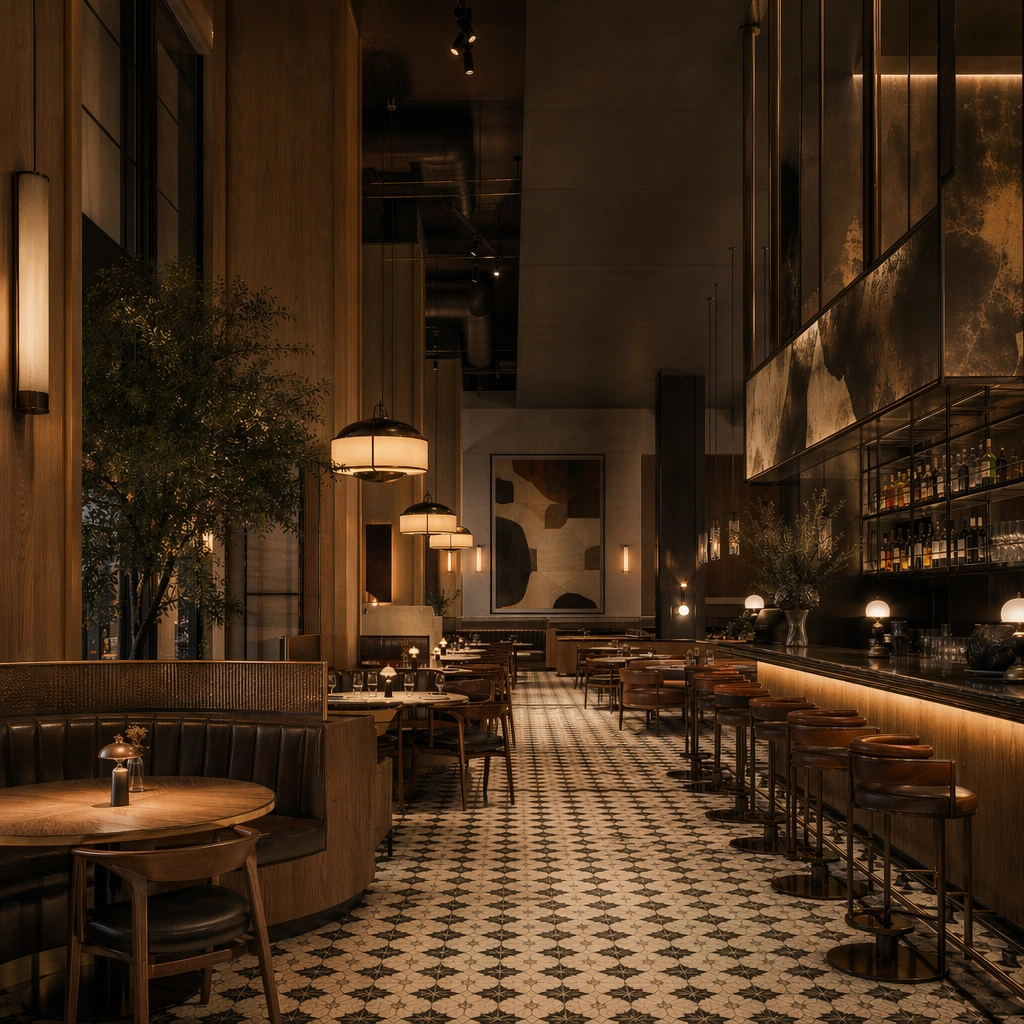
Create a square reference-dependent architecture still for Restaurant Cafe Space Brand Integration. Use a warm evening angle through the main dining room with layered banquettes while keeping the same lens discipline, editorial polish, and material believability established by the reference image. The lighting can shift to support the intended mood, but the space must still feel like the same authored project with a stable viewpoint logic, convincing depth separation, and clean commercial-photography finish. Keep toasted oak, espresso brown, muted cream, oxidized brass, and warm tungsten amber as the governing tonal range even when the emphasis changes.

Subject:
Show a restaurant and cafe interior where oak, oxidized metal, patterned tile, leather banquettes, softly glowing pendants, and abstract menu surfaces feel authored as one brand system. Focus on the exact same restaurant from the reference image, now emphasizing table spacing, pendant pools of light, and intimate hospitality mood. Preserve exact architectural identity, plan logic, material palette, fixture family, and circulation cues from the reference image while changing only the intended emphasis described here. The viewer should immediately recognize the same project, not a loose cousin, with matching silhouette logic, aligned detailing, and consistent brand atmosphere.

Important details:
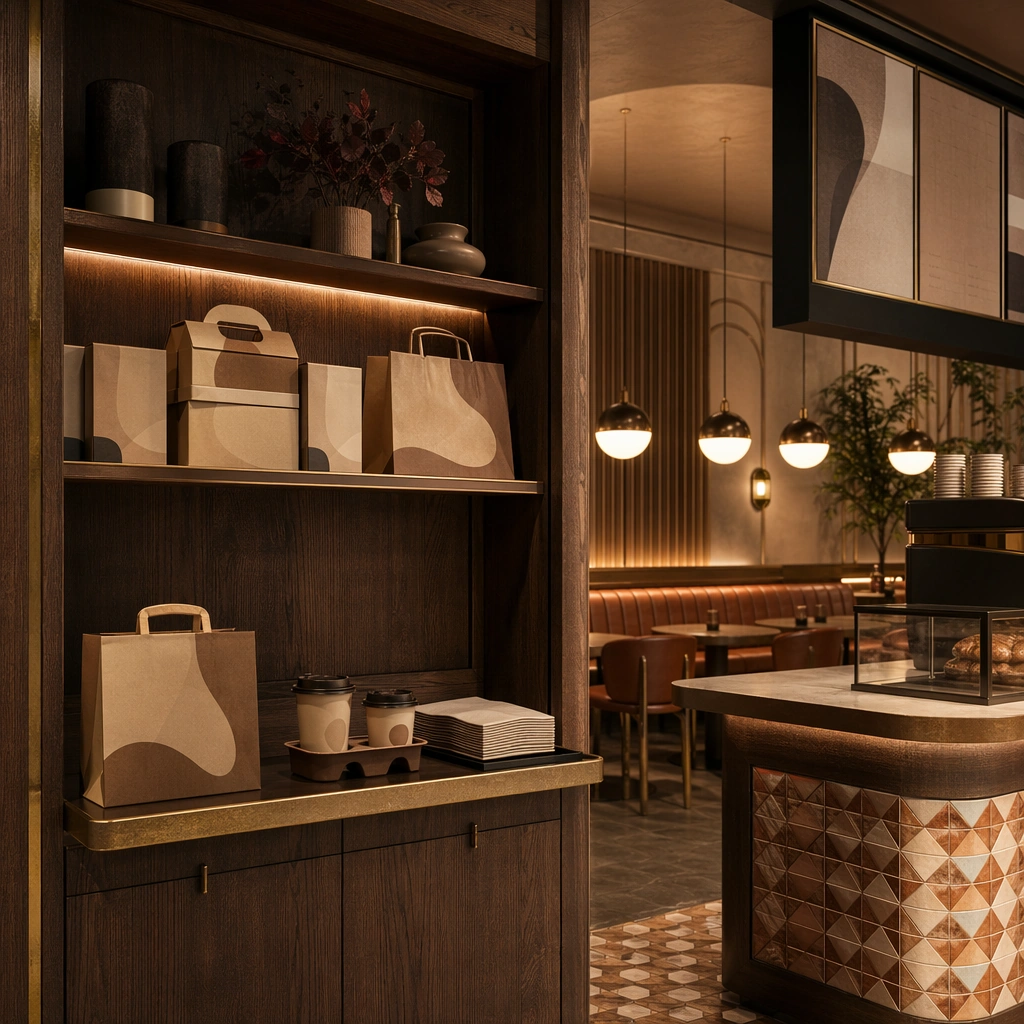
Preserve the tile language, oak-and-metal pairings, banquette shapes, bar geometry, pendant rhythm, and abstract menu-display zones. Any abstract wayfinding, menu, wall-label, or packaging zones must stay unreadable and subordinate to the spatial image. Joinery, edges, reflections, and lighting should remain realistic enough for an operator or design team to treat the image as a credible reference. The variation should feel deliberate and commercially useful, proving that one locked spatial language can flex across multiple campaign or editorial surfaces.

Use case:
Restaurant Cafe Space Brand Integration series study 3/9, extending the dinner atmosphere inside the same branded shell.

Constraints:
No readable text, no watermark, no logos, preserve exact 1:1 aspect ratio, preserve exact architectural identity from the reference image, no crowded diners, no readable menus, no food-delivery branding, no messy plates, no random neon slogans, no visible diners.
使用方法
- 复制完整原始提示词,并保留其中的参数。
- 按需求替换主体、文字和构图要求。
- 在兼容的外部工具中使用,核对当前使用条件并检查结果。
开始前需了解
- 先确认是否需要参考图。标注兼容模型,不代表该示例由这个模型生成。
- 核对名称、数字与画面文字;不同模型版本的结果可能不同。