
原始文档
GPT Image 2 · en
Scene:
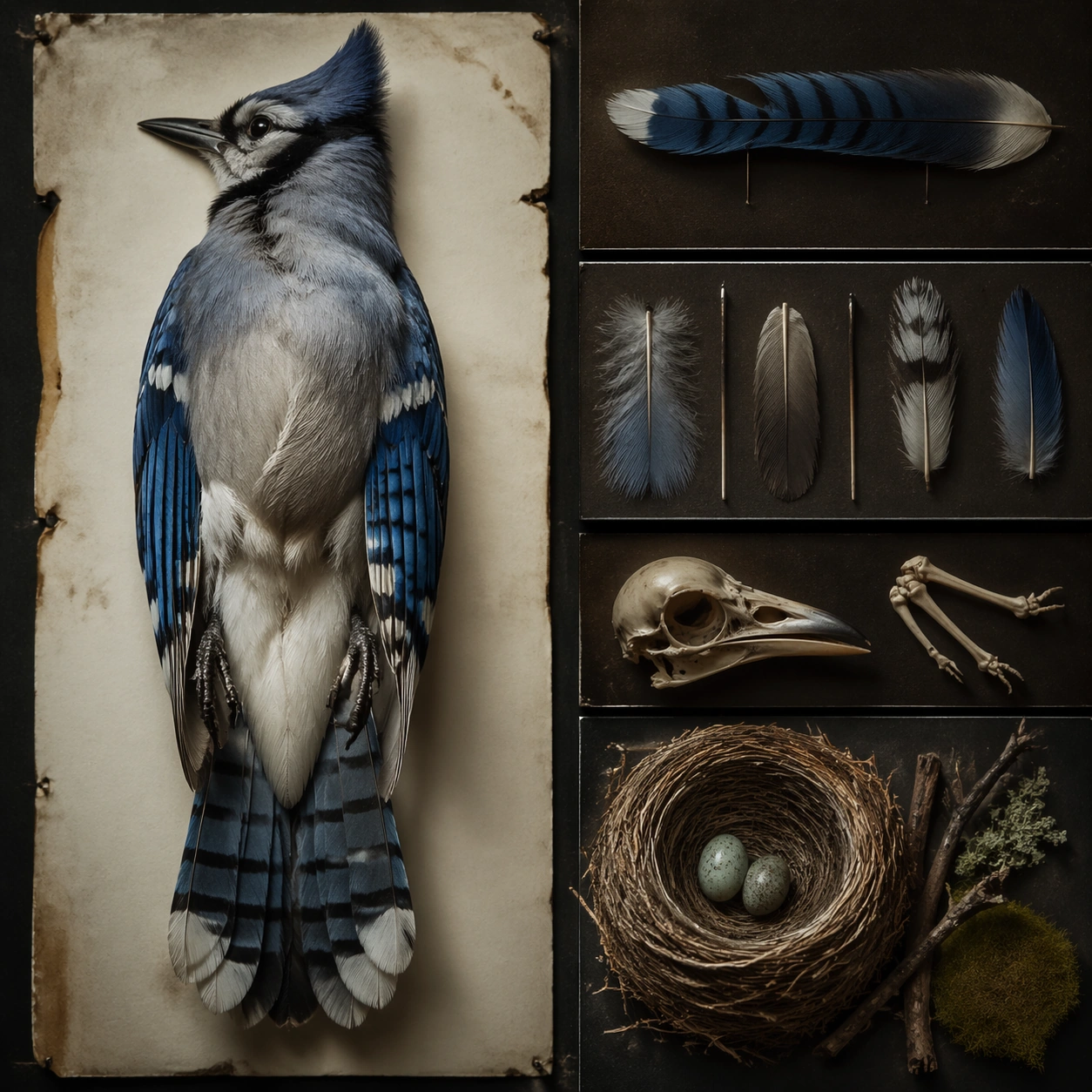
A square photographic image with intentional lens choice, coherent light, and a subject that feels observed rather than merely decorated. Build the frame around a definitive frame that establishes the subject’s strongest visual identity. Keep the lighting, camera distance, and spatial organization tuned for a high-signal research image rather than a casual snapshot. The image belongs to the Audubon Specimen Atlas theme and should feel immediately legible as a prompt atlas theme for audubon specimen atlas, testing structured-layout, technical-diagram with gpt image 2..

Subject:
Center the study on a definitive frame that establishes the subject’s strongest visual identity. Translate the theme into a concrete visual statement instead of an abstract mood board: the viewer should understand what kind of image this is, what is being tested, and why the composition is difficult. Use the slug idea of audubon specimen atlas as a literal guide for subject matter, materials, and staging. If helpful, borrow the broad visual cues suggested by John James Audubon, Maria Sibylla Merian, but keep the result original and specific to this study.

Important details:
The realism should come from timing, optics, and material response: atmosphere, contrast, depth, motion, and tiny physical cues all need to agree. Preserve a disciplined square composition, clear focal hierarchy, and enough secondary information to make the image feel complete rather than underspecified. The image should look polished, novel, and exhibition-ready, with topic-specific credibility coming from the way surfaces, structure, and visual language reinforce Audubon Specimen Atlas. Avoid generic filler elements that do not serve the main concept.

Use case:
Audubon Specimen Atlas single study 1/8, testing structured-layout, technical-diagram through the hero shot variation.

Constraints:
No readable text, no watermark, no logos, preserve exact 1:1 aspect ratio, no watermark, no cheap HDR excess, no unreadable signage, no fake stock-photo posing, no compositing seams, no arbitrary lens flare.
使用方法
- 复制完整原始提示词,并保留其中的参数。
- 按需求替换主体、文字和构图要求。
- 在兼容的外部工具中使用,核对当前使用条件并检查结果。
开始前需了解
- 先确认是否需要参考图。标注兼容模型,不代表该示例由这个模型生成。
- 核对名称、数字与画面文字;不同模型版本的结果可能不同。