原始文档
GPT Image 2 · en
Scene:
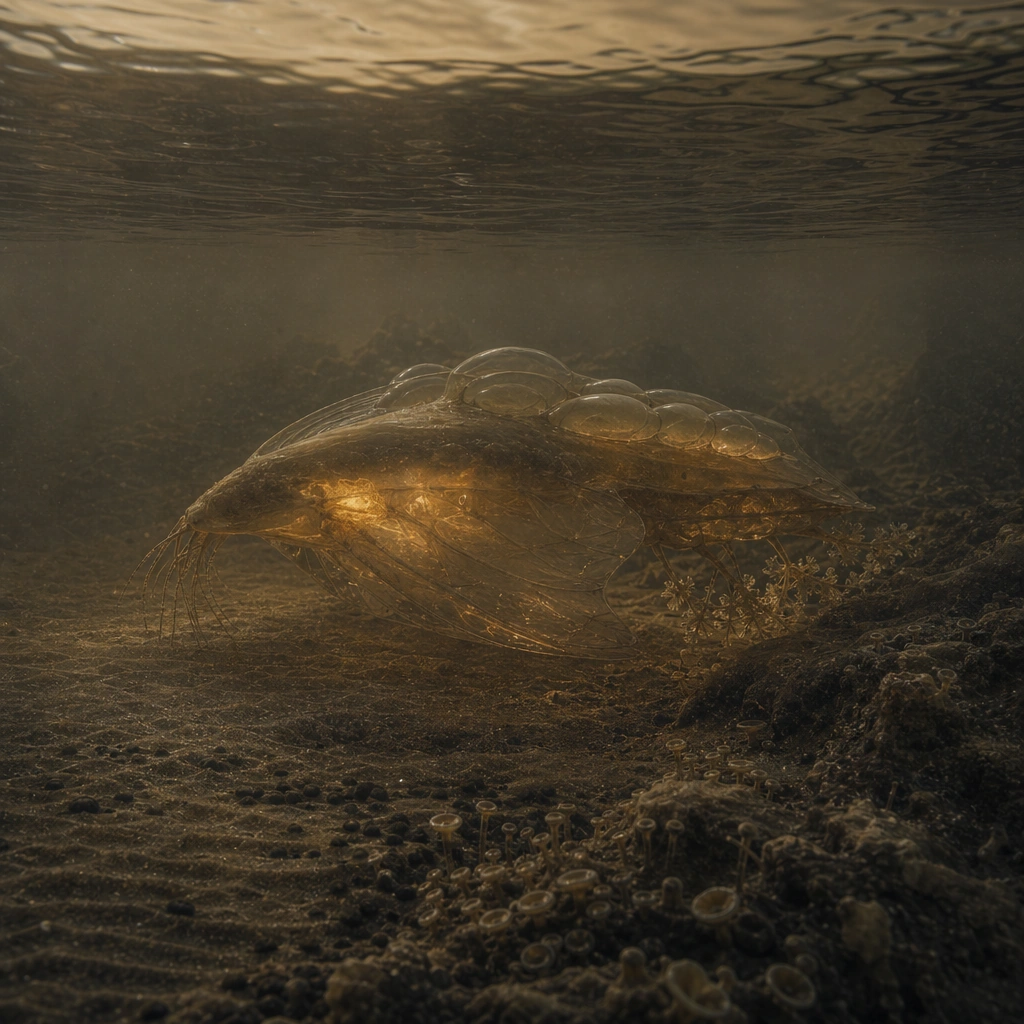
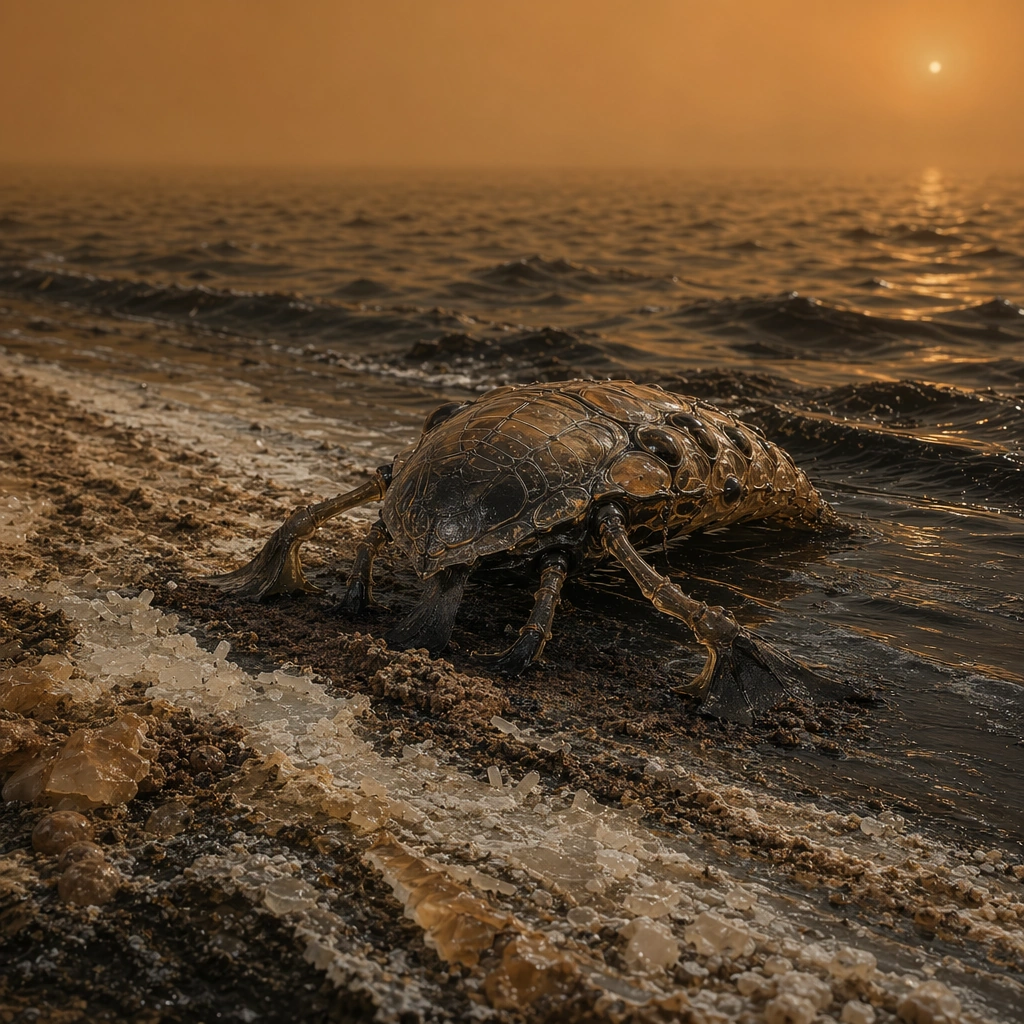
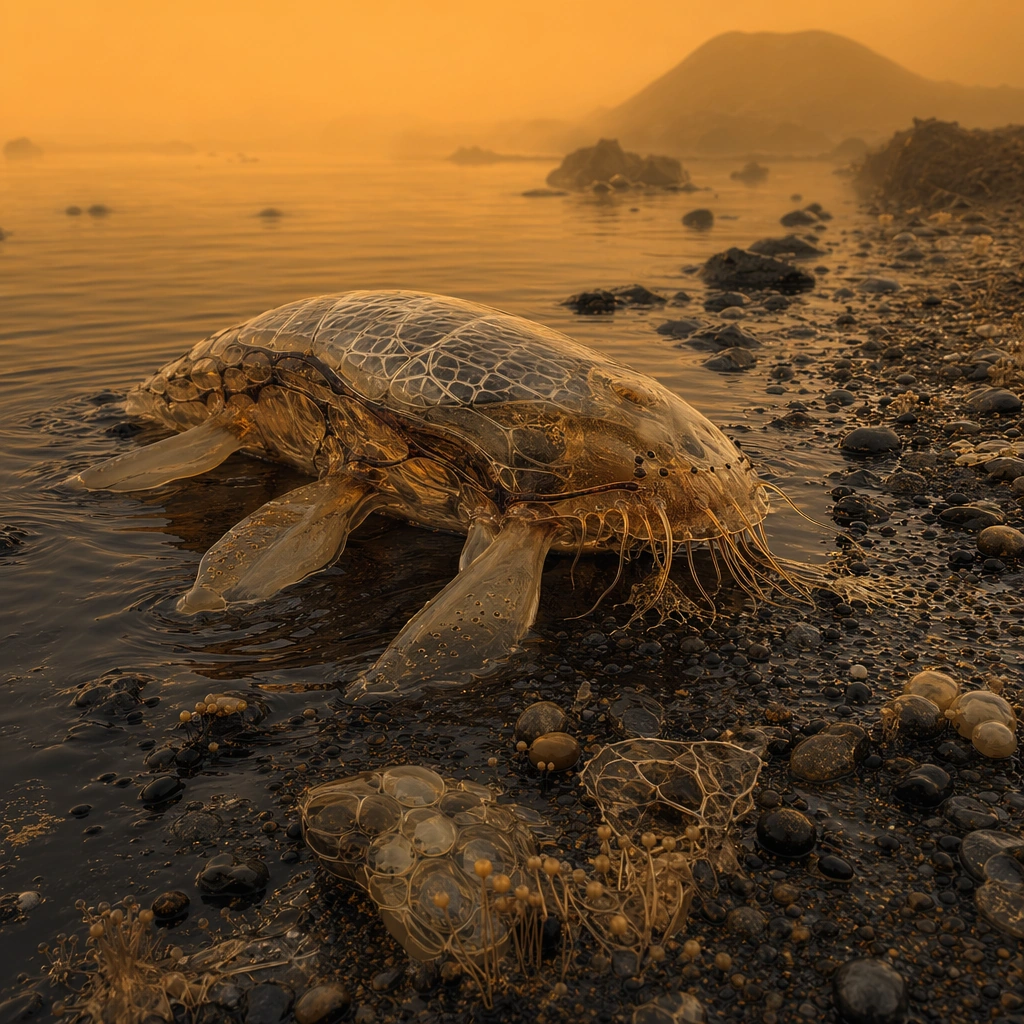
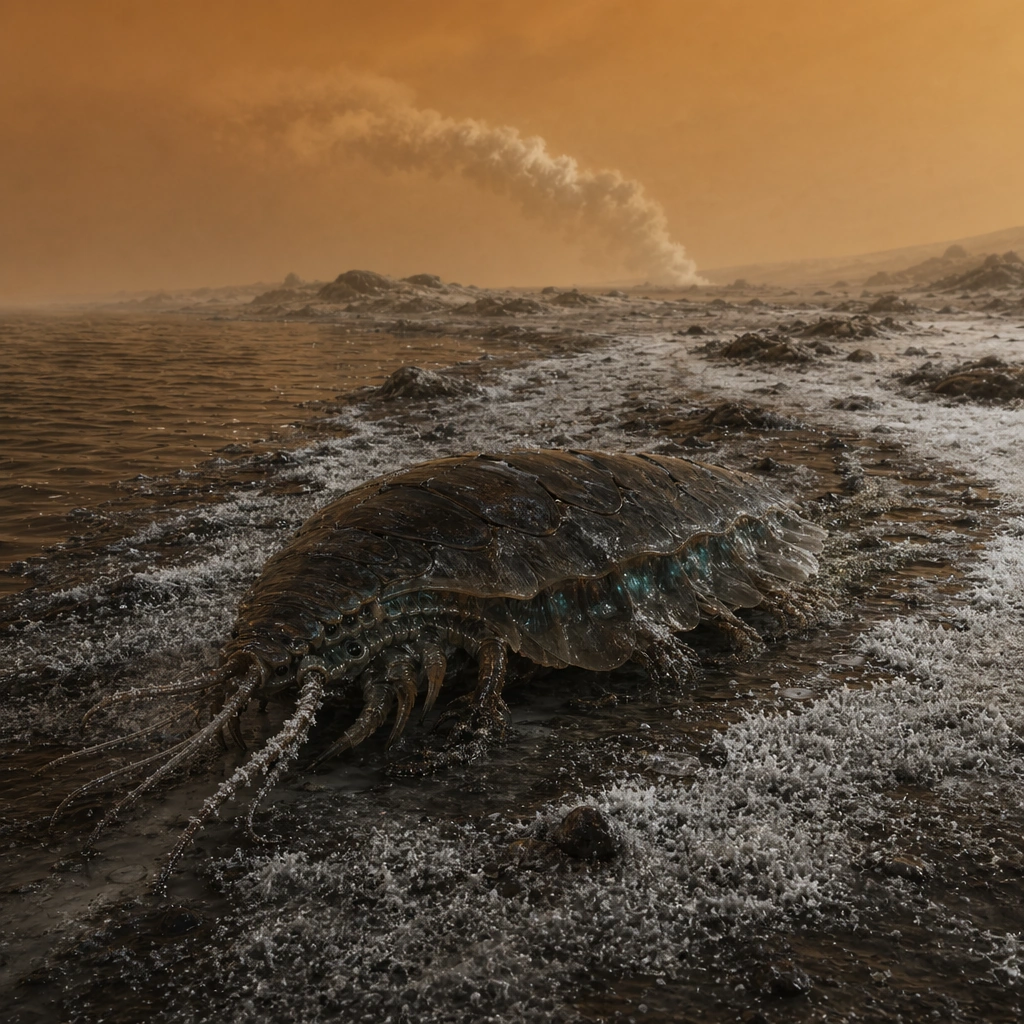
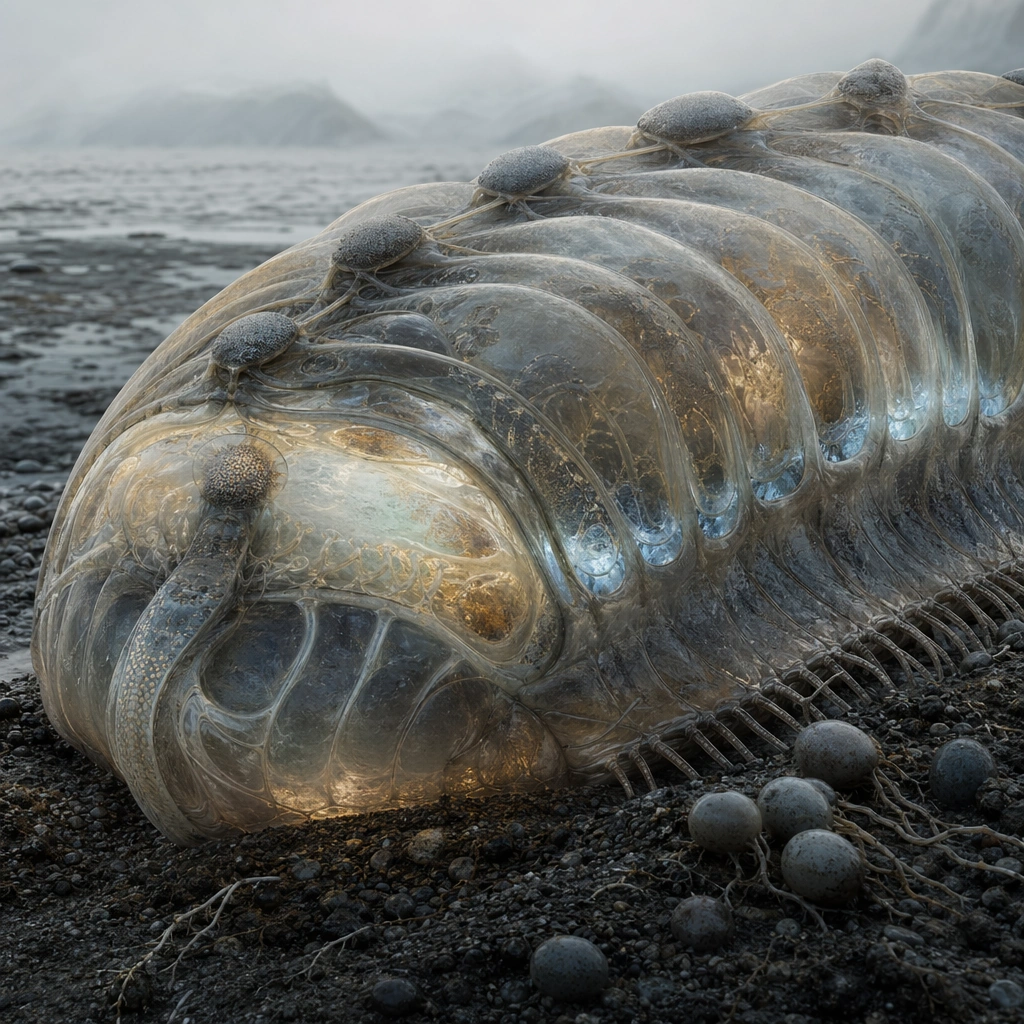
Move close to the body so the square frame is dominated by translucent tissue, frost haze, and dim shoreline context. Internal channels should glow softly through the body with amber and pale blue variations, visible only because the atmosphere remains so dark and diffuse. Build the frame as a square natural history study with disciplined composition, believable lighting, and enough environmental evidence to explain how this organism or system functions without any caption. Keep the image polished, observational, and suitable for a research gallery rather than pulp fantasy spectacle.

Subject:
Focus on the circulation system, structural ribs, and skin layers that keep hydrocarbon fluids moving at cryogenic temperature. The anatomy should feel alien but knowable, with clear distinctions between support tissue, circulation pathways, and sensory surfaces. Show the anatomy, habitat interaction, and scale cues clearly so the viewer can infer locomotion, feeding, reproduction, or ecological role from the visual alone. Every visible structure should feel evolved for a purpose, with layered foreground, midground, and background information that rewards close inspection.

Important details:
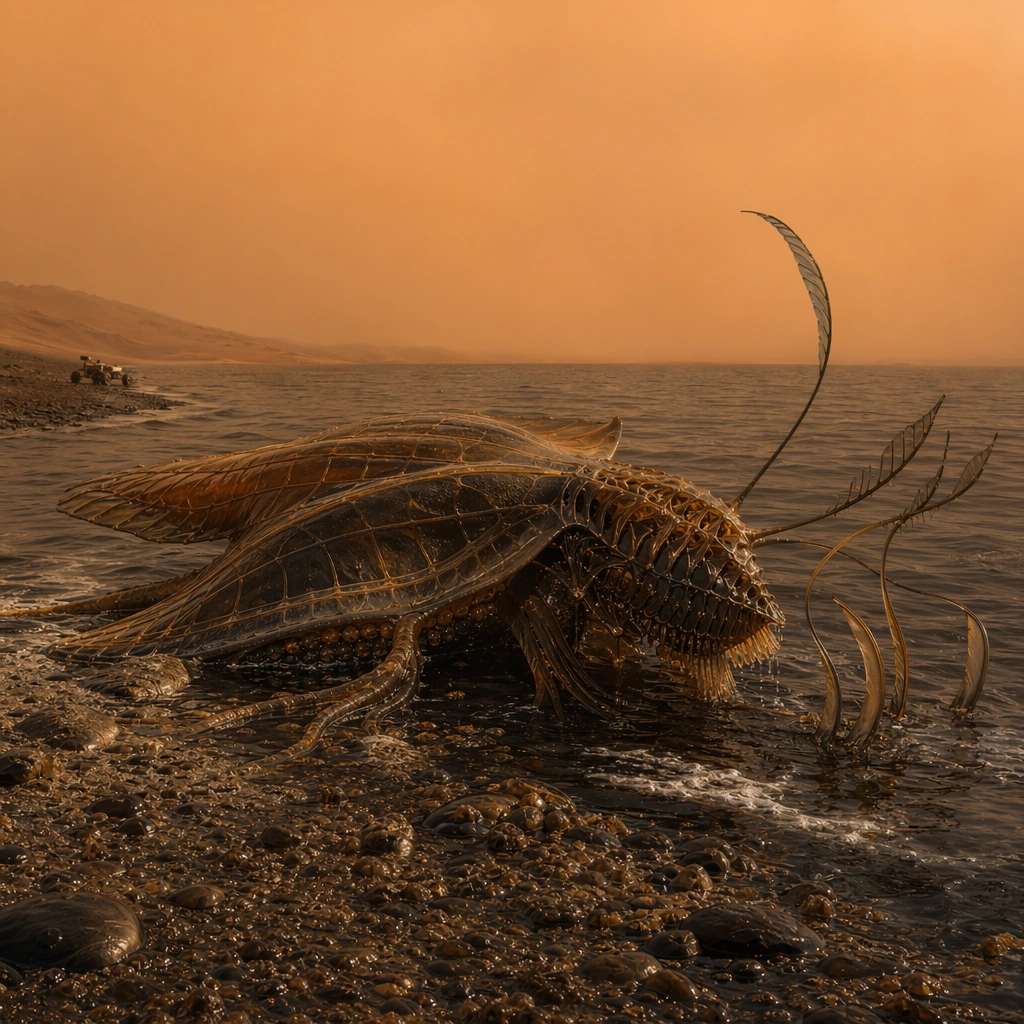
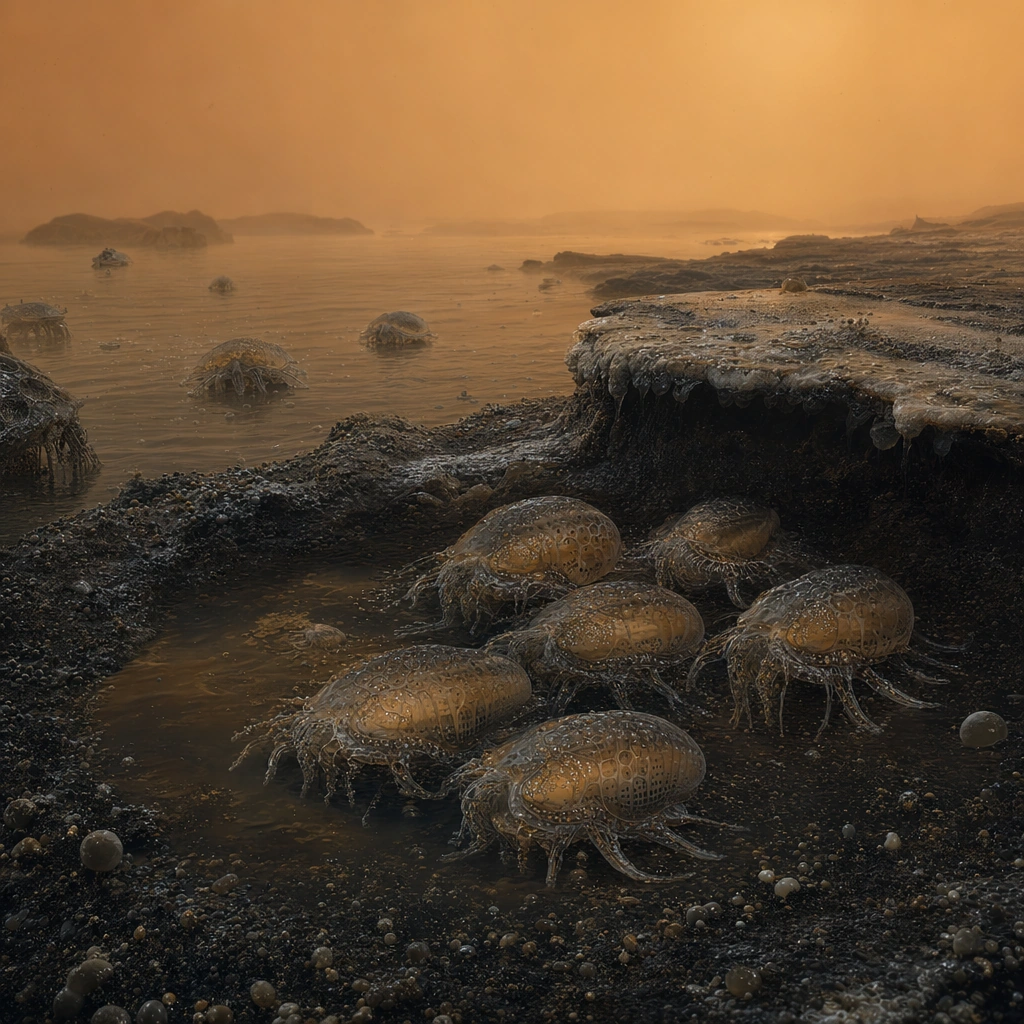
Assume the organism lives in hydrocarbon seas at extreme cold. Tissues, circulation, buoyancy, and sensory structures should reflect cryogenic chemistry, heavy haze, weak sunlight, and a shoreline shaped by methane waves and hydrocarbon sediment. Material realism matters most here. The body should look neither gelatinous nor glass sculpture; instead it should read as a cold-adapted biological membrane with depth, opacity changes, and localized luminescence tied to chemistry or warmth. Favor coherent biology over decorative excess: tissues, shells, membranes, spores, tendrils, fins, silica lattices, or atmospheric sacs should all follow one material logic. Preserve a convincing relationship between the environment and the body plan, use restrained color hierarchy, and make the image feel like a serious speculative field record rather than a random monster concept.

Use case:
Methane Sea Creature of Titan single study 2/9.

Constraints:
No readable text, no watermark, no logos, preserve exact 1:1 aspect ratio, no medical x-ray look, no neon tubing, no jellyfish copy, no glossy product-shot finish, no accidental brand resemblance, no direct copy of known terrestrial species, no cartoon simplification.
使用方法
- 复制完整原始提示词,并保留其中的参数。
- 按需求替换主体、文字和构图要求。
- 在兼容的外部工具中使用,核对当前使用条件并检查结果。
开始前需了解
- 先确认是否需要参考图。标注兼容模型,不代表该示例由这个模型生成。
- 核对名称、数字与画面文字;不同模型版本的结果可能不同。