
原始文档
GPT Image 2 · en
Scene:
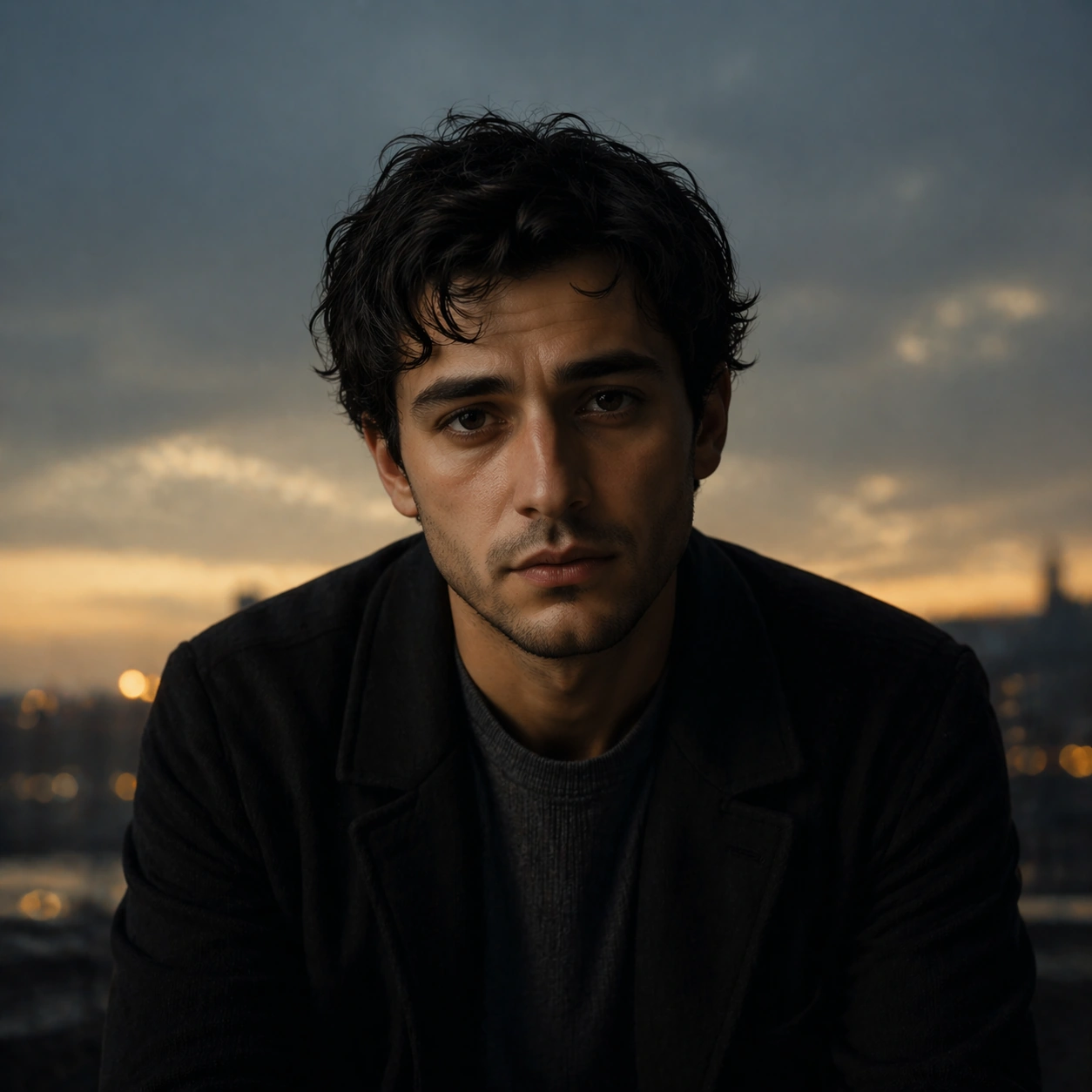
Create a square 1:1 portrait image for Cinematic Story Portrait Sequence. Use a quieter cinematic frame with residue, dusk, or emotional calm, still anchored by precise portrait craft. The frame should feel like a finished professional deliverable rather than a casual snapshot, with clear lens discipline, believable light falloff, and a palette that directly supports Build portrait sequences that feel like stills from a character-driven film, with emotional continuity, scene logic, and camera-language variation.. Keep enough surrounding space and compositional control for gallery, research, campaign, or approval-board reuse while staying photoreal and human-scaled.

Subject:
Center one film protagonist with pale olive skin, tired expressive eyes, slightly tousled dark hair, and a grounded natural build. Close the series on the same character, carrying all previous continuity into a final resolved image that still looks like part of the same story arc. Use the example direction from the brief as grounding context: Build portrait sequences that feel like stills from a character-driven film, with emotional continuity, scene logic, and camera-language variation.. Wardrobe, lighting, environment, and pose may shift to serve this variation, but the viewer must immediately understand that the same reference identity is still in front of the camera.

Important details:
This backlog line is difficult because Build portrait sequences that feel like stills from a character-driven film, with emotional continuity, scene logic, and camera-language variation.. Preserve skin tone family, bone structure, eye spacing, nose shape, mouth shape, hairline logic, shoulder width, and overall body read across the entire series. preserve exact face / hair base / body proportions from the reference model. Mood may soften or darken, but the same-person read cannot weaken. Avoid the common failure described in the brief: ordinary image models often lose likeness once styling, lighting, or layout changes enter the frame. Success should feel like the result should feel professionally usable, coherent, and clearly built around one stable human identity.

Use case:
Cinematic Story Portrait Sequence series study 9/9, a resolved final aftermath portrait.

Constraints:
No readable text, no watermark, no logos, preserve exact 1:1 aspect ratio, preserve exact face / hair base / body proportions from the reference model, no sequel-bait crowd scene, no face drift, no genre jump, no decorative smoke overload.
使用方法
- 复制完整原始提示词,并保留其中的参数。
- 按需求替换主体、文字和构图要求。
- 在兼容的外部工具中使用,核对当前使用条件并检查结果。
开始前需了解
- 先确认是否需要参考图。标注兼容模型,不代表该示例由这个模型生成。
- 核对名称、数字与画面文字;不同模型版本的结果可能不同。