原始文档
GPT Image 2 · en
Scene:
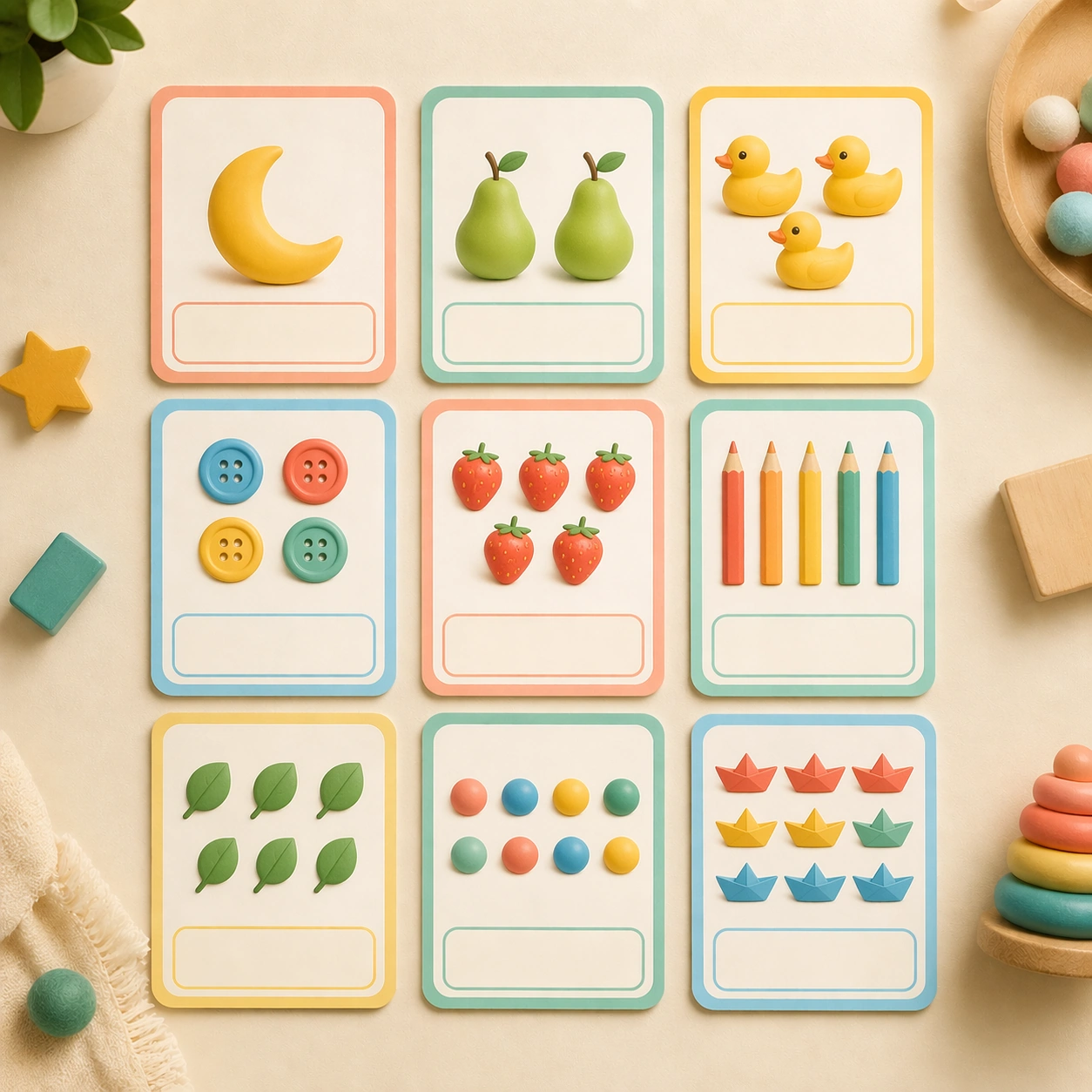
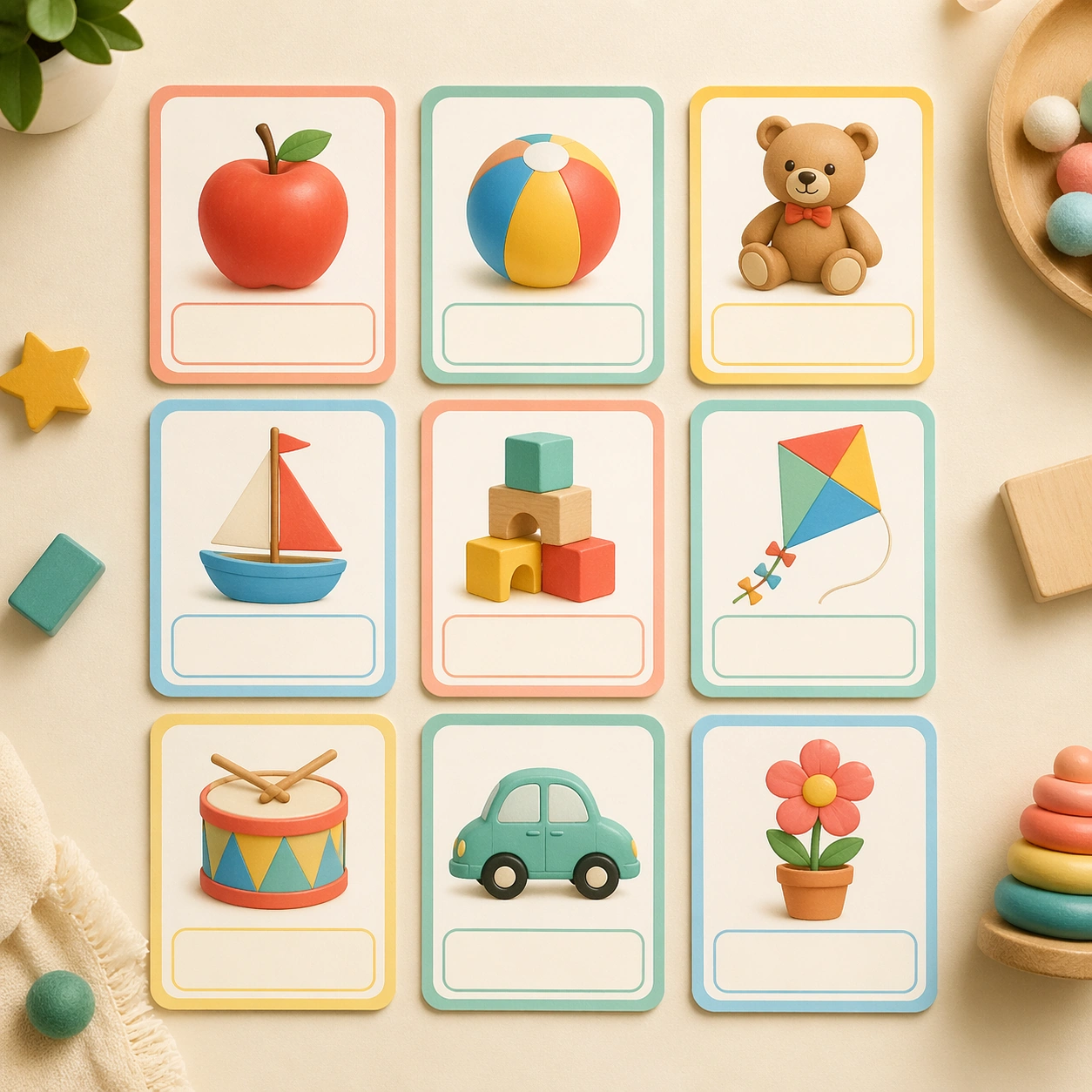
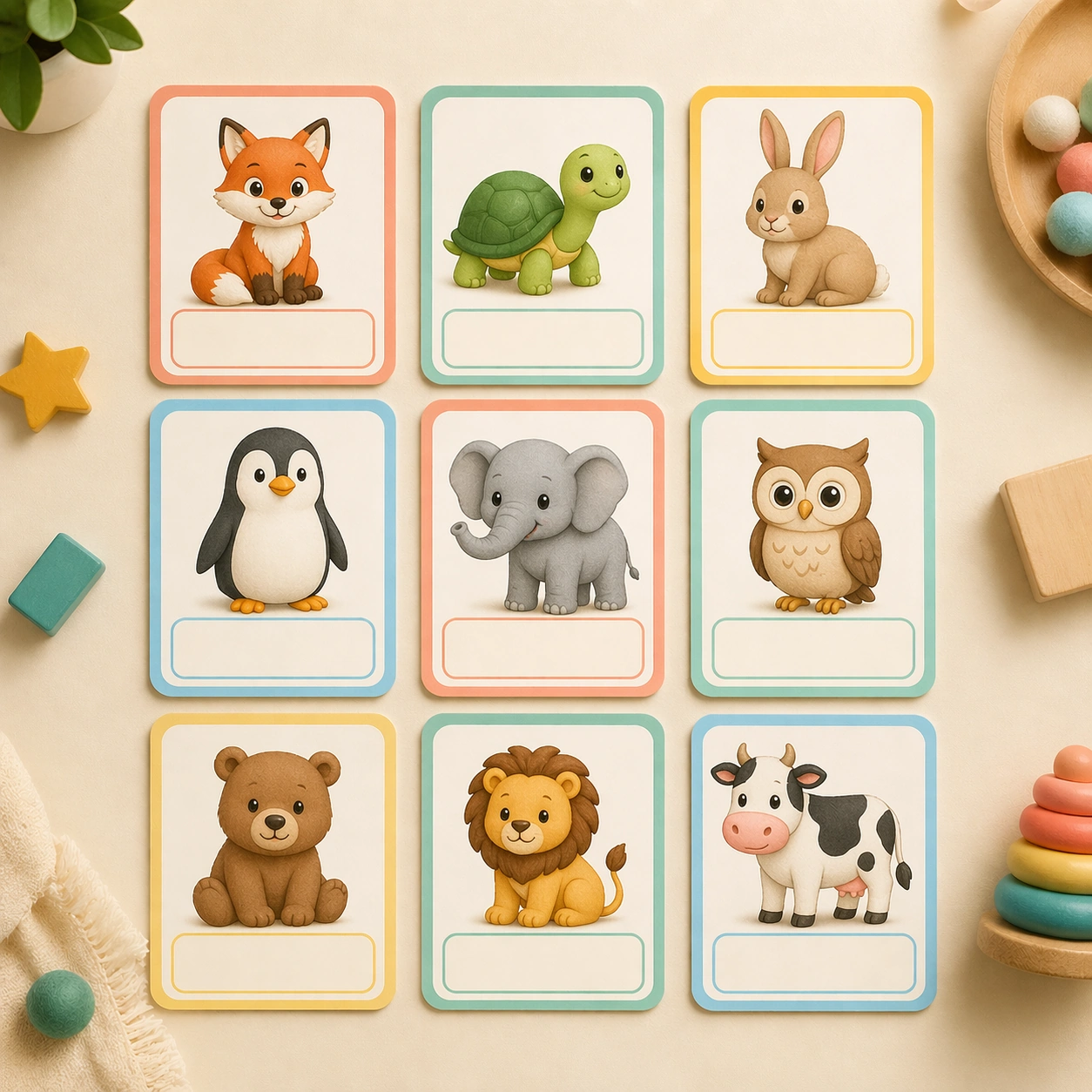
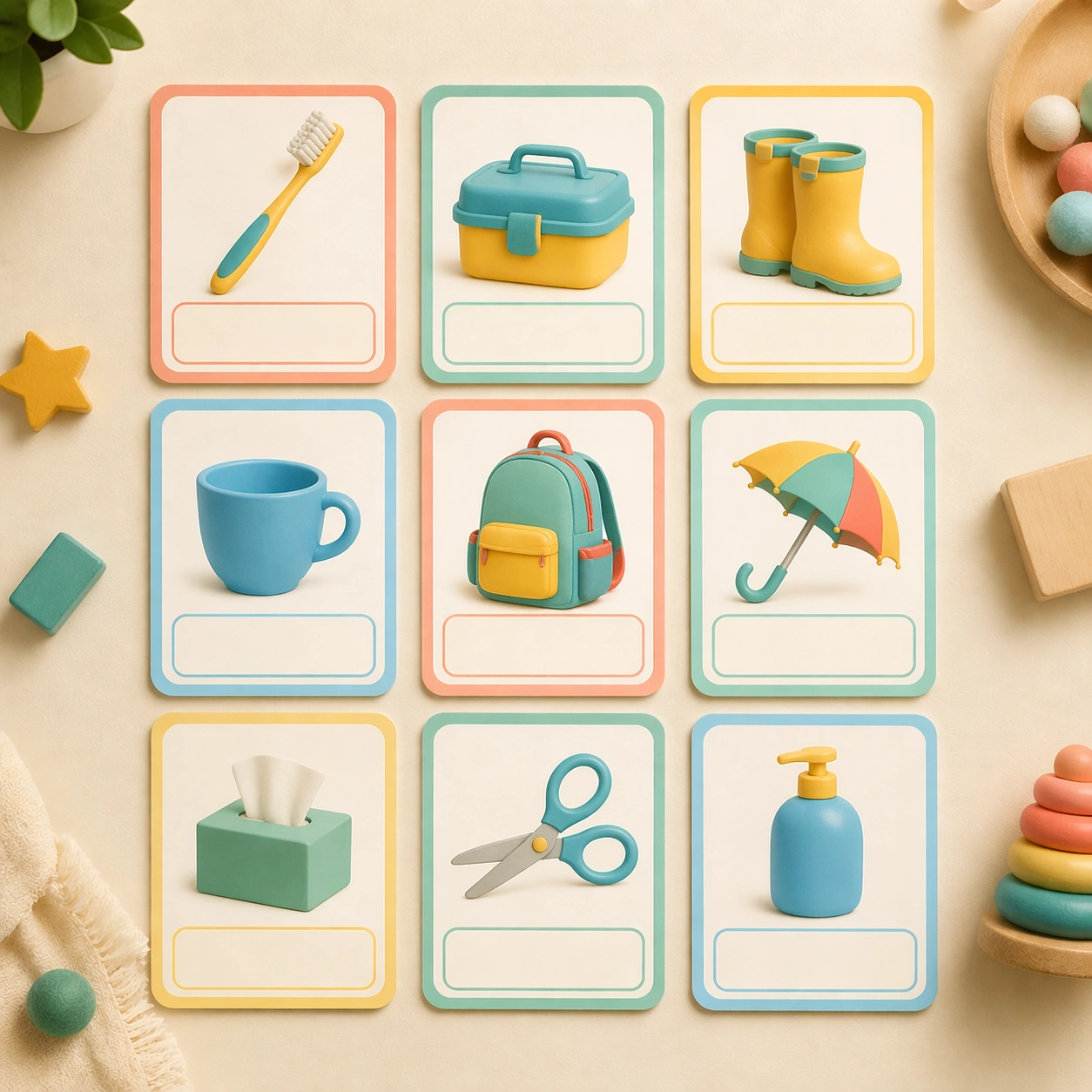
Render the identical square product-shot arrangement one more time, preserving the reference board grid, tabletop warmth, and balanced daylight. It should feel like a third extension in a tightly art-directed line of flashcards prepared for nursery classrooms, e-commerce listing images, and teacher catalog spreads. Keep the square frame balanced, calm, and production-ready so the asset can serve gallery review, research comparison, and real educational delivery at the same time.

Subject:
Swap in common daily objects such as a toothbrush, lunchbox, rain boots, cup, backpack, umbrella, and scissors with child-safe simplified form. Each object belongs to one isolated card and sits above a blank caption area so educators could imagine multiple languages or curriculum variations later. The subject matter should feel intentionally selected for a coherent curriculum family rather than like a random decorative assortment.

Important details:
Keep every structural cue from the reference image intact: the card size, rounded corners, border rhythm, print finish, blank naming space, and palette balance. Let the variation come from object silhouettes and classroom relevance, not from layout changes or new brand behavior. Preserve the same rounded card frame, corner radius, soft shadow depth, illustration scale, and empty caption panel rhythm from the reference board. Use variation only in the teaching content, supporting props, and scene-specific mood while preserving the core visual system exactly.

Use case:
Early Learning Flashcard Family series study 4/4, daily object board.

Constraints:
No readable text, no watermark, no logos, preserve exact 1:1 aspect ratio, no real letters, no readable numerals, no handwriting, no crowded toy-store clutter, no adult hands, no broken card edges.
使用方法
- 复制完整原始提示词,并保留其中的参数。
- 按需求替换主体、文字和构图要求。
- 在兼容的外部工具中使用,核对当前使用条件并检查结果。
开始前需了解
- 先确认是否需要参考图。标注兼容模型,不代表该示例由这个模型生成。
- 核对名称、数字与画面文字;不同模型版本的结果可能不同。