原始文档
GPT Image 2 · en
Scene:
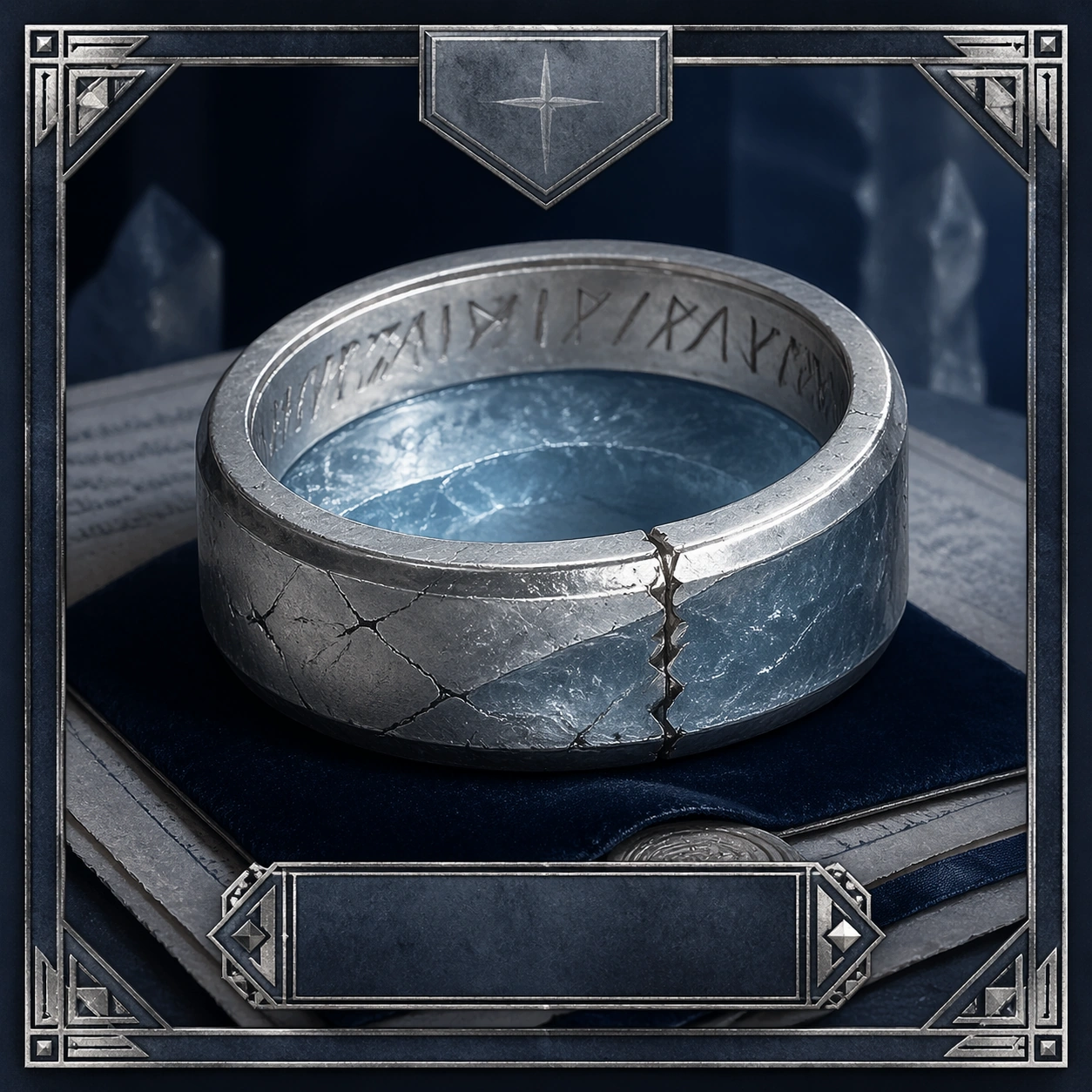
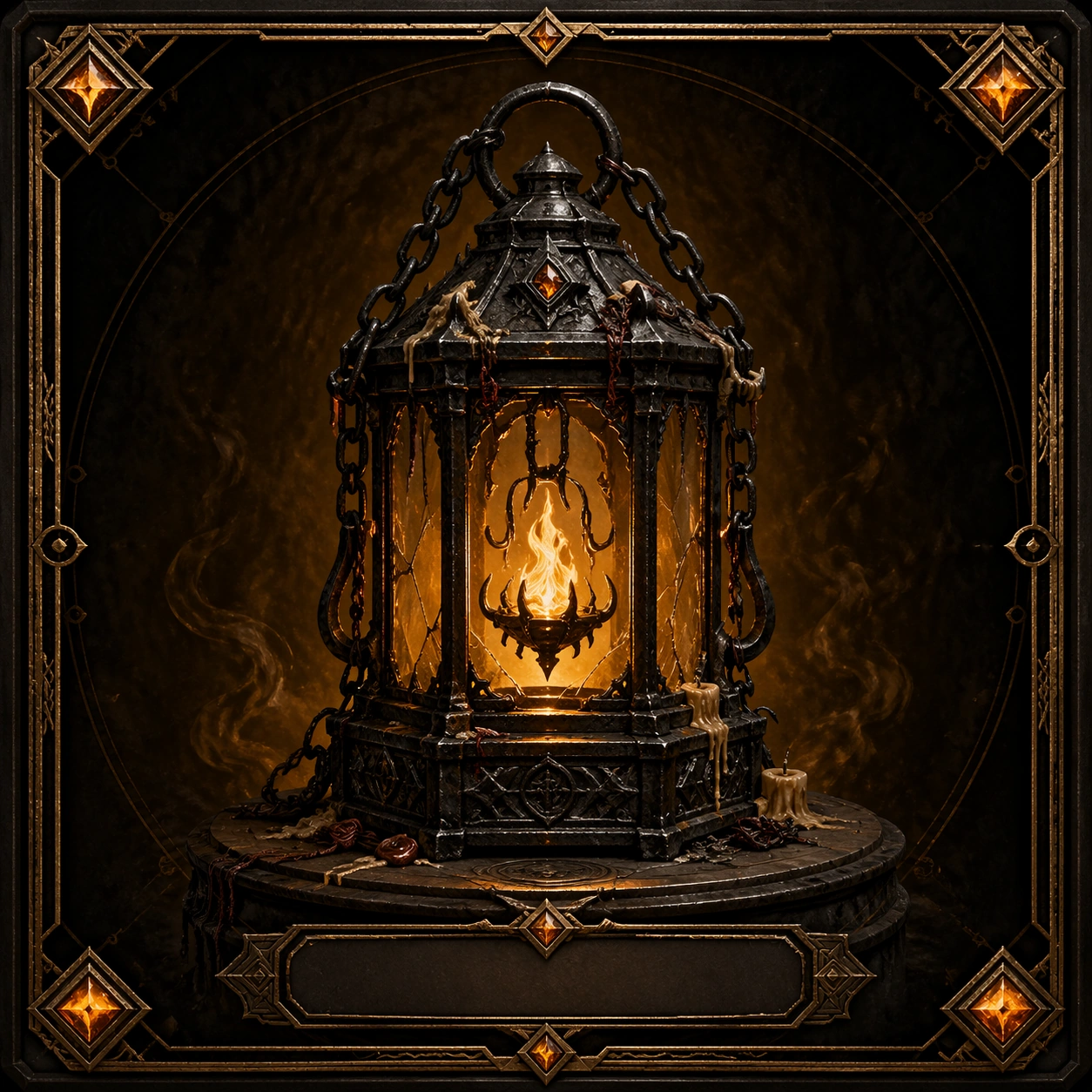
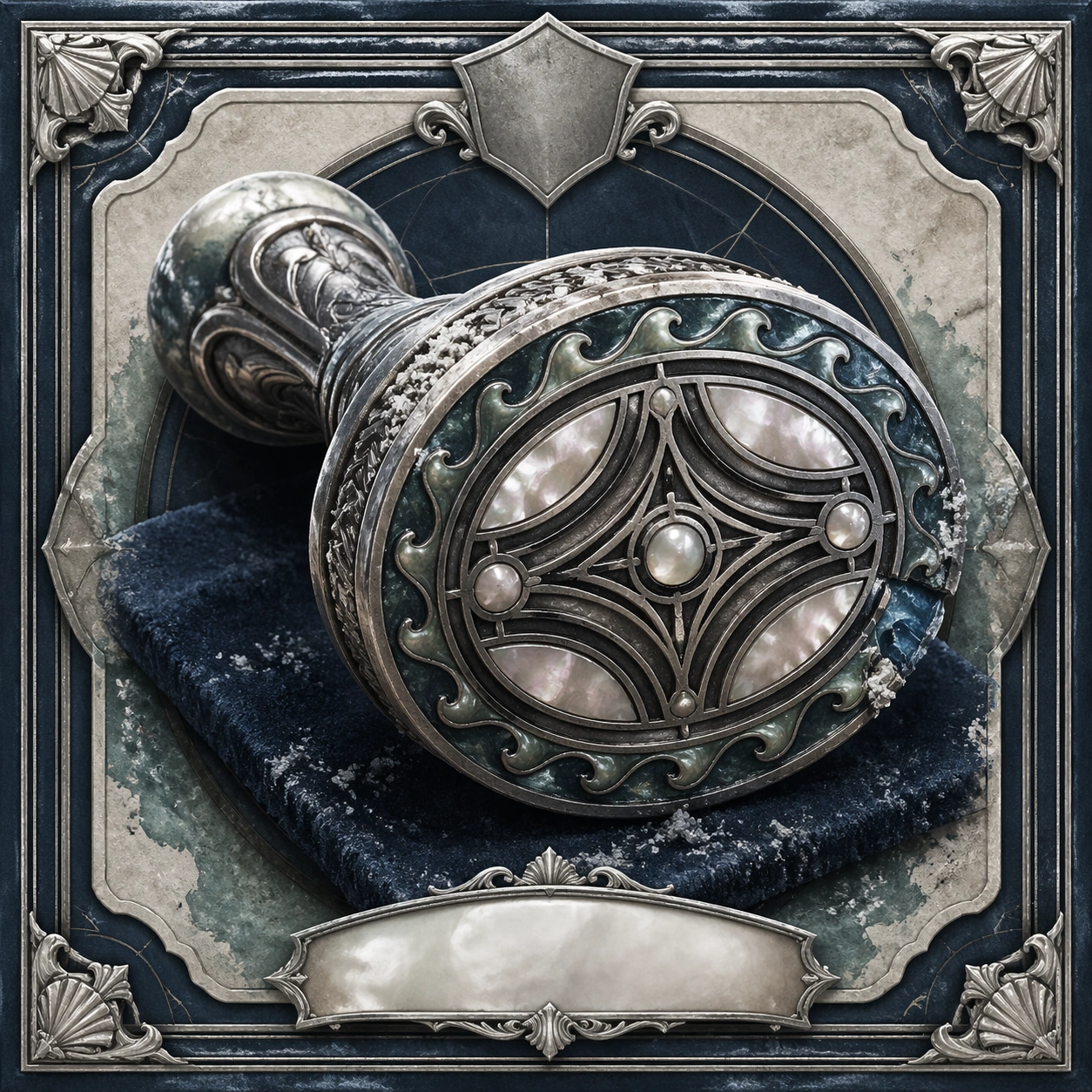
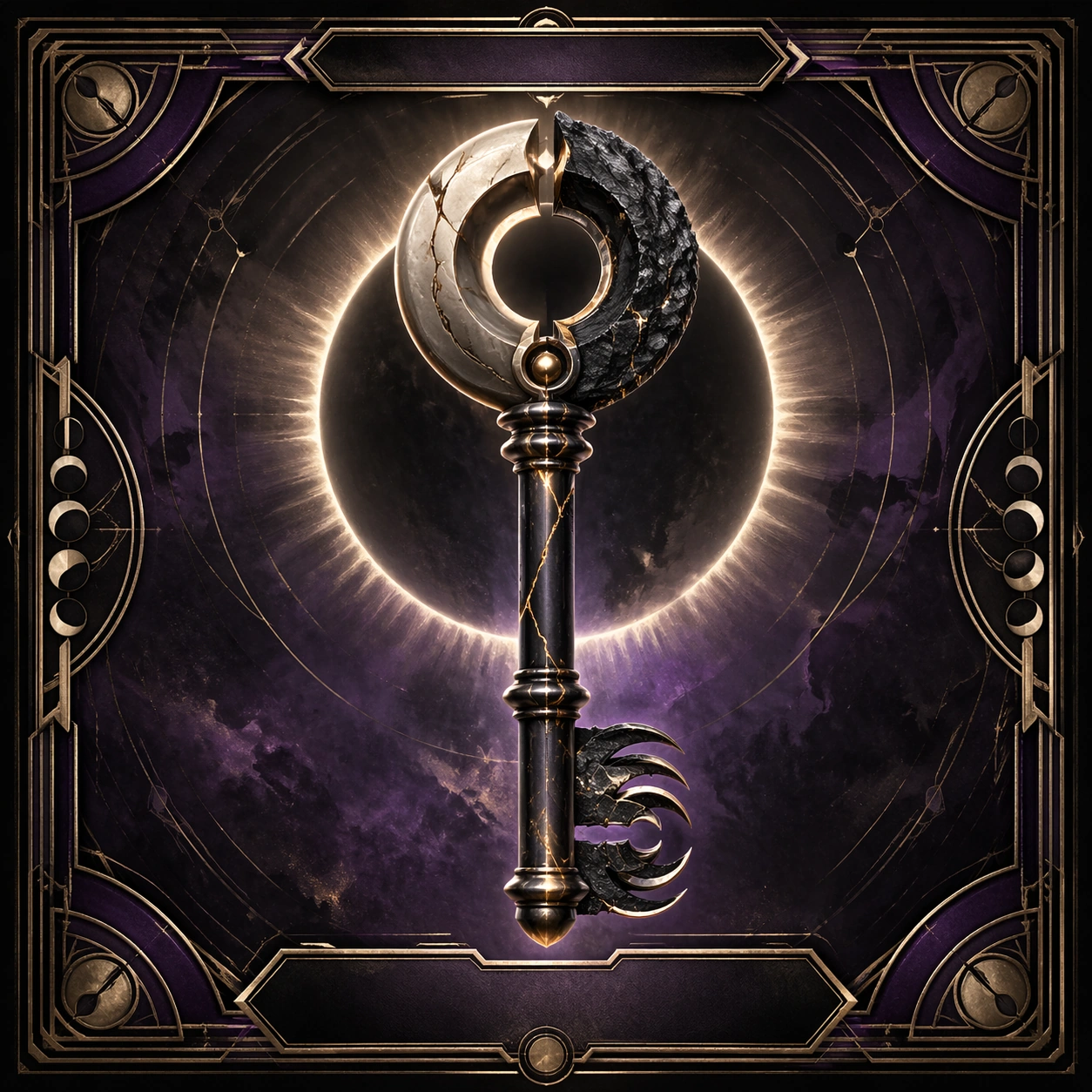
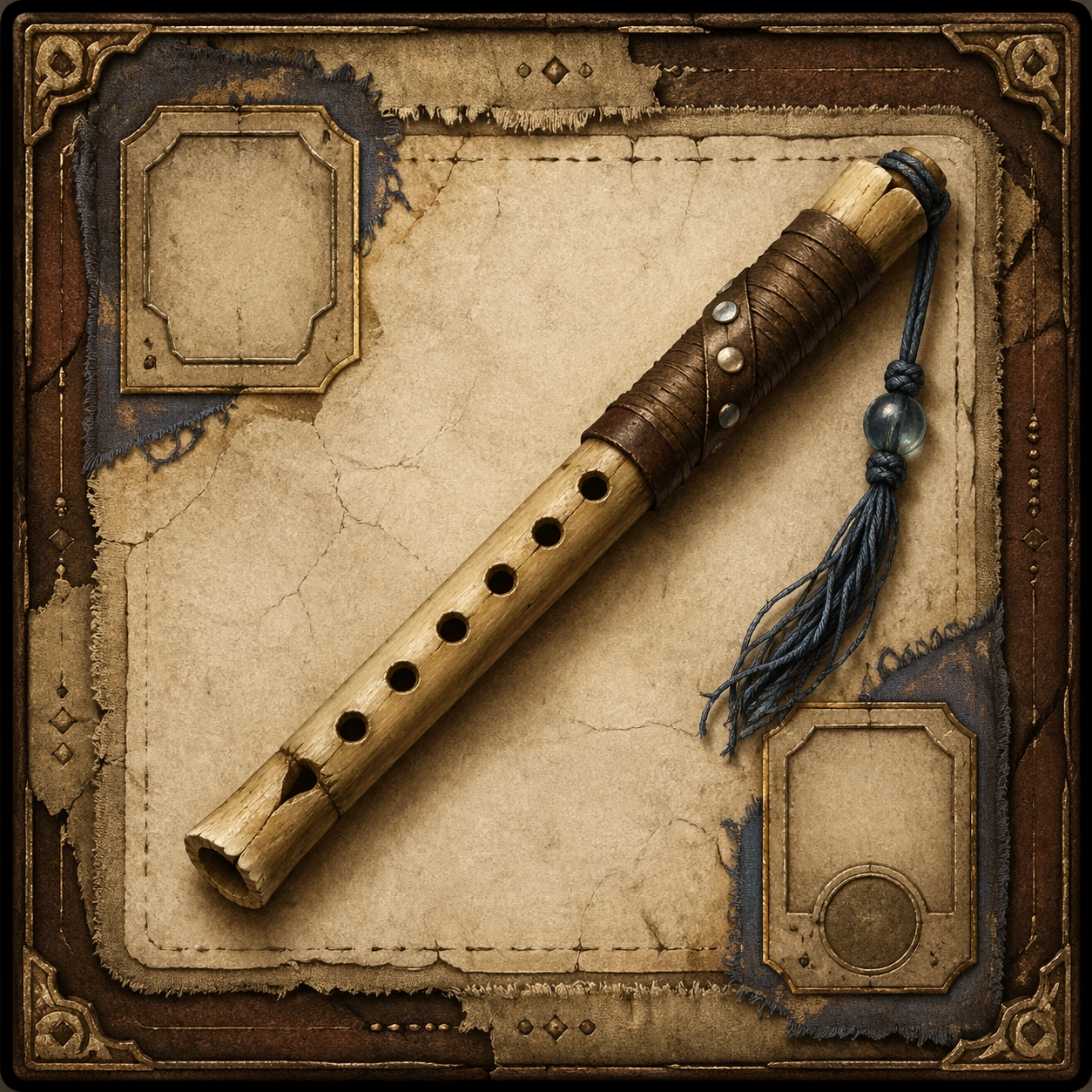
Create a square relic card with a pilgrim-travel archive mood, using dusty ivory, muted ochre, weathered leather brown, and soft twilight blue. The codex frame should be present but modest: centered object, layered paper and fabric backing, blank relic slots, and fine border markings that support the object instead of dominating it. The overall image should feel personal, portable, and old.

Subject:
The relic is a pilgrim bone flute carved from a long pale bone segment with wrapped leather grip, tiny inset shell studs, and several uneven finger holes darkened by use. One end is capped with a knotted tassel of faded blue thread and a bead made from smoky glass. The flute should imply ritual travel, mourning songs, or wayfinding hymns rather than battlefield ceremony. It needs to feel humble but deeply significant, as if many hands carried it across deserts, shrines, and borderlands.

Important details:
Focus on touch history. The bone should show polished areas from fingers, tiny age cracks, and warm tonal variation. The leather wrap should feel repaired more than decorative, and the bead should add a quiet point of color. The card design must still communicate collectible-system value, but the relic itself should look emotionally grounded rather than flashy. Preserve clean silhouette and strong material readability for codex or lore reward use. Avoid real instrument branding, modern concert-flute cues, or overtly horror-coded bone styling.

Use case:
Relic Artifact Lore Card Set single study 8/9.

Constraints:
No readable text, no watermark, no logos, preserve exact 1:1 aspect ratio, no skull imagery, no modern metal keys, no extra hands, no campfire scene, no busy travel props, no cartoon fantasy decoration, no oversized tassel clutter.
使用方法
- 复制完整原始提示词,并保留其中的参数。
- 按需求替换主体、文字和构图要求。
- 在兼容的外部工具中使用,核对当前使用条件并检查结果。
开始前需了解
- 先确认是否需要参考图。标注兼容模型,不代表该示例由这个模型生成。
- 核对名称、数字与画面文字;不同模型版本的结果可能不同。