Document original
GPT Image 2 · en
Scene:
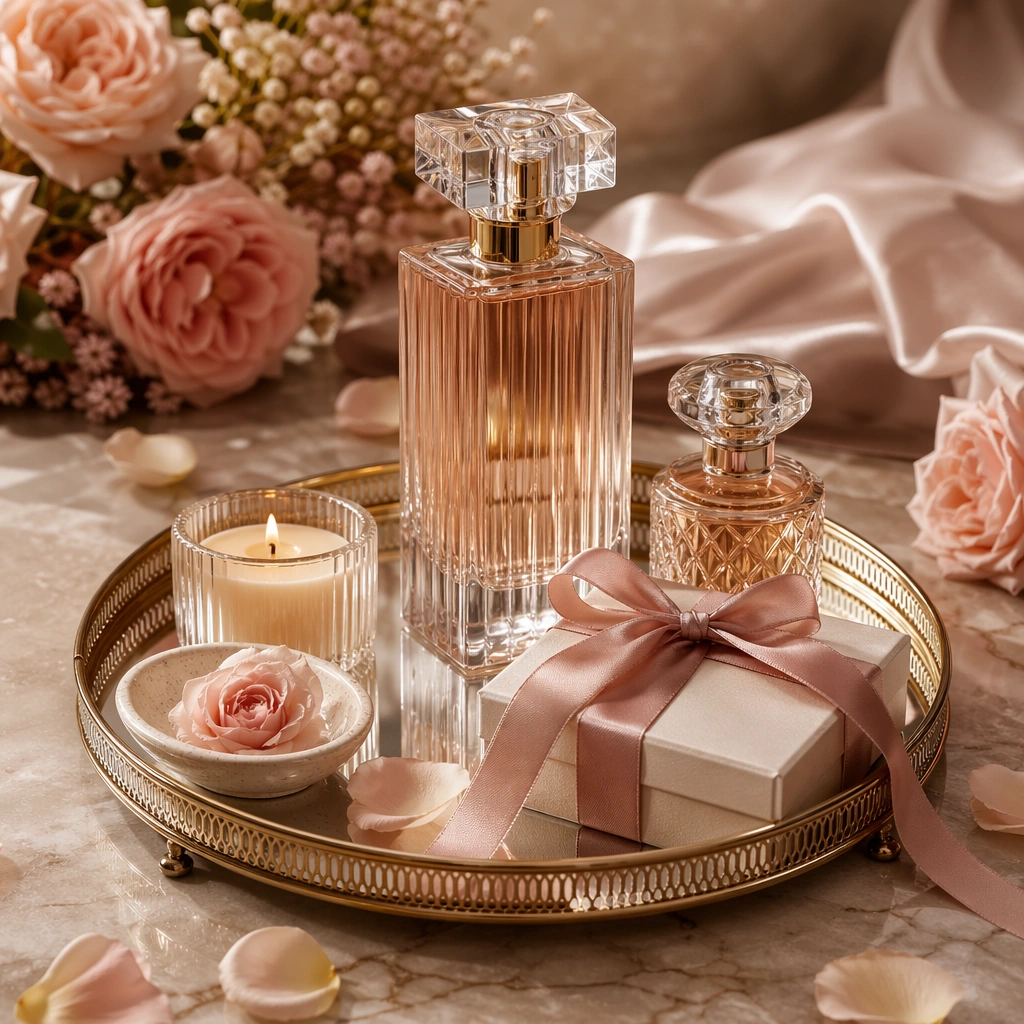
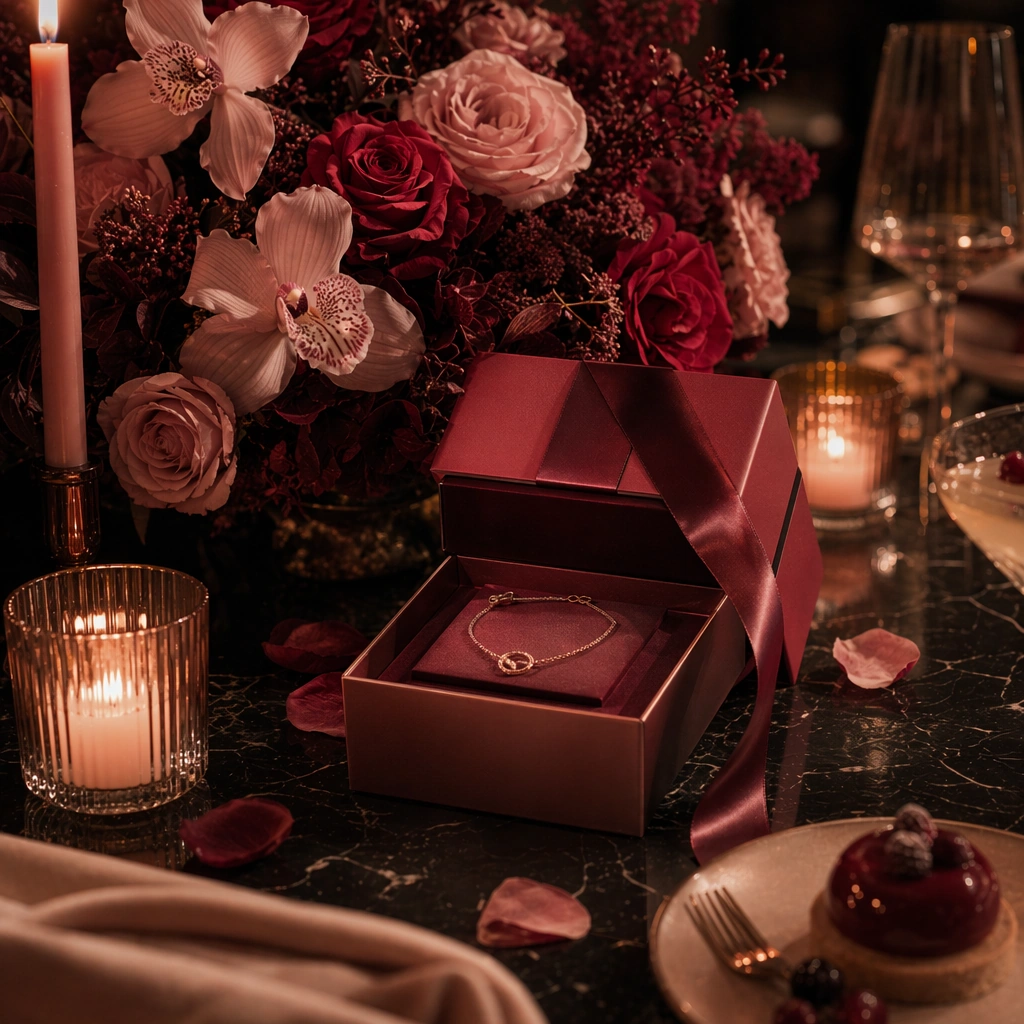
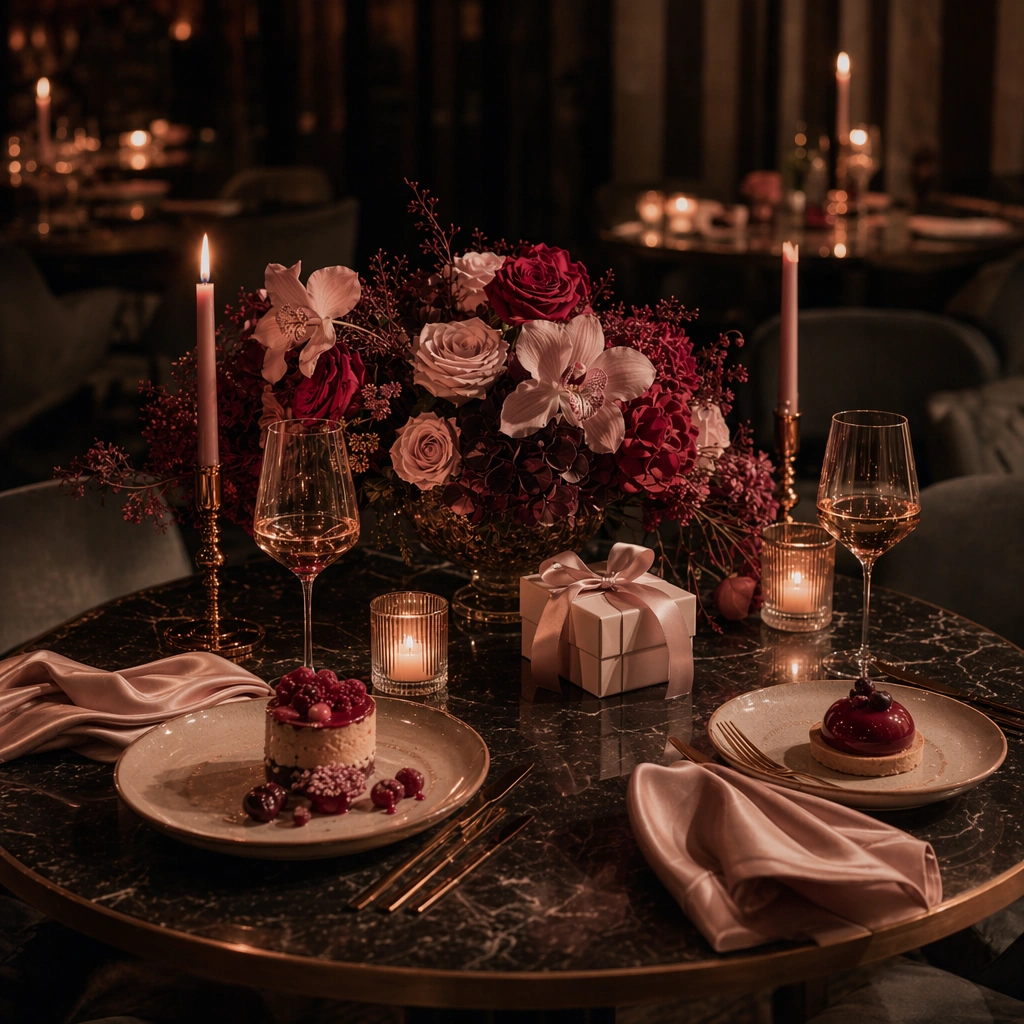
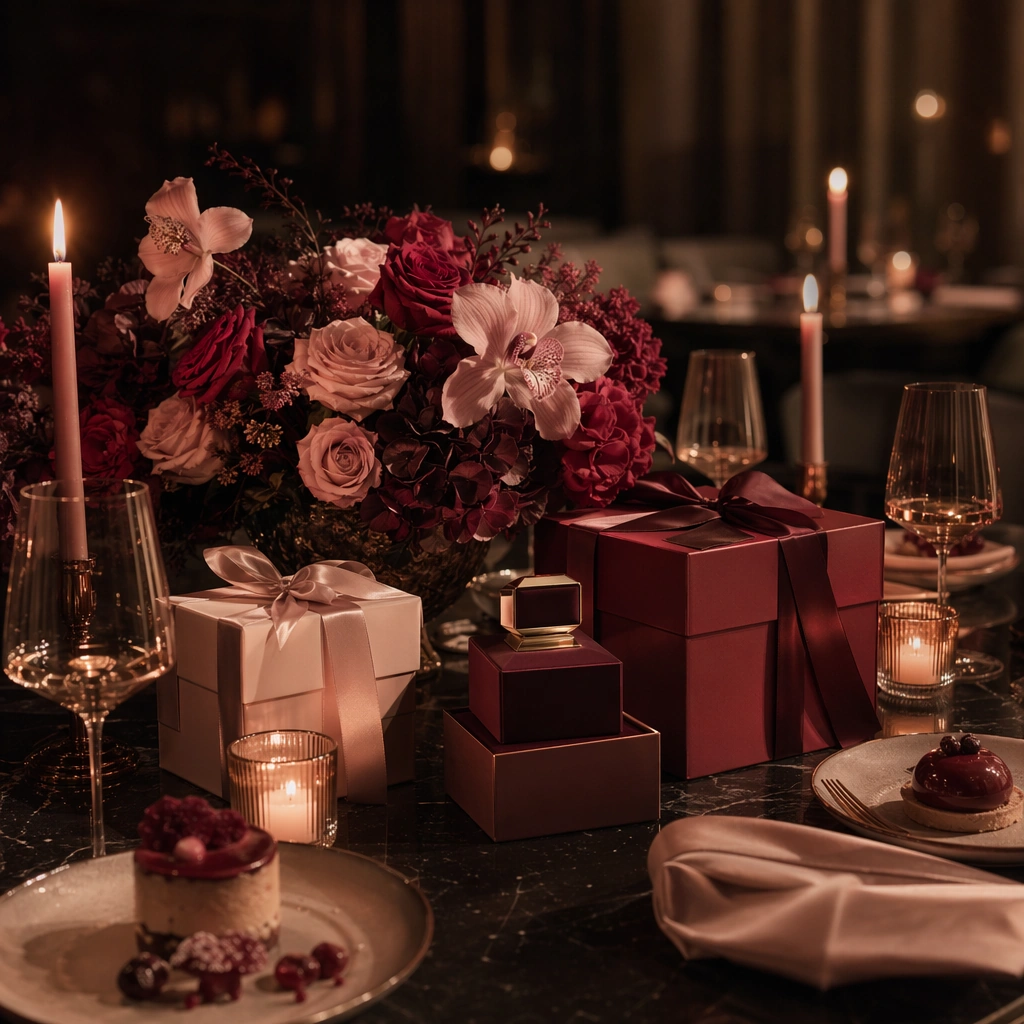
Create a square dependent Valentines image within the same romantic visual universe, keeping the identical candle-warm palette, satin surfaces, floral accents, and polished evening depth, but shift the staging toward a boutique beauty or spa-experience offer. Preserve the same cinematic softness from the anchor while making the arrangement cleaner and more object-centered, suitable for a premium service campaign or gifting package visual.

Subject:
Feature a refined arrangement of wrapped beauty items, folded towels or satin cloth, petals, candle vessels, and one premium gift box or tray that signals a shared romantic experience. Preserve the exact palette, material behavior, and floral-light grammar from the reference image while changing only the service category emphasis. The composition should feel intimate, elegant, and viable for a Valentines campaign aimed at beauty, wellness, or experiential gifting.

Important details:
Hold continuity tightly: same atmosphere, same luxurious restraint, same tactile standards, and same tasteful romance tone. Make cosmetics or treatment items read through silhouette and packaging form rather than through brand names or readable labels. The image should stay premium and sensual without crossing into lingerie cliché, nightclub excess, or generic pink-stock-photo territory. It should feel like one more precise surface in a unified romance system.

Use case:
Valentines series study 4/9.

Constraints:
No readable text, no watermark, no logos, preserve exact 1:1 aspect ratio, preserve exact campaign identity from the reference image, no readable labels, no lipstick marks, no human model, no lingerie styling, no giant heart props, no glitter explosion, no logo embossing.
Mode d’emploi
- Copiez le prompt original complet, paramètres compris.
- Adaptez le sujet, le texte et la composition à vos besoins.
- Utilisez un outil externe compatible ; vérifiez l’accès et le résultat.
Avant de commencer
- Vérifiez si une image de référence est nécessaire. La compatibilité ne prouve pas le modèle utilisé pour cet exemple.
- Vérifiez noms, chiffres et textes ; les versions du modèle peuvent produire des résultats différents.