Document original
GPT Image 2 · en
Scene:
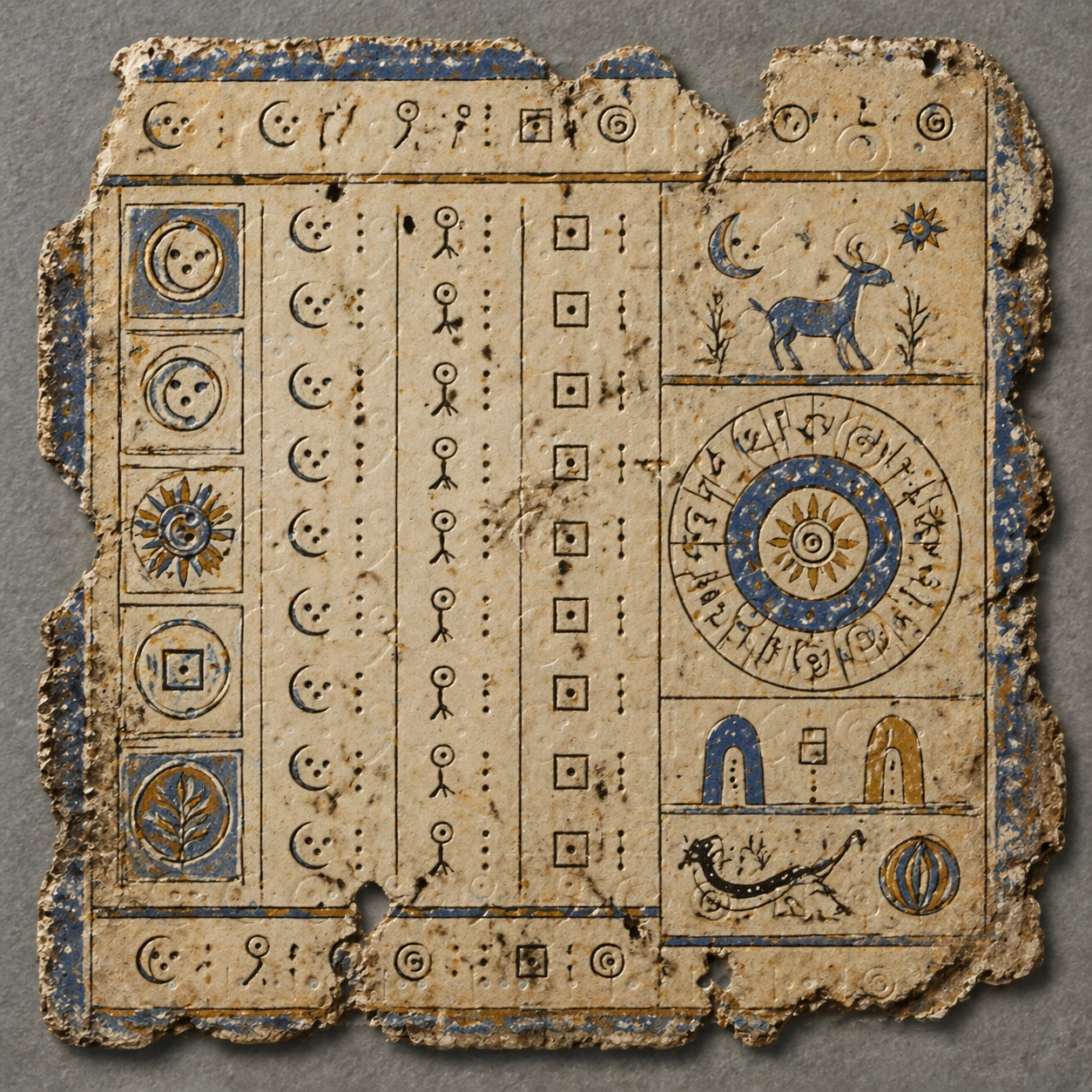
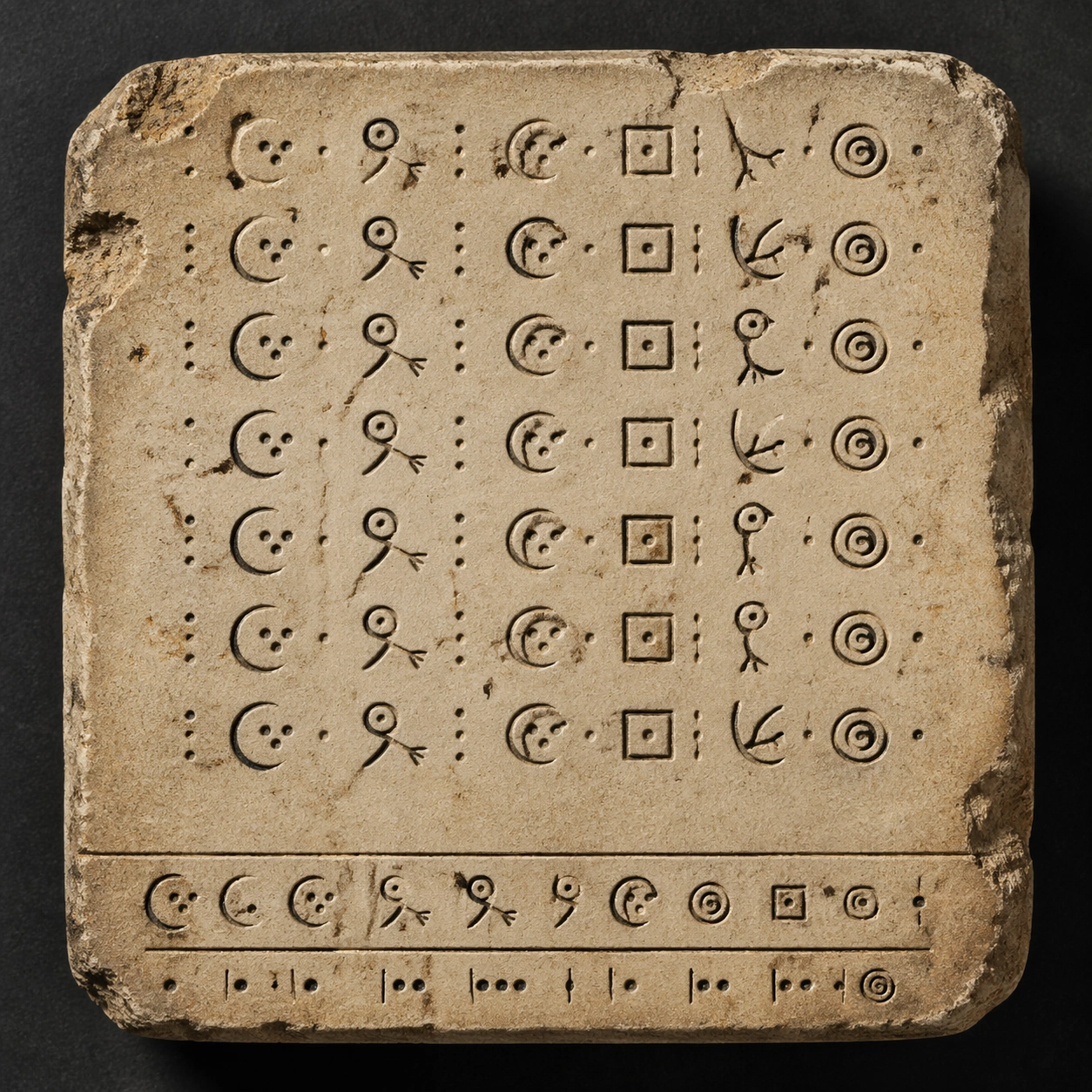
Square museum conservation photograph, straight-on overhead view, soft raking light from the upper left, warm limestone and soot-black pigment against a quiet charcoal background. The frame is calm and catalog-like, with the tablet centered and enough margin to see chipped corners, dust, and shallow relief. Lighting should reveal carved depth without dramatic shadows.

Subject:
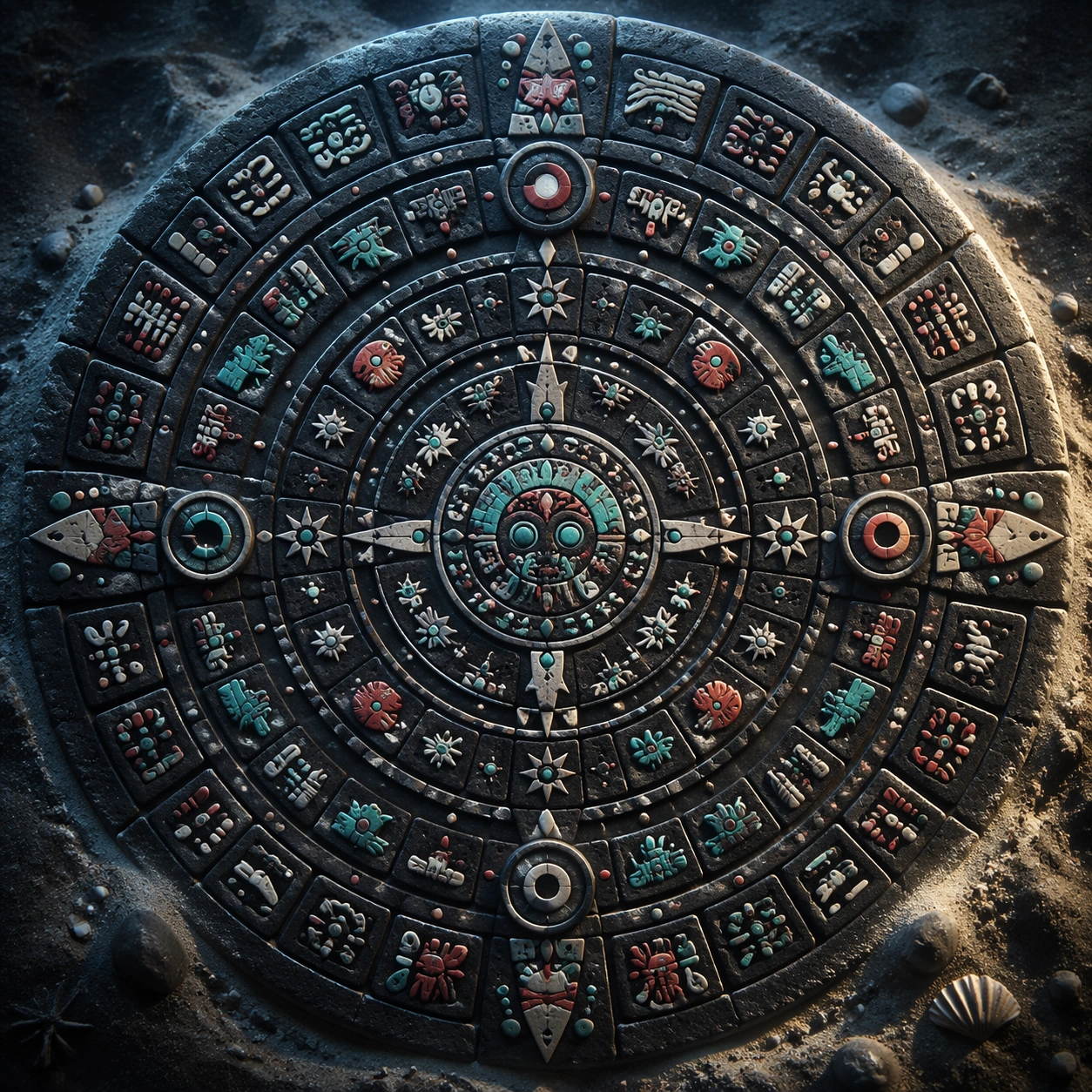
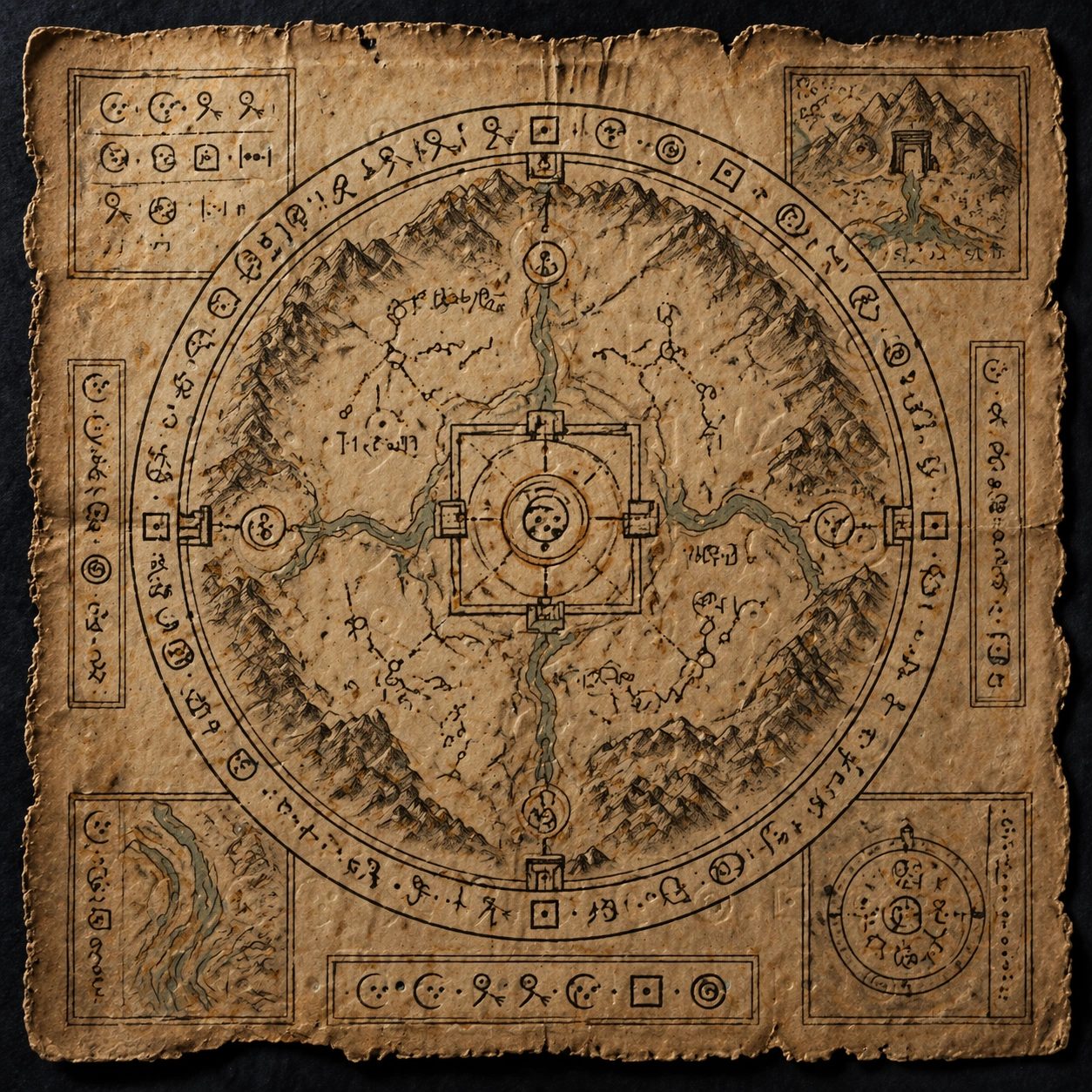
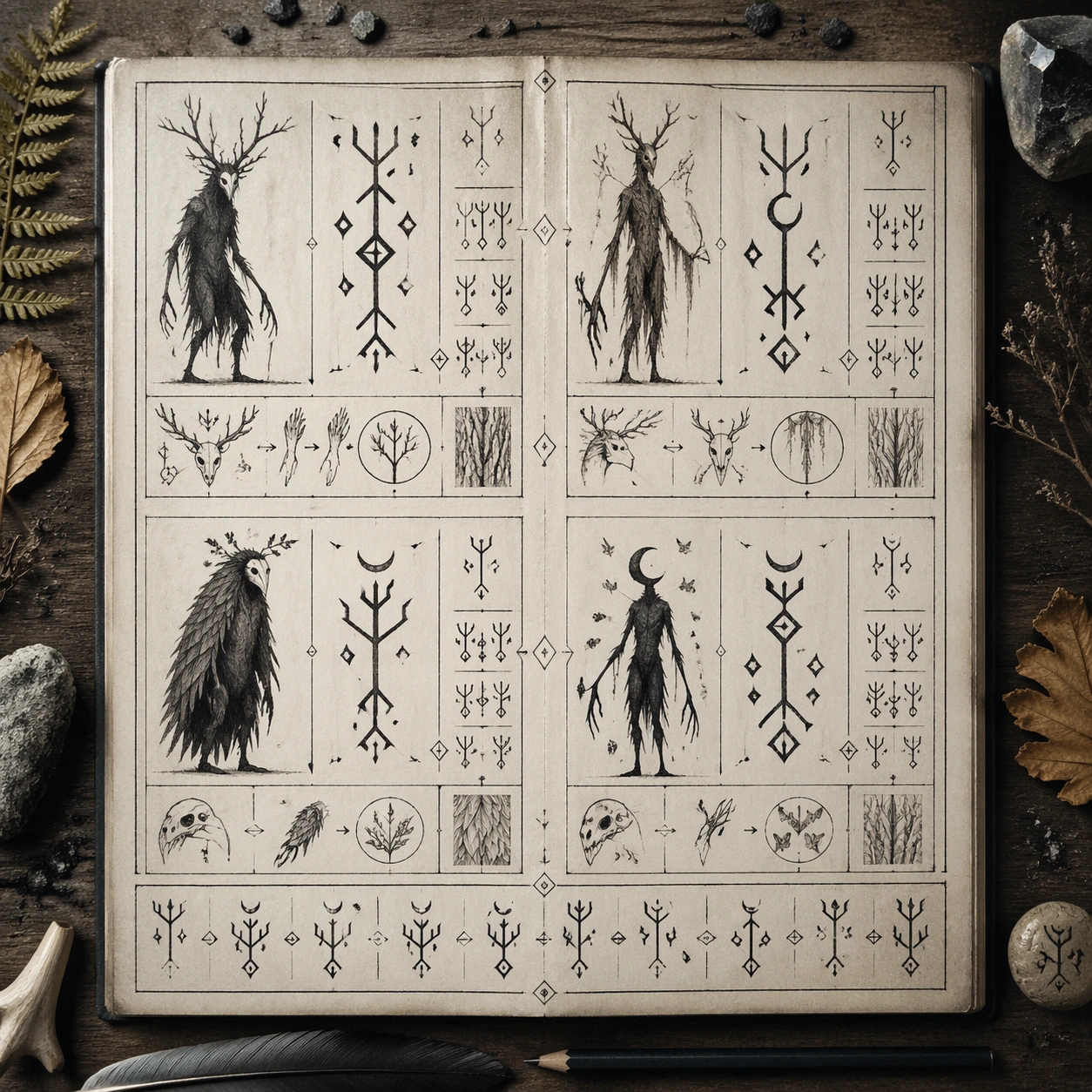
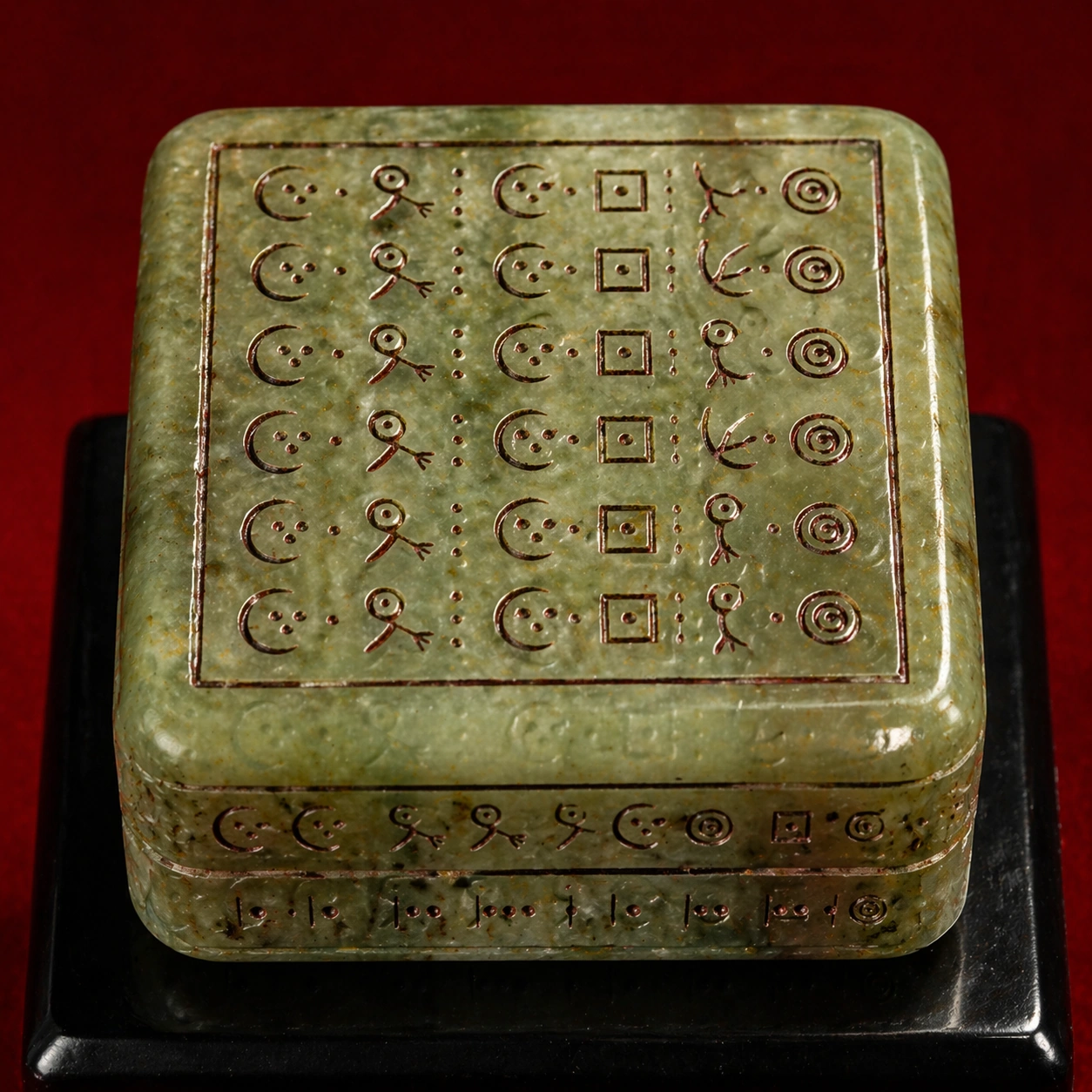
A fictional core inscription tablet for an invented ancient language. The tablet shows a disciplined grid of repeated glyph groups: crescent stems, three-dot radicals, hooked birdlike strokes, square seed marks, and nested spiral terminals. The symbols are not real writing, but they must feel internally consistent, like a recoverable grammar with prefixes, roots, and punctuation marks.

Important details:
Establish a reusable glyph family for the series. Keep line weight consistent, spacing deliberate, and repeated radicals recognizable in several positions. Include a small nonverbal comparison strip made only from glyph variants and icon-like separators, not readable labels. The surface should suggest hand-carved stone with mineral stains, rubbed pigment in grooves, and slight erosion that never destroys the symbol silhouettes.

Use case:
Fictional Symbol System series study 1/8, root reference for a fanout set that preserves the same invented inscription grammar across later artifacts.

Constraints:
No readable text, no watermark, no logos, preserve exact 1:1 aspect ratio, no Latin letters, no real alphabets, no random scribbles, no modern typography, no translation captions, no QR-code patterns, no extra border text.
Mode d’emploi
- Copiez le prompt original complet, paramètres compris.
- Adaptez le sujet, le texte et la composition à vos besoins.
- Utilisez un outil externe compatible ; vérifiez l’accès et le résultat.
Avant de commencer
- Vérifiez si une image de référence est nécessaire. La compatibilité ne prouve pas le modèle utilisé pour cet exemple.
- Vérifiez noms, chiffres et textes ; les versions du modèle peuvent produire des résultats différents.