Document original
GPT Image 2 · en
Scene:
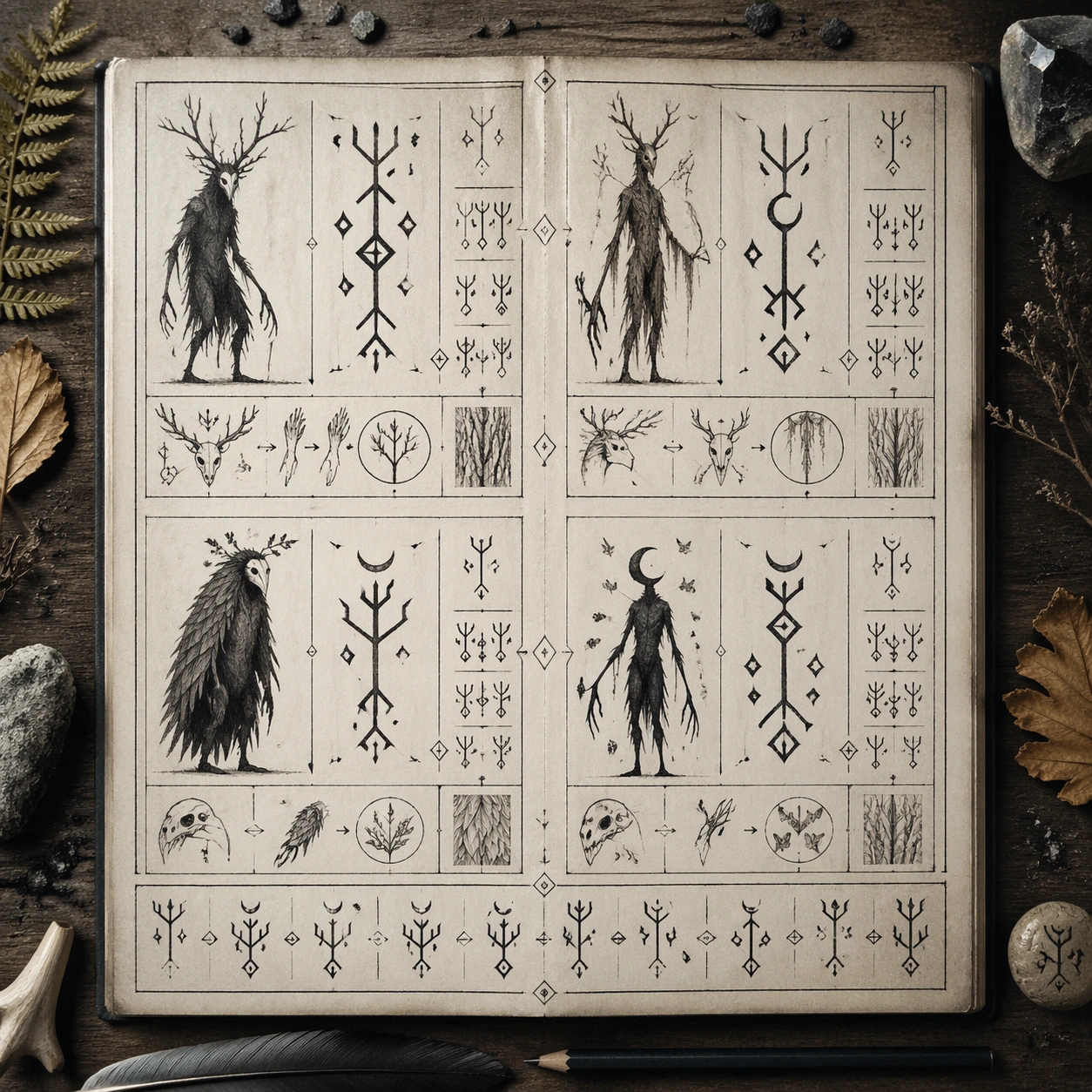
Square editorial flat lay of a fantasy field-guide spread, viewed from above on a weathered wooden desk with pressed leaves, graphite dust, and small specimen stones. The lighting is cool morning window light with soft shadows. The page design is precise and research-like but contains no readable words, only diagrams and invented symbols.

Subject:
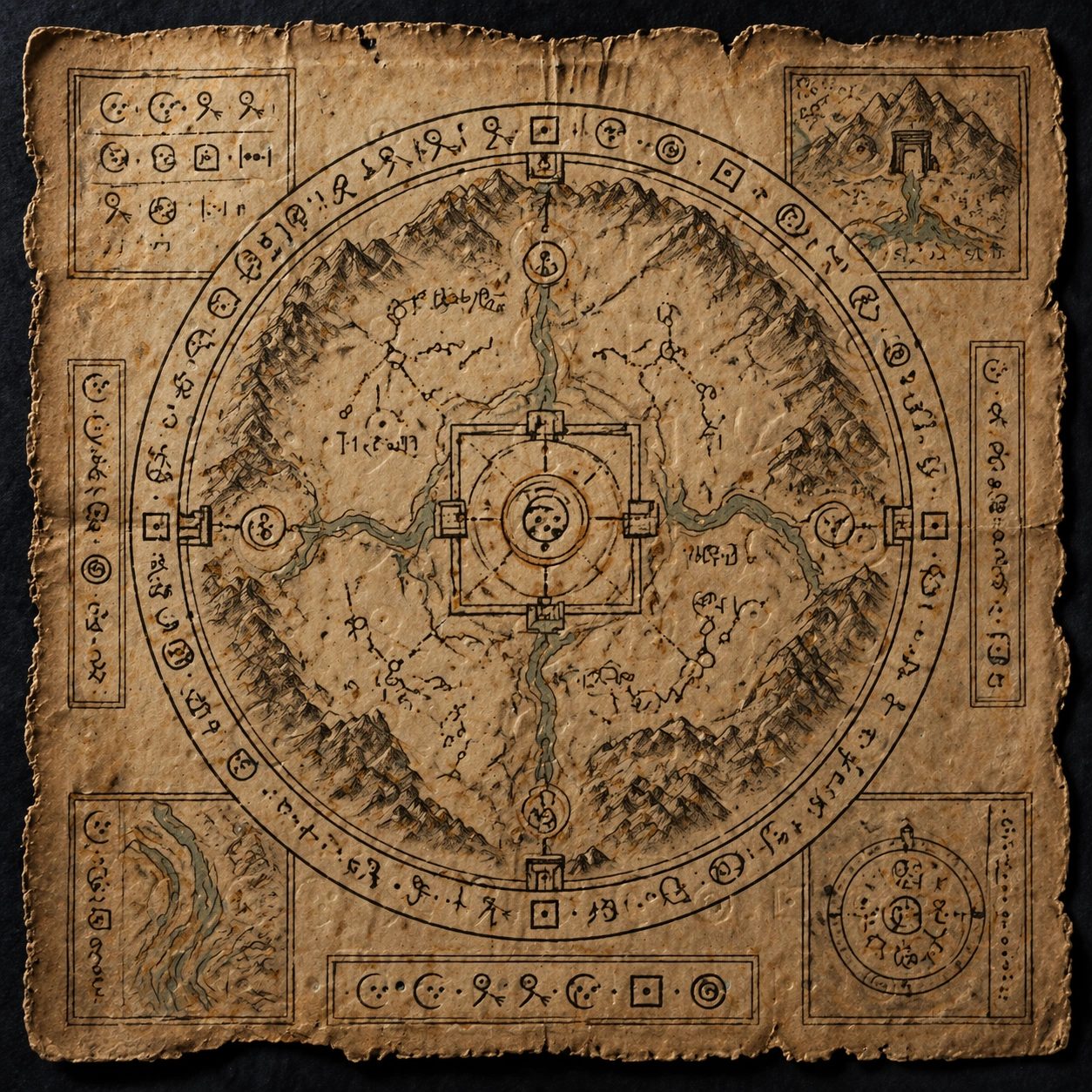
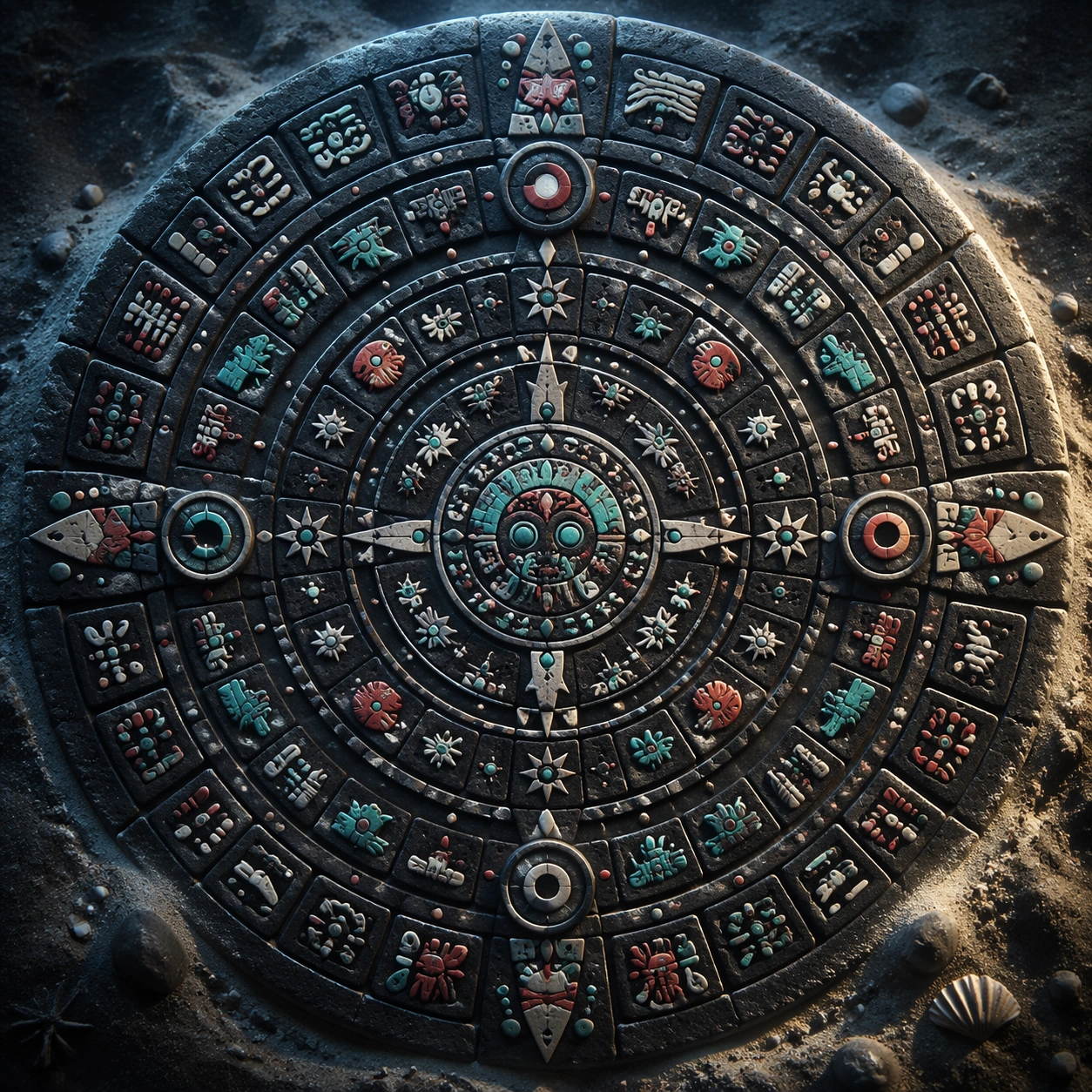
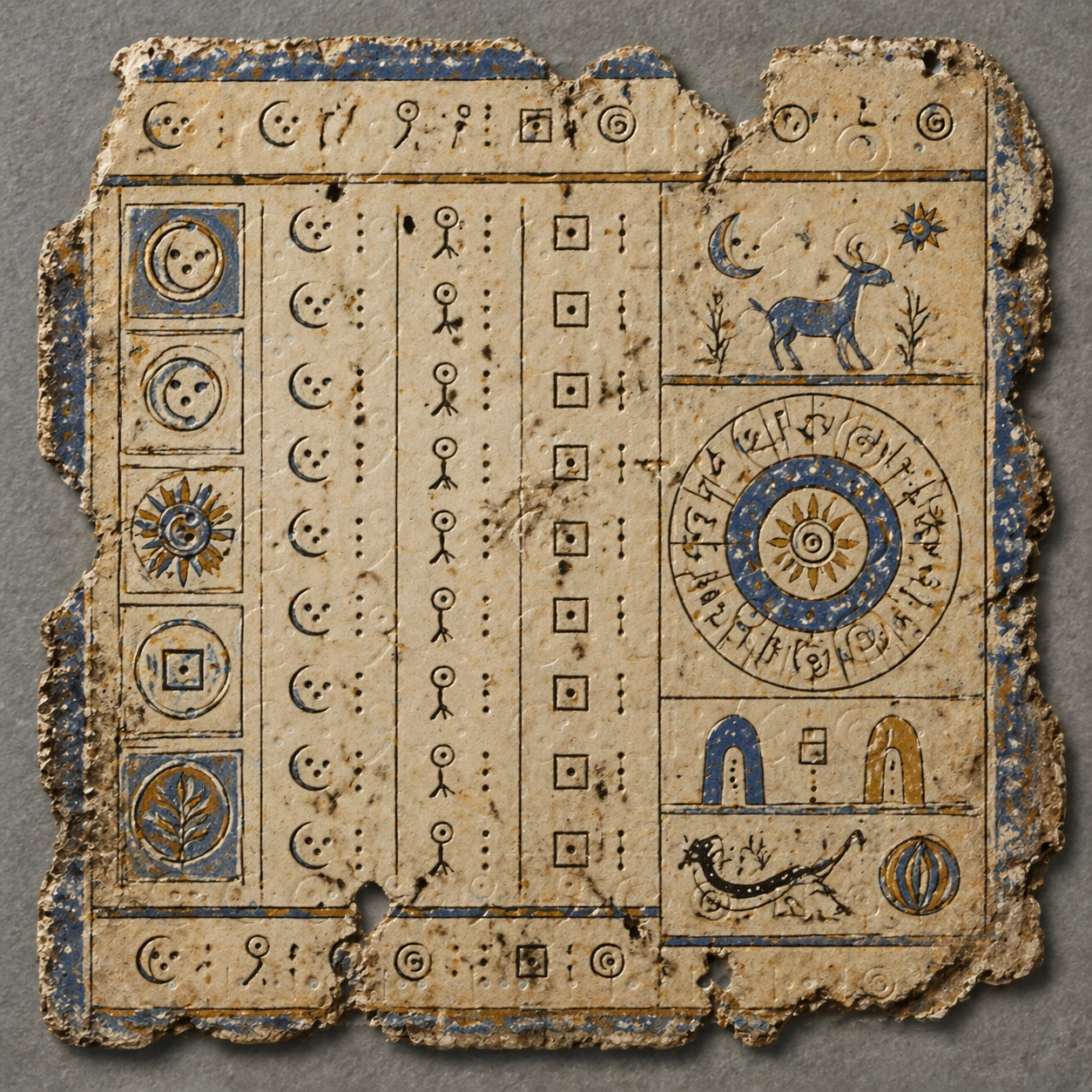
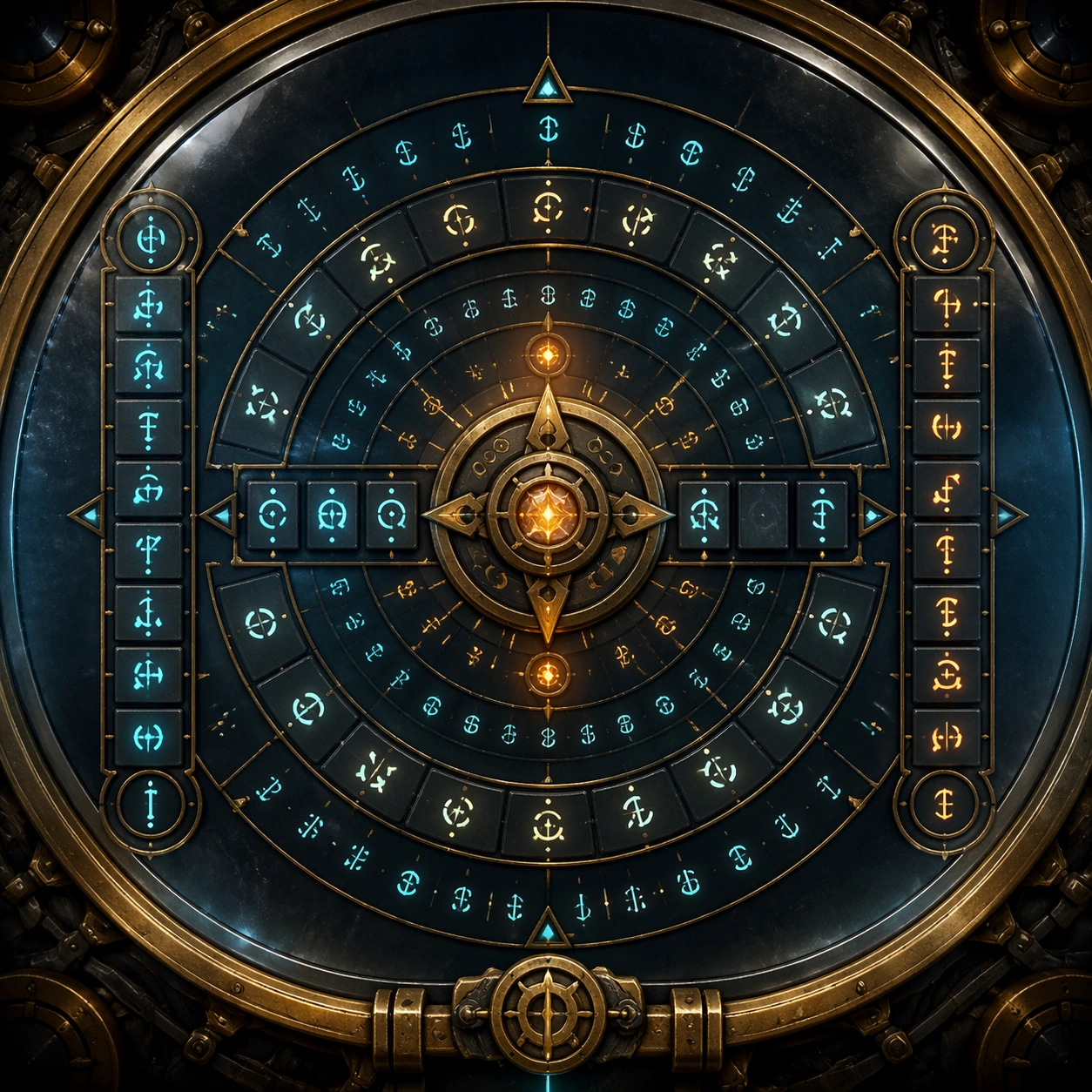
An independent rune-like ecological symbol system for classifying imaginary forest spirits. The page shows four specimen panels, each pairing a creature silhouette, a cluster of invented angular runes, and nonverbal morphology diagrams. The glyphs use forked vertical stems, split diamonds, bark-notch marks, and small moon cuts. They should feel consistent across panels while remaining fictional and distinct from Norse runes.

Important details:
Make the layout behave like a decoder page without actual labels: clear panel borders, repeated glyph radicals, small arrows made from abstract marks, specimen sketches, and a visual taxonomy grid. The symbols should be crisp enough for visual comparison, with repeated forms implying categories. Avoid real-language text entirely, including headings. The result should read as a polished art-department prop for a novel, game, or film.

Use case:
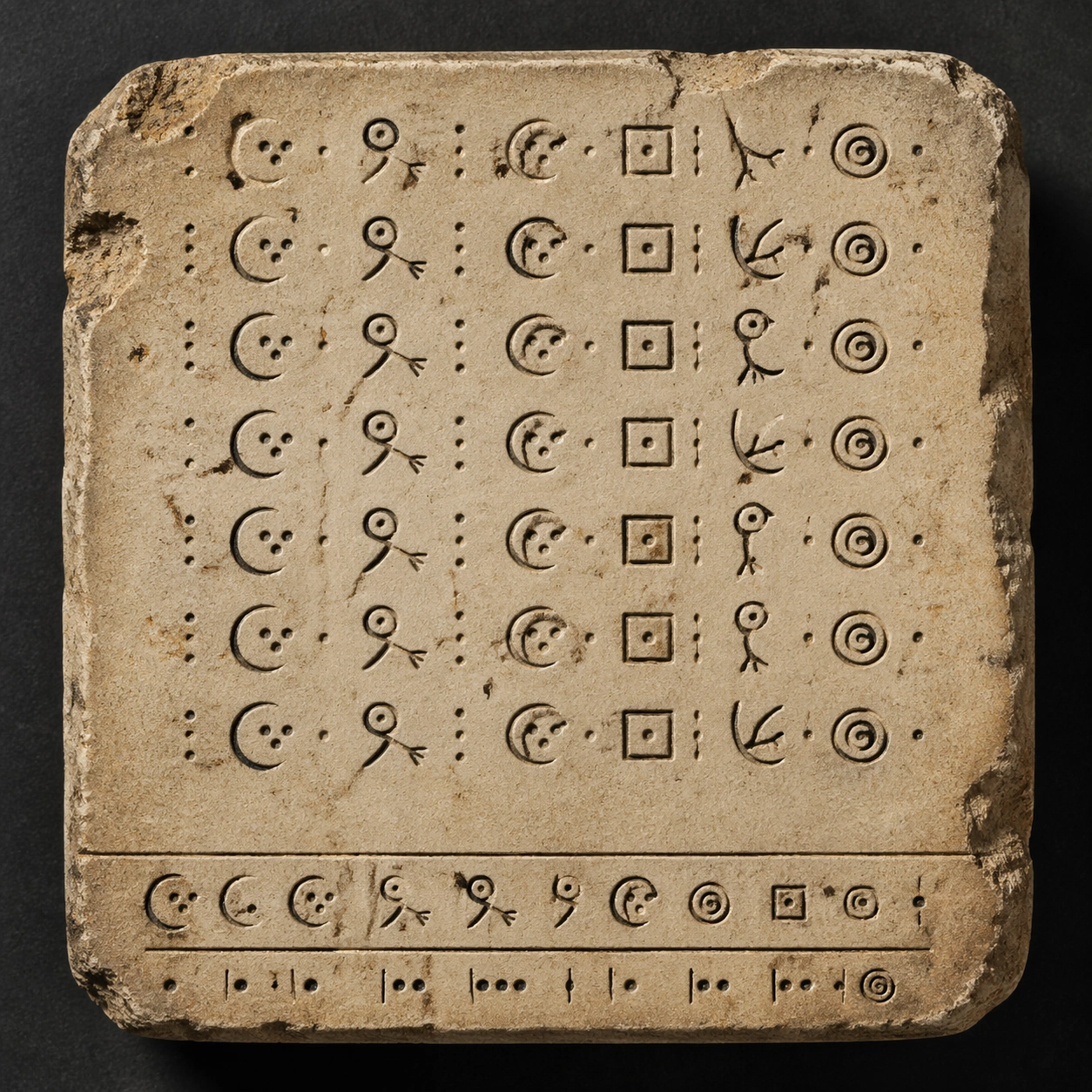
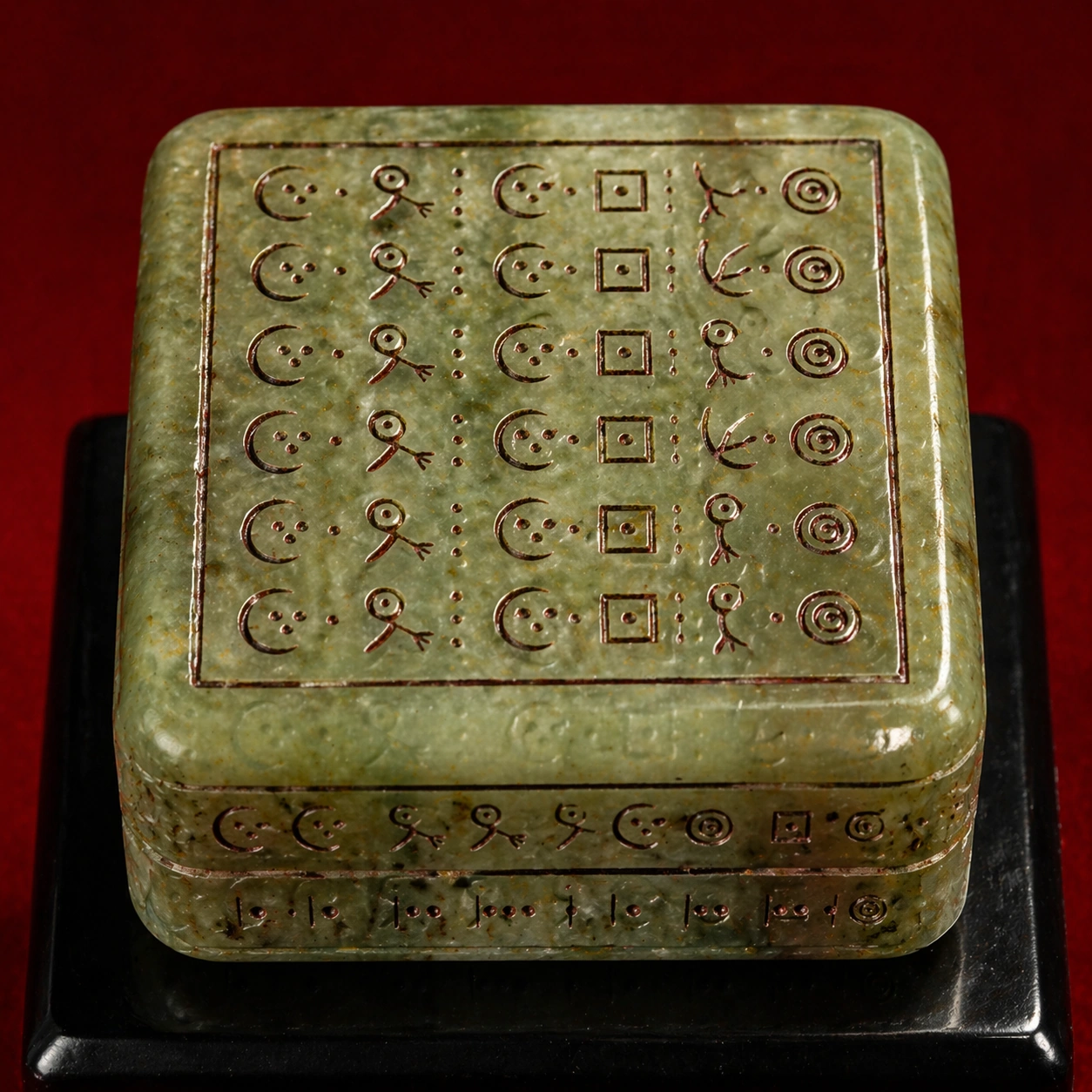
Fictional Symbol System single study 7/8, testing a field-guide decoder layout built only from invented symbols and diagrams.

Constraints:
No readable text, no watermark, no logos, preserve exact 1:1 aspect ratio, no Latin letters, no real alphabets, no Norse rune copying, no handwritten English, no numeric labels, no UI chrome, no messy notebook clutter, no translation captions.
Mode d’emploi
- Copiez le prompt original complet, paramètres compris.
- Adaptez le sujet, le texte et la composition à vos besoins.
- Utilisez un outil externe compatible ; vérifiez l’accès et le résultat.
Avant de commencer
- Vérifiez si une image de référence est nécessaire. La compatibilité ne prouve pas le modèle utilisé pour cet exemple.
- Vérifiez noms, chiffres et textes ; les versions du modèle peuvent produire des résultats différents.