PROMPTS · EXPLORATION CRÉATIVE

Galerie de prompts

Explorez des prompts réels et leurs exemples générés. Trouvez l’inspiration pour votre prochaine mission créative et copiez le texte intégral gratuitement.

Exemples
10,974
Modèles
17
Sources
1277
10 974 exemples de prompts · page 33 sur 229
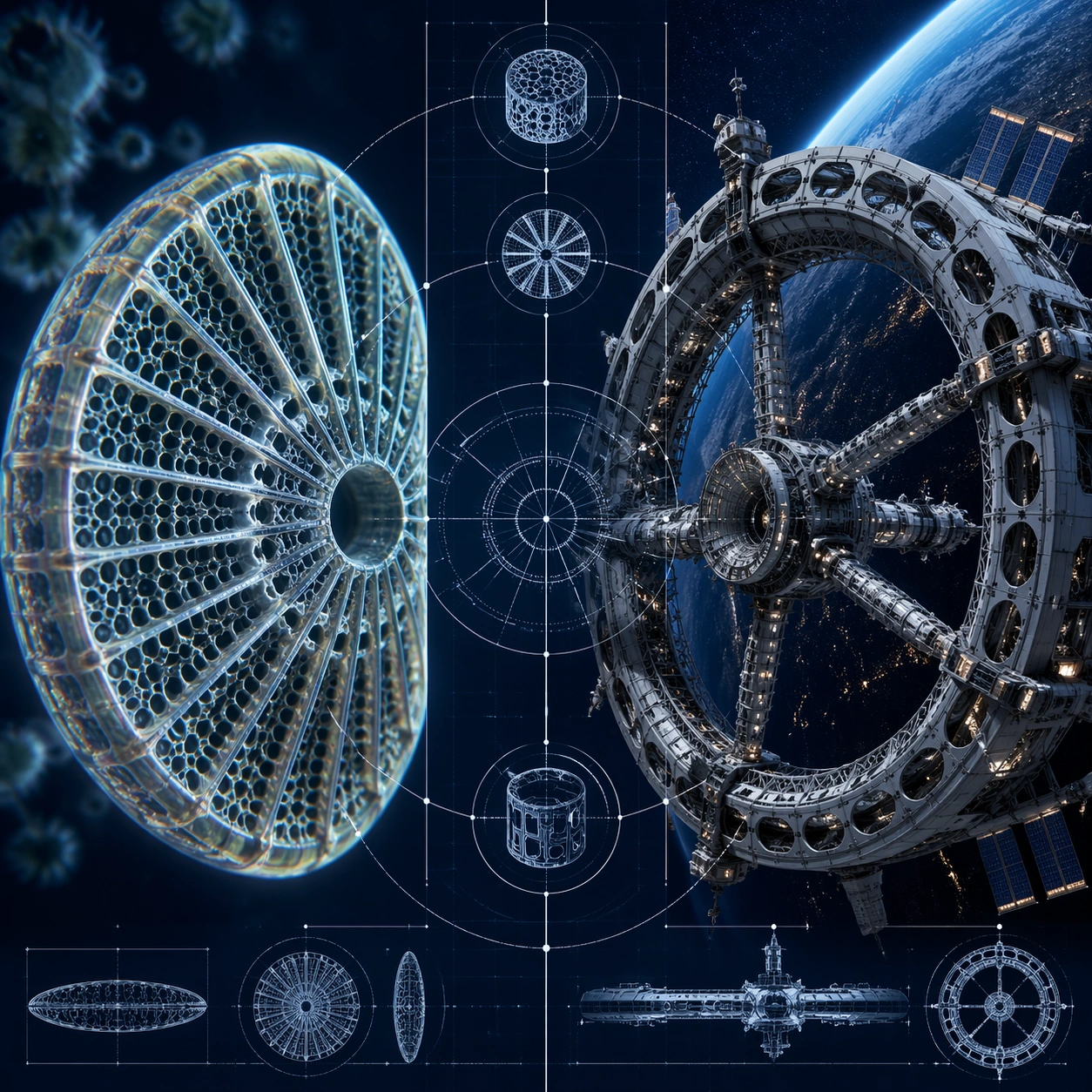
Example generated from “Micro Macro Infographic — Diatom Space Station”
GPT Image 2en

Scene: A square high-contrast science concept infographic with a deep navy background and precise white line overlays. The left panel shows a microscopic diatom shell; the right panel shows a large orbital space station ring. A central transparent blueprint layer connects structural ribs, holes, and radial geometry. The layout feels like a museum wall graphic combining microscopy, engineering, and cosmic scale. Subject: Left panel: a diatom silica shell under microscope lighting, with delicate glass lattice, radial pores, ribbed geometry, and slight iridescent edges. Right panel: a speculative but believable circular space station with habitat modules, truss ribs, docking arms, solar panels, and small lights against Earth glow. The comparison highlights how lightweight perforated structures can be strong: diatom lattice pores echo station modules and truss openings. Important details: Make both sides materially distinct: translucent biological glass on the left, engineered metal and solar panels on the right. Use clean radial alignment so the viewer sees the shared geometry immediately. Include small blueprint circles, ghosted cross-sections, and connector arcs, but no readable text. The station should not copy any real spacecraft; it should feel plausible and original. Keep the composition structured and visually spectacular without becoming a sci-fi poster. Use case: Micro-Macro Infographic single study 8/8, comparing diatom shell architecture with orbital station engineering through radial structural logic. Constraints: No readable text, no watermark, no logos, preserve exact 1:1 aspect ratio, no real agency marks, no real mission names, no fake labels, no weaponized spacecraft, no chaotic blueprint clutter, no cartoon microscope style, no generic starfield-only background.
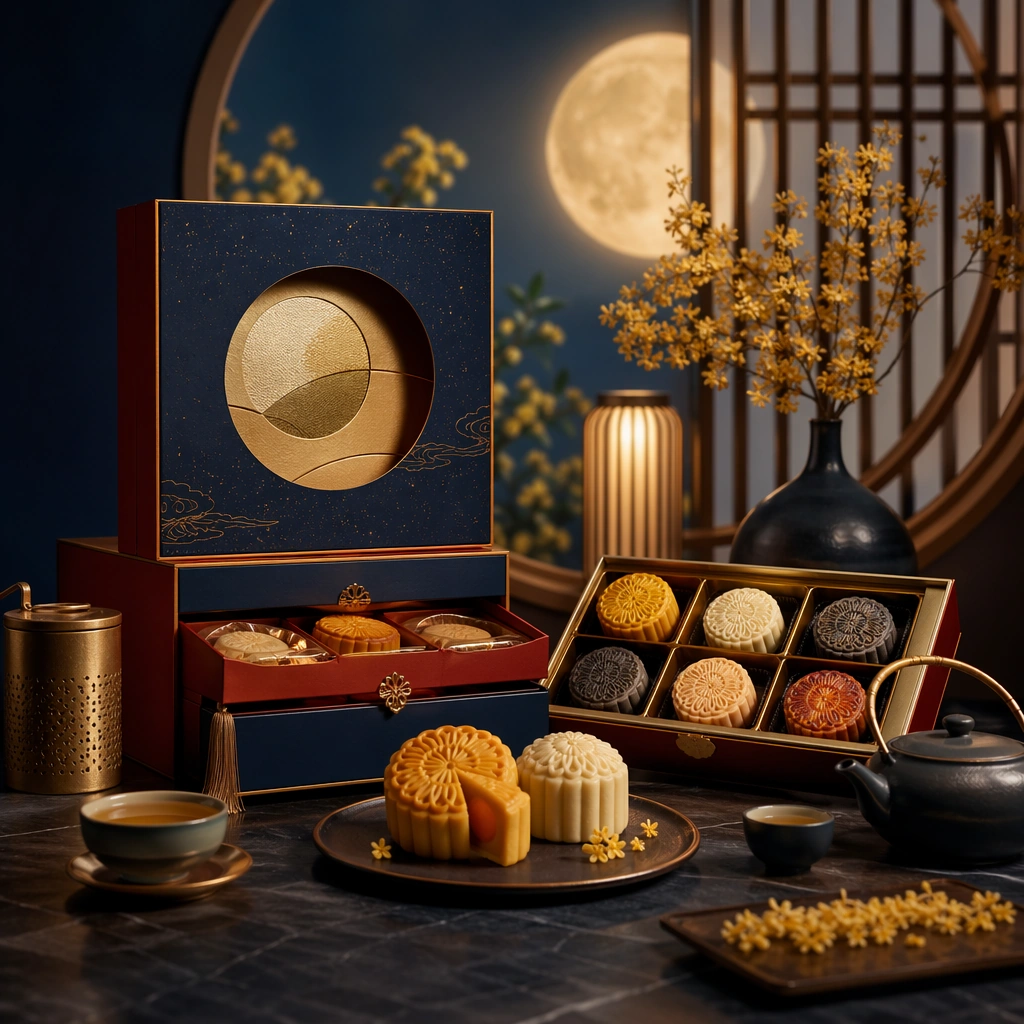
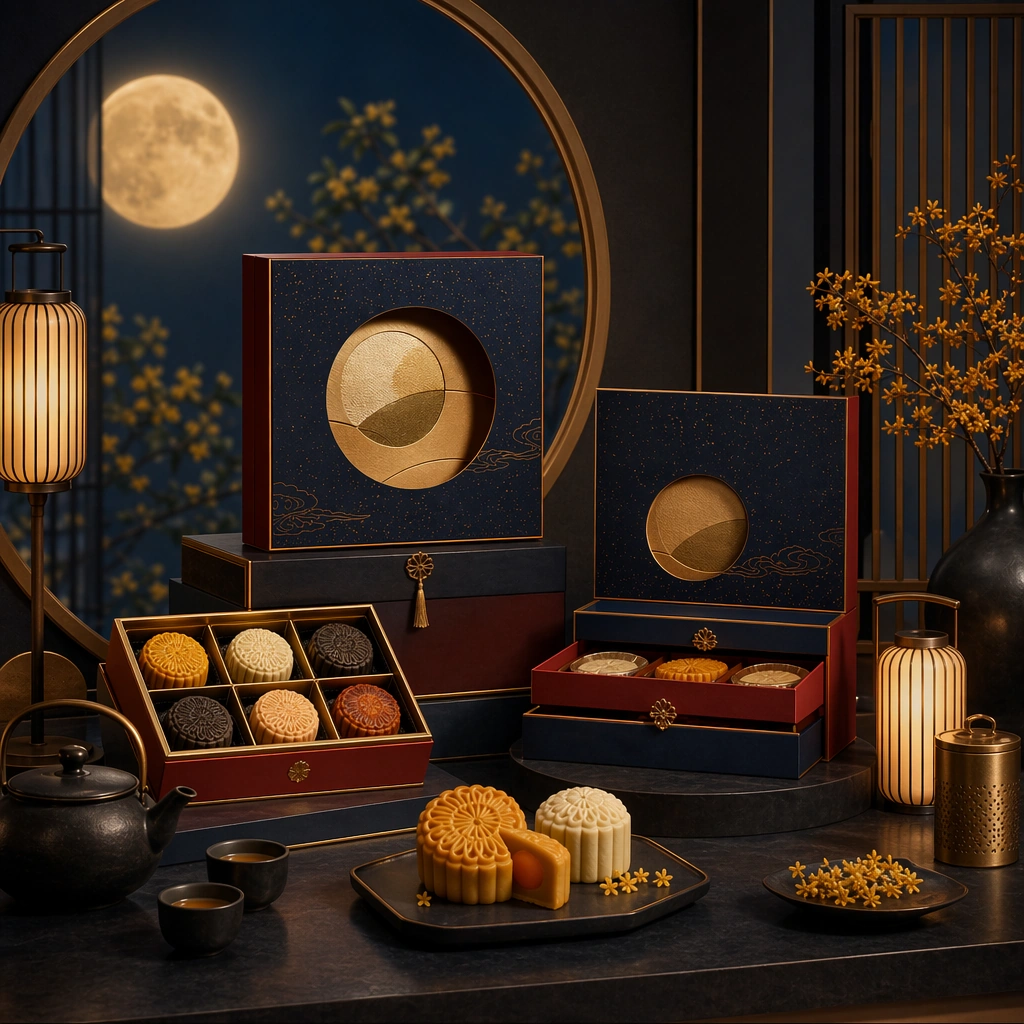
Example generated from “Mid Autumn Gifting And Moon Visuals — Mooncake Lacquer Anchor”
GPT Image 2en

Scene: Create a square premium Mid-Autumn campaign image at early evening with warm lantern-adjacent light, deep midnight blue, muted gold, lacquer red-brown, and soft ivory. The environment should feel refined and contemporary, with moon-window geometry or circular framing cues integrated into the space. Build a polished brand-world where gifting, tea culture, and family warmth are present through objects and atmosphere, not through overt festival spectacle. Subject: Center a premium mooncake and tea gift presentation with lacquer boxes, carefully plated pastries, brushed metal or ceramic tea elements, osmanthus-toned accents, and a round moon motif integrated into the composition. The objects should feel gift-ready, culturally grounded, and commercially elevated. Use layered foreground and background depth so the frame can function as a hero image for packaging, retail, or seasonal storytelling. Important details: Lock the Mid-Autumn grammar here: circular moon references, warm evening glow, refined lacquer finish, precise packaging geometry, elegant tea textures, and a balance of festivity with calm premium restraint. Avoid generic tourist aesthetics. Keep all surfaces believable and culturally respectful. The anchor should feel reusable across gifting campaigns, event rollouts, and retail surfaces while remaining unmistakably centered on Mid-Autumn generosity and reunion. Use case: Mid-Autumn series study 1/9. Constraints: No readable text, no watermark, no logos, preserve exact 1:1 aspect ratio, no readable calligraphy, no zodiac animal mascot, no brand logos, no crowded banquet, no fantasy palace, no cartoon lantern overload, no fireworks, no kitsch souvenir styling.

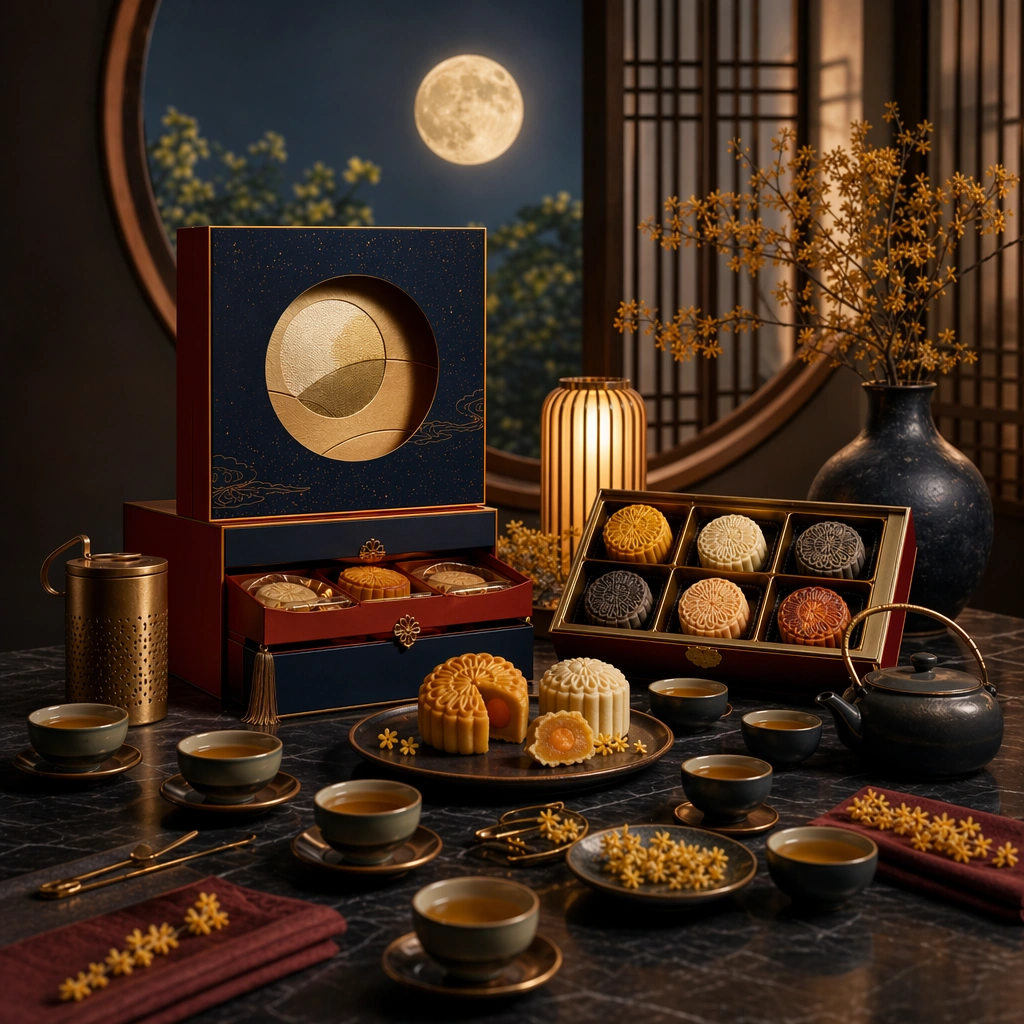
Example generated from “Mid Autumn Gifting And Moon Visuals — Family Tea Variation”
GPT Image 2en

Scene: Create a square dependent Mid-Autumn campaign visual in the exact same evening-lit world, preserving the same moon-window cues, lacquer palette, gold warmth, and calm premium atmosphere from the reference image, but widen the composition into a refined family tea-table setting. The image should feel like part of the same production rollout, with continuity obvious in materials, color, and light direction. Subject: Show a family-oriented tea and pastry table with gift boxes, plated mooncakes, tea vessels, and subtle shared-place cues while keeping people minimal or absent. Preserve the exact packaging language, circular motif, and evening warmth from the reference model while shifting emphasis toward reunion and hosting. The composition should remain premium, respectful, and commercially useful for hospitality or gifting campaigns. Important details: Preserve exact campaign identity from the reference image: same lacquer finish, same tea-material language, same circular framing logic, and the same measured festive calm. Use hosting cues and shared table rhythm to express reunion rather than crowd scenes. The result should feel culturally grounded, tactile, and immediately part of one Mid-Autumn visual system. Use case: Mid-Autumn series study 2/9. Constraints: No readable text, no watermark, no logos, preserve exact 1:1 aspect ratio, preserve exact campaign identity from the reference image, no readable place cards, no loud dragon imagery, no cartoon moon faces, no family portrait posing, no logo boxes, no banquet chaos, no stage-performance feel.

Example generated from “Mid Autumn Gifting And Moon Visuals — Lantern Retail Variation”
GPT Image 2en

Scene: Create a square dependent campaign image in the same refined Mid-Autumn environment, with the exact warm evening light, midnight-blue depth, lacquer and brass accents, and circular moon cues from the reference image, but turn the frame toward a premium retail display. The scene should stay calm and luxurious while making the merchandising logic more visible and architectural. Subject: Feature a curated retail display with mooncake boxes, tea gifts, lantern-like light forms, display plinths, and circular framing elements arranged into a premium seasonal storefront composition. Preserve exact packaging identity, palette, and material logic from the reference model while changing the setting toward retail and presentation. Everything should feel original, elegant, and ready for upscale seasonal merchandising. Important details: Hold continuity tightly. The lantern cue should enrich atmosphere, not turn the image into generic festival décor. Keep packaging surfaces, metallic trim, ceramic elements, and ambient light highly believable. The final image should feel fit for luxury retail rollouts, boutique windows, and campaign key art under the same Mid-Autumn brand world. Use case: Mid-Autumn series study 3/9. Constraints: No readable text, no watermark, no logos, preserve exact 1:1 aspect ratio, preserve exact campaign identity from the reference image, no readable signage, no giant lantern theme-park spectacle, no mascot rabbit, no logo packaging, no crowd, no fireworks, no fantasy palace architecture.

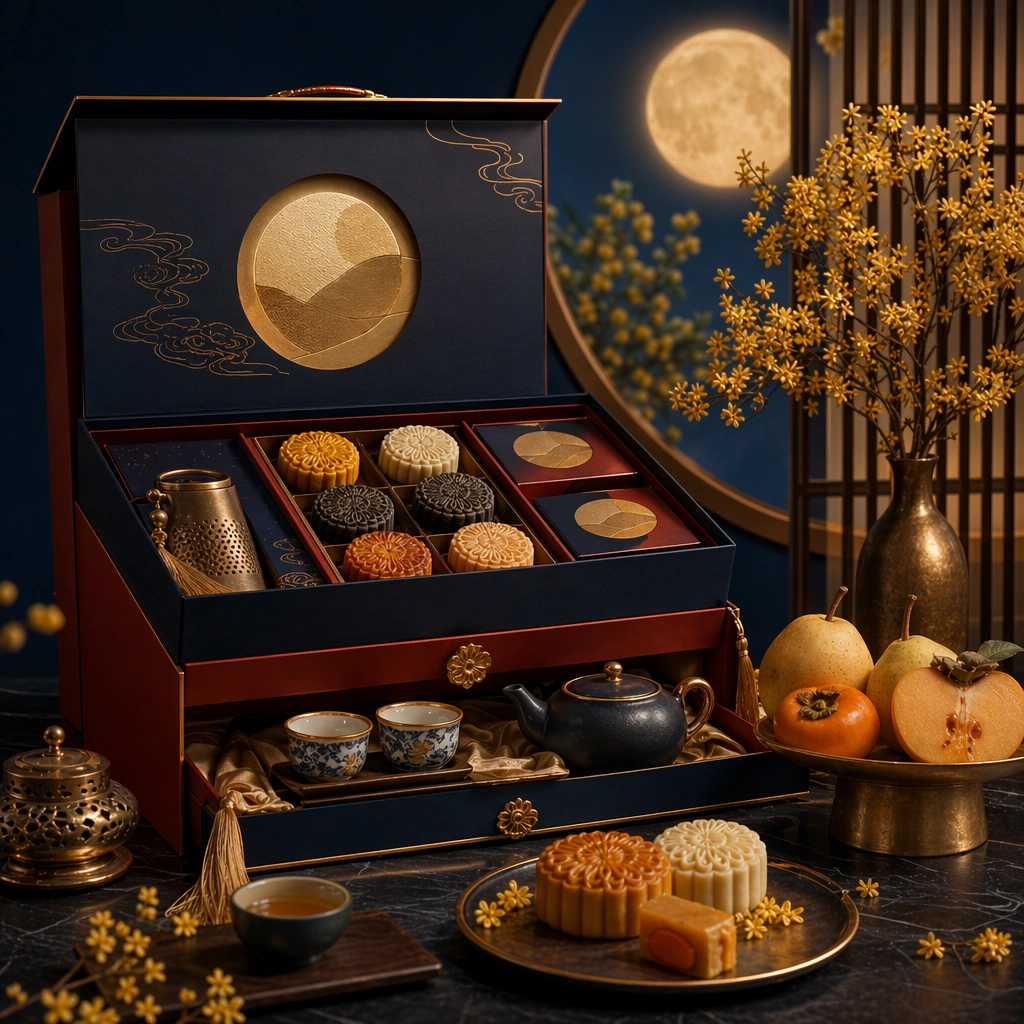
Example generated from “Mid Autumn Gifting And Moon Visuals — Premium Hamper Variation”
GPT Image 2en

Scene: Create a square dependent Mid-Autumn campaign image in the same premium moon-gift world, with identical warm evening light, lacquer surfaces, soft gold accents, and moon-window logic from the reference image, but frame the composition closer around a premium hamper arrangement. The visual continuity should feel exact, as though the same brand world has simply shifted to a higher gifting tier. Subject: Center a luxurious hamper containing mooncake boxes, tea, ceramic serviceware, fruit or floral seasonal accents, and finely packed supporting items arranged into one coherent gift bundle. Preserve exact color balance, material language, and circular motif from the reference image while emphasizing gifting abundance and presentation quality. The hamper should feel commercially real, premium, and suitable for seasonal gifting campaigns. Important details: The dependent image must inherit the anchor precisely: same lighting direction, same moon symbolism level, same lacquer and metal textures, and the same modern-calm festive tone. Only the gifting tier and composition density should change. Keep the hamper disciplined and high-end, with believable packing logic and enough breathing room to remain elegant at hero scale. Use case: Mid-Autumn series study 4/9. Constraints: No readable text, no watermark, no logos, preserve exact 1:1 aspect ratio, preserve exact campaign identity from the reference image, no readable gift cards, no mascot figures, no crowd, no logo tins, no cheap wicker picnic vibe, no excessive gold glitter, no fantasy architecture.

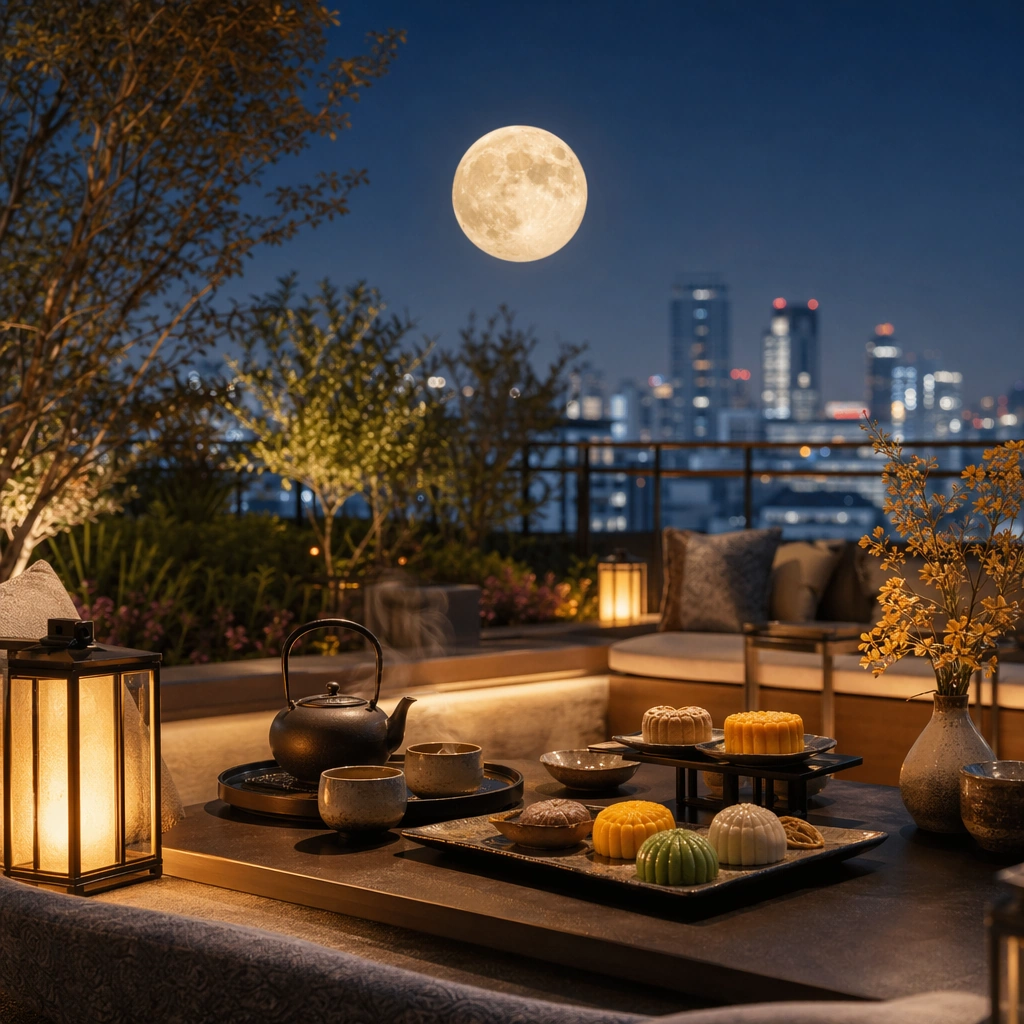
Example generated from “Mid Autumn Gifting And Moon Visuals — Rooftop Moon View Setup”
GPT Image 2en

Scene: Create a square rooftop hospitality image at blue hour with a large moon presence, elegant low seating, lantern-adjacent light, and a calm city or garden backdrop. The scene should feel premium and contemporary rather than nostalgic or theatrical. Use refined lighting, controlled depth, and a strong sense of evening atmosphere so the frame can support hospitality, travel, or seasonal event campaign use. Subject: Show a poised moon-viewing setup with tea service, plated pastries, lacquer or ceramic serving pieces, cushions or textiles, and subtle floral or plant elements. The composition should suggest shared celebration without needing visible faces. Focus on the emotional promise of reunion and observation through environment, objects, and moon presence rather than through overt symbolism or readable messaging. Important details: Keep the scene culturally grounded and commercially polished. Moon, tea, ceramic, lacquer, fabric, and ambient light should all feel tactile and believable. The rooftop setting must stay elegant, not lavishly fantasy. This should read as a premium Mid-Autumn atmosphere image for hotels, events, or lifestyle campaigns, with enough specificity to feel festival-based and enough restraint to remain reusable. Use case: Mid-Autumn single study 5/9. Constraints: No readable text, no watermark, no logos, preserve exact 1:1 aspect ratio, no readable signage, no fantasy palace skyline, no mascot rabbit, no fireworks, no crowded family portrait, no logo tableware, no stage-performance lighting, no giant paper-cut ornaments.

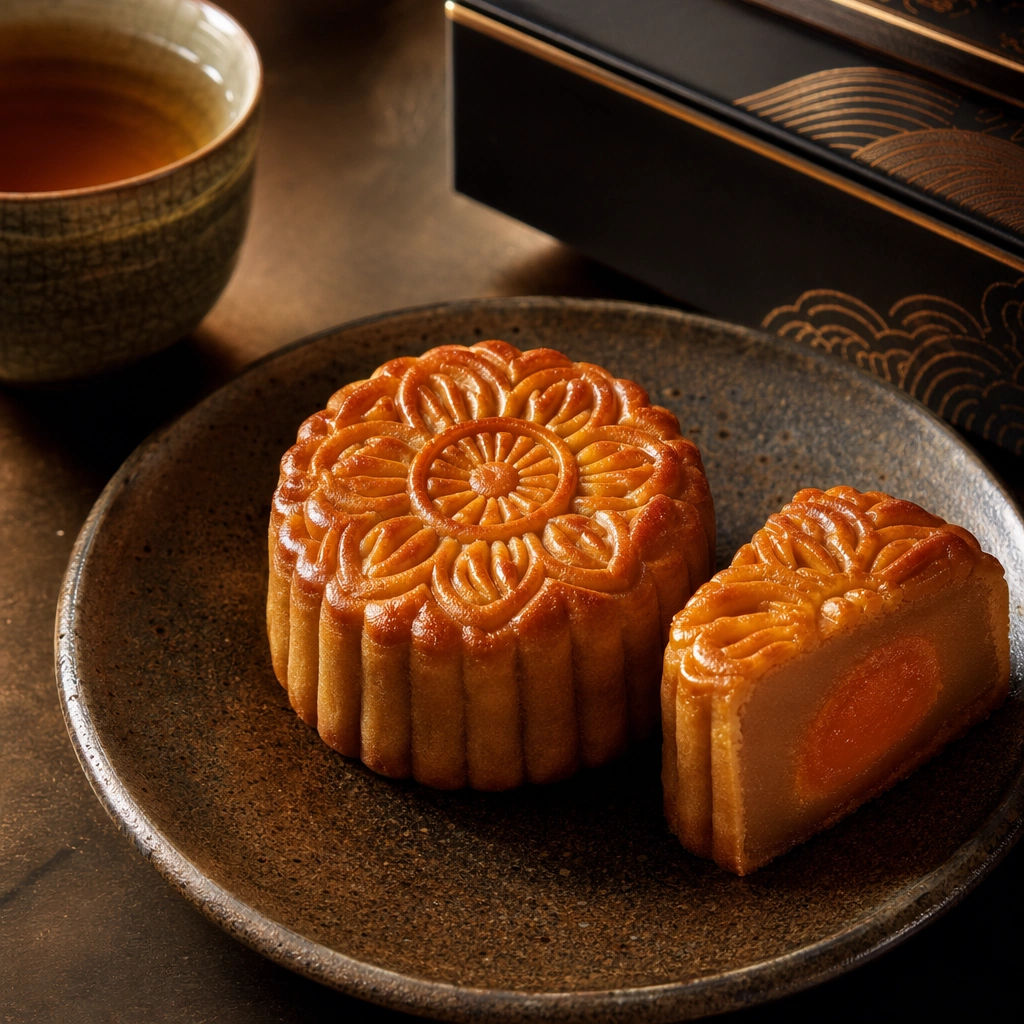
Example generated from “Mid Autumn Gifting And Moon Visuals — Carved Mooncake Closeup”
GPT Image 2en

Scene: Create a square close-up food-and-packaging image with soft raking evening light, warm tonal contrast, and shallow but believable depth of field. The composition should feel like a premium editorial crop from a luxury gift campaign, not a recipe photo. Keep the crop intimate while preserving context through one or two supporting packaging and tea elements around the pastry. Subject: Focus on one or two mooncakes showing carefully carved surface patterns, rich pastry texture, and part of a refined gift-box or serving setup nearby. The scene should celebrate craft, quality, and generosity through edible detail and packaging refinement. Keep the food original and elegant, with no readable embossing or overt branding. Important details: Micro-texture is essential here: pastry sheen, crumb structure, filling edge, lacquer reflection, ceramic glaze, and ambient evening warmth should all feel precise. The image should support packaging pages, gift-guide crops, or seasonal food marketing. Keep the tone premium and restrained, avoiding sticky dessert glamour or excessive food-styling clutter. Use case: Mid-Autumn single study 6/9. Constraints: No readable text, no watermark, no logos, preserve exact 1:1 aspect ratio, no readable embossing, no brand logos, no cutlery clutter, no unrealistic glossy syrup, no cartoon bunny motifs, no giant crumbs, no hands, no recipe-card styling.

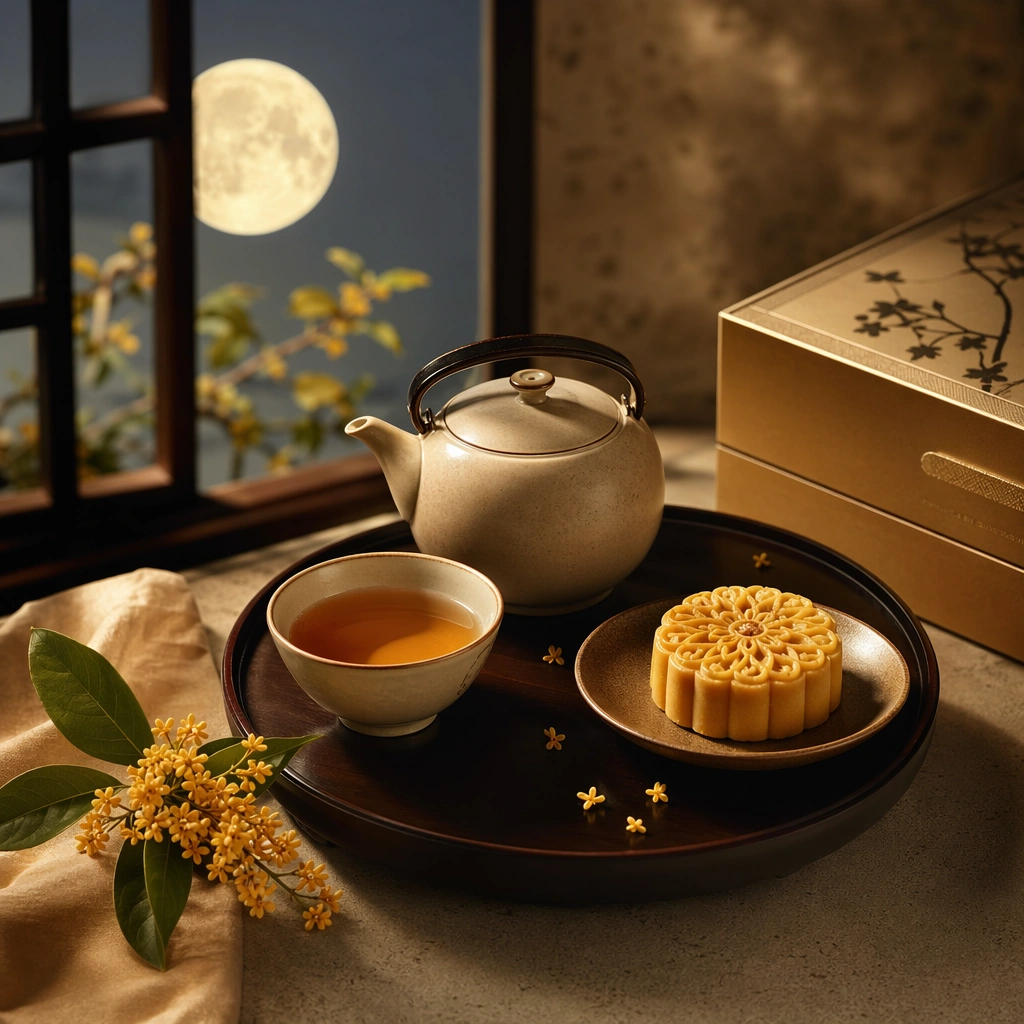
Example generated from “Mid Autumn Gifting And Moon Visuals — Tea and Osmanthus Still Life”
GPT Image 2en

Scene: Create a square still-life image on a calm tabletop with warm evening light, moon-adjacent cool shadows, and refined negative space. The frame should feel like a premium tea or gifting campaign visual, with a mature sense of calm and balance. Use a restrained palette of warm gold, muted cream, dark wood or lacquer, and one or two floral accents that suggest seasonality without turning decorative. Subject: Show a tea service with cup, pot, tray, small pastry, gift box edge, and osmanthus-like floral detail arranged into a poised Mid-Autumn still life. The composition should communicate fragrance, hospitality, and premium gifting readiness through object relationships. Keep everything original and brand-neutral, free of readable script and heavy ornament overload. Important details: Focus on tactile precision: ceramic glaze, tea translucency, lacquer sheen, floral softness, and subtle atmospheric depth. The image should be calm enough for premium tea branding but still unmistakably seasonal through its moonlit warmth and gifting context. Avoid generic zen clichés; this should feel festive, specific, and commercially ready. Use case: Mid-Autumn single study 7/9. Constraints: No readable text, no watermark, no logos, preserve exact 1:1 aspect ratio, no readable tea labels, no logo cups, no incense smoke overload, no fantasy temple set, no mascot animals, no bright red saturation, no cluttered table, no calligraphy scrolls.

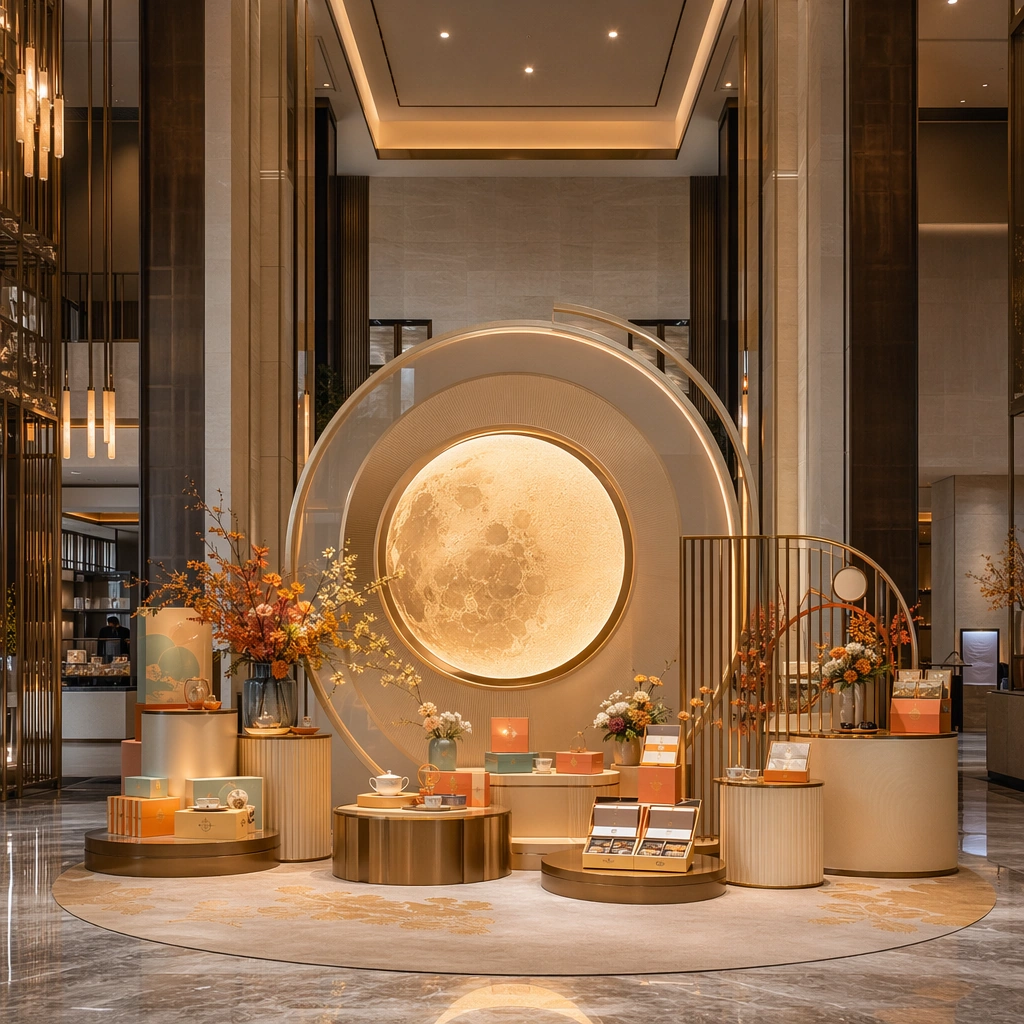
Example generated from “Mid Autumn Gifting And Moon Visuals — Hotel Moon Installation”
GPT Image 2en

Scene: Create a square hotel-lobby campaign image with high ceilings, refined warm lighting, and a central circular installation that suggests the moon without becoming literal stage décor. The composition should feel premium, spacious, and event-ready, suitable for hospitality promotion. Keep architecture contemporary and believable, with a calm sense of grandeur and seasonal refinement. Subject: Feature a seasonal installation composed of circular forms, curated display plinths, gift boxes, floral accents, and tea-or-pastry presentation integrated into a hotel or upscale hospitality setting. The subject should communicate Mid-Autumn celebration through design language and gifting cues, not through readable banners or mascot imagery. Let the installation feel original and professionally produced. Important details: Architecture, material finish, and scale matter. Make stone, metal, lacquer, lighting, and display surfaces all feel convincing. The circular installation should carry the moon theme subtly and elegantly. The image should work as a campaign asset for hotels, malls, or event venues looking for sophisticated Mid-Autumn activation imagery. Use case: Mid-Autumn single study 8/9. Constraints: No readable text, no watermark, no logos, preserve exact 1:1 aspect ratio, no readable event signage, no mascot rabbits, no fantasy palace arches, no crowd blocking the installation, no logo walls, no stage performers, no fireworks, no cheap lantern tunnel aesthetic.

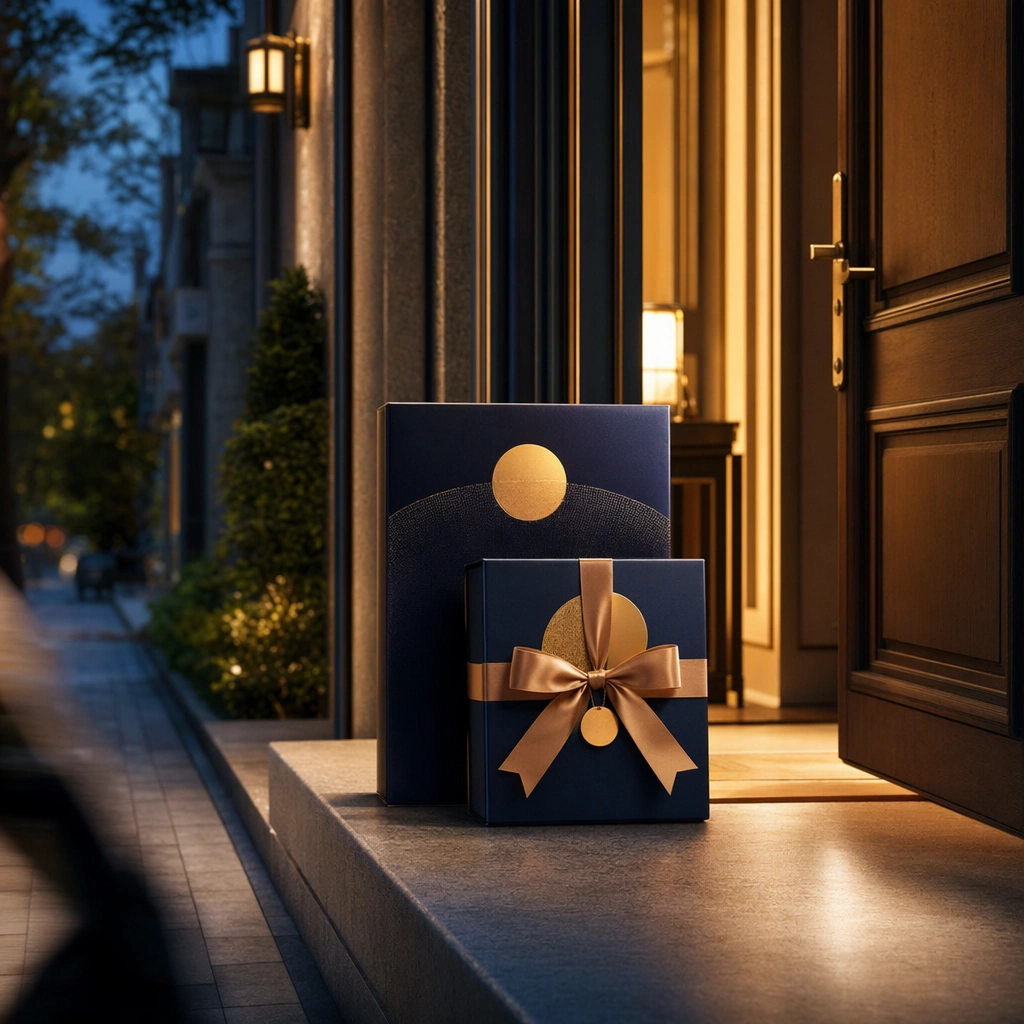
Example generated from “Mid Autumn Gifting And Moon Visuals — Dusk Gift Delivery”
GPT Image 2en

Scene: Create a square doorstep or lobby delivery image at dusk with warm interior spill light, cool exterior blue, and a strong sense of calm arrival. The frame should feel like a premium logistics or gifting-service campaign image, not a candid snapshot. Keep architecture refined and the package placement intentional so the scene speaks to reliability, care, and seasonal generosity. Subject: Show one or two elegant Mid-Autumn gift boxes placed at a threshold with lacquer finish, ribbon, and subtle moon-led design cues. The courier may be implied through motion or recent placement, but the gift should remain central. The scene should communicate respect, timing, and premium seasonal fulfillment through lighting, composition, and packaging finish. Important details: Make packaging geometry, paper or lacquer texture, stone threshold, metal hardware, and ambient light all feel physically persuasive. Keep the emotional register warm and considerate rather than sentimental. The final result should function as a delivery-message asset for premium gifting brands during Mid-Autumn season. Use case: Mid-Autumn single study 9/9. Constraints: No readable text, no watermark, no logos, preserve exact 1:1 aspect ratio, no readable labels, no courier logos, no visible apartment numbers, no cartoon moon icon, no family portrait, no cluttered entryway, no damaged packages, no random holiday décor from other festivals.

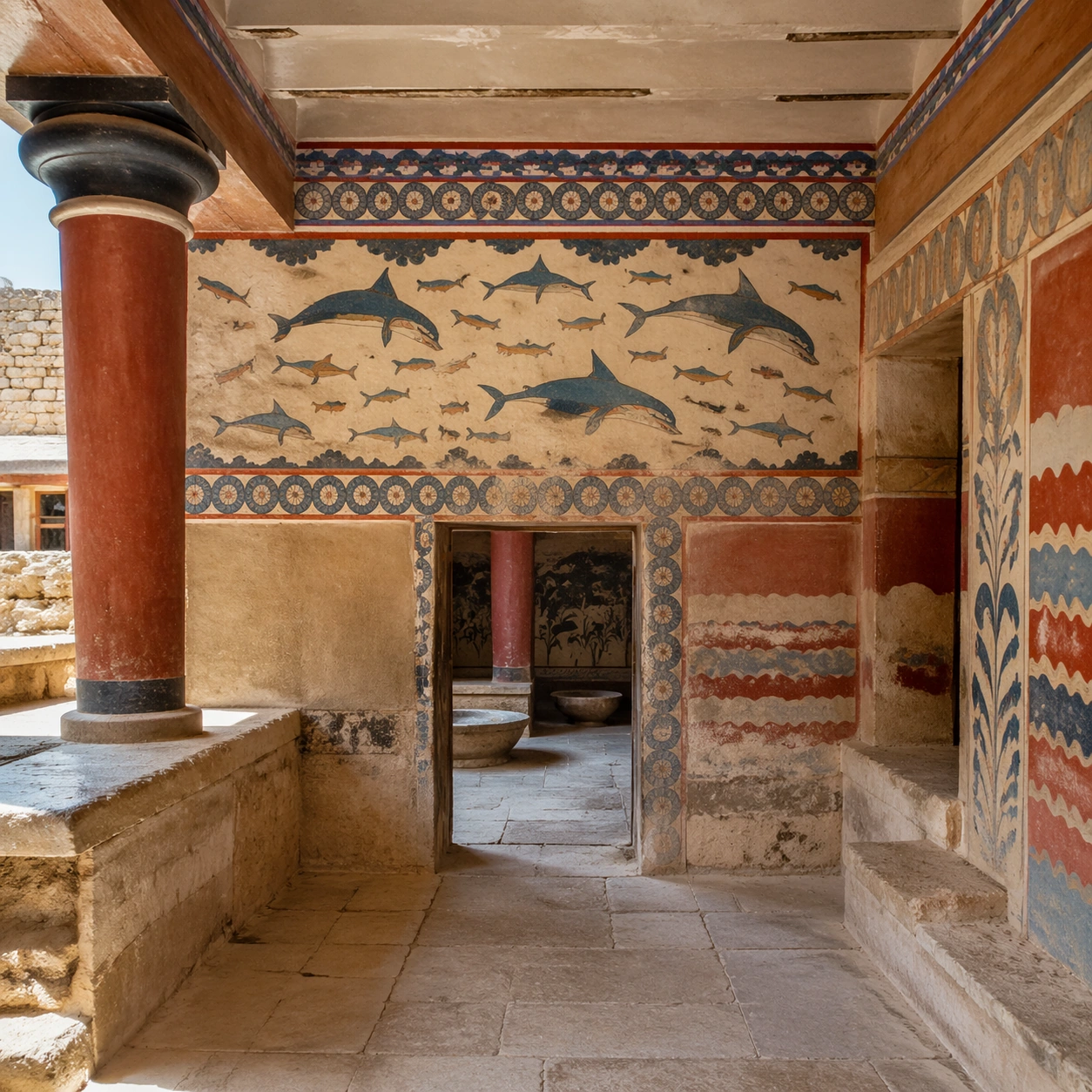
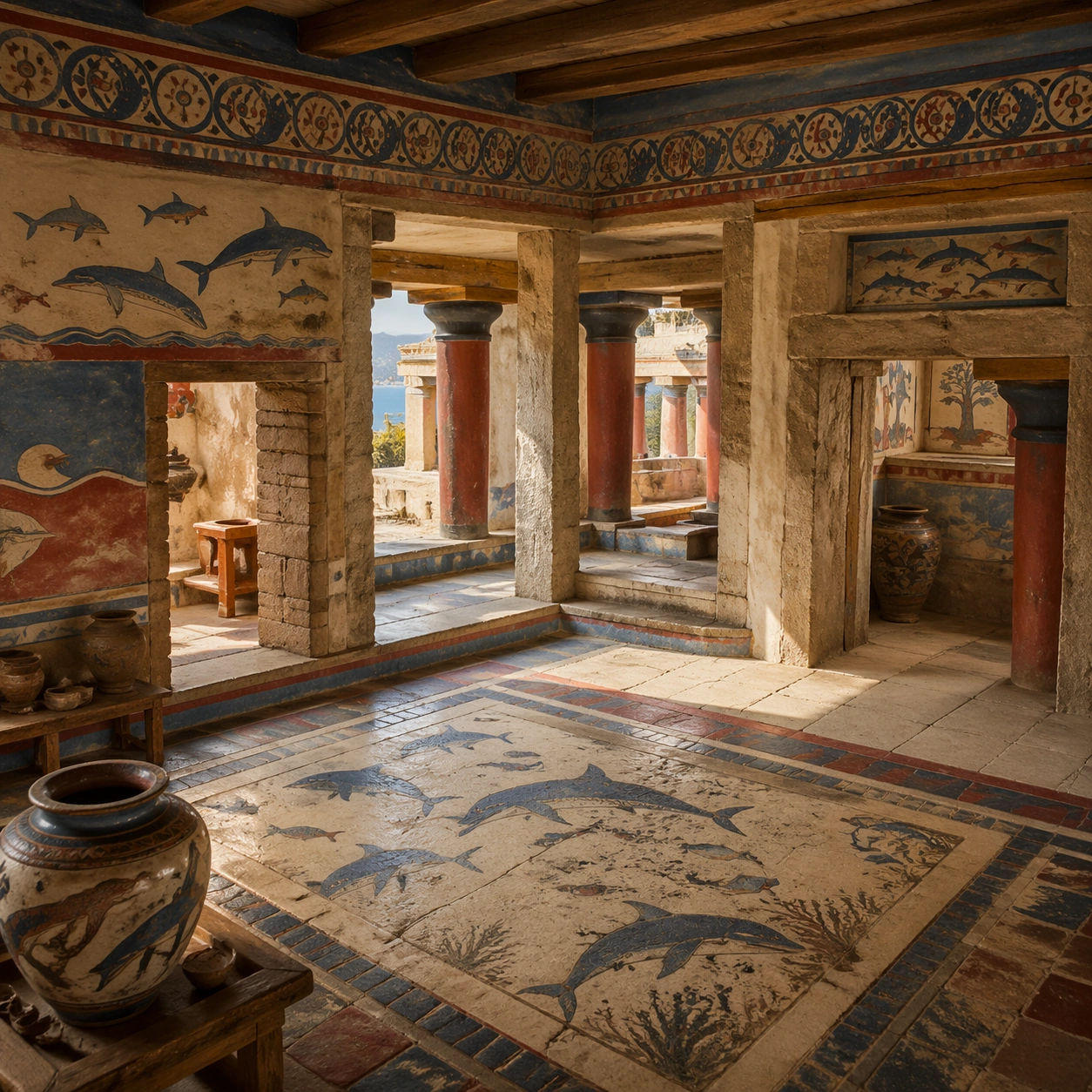
Example generated from “Minoan Frescoes Living — Reference Anchor”
GPT Image 2en

Scene: A square documentary image composed like a premium archaeology magazine feature. Use sea blue, red ochre, chalk white, warm plaster cream, and sun-washed Mediterranean highlights. Frame a restored Minoan palace room with lively fresco bands, dolphin imagery, and painted architectural surfaces that feel newly uncovered with crisp depth layering, restrained contrast, and subtle atmospheric depth so the scene feels excavated, observed, and historically grounded rather than theatrical or game-like. Keep the light directional but believable, as if captured during a careful field visit. Subject: Center the image on a restored Minoan palace room with lively fresco bands, dolphin imagery, and painted architectural surfaces that feel newly uncovered. Include culturally accurate surface logic, region-specific setting, and believable human-scale cues in stairs, doorways, cut blocks, relief edges, or water depth. Shapes, carvings, masonry joints, and site wear should feel studied from real archaeology, with no generic ancient-world mashup and no ornamental filler borrowed from another civilization. Important details: Keep the room recognizably Minoan, with fluid marine motifs, elegant fresco cadence, red and blue pigment behavior, and Bronze Age architectural forms rather than later classical Greek systems. Emphasize painted plaster, smooth lime surfaces, mineral pigments, polished stone floors, column fragments, and salt-softened wall edges. Keep inscriptions, painted registers, symbolic motifs, or carved bands visually plausible but not readable. Preserve a museum-grade balance between beauty and evidence: light should reveal relief depth, edge wear, repairs, sediment traces, and excavation context without turning the site into fantasy spectacle. The composition should feel like a definitive reference frame that later variations can inherit exactly. Use case: Minoan Frescoes Living Again series study 1/9. Constraints: No readable text, no watermark, no logos, preserve exact 1:1 aspect ratio, no Roman statues, no Renaissance furniture, no fantasy palaces, no modern gallery labels, no tourists, no anachronistic props, no collage layout, no exaggerated fantasy lighting.

Example generated from “Minoan Frescoes Living — Human Scale Reveal”
GPT Image 2en

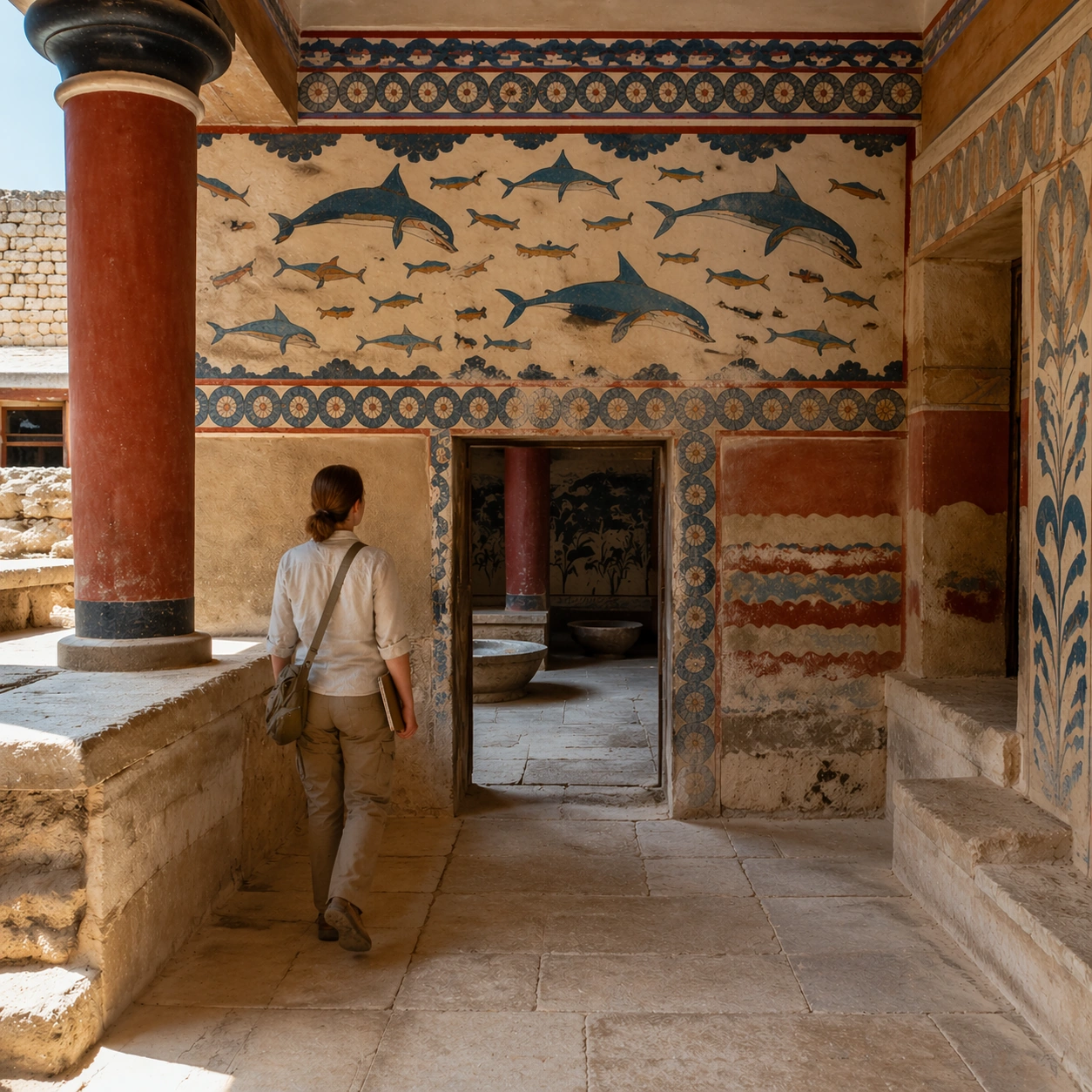
Scene: A square follow-up field image from the same site, slightly closer and lower than the reference anchor, with careful documentary framing and the same material palette. The camera should feel physically present inside the archaeological space, using natural light, soft depth separation, and one clear human figure to explain scale without turning the image into lifestyle photography. Subject: Show the same site identity established in the reference anchor, now with an archaeologist, conservator, or field researcher moving through the scene in practical neutral clothing. The person should be small relative to the monument and clearly secondary to the architecture, water, or painted wall system. Keep the main forms, structural rhythm, and civilizational markers unchanged. Important details: Preserve the exact site identity, base geometry, material behavior, and cultural signatures from the reference model. Only vary vantage, gesture, and scale cues. Keep the room recognizably Minoan, with fluid marine motifs, elegant fresco cadence, red and blue pigment behavior, and Bronze Age architectural forms rather than later classical Greek systems. Human presence should clarify stair height, wall size, carving depth, or spatial compression while respecting conservation protocol and historical seriousness. Keep any tools understated and generic, with no readable labels. The image must still look like a rigorous archaeological record first and a dramatic scene second. Use case: Minoan Frescoes Living Again series study 2/9. Constraints: No readable text, no watermark, no logos, preserve exact 1:1 aspect ratio, preserve exact site identity from the reference image, no Roman statues, no Renaissance furniture, no fantasy palaces, no modern gallery labels, no fashion editorial styling, no crowd, no cinematic props.

Example generated from “Minoan Frescoes Living — Surface Close Study”
GPT Image 2en

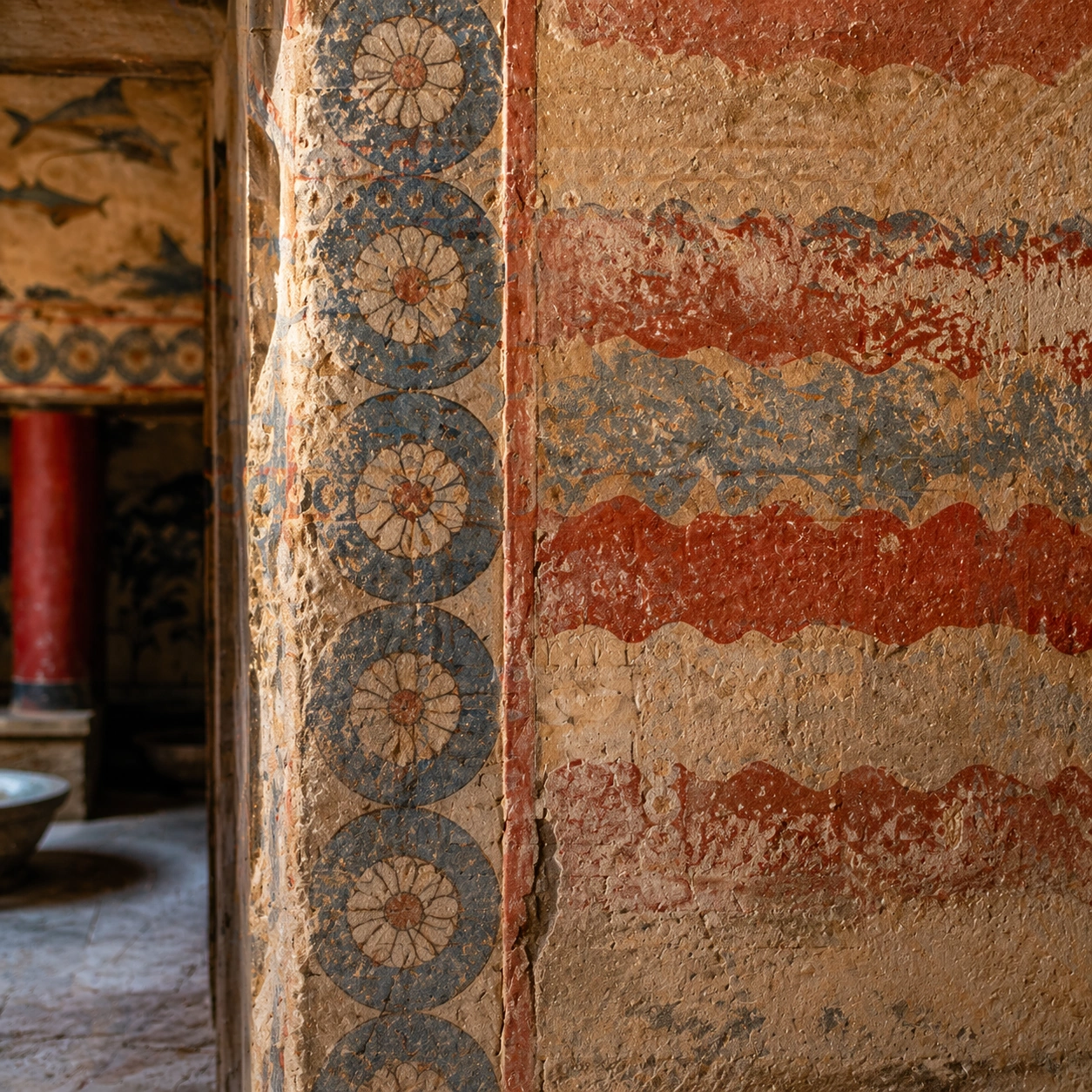
Scene: A square close study framed within the same site established by the reference anchor. Use a tight crop, shallow but believable depth of field, and raking light that reveals tactile evidence in surface relief, pigment, tool marks, moisture, or marine wear. The image should feel like a museum conservation photograph elevated to gallery quality. Subject: Focus on a materially rich portion of the same site: carved edges, painted plaster, fitted stone, root-wrapped masonry, submerged paving, or quarry-cut facial planes depending on the civilization. The composition should remain anchored to the original location and show enough surrounding context that viewers still recognize the parent site rather than mistaking it for an unrelated artifact. Important details: Preserve the exact site identity from the reference model while shifting emphasis to forensic surface evidence. Keep the room recognizably Minoan, with fluid marine motifs, elegant fresco cadence, red and blue pigment behavior, and Bronze Age architectural forms rather than later classical Greek systems. Make micro-texture, fracture lines, pigment retention, water wear, plant interaction, dust, or chisel traces visually persuasive. Avoid decorative clutter. Every mark should feel like evidence of making, weathering, excavation, or conservation. Keep any symbolic marks non-legible and historically appropriate, and make the light reveal depth without flattening the material richness. Use case: Minoan Frescoes Living Again series study 3/9. Constraints: No readable text, no watermark, no logos, preserve exact 1:1 aspect ratio, preserve exact site identity from the reference image, no Roman statues, no Renaissance furniture, no fantasy palaces, no modern gallery labels, no isolated floating artifact, no studio backdrop, no fake macro abstraction.

Example generated from “Minoan Frescoes Living — Atmospheric Wide Reveal”
GPT Image 2en

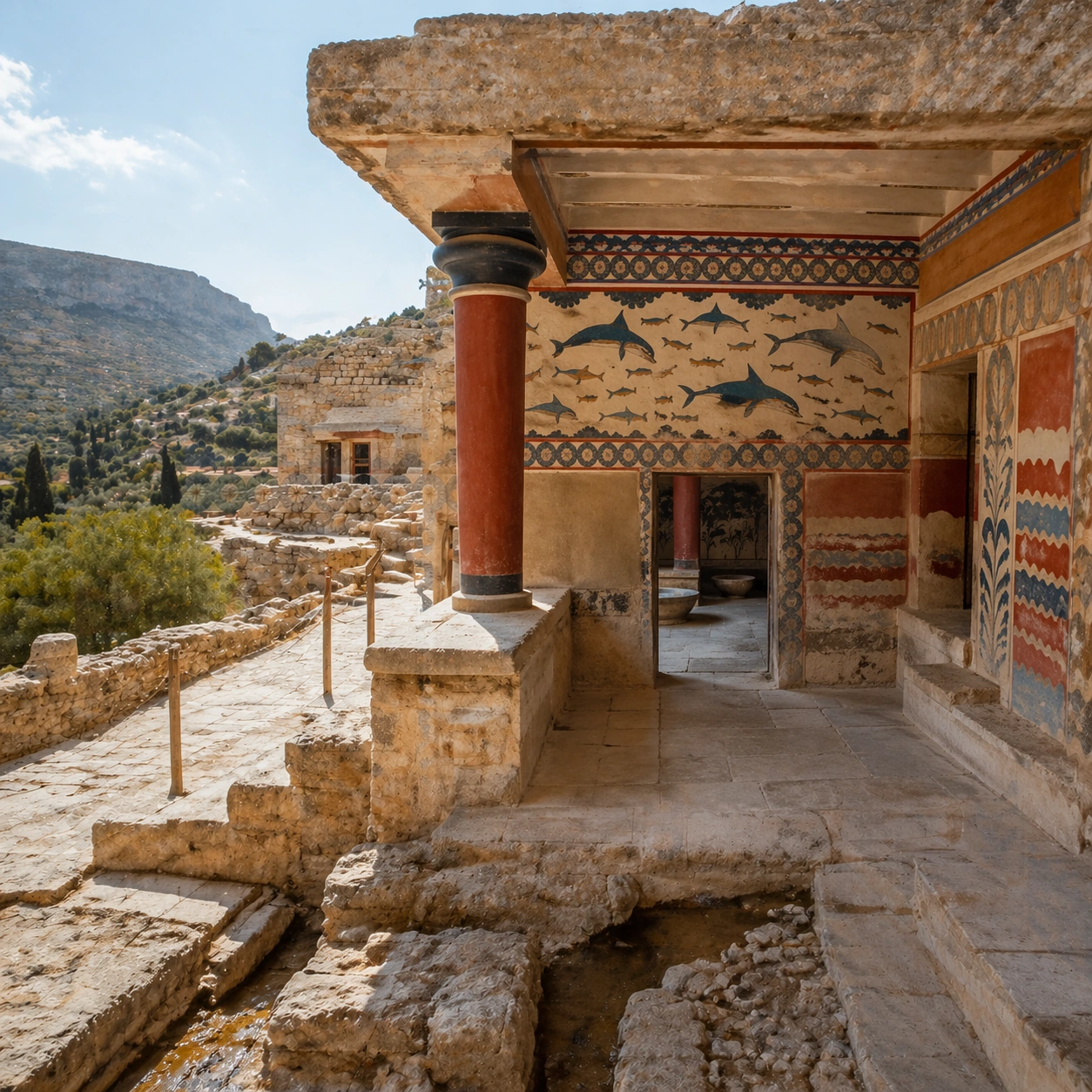
Scene: A square wide reveal of the same site under a slightly different environmental condition, with more surrounding geography or architecture visible while keeping the anchor landmark dominant. Use disciplined composition, atmospheric perspective, and natural light behavior so the image feels like a patient field photograph captured after the reference shot rather than a different fantasy set. Subject: Show the same site identity with broader context: approaches, terraces, ring walls, canyon slot, canopy volume, quarry slope, or chamber boundaries depending on the location. The anchor structure must remain instantly recognizable. Environmental scale should deepen understanding of why the site is placed here and how people, water, topography, or vegetation shape the experience of the monument. Important details: Preserve the exact landmark, materials, and civilizational cues from the reference model while allowing wider framing and a different atmospheric emphasis. Keep the room recognizably Minoan, with fluid marine motifs, elegant fresco cadence, red and blue pigment behavior, and Bronze Age architectural forms rather than later classical Greek systems. Use geography and environmental systems to add meaning: drainage, mist, current, valley depth, roots, irrigation, or enclosure logic. The image should feel both beautiful and evidentiary, with no compositional tricks that break continuity with the established site. Use case: Minoan Frescoes Living Again series study 4/9. Constraints: No readable text, no watermark, no logos, preserve exact 1:1 aspect ratio, preserve exact site identity from the reference image, no Roman statues, no Renaissance furniture, no fantasy palaces, no modern gallery labels, no unrelated landmarks, no speculative mashup architecture, no posterized grading.

Example generated from “Minoan Frescoes Living — Excavation Overview”
GPT Image 2en

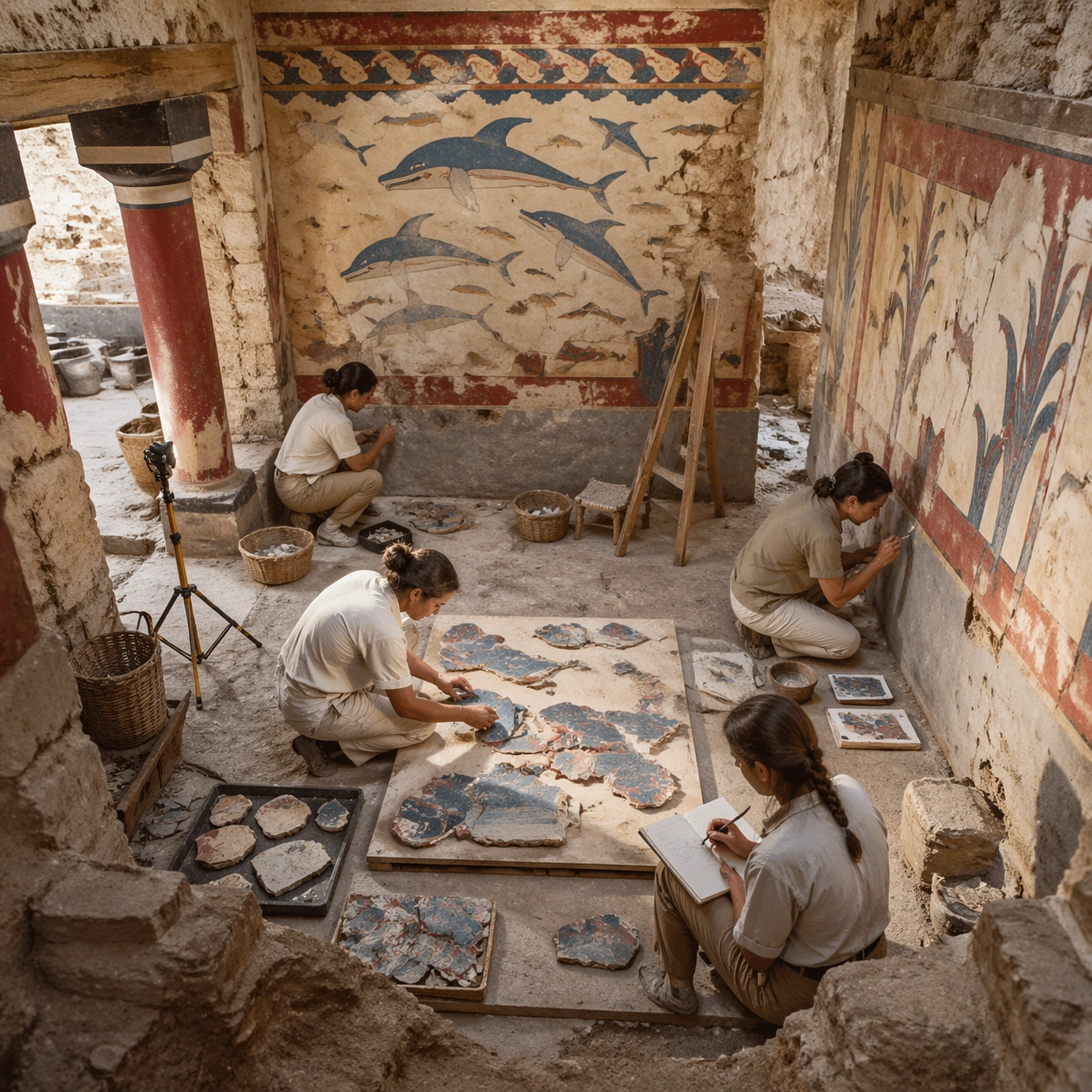
Scene: A square independent archaeology study composed from a slightly elevated fieldwork viewpoint. Use balanced natural light, crisp evidence hierarchy, and practical site organization so the image feels publishable in a museum report and still visually strong enough for a gallery wall. The frame should explain where excavation is happening without relying on readable markers or diagrams. Subject: Show a palace room under careful study, with fresco fragments matched to wall positions and conservators documenting joins, losses, and surviving color fields. Include grounded human traces such as ladders, trays, brushes, baskets, light rigs, or measuring tools only when they support archaeological realism and remain visually secondary. The site should stay culturally specific, with architecture, surface treatment, sediment, and environmental context all belonging to the correct civilization rather than a generic dig. Important details: Keep the room recognizably Minoan, with fluid marine motifs, elegant fresco cadence, red and blue pigment behavior, and Bronze Age architectural forms rather than later classical Greek systems. Prioritize evidence relationships: exposed layers, cleaned edges, protected surfaces, loose fragments, and transitions between buried and revealed material. Let color, wear, and composition explain what has just been uncovered. The image must feel methodical rather than adventurous. Keep any site tags, notes, or markers abstract and unreadable. Avoid sensational treasure imagery and keep the atmosphere scholarly, patient, and materially convincing. Use case: Minoan Frescoes Living Again single study 5/9. Constraints: No readable text, no watermark, no logos, preserve exact 1:1 aspect ratio, no Roman statues, no Renaissance furniture, no fantasy palaces, no modern gallery labels, no treasure-chest clichés, no action-movie posing, no arbitrary props, no infographic overlay.

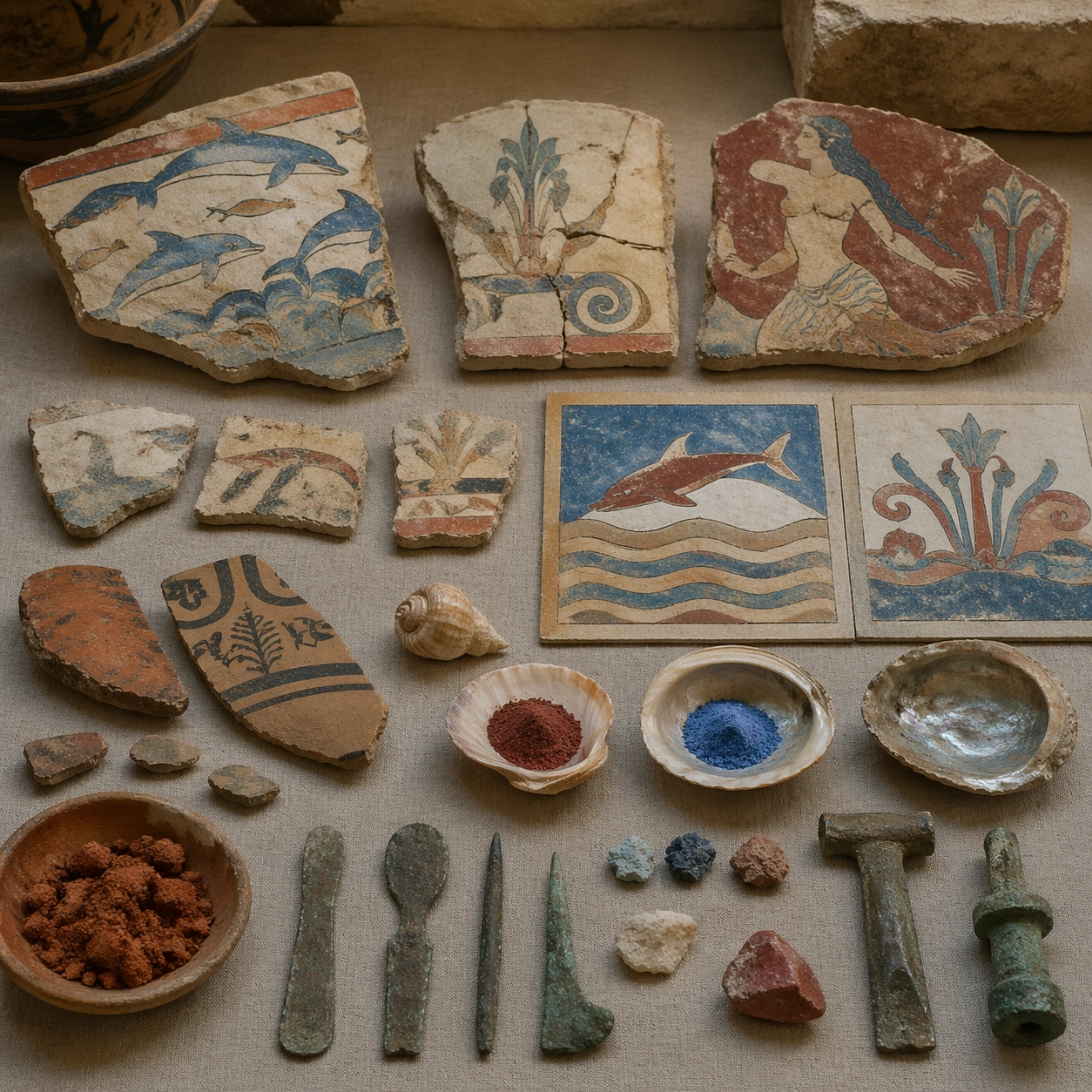
Example generated from “Minoan Frescoes Living — Artifact Tableau”
GPT Image 2en

Scene: A square artifact and material study arranged like a high-end conservation photograph. Use soft directional light, controlled shadow falloff, and a neutral work surface so every fragment reads clearly. The image should feel intimate and scientific, but still rich enough to communicate the broader civilization through craft, wear, and material vocabulary alone. Subject: Present painted plaster shards, shell pigments, pottery fragments, small bronze tools, and fresco reconstruction samples arranged on linen. Arrange the pieces with disciplined spacing and believable conservation handling. Include enough variation in scale, finish, and damage state to suggest excavation reality rather than a perfectly staged luxury still life. Nothing should look modern or decorative for its own sake; every object must feel like evidence tied to the same cultural world as the main topic. Important details: Emphasize tactile surfaces, honest aging, and historically grounded material behavior. Keep the room recognizably Minoan, with fluid marine motifs, elegant fresco cadence, red and blue pigment behavior, and Bronze Age architectural forms rather than later classical Greek systems. Show abrasion, dust, corrosion, cracks, mineral bloom, pigment retention, or edge polish where appropriate. Keep the arrangement orderly but not sterile, as if prepared for a serious cataloging session. No readable labels, no museum placards, and no visual shortcuts that turn the study into product photography detached from archaeology. Use case: Minoan Frescoes Living Again single study 6/9. Constraints: No readable text, no watermark, no logos, preserve exact 1:1 aspect ratio, no Roman statues, no Renaissance furniture, no fantasy palaces, no modern gallery labels, no luxury advertising gloss, no floating objects, no velvet jewelry styling, no unrelated tools.

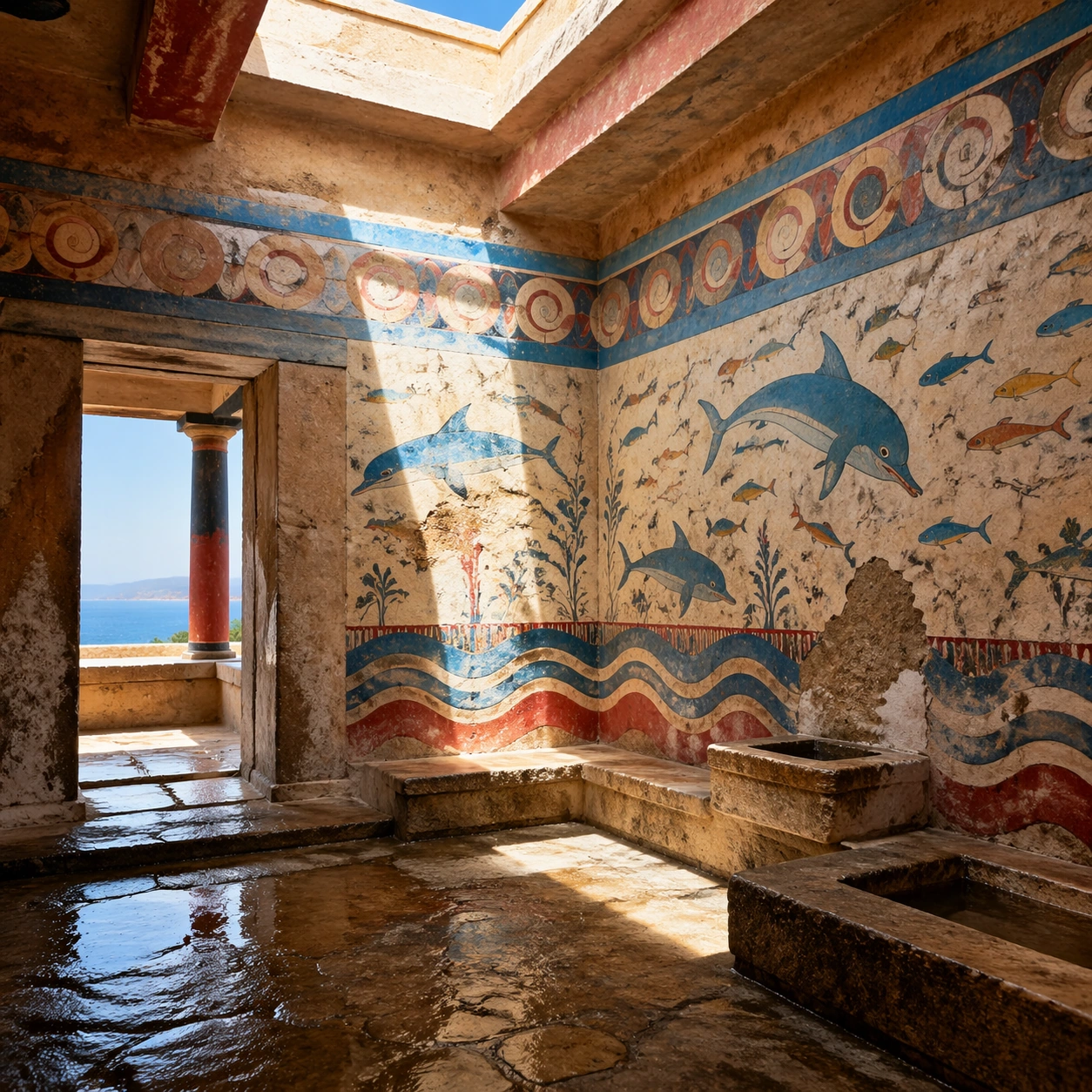
Example generated from “Minoan Frescoes Living — Light Shift Study”
GPT Image 2en

Scene: A square mood variation from the same civilization theme, built around clearer seaside daylight entering from an upper opening, making pigment saturation and plaster sheen shift without changing the room identity. The image should stay grounded in field realism while testing how different illumination changes material reading, atmosphere, and emotional register. Keep the frame self-contained and coherent, as if photographed during a second visit under altered conditions. Subject: Show a culturally accurate site or interior connected to the same world as the main topic, but not as a direct dependency on the series reference. The focus should be on how light transforms relief, color, moisture, water, dust, or vegetation while preserving archaeological credibility. Architectural forms, objects, and setting must still belong to the same civilization with no cross-cultural contamination. Important details: Keep the room recognizably Minoan, with fluid marine motifs, elegant fresco cadence, red and blue pigment behavior, and Bronze Age architectural forms rather than later classical Greek systems. Use the shift in light to reveal different evidence than the other studies: pigment glow, root sheen, caustics, wet stone, canyon shadow, marine haze, terrace depth, or quarry moisture. Keep the result serious and observational rather than romanticized. Non-readable motifs are acceptable, but there should be no signs, captions, or modern display devices. The image should feel like a rigorous visual experiment in historical atmosphere. Use case: Minoan Frescoes Living Again single study 7/9. Constraints: No readable text, no watermark, no logos, preserve exact 1:1 aspect ratio, no Roman statues, no Renaissance furniture, no fantasy palaces, no modern gallery labels, no theatrical color filters, no supernatural effects, no montage composition, no glossy concept-art exaggeration.

Example generated from “Minoan Frescoes Living — Survey Perspective”
GPT Image 2en

Scene: A square survey-oriented image that explains spatial logic with the clarity of an expert field overview while still reading as a finished artwork. Use a stable elevated vantage, clean depth layering, and enough visible terrain or architecture to make relationships legible without turning the frame into a literal map. The scene should feel analytical and cinematic at the same time. Subject: Show a measured room perspective that explains wall programs, floor pattern, doorway placement, and the relationship between fresco surfaces and architecture. Organize the composition so paths, terraces, walls, courtyards, chambers, canals, root systems, or quarry clusters can be read as a coherent system. The image should reveal how the civilization used land, water, elevation, enclosure, or monumentality. Keep all architecture, materials, and environmental details consistent with the correct place and period. Important details: Keep the room recognizably Minoan, with fluid marine motifs, elegant fresco cadence, red and blue pigment behavior, and Bronze Age architectural forms rather than later classical Greek systems. This image should reward close looking by showing infrastructural logic: how stone courses align, how water moves, how rooms connect, how carved masses sit inside geology, or how vegetation interacts with built form. Avoid explicit annotation. Let composition, light, and scale cues do the explanatory work. Keep any measuring elements generic and unreadable, and make the image feel like serious research made visually elegant. Use case: Minoan Frescoes Living Again single study 8/9. Constraints: No readable text, no watermark, no logos, preserve exact 1:1 aspect ratio, no Roman statues, no Renaissance furniture, no fantasy palaces, no modern gallery labels, no infographic arrows, no split-screen layout, no impossible aerial geometry, no unrelated settlements.

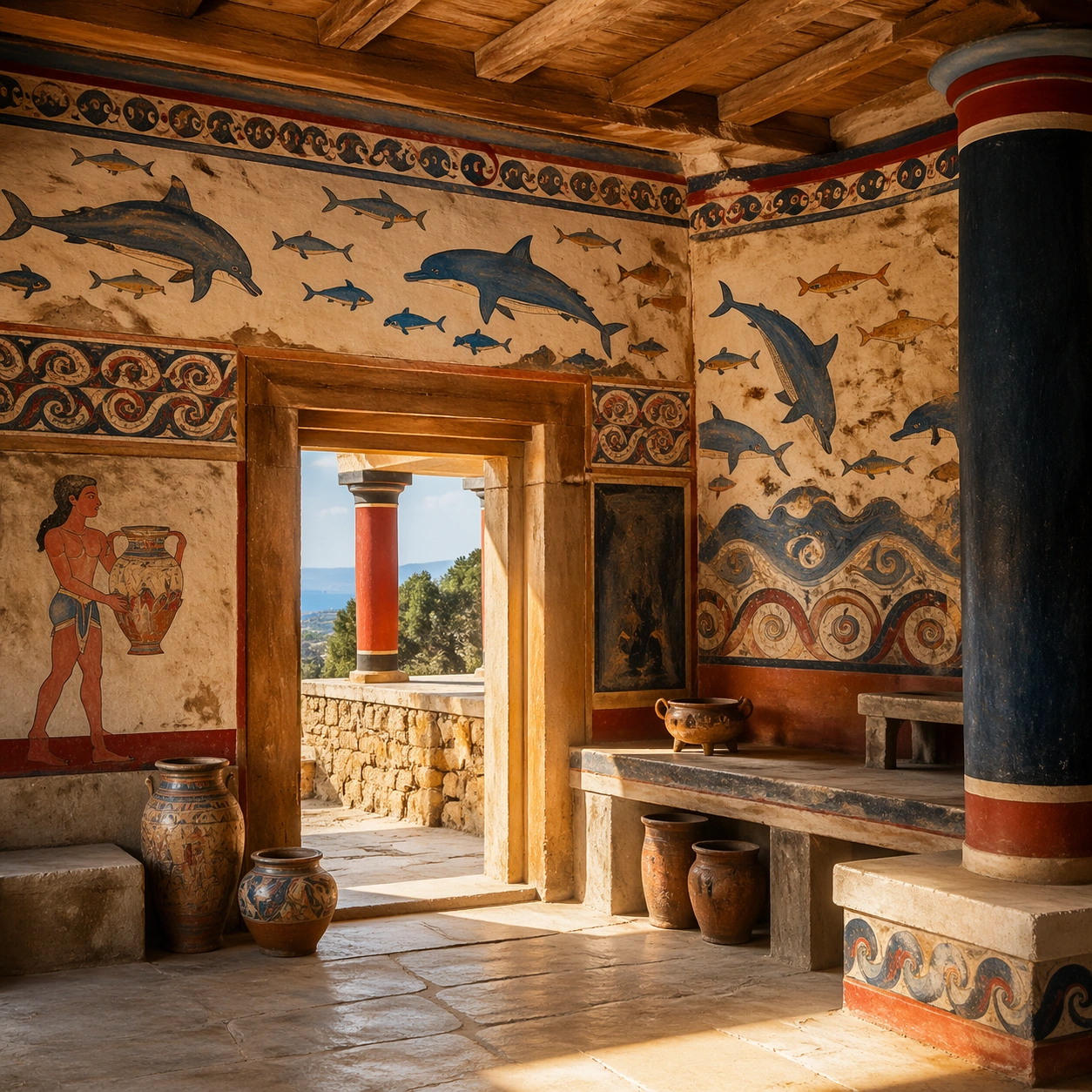
Example generated from “Minoan Frescoes Living — Editorial Reconstruction”
GPT Image 2en

Scene: A square hero image designed for a museum wall graphic or flagship magazine cover, but without any actual typography. Use strong focal hierarchy, refined contrast, and a polished finish that still feels rooted in archaeological evidence. The frame should look complete on its own and communicate why this civilization remains visually unforgettable. Subject: Build the image around a museum-grade reconstruction hero image that brings Minoan color back to life while remaining materially grounded. Present architecture, artifacts, environment, and atmosphere as one coherent statement. The composition can be more distilled than a field snapshot, but it must remain culturally specific, materially persuasive, and free of fantasy shorthand. Nothing should feel like a movie poster or commercial franchise imitation. Important details: Keep the room recognizably Minoan, with fluid marine motifs, elegant fresco cadence, red and blue pigment behavior, and Bronze Age architectural forms rather than later classical Greek systems. Distill the site or cultural world into one decisive visual argument: place, craft, weathering, engineering, and memory. Use the strongest material signatures from this civilization and let them sit in a believable environment with controlled dramatic weight. Keep any carved or painted symbols non-readable. The result should look like responsible high-end visual storytelling for research and public interpretation, not a spectacle-first matte painting. Use case: Minoan Frescoes Living Again single study 9/9. Constraints: No readable text, no watermark, no logos, preserve exact 1:1 aspect ratio, no Roman statues, no Renaissance furniture, no fantasy palaces, no modern gallery labels, no movie-poster tropes, no overdesigned framing devices, no collage layout, no brand-like iconography.

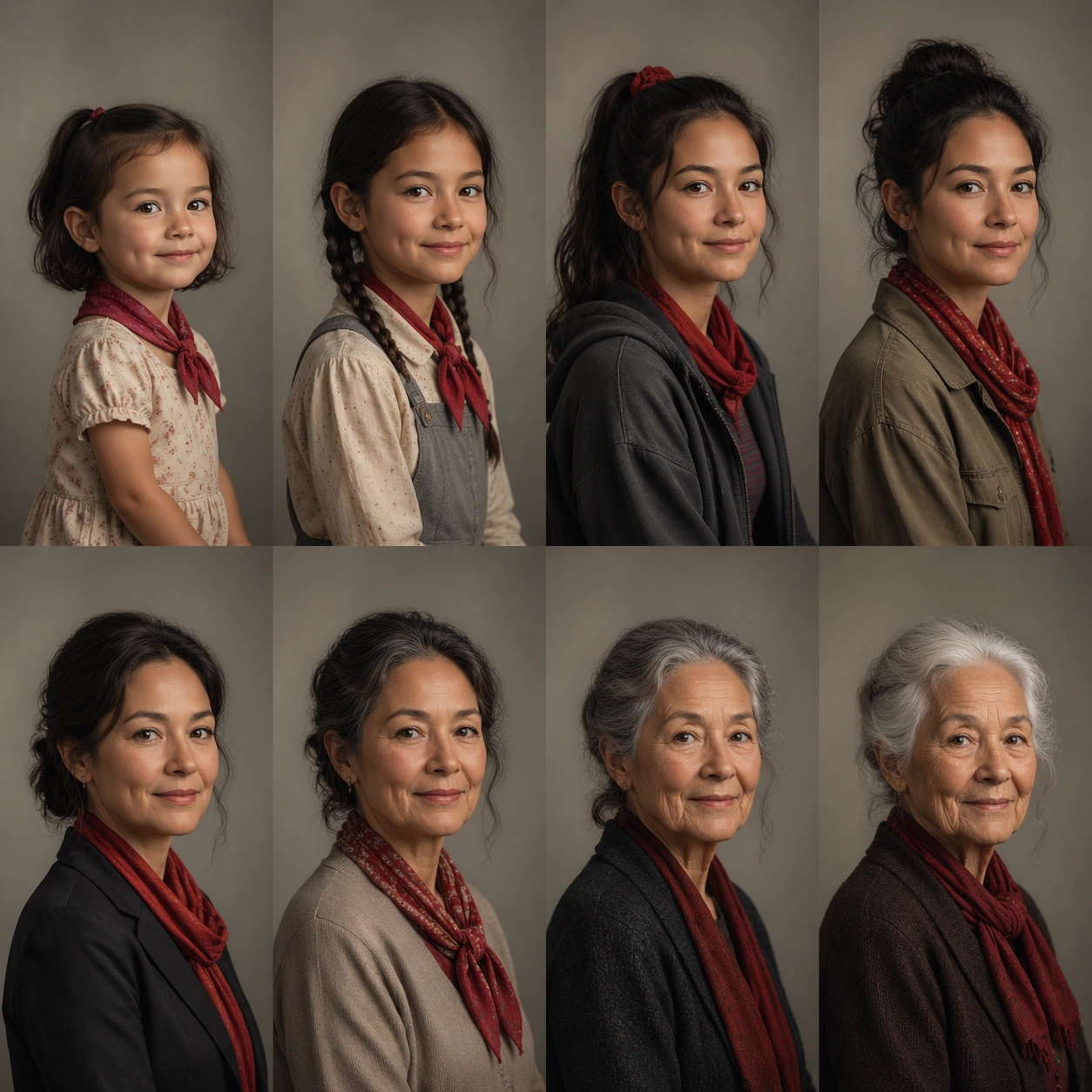
Example generated from “Mirror Worlds — Reference Age Sheet”
GPT Image 2en

Scene: A square studio character reference sheet on a quiet neutral background, arranged as eight portrait-and-half-body studies in a clean 4 by 2 grid with no captions. Use soft editorial lighting, restrained warm gray tones, and consistent camera height. The image should feel like a production reference board for a conceptual film about one life seen all at once. Subject: Show the same woman at eight life stages: small child, preteen, teenager, young adult, mid-career adult, older adult, elderly, and very elderly. Preserve identity through the same almond-shaped eyes, straight nose bridge, left cheek dimple, dark hair that gradually grays, and a small red scarf or scarf-like accessory repeated in age-appropriate ways. Clothing changes by decade, but posture, facial structure, and signature gaze stay clearly related. Important details: This reference must make age progression legible without turning the person into eight unrelated characters. Keep face proportions consistent, show natural aging, avoid glamour extremes, and make the red accessory a reliable identity anchor. Background, lighting, and crop should be consistent across all eight panels so later images can use the sheet as a stable multi-age reference. Use case: Mirror Worlds series study 1/8, establishing the protagonist identity across eight life stages for fanout compositions. Constraints: No readable text, no watermark, no logos, preserve exact 1:1 aspect ratio, no celebrity likeness, no duplicate identical faces, no unrelated family members, no inconsistent eye color, no distorted hands, no decorative labels.

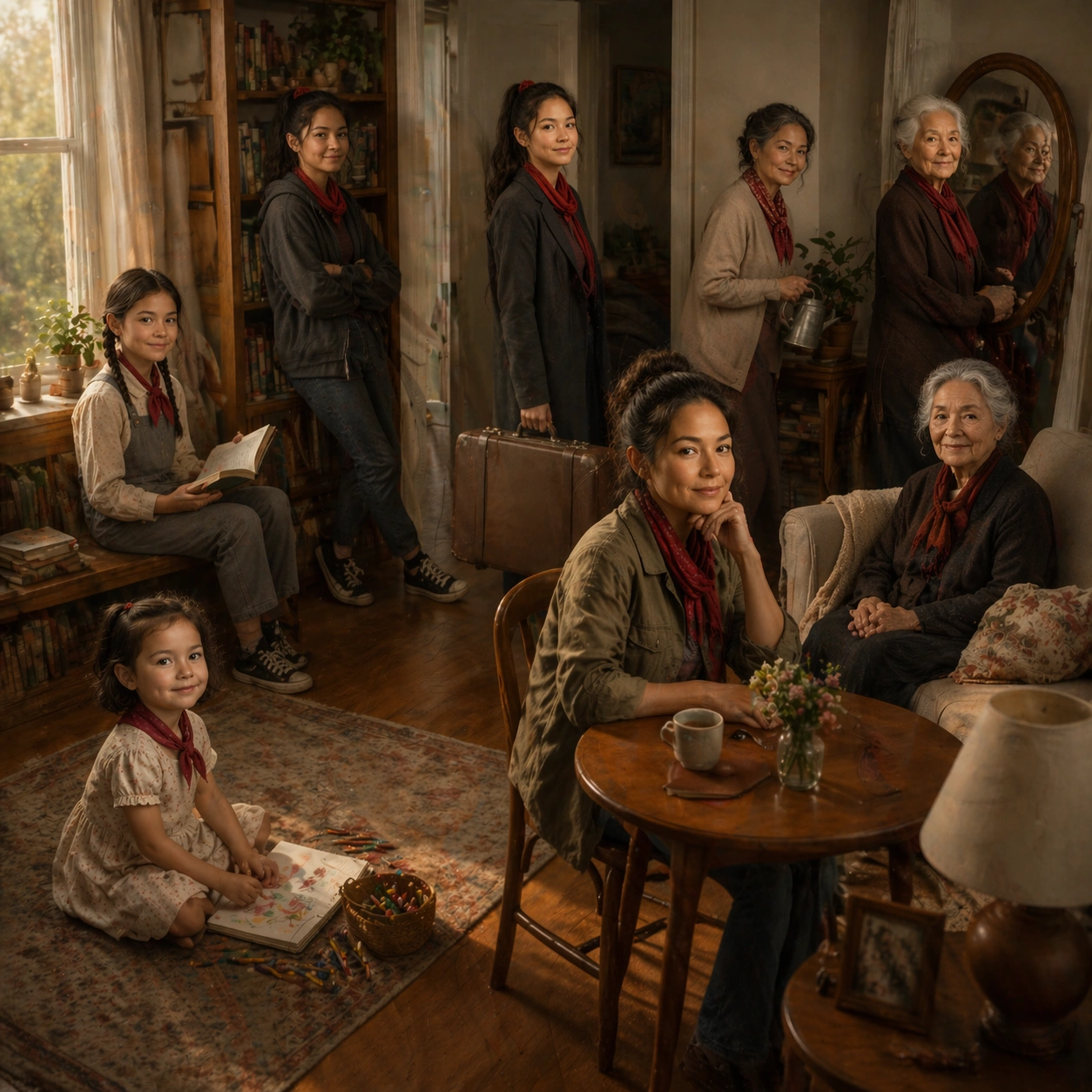
Example generated from “Mirror Worlds — Eight Ages Living Room”
GPT Image 2en

Scene: Use the reference age sheet as the identity source. Create a square cinematic living room scene viewed from a slightly elevated corner, with warm late-afternoon window light, a polished wooden floor, bookshelves, a sofa, a small round table, and quiet domestic objects. The room should be one continuous space, not a panel grid, with clear depth layers and eight readable positions. Subject: Place the same woman at eight life stages in different corners of the same living room: child drawing on the rug, preteen reading near the window, teenager leaning by the shelf, young adult carrying a suitcase, mid-career adult at the table, older adult watering a plant, elderly woman seated on the sofa, and very elderly woman near a mirror. Preserve the facial identity, cheek dimple, gaze, and red scarf motif from the reference while adapting age, clothing, and posture naturally. Important details: The core illusion is simultaneous time. Each age must feel physically present in the same room, with believable shadows, consistent scale, and no ghost transparency. Use composition to keep the eight figures separate but emotionally connected through sightlines and reflected glances. The living room should remain coherent and not collapse into a collage. Use case: Mirror Worlds series study 2/8, placing the same protagonist's eight life stages into one shared living room. Constraints: No readable text, no watermark, no logos, preserve exact 1:1 aspect ratio, no unrelated characters, no panel borders, no duplicated exact pose, no broken reflections, no inconsistent facial identity, no clutter blocking the figures.

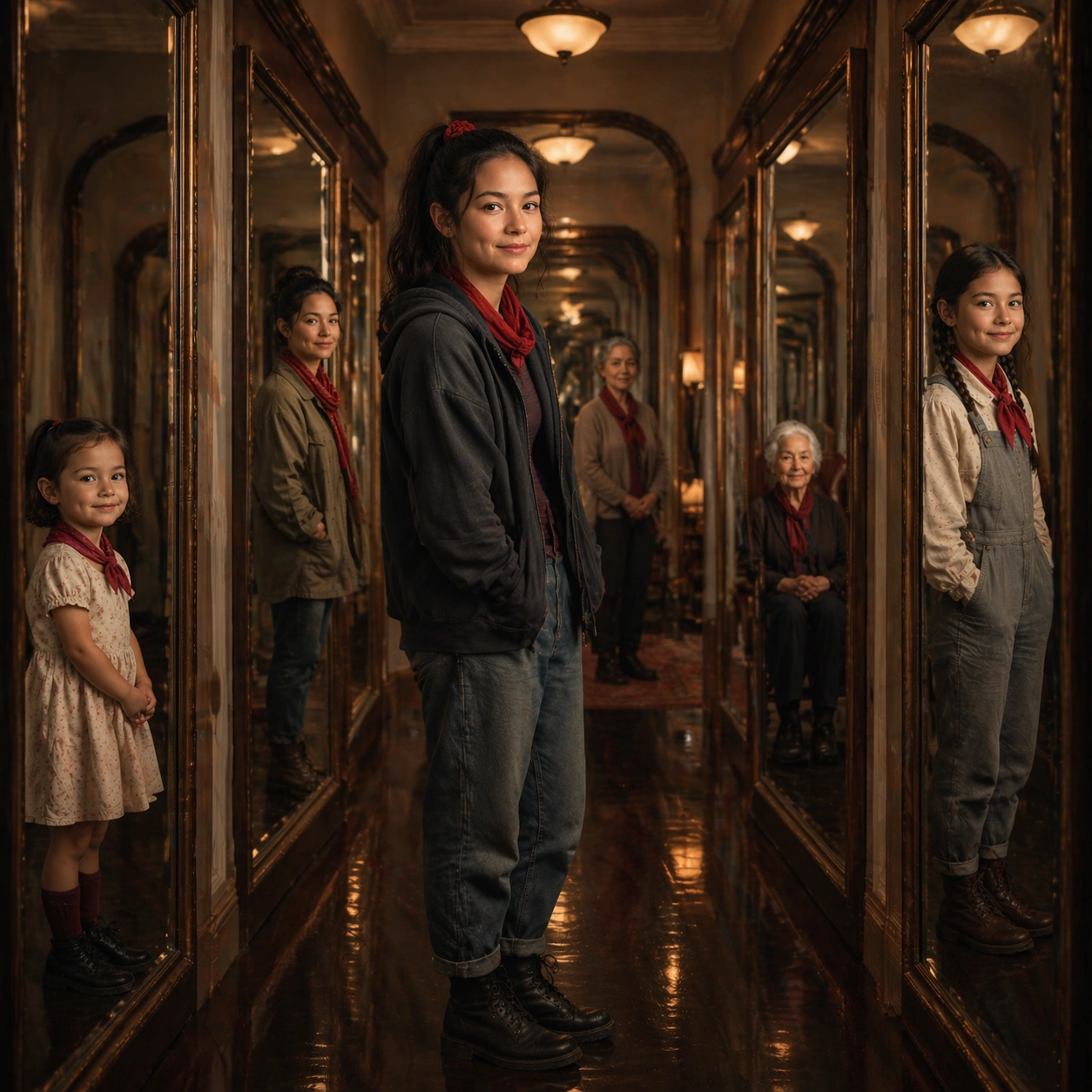
Example generated from “Mirror Worlds — Mirror Hall Reunion”
GPT Image 2en

Scene: Use the reference age sheet as the identity source. Create a square hall of mirrors inside a quiet apartment, with a central hallway, tall antique mirrors along both sides, warm ceiling light, and a dark polished floor that reflects feet and furniture. The camera looks straight down the hallway so reflections create a deep recursive space. Subject: Show the same woman at multiple life stages meeting through mirrors: young adult standing in the center foreground, child version visible in the left mirror, teenager in the right mirror, mid-career adult reflected farther back, elderly version at the end of the hall, and very elderly version seated in a mirror reflection near the floor. Preserve the same facial structure, cheek dimple, red scarf motif, and calm direct gaze from the reference, while each age has distinct clothing and posture. Important details: The mirror logic must be coherent. Reflections should obey perspective, show believable angles, and not become random portraits pasted onto glass. Some figures may be physically in the hall while others appear only as reflections, but all must feel like the same person across time. Keep the scene emotionally charged, elegant, and visually legible at thumbnail scale. Use case: Mirror Worlds series study 3/8, using mirror reflections to stage one protagonist's life stages in a single hallway. Constraints: No readable text, no watermark, no logos, preserve exact 1:1 aspect ratio, no unrelated people, no horror mood, no broken mirror shards, no impossible duplicate limbs, no inconsistent face, no decorative captions.

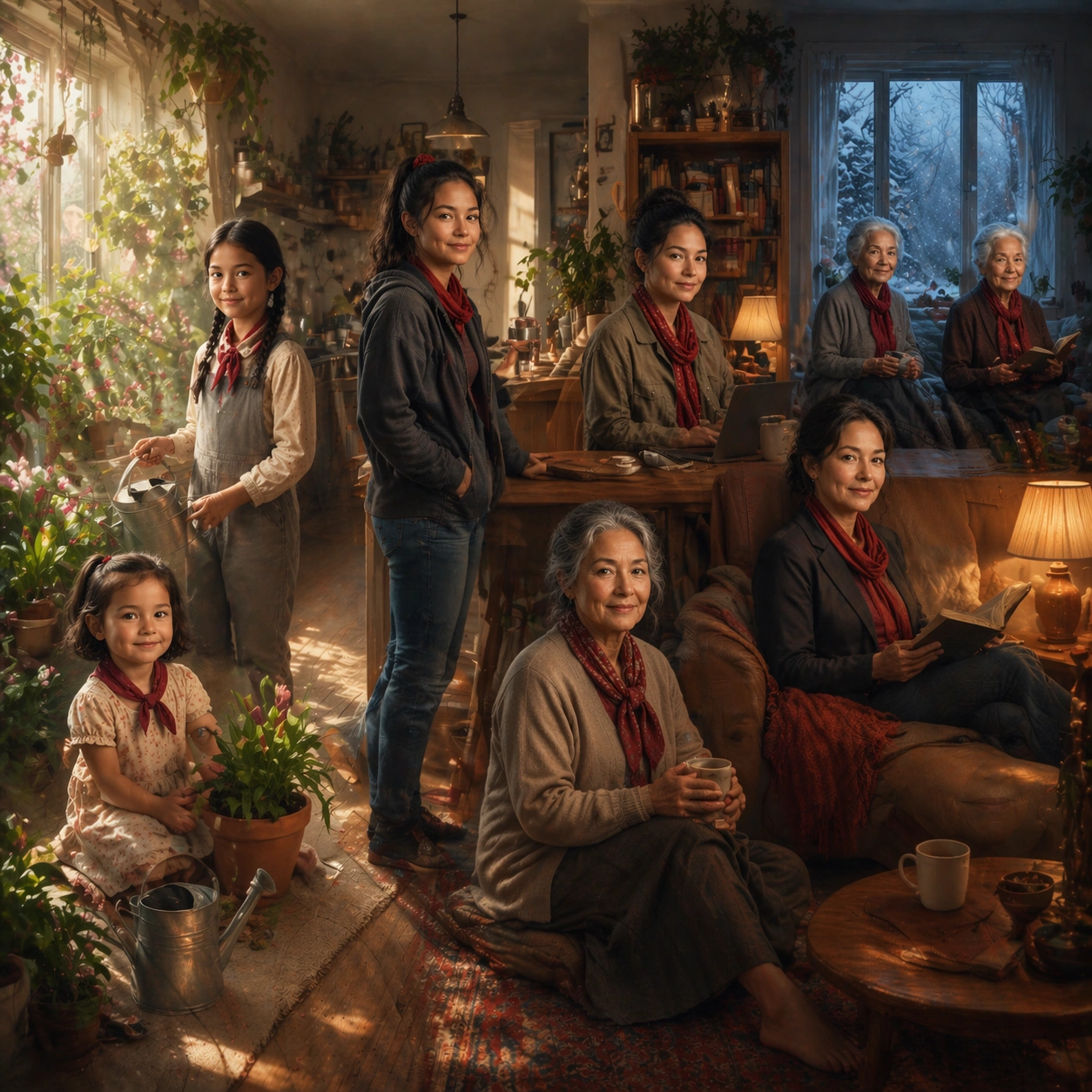
Example generated from “Mirror Worlds — Seasonal Apartment Loop”
GPT Image 2en

Scene: Use the reference age sheet as the identity source. Create a square apartment interior divided by lighting and window views into four seasonal zones while remaining one continuous room. Morning spring light enters from the left, summer noon warms the center, autumn dusk glows near the sofa, and winter blue light appears near the far window. No hard panel borders; the seasons blend through furniture, shadows, and color temperature. Subject: Place the same woman at eight ages across the seasonal apartment loop: childhood and preteen near spring plants, teenage and young adult in the bright summer area, mid-career and older adult near autumn books and warm lamps, elderly and very elderly near winter window light. Preserve the facial identity, left cheek dimple, red scarf motif, and eye shape from the reference. Each life stage interacts with the same room in age-appropriate ways without looking like separate photo cutouts. Important details: This image tests temporal reasoning through environment. The room geometry must stay continuous even as seasons shift. Figures should cast shadows consistent with their local light zone, but furniture perspective must remain unified. Make the time split poetic and understandable, with no literal labels or calendars. The same protagonist must be recognizable through aging. Use case: Mirror Worlds series study 4/8, merging eight life stages and four seasons into one continuous apartment world. Constraints: No readable text, no watermark, no logos, preserve exact 1:1 aspect ratio, no panel grid, no unrelated characters, no random costume changes, no impossible scale shifts, no inconsistent identity, no chaotic background clutter.

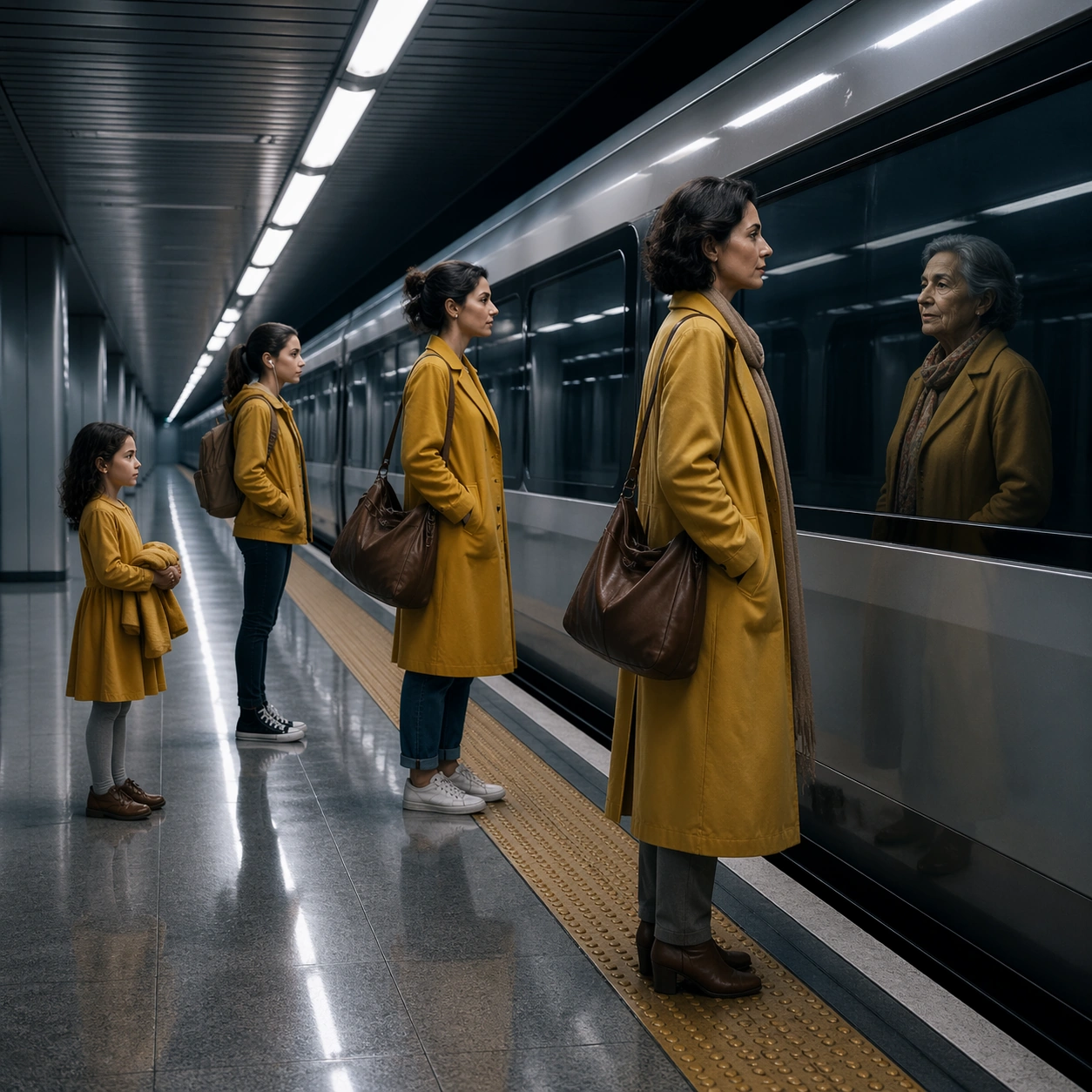
Example generated from “Mirror Worlds — Subway Platform Ages”
GPT Image 2en

Scene: A square underground subway platform rendered as a polished editorial image, viewed along the platform edge with strong perspective lines, glossy floor reflections, cool fluorescent light, and a train window acting as a long horizontal mirror. The space is clean and cinematic, with no readable signage or route information. Subject: Show the same woman at five life stages distributed along the platform: small child holding a folded coat, teenager listening quietly, young adult with a travel bag, middle-aged adult looking into the train window, and elderly version reflected inside the dark glass. Preserve identity through the same high cheekbones, dark arched brows, short chin, and mustard yellow coat motif adapted by age. Each version should appear at a different depth point while still reading as one person across time. Important details: The subway platform must behave like one continuous architectural space. Reflections in the train window and floor should be plausible, with no duplicate bodies in impossible places. The time-split should be obvious through pose, scale, age, and costume changes, not through text. Keep facial continuity stronger than clothing differences. Use case: Mirror Worlds single study 6/8, testing life-stage identity consistency along a reflective subway platform without references. Constraints: No readable text, no watermark, no logos, preserve exact 1:1 aspect ratio, no crowded commuters, no route numbers, no advertising posters, no inconsistent face, no train-brand marks, no warped platform geometry.

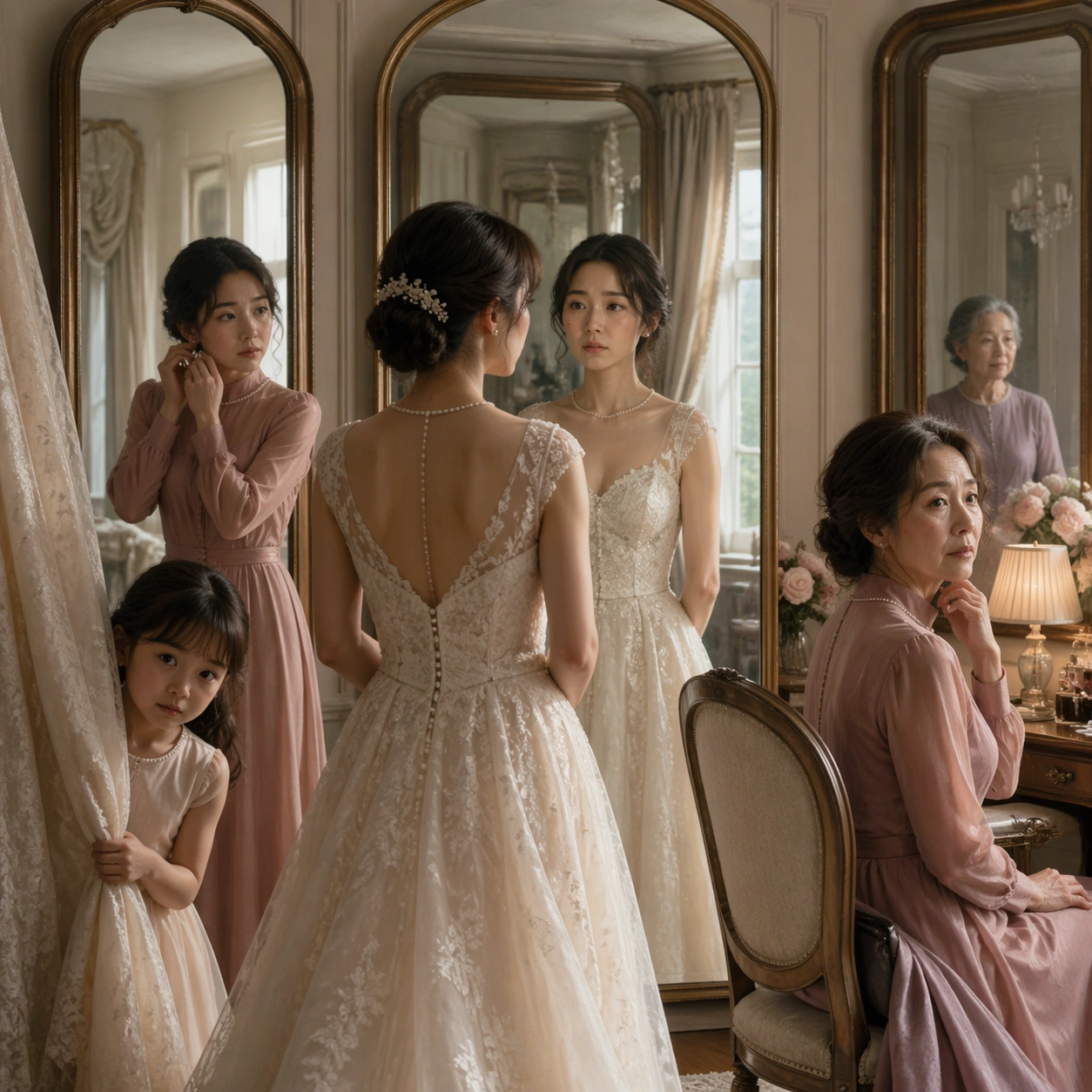
Example generated from “Mirror Worlds — Wedding Mirror Room”
GPT Image 2en

Scene: A square dressing room before a wedding, softly lit by large windows and surrounded by three tall mirrors. The palette is ivory, pale gold, muted rose, and deep walnut wood. The room is elegant but quiet, with chairs, fabric, a vanity, and a large central mirror creating nested reflections. No visible writing or brand details. Subject: Show the same person across five emotional life moments in one dressing room: child version peeking from behind fabric, young adult adjusting formal clothing, present-day adult standing before the mirror, older adult seated by the vanity, and elderly version appearing in a far mirror reflection. Preserve identity through the same oval face, gentle downturned eyes, small mole above the lip, and pearl-like collar detail repeated in age-appropriate styling. Clothing can shift from simple childhood clothes to formal wedding attire and later elegant dresswear. Important details: The image should feel celebratory and uncanny, not sentimental clutter. Mirrors must show coherent angles and partial reflections, while each age stage remains readable. Maintain one consistent facial identity through age changes, with the mole and collar detail as anchors. Use light and gesture to connect the versions across the room. Use case: Mirror Worlds single study 7/8, testing a high-emotion life-stage mirror composition without reference images. Constraints: No readable text, no watermark, no logos, preserve exact 1:1 aspect ratio, no extra wedding guests, no celebrity likeness, no horror mirror effect, no inconsistent facial markers, no impossible reflection angles.

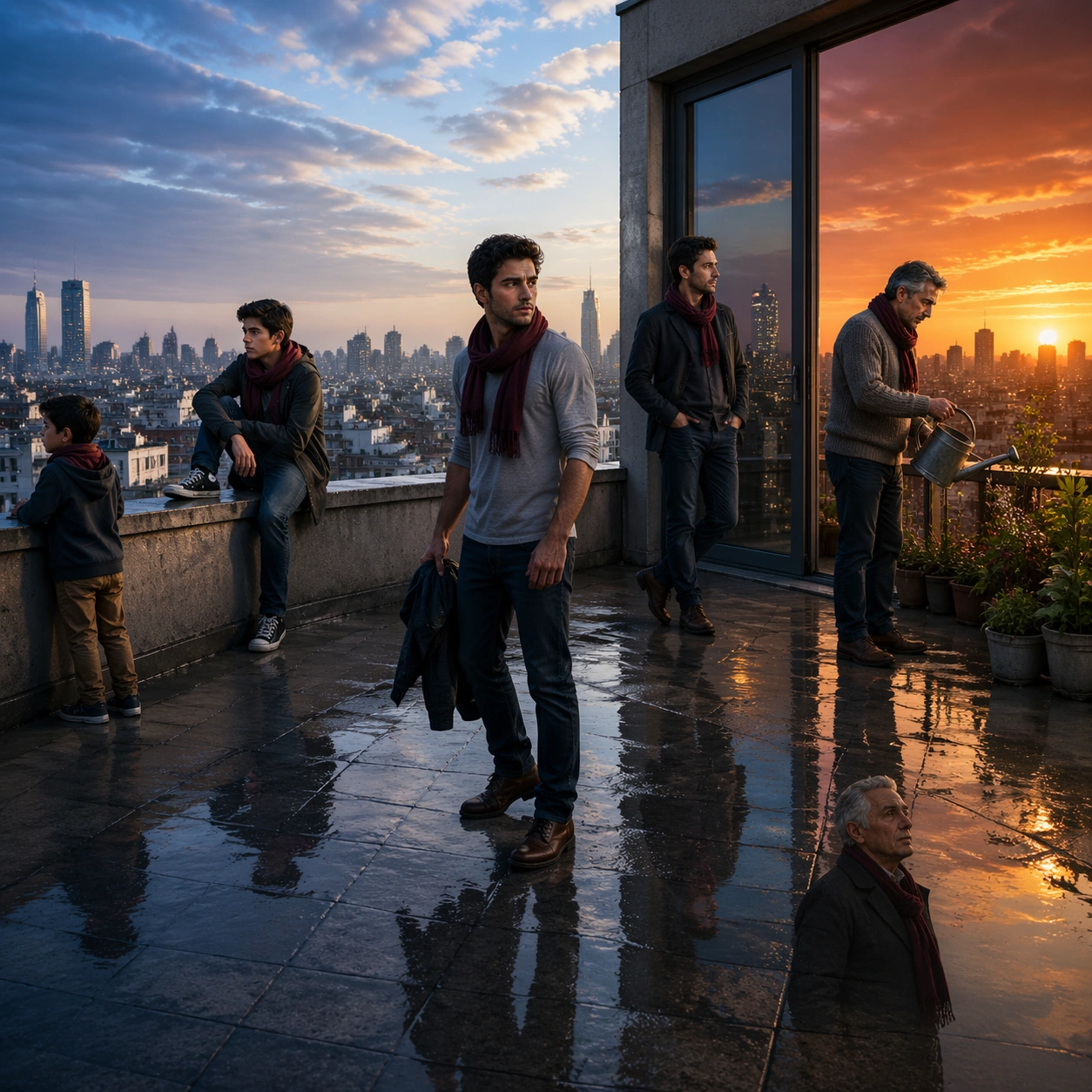
Example generated from “Mirror Worlds — Rooftop Time Split”
GPT Image 2en

Scene: A square rooftop at twilight, high above a city, composed as one continuous terrace split by changing sky colors: cool dawn blue on the left, bright afternoon near the center, amber sunset on the right, and deep night reflections in a glass door. Use cinematic realism, clean architectural lines, and reflective puddles after rain. Subject: Show the same man at six life stages on the rooftop: child near a low wall, teenager sitting on the parapet, young adult holding a jacket, adult standing near the glass door, older adult watering rooftop plants, and elderly version reflected in the wet floor. Preserve identity through the same square jaw, thick brows, close-set eyes, and burgundy scarf motif adapted across ages. The figures should occupy separate zones but share one terrace geometry. Important details: The time split is environmental as well as human. Lighting changes should signal different eras without breaking perspective or turning the image into panels. Keep all ages physically grounded with believable shadows and reflections. The city skyline can shift subtly in mood, but no readable signs should appear. Facial identity must remain consistent enough that the concept is clear immediately. Use case: Mirror Worlds single study 8/8, testing simultaneous age stages and time-of-day zones in one rooftop scene. Constraints: No readable text, no watermark, no logos, preserve exact 1:1 aspect ratio, no extra people, no superhero styling, no impossible rooftop scale, no inconsistent facial identity, no harsh panel dividers, no skyline text.

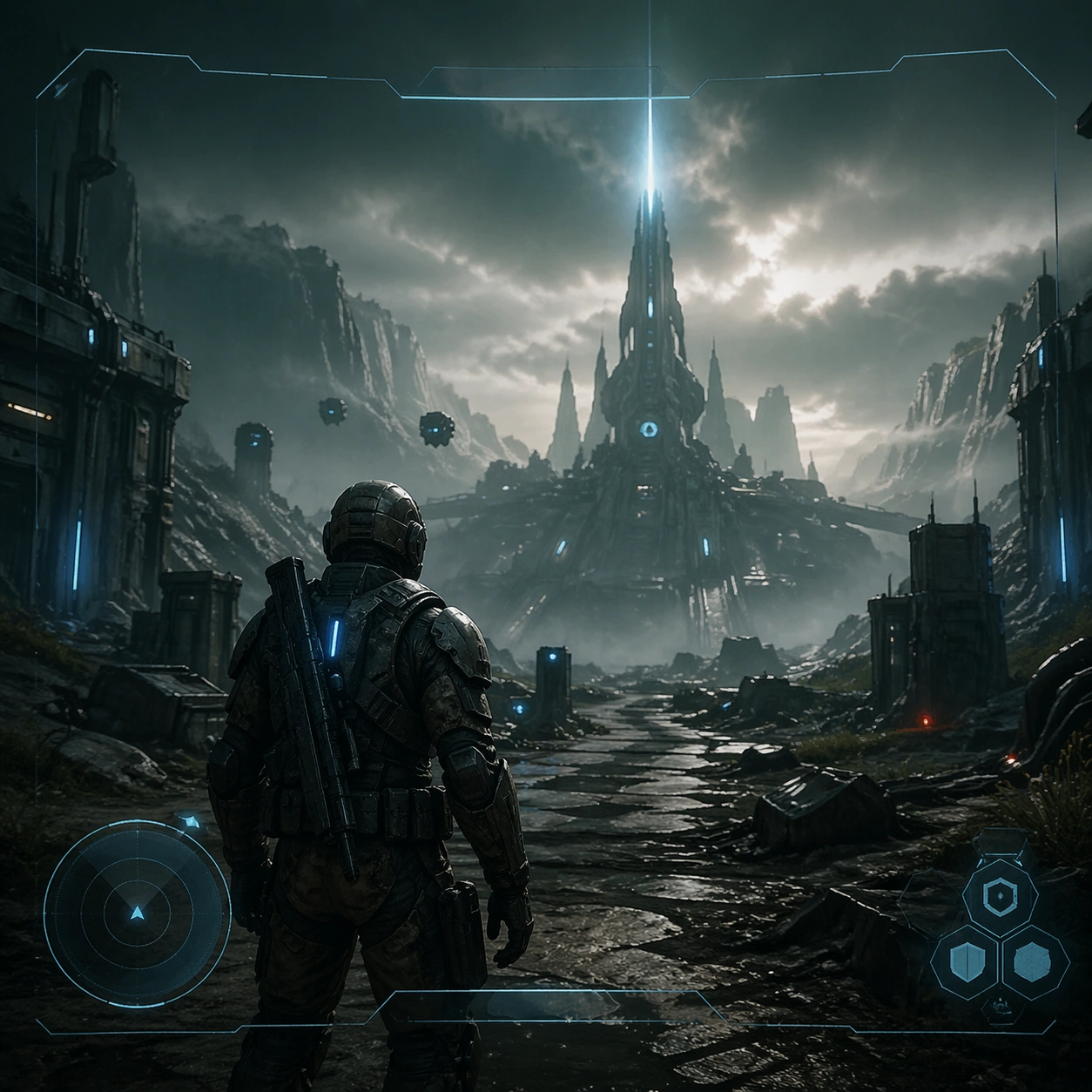
Example generated from “Mission Gameplay Screenshot Sequence — Mission Intro Screen”
GPT Image 2en

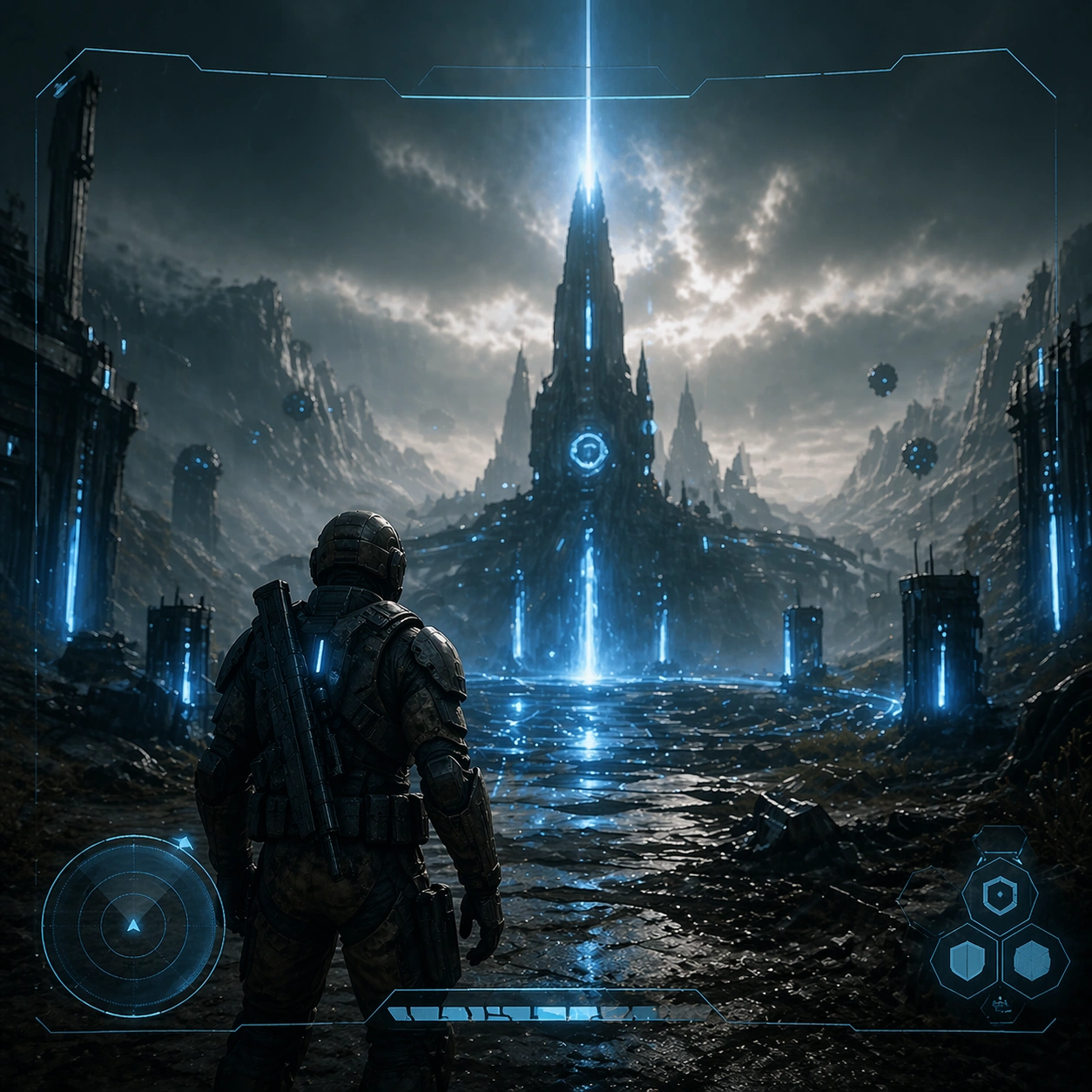
Scene: A square premium key-art frame built for a reference-dependent production series. Stage a mission-intro gameplay screenshot with restrained HUD framing and clear objective context with controlled lighting, clear silhouette separation, and a camera setup that feels deliberate enough for campaign reuse. The composition should carry strong focal hierarchy, believable depth, and polished surface behavior while still staying stable enough to support downstream dependent variations. Subject: Center the image on a mission-intro gameplay screenshot with restrained HUD framing and clear objective context. The result should feel like a concrete, shippable asset for Mission Gameplay Screenshot Sequence, not a generic fantasy render. Build the subject with layered materials, stable anatomy or engineering logic, and enough specificity that later images can inherit the same underlying identity. This image is the root reference that defines continuity for the rest of the series. The viewer should immediately understand what is being preserved across the sequence and what is changing in this particular beat. Important details: the image must look like a real playable screen with believable camera height, interface rhythm, and environmental detail. Make continuity explicit through repeatable shape language, proportion control, and a coherent palette system. Changes in pose, angle, mood, rarity, weather, or layout should still feel downstream of one stable source. Avoid clutter that would confuse reference use. Any interface-like blocks or graphic surfaces must remain abstract and unreadable. Keep the image polished, original, and suitable for both gallery display and production review. Use case: Mission Gameplay Screenshot Sequence series study 1/4, focused on mission intro screen. Constraints: No readable text, no watermark, no logos, preserve exact 1:1 aspect ratio, no cinematic poster pose, no giant title text, no broken continuity, no off-model redesign, no accidental franchise resemblance.

Example generated from “Mission Gameplay Screenshot Sequence — Combat Beat Screen”
GPT Image 2en

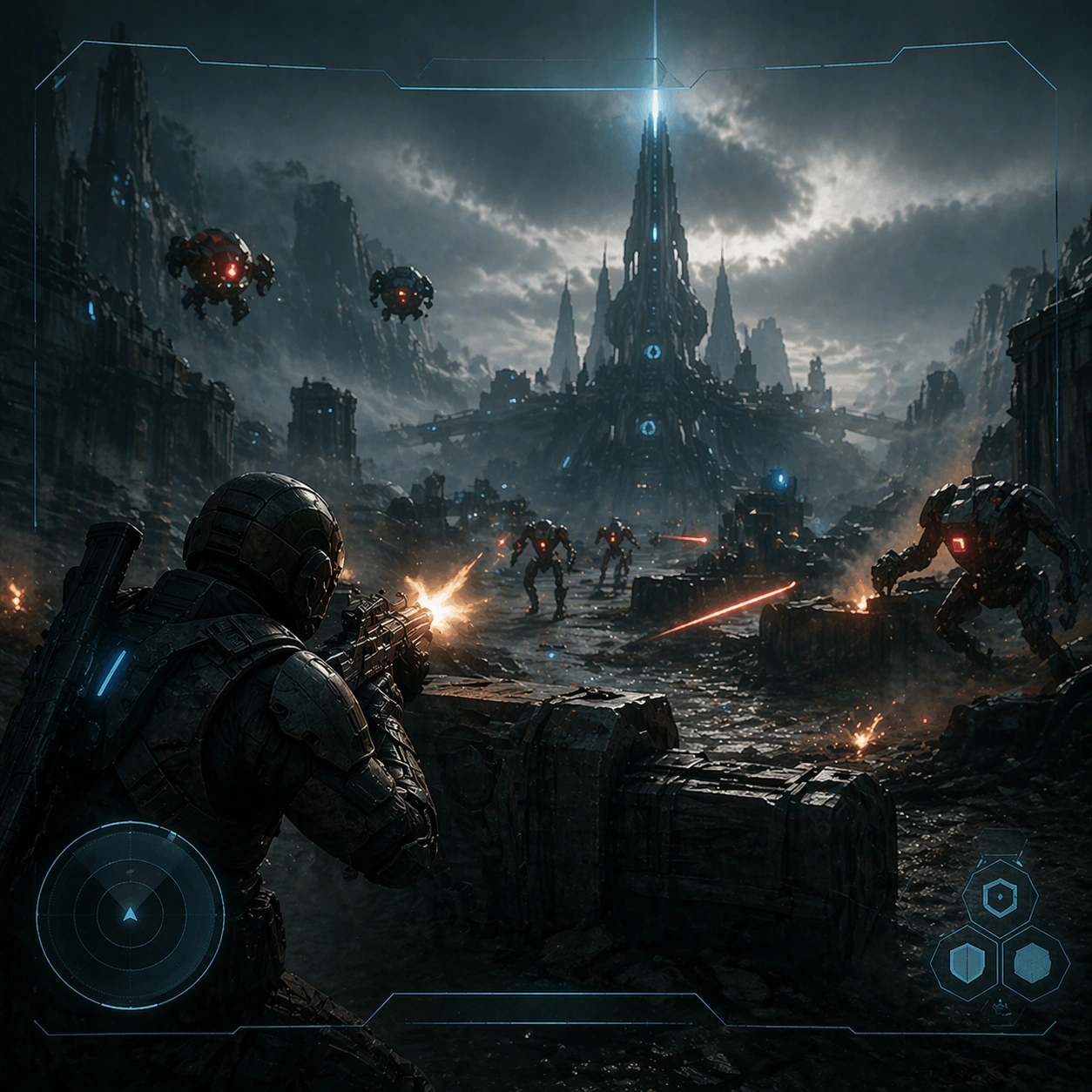
Scene: A square premium key-art frame built for a reference-dependent production series. Stage the same mission during a combat beat with readable enemies, cover, and player pressure with controlled lighting, clear silhouette separation, and a camera setup that feels deliberate enough for campaign reuse. The composition should carry strong focal hierarchy, believable depth, and polished surface behavior while still staying stable enough to support downstream dependent variations. Subject: Center the image on the same mission during a combat beat with readable enemies, cover, and player pressure. The result should feel like a concrete, shippable asset for Mission Gameplay Screenshot Sequence, not a generic fantasy render. Build the subject with layered materials, stable anatomy or engineering logic, and enough specificity that later images can inherit the same underlying identity. Preserve the same mission environment, player-facing viewpoint logic, HUD language, and objective flow from the reference gameplay screen from the reference image while changing only what this variation needs. The viewer should immediately understand what is being preserved across the sequence and what is changing in this particular beat. Important details: preserve in-engine credibility through HUD restraint, muzzle light control, and grounded staging. Make continuity explicit through repeatable shape language, proportion control, and a coherent palette system. Changes in pose, angle, mood, rarity, weather, or layout should still feel downstream of one stable source. Avoid clutter that would confuse reference use. Any interface-like blocks or graphic surfaces must remain abstract and unreadable. Keep the image polished, original, and suitable for both gallery display and production review. Use case: Mission Gameplay Screenshot Sequence series study 2/4, focused on combat beat screen. Constraints: No readable text, no watermark, no logos, preserve exact 1:1 aspect ratio, no motion-graphic overlays, no slogan copy, no broken continuity, no off-model redesign, no accidental franchise resemblance.

Example generated from “Mission Gameplay Screenshot Sequence — Objective Capture Screen”
GPT Image 2en

Scene: A square premium key-art frame built for a reference-dependent production series. Stage the same mission at an objective capture or activation moment with clear focal hierarchy with controlled lighting, clear silhouette separation, and a camera setup that feels deliberate enough for campaign reuse. The composition should carry strong focal hierarchy, believable depth, and polished surface behavior while still staying stable enough to support downstream dependent variations. Subject: Center the image on the same mission at an objective capture or activation moment with clear focal hierarchy. The result should feel like a concrete, shippable asset for Mission Gameplay Screenshot Sequence, not a generic fantasy render. Build the subject with layered materials, stable anatomy or engineering logic, and enough specificity that later images can inherit the same underlying identity. Preserve the same mission environment, player-facing viewpoint logic, HUD language, and objective flow from the reference gameplay screen from the reference image while changing only what this variation needs. The viewer should immediately understand what is being preserved across the sequence and what is changing in this particular beat. Important details: capture progress should be implied through world cues and interface shapes without readable text. Make continuity explicit through repeatable shape language, proportion control, and a coherent palette system. Changes in pose, angle, mood, rarity, weather, or layout should still feel downstream of one stable source. Avoid clutter that would confuse reference use. Any interface-like blocks or graphic surfaces must remain abstract and unreadable. Keep the image polished, original, and suitable for both gallery display and production review. Use case: Mission Gameplay Screenshot Sequence series study 3/4, focused on objective capture screen. Constraints: No readable text, no watermark, no logos, preserve exact 1:1 aspect ratio, no giant completion text, no impossible camera, no broken continuity, no off-model redesign, no accidental franchise resemblance.

Example generated from “Mission Gameplay Screenshot Sequence — Loot Extract Screen”
GPT Image 2en

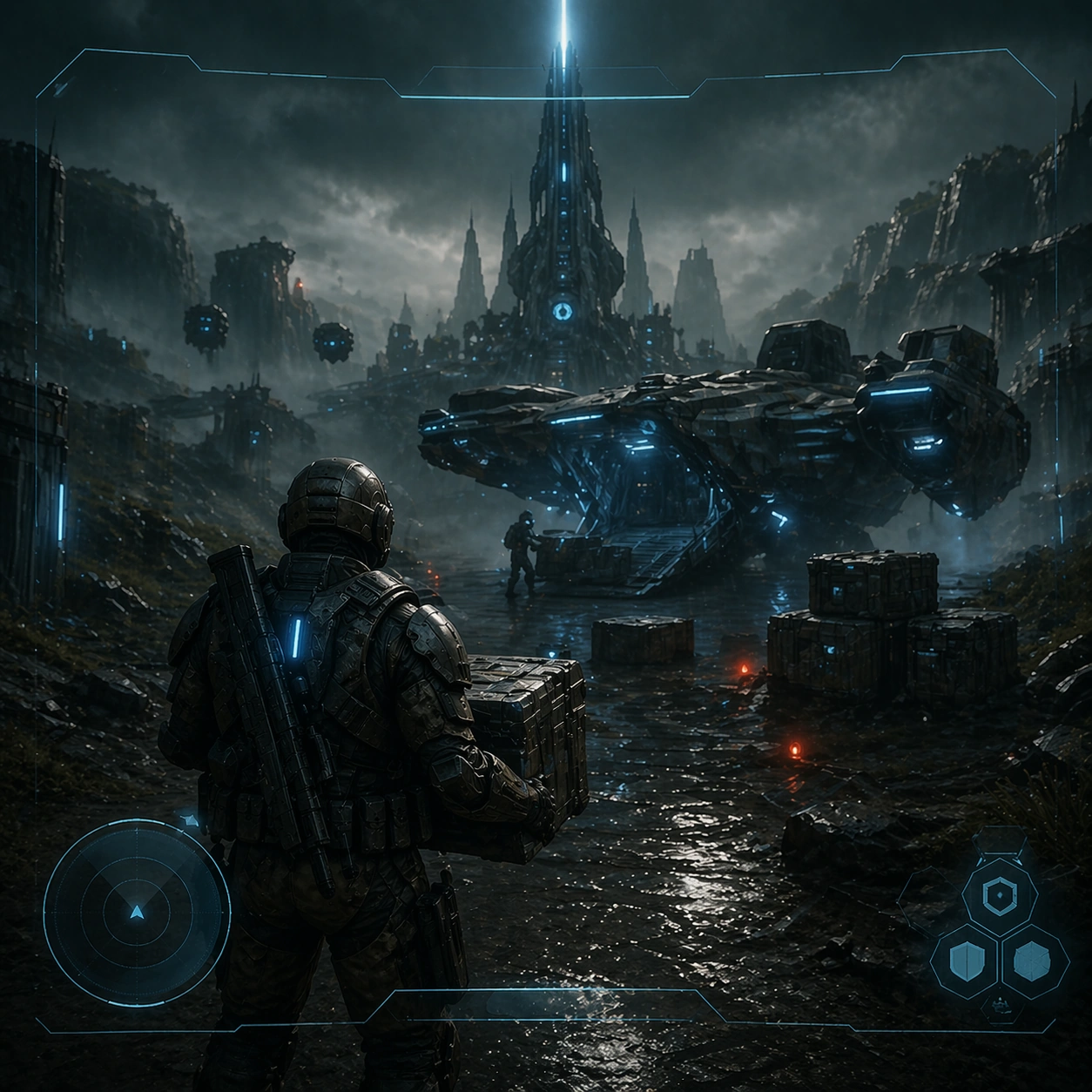
Scene: A square premium key-art frame built for a reference-dependent production series. Stage the same mission at extraction or loot recovery with heightened tension but stable readability with controlled lighting, clear silhouette separation, and a camera setup that feels deliberate enough for campaign reuse. The composition should carry strong focal hierarchy, believable depth, and polished surface behavior while still staying stable enough to support downstream dependent variations. Subject: Center the image on the same mission at extraction or loot recovery with heightened tension but stable readability. The result should feel like a concrete, shippable asset for Mission Gameplay Screenshot Sequence, not a generic fantasy render. Build the subject with layered materials, stable anatomy or engineering logic, and enough specificity that later images can inherit the same underlying identity. Preserve the same mission environment, player-facing viewpoint logic, HUD language, and objective flow from the reference gameplay screen from the reference image while changing only what this variation needs. The viewer should immediately understand what is being preserved across the sequence and what is changing in this particular beat. Important details: keep the gameplay feel authentic and spatially coherent instead of overproduced. Make continuity explicit through repeatable shape language, proportion control, and a coherent palette system. Changes in pose, angle, mood, rarity, weather, or layout should still feel downstream of one stable source. Avoid clutter that would confuse reference use. Any interface-like blocks or graphic surfaces must remain abstract and unreadable. Keep the image polished, original, and suitable for both gallery display and production review. Use case: Mission Gameplay Screenshot Sequence series study 4/4, focused on loot extract screen. Constraints: No readable text, no watermark, no logos, preserve exact 1:1 aspect ratio, no fake rarity popups, no posterized VFX, no broken continuity, no off-model redesign, no accidental franchise resemblance.

Example generated from “Mission Gameplay Screenshot Sequence — Post Fight Calm Screen”
GPT Image 2en

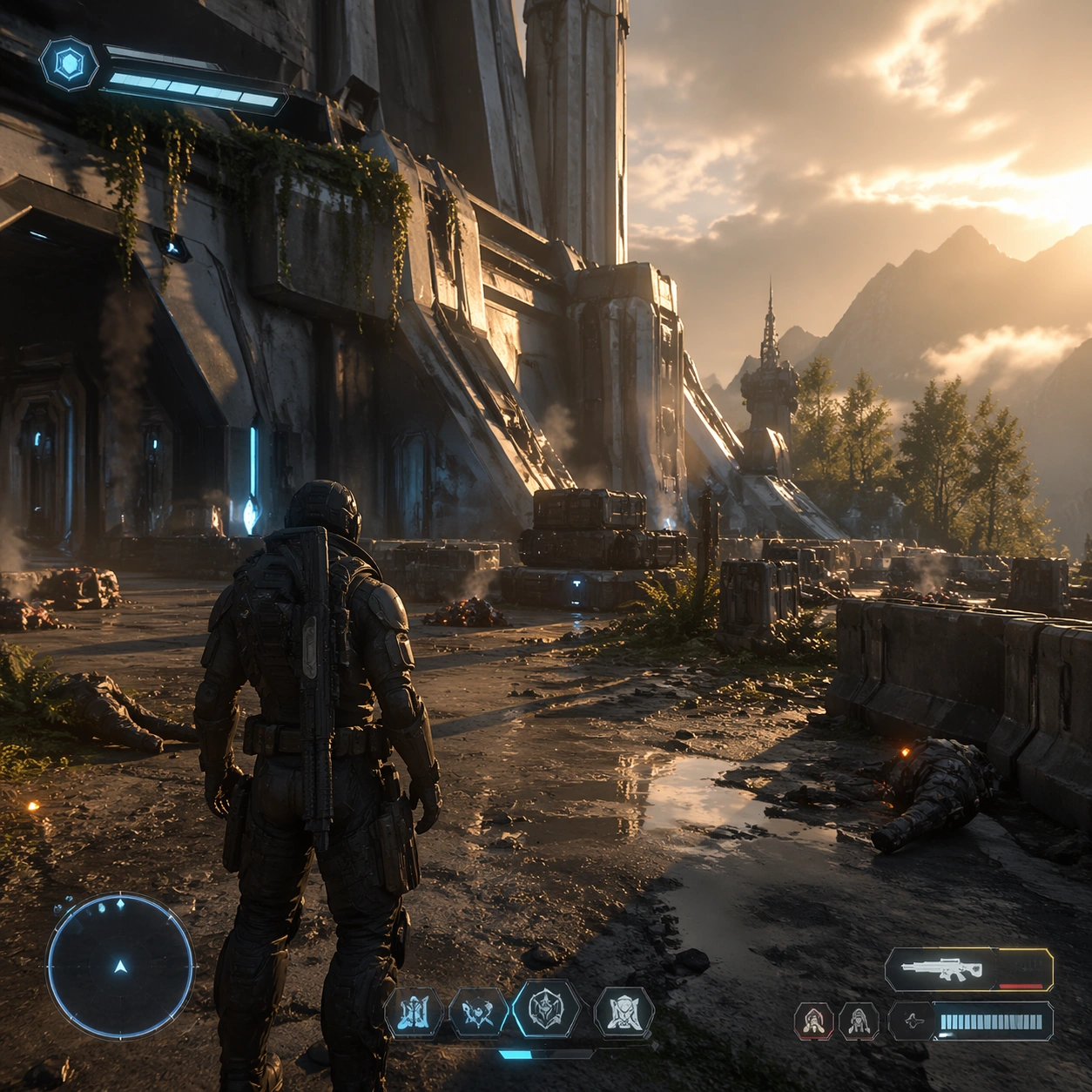
Scene: A square production-ready image designed for a game-art review wall and a commercial gallery at the same time. Frame a quieter gameplay frame immediately after combat where the mission world can breathe with disciplined lighting, clean edge separation, and enough surrounding context to prove how the asset would behave in a real product surface. The camera, crop, and tonal balance should feel intentional rather than generic, with high readability at first glance and convincing material response under closer inspection. Subject: Center the study on a quieter gameplay frame immediately after combat where the mission world can breathe. Translate the topic into a concrete, shippable visual statement instead of a loose mood board. Build layered object relationships, believable surface finish, and strong silhouette grouping so the image reads immediately as part of Mission Gameplay Screenshot Sequence. The subject should feel made for a live game pipeline: useful in store, UI, campaign, or art-review contexts, with visual hierarchy strong enough to survive aggressive cropping. Important details: the image should still look captured from play, with residual HUD and environmental consequence. Keep every supporting element subordinate to the main read, and make category separation obvious through form, color zoning, depth, and material logic rather than words. Where panels, cards, badges, or interface blocks appear, they must look professionally structured but remain unreadable. The visual language should feel premium, original, and coherent across this package, with no filler clutter and no accidental resemblance to a specific shipped game IP. Use case: Mission Gameplay Screenshot Sequence single study 1/5, focused on post fight calm screen. Constraints: No readable text, no watermark, no logos, preserve exact 1:1 aspect ratio, no victory text, no scenic matte painting feel, no broken hierarchy, no generic stock-photo staging, no accidental UI gibberish.

Example generated from “Mission Gameplay Screenshot Sequence — HUD Clarity Study”
GPT Image 2en

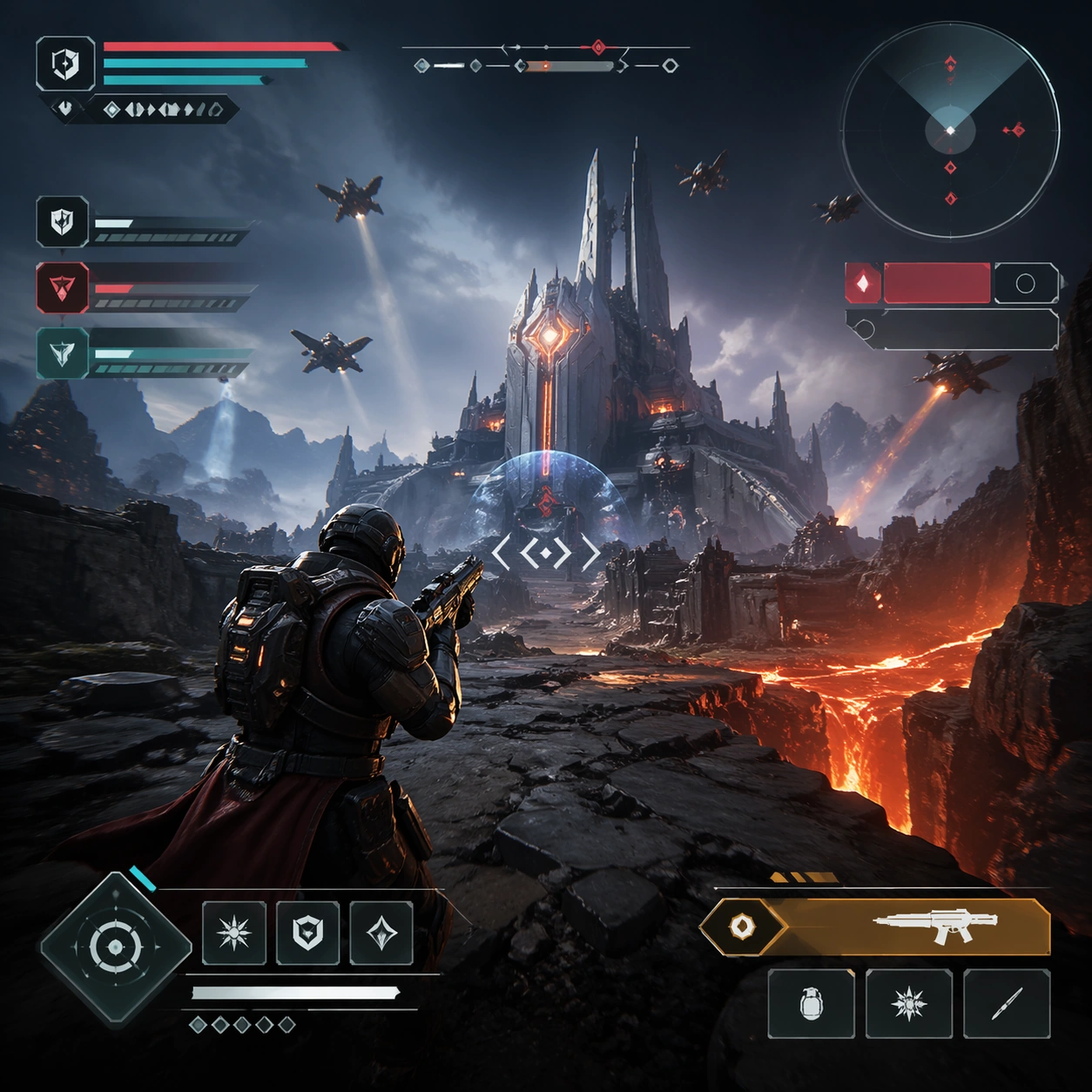
Scene: A square production-ready image designed for a game-art review wall and a commercial gallery at the same time. Frame a HUD-focused screenshot study proving that interface layering supports action readability with disciplined lighting, clean edge separation, and enough surrounding context to prove how the asset would behave in a real product surface. The camera, crop, and tonal balance should feel intentional rather than generic, with high readability at first glance and convincing material response under closer inspection. Subject: Center the study on a HUD-focused screenshot study proving that interface layering supports action readability. Translate the topic into a concrete, shippable visual statement instead of a loose mood board. Build layered object relationships, believable surface finish, and strong silhouette grouping so the image reads immediately as part of Mission Gameplay Screenshot Sequence. The subject should feel made for a live game pipeline: useful in store, UI, campaign, or art-review contexts, with visual hierarchy strong enough to survive aggressive cropping. Important details: treat the UI as abstract shapes and bars without any legible copy. Keep every supporting element subordinate to the main read, and make category separation obvious through form, color zoning, depth, and material logic rather than words. Where panels, cards, badges, or interface blocks appear, they must look professionally structured but remain unreadable. The visual language should feel premium, original, and coherent across this package, with no filler clutter and no accidental resemblance to a specific shipped game IP. Use case: Mission Gameplay Screenshot Sequence single study 2/5, focused on hud clarity study. Constraints: No readable text, no watermark, no logos, preserve exact 1:1 aspect ratio, no readable quest text, no numbers, no broken hierarchy, no generic stock-photo staging, no accidental UI gibberish.

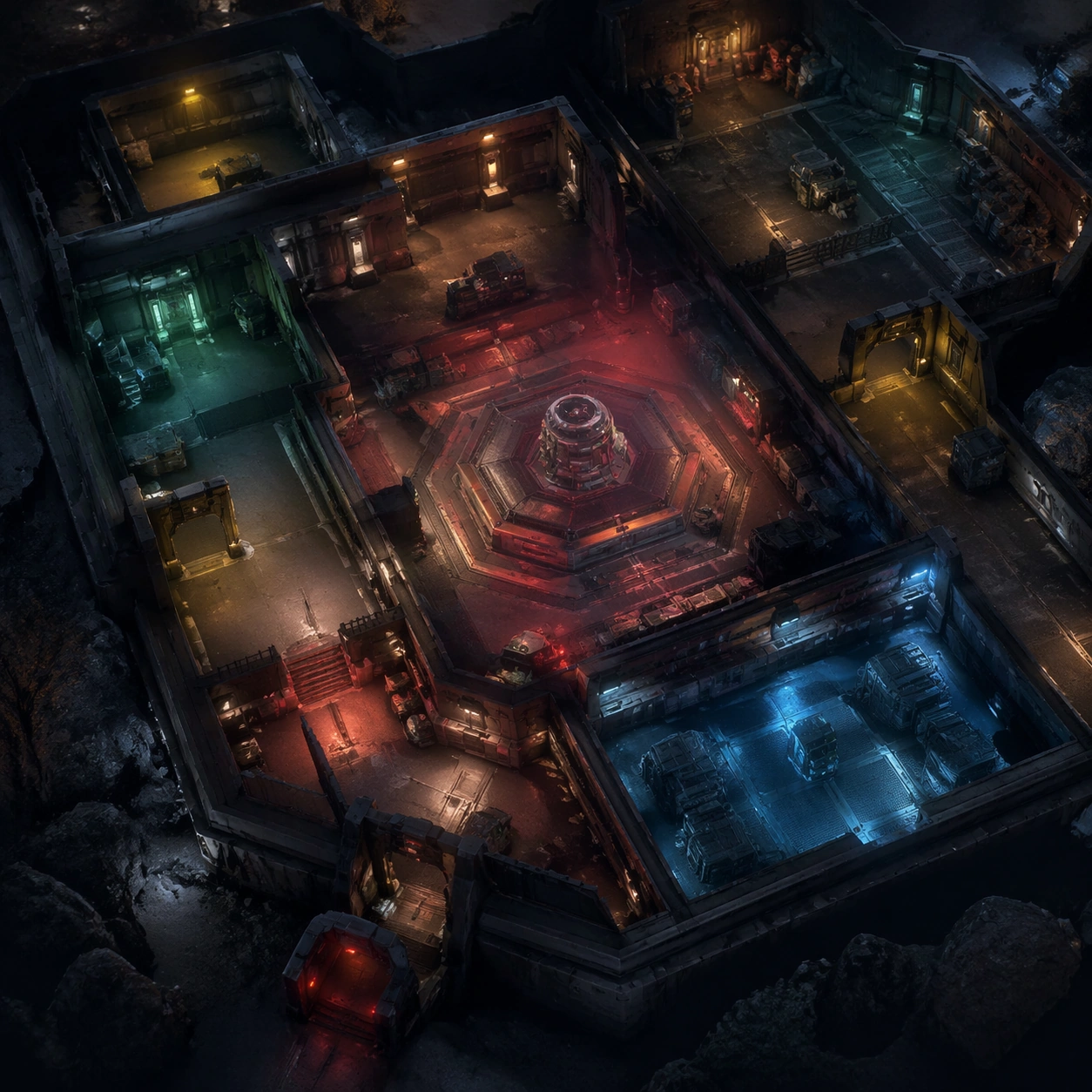
Example generated from “Mission Gameplay Screenshot Sequence — Objective Room Overview”
GPT Image 2en

Scene: A square production-ready image designed for a game-art review wall and a commercial gallery at the same time. Frame a room overview frame centered on the objective space and player route options with disciplined lighting, clean edge separation, and enough surrounding context to prove how the asset would behave in a real product surface. The camera, crop, and tonal balance should feel intentional rather than generic, with high readability at first glance and convincing material response under closer inspection. Subject: Center the study on a room overview frame centered on the objective space and player route options. Translate the topic into a concrete, shippable visual statement instead of a loose mood board. Build layered object relationships, believable surface finish, and strong silhouette grouping so the image reads immediately as part of Mission Gameplay Screenshot Sequence. The subject should feel made for a live game pipeline: useful in store, UI, campaign, or art-review contexts, with visual hierarchy strong enough to survive aggressive cropping. Important details: the geometry should explain tactics at a glance while staying screenshot-real. Keep every supporting element subordinate to the main read, and make category separation obvious through form, color zoning, depth, and material logic rather than words. Where panels, cards, badges, or interface blocks appear, they must look professionally structured but remain unreadable. The visual language should feel premium, original, and coherent across this package, with no filler clutter and no accidental resemblance to a specific shipped game IP. Use case: Mission Gameplay Screenshot Sequence single study 3/5, focused on objective room overview. Constraints: No readable text, no watermark, no logos, preserve exact 1:1 aspect ratio, no arrows, no labels, no broken hierarchy, no generic stock-photo staging, no accidental UI gibberish.

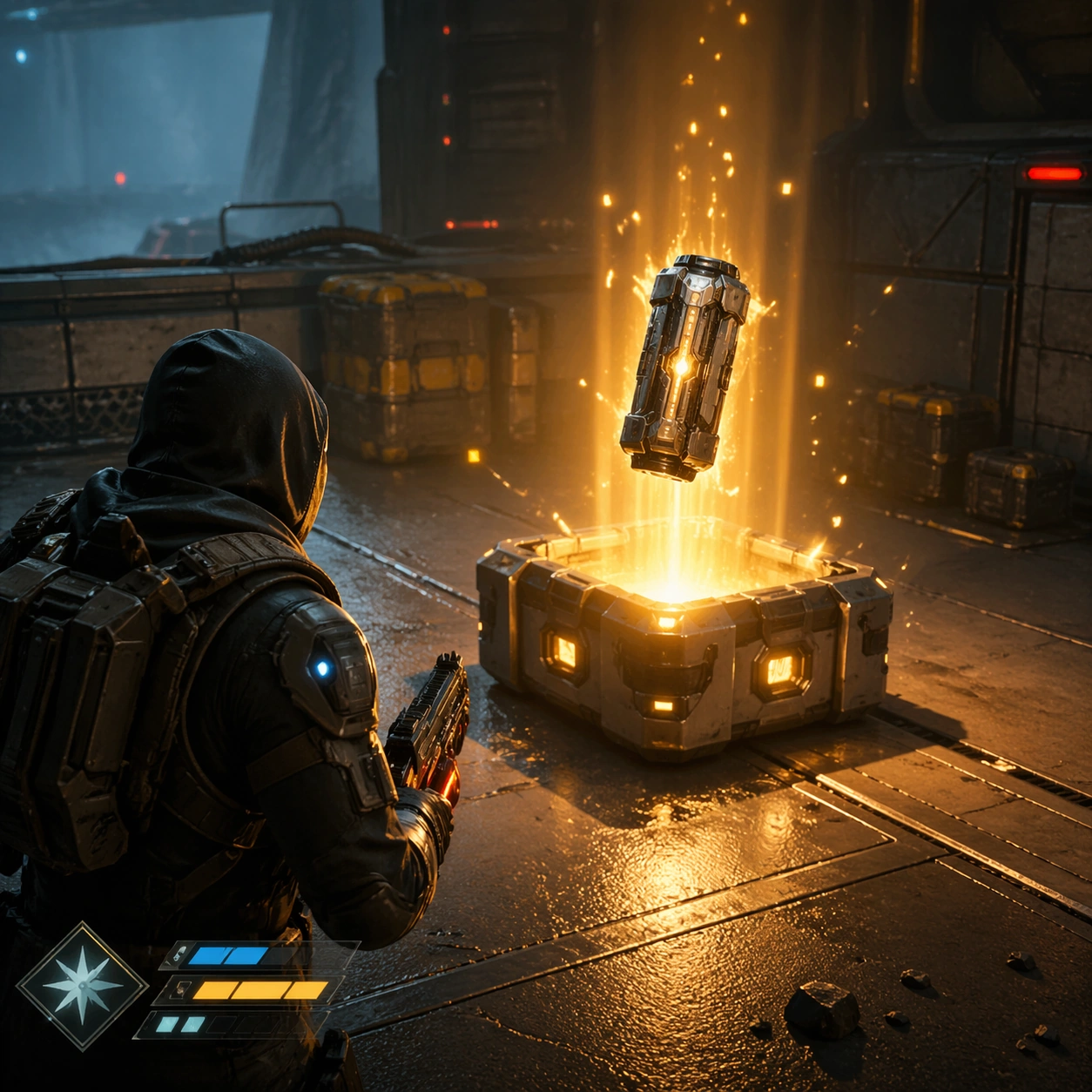
Example generated from “Mission Gameplay Screenshot Sequence — Loot Highlight Crop”
GPT Image 2en

Scene: A square production-ready image designed for a game-art review wall and a commercial gallery at the same time. Frame a tighter gameplay crop focused on a reward pickup inside a believable mission frame with disciplined lighting, clean edge separation, and enough surrounding context to prove how the asset would behave in a real product surface. The camera, crop, and tonal balance should feel intentional rather than generic, with high readability at first glance and convincing material response under closer inspection. Subject: Center the study on a tighter gameplay crop focused on a reward pickup inside a believable mission frame. Translate the topic into a concrete, shippable visual statement instead of a loose mood board. Build layered object relationships, believable surface finish, and strong silhouette grouping so the image reads immediately as part of Mission Gameplay Screenshot Sequence. The subject should feel made for a live game pipeline: useful in store, UI, campaign, or art-review contexts, with visual hierarchy strong enough to survive aggressive cropping. Important details: reward desire should come from lighting and framing, not from text or giant UI splash. Keep every supporting element subordinate to the main read, and make category separation obvious through form, color zoning, depth, and material logic rather than words. Where panels, cards, badges, or interface blocks appear, they must look professionally structured but remain unreadable. The visual language should feel premium, original, and coherent across this package, with no filler clutter and no accidental resemblance to a specific shipped game IP. Use case: Mission Gameplay Screenshot Sequence single study 4/5, focused on loot highlight crop. Constraints: No readable text, no watermark, no logos, preserve exact 1:1 aspect ratio, no readable rarity words, no price cues, no broken hierarchy, no generic stock-photo staging, no accidental UI gibberish.

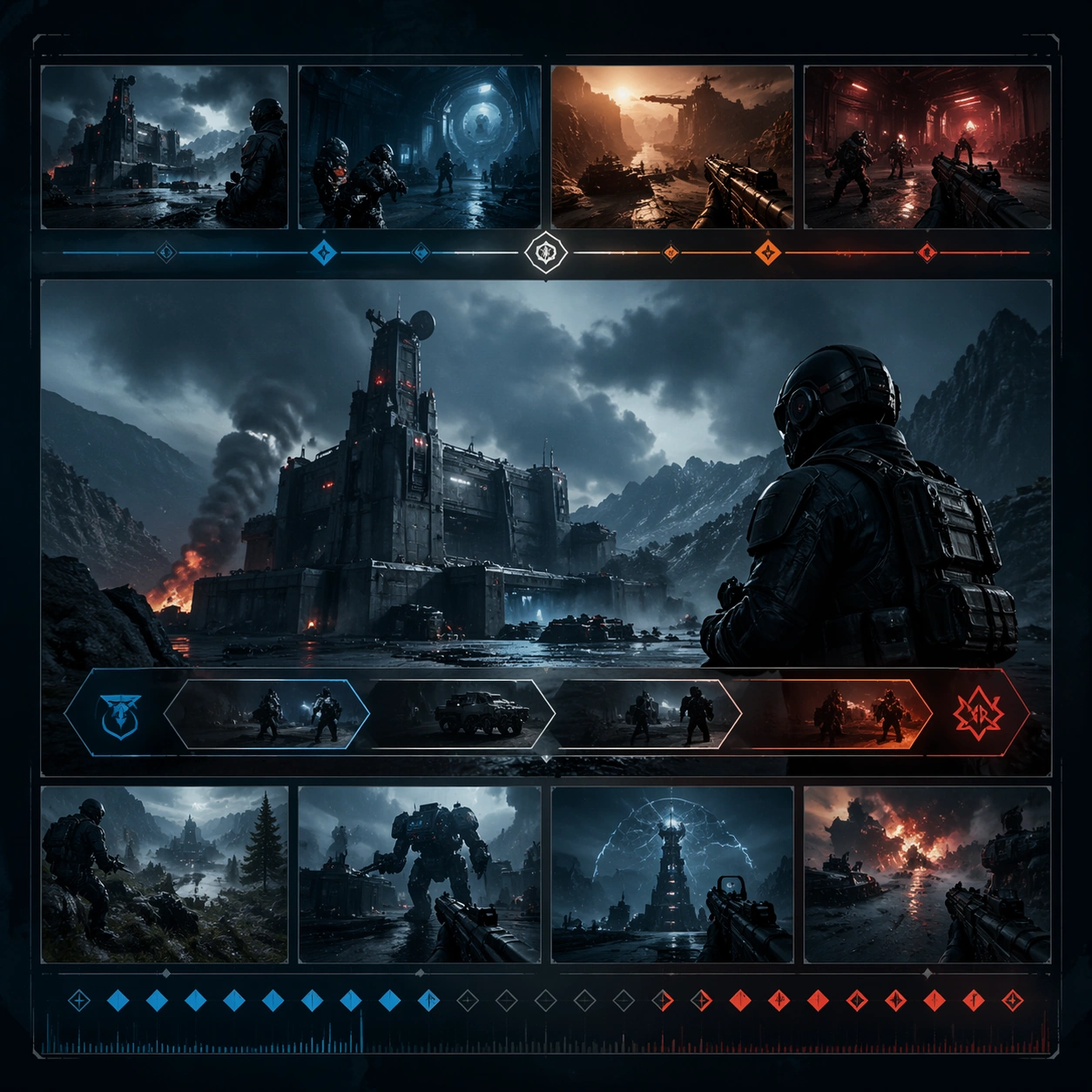
Example generated from “Mission Gameplay Screenshot Sequence — Mission Recap Poster”
GPT Image 2en

Scene: A square production-ready image designed for a game-art review wall and a commercial gallery at the same time. Frame a recap-style poster composed from gameplay still language rather than pure key art with disciplined lighting, clean edge separation, and enough surrounding context to prove how the asset would behave in a real product surface. The camera, crop, and tonal balance should feel intentional rather than generic, with high readability at first glance and convincing material response under closer inspection. Subject: Center the study on a recap-style poster composed from gameplay still language rather than pure key art. Translate the topic into a concrete, shippable visual statement instead of a loose mood board. Build layered object relationships, believable surface finish, and strong silhouette grouping so the image reads immediately as part of Mission Gameplay Screenshot Sequence. The subject should feel made for a live game pipeline: useful in store, UI, campaign, or art-review contexts, with visual hierarchy strong enough to survive aggressive cropping. Important details: the layout should feel built from captured play moments with strong authenticity. Keep every supporting element subordinate to the main read, and make category separation obvious through form, color zoning, depth, and material logic rather than words. Where panels, cards, badges, or interface blocks appear, they must look professionally structured but remain unreadable. The visual language should feel premium, original, and coherent across this package, with no filler clutter and no accidental resemblance to a specific shipped game IP. Use case: Mission Gameplay Screenshot Sequence single study 5/5, focused on mission recap poster. Constraints: No readable text, no watermark, no logos, preserve exact 1:1 aspect ratio, no typography blocks, no logos, no broken hierarchy, no generic stock-photo staging, no accidental UI gibberish.

Example generated from “Molecular Gastronomy Lab — Lab Spoon Anchor”
GPT Image 2en

Scene: Create a square studio photograph on a white laboratory bench or brushed steel prep surface, lit with cool overhead light and crisp backlight that gives transparent ingredients a scientific presence. The composition should feel clinical and premium at once, with careful reflections on glass, faint low vapor, and enough negative space to keep the experiment-like staging legible. Nothing should feel messy or improvised. Place the hero setup on a spotless white bench with one clear glass spoon centered over a subtle brushed-steel insert, while thin vapor drifts low across the surface. The light should create crisp edges in the glass and a luminous halo through the translucent sphere without flattening the whites. Subject: Center one deep red liquid sphere resting in a clear spoon, with a small scatter of colorless gel pearls nearby and a restrained plume of cold vapor wrapping behind it. Include one elegant beaker and one slender pipette out of focus in the rear plane purely as environmental context. The result should feel like a plated experiment reduced to its most iconic form. Important details: Make every transparent or semi-transparent material physically convincing: gels, sugar glass, vapor, condensation, foam, and liquid membranes all need distinct behavior. The scene should suggest a chef-scientist workflow, where precision plating meets controlled experimentation. Abstract annotation devices are acceptable only as blank bars, etched marks, or geometry with no readable characters. This first image establishes the studio logic for later variations, so the bench height, reflection pattern, color temperature, and vapor behavior must feel precise and repeatable. The sphere membrane should look thin yet intact, with believable surface tension and internal refraction rather than a generic glossy ball. Use case: Molecular gastronomy lab series study 1/9, establishing the laboratory plating anchor. Constraints: No readable text, no watermark, no logos, preserve exact 1:1 aspect ratio, no handwritten formulas, no visible brand labware, no classroom clutter, no sloppy spills, no cartoon science props, no readable measurement markings, no colored plastic tools, no bubbling soda look.

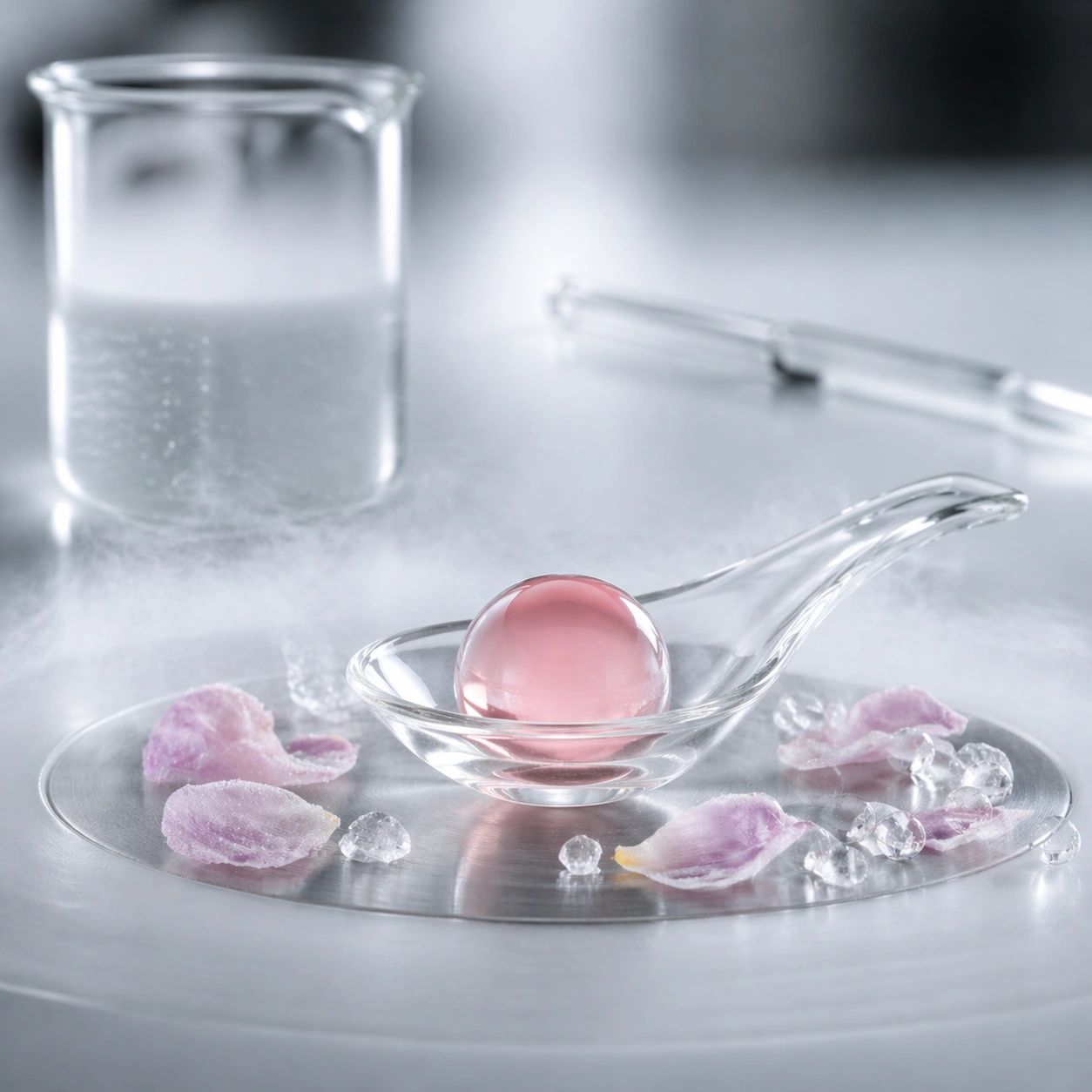
Example generated from “Molecular Gastronomy Lab — Nitrogen Petal Sphere”
GPT Image 2en

Scene: Create a square studio photograph on a white laboratory bench or brushed steel prep surface, lit with cool overhead light and crisp backlight that gives transparent ingredients a scientific presence. The composition should feel clinical and premium at once, with careful reflections on glass, faint low vapor, and enough negative space to keep the experiment-like staging legible. Nothing should feel messy or improvised. Keep the exact bench perspective, spoon placement family, reflection discipline, and cool color temperature from the reference image so the scene clearly belongs to the same lab series. The low vapor should stay controlled and gravity-aware, sliding across the bench instead of billowing upward like stage fog. Subject: Present a pale rose-colored sphere resting in a chilled spoon, surrounded by frozen edible petals and tiny translucent ice shards. A narrow ribbon of vapor should wrap around the spoon bowl, while a clear flask with colorless liquid sits softly blurred in the background. The dish should feel floral and delicate, yet still clinically engineered. Important details: Make every transparent or semi-transparent material physically convincing: gels, sugar glass, vapor, condensation, foam, and liquid membranes all need distinct behavior. The scene should suggest a chef-scientist workflow, where precision plating meets controlled experimentation. Abstract annotation devices are acceptable only as blank bars, etched marks, or geometry with no readable characters. Preserve exact bench geometry, lens height, and lighting family from the reference model while only changing the sphere color, garnish family, and cryogenic accents. Frozen petals must look fragile and crisp, and the vapor should read as cold dense gas sinking along the surface. Use case: Molecular gastronomy lab series study 2/9, translating the anchor setup into a floral cryogenic experiment. Constraints: No readable text, no watermark, no logos, preserve exact 1:1 aspect ratio, no handwritten formulas, no visible brand labware, no classroom clutter, no sloppy spills, no cartoon science props, no theatrical dry-ice cloud explosion, no warm candlelight, no messy petal pile.
Example generated from “Molecular Gastronomy Lab — Smoke Dome Cocktail”
GPT Image 2en

Scene: Create a square studio photograph on a white laboratory bench or brushed steel prep surface, lit with cool overhead light and crisp backlight that gives transparent ingredients a scientific presence. The composition should feel clinical and premium at once, with careful reflections on glass, faint low vapor, and enough negative space to keep the experiment-like staging legible. Nothing should feel messy or improvised. Maintain the same bench height, negative-space rhythm, and clean reflection structure from the anchor image, but let a glass cloche become the hero object. The light should stay cool and surgical, with the smoke visible as a delicate semi-transparent volume rather than a dense opaque cloud. Subject: Show a compact amber cocktail under a lifted glass dome, with one large faceted ice piece inside the drink and a measured twist of citrus poised on the rim. Nearby, place a steel smoking wand tip and a tiny dish of aromatic wood chips as secondary cues, both arranged with laboratory precision. The scene should feel part bar program, part controlled experiment. Important details: Make every transparent or semi-transparent material physically convincing: gels, sugar glass, vapor, condensation, foam, and liquid membranes all need distinct behavior. The scene should suggest a chef-scientist workflow, where precision plating meets controlled experimentation. Abstract annotation devices are acceptable only as blank bars, etched marks, or geometry with no readable characters. Preserve exact bench geometry, camera height, and cold studio language from the reference model while shifting the hero vessel from spoon to cloche. The ice should show trapped bubbles and fine clarity, and the smoke needs believable gradation from dense core to transparent edge. Use case: Molecular gastronomy lab series study 3/9, extending the anchor system into smoke and glass mechanics. Constraints: No readable text, no watermark, no logos, preserve exact 1:1 aspect ratio, no handwritten formulas, no visible brand labware, no classroom clutter, no sloppy spills, no cartoon science props, no rustic cocktail bar clutter, no readable labels on wood chips, no orange neon mood.

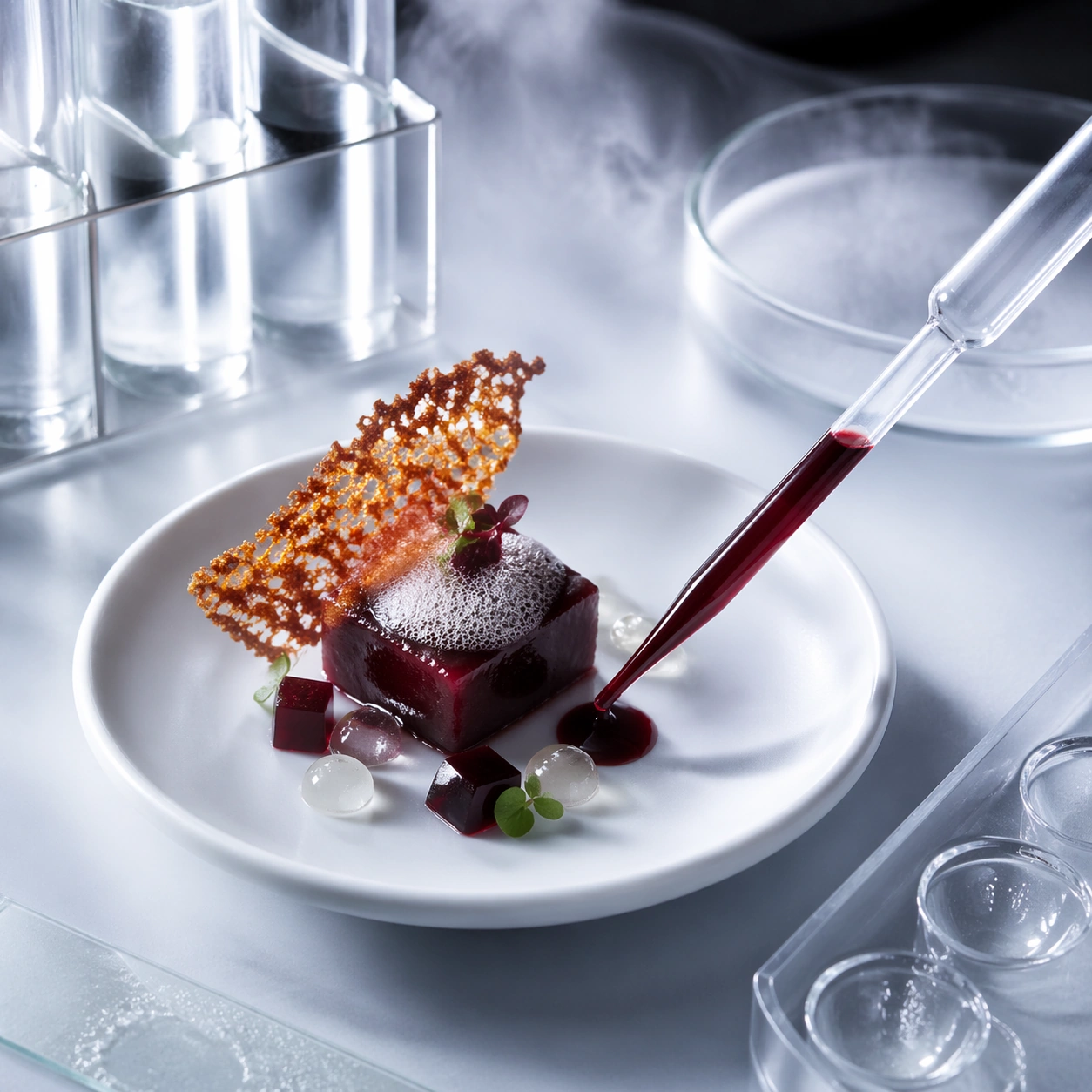
Example generated from “Molecular Gastronomy Lab — Foam Geode Dessert”
GPT Image 2en

Scene: Create a square studio photograph on a white laboratory bench or brushed steel prep surface, lit with cool overhead light and crisp backlight that gives transparent ingredients a scientific presence. The composition should feel clinical and premium at once, with careful reflections on glass, faint low vapor, and enough negative space to keep the experiment-like staging legible. Nothing should feel messy or improvised. Use the same clean bench, cool reflections, and measured backlight from the reference image, with a shallow platform plate placed where the spoon previously established the composition. The white environment should remain pristine so the dessert can read as a designed scientific specimen rather than casual pastry. Subject: Build a small plated dessert from a glossy gel cube, a pale aerated foam ridge, scattered sugar crystals, and a thin transparent tuile that feels almost engineered. Add one clear pipette containing a vivid reduction resting beside the plate, ready to dispense but not yet used. The dessert should feel fragile, technical, and highly controlled. Important details: Make every transparent or semi-transparent material physically convincing: gels, sugar glass, vapor, condensation, foam, and liquid membranes all need distinct behavior. The scene should suggest a chef-scientist workflow, where precision plating meets controlled experimentation. Abstract annotation devices are acceptable only as blank bars, etched marks, or geometry with no readable characters. Preserve exact bench geometry, camera height, negative-space ratio, and color temperature from the reference model while shifting into a plated dessert vocabulary. Foam must hold microscopic bubbles, crystals should catch the backlight with sharp edges, and the transparent tuile should have believable thickness and optical distortion. Use case: Molecular gastronomy lab series study 4/9, concluding the anchor system with a foam-and-crystal dessert. Constraints: No readable text, no watermark, no logos, preserve exact 1:1 aspect ratio, no handwritten formulas, no visible brand labware, no classroom clutter, no sloppy spills, no cartoon science props, no bakery coziness, no rainbow candy palette, no dripping sauces everywhere.

Example generated from “Molecular Gastronomy Lab — Hydrocolloid Pearl Array”
GPT Image 2en

Scene: Create a square studio photograph on a white laboratory bench or brushed steel prep surface, lit with cool overhead light and crisp backlight that gives transparent ingredients a scientific presence. The composition should feel clinical and premium at once, with careful reflections on glass, faint low vapor, and enough negative space to keep the experiment-like staging legible. Nothing should feel messy or improvised. Use a square macro composition on a white ceramic slab under cool side light, with the slab filling most of the frame and only a thin edge of background visible. The image should feel almost like a material test sheet, but still recognizably edible and luxurious. Subject: Arrange rows of edible pearls in graduated families: ruby red, amber gold, pale green, clear, and smoky violet, each with slight size variation and one opened pearl revealing liquid inside. Add a single small spoon and one pipette tip at the edge for scale. The pearls should feel like fragile engineered droplets rather than candy. Important details: Make every transparent or semi-transparent material physically convincing: gels, sugar glass, vapor, condensation, foam, and liquid membranes all need distinct behavior. The scene should suggest a chef-scientist workflow, where precision plating meets controlled experimentation. Abstract annotation devices are acceptable only as blank bars, etched marks, or geometry with no readable characters. Each pearl membrane needs distinct thickness, translucency, and surface tension, with internal liquid visibly refracting the light. The ordered array should feel like a chef testing material control, not like jewelry or craft beads. Use case: Molecular gastronomy lab single study 6/9, isolating spherification as a material array. Constraints: No readable text, no watermark, no logos, preserve exact 1:1 aspect ratio, no handwritten formulas, no visible brand labware, no classroom clutter, no sloppy spills, no cartoon science props, no rainbow toy colors, no plastic bead resemblance, no chaotic arrangement.

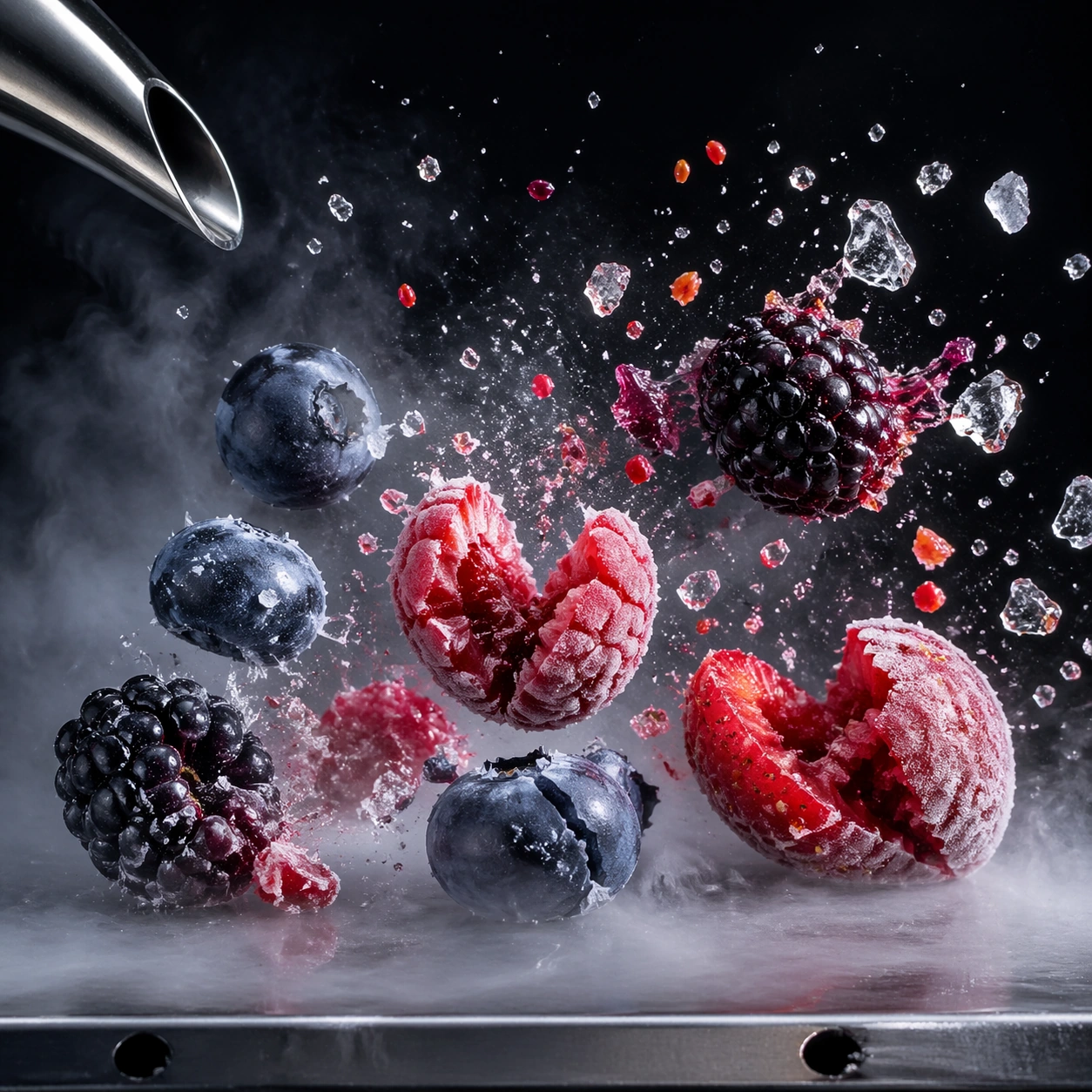
Example generated from “Molecular Gastronomy Lab — Cryogenic Berry Shatter”
GPT Image 2en

Scene: Create a square studio photograph on a white laboratory bench or brushed steel prep surface, lit with cool overhead light and crisp backlight that gives transparent ingredients a scientific presence. The composition should feel clinical and premium at once, with careful reflections on glass, faint low vapor, and enough negative space to keep the experiment-like staging legible. Nothing should feel messy or improvised. Create a square high-detail close-up on a dark neutral background with a cold backlight and precise flash that freezes fragments in midair. Low vapor should creep along the surface below, giving the scene a laboratory chill without obscuring the fracture details. Subject: Show several mixed berries at the instant of cracking after cryogenic treatment: skins splitting, icy sugar crystals lifting, and tiny seeds suspended in the break. Include one stainless pour lip at the frame edge to imply the source of the cold medium without showing a full container. The moment should feel scientifically exact, not explosive for spectacle alone. Important details: Make every transparent or semi-transparent material physically convincing: gels, sugar glass, vapor, condensation, foam, and liquid membranes all need distinct behavior. The scene should suggest a chef-scientist workflow, where precision plating meets controlled experimentation. Abstract annotation devices are acceptable only as blank bars, etched marks, or geometry with no readable characters. Prioritize brittle fracture patterns, cold vapor density, frost bloom, and wet-ice transitions where thaw has barely begun. The image should communicate both violence and precision, with every fragment still reading as edible fruit. Use case: Molecular gastronomy lab single study 7/9, focusing on cryogenic fracture behavior in fruit. Constraints: No readable text, no watermark, no logos, preserve exact 1:1 aspect ratio, no handwritten formulas, no visible brand labware, no classroom clutter, no sloppy spills, no cartoon science props, no fire effects, no generic splash shape, no syrupy jam texture.

Example generated from “Molecular Gastronomy Lab — Pipette Plating Study”
GPT Image 2en

Scene: Create a square studio photograph on a white laboratory bench or brushed steel prep surface, lit with cool overhead light and crisp backlight that gives transparent ingredients a scientific presence. The composition should feel clinical and premium at once, with careful reflections on glass, faint low vapor, and enough negative space to keep the experiment-like staging legible. Nothing should feel messy or improvised. Use a square three-quarter studio setup on a white bench with one shallow plate, cool directional light, and room for the tool to become a strong diagonal element. The atmosphere should feel sterile and premium rather than instructional. Subject: Place a minimalist plated dessert or savory bite on a small white dish, with a clear pipette hovering or resting beside it containing a deep jewel-toned reduction. Small gel cubes, one crisp tuile shard, and a faint vapor trace should complete the composition. The pipette should feel like an exact finishing instrument, not a gimmick. Important details: Make every transparent or semi-transparent material physically convincing: gels, sugar glass, vapor, condensation, foam, and liquid membranes all need distinct behavior. The scene should suggest a chef-scientist workflow, where precision plating meets controlled experimentation. Abstract annotation devices are acceptable only as blank bars, etched marks, or geometry with no readable characters. Make the liquid inside the pipette optically believable with meniscus, refraction, and slight tint variation. The supporting plate elements must remain disciplined so the viewer reads the relationship between tool, ingredient, and final plated precision. Use case: Molecular gastronomy lab single study 8/9, examining pipette-assisted plating as a hero device. Constraints: No readable text, no watermark, no logos, preserve exact 1:1 aspect ratio, no handwritten formulas, no visible brand labware, no classroom clutter, no sloppy spills, no cartoon science props, no readable markings on the pipette, no educational poster layout, no messy drips.

Example generated from “Molecular Gastronomy Lab — Glass Ravioli Specimen”
GPT Image 2en

Scene: Create a square studio photograph on a white laboratory bench or brushed steel prep surface, lit with cool overhead light and crisp backlight that gives transparent ingredients a scientific presence. The composition should feel clinical and premium at once, with careful reflections on glass, faint low vapor, and enough negative space to keep the experiment-like staging legible. Nothing should feel messy or improvised. Create a square museum-like specimen photograph on a white neutral field with crisp side light and a shadow gentle enough to show the shell thickness. The environment should feel quiet, controlled, and analytical, as though the dish is being documented before service. Subject: Show one translucent ravioli-like shell containing suspended herbs, pale broth gel, and a delicate edible flower fragment. Place a second cut-open shell beside it to reveal the internal layering and the thinness of the outer membrane. A minimal stainless tasting fork can sit off to one side as scale, but the shells remain the undisputed focus. Important details: Make every transparent or semi-transparent material physically convincing: gels, sugar glass, vapor, condensation, foam, and liquid membranes all need distinct behavior. The scene should suggest a chef-scientist workflow, where precision plating meets controlled experimentation. Abstract annotation devices are acceptable only as blank bars, etched marks, or geometry with no readable characters. The shell must feel edible and fragile, not plastic, with believable thickness variation, slight wrinkles, and optical distortion where it bends around the filling. Internal layers need to stay crisp enough to reward close study. Use case: Molecular gastronomy lab single study 9/9, documenting a transparent pasta specimen with scientific restraint. Constraints: No readable text, no watermark, no logos, preserve exact 1:1 aspect ratio, no handwritten formulas, no visible brand labware, no classroom clutter, no sloppy spills, no cartoon science props, no gummy candy look, no opaque dough texture, no decorative text panels.

Example generated from “Monumental Desert Arrival — Hovering Oval”
GPT Image 2en

Scene: A square widescale desert image centered on a massive geometric object descending, hovering, or emerging against sand, dust, and low sun. The atmosphere should feel physically dense, with suspended grit, long shadows, and distant heat haze describing the air around the event. Show a matte black oval vessel hovering a short distance above a flat dune basin, with dust lifting in a wide circular skirt around it. Subject: The main subject is an immense ship, ring, slab, wedge, or monolith whose scale dwarfs all human observers. People should appear as tiny clustered witnesses in the foreground or along ridgelines, included only to prove size and emotional awe. Five observers stand in the foreground ridge wrapped in desert gear, appearing tiny beneath the silent object. Important details: The signature is monumental restraint. Preserve simple geometry, huge negative space, believable dust behavior, and the quiet terror of proportion. Avoid flashy weapons, decorative alien ornament, bright science-fiction colors, or busy action hero staging. Keep the vessel surface nearly featureless so its scale and weight come from shadow and dust interaction alone. Use case: Monumental Desert Arrival single study 1/9. Constraints: No readable text, no watermark, no logos, preserve exact 1:1 aspect ratio, no logos, no readable markings on the object, no laser beams, no explosion fireballs, no crowded military hardware, no broken anatomy, no low-detail background, no accidental text fragments.

Example generated from “Monumental Desert Arrival — Rectangular Slab Descent”
GPT Image 2en

Scene: A square widescale desert image centered on a massive geometric object descending, hovering, or emerging against sand, dust, and low sun. The atmosphere should feel physically dense, with suspended grit, long shadows, and distant heat haze describing the air around the event. Use a colossal vertical slab lowering into a desert plain, casting a hard-edged shadow kilometers long across the sand. Subject: The main subject is an immense ship, ring, slab, wedge, or monolith whose scale dwarfs all human observers. People should appear as tiny clustered witnesses in the foreground or along ridgelines, included only to prove size and emotional awe. A small convoy of parked utility vehicles and a few standing scientists occupy the lower corner as a scale reference. Important details: The signature is monumental restraint. Preserve simple geometry, huge negative space, believable dust behavior, and the quiet terror of proportion. Avoid flashy weapons, decorative alien ornament, bright science-fiction colors, or busy action hero staging. The slab must feel brutally simple and heavy, with dust behaving naturally around its lower edge. Use case: Monumental Desert Arrival single study 2/9. Constraints: No readable text, no watermark, no logos, preserve exact 1:1 aspect ratio, no logos, no readable markings on the object, no laser beams, no explosion fireballs, no crowded military hardware, no broken anatomy, no low-detail background, no accidental text fragments.
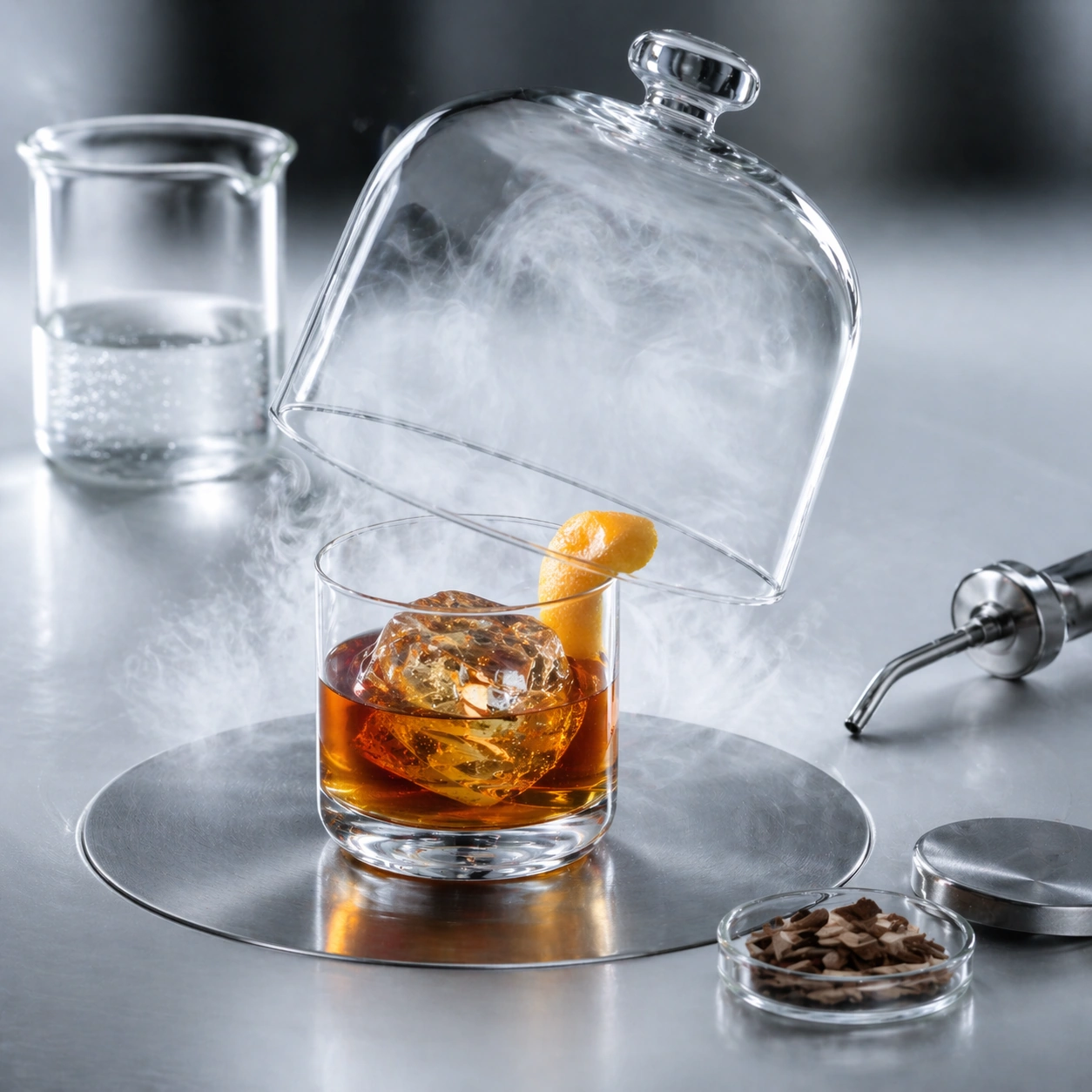
Example generated from “Monumental Desert Arrival — Ring Gate Arrival”
GPT Image 2en

Scene: A square widescale desert image centered on a massive geometric object descending, hovering, or emerging against sand, dust, and low sun. The atmosphere should feel physically dense, with suspended grit, long shadows, and distant heat haze describing the air around the event. Place a giant ring structure half-buried and half-hovering over a desert depression, with the inner void framing open sky. Subject: The main subject is an immense ship, ring, slab, wedge, or monolith whose scale dwarfs all human observers. People should appear as tiny clustered witnesses in the foreground or along ridgelines, included only to prove size and emotional awe. Tiny observers gather at the base while one dune buggy track leads the eye toward the ring. Important details: The signature is monumental restraint. Preserve simple geometry, huge negative space, believable dust behavior, and the quiet terror of proportion. Avoid flashy weapons, decorative alien ornament, bright science-fiction colors, or busy action hero staging. Use the empty center and the buried lower arc to suggest incomprehensible mass without ornate technology. Use case: Monumental Desert Arrival single study 3/9. Constraints: No readable text, no watermark, no logos, preserve exact 1:1 aspect ratio, no logos, no readable markings on the object, no laser beams, no explosion fireballs, no crowded military hardware, no broken anatomy, no low-detail background, no accidental text fragments.

Example generated from “Monumental Desert Arrival — Tilted Wedge Shadow”
GPT Image 2en

Scene: A square widescale desert image centered on a massive geometric object descending, hovering, or emerging against sand, dust, and low sun. The atmosphere should feel physically dense, with suspended grit, long shadows, and distant heat haze describing the air around the event. Compose a sharp wedge-shaped object resting at a slight angle over a salt flat, with dust streaming off one lower face in the wind. Subject: The main subject is an immense ship, ring, slab, wedge, or monolith whose scale dwarfs all human observers. People should appear as tiny clustered witnesses in the foreground or along ridgelines, included only to prove size and emotional awe. Three researchers and a line of measuring tripods appear tiny at the front edge, nearly erased by the huge shadow. Important details: The signature is monumental restraint. Preserve simple geometry, huge negative space, believable dust behavior, and the quiet terror of proportion. Avoid flashy weapons, decorative alien ornament, bright science-fiction colors, or busy action hero staging. The wedge should look purposeful but unreadable, like a single statement in geometry and silence. Use case: Monumental Desert Arrival single study 4/9. Constraints: No readable text, no watermark, no logos, preserve exact 1:1 aspect ratio, no logos, no readable markings on the object, no laser beams, no explosion fireballs, no crowded military hardware, no broken anatomy, no low-detail background, no accidental text fragments.
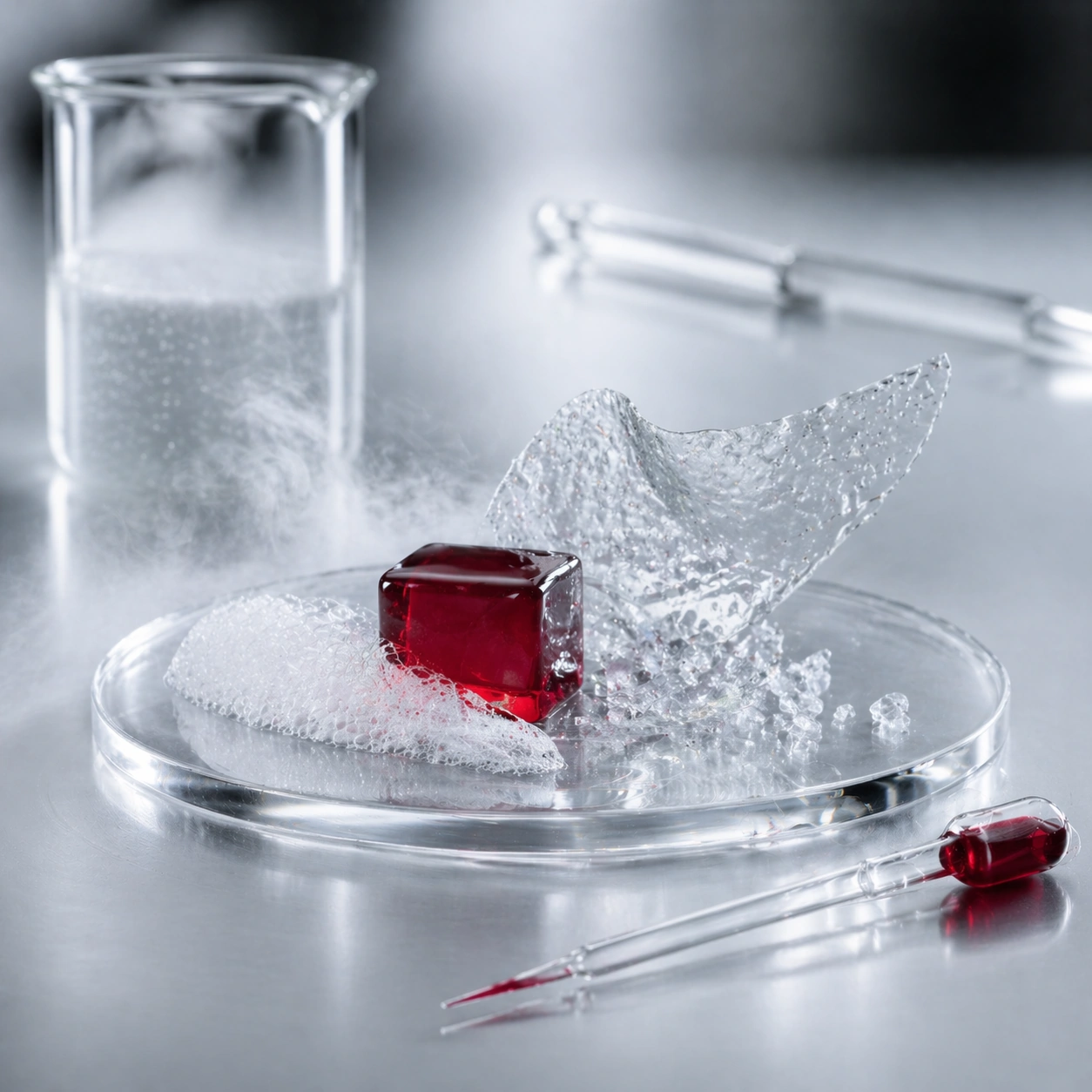
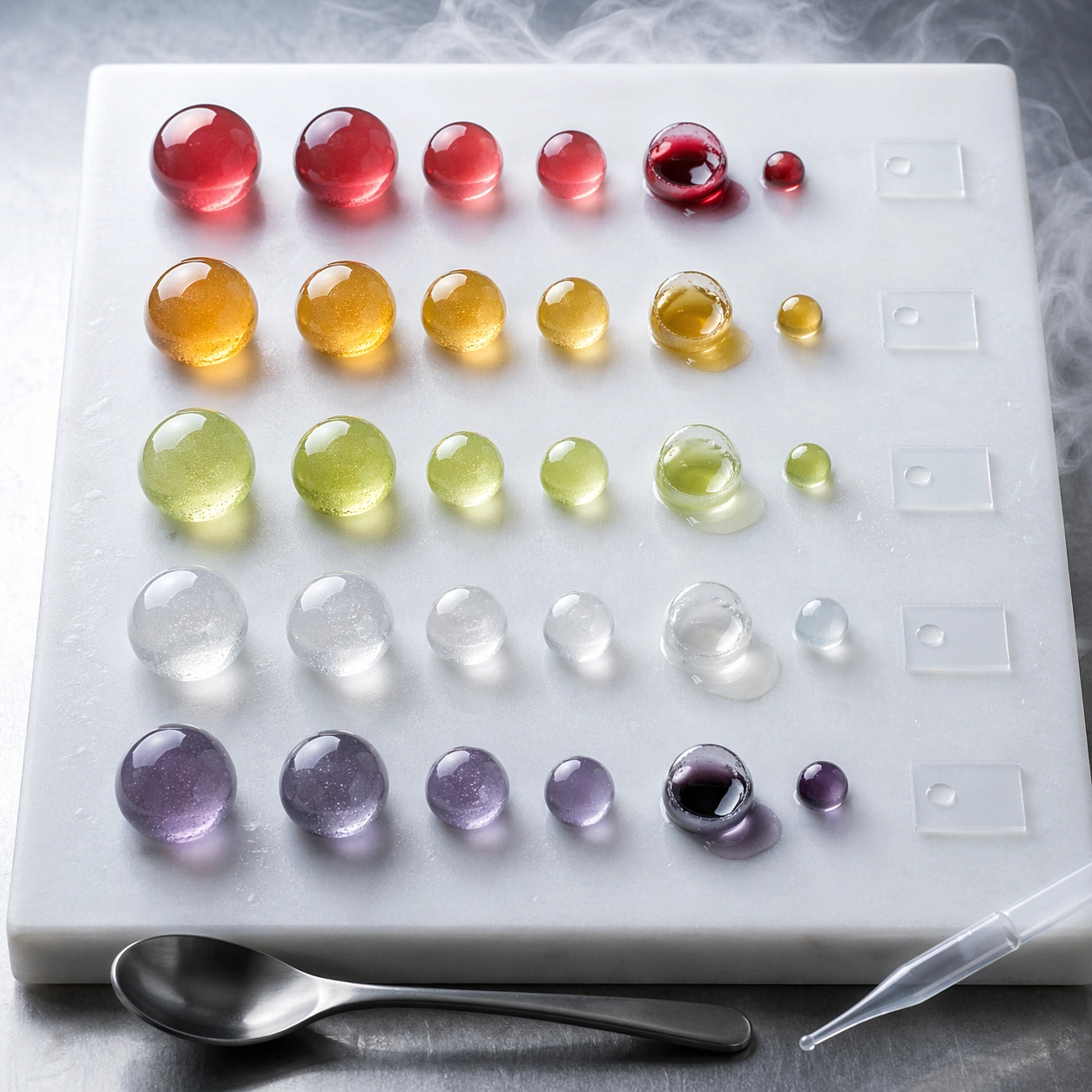
Example generated from “Monumental Desert Arrival — Buried Arc”
GPT Image 2en

Scene: A square widescale desert image centered on a massive geometric object descending, hovering, or emerging against sand, dust, and low sun. The atmosphere should feel physically dense, with suspended grit, long shadows, and distant heat haze describing the air around the event. Show only part of an immense curved arc emerging from a dune sea at sunrise, with the rest implied beneath the sand. Subject: The main subject is an immense ship, ring, slab, wedge, or monolith whose scale dwarfs all human observers. People should appear as tiny clustered witnesses in the foreground or along ridgelines, included only to prove size and emotional awe. A tiny human chain walks along the crest toward the arc, their spacing underscoring distance and scale. Important details: The signature is monumental restraint. Preserve simple geometry, huge negative space, believable dust behavior, and the quiet terror of proportion. Avoid flashy weapons, decorative alien ornament, bright science-fiction colors, or busy action hero staging. Let the arrival feel archaeological and fresh at the same time, as if the desert just exhaled the object into view. Use case: Monumental Desert Arrival single study 5/9. Constraints: No readable text, no watermark, no logos, preserve exact 1:1 aspect ratio, no logos, no readable markings on the object, no laser beams, no explosion fireballs, no crowded military hardware, no broken anatomy, no low-detail background, no accidental text fragments.