原文
GPT Image 2 · en
Scene:
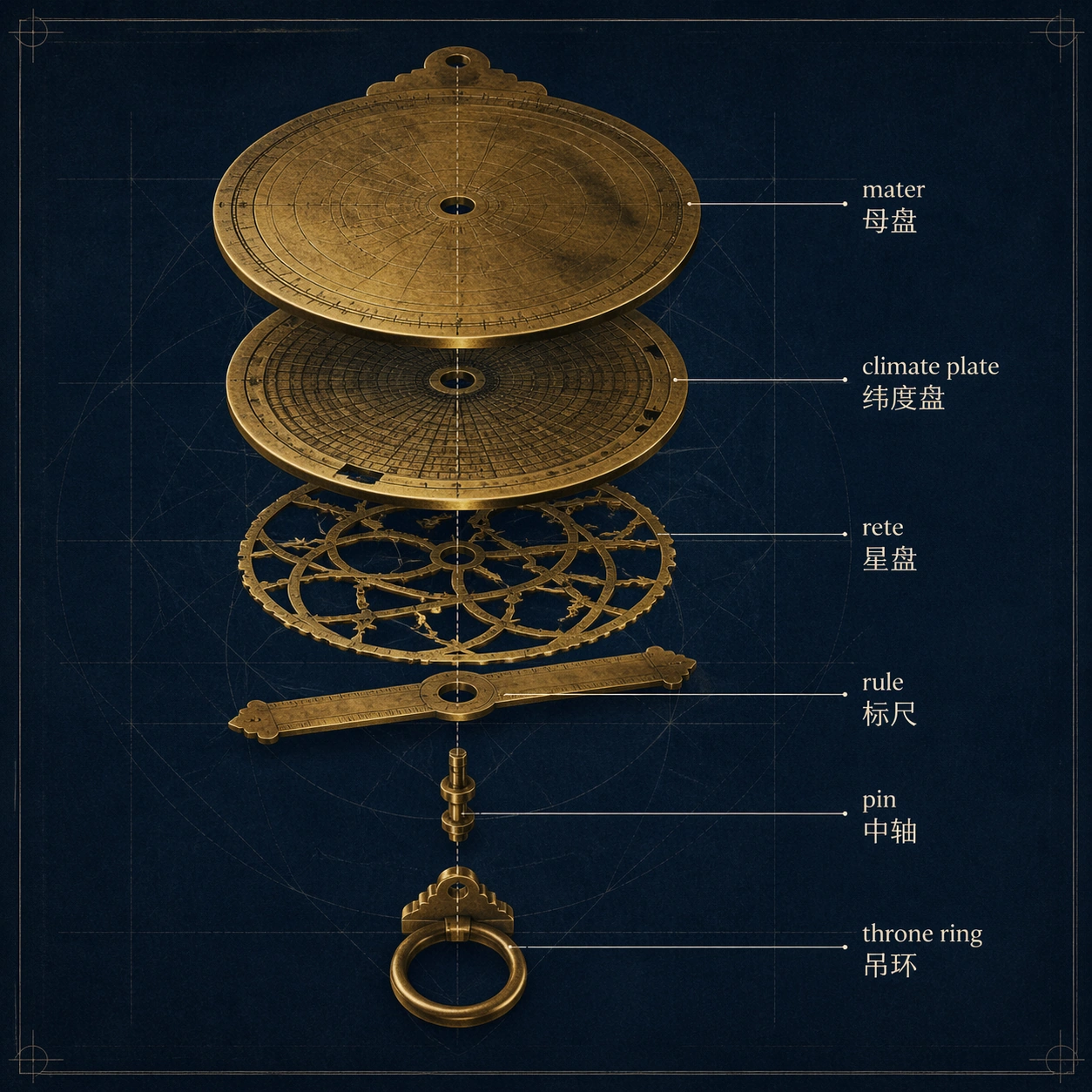
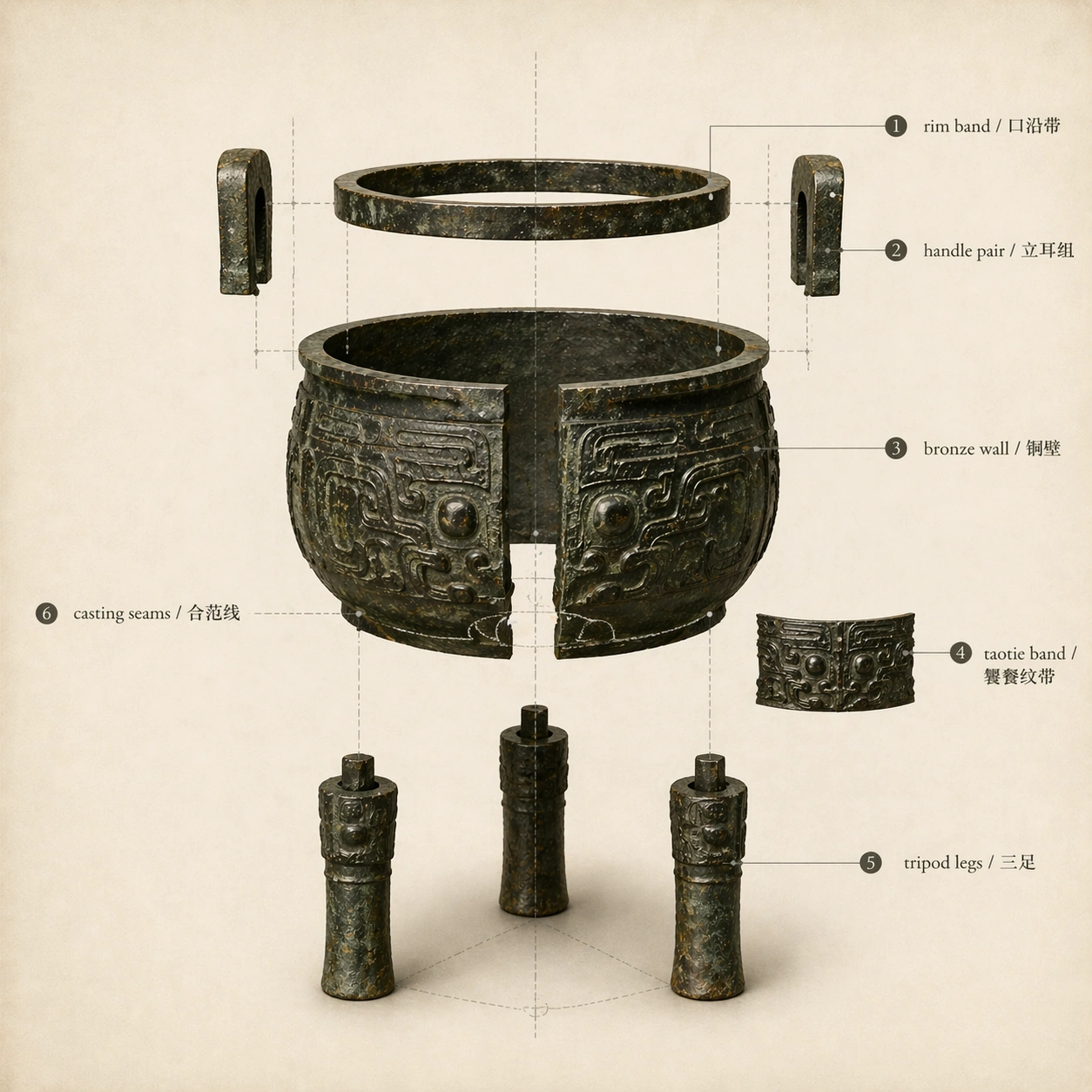
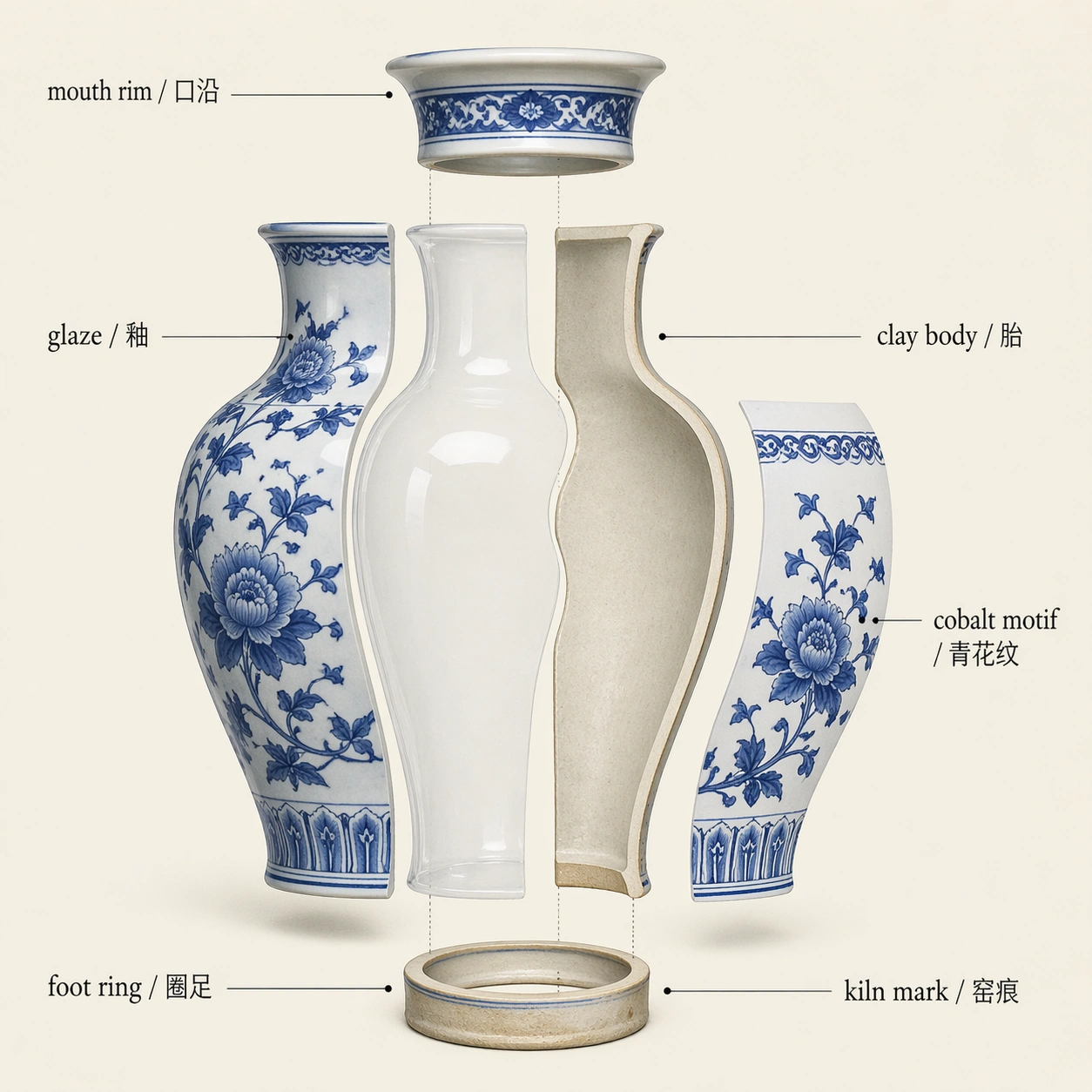
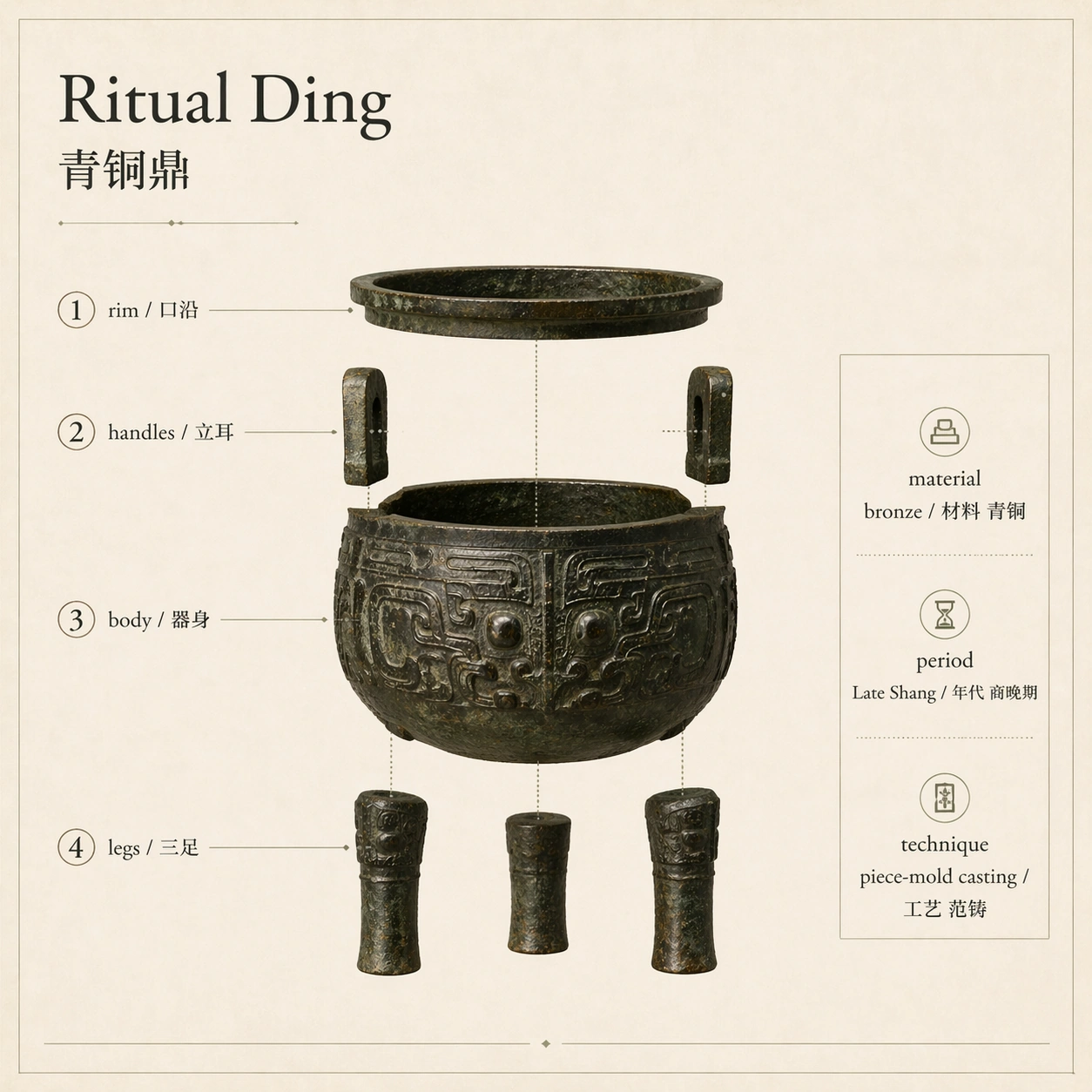
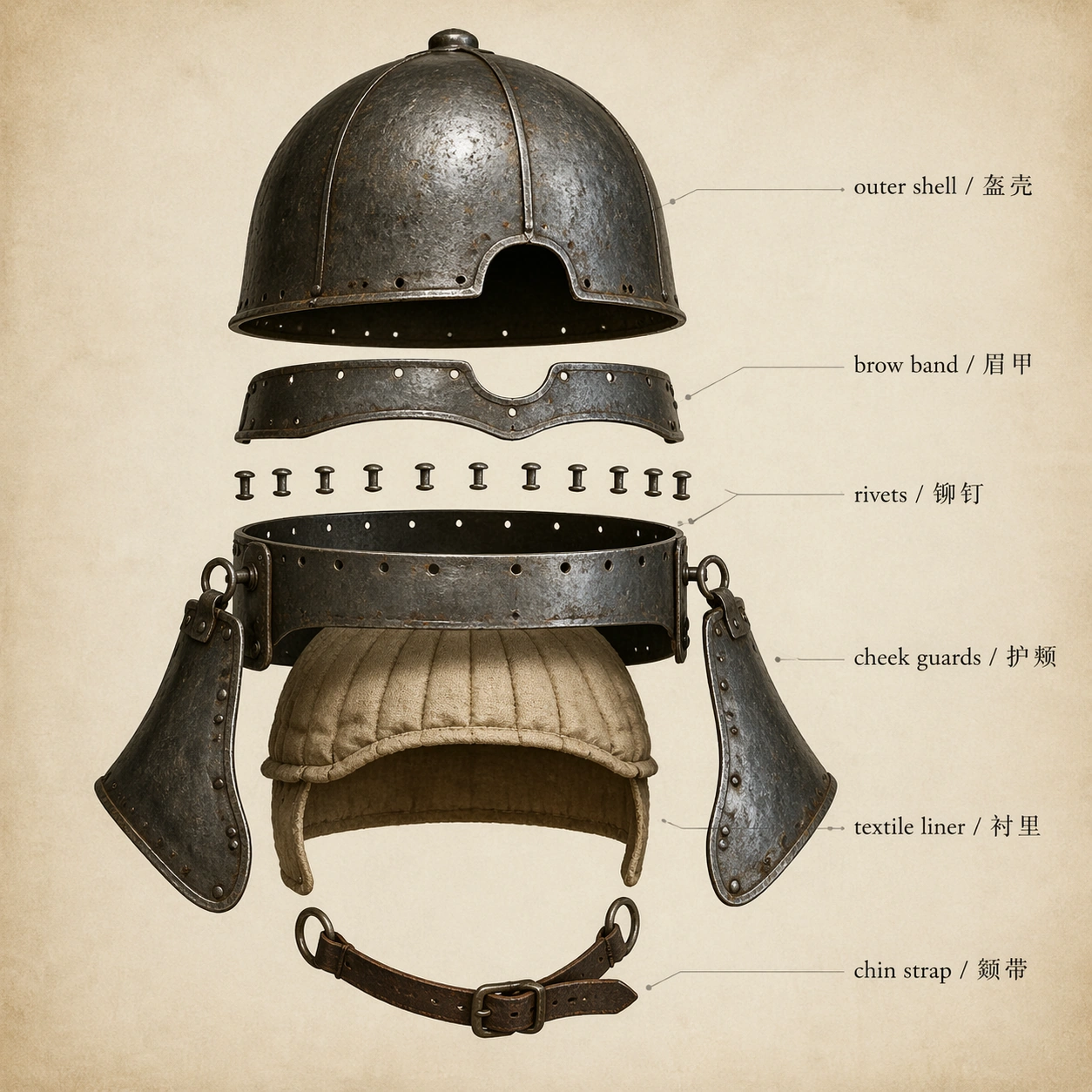
A square museum armory diagram on neutral parchment paper, rendered with orthographic precision and controlled dramatic light. The central object is an ancient layered helmet presented as an exploded vertical stack, with metal plates, padding, rivets, and cheek guards separated just enough to show construction. Use cool steel, dark leather, linen beige, and graphite annotation lines.

Subject:
Show a historical helmet broken into readable construction layers: outer shell lifted upward, brow band floating forward, rivet row separated, cheek guards angled outward, textile liner visible inside, and leather chin strap below. Include only these readable bilingual labels: outer shell / 盔壳, brow band / 眉甲, rivets / 铆钉, cheek guards / 护颊, textile liner / 衬里, chin strap / 颏带. The helmet should look museum-preserved, with scratches, oxidation, and believable thickness.

Important details:
The exploded view must obey physical assembly logic: rivets align with holes, cheek guards hang from side joints, liner follows the inner curve, and the chin strap attaches below. Avoid fantasy armor exaggeration. The diagram should have clear hierarchy, precise leader lines, realistic material contrast, and enough negative space for bilingual labels to remain readable.

Use case:
Museum Exploded View single study 8/8, testing an armored artifact exploded diagram with metal, textile, and leather material layers.

Constraints:
No readable text except the specified bilingual labels, no watermark, no logos, preserve exact 1:1 aspect ratio, no fantasy horns, no modern tactical gear, no weapons, no blood, no random heraldry, no cluttered labels.
使い方
- パラメータを含む元のプロンプト全体をコピーします。
- 被写体、文字、構図を自分の要件に置き換えます。
- 対応する外部ツールで使用し、利用条件と結果を確認します。
開始前の確認
- 参考画像の要否を確認してください。互換モデルの表示は、そのモデルでの生成実績を意味しません。
- 名前、数値、画像内の文字を確認します。モデルの版で結果は変わります。