原文
GPT Image 2 · en
Scene:
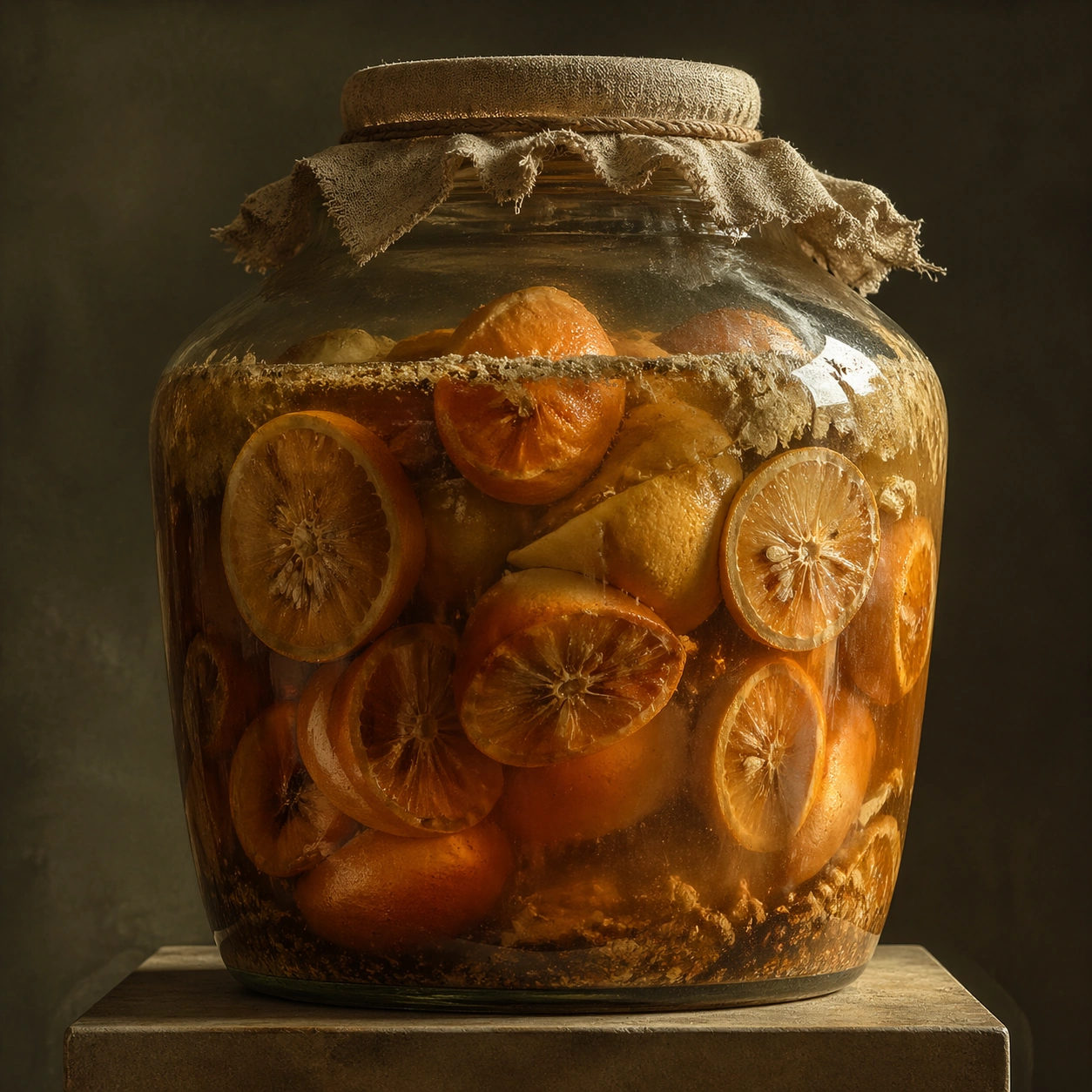
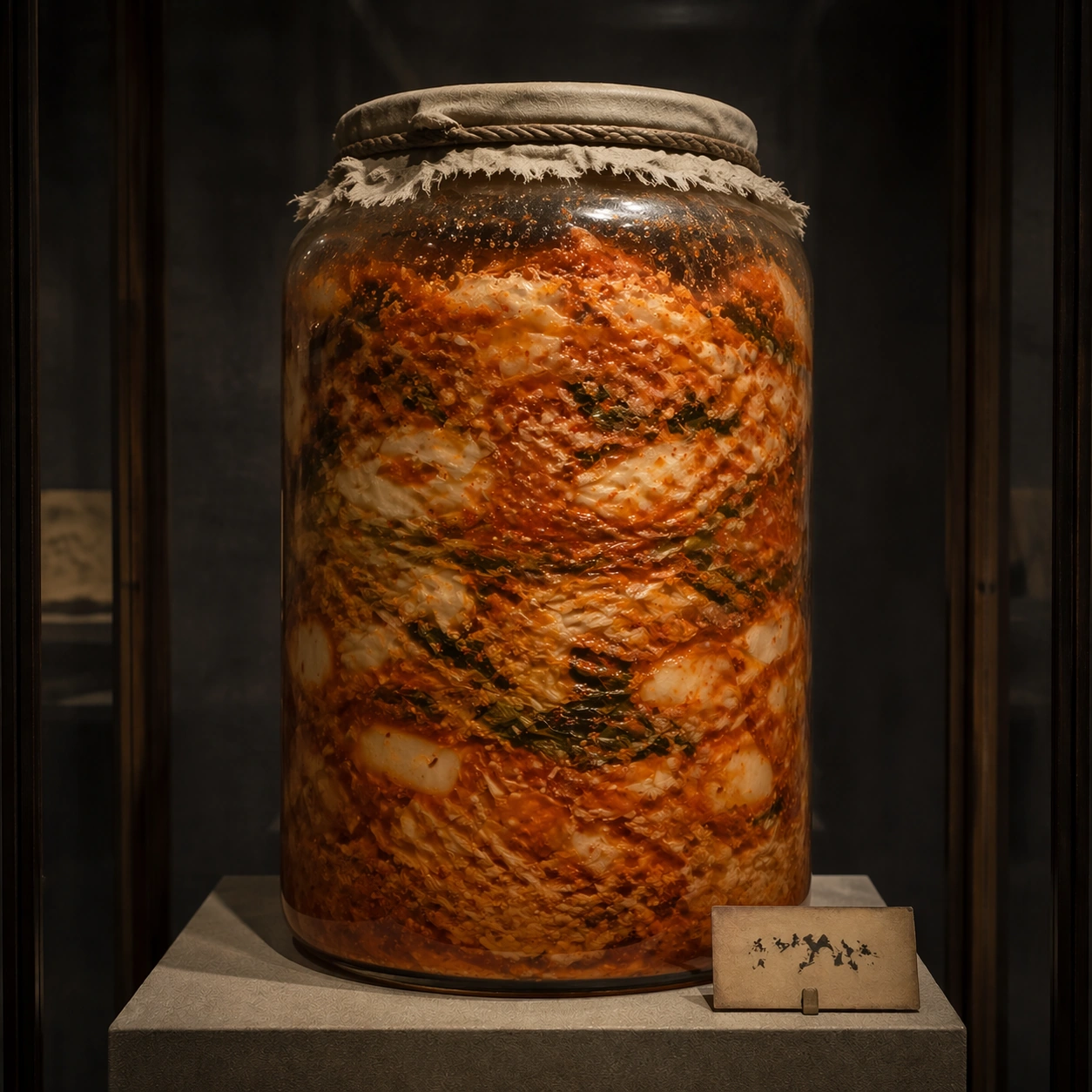
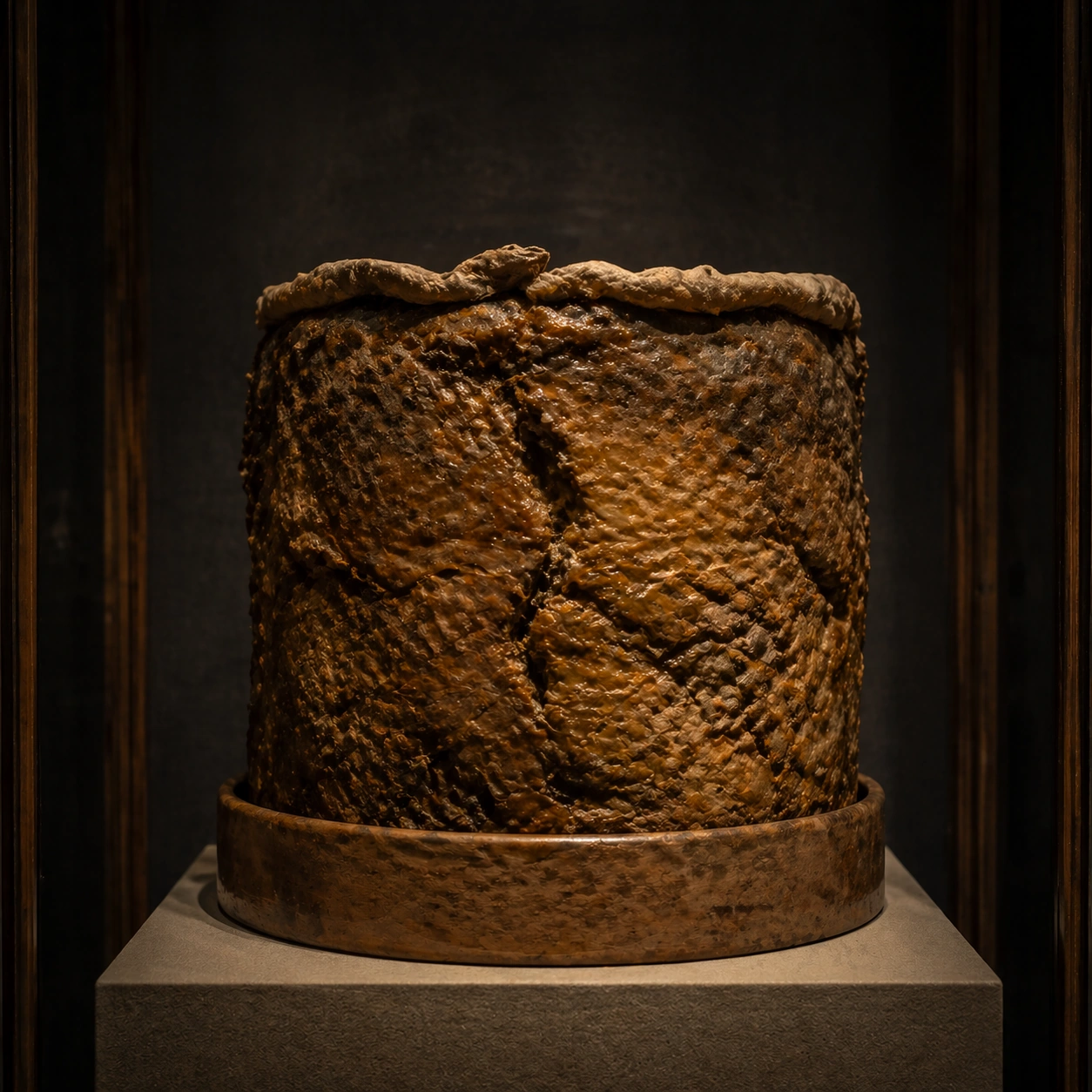
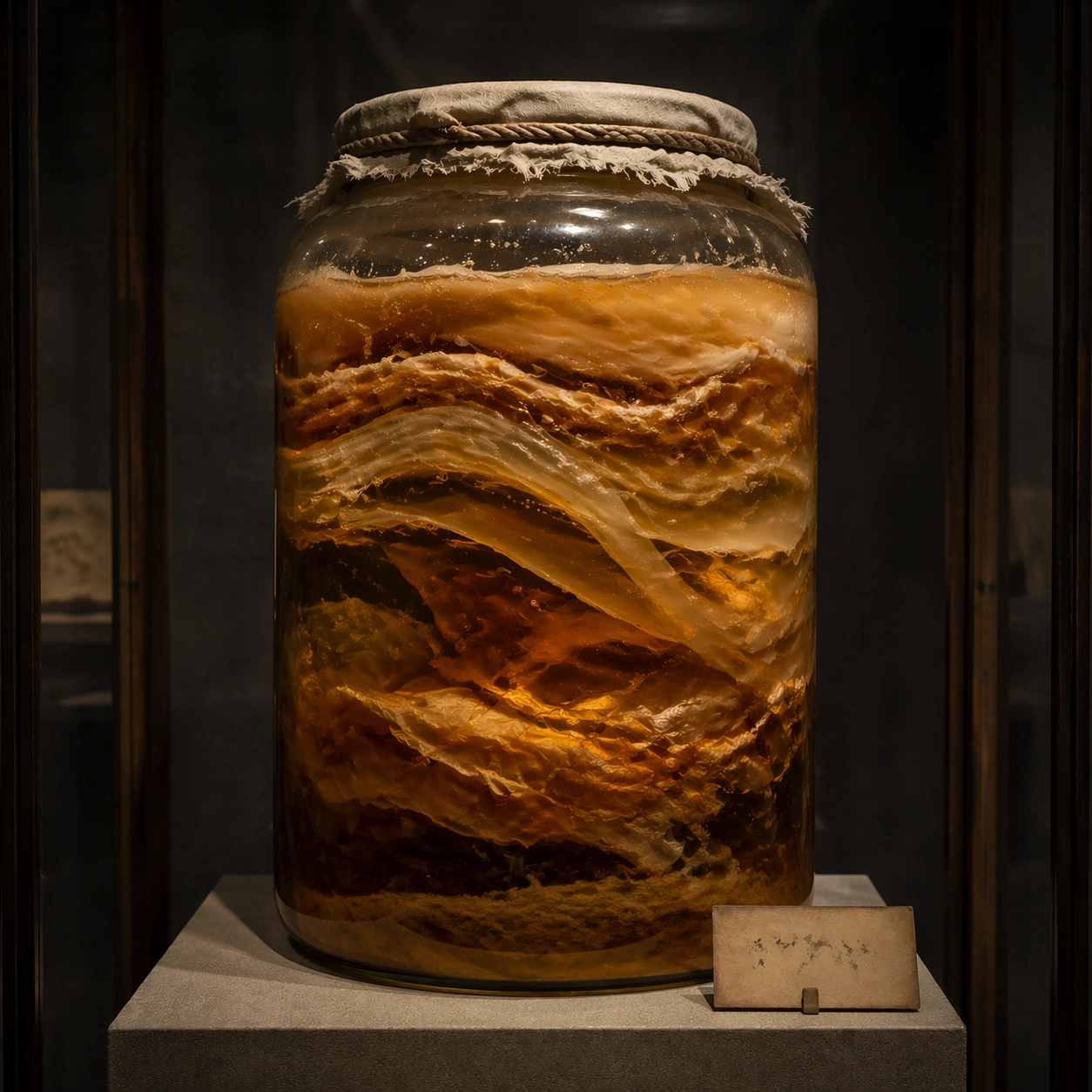
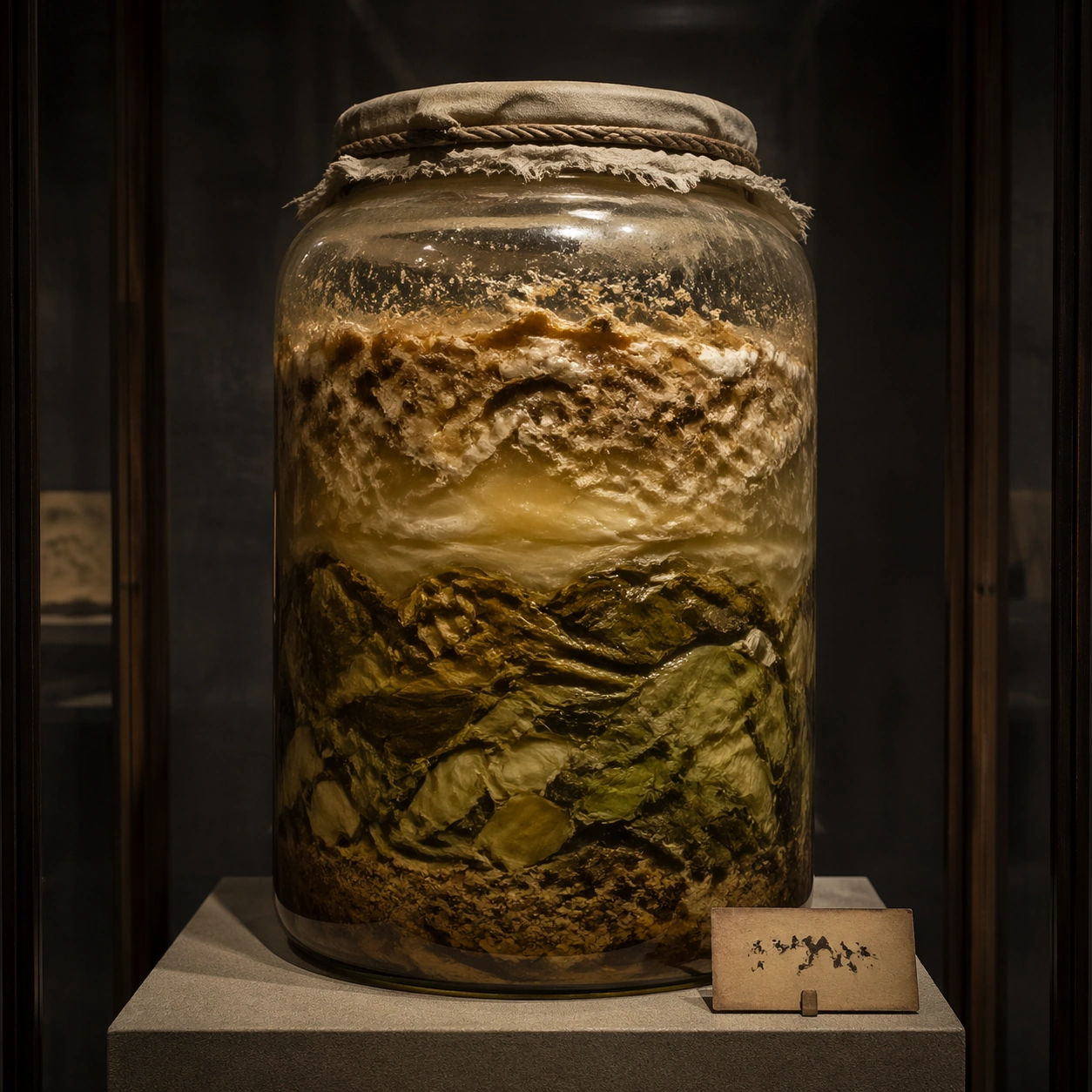
Create a square museum-vitrine style photograph of fermentation vessels treated as natural-history specimens, with calm raking light, restrained reflections, and an atmosphere of patient observation. Glass, ceramic, cloth covers, and aged labels can appear, but any markings must stay unreadable. The mood should be archival, biological, and sculptural at once. Place one large glass jar on a neutral museum pedestal inside a dim vitrine-like space, using side light that reveals depth through the glass while keeping reflections controlled. The backdrop should stay soft and dark enough to let the jar glow quietly.

Subject:
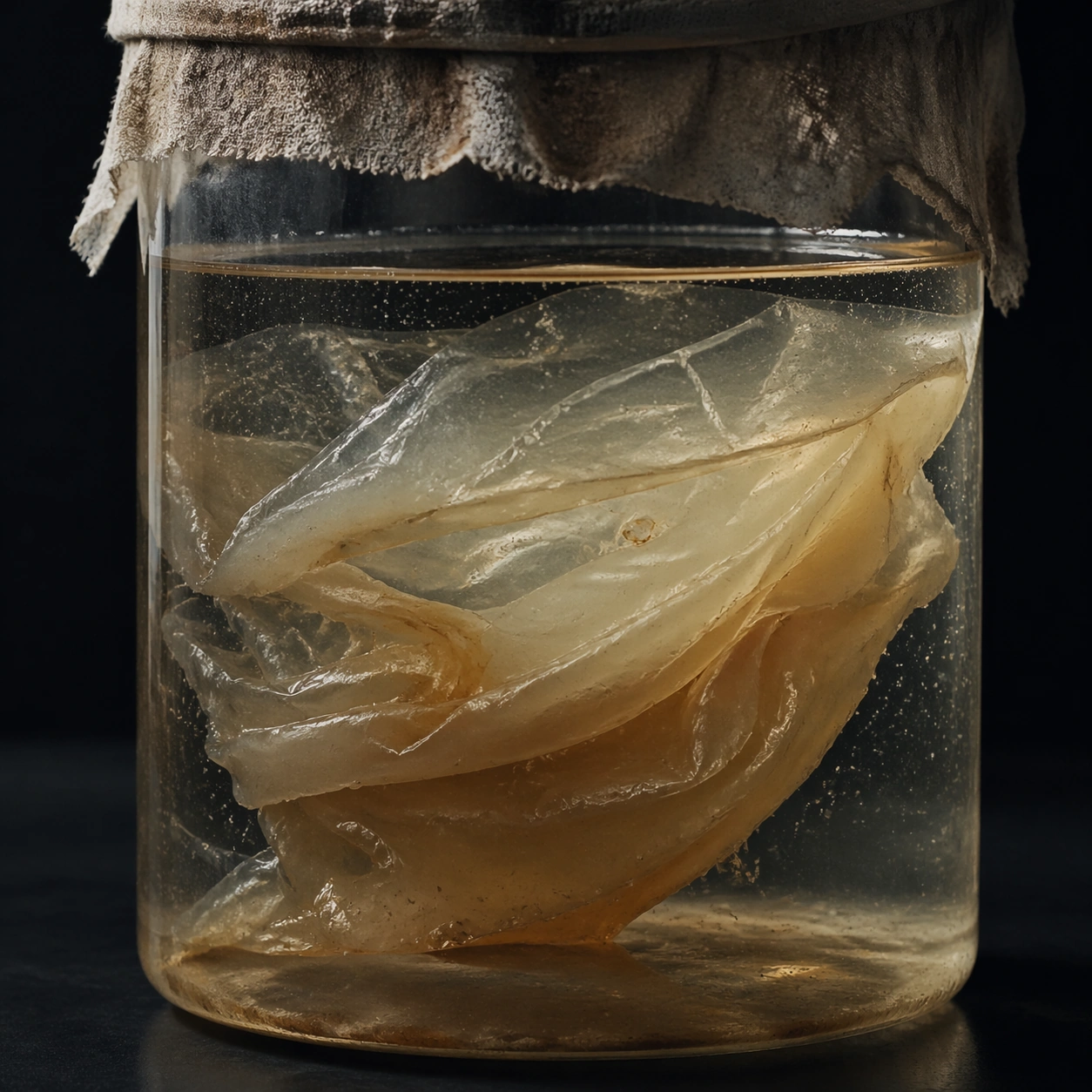
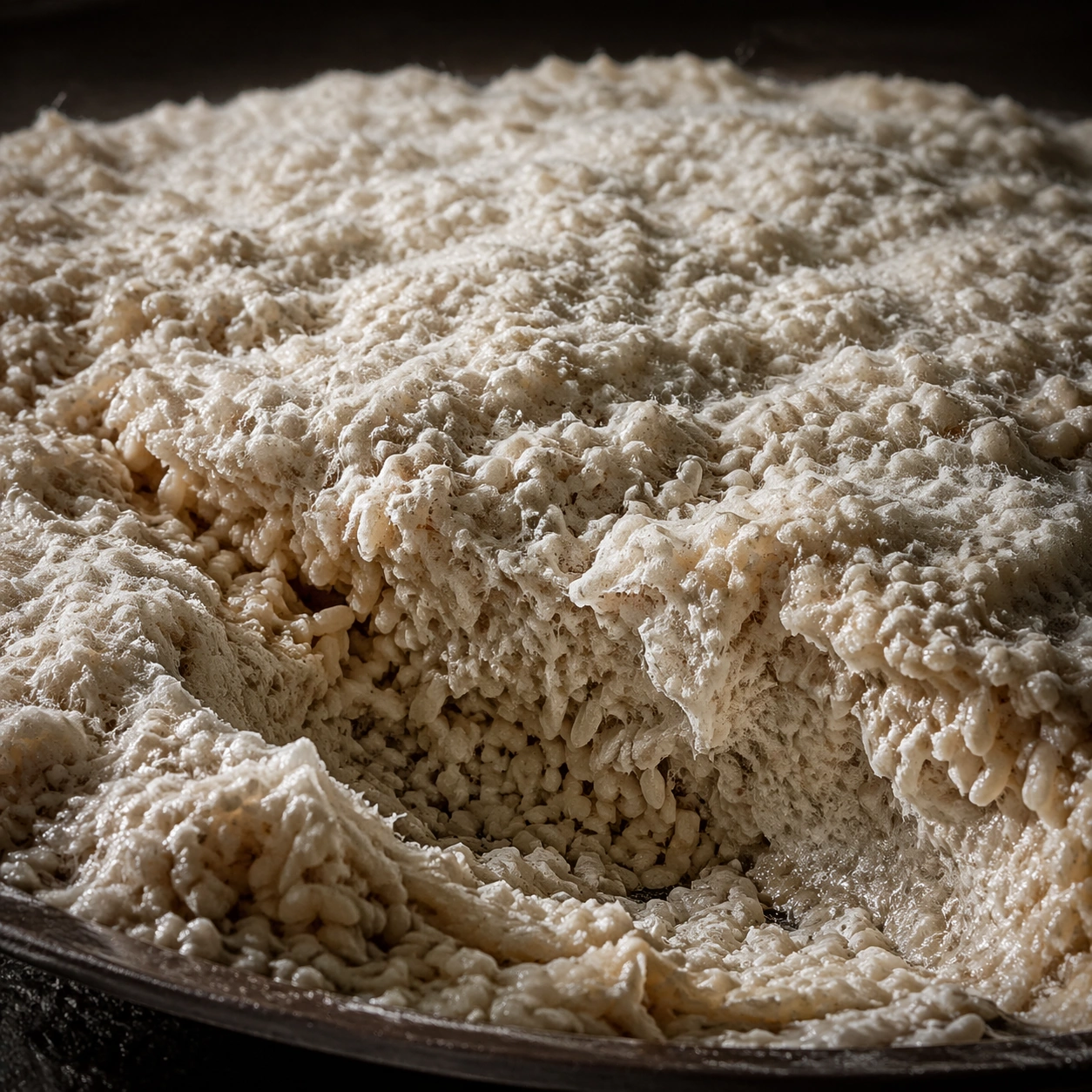
Fill the jar with layered ferment components such as brine, vegetal matter, sediment, and a floating microbial sheet or cap, creating a rich biological stratigraphy. A small aged specimen card with abstract unreadable marks may rest at the base. The jar should feel venerable, patient, and carefully observed rather than trendy.

Important details:
Micro texture is essential: skins, bubbles, sediment, microbial mats, crusts, folds, and wet surfaces all need distinct tactile logic. The images should respect the beauty of slow transformation without sanitizing it into generic product photography. Fermentation must look alive, layered, and physically specific. This first image establishes the vitrine atmosphere, reflection behavior, pedestal framing, and slow-biological tone for the series. The viewer should immediately sense glass thickness, liquid depth, soft trapped bubbles, and the subtle irregularity of living fermented matter.

Use case:
Fermentation sculpture atlas series study 1/9, defining the anchor jar for the museum-like fermentation atlas.

Constraints:
No readable text, no watermark, no logos, preserve exact 1:1 aspect ratio, no readable dates or species names, no modern supermarket packaging, no laboratory sterility that kills the organic feel, no mold-horror sensationalism, no cartoon colors, no bright kitchen backdrop, no canning-jar branding, no sterile white studio.
使い方
- パラメータを含む元のプロンプト全体をコピーします。
- 被写体、文字、構図を自分の要件に置き換えます。
- 対応する外部ツールで使用し、利用条件と結果を確認します。
開始前の確認
- 参考画像の要否を確認してください。互換モデルの表示は、そのモデルでの生成実績を意味しません。
- 名前、数値、画像内の文字を確認します。モデルの版で結果は変わります。