원본 문서
GPT Image 2 · en
Scene:
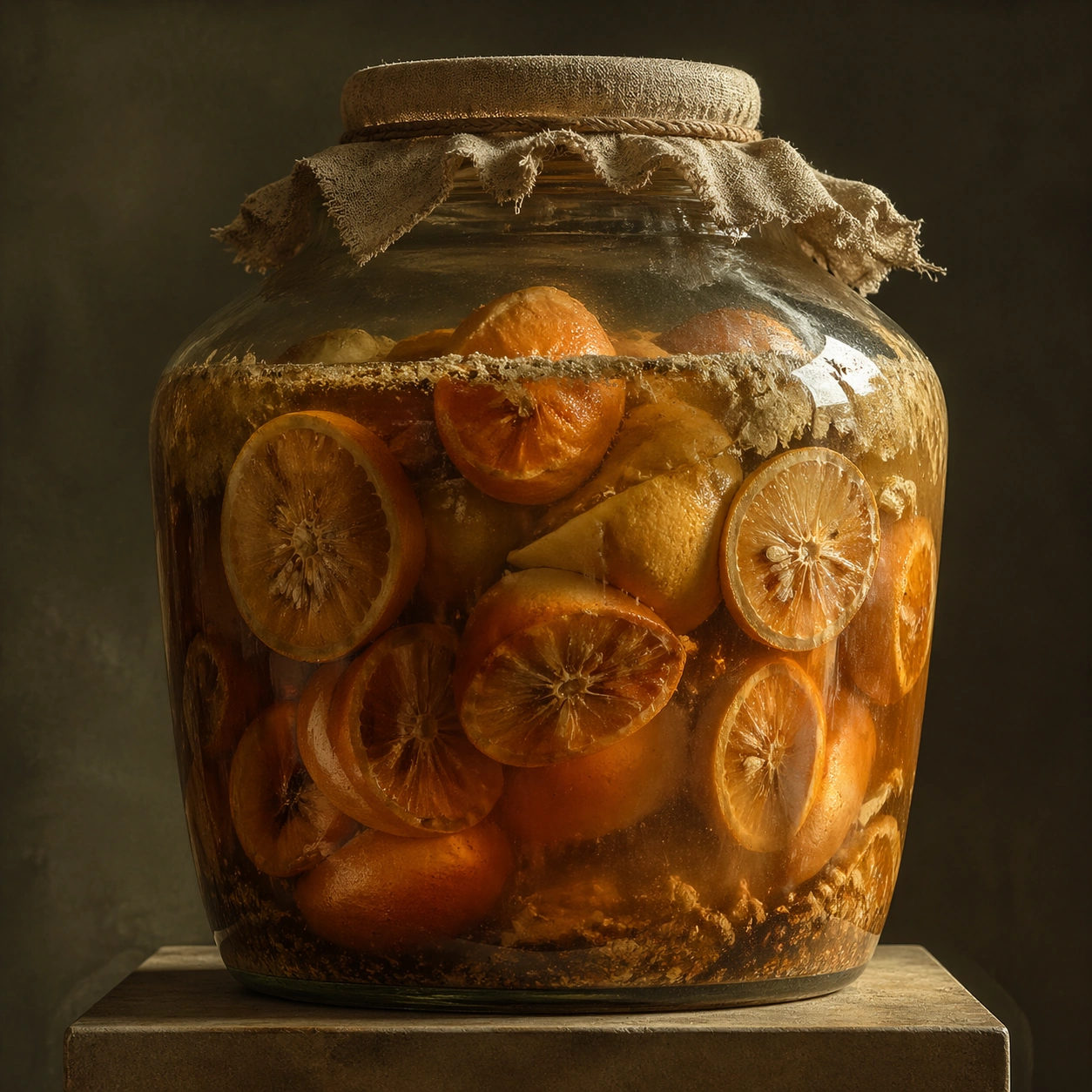
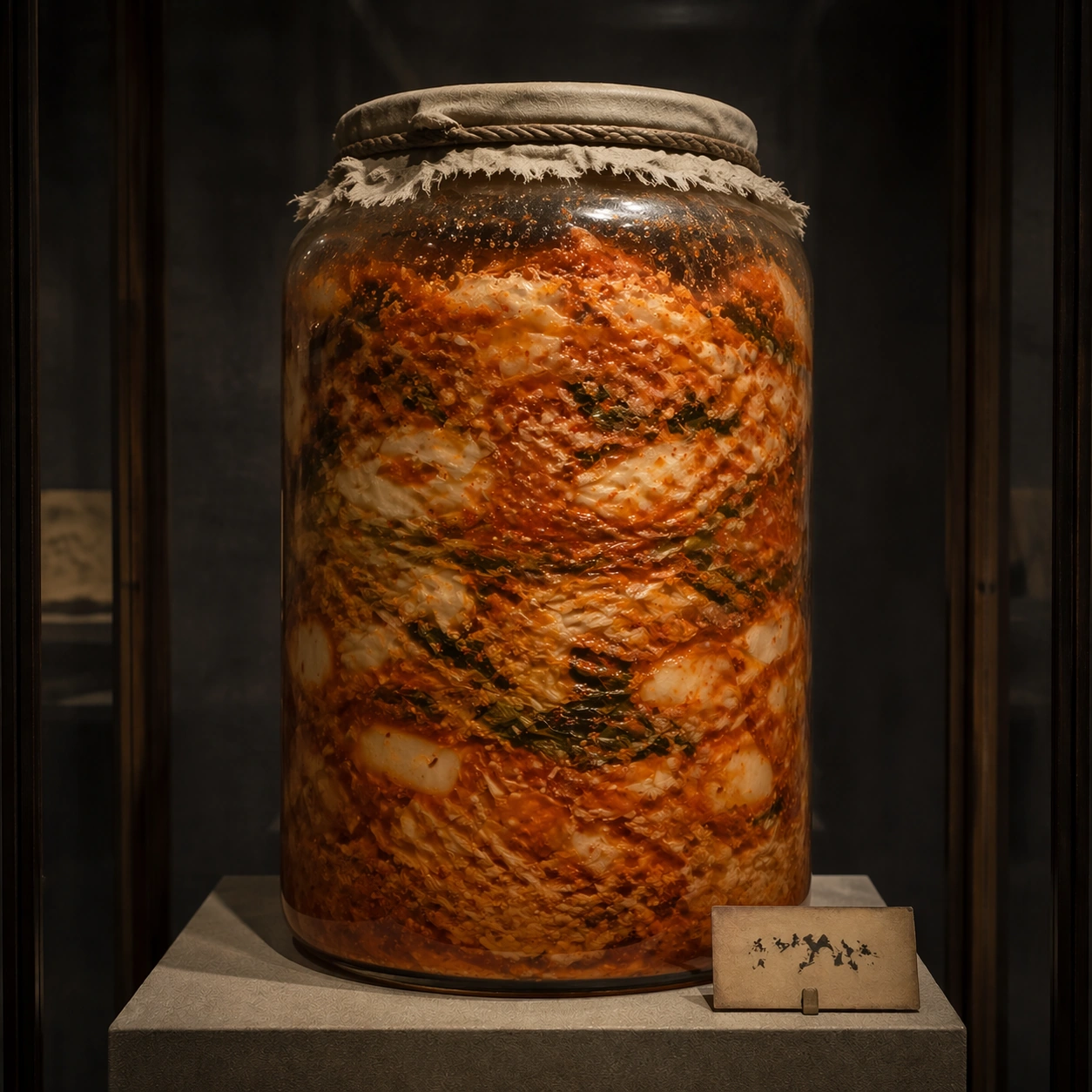
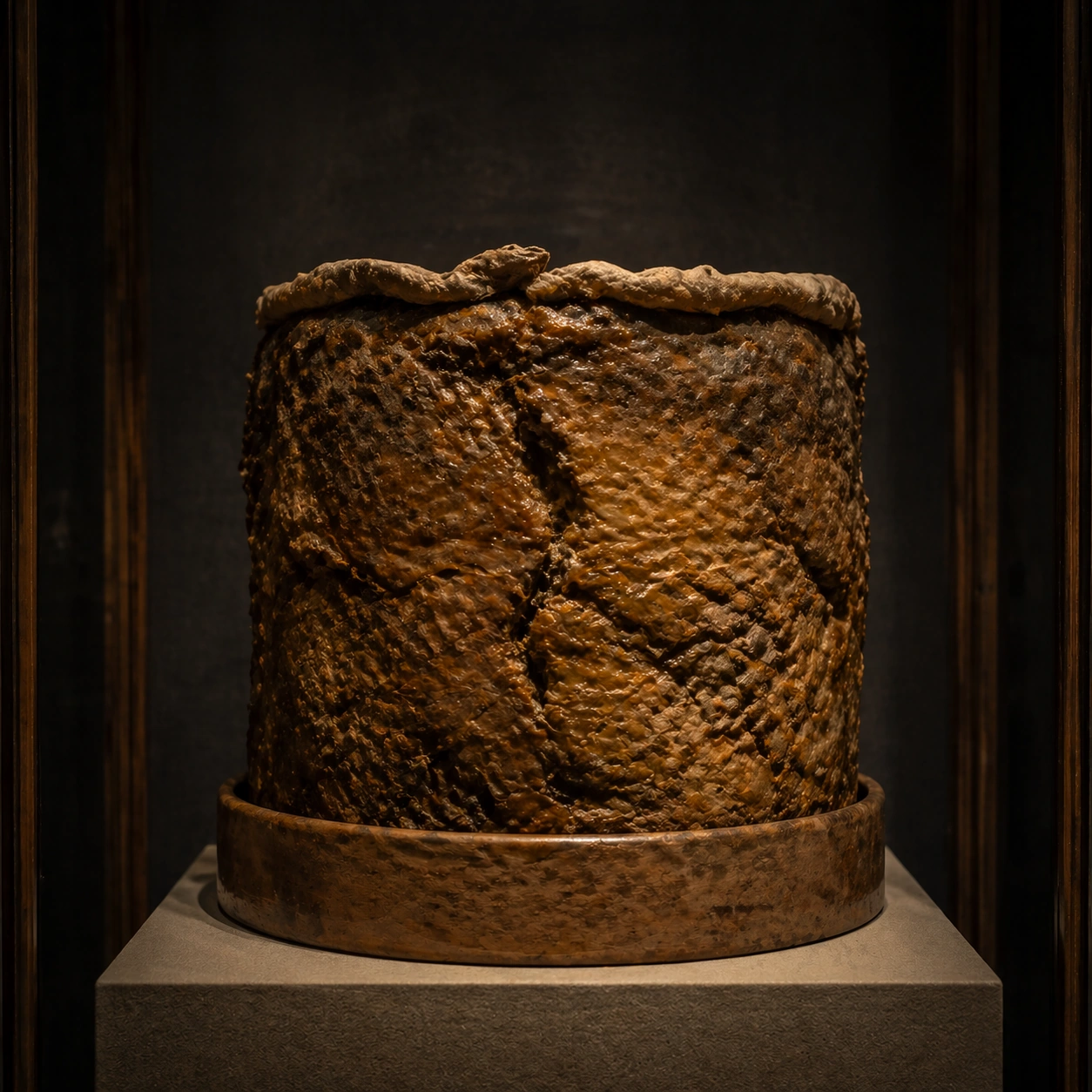
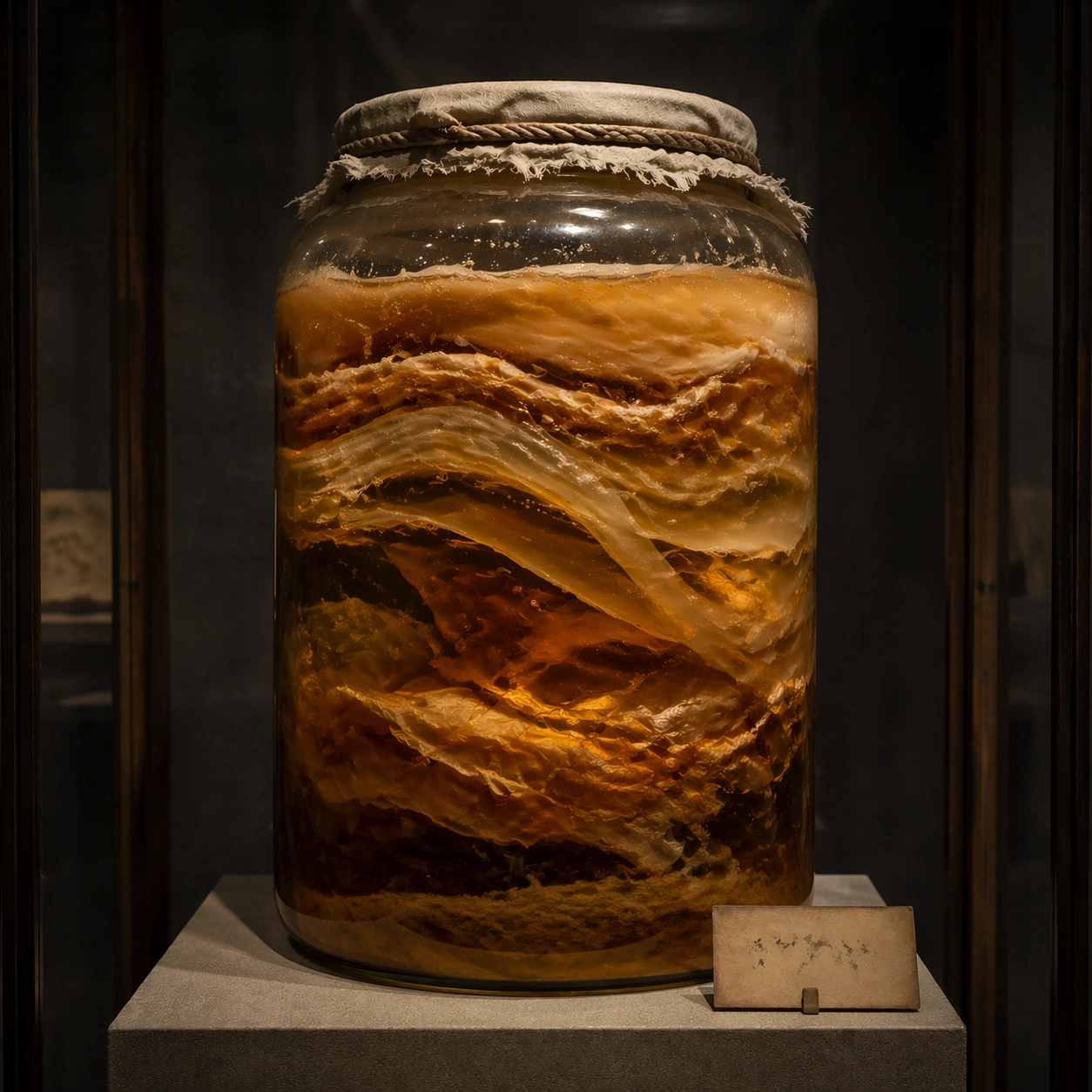
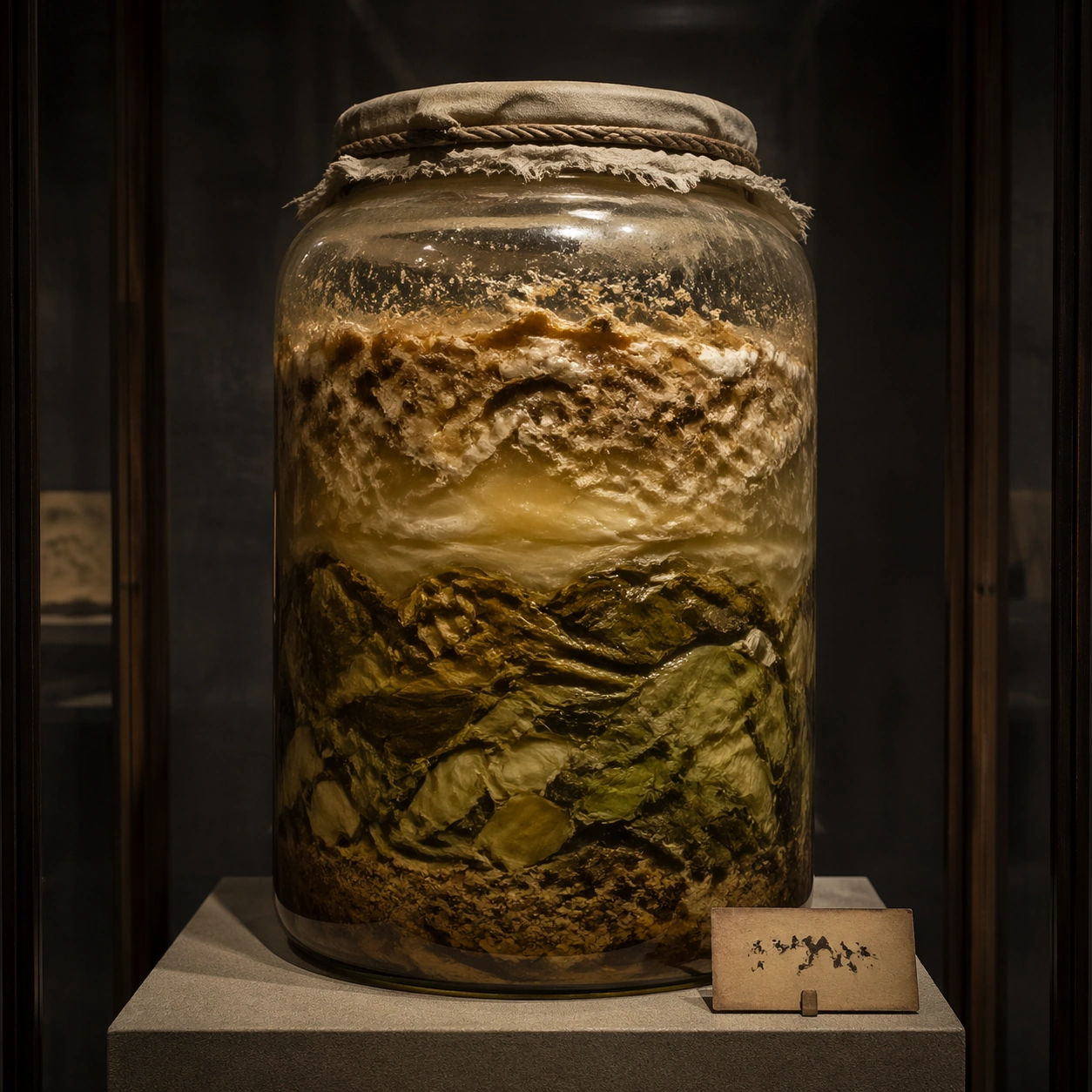
Create a square museum-vitrine style photograph of fermentation vessels treated as natural-history specimens, with calm raking light, restrained reflections, and an atmosphere of patient observation. Glass, ceramic, cloth covers, and aged labels can appear, but any markings must stay unreadable. The mood should be archival, biological, and sculptural at once. Place one large glass jar on a neutral museum pedestal inside a dim vitrine-like space, using side light that reveals depth through the glass while keeping reflections controlled. The backdrop should stay soft and dark enough to let the jar glow quietly.

Subject:
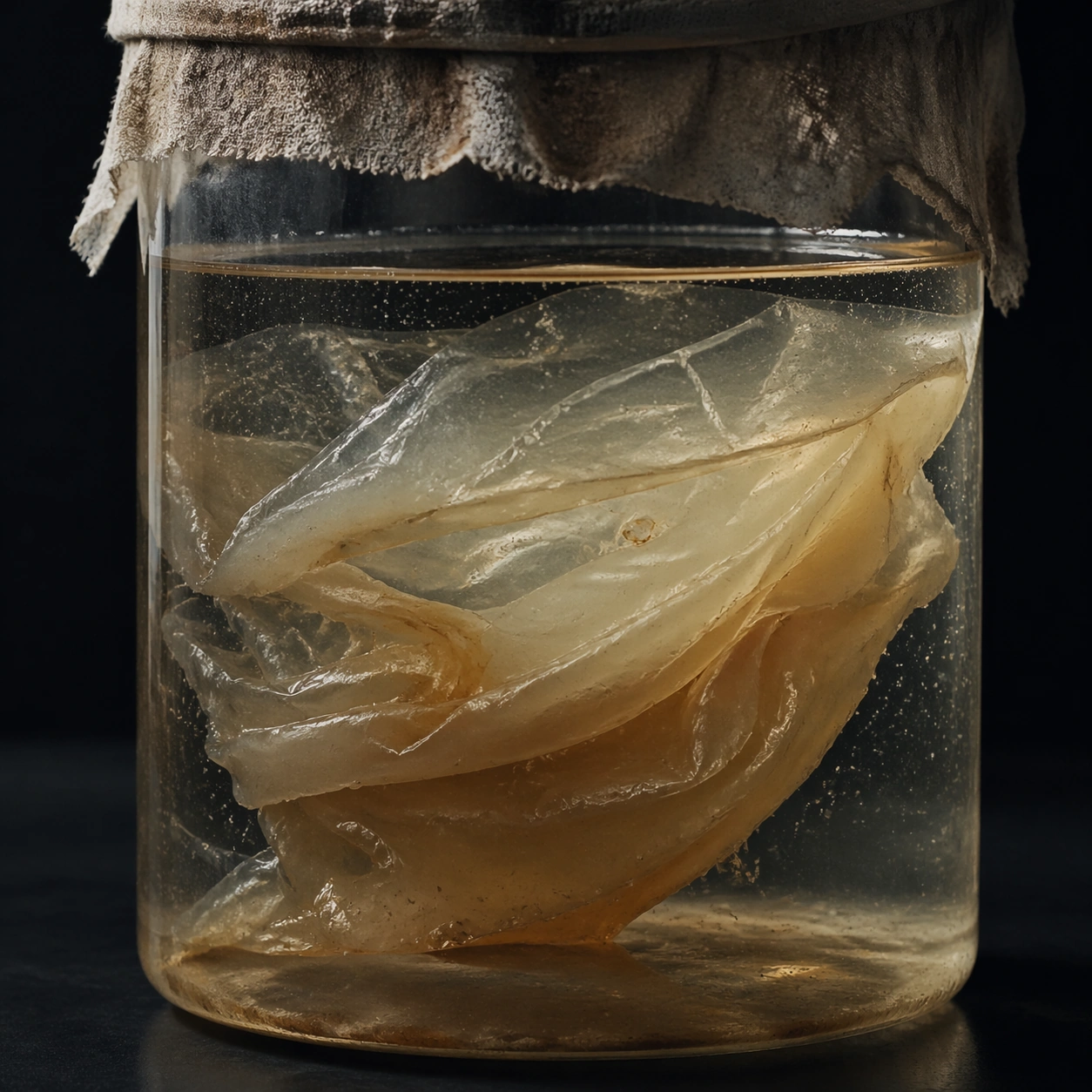
Fill the jar with layered ferment components such as brine, vegetal matter, sediment, and a floating microbial sheet or cap, creating a rich biological stratigraphy. A small aged specimen card with abstract unreadable marks may rest at the base. The jar should feel venerable, patient, and carefully observed rather than trendy.

Important details:
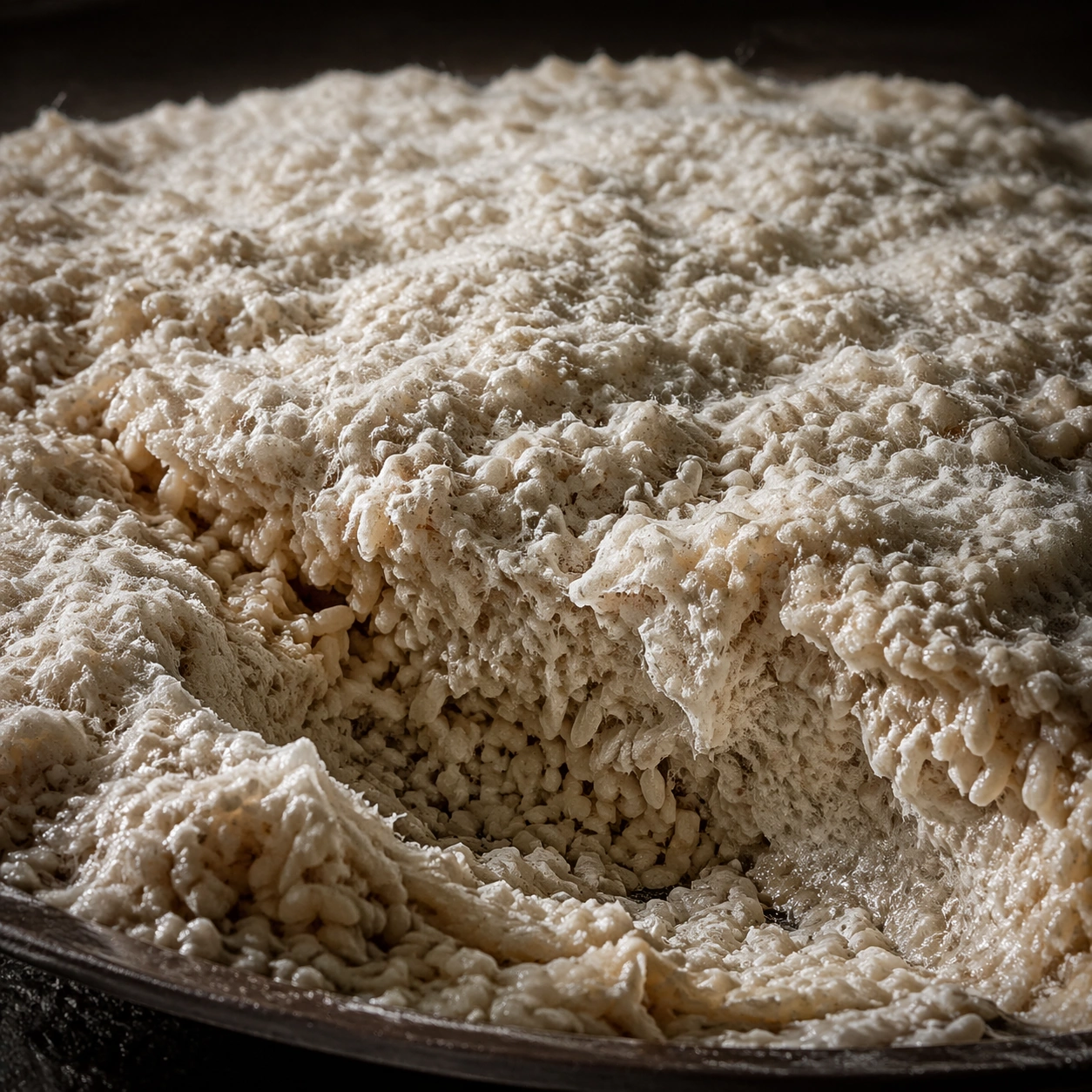
Micro texture is essential: skins, bubbles, sediment, microbial mats, crusts, folds, and wet surfaces all need distinct tactile logic. The images should respect the beauty of slow transformation without sanitizing it into generic product photography. Fermentation must look alive, layered, and physically specific. This first image establishes the vitrine atmosphere, reflection behavior, pedestal framing, and slow-biological tone for the series. The viewer should immediately sense glass thickness, liquid depth, soft trapped bubbles, and the subtle irregularity of living fermented matter.

Use case:
Fermentation sculpture atlas series study 1/9, defining the anchor jar for the museum-like fermentation atlas.

Constraints:
No readable text, no watermark, no logos, preserve exact 1:1 aspect ratio, no readable dates or species names, no modern supermarket packaging, no laboratory sterility that kills the organic feel, no mold-horror sensationalism, no cartoon colors, no bright kitchen backdrop, no canning-jar branding, no sterile white studio.
사용 방법
- 매개변수를 포함한 전체 원본 프롬프트를 복사하세요.
- 주제, 문구, 구도를 자신의 요구에 맞게 바꾸세요.
- 호환되는 외부 도구에서 사용하고 이용 조건과 결과를 확인하세요.
시작 전 확인
- 참조 이미지가 필요한지 확인하세요. 호환 표시는 해당 모델로 이 예시를 생성했다는 뜻이 아닙니다.
- 이름, 수치, 이미지 속 문구를 확인하세요. 모델 버전에 따라 결과가 다를 수 있습니다.