Oryginalny dokument
GPT Image 2 · en
Scene:
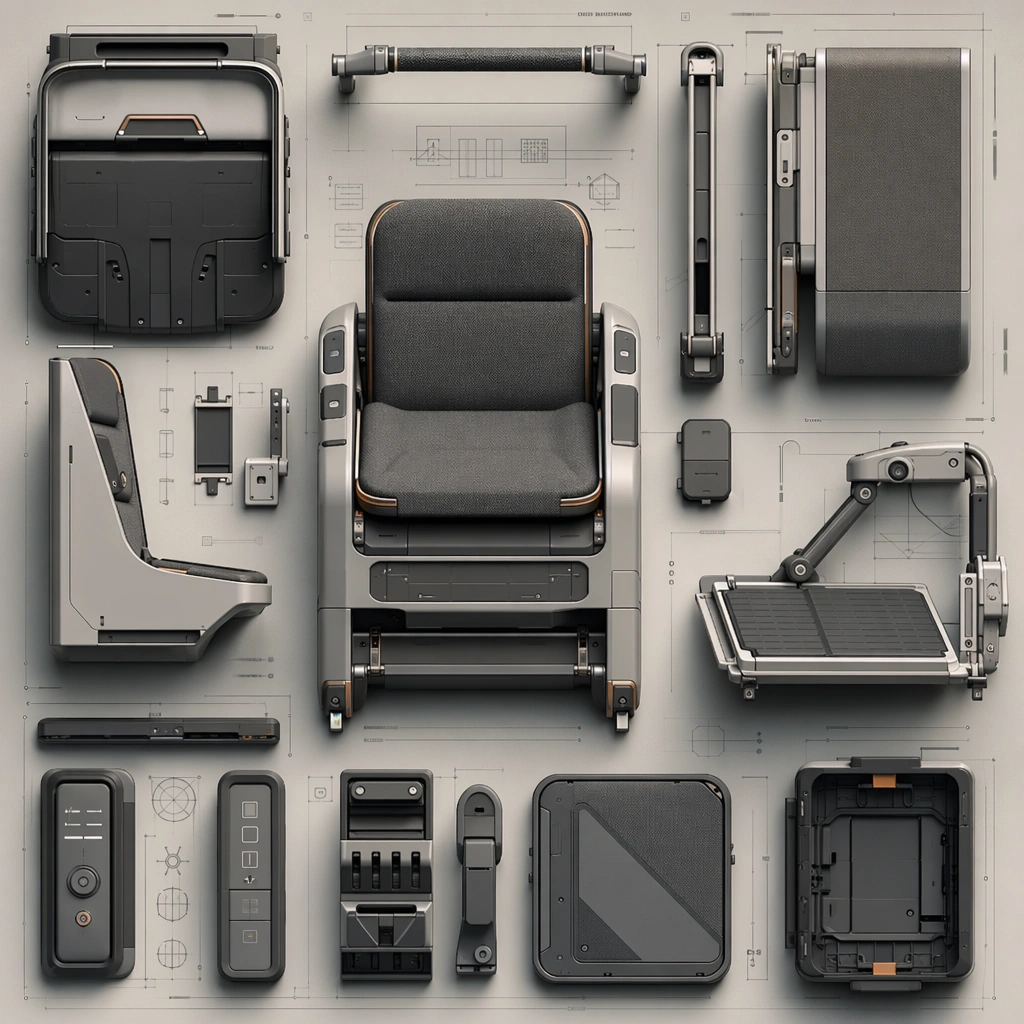
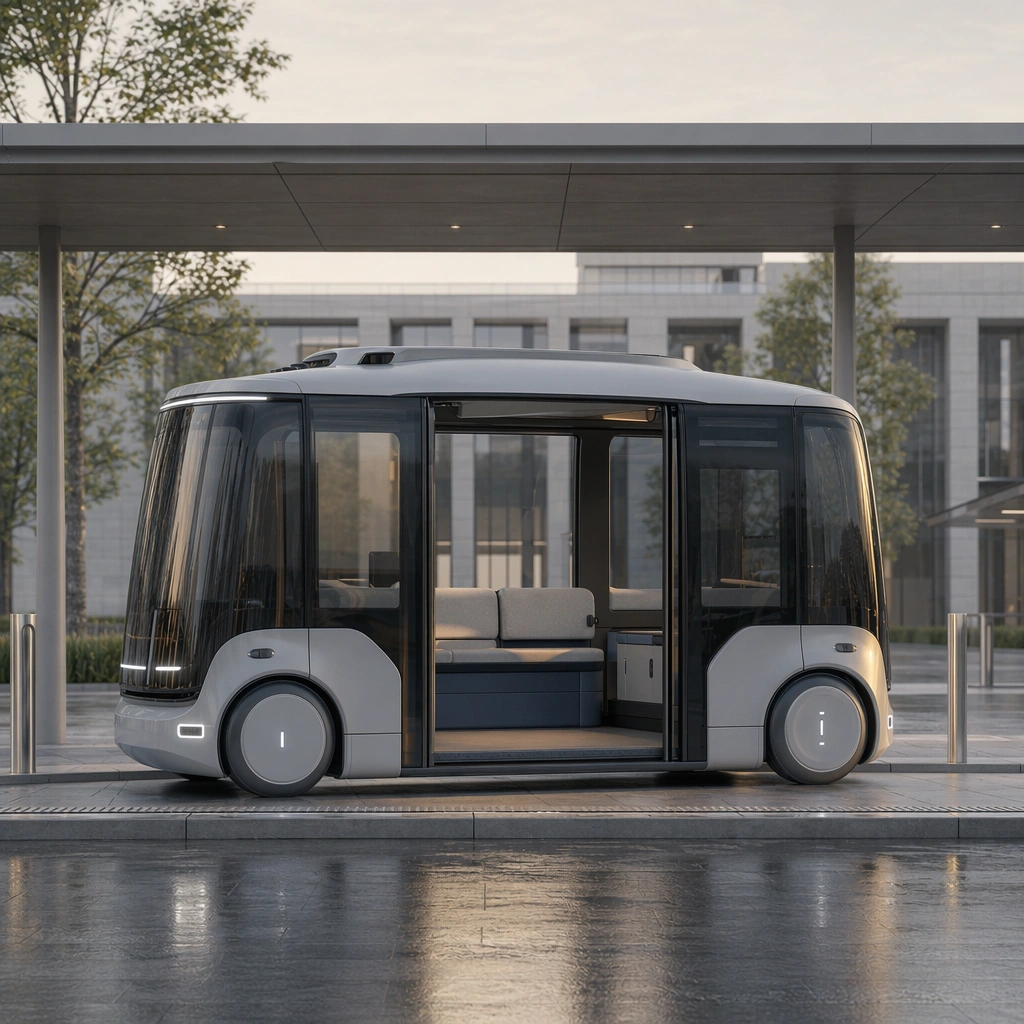
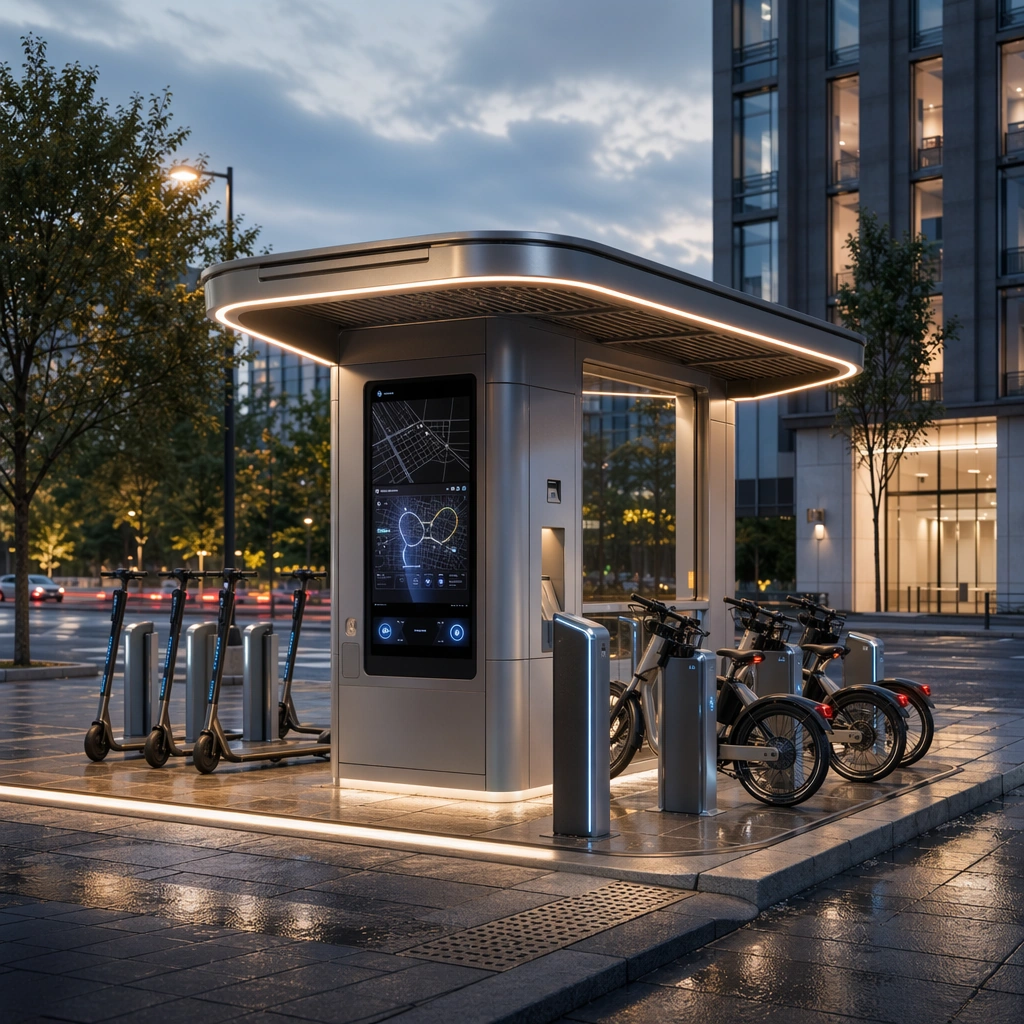
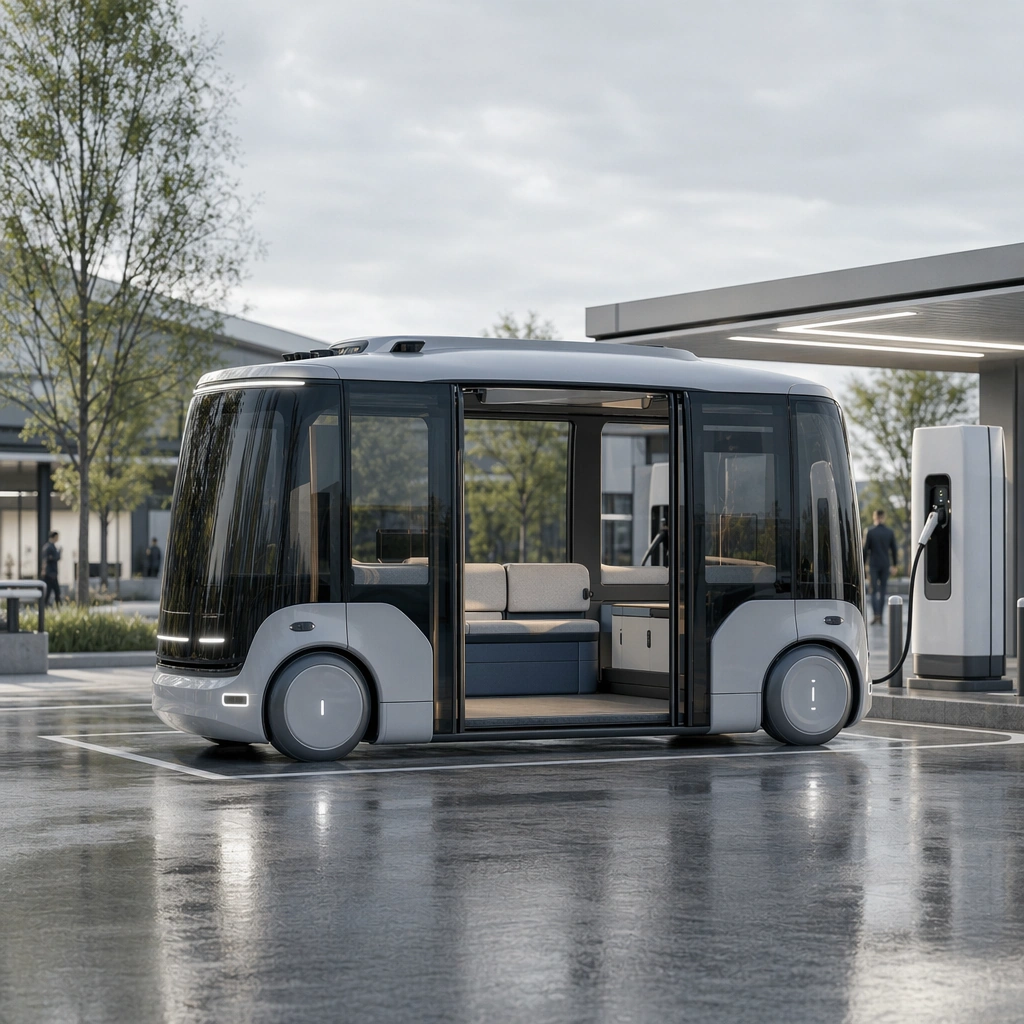
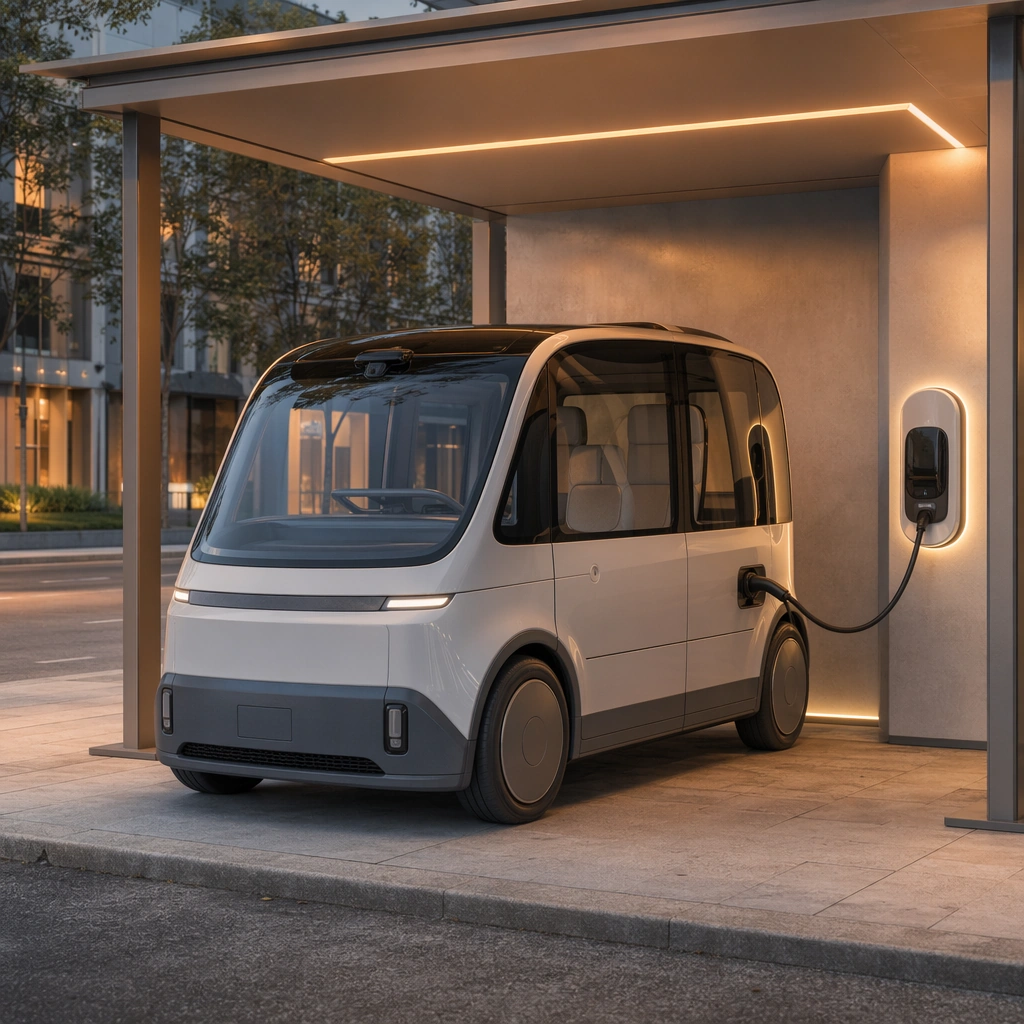
A square sheltered curbside charging bay with warm evening light, clean paving, and minimal weather texture. Compose the frame as a square key visual with disciplined camera placement, premium lighting control, and believable real-world scale. The tonal range should feel polished and intentional, with enough atmosphere to create depth without obscuring form. Keep contrast calibrated for launch, catalog, or research presentation use rather than casual snapshot aesthetics.

Subject:
Center an original mobility pod or compact vehicle interacting with a simple, believable charging interface. Make the subject feel original, production-aware, and clearly grounded in Future Mobility Concept Surface Set. Treat this as an independent study that must feel complete and coherent without relying on any external reference image. The focal hierarchy should be immediate: primary form first, then material behavior, then supporting environmental cues that clarify use context and difficulty.

Important details:
Sell trust, cleanliness, and product maturity instead of techno-fetish spectacle. The scene should show ownership confidence and urban integration. The visual language should still feel native to Future Mobility Concept Surface Set, using disciplined industrial or campaign composition instead of generic stock photography. Use believable materials, engineering logic, and professional composition discipline. Reflections, shadows, edge breaks, texture scale, interface density, and small physical joints must all support realism. Avoid filler props, vague mood-board clutter, or any element that weakens the sense of a purpose-built industrial or automotive image.

Use case:
Mobility Concept single study 8/9 for Future Mobility Concept Surface Set, built as image support-four.

Constraints:
No readable text, no watermark, no logos, preserve exact 1:1 aspect ratio, no readable text, no logos, no cyberpunk clutter, no impossible mechanics, no fantasy weaponry, no dystopian grime.
Jak używać
- Skopiuj cały oryginalny prompt wraz z parametrami.
- Dostosuj temat, tekst i kompozycję do swoich potrzeb.
- Użyj zgodnego narzędzia zewnętrznego; sprawdź warunki dostępu i wynik.
Przed rozpoczęciem
- Sprawdź, czy potrzebny jest obraz referencyjny. Zgodność nie potwierdza modelu użytego do przykładu.
- Sprawdź nazwy, liczby i napisy; wyniki zależą od wersji modelu.