Oryginalny dokument
GPT Image 2 · en
Scene:
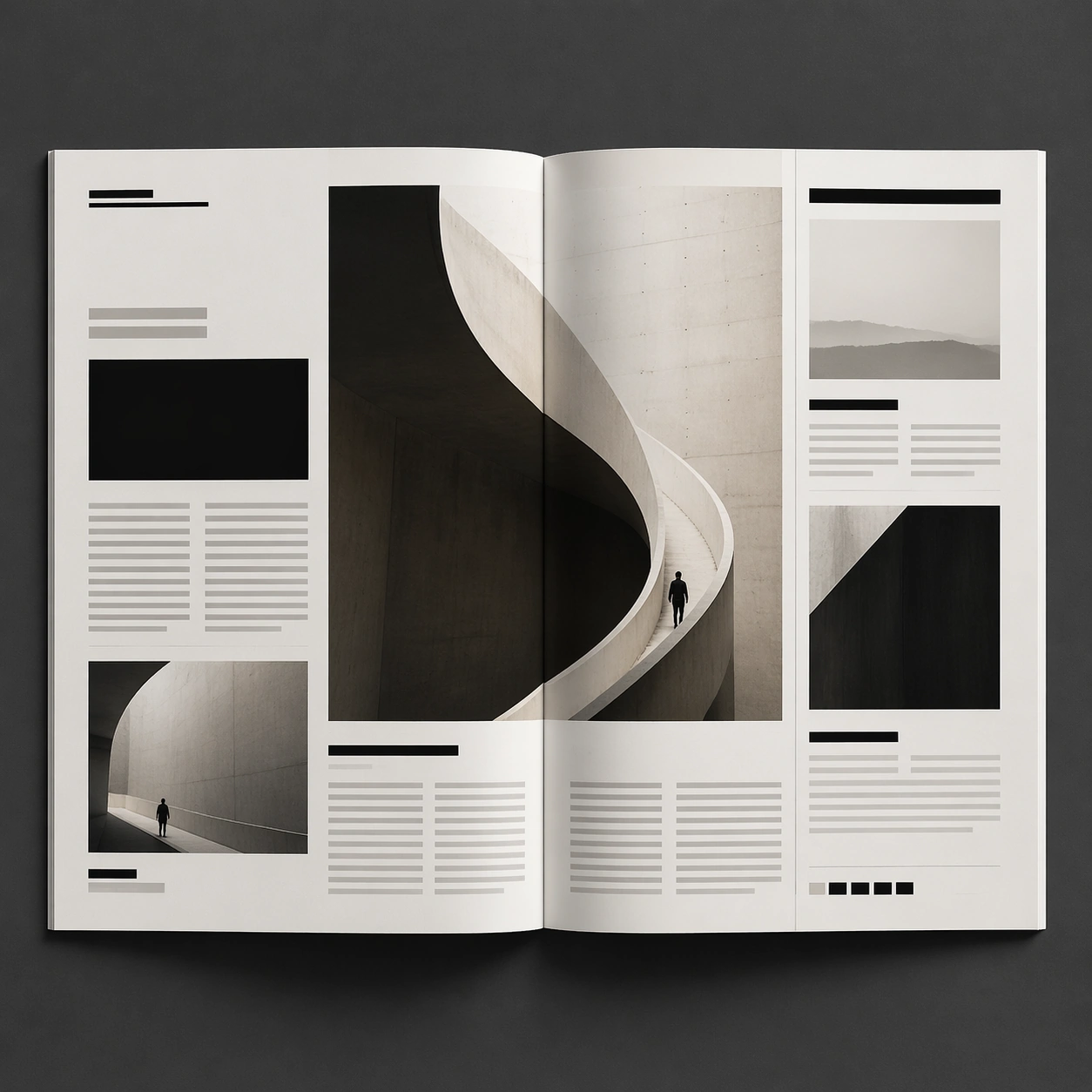
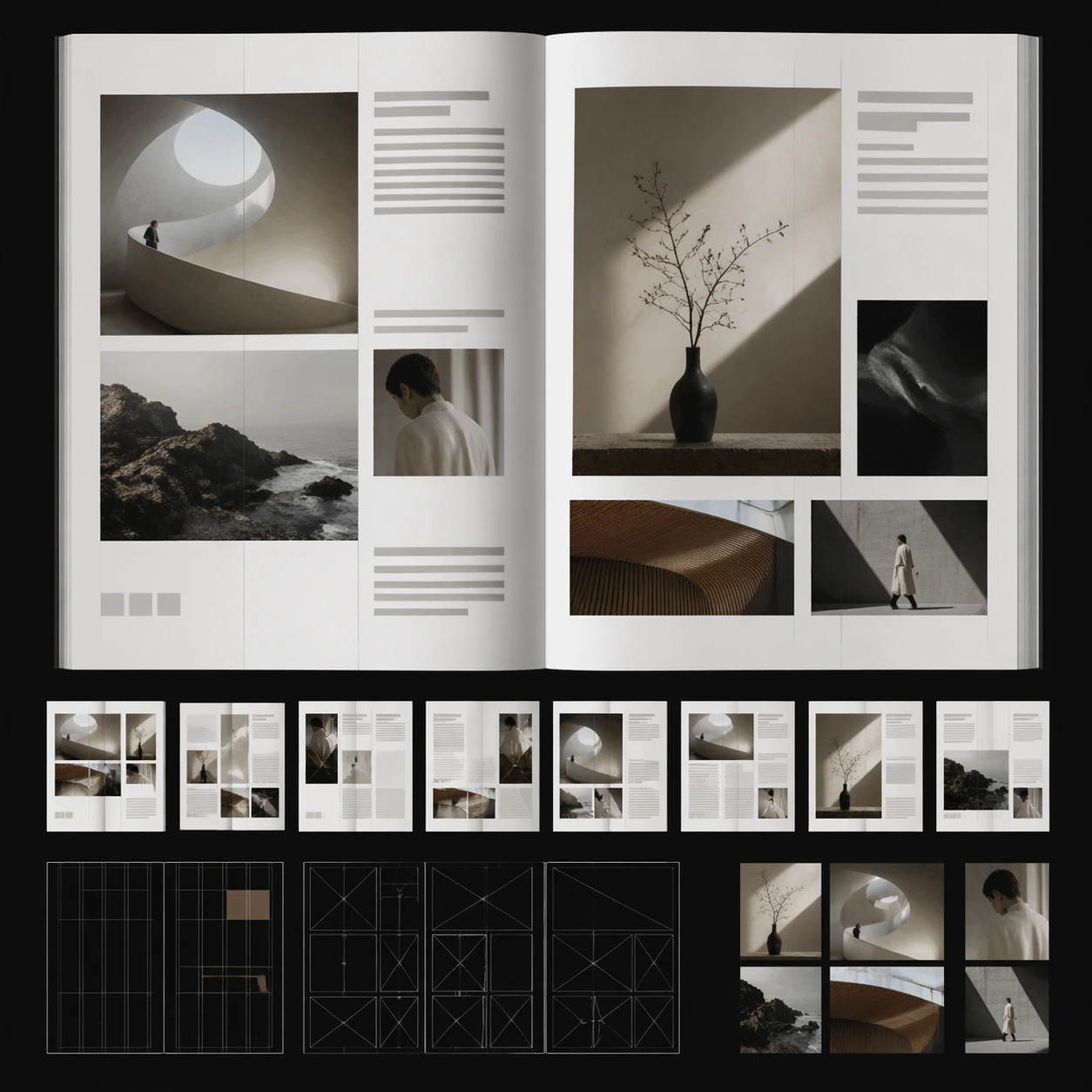
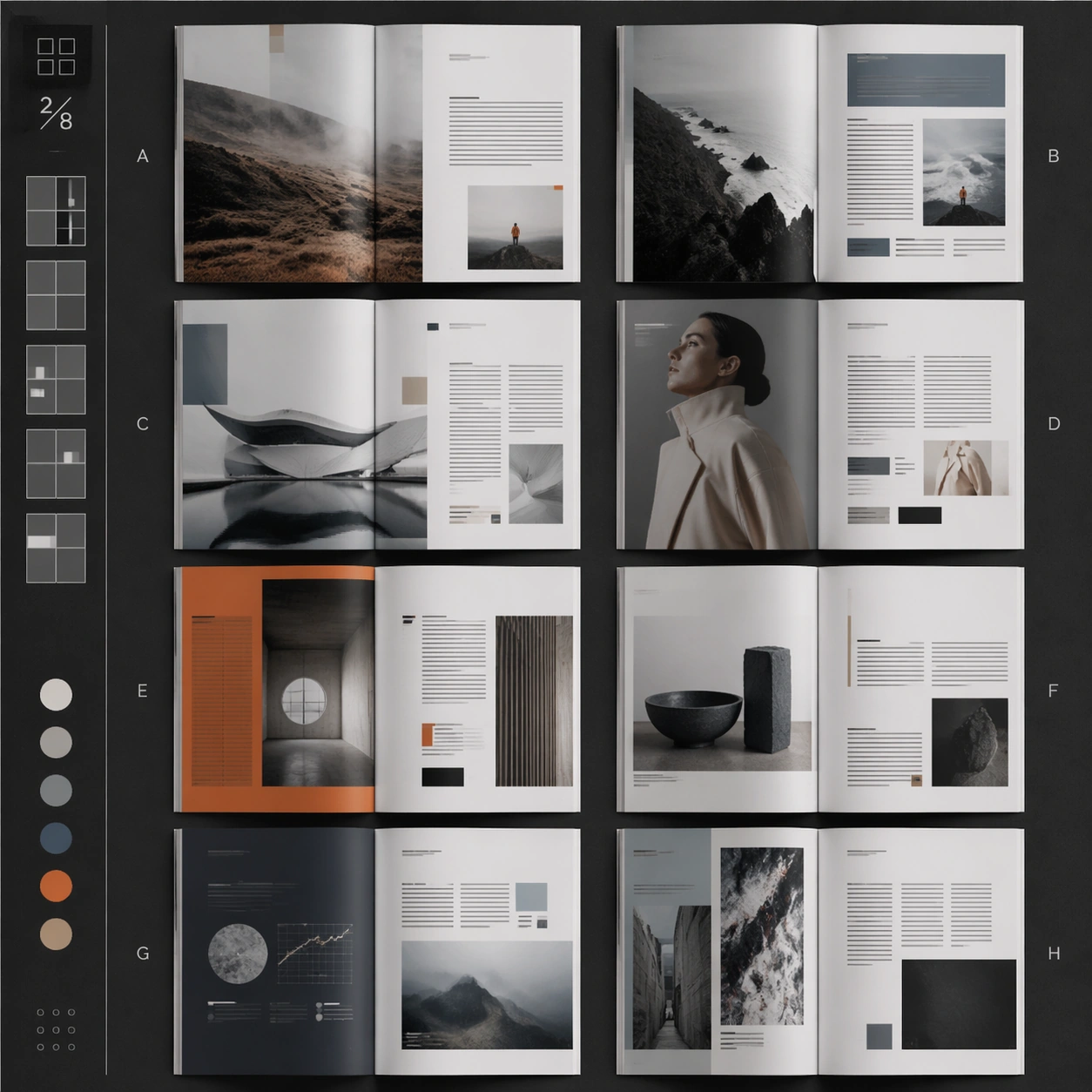
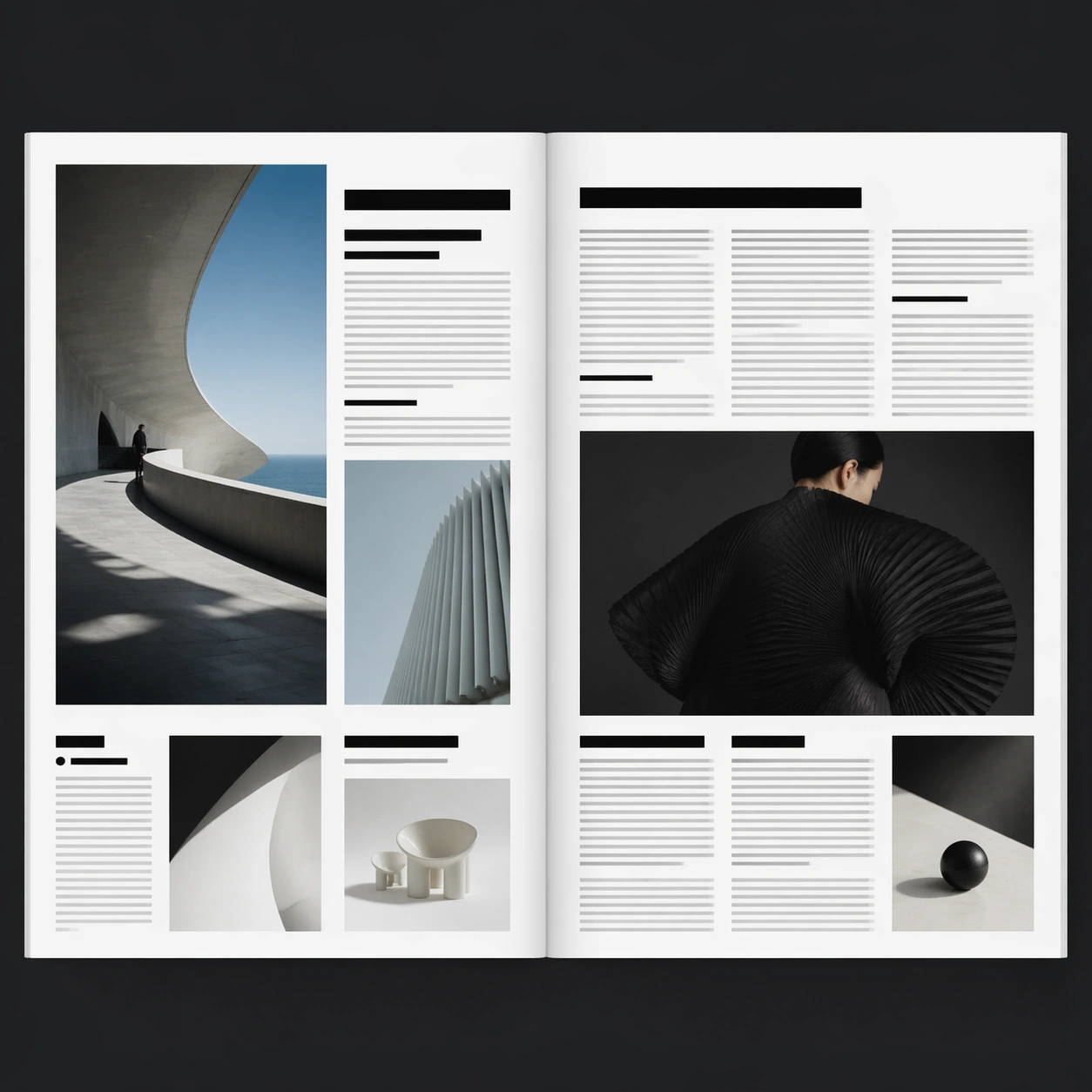
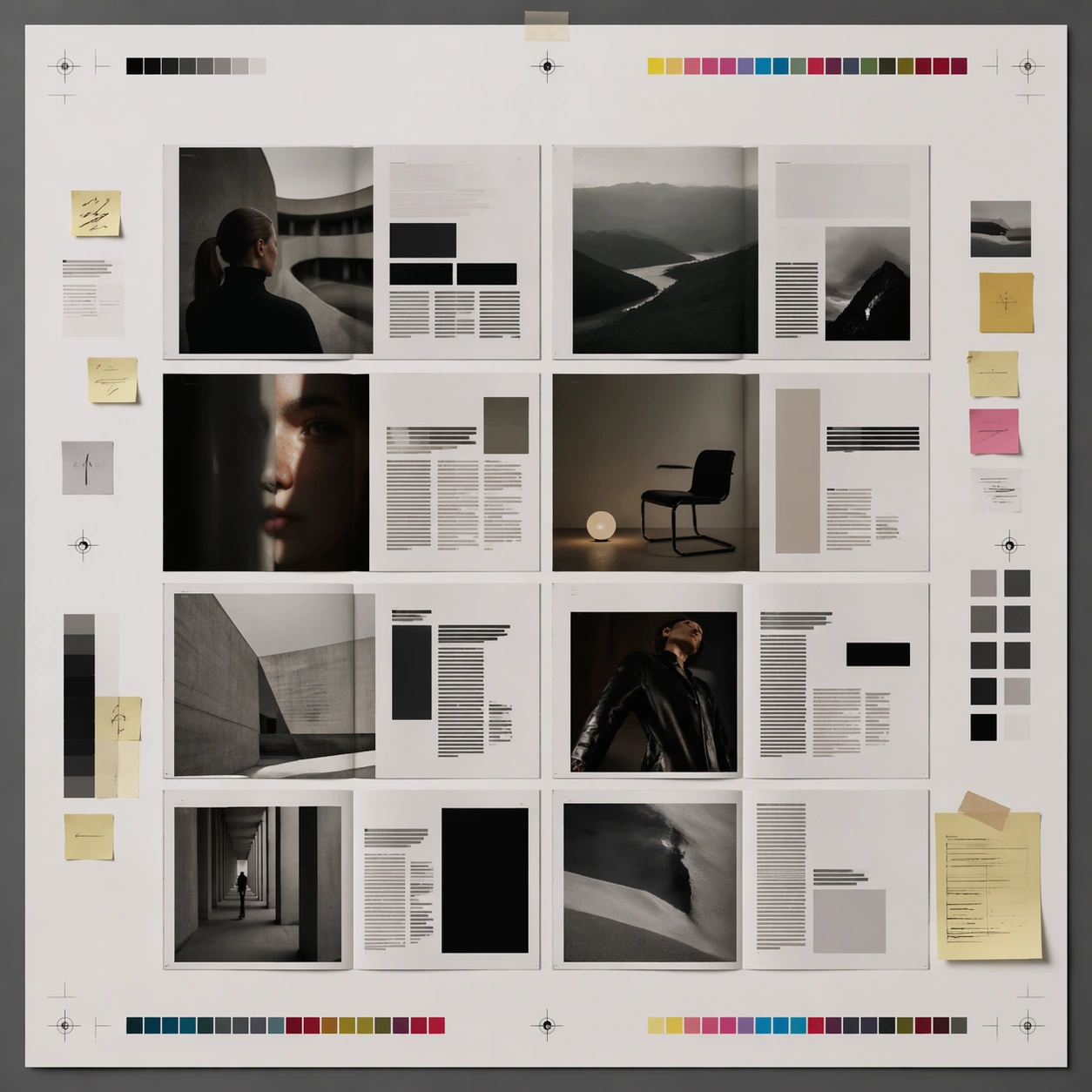
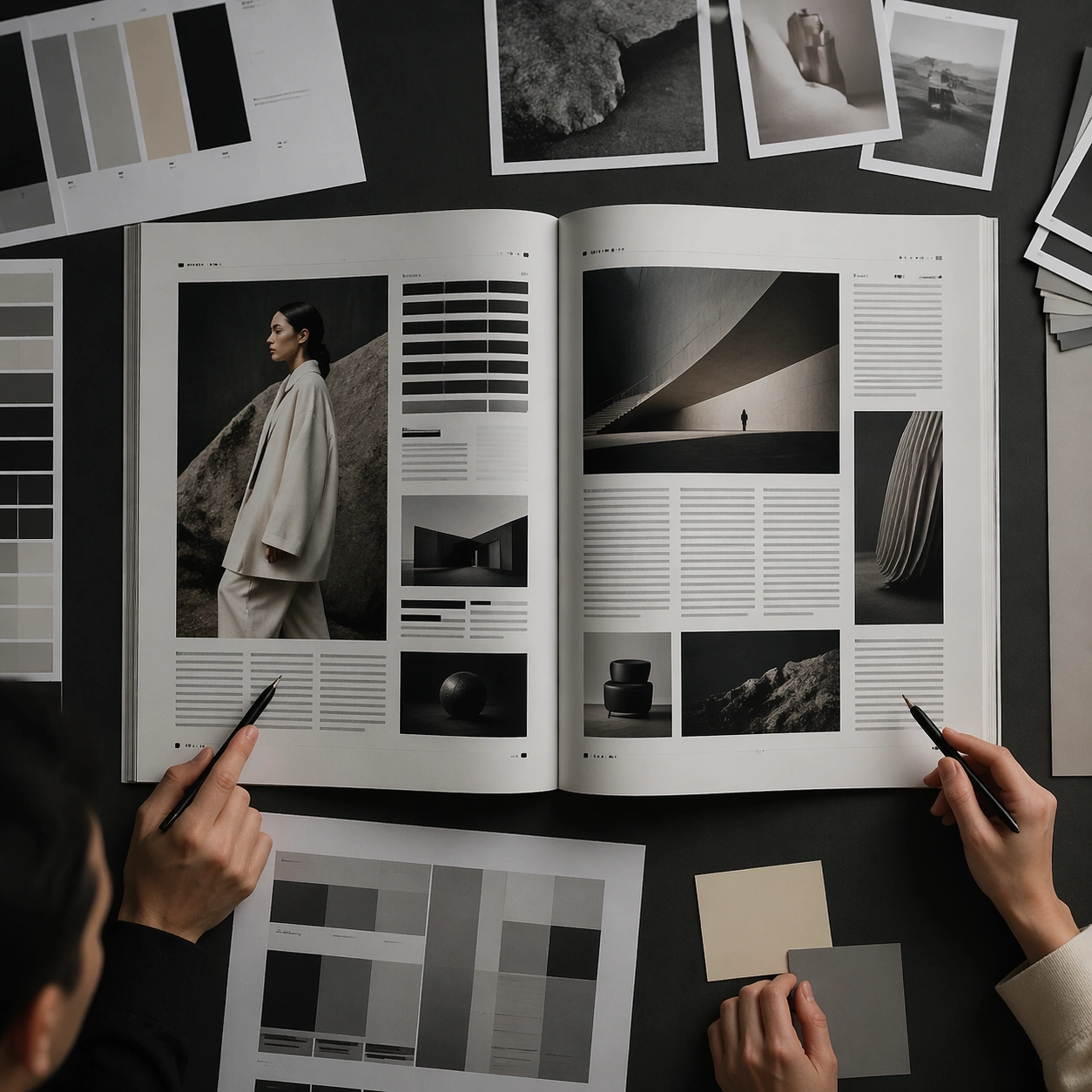
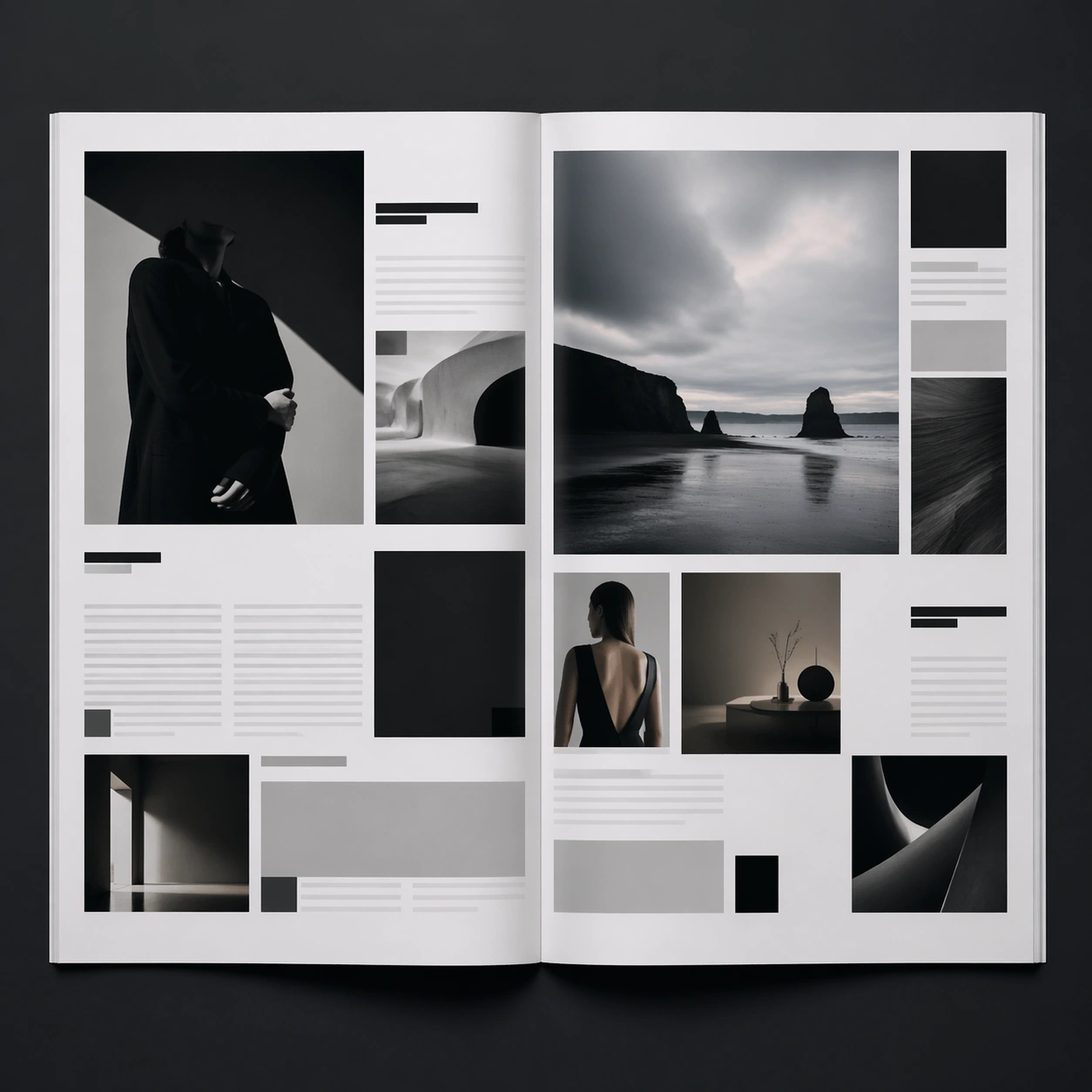
A square editorial or interface layout study with exact margins, confident grid structure, and premium print or screen presentation. Build the frame around a polished display context that still preserves layout logic. Keep the lighting, camera distance, and spatial organization tuned for a high-signal research image rather than a casual snapshot. The image belongs to the Magazine Spread Layout theme and should feel immediately legible as a prompt atlas theme for magazine spread layout, testing multi-image-reference, structured-layout, commercial-mockup with gpt image 2..

Subject:
Center the study on a polished display context that still preserves layout logic. Translate the theme into a concrete visual statement instead of an abstract mood board: the viewer should understand what kind of image this is, what is being tested, and why the composition is difficult. Use the slug idea of magazine spread layout as a literal guide for subject matter, materials, and staging. If helpful, borrow the broad visual cues suggested by Wired, Vogue, but keep the result original and specific to this study.

Important details:
Typography fields must stay unreadable, but hierarchy, rhythm, and page architecture should feel convincing enough for design review. Preserve a disciplined square composition, clear focal hierarchy, and enough secondary information to make the image feel complete rather than underspecified. The image should look polished, novel, and exhibition-ready, with topic-specific credibility coming from the way surfaces, structure, and visual language reinforce Magazine Spread Layout. Avoid generic filler elements that do not serve the main concept.

Use case:
Magazine Spread Layout single study 6/8, testing multi-image-reference, structured-layout, commercial-mockup through the 陈列展示 variation.

Constraints:
No readable text, no watermark, no logos, preserve exact 1:1 aspect ratio, no readable text, no logo lockups from real brands, no broken grid, no arbitrary poster clutter, no malformed columns, no accidental lorem ipsum.
Jak używać
- Skopiuj cały oryginalny prompt wraz z parametrami.
- Dostosuj temat, tekst i kompozycję do swoich potrzeb.
- Użyj zgodnego narzędzia zewnętrznego; sprawdź warunki dostępu i wynik.
Przed rozpoczęciem
- Sprawdź, czy potrzebny jest obraz referencyjny. Zgodność nie potwierdza modelu użytego do przykładu.
- Sprawdź nazwy, liczby i napisy; wyniki zależą od wersji modelu.