Oryginalny dokument
GPT Image 2 · en
Scene:
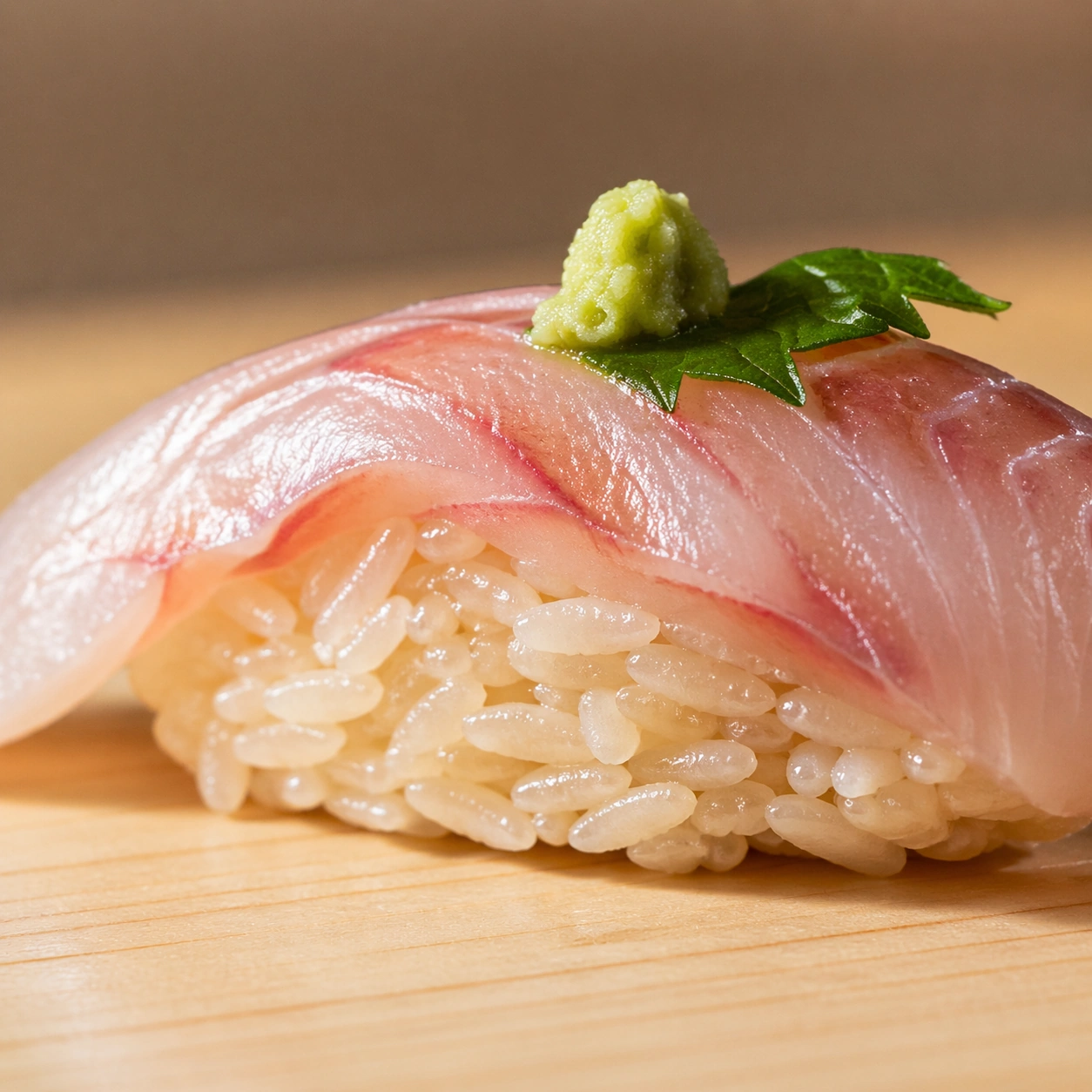
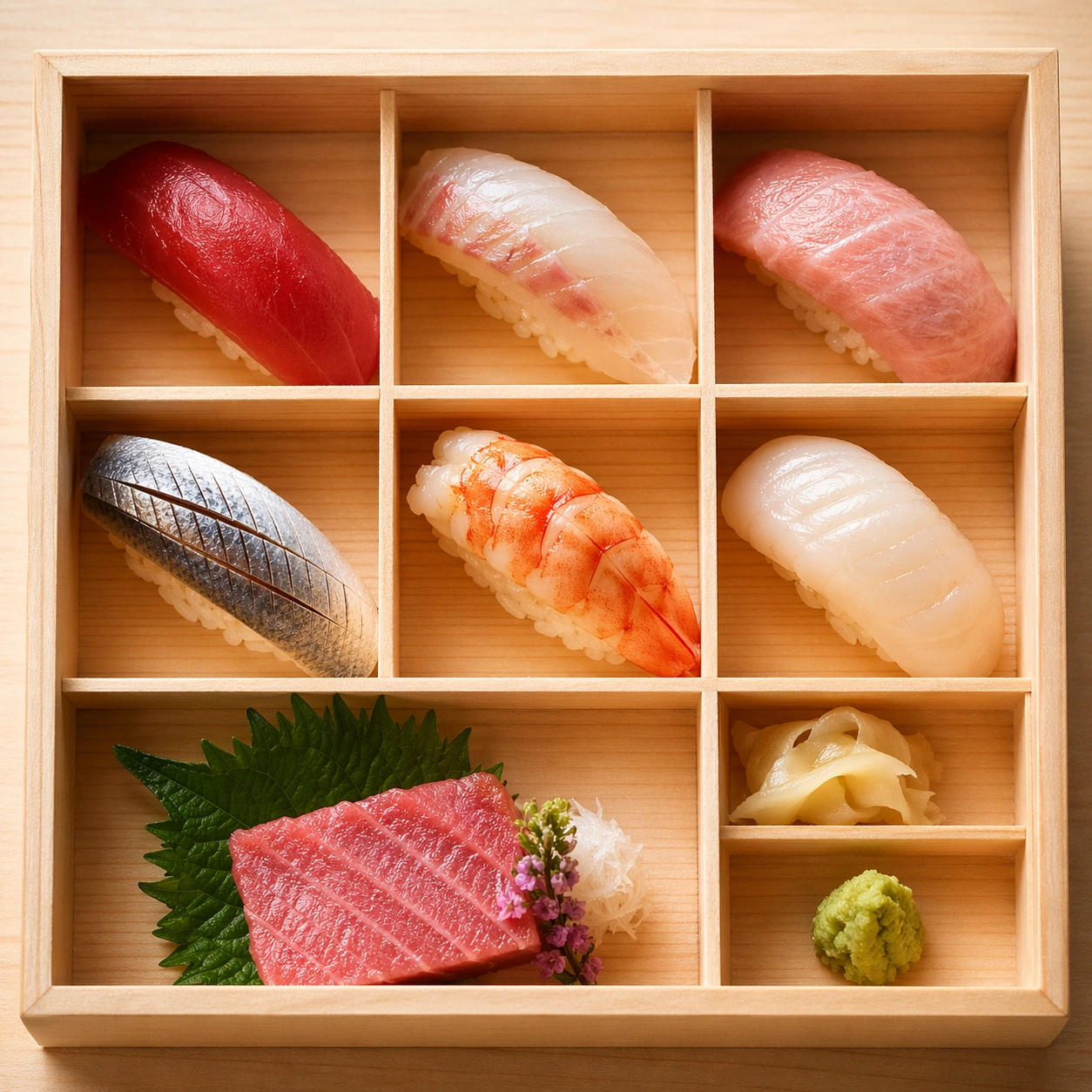
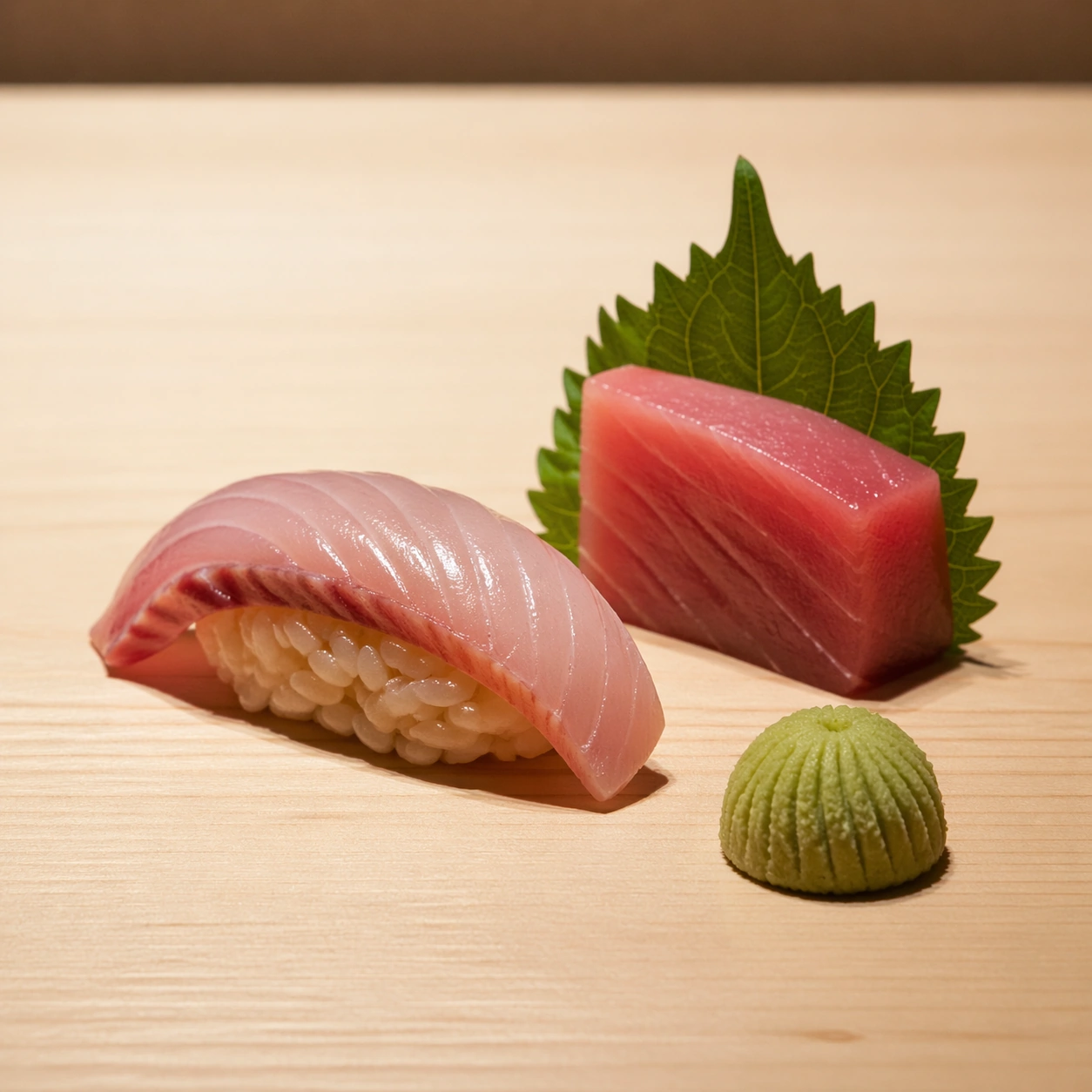
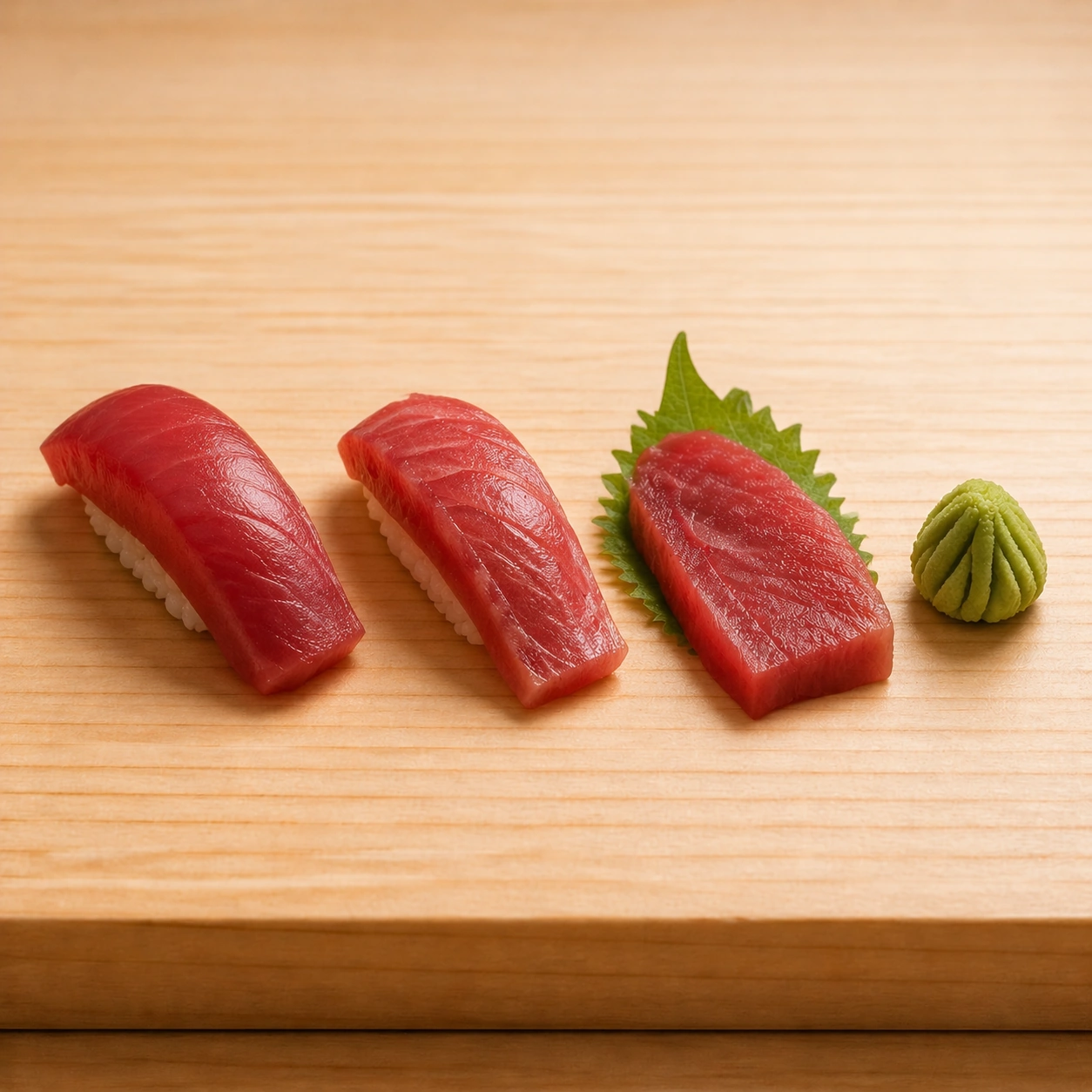
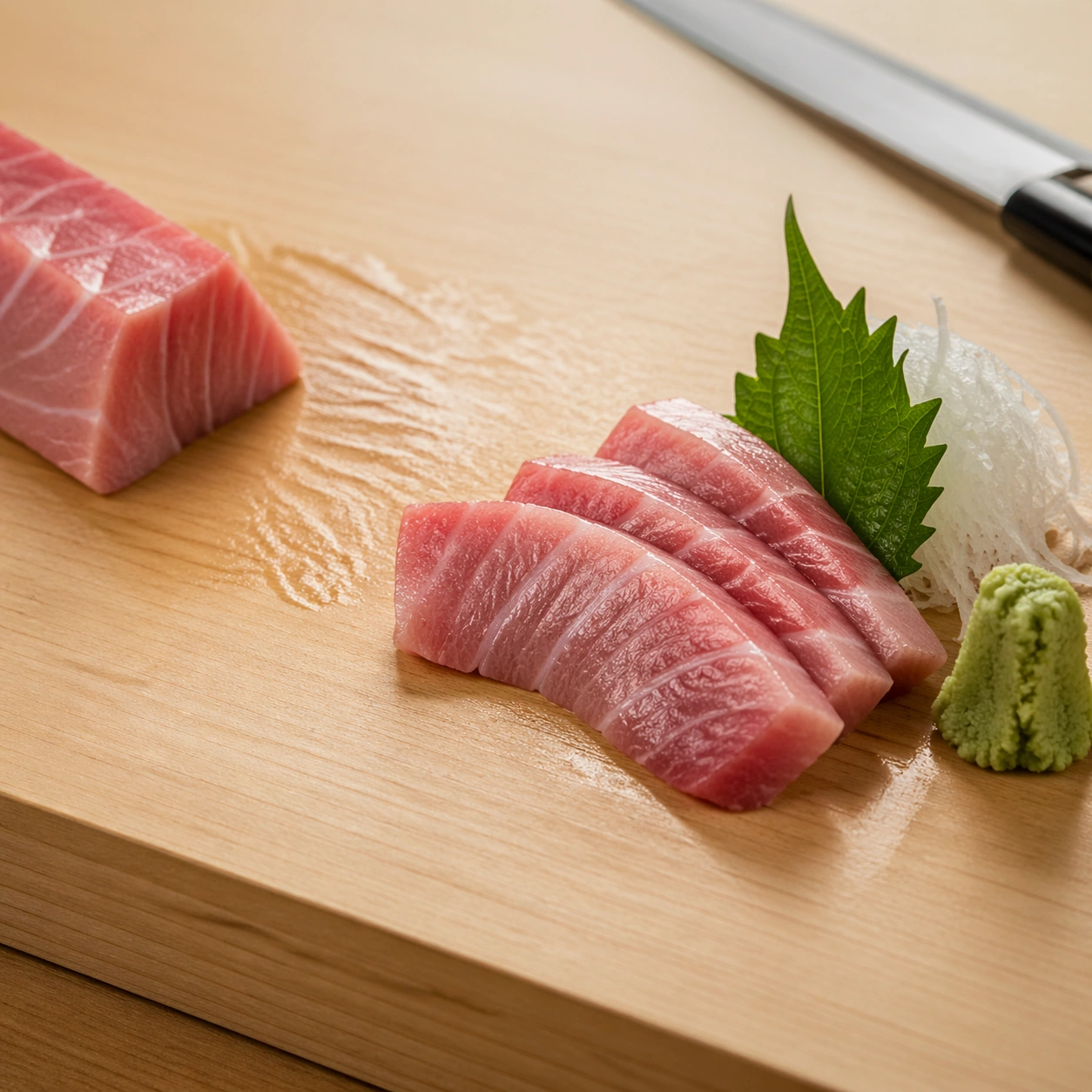
Create a square high-end sushi photograph on pale hinoki wood or a neutral omakase counter, lit with precise raking light that reveals grain in fish and separation in rice. The environment should feel silent, expensive, and almost clinical in its cleanliness. Space, alignment, and proportion matter as much as the ingredients themselves. Use a square three-quarter close view on a pale cutting board or hinoki block under calm raking light, keeping the environment clean enough to feel almost ceremonial. The board texture should remain visible but restrained.

Subject:
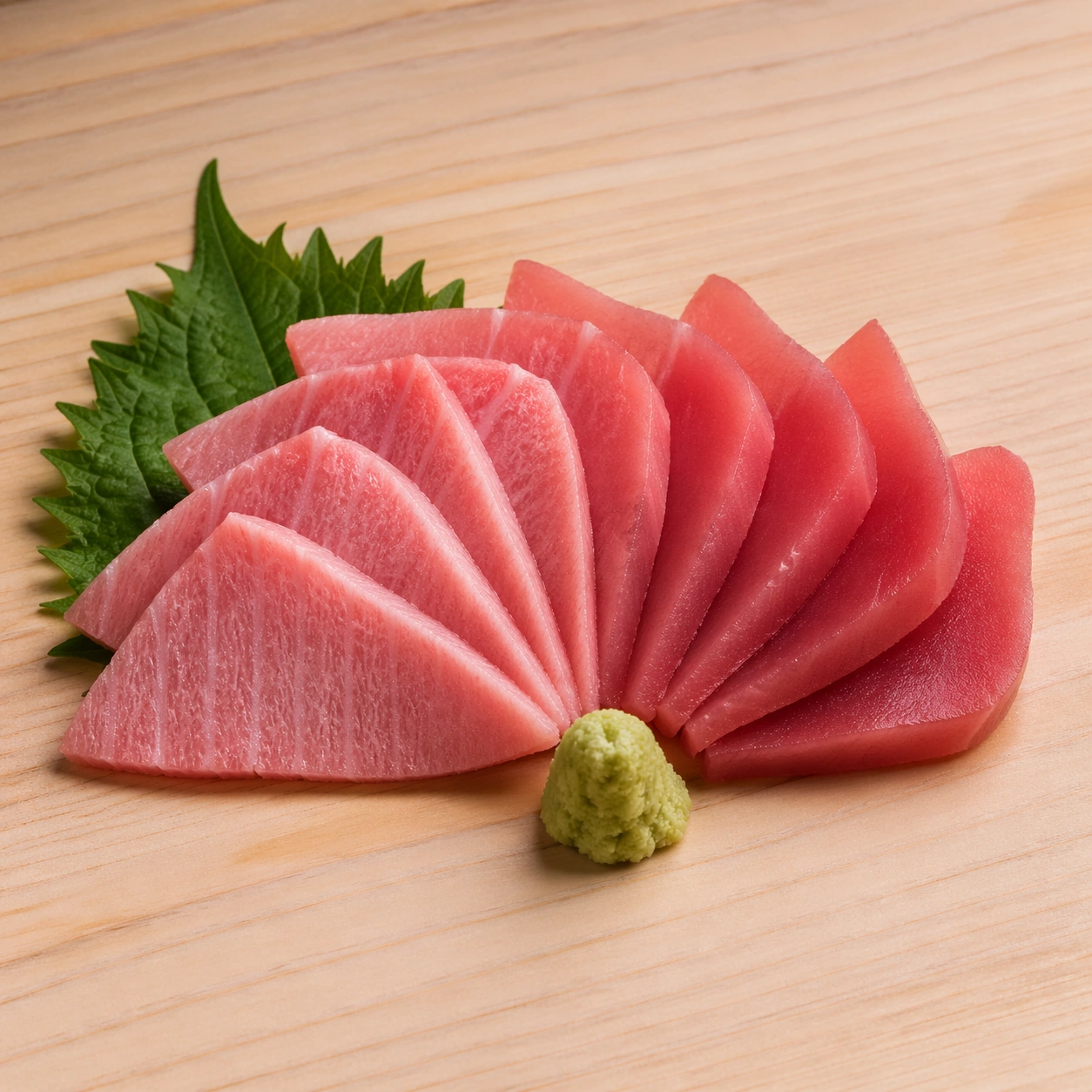
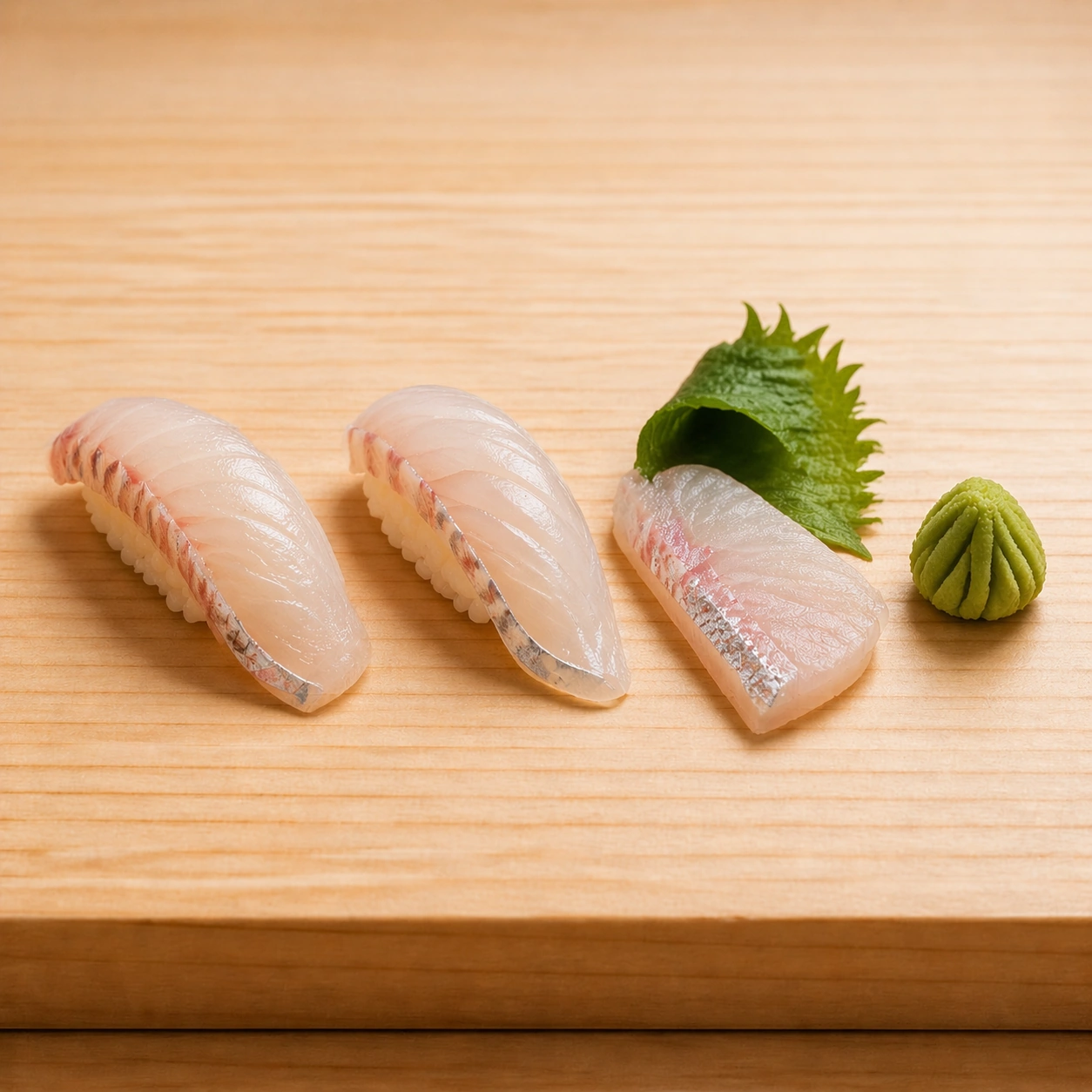
Show a few freshly cut sashimi slices arranged beside the zone where they were just portioned, with subtle knife traces in the moisture and grain direction of the fish. A long knife may rest softly out of focus at the edge of frame, never dominating the composition. The image should suggest mastery without showing hands.

Important details:
Every ingredient should reward macro inspection: fish grain direction, cut angle, moisture, knife marks, rice-grain separation, wasabi texture, shiso curl, and the grain of the wood beneath all need to remain distinct. The result should communicate mastery through restraint and surgical care rather than abundance. Emphasize cut planes, residual moisture, and the relationship between blade discipline and final slice geometry. The prep context should enrich the story while staying as immaculate as the service counter.

Use case:
Sushi and sashimi precision single study 8/9, shifting from finished service to the knife-work behind it.

Constraints:
No readable text, no watermark, no logos, preserve exact 1:1 aspect ratio, no soy sauce pools, no decorative restaurant clutter, no readable menu cards, no plastic sushi display look, no overloaded garnish, no fish market mess, no blood or offcuts, no readable knife branding.
Jak używać
- Skopiuj cały oryginalny prompt wraz z parametrami.
- Dostosuj temat, tekst i kompozycję do swoich potrzeb.
- Użyj zgodnego narzędzia zewnętrznego; sprawdź warunki dostępu i wynik.
Przed rozpoczęciem
- Sprawdź, czy potrzebny jest obraz referencyjny. Zgodność nie potwierdza modelu użytego do przykładu.
- Sprawdź nazwy, liczby i napisy; wyniki zależą od wersji modelu.