
8 de setembro de 2026 —
Acordo entre Qualcomm e Amazon vincula incentivos a compras de até US$ 60 bilhões
Esta edição acompanha uma mudança na concorrência dos centros de dados: a Qualcomm revelou uma colaboração de longo prazo com a Amazon em chips de servidor, vinculando direitos de compra de ações às aquisições comerciais. Também abordamos capital para IA soberana, litografia para chips maiores, plataformas Arm da nuvem à robótica e um caso em que a IA acelerou o desenvolvimento de ataques.
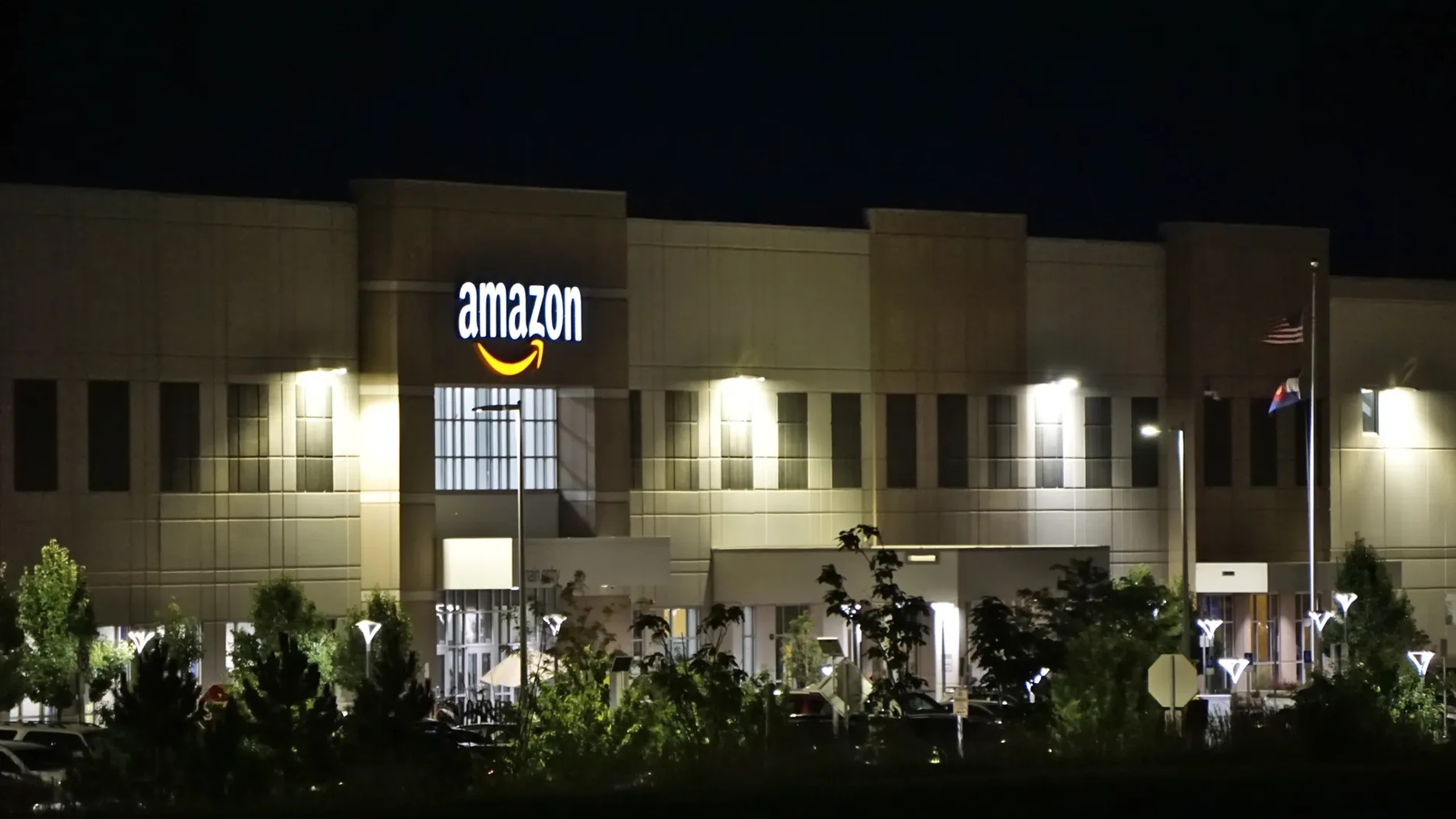
Acordo entre Qualcomm e Amazon vincula incentivos a compras de até US$ 60 bilhões
A Qualcomm divulgou uma colaboração estratégica na qual a Amazon comprará determinados produtos, tecnologias, sistemas e serviços de fabricação de chips de servidor. Uma afiliada da Amazon recebeu um instrumento que permite adquirir até 25 milhões de ações por US$ 161,26 cada. Ao longo de dez anos, a aquisição dos direitos depende de acordos comerciais, pedidos vinculantes e compras efetivas; o cronograma abrange pagamentos acumulados de até US$ 60 bilhões.
Compromissos iniciais de compra liberaram, na emissão, direitos referentes a 3,75 milhões de ações. Isso não significa que a Amazon tenha prometido gastar os US$ 60 bilhões completos. Ainda assim, cria incentivos relevantes para a entrada da Qualcomm em CPUs e sistemas para centros de dados de IA.
Mistral capta € 3 bilhões para ampliar a infraestrutura de IA soberana
A Mistral concluiu uma rodada Série D de € 3 bilhões liderada pela Samsung Electronics, com avaliação após o aporte superior a € 21 bilhões. Scaleup Europe Fund e PSG Equity colideraram a operação, com participação de fundos administrados pela BlackRock, Nvidia e Salesforce Ventures, entre outros. Os recursos financiarão pesquisa de modelos de ponta, capacidade computacional, infraestrutura e expansão internacional.
ASML e TSMC planejam máscaras maiores para High NA EUV
ASML e TSMC lançaram uma iniciativa para passar das atuais fotomáscaras de 6 polegadas ao formato de 12 polegadas na litografia High NA EUV. As metas são uma linha piloto em 2031 e sistemas prontos para produção em 2033. Separadamente, a TSMC planeja usar High NA EUV na fabricação em grande volume de processos avançados em 2030. Máscaras maiores devem aumentar a produtividade, reduzir custos e eliminar limitações na união de campos de exposição para chips de IA maiores.
Arm Neoverse CSS N4 mira servidores configuráveis para agentes de IA
A Arm apresentou o Neoverse CSS N4, um subsistema configurável para chips de nuvem, redes e centros de dados especializados. Ele permite até 128 núcleos N4 por chip, com LPDDR6 e PCIe Gen 7. A Arm afirma oferecer até o dobro do desempenho do CSS N3, 25% mais desempenho por watt e 75% mais largura de banda de memória. Ao lado da AGI CPU pronta para produção, a plataforma busca atender à orquestração de agentes intensiva em CPU.
Pesquisadores demonstram verme do WeChat sem clique desenvolvido com IA
O laboratório Calif apresentou o WeWorm, uma prova de conceito que explorava o processamento de chamadas do WeChat no iOS e Android sem que a vítima atendesse. Uma conta comprometida podia ligar para contatos e propagar o ataque. Segundo a Calif, a IA ajudou a descobrir uma falha de corrupção de memória e a criar o primeiro exploit de execução remota de código em cerca de dois dias. O problema foi reportado em julho; a Tencent lançou mitigações no aplicativo em agosto e depois no servidor para todos os usuários.
Arm incorpora gráficos neurais à próxima plataforma móvel
O CSS for Mobile 2 combina o novo conjunto de CPUs C2 com a Mali G2-Ultra NX, primeira GPU móvel da Arm com aceleradores neurais dedicados. Segundo a empresa, dobrar a capacidade SME2 acelera modelos de linguagem pequenos recentes em 70%. A GPU é voltada a renderização neural e agentes executados no dispositivo.
Arm propõe uma linguagem comum para capacidades robóticas
A Arm ampliou o Total Design para IA física, com mais de 80 empresas participantes, e apresentou o Robotics Capability Framework. A proposta classifica sistemas desde máquinas reativas até robôs sensíveis ao contexto, cognitivos e capazes de se aprimorar. Ela relaciona comportamento a requisitos de computação, latência, memória, energia e segurança.
Arm abre portal de modelos e otimização para desenvolvedores e agentes
O Arm AI Portal oferece modelos pré-otimizados de linguagem, fala, visão e gráficos neurais, com dados de latência, memória e precisão em hardware Arm. Qwen, Gemma, YOLO, ExecuTorch, LiteRT e ONNX Runtime estão entre os modelos e ambientes apresentados. Agentes de programação também acessam recursos legíveis por máquina via MCP.
Austrália propõe opção de recusar feeds algorítmicos
A proposta australiana “My Feed, My Way” exigiria que redes sociais perguntassem a usuários novos e atuais se desejam recomendações personalizadas no feed padrão. Quem recusar verá apenas amigos e criadores escolhidos. O descumprimento do dever mais amplo de cuidado digital poderia gerar multas de até A$ 109,2 milhões.
Medalhista Fields cria instituto matemático de segurança de IA
Jacob Tsimerman anunciou o Mathematical AI Safety Institute, organização independente na região da baía de São Francisco e separada do trabalho de segurança que começará na OpenAI ainda neste mês. O primeiro semestre completo de pesquisa está previsto para janeiro de 2027, com contratação inicial de 10 a 30 matemáticos.