PROMPTS · EXPLORAÇÃO CRIATIVA

Galeria de prompts

Explore prompts reais e exemplos gerados. Encontre inspiração para sua próxima missão criativa e copie o prompt completo grátis.

Exemplos
10,974
Modelos
17
Fontes
1277
10.974 exemplos de prompts · página 74 de 229
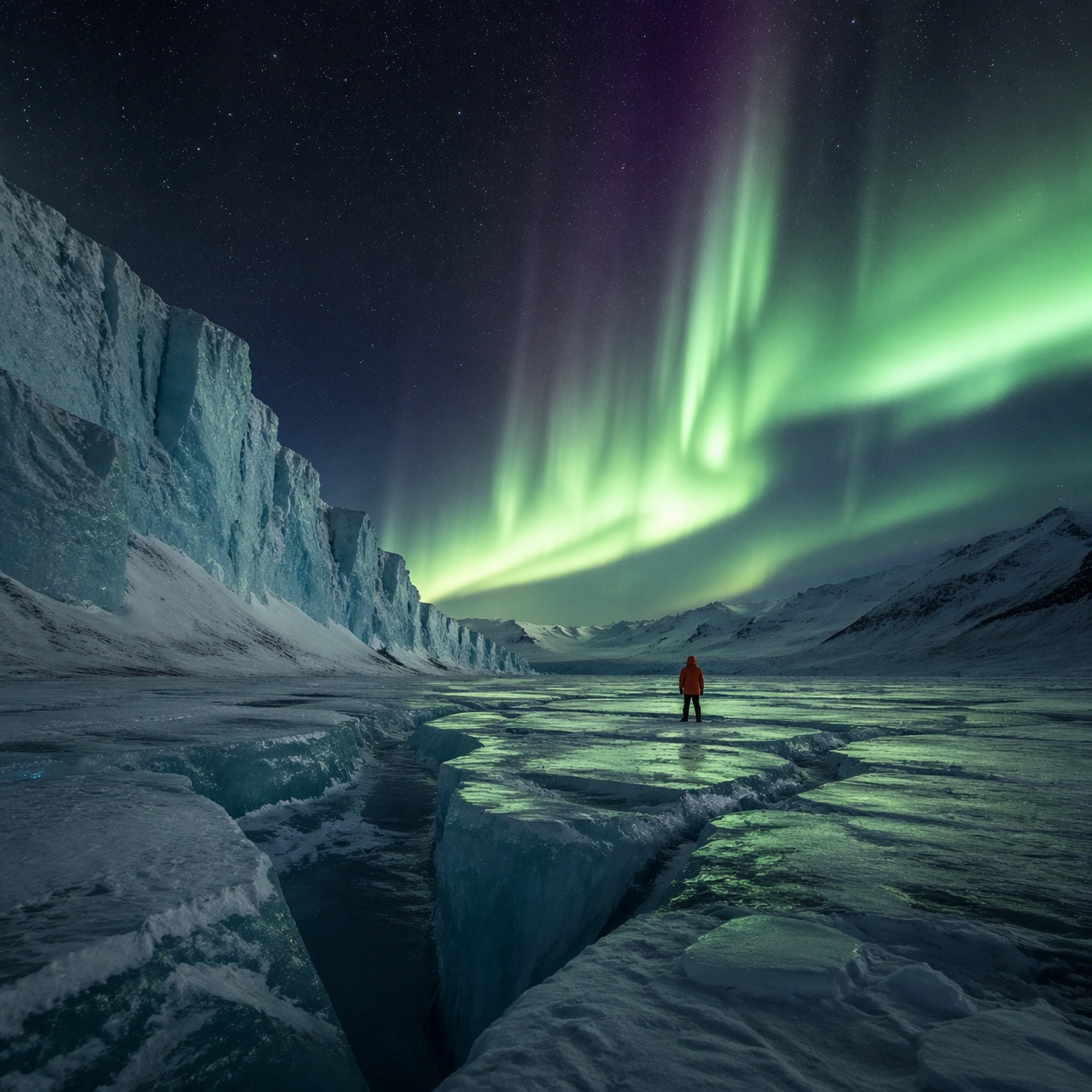
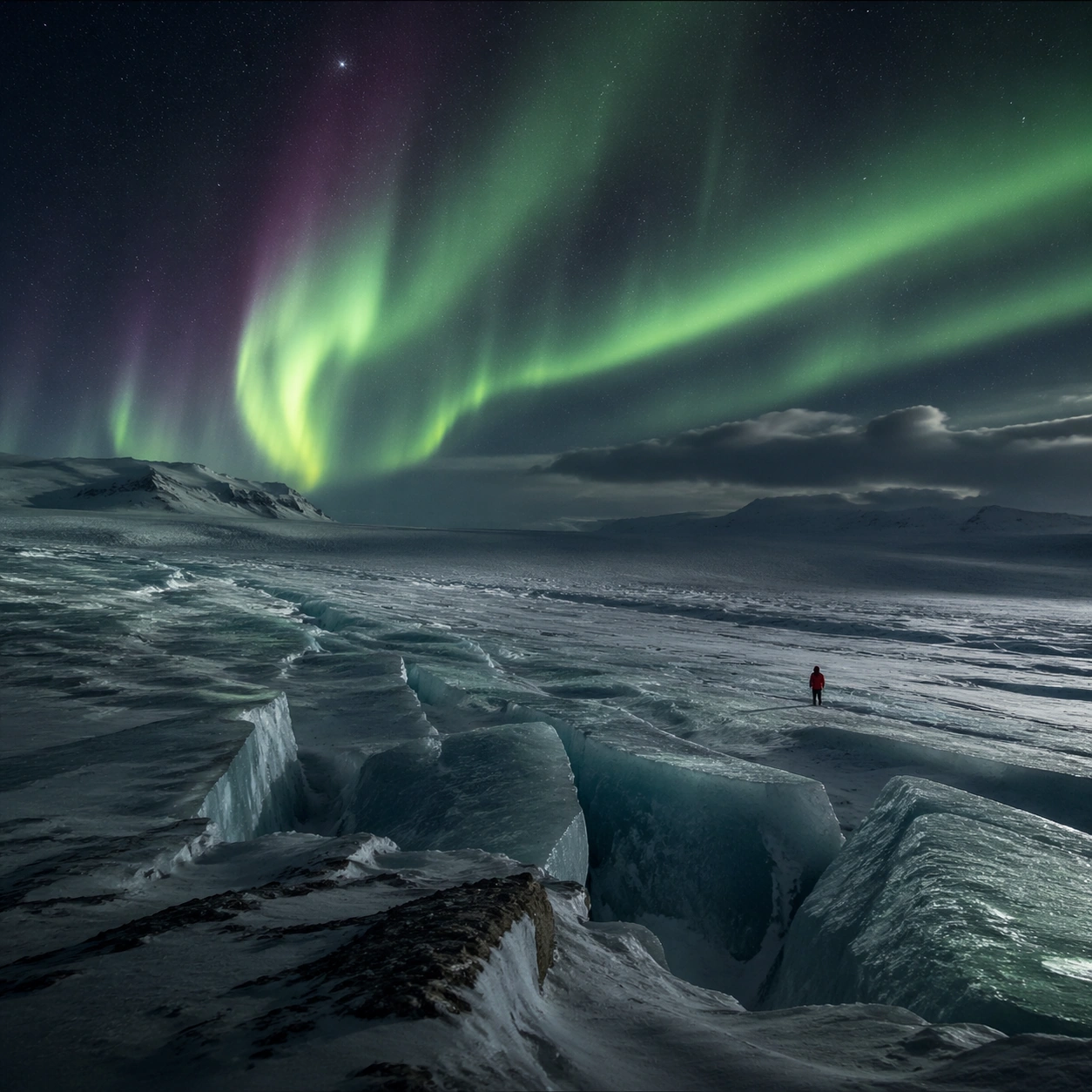
Example generated from “Aurora Glacier Silent Theatre — Silhouette Study”
GPT Image 2en

Scene: Create a square cinematic still for Aurora Glacier Silent Theatre. Use production-grade photoreal lighting, disciplined lens behavior, and a composition that feels like a finished key frame from an original film rather than a casual snapshot. An Arctic glacier plain opens under a sweeping aurora curtain, with deep night sky, luminous green and faint violet ribbons overhead, fractured ice catching reflected color, and a breath-frozen atmosphere that feels almost soundless. Compose an independent frame where one human, animal, or object silhouette negotiates with the atmospheric light event in a clean, readable way. Subject: Build a coherent original scene whose emotional center comes from atmosphere, light physics, and spatial clarity. Avoid relying on celebrity likeness, franchise iconography, or stylized illustration shortcuts. A solitary human figure in a red parka should appear tiny against the glacier geometry, while crevasses, wind-scoured snow, and ice walls provide a strong sense of scale without cluttering the frame. The silhouette should supply scale and emotional orientation, but the environment still needs to carry most of the storytelling weight. Important details: Preserve a believable physical world with strong depth layering, careful color separation, and premium image discipline. Keep the aurora soft and physically plausible rather than graphic, with believable ice reflectance, low-angle moonless ambient light, and careful contrast so the red parka remains a scale marker rather than a fashion focal point. Keep the silhouette simple and believable, avoiding poster-like graphic flattening while preserving strong contrast. Use case: Aurora Glacier single study 6/9. Constraints: No readable text, no watermark, no logos, preserve exact 1:1 aspect ratio, no tents, no readable expedition logos, no fantasy animals, no saturated nightclub colors, no fireworks effect.
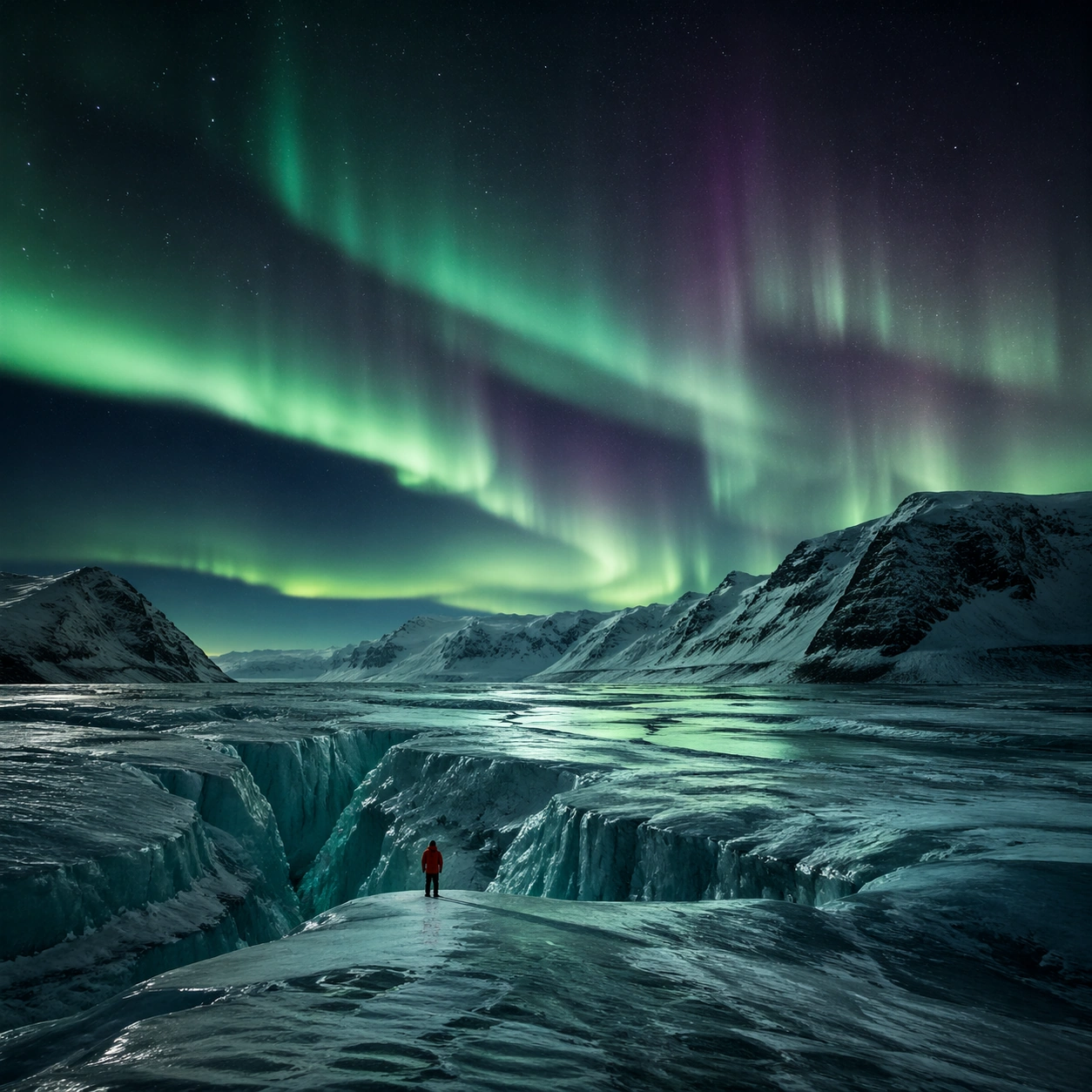
Example generated from “Aurora Glacier Silent Theatre — Transition Study”
GPT Image 2en

Scene: Create a square cinematic still for Aurora Glacier Silent Theatre. Use production-grade photoreal lighting, disciplined lens behavior, and a composition that feels like a finished key frame from an original film rather than a casual snapshot. An Arctic glacier plain opens under a sweeping aurora curtain, with deep night sky, luminous green and faint violet ribbons overhead, fractured ice catching reflected color, and a breath-frozen atmosphere that feels almost soundless. Treat this as an adjacent moment before or after the main event, preserving the same topic language while letting the atmosphere shift slightly in intensity or position. Subject: Build a coherent original scene whose emotional center comes from atmosphere, light physics, and spatial clarity. Avoid relying on celebrity likeness, franchise iconography, or stylized illustration shortcuts. A solitary human figure in a red parka should appear tiny against the glacier geometry, while crevasses, wind-scoured snow, and ice walls provide a strong sense of scale without cluttering the frame. Show the environment in transition, with clear evidence of recent motion, changing weather, or fading light, but without turning it into action spectacle. Important details: Preserve a believable physical world with strong depth layering, careful color separation, and premium image discipline. Keep the aurora soft and physically plausible rather than graphic, with believable ice reflectance, low-angle moonless ambient light, and careful contrast so the red parka remains a scale marker rather than a fashion focal point. Subtle temporal storytelling matters here more than maximal drama, so let traces, gradients, and environmental residue do the work. Use case: Aurora Glacier single study 7/9. Constraints: No readable text, no watermark, no logos, preserve exact 1:1 aspect ratio, no tents, no readable expedition logos, no fantasy animals, no saturated nightclub colors, no fireworks effect.
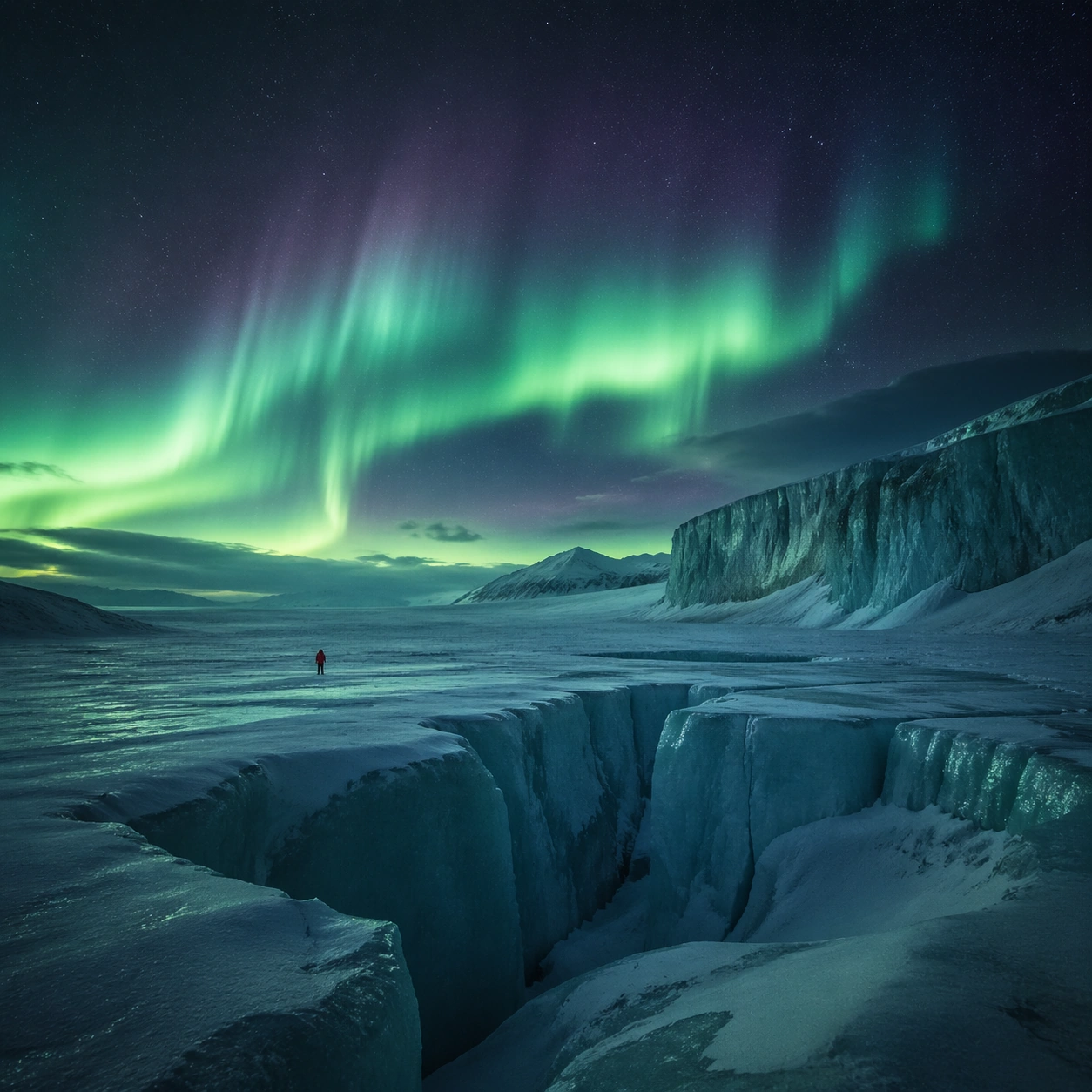
Example generated from “Aurora Glacier Silent Theatre — Wide Study”
GPT Image 2en

Scene: Create a square cinematic still for Aurora Glacier Silent Theatre. Use production-grade photoreal lighting, disciplined lens behavior, and a composition that feels like a finished key frame from an original film rather than a casual snapshot. An Arctic glacier plain opens under a sweeping aurora curtain, with deep night sky, luminous green and faint violet ribbons overhead, fractured ice catching reflected color, and a breath-frozen atmosphere that feels almost soundless. Pull back enough to explain the broader geography or architectural envelope while keeping the square crop intentional and balanced. Subject: Build a coherent original scene whose emotional center comes from atmosphere, light physics, and spatial clarity. Avoid relying on celebrity likeness, franchise iconography, or stylized illustration shortcuts. A solitary human figure in a red parka should appear tiny against the glacier geometry, while crevasses, wind-scoured snow, and ice walls provide a strong sense of scale without cluttering the frame. The wider frame should reveal how the main light or weather phenomenon organizes the surrounding world and not just the immediate subject. Important details: Preserve a believable physical world with strong depth layering, careful color separation, and premium image discipline. Keep the aurora soft and physically plausible rather than graphic, with believable ice reflectance, low-angle moonless ambient light, and careful contrast so the red parka remains a scale marker rather than a fashion focal point. Make scale legible through spacing, horizon control, and foreground-to-background separation rather than through extra props. Use case: Aurora Glacier single study 8/9. Constraints: No readable text, no watermark, no logos, preserve exact 1:1 aspect ratio, no tents, no readable expedition logos, no fantasy animals, no saturated nightclub colors, no fireworks effect.
Example generated from “Aurora Glacier Silent Theatre — Afterglow Study”
GPT Image 2en

Scene: Create a square cinematic still for Aurora Glacier Silent Theatre. Use production-grade photoreal lighting, disciplined lens behavior, and a composition that feels like a finished key frame from an original film rather than a casual snapshot. An Arctic glacier plain opens under a sweeping aurora curtain, with deep night sky, luminous green and faint violet ribbons overhead, fractured ice catching reflected color, and a breath-frozen atmosphere that feels almost soundless. End on a quieter independent image that holds the residue of the topic atmosphere after its loudest moment has passed, while still feeling complete and exhibition-ready. Subject: Build a coherent original scene whose emotional center comes from atmosphere, light physics, and spatial clarity. Avoid relying on celebrity likeness, franchise iconography, or stylized illustration shortcuts. A solitary human figure in a red parka should appear tiny against the glacier geometry, while crevasses, wind-scoured snow, and ice walls provide a strong sense of scale without cluttering the frame. The frame should suggest memory, aftermath, or lingering presence through environment first and only secondarily through any figure or object. Important details: Preserve a believable physical world with strong depth layering, careful color separation, and premium image discipline. Keep the aurora soft and physically plausible rather than graphic, with believable ice reflectance, low-angle moonless ambient light, and careful contrast so the red parka remains a scale marker rather than a fashion focal point. Favor restraint, believable light decay, and subtle narrative closure over spectacle or decorative excess. Use case: Aurora Glacier single study 9/9. Constraints: No readable text, no watermark, no logos, preserve exact 1:1 aspect ratio, no tents, no readable expedition logos, no fantasy animals, no saturated nightclub colors, no fireworks effect.
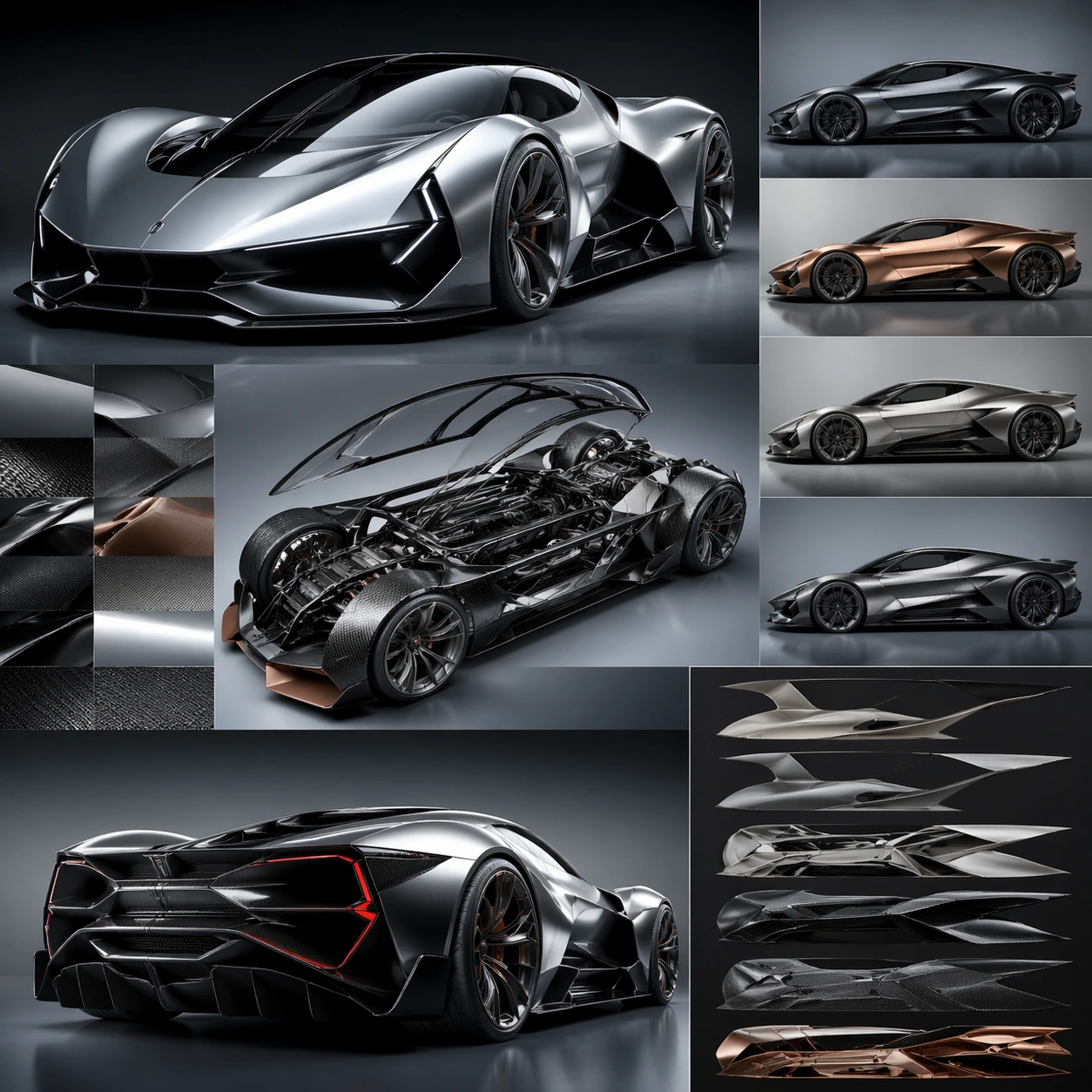
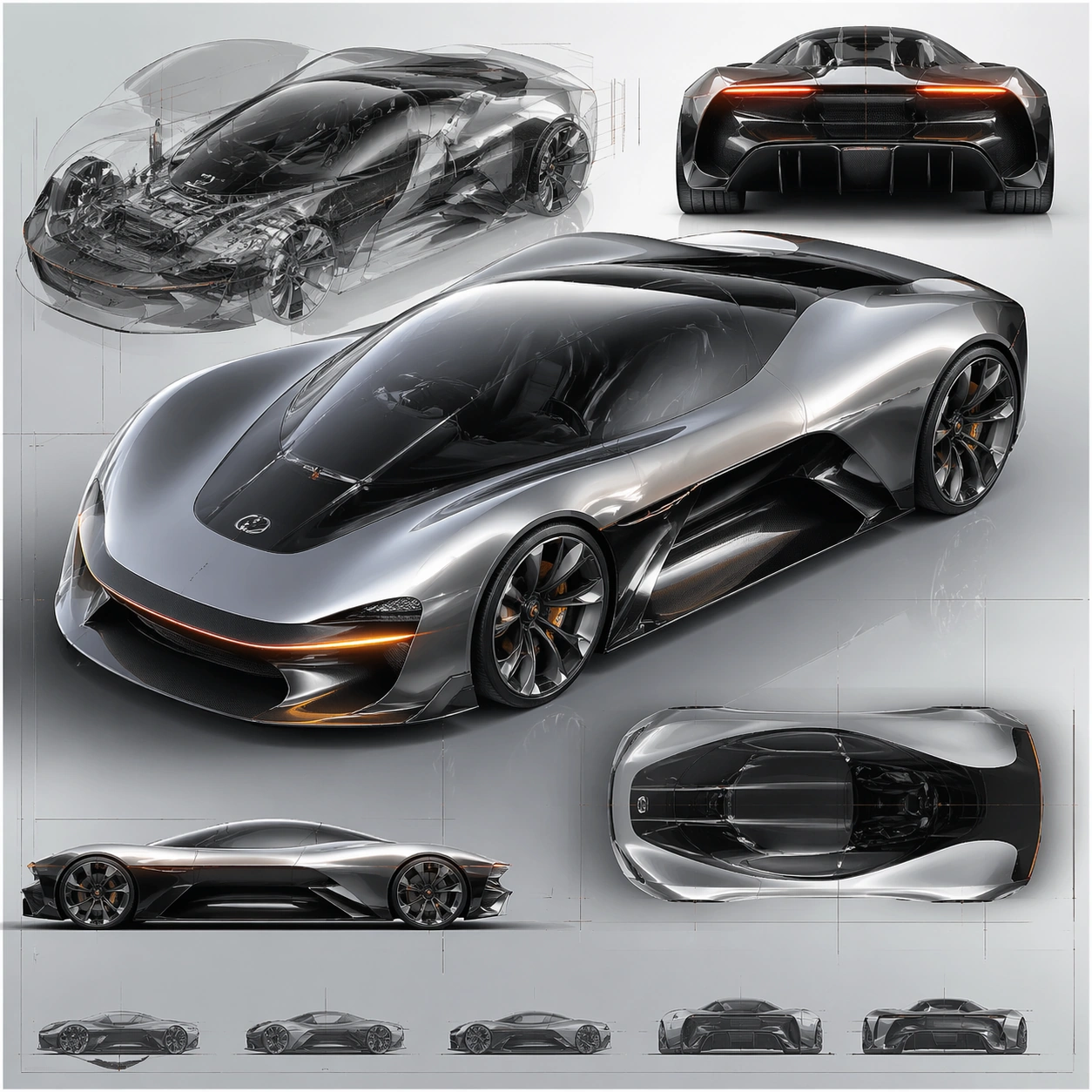
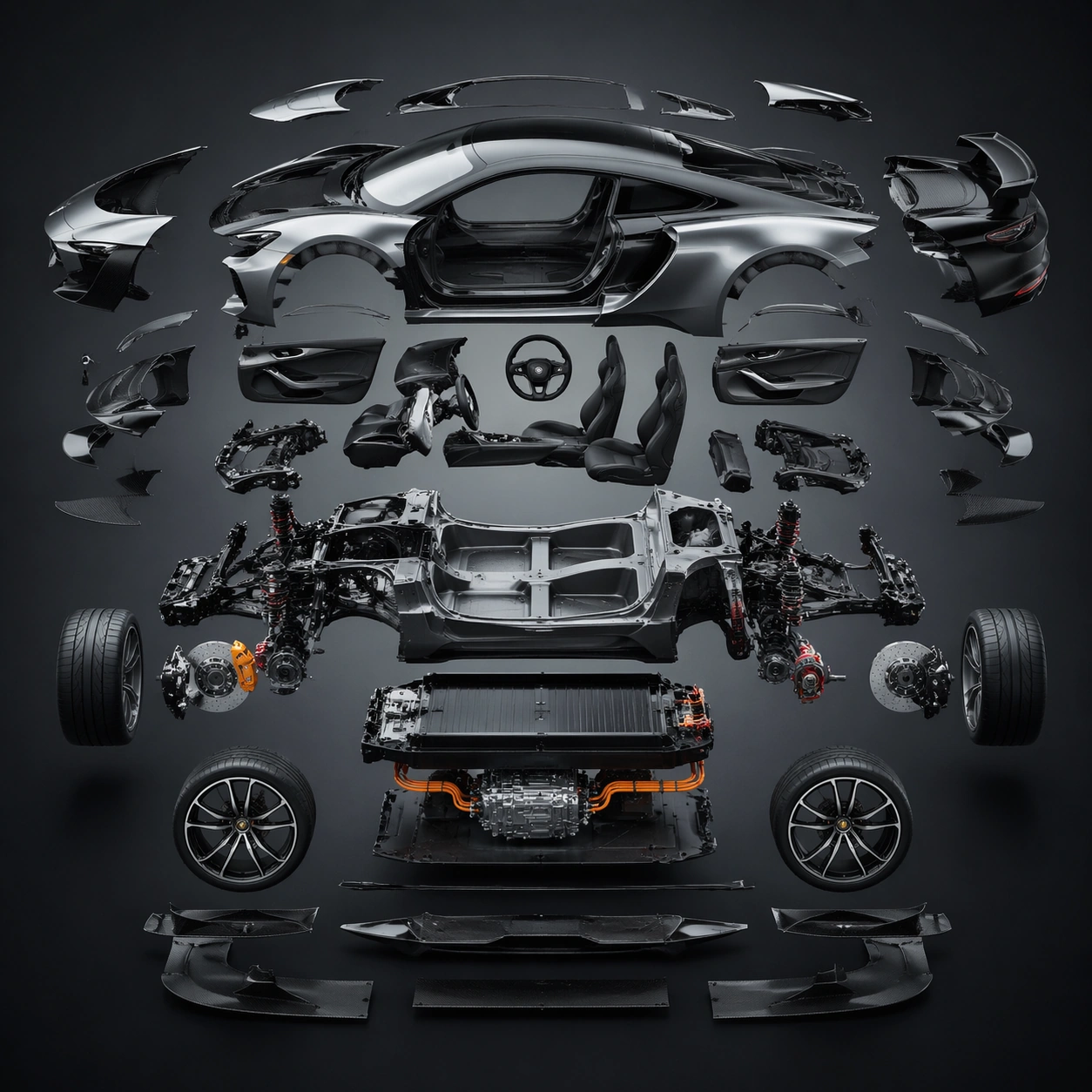
Example generated from “Automotive Concept Art — Exploded Arrangement”
GPT Image 2en

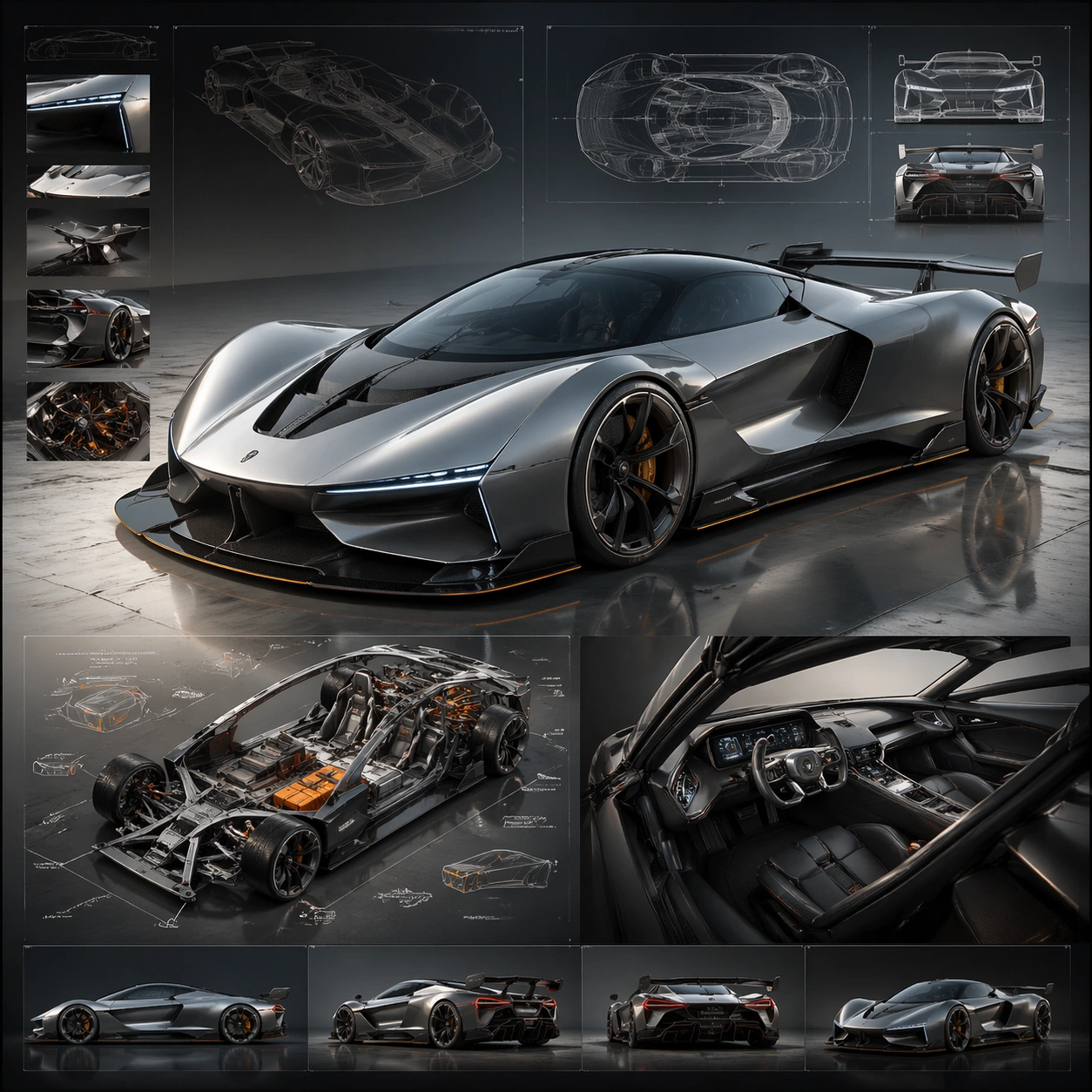
Scene: A square CGI or design-visualization frame with calibrated lighting, intentional composition, and premium material rendering. Build the frame around components or accessories separated with clean studio logic. Keep the lighting, camera distance, and spatial organization tuned for a high-signal research image rather than a casual snapshot. The image belongs to the Automotive Concept Art theme and should feel immediately legible as a prompt atlas theme for automotive concept art, testing technical-diagram, style-transfer, commercial-mockup with gpt image 2.. Subject: Center the study on components or accessories separated with clean studio logic. Translate the theme into a concrete visual statement instead of an abstract mood board: the viewer should understand what kind of image this is, what is being tested, and why the composition is difficult. Use the slug idea of automotive concept art as a literal guide for subject matter, materials, and staging. Important details: The model must feel engineered or art-directed rather than merely stylized: edges, seams, translucency, reflections, and scale cues should all hold up. Preserve a disciplined square composition, clear focal hierarchy, and enough secondary information to make the image feel complete rather than underspecified. The image should look polished, novel, and exhibition-ready, with topic-specific credibility coming from the way surfaces, structure, and visual language reinforce Automotive Concept Art. Avoid generic filler elements that do not serve the main concept. Use case: Automotive Concept Art single study 2/8, testing technical-diagram, style-transfer, commercial-mockup through the exploded arrangement variation. Constraints: No readable text, no watermark, no logos, preserve exact 1:1 aspect ratio, no real brand logos, no low-poly shortcuts, no broken reflections, no muddy materials, no generic showroom clutter, no unreadable UI overlays.

Example generated from “Automotive Concept Art — Material Pass”
GPT Image 2en

Scene: A square CGI or design-visualization frame with calibrated lighting, intentional composition, and premium material rendering. Build the frame around the same design idea pushed through surface richness and shader control. Keep the lighting, camera distance, and spatial organization tuned for a high-signal research image rather than a casual snapshot. The image belongs to the Automotive Concept Art theme and should feel immediately legible as a prompt atlas theme for automotive concept art, testing technical-diagram, style-transfer, commercial-mockup with gpt image 2.. Subject: Center the study on the same design idea pushed through surface richness and shader control. Translate the theme into a concrete visual statement instead of an abstract mood board: the viewer should understand what kind of image this is, what is being tested, and why the composition is difficult. Use the slug idea of automotive concept art as a literal guide for subject matter, materials, and staging. Important details: The model must feel engineered or art-directed rather than merely stylized: edges, seams, translucency, reflections, and scale cues should all hold up. Preserve a disciplined square composition, clear focal hierarchy, and enough secondary information to make the image feel complete rather than underspecified. The image should look polished, novel, and exhibition-ready, with topic-specific credibility coming from the way surfaces, structure, and visual language reinforce Automotive Concept Art. Avoid generic filler elements that do not serve the main concept. Use case: Automotive Concept Art single study 3/8, testing technical-diagram, style-transfer, commercial-mockup through the material pass variation. Constraints: No readable text, no watermark, no logos, preserve exact 1:1 aspect ratio, no real brand logos, no low-poly shortcuts, no broken reflections, no muddy materials, no generic showroom clutter, no unreadable UI overlays.

Example generated from “Automotive Concept Art — Studio Turn”
GPT Image 2en

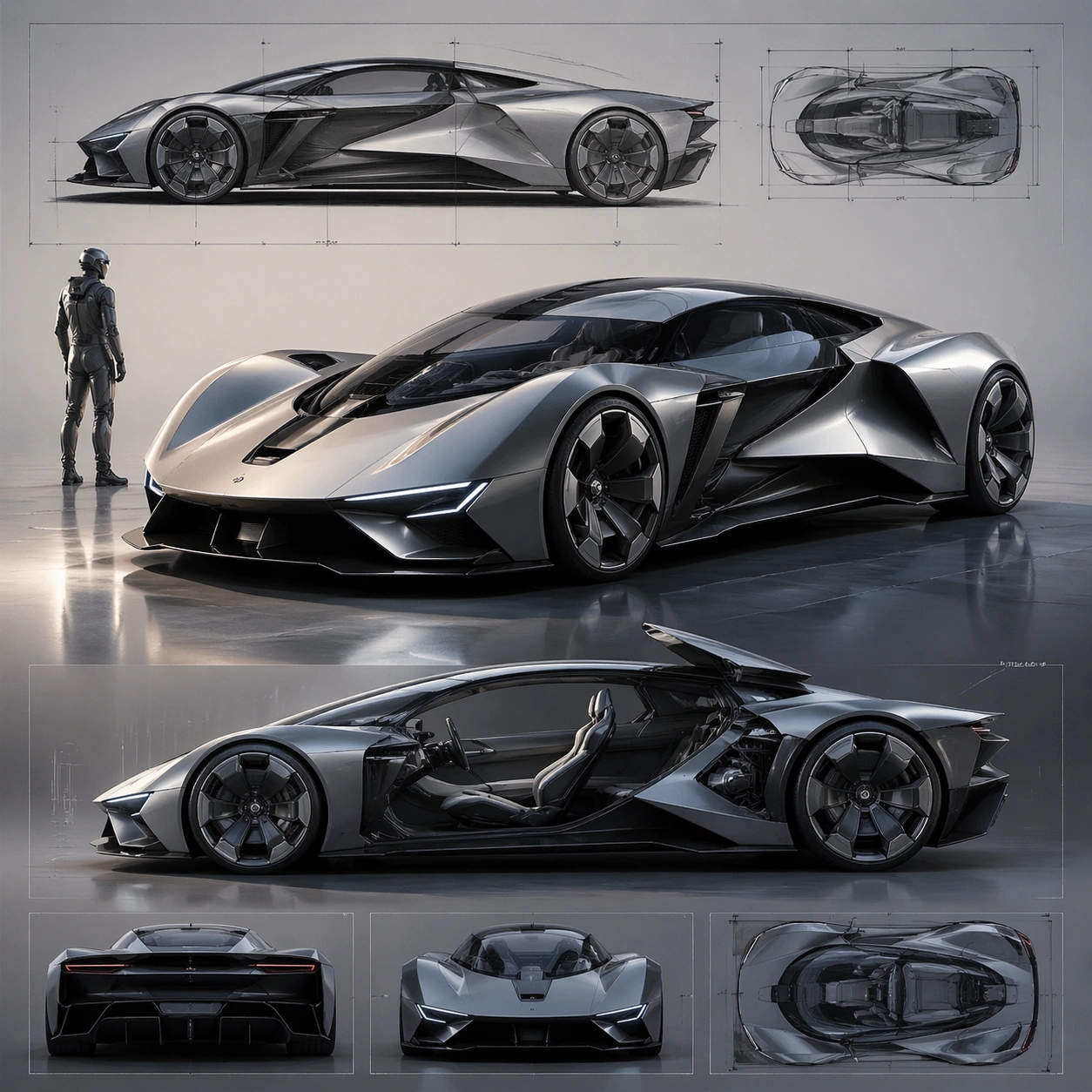
Scene: A square CGI or design-visualization frame with calibrated lighting, intentional composition, and premium material rendering. Build the frame around a presentation angle that reveals volume and silhouette clearly. Keep the lighting, camera distance, and spatial organization tuned for a high-signal research image rather than a casual snapshot. The image belongs to the Automotive Concept Art theme and should feel immediately legible as a prompt atlas theme for automotive concept art, testing technical-diagram, style-transfer, commercial-mockup with gpt image 2.. Subject: Center the study on a presentation angle that reveals volume and silhouette clearly. Translate the theme into a concrete visual statement instead of an abstract mood board: the viewer should understand what kind of image this is, what is being tested, and why the composition is difficult. Use the slug idea of automotive concept art as a literal guide for subject matter, materials, and staging. Important details: The model must feel engineered or art-directed rather than merely stylized: edges, seams, translucency, reflections, and scale cues should all hold up. Preserve a disciplined square composition, clear focal hierarchy, and enough secondary information to make the image feel complete rather than underspecified. The image should look polished, novel, and exhibition-ready, with topic-specific credibility coming from the way surfaces, structure, and visual language reinforce Automotive Concept Art. Avoid generic filler elements that do not serve the main concept. Use case: Automotive Concept Art single study 4/8, testing technical-diagram, style-transfer, commercial-mockup through the studio turn variation. Constraints: No readable text, no watermark, no logos, preserve exact 1:1 aspect ratio, no real brand logos, no low-poly shortcuts, no broken reflections, no muddy materials, no generic showroom clutter, no unreadable UI overlays.

Example generated from “Automotive Concept Art — Scale Comparison”
GPT Image 2en

Scene: A square CGI or design-visualization frame with calibrated lighting, intentional composition, and premium material rendering. Build the frame around supporting context that clarifies proportion and use without becoming literal advertising. Keep the lighting, camera distance, and spatial organization tuned for a high-signal research image rather than a casual snapshot. The image belongs to the Automotive Concept Art theme and should feel immediately legible as a prompt atlas theme for automotive concept art, testing technical-diagram, style-transfer, commercial-mockup with gpt image 2.. Subject: Center the study on supporting context that clarifies proportion and use without becoming literal advertising. Translate the theme into a concrete visual statement instead of an abstract mood board: the viewer should understand what kind of image this is, what is being tested, and why the composition is difficult. Use the slug idea of automotive concept art as a literal guide for subject matter, materials, and staging. Important details: The model must feel engineered or art-directed rather than merely stylized: edges, seams, translucency, reflections, and scale cues should all hold up. Preserve a disciplined square composition, clear focal hierarchy, and enough secondary information to make the image feel complete rather than underspecified. The image should look polished, novel, and exhibition-ready, with topic-specific credibility coming from the way surfaces, structure, and visual language reinforce Automotive Concept Art. Avoid generic filler elements that do not serve the main concept. Use case: Automotive Concept Art single study 5/8, testing technical-diagram, style-transfer, commercial-mockup through the scale comparison variation. Constraints: No readable text, no watermark, no logos, preserve exact 1:1 aspect ratio, no real brand logos, no low-poly shortcuts, no broken reflections, no muddy materials, no generic showroom clutter, no unreadable UI overlays.

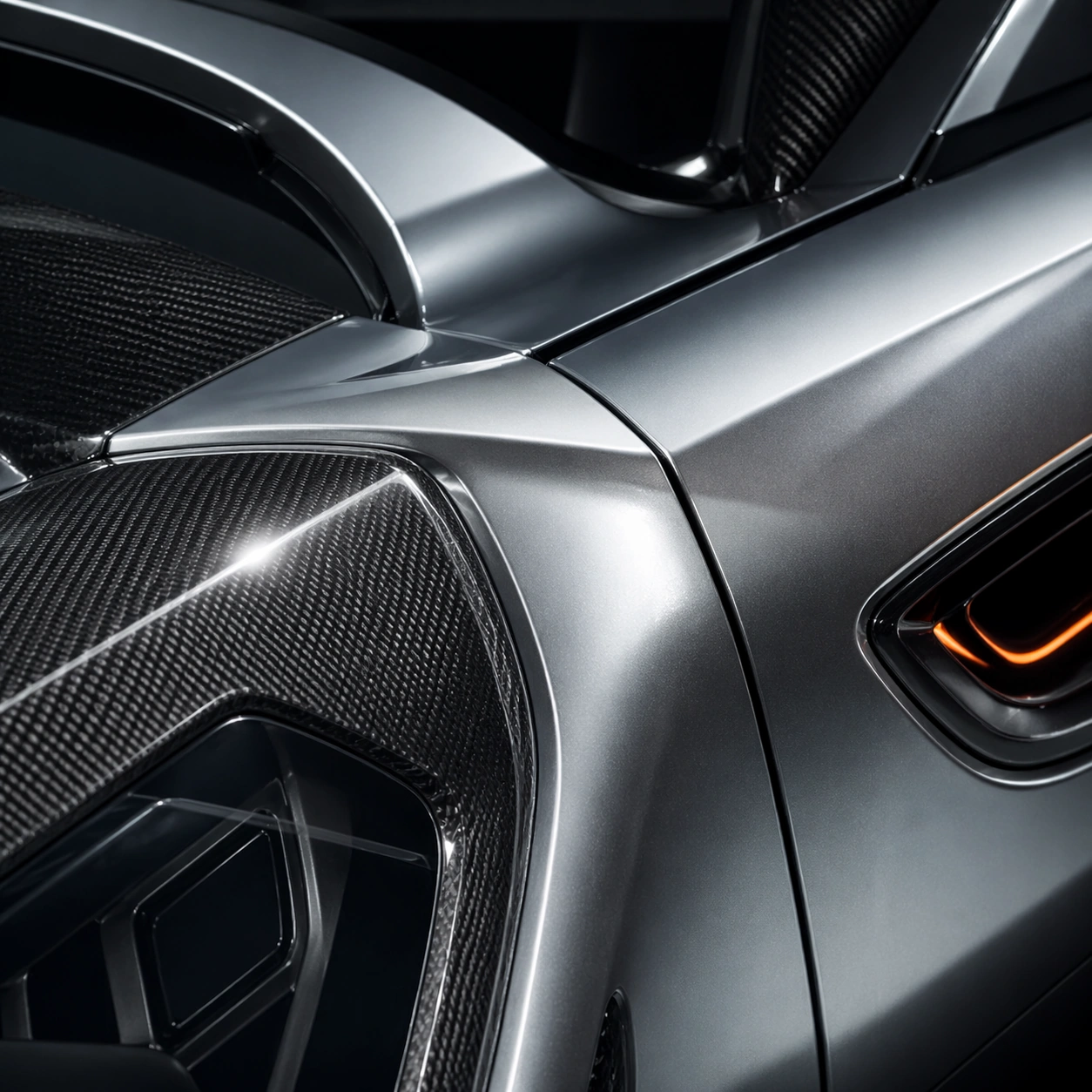
Example generated from “Automotive Concept Art — Detail Closeup”
GPT Image 2en

Scene: A square CGI or design-visualization frame with calibrated lighting, intentional composition, and premium material rendering. Build the frame around macro rendering of joints, textures, or finish transitions. Keep the lighting, camera distance, and spatial organization tuned for a high-signal research image rather than a casual snapshot. The image belongs to the Automotive Concept Art theme and should feel immediately legible as a prompt atlas theme for automotive concept art, testing technical-diagram, style-transfer, commercial-mockup with gpt image 2.. Subject: Center the study on macro rendering of joints, textures, or finish transitions. Translate the theme into a concrete visual statement instead of an abstract mood board: the viewer should understand what kind of image this is, what is being tested, and why the composition is difficult. Use the slug idea of automotive concept art as a literal guide for subject matter, materials, and staging. Important details: The model must feel engineered or art-directed rather than merely stylized: edges, seams, translucency, reflections, and scale cues should all hold up. Preserve a disciplined square composition, clear focal hierarchy, and enough secondary information to make the image feel complete rather than underspecified. The image should look polished, novel, and exhibition-ready, with topic-specific credibility coming from the way surfaces, structure, and visual language reinforce Automotive Concept Art. Avoid generic filler elements that do not serve the main concept. Use case: Automotive Concept Art single study 6/8, testing technical-diagram, style-transfer, commercial-mockup through the detail closeup variation. Constraints: No readable text, no watermark, no logos, preserve exact 1:1 aspect ratio, no real brand logos, no low-poly shortcuts, no broken reflections, no muddy materials, no generic showroom clutter, no unreadable UI overlays.

Example generated from “Automotive Concept Art — 环境展示”
GPT Image 2en

Scene: A square CGI or design-visualization frame with calibrated lighting, intentional composition, and premium material rendering. Build the frame around the design placed into a context that tests realism and narrative. Keep the lighting, camera distance, and spatial organization tuned for a high-signal research image rather than a casual snapshot. The image belongs to the Automotive Concept Art theme and should feel immediately legible as a prompt atlas theme for automotive concept art, testing technical-diagram, style-transfer, commercial-mockup with gpt image 2.. Subject: Center the study on the design placed into a context that tests realism and narrative. Translate the theme into a concrete visual statement instead of an abstract mood board: the viewer should understand what kind of image this is, what is being tested, and why the composition is difficult. Use the slug idea of automotive concept art as a literal guide for subject matter, materials, and staging. Important details: The model must feel engineered or art-directed rather than merely stylized: edges, seams, translucency, reflections, and scale cues should all hold up. Preserve a disciplined square composition, clear focal hierarchy, and enough secondary information to make the image feel complete rather than underspecified. The image should look polished, novel, and exhibition-ready, with topic-specific credibility coming from the way surfaces, structure, and visual language reinforce Automotive Concept Art. Avoid generic filler elements that do not serve the main concept. Use case: Automotive Concept Art single study 7/8, testing technical-diagram, style-transfer, commercial-mockup through the 环境展示 variation. Constraints: No readable text, no watermark, no logos, preserve exact 1:1 aspect ratio, no real brand logos, no low-poly shortcuts, no broken reflections, no muddy materials, no generic showroom clutter, no unreadable UI overlays.

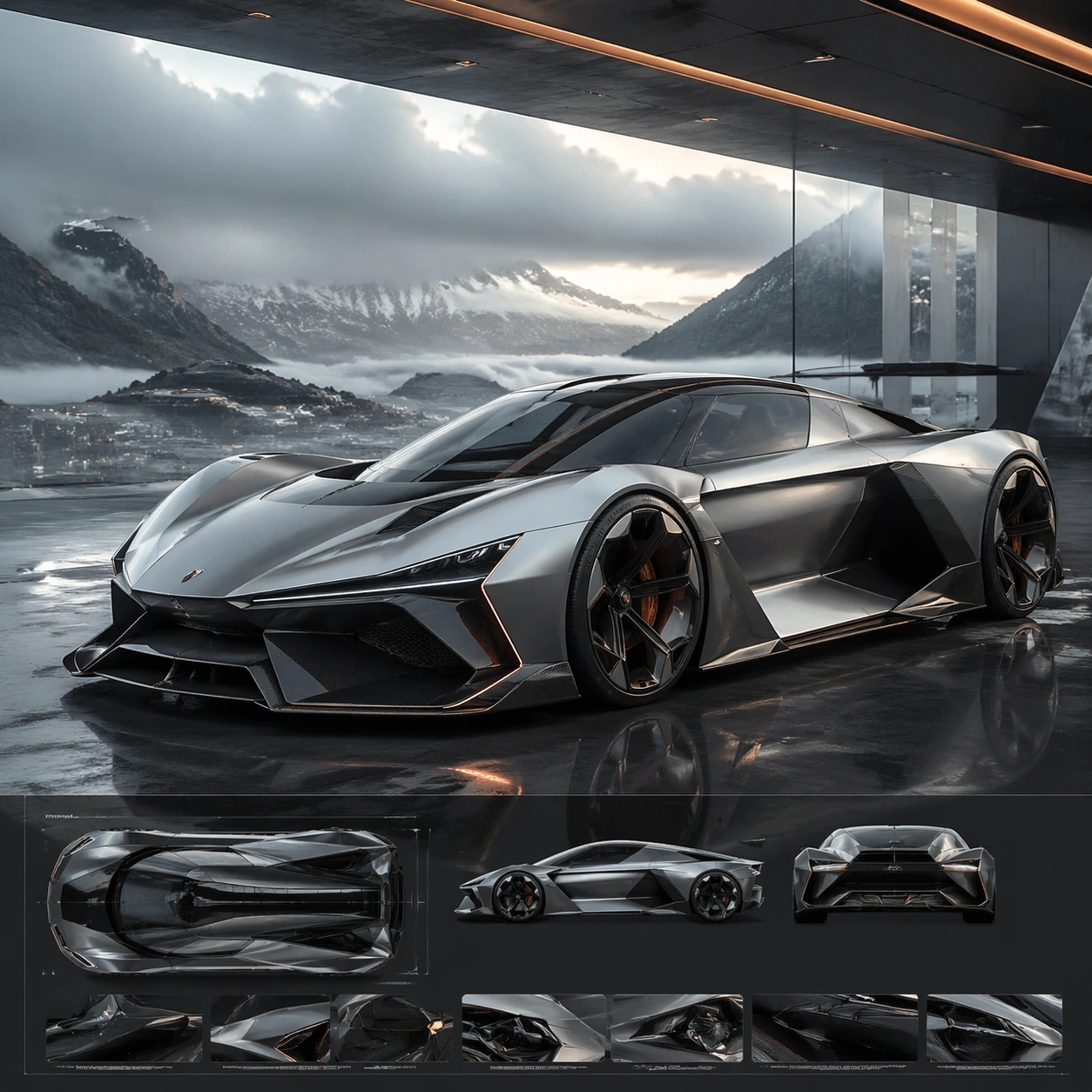
Example generated from “Automotive Concept Art — Signature Render”
GPT Image 2en

Scene: A square CGI or design-visualization frame with calibrated lighting, intentional composition, and premium material rendering. Build the frame around the most complete and persuasive final render for the theme. Keep the lighting, camera distance, and spatial organization tuned for a high-signal research image rather than a casual snapshot. The image belongs to the Automotive Concept Art theme and should feel immediately legible as a prompt atlas theme for automotive concept art, testing technical-diagram, style-transfer, commercial-mockup with gpt image 2.. Subject: Center the study on the most complete and persuasive final render for the theme. Translate the theme into a concrete visual statement instead of an abstract mood board: the viewer should understand what kind of image this is, what is being tested, and why the composition is difficult. Use the slug idea of automotive concept art as a literal guide for subject matter, materials, and staging. Important details: The model must feel engineered or art-directed rather than merely stylized: edges, seams, translucency, reflections, and scale cues should all hold up. Preserve a disciplined square composition, clear focal hierarchy, and enough secondary information to make the image feel complete rather than underspecified. The image should look polished, novel, and exhibition-ready, with topic-specific credibility coming from the way surfaces, structure, and visual language reinforce Automotive Concept Art. Avoid generic filler elements that do not serve the main concept. Use case: Automotive Concept Art single study 8/8, testing technical-diagram, style-transfer, commercial-mockup through the signature render variation. Constraints: No readable text, no watermark, no logos, preserve exact 1:1 aspect ratio, no real brand logos, no low-poly shortcuts, no broken reflections, no muddy materials, no generic showroom clutter, no unreadable UI overlays.

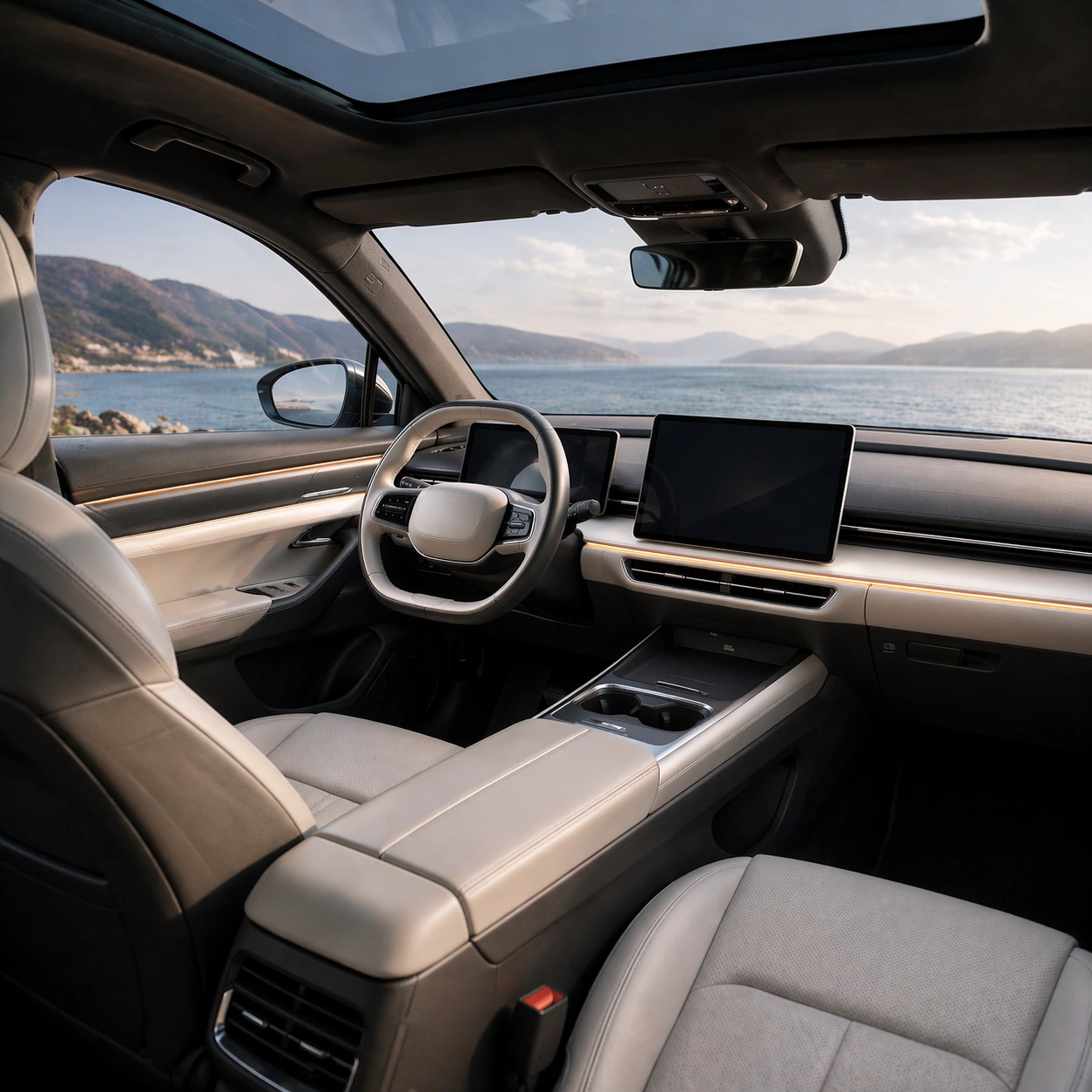
Example generated from “Automotive Interior Cockpit Ui Hero — Reference Cabin”
GPT Image 2en

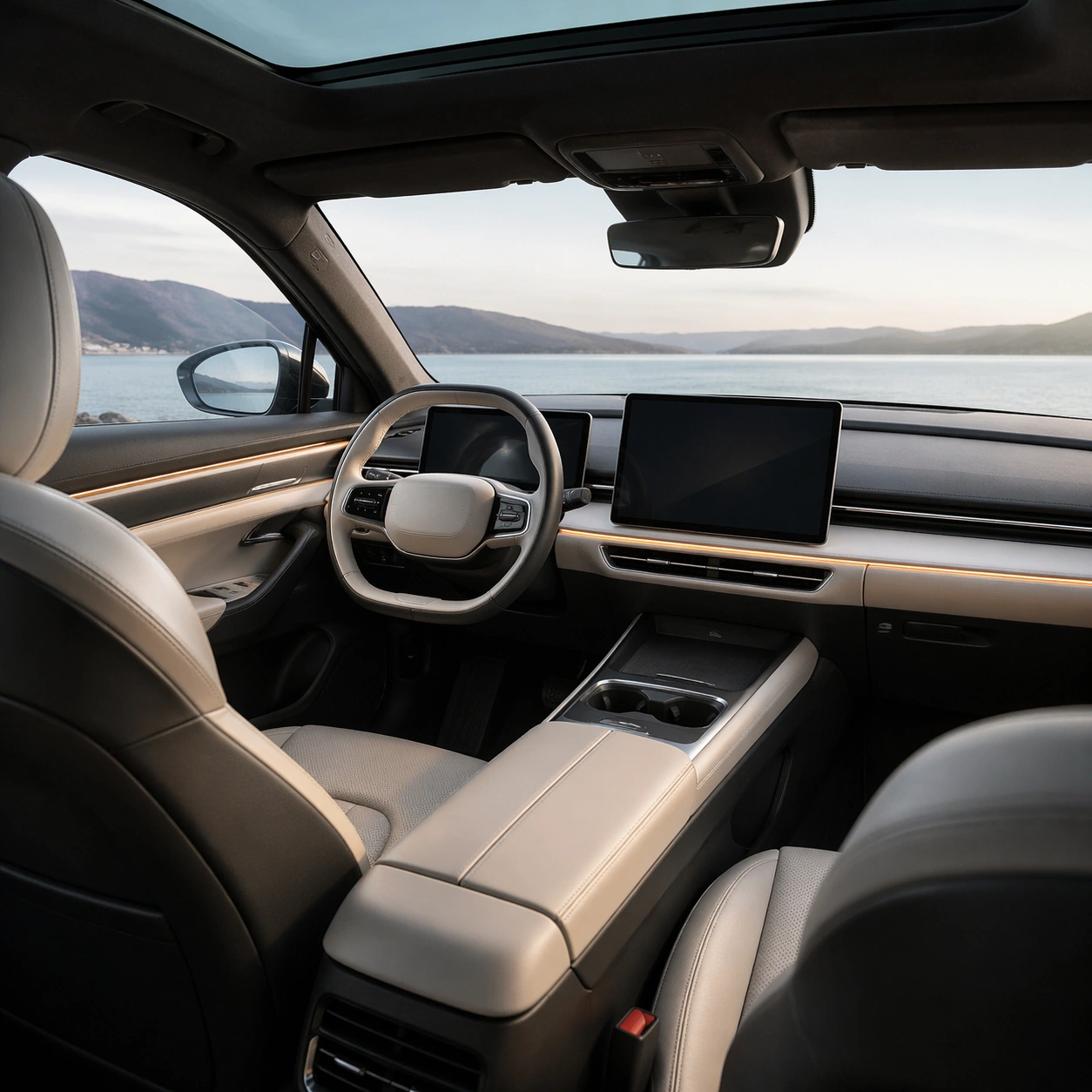
Scene: A square wide interior hero from the driver-side rear seat with balanced daylight, polished highlights, and calm premium contrast. Compose the frame as a square key visual with disciplined camera placement, premium lighting control, and believable real-world scale. The tonal range should feel polished and intentional, with enough atmosphere to create depth without obscuring form. Keep contrast calibrated for launch, catalog, or research presentation use rather than casual snapshot aesthetics. Subject: Center an original premium electric crossover interior with a sculpted steering wheel, floating instrument panel, thin vent architecture, integrated ambient light band, perforated leather seats, and a panoramic roof. Make the subject feel original, production-aware, and clearly grounded in Automotive Interior Cockpit UI Hero. For this series image, preserve exact core subject identity, proportions, base geometry, and material language from the reference image whenever continuity matters. The focal hierarchy should be immediate: primary form first, then material behavior, then supporting environmental cues that clarify use context and difficulty. Important details: Make the dashboard, steering wheel, center console, seats, and displays legible as one cohesive cabin design. The frame should feel like a launch-grade interior asset rather than a documentary snapshot. Preserve exact steering-wheel geometry, seat shape, dashboard architecture, screen proportions, ambient light path, and material palette across the series. The UI must feel believable but contain no readable text. Cabin ergonomics should feel manufacturable and premium. Use believable materials, engineering logic, and professional composition discipline. Reflections, shadows, edge breaks, texture scale, interface density, and small physical joints must all support realism. Avoid filler props, vague mood-board clutter, or any element that weakens the sense of a purpose-built industrial or automotive image. Use case: Cockpit UI series study 1/9 for Automotive Interior Cockpit UI Hero, built as image 01-reference-anchor. Constraints: No readable text, no watermark, no logos, preserve exact 1:1 aspect ratio, no readable UI labels, no logos, no passengers, no fantasy holograms, no steering-wheel badge text, no cheap plastic sheen.

Example generated from “Automotive Interior Cockpit Ui Hero — Night Drive Mode”
GPT Image 2en

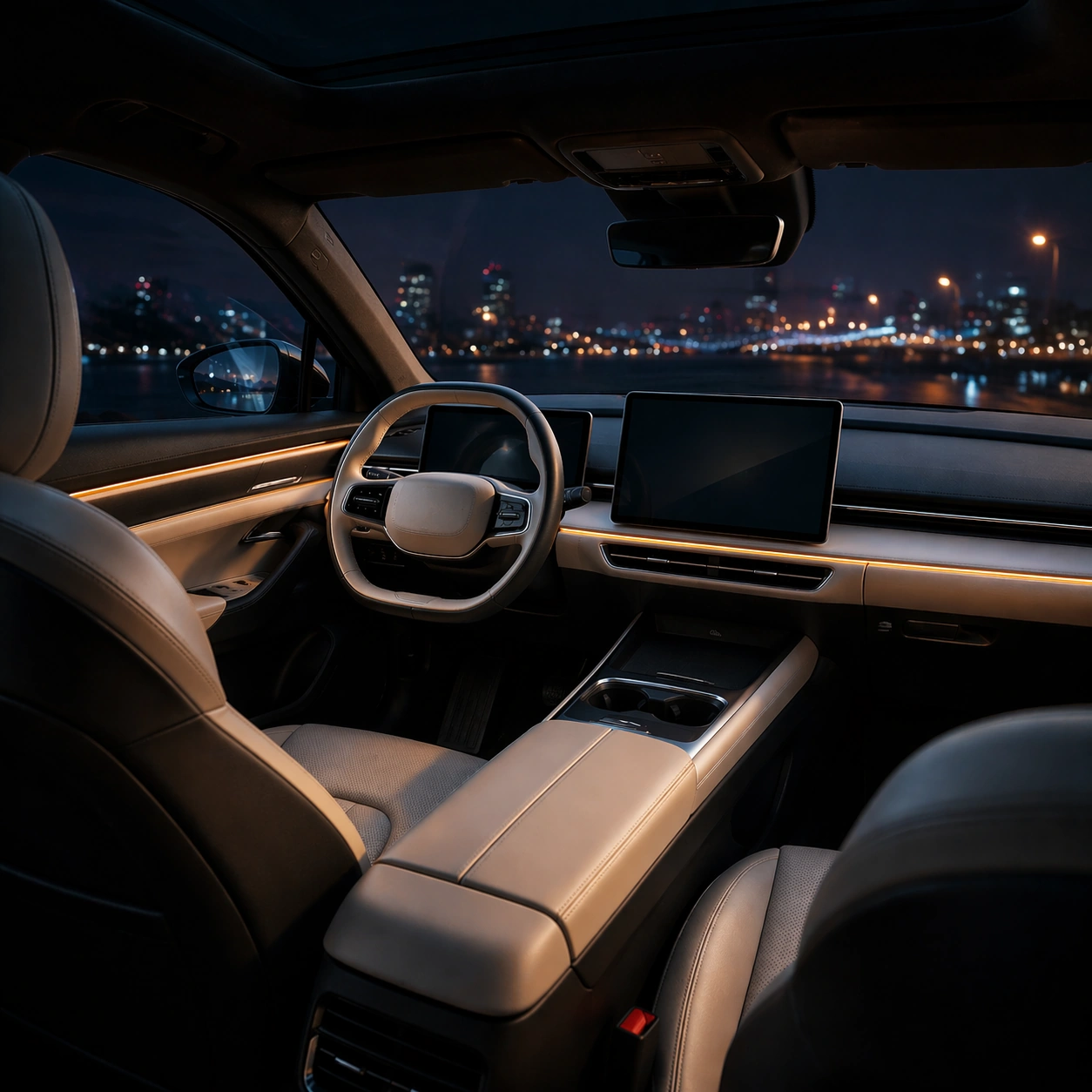
Scene: A square cabin at night with outside city bokeh, low ambient illumination, and carefully controlled blue-amber light accents. Compose the frame as a square key visual with disciplined camera placement, premium lighting control, and believable real-world scale. The tonal range should feel polished and intentional, with enough atmosphere to create depth without obscuring form. Keep contrast calibrated for launch, catalog, or research presentation use rather than casual snapshot aesthetics. Subject: Center an original premium electric crossover interior with a sculpted steering wheel, floating instrument panel, thin vent architecture, integrated ambient light band, perforated leather seats, and a panoramic roof. Make the subject feel original, production-aware, and clearly grounded in Automotive Interior Cockpit UI Hero. For this series image, preserve exact core subject identity, proportions, base geometry, and material language from the reference image whenever continuity matters. The focal hierarchy should be immediate: primary form first, then material behavior, then supporting environmental cues that clarify use context and difficulty. Important details: Keep the exact same cockpit identity while using night contrast to emphasize screen hierarchy, reflective control, and reassuring premium atmosphere instead of flashy gadget spectacle. Preserve exact steering-wheel geometry, seat shape, dashboard architecture, screen proportions, ambient light path, and material palette across the series. The UI must feel believable but contain no readable text. Cabin ergonomics should feel manufacturable and premium. Use believable materials, engineering logic, and professional composition discipline. Reflections, shadows, edge breaks, texture scale, interface density, and small physical joints must all support realism. Avoid filler props, vague mood-board clutter, or any element that weakens the sense of a purpose-built industrial or automotive image. Use case: Cockpit UI series study 2/9 for Automotive Interior Cockpit UI Hero, built as image 02-context-shift. Constraints: No readable text, no watermark, no logos, preserve exact 1:1 aspect ratio, no readable UI labels, no logos, no passengers, no fantasy holograms, no steering-wheel badge text, no cheap plastic sheen.

Example generated from “Automotive Interior Cockpit Ui Hero — Material Focus”
GPT Image 2en

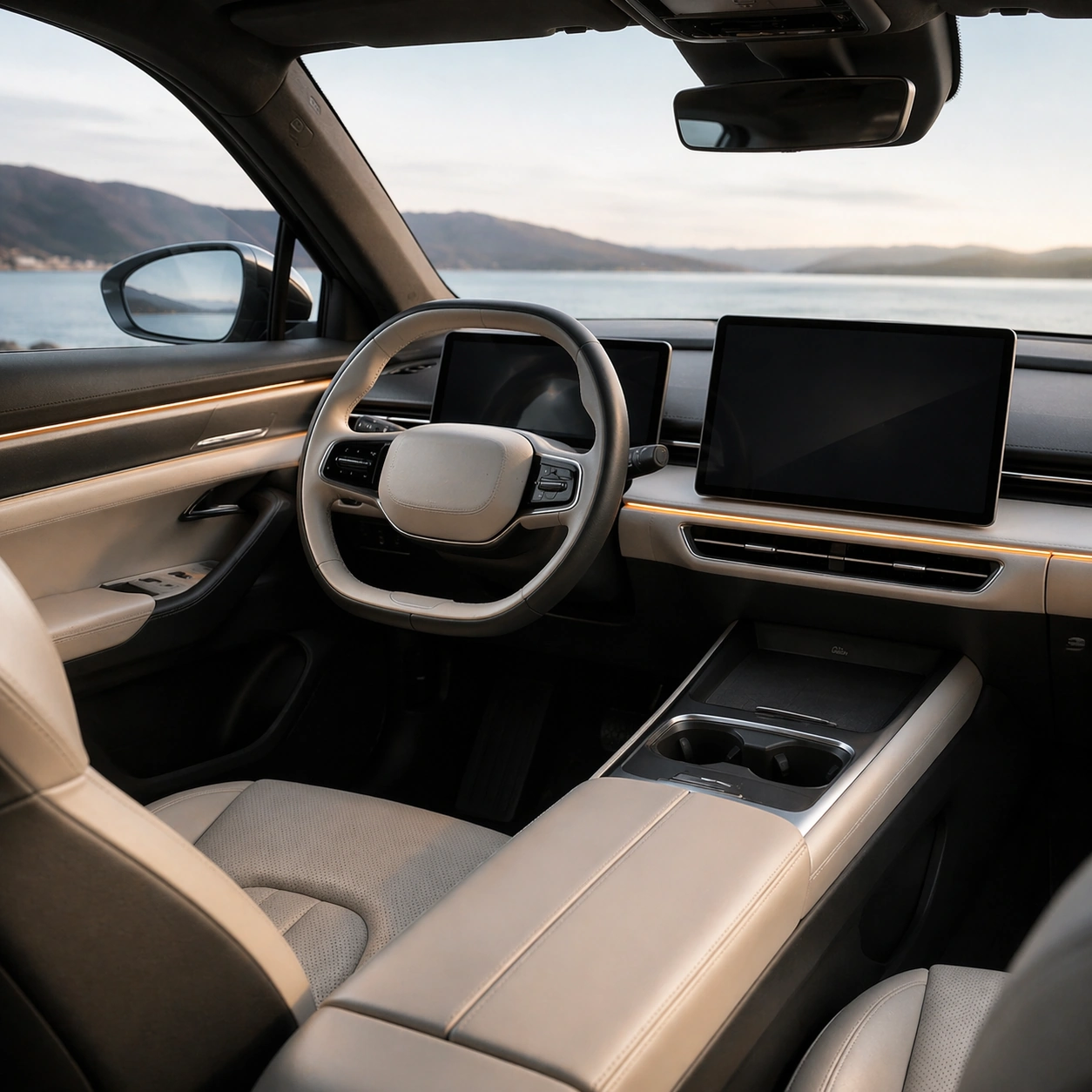
Scene: A square close interior composition with soft daylight and subtle directional shadows revealing stitching, perforation, and edge transitions. Compose the frame as a square key visual with disciplined camera placement, premium lighting control, and believable real-world scale. The tonal range should feel polished and intentional, with enough atmosphere to create depth without obscuring form. Keep contrast calibrated for launch, catalog, or research presentation use rather than casual snapshot aesthetics. Subject: Center an original premium electric crossover interior with a sculpted steering wheel, floating instrument panel, thin vent architecture, integrated ambient light band, perforated leather seats, and a panoramic roof. Make the subject feel original, production-aware, and clearly grounded in Automotive Interior Cockpit UI Hero. For this series image, preserve exact core subject identity, proportions, base geometry, and material language from the reference image whenever continuity matters. The focal hierarchy should be immediate: primary form first, then material behavior, then supporting environmental cues that clarify use context and difficulty. Important details: Push tactile realism in leather, metal, rubber, and glass while keeping the cabin identity exact. The materials should read as production-grade, not concept-art speculation. Preserve exact steering-wheel geometry, seat shape, dashboard architecture, screen proportions, ambient light path, and material palette across the series. The UI must feel believable but contain no readable text. Cabin ergonomics should feel manufacturable and premium. Use believable materials, engineering logic, and professional composition discipline. Reflections, shadows, edge breaks, texture scale, interface density, and small physical joints must all support realism. Avoid filler props, vague mood-board clutter, or any element that weakens the sense of a purpose-built industrial or automotive image. Use case: Cockpit UI series study 3/9 for Automotive Interior Cockpit UI Hero, built as image 03-surface-study. Constraints: No readable text, no watermark, no logos, preserve exact 1:1 aspect ratio, no readable UI labels, no logos, no passengers, no fantasy holograms, no steering-wheel badge text, no cheap plastic sheen.
Example generated from “Automotive Interior Cockpit Ui Hero — Passenger Hero”
GPT Image 2en

Scene: A square passenger-side perspective with open panoramic glass, controlled daylight, and balanced specular behavior across trim and upholstery. Compose the frame as a square key visual with disciplined camera placement, premium lighting control, and believable real-world scale. The tonal range should feel polished and intentional, with enough atmosphere to create depth without obscuring form. Keep contrast calibrated for launch, catalog, or research presentation use rather than casual snapshot aesthetics. Subject: Center an original premium electric crossover interior with a sculpted steering wheel, floating instrument panel, thin vent architecture, integrated ambient light band, perforated leather seats, and a panoramic roof. Make the subject feel original, production-aware, and clearly grounded in Automotive Interior Cockpit UI Hero. For this series image, preserve exact core subject identity, proportions, base geometry, and material language from the reference image whenever continuity matters. The focal hierarchy should be immediate: primary form first, then material behavior, then supporting environmental cues that clarify use context and difficulty. Important details: Turn the same cockpit into a brochure-quality premium interior plate with spatial clarity, elegant restraint, and clean visual hierarchy suitable for product communication. Preserve exact steering-wheel geometry, seat shape, dashboard architecture, screen proportions, ambient light path, and material palette across the series. The UI must feel believable but contain no readable text. Cabin ergonomics should feel manufacturable and premium. Use believable materials, engineering logic, and professional composition discipline. Reflections, shadows, edge breaks, texture scale, interface density, and small physical joints must all support realism. Avoid filler props, vague mood-board clutter, or any element that weakens the sense of a purpose-built industrial or automotive image. Use case: Cockpit UI series study 4/9 for Automotive Interior Cockpit UI Hero, built as image 04-presentation-master. Constraints: No readable text, no watermark, no logos, preserve exact 1:1 aspect ratio, no readable UI labels, no logos, no passengers, no fantasy holograms, no steering-wheel badge text, no cheap plastic sheen.

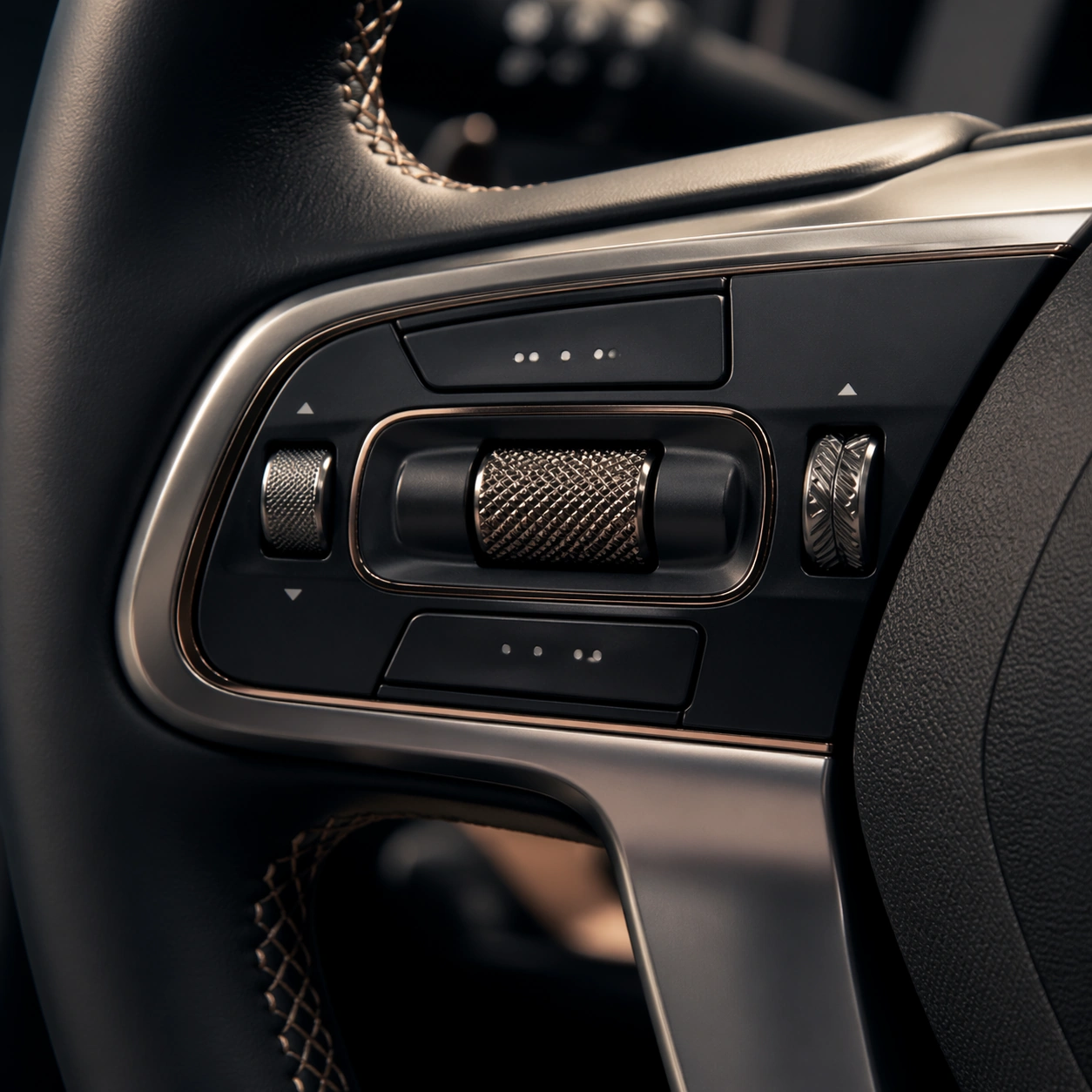
Example generated from “Automotive Interior Cockpit Ui Hero — Steering Control Macro”
GPT Image 2en

Scene: A square macro product-photo setup with controlled grazing light, shallow depth, and strong tactile contrast. Compose the frame as a square key visual with disciplined camera placement, premium lighting control, and believable real-world scale. The tonal range should feel polished and intentional, with enough atmosphere to create depth without obscuring form. Keep contrast calibrated for launch, catalog, or research presentation use rather than casual snapshot aesthetics. Subject: Center an original steering-wheel spoke with rollers, haptics, stitched leather, satin metal, and precise seam geometry. Make the subject feel original, production-aware, and clearly grounded in Automotive Interior Cockpit UI Hero. Treat this as an independent study that must feel complete and coherent without relying on any external reference image. The focal hierarchy should be immediate: primary form first, then material behavior, then supporting environmental cues that clarify use context and difficulty. Important details: Stress ergonomics, manufacturable button geometry, and tactile finish. The crop should immediately read as premium automotive hardware rather than consumer electronics. The visual language should still feel native to Automotive Interior Cockpit UI Hero, using disciplined industrial or campaign composition instead of generic stock photography. Use believable materials, engineering logic, and professional composition discipline. Reflections, shadows, edge breaks, texture scale, interface density, and small physical joints must all support realism. Avoid filler props, vague mood-board clutter, or any element that weakens the sense of a purpose-built industrial or automotive image. Use case: Cockpit UI single study 6/9 for Automotive Interior Cockpit UI Hero, built as image support-two. Constraints: No readable text, no watermark, no logos, preserve exact 1:1 aspect ratio, no readable text, no logos, no app-store iconography, no fantasy holograms, no navigation labels, no brand marks.

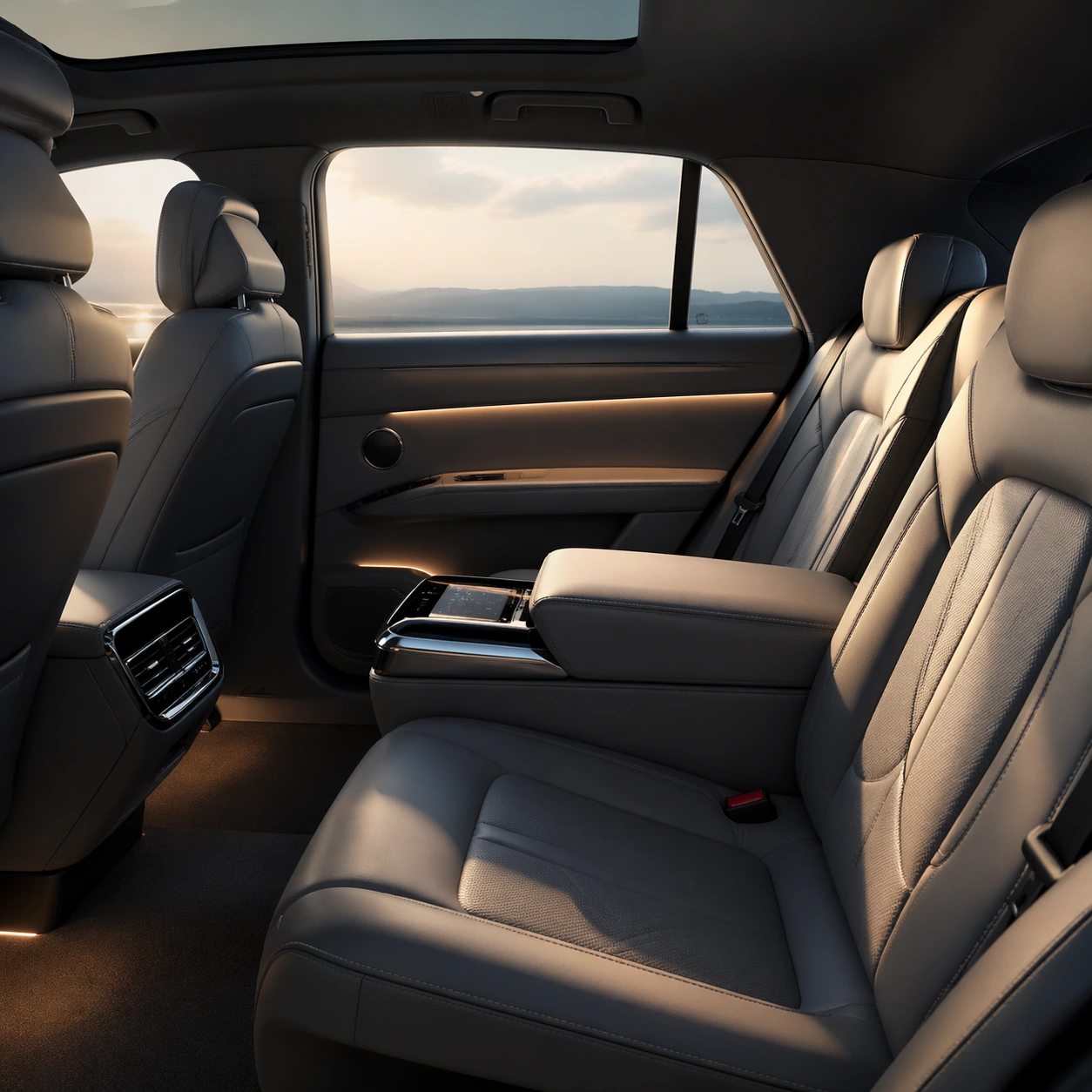
Example generated from “Automotive Interior Cockpit Ui Hero — Rear Cabin Comfort”
GPT Image 2en

Scene: A square rear-passenger composition with calm daylight, gentle tonal range, and clear spatial depth from seat to glazing. Compose the frame as a square key visual with disciplined camera placement, premium lighting control, and believable real-world scale. The tonal range should feel polished and intentional, with enough atmosphere to create depth without obscuring form. Keep contrast calibrated for launch, catalog, or research presentation use rather than casual snapshot aesthetics. Subject: Center an original premium rear seating zone with integrated armrest, climate vents, subtle ambient light, and soft-touch materials. Make the subject feel original, production-aware, and clearly grounded in Automotive Interior Cockpit UI Hero. Treat this as an independent study that must feel complete and coherent without relying on any external reference image. The focal hierarchy should be immediate: primary form first, then material behavior, then supporting environmental cues that clarify use context and difficulty. Important details: Keep the image credible, spacious, and restrained rather than limousine fantasy. It should communicate everyday luxury and believable interior packaging. The visual language should still feel native to Automotive Interior Cockpit UI Hero, using disciplined industrial or campaign composition instead of generic stock photography. Use believable materials, engineering logic, and professional composition discipline. Reflections, shadows, edge breaks, texture scale, interface density, and small physical joints must all support realism. Avoid filler props, vague mood-board clutter, or any element that weakens the sense of a purpose-built industrial or automotive image. Use case: Cockpit UI single study 7/9 for Automotive Interior Cockpit UI Hero, built as image support-three. Constraints: No readable text, no watermark, no logos, preserve exact 1:1 aspect ratio, no readable text, no logos, no app-store iconography, no fantasy holograms, no navigation labels, no brand marks.

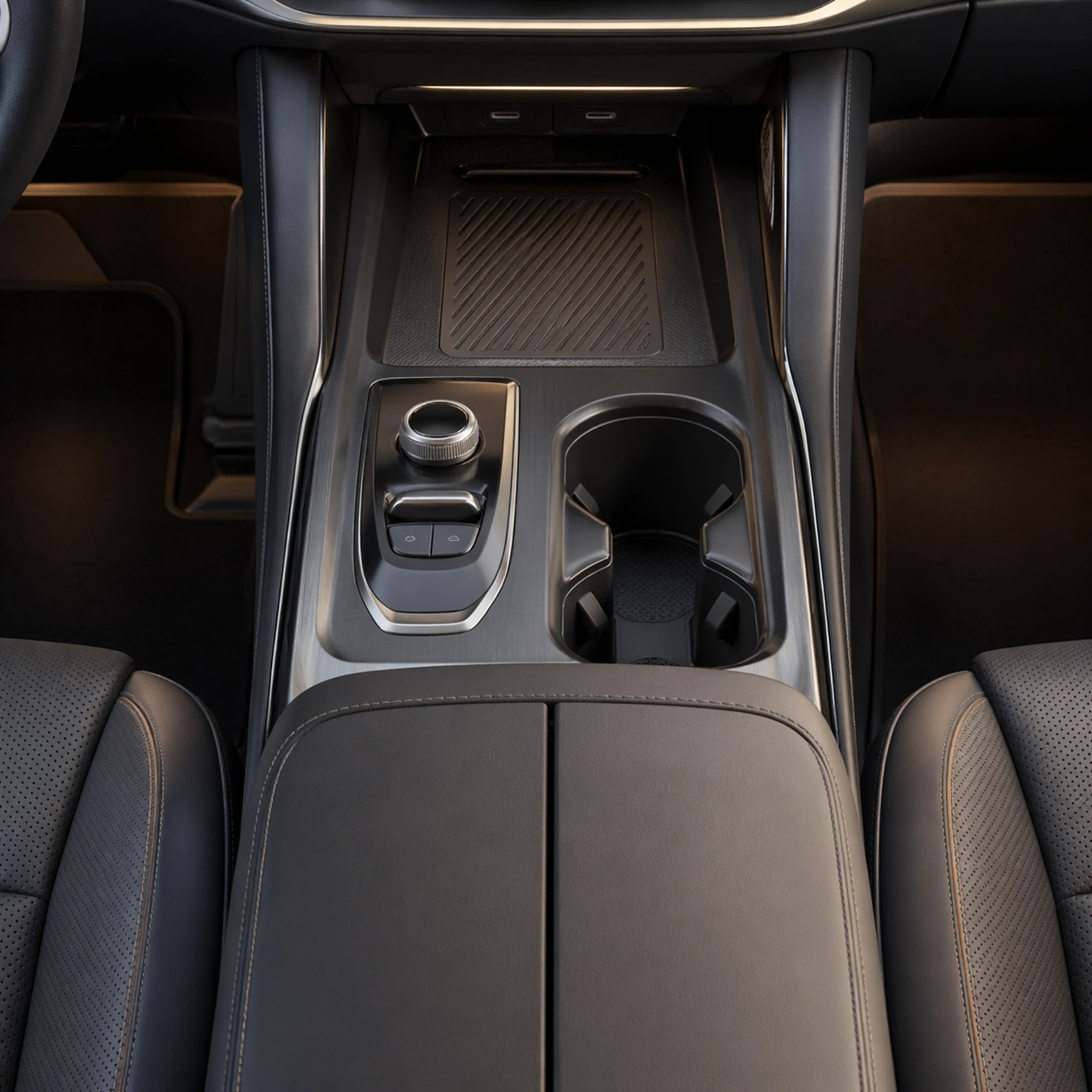
Example generated from “Automotive Interior Cockpit Ui Hero — Center Console Layout”
GPT Image 2en

Scene: A square slightly top-down composition with soft studio lighting, crisp shadows, and carefully managed depth across the console plane. Compose the frame as a square key visual with disciplined camera placement, premium lighting control, and believable real-world scale. The tonal range should feel polished and intentional, with enough atmosphere to create depth without obscuring form. Keep contrast calibrated for launch, catalog, or research presentation use rather than casual snapshot aesthetics. Subject: Center an original center console showing cupholders, storage lid, wireless charging tray, armrest, and compact drive controls. Make the subject feel original, production-aware, and clearly grounded in Automotive Interior Cockpit UI Hero. Treat this as an independent study that must feel complete and coherent without relying on any external reference image. The focal hierarchy should be immediate: primary form first, then material behavior, then supporting environmental cues that clarify use context and difficulty. Important details: The layout should feel production-ready, spatially clear, and elegantly resolved. Every element must serve ergonomic logic, not visual novelty for its own sake. The visual language should still feel native to Automotive Interior Cockpit UI Hero, using disciplined industrial or campaign composition instead of generic stock photography. Use believable materials, engineering logic, and professional composition discipline. Reflections, shadows, edge breaks, texture scale, interface density, and small physical joints must all support realism. Avoid filler props, vague mood-board clutter, or any element that weakens the sense of a purpose-built industrial or automotive image. Use case: Cockpit UI single study 8/9 for Automotive Interior Cockpit UI Hero, built as image support-four. Constraints: No readable text, no watermark, no logos, preserve exact 1:1 aspect ratio, no readable text, no logos, no app-store iconography, no fantasy holograms, no navigation labels, no brand marks.

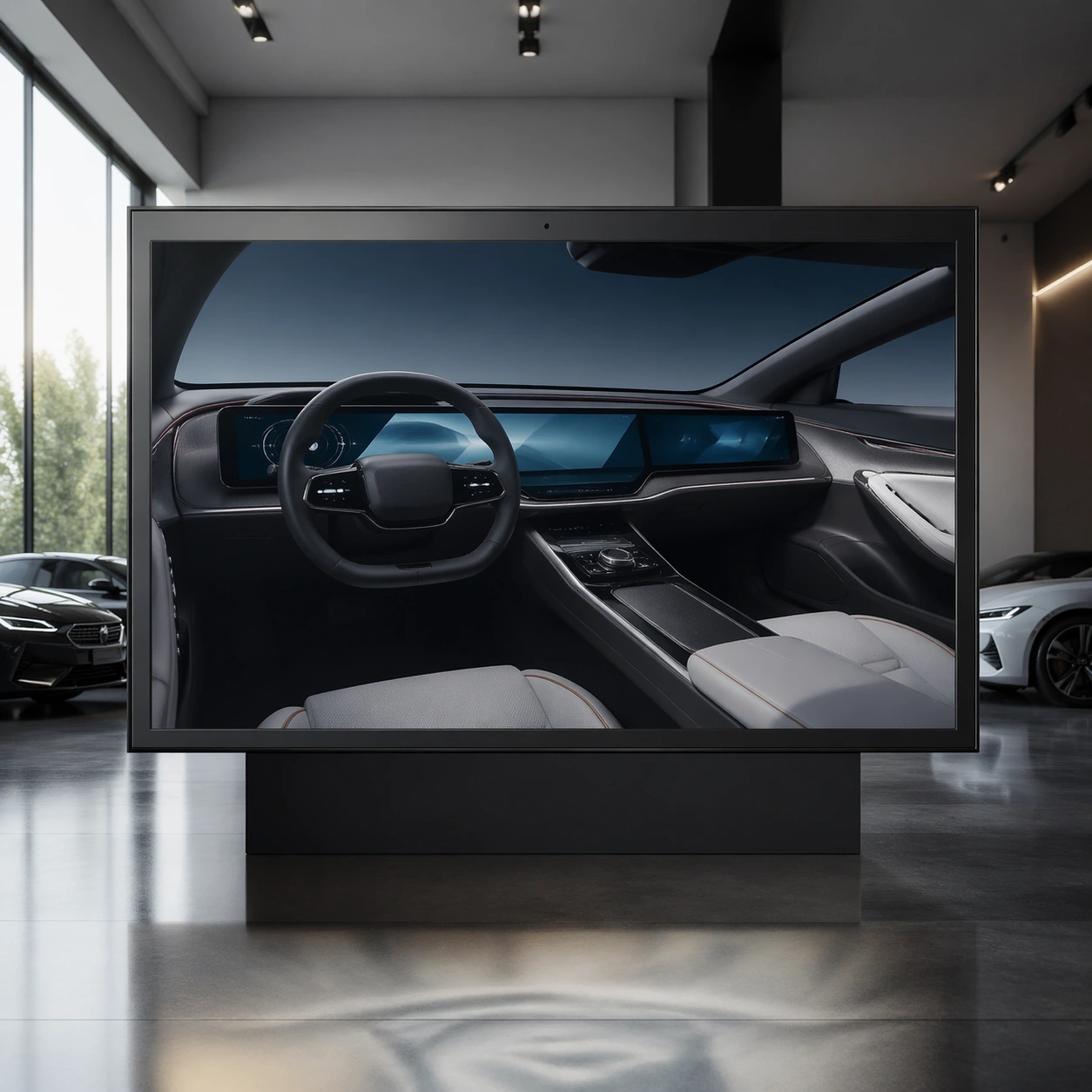
Example generated from “Automotive Interior Cockpit Ui Hero — Dealer Screen Mockup”
GPT Image 2en

Scene: A square showroom-like environment with one large clean digital screen, polished floor reflections, and disciplined architectural light. Compose the frame as a square key visual with disciplined camera placement, premium lighting control, and believable real-world scale. The tonal range should feel polished and intentional, with enough atmosphere to create depth without obscuring form. Keep contrast calibrated for launch, catalog, or research presentation use rather than casual snapshot aesthetics. Subject: Center an original cockpit visual adapted to a premium freestanding display inside an automotive retail space. Make the subject feel original, production-aware, and clearly grounded in Automotive Interior Cockpit UI Hero. Treat this as an independent study that must feel complete and coherent without relying on any external reference image. The focal hierarchy should be immediate: primary form first, then material behavior, then supporting environmental cues that clarify use context and difficulty. Important details: Keep all on-screen content abstract and non-readable while the retail environment remains believable. The mockup should demonstrate premium communication rather than flashy entertainment. The visual language should still feel native to Automotive Interior Cockpit UI Hero, using disciplined industrial or campaign composition instead of generic stock photography. Use believable materials, engineering logic, and professional composition discipline. Reflections, shadows, edge breaks, texture scale, interface density, and small physical joints must all support realism. Avoid filler props, vague mood-board clutter, or any element that weakens the sense of a purpose-built industrial or automotive image. Use case: Cockpit UI single study 9/9 for Automotive Interior Cockpit UI Hero, built as image support-five. Constraints: No readable text, no watermark, no logos, preserve exact 1:1 aspect ratio, no readable text, no logos, no app-store iconography, no fantasy holograms, no navigation labels, no brand marks.

Example generated from “Flora Daily Probiotic Bottle”
GPT Image 2en

A rounded amber-glass bottle of Flora Daily probiotic capsules with a cream label stands on a soft pastel-pink surface, a few pale capsules spilling out beside it and a fresh sprig of mint nearby. Soft clean flattering lighting, amber-glass, cream and blush-pink palette, clean pastel background. Straight eye-level shot slightly above, 90mm lens, gentle wholesome gut-health mood, glossy capsule detail, airy soft framing, generous top negative space.

Example generated from “Adaptrix Herbal Tincture”
GPT Image 2en

A dark violet-glass dropper bottle of Adaptrix adaptogen herbal tincture stands on a rough slate slab, its dropper poised with a golden droplet, dried mushroom and ginseng root arranged beside it. Moody warm side light from the left, deep-violet, earthy-brown and gold palette, dark botanical background. Low 20-degree angle, 90mm lens, earthy botanical wellness mood, glistening droplet detail, rich shadow tones, apothecary aesthetic.

Example generated from “Restora Magnesium Powder”
GPT Image 2en

A matte-lavender pouch of Restora calming magnesium powder stands upright on a pale marble ledge, a spoon of soft berry-pink powder resting beside it and a mug of warm dissolved drink behind, gently steaming. Dried lavender and a few berries scatter nearby. Warm soft evening lighting, lavender, berry-pink and cream palette, cozy blurred background. Slight three-quarter angle, 85mm lens, calming evening wellness mood, fine powder and gentle steam detail.

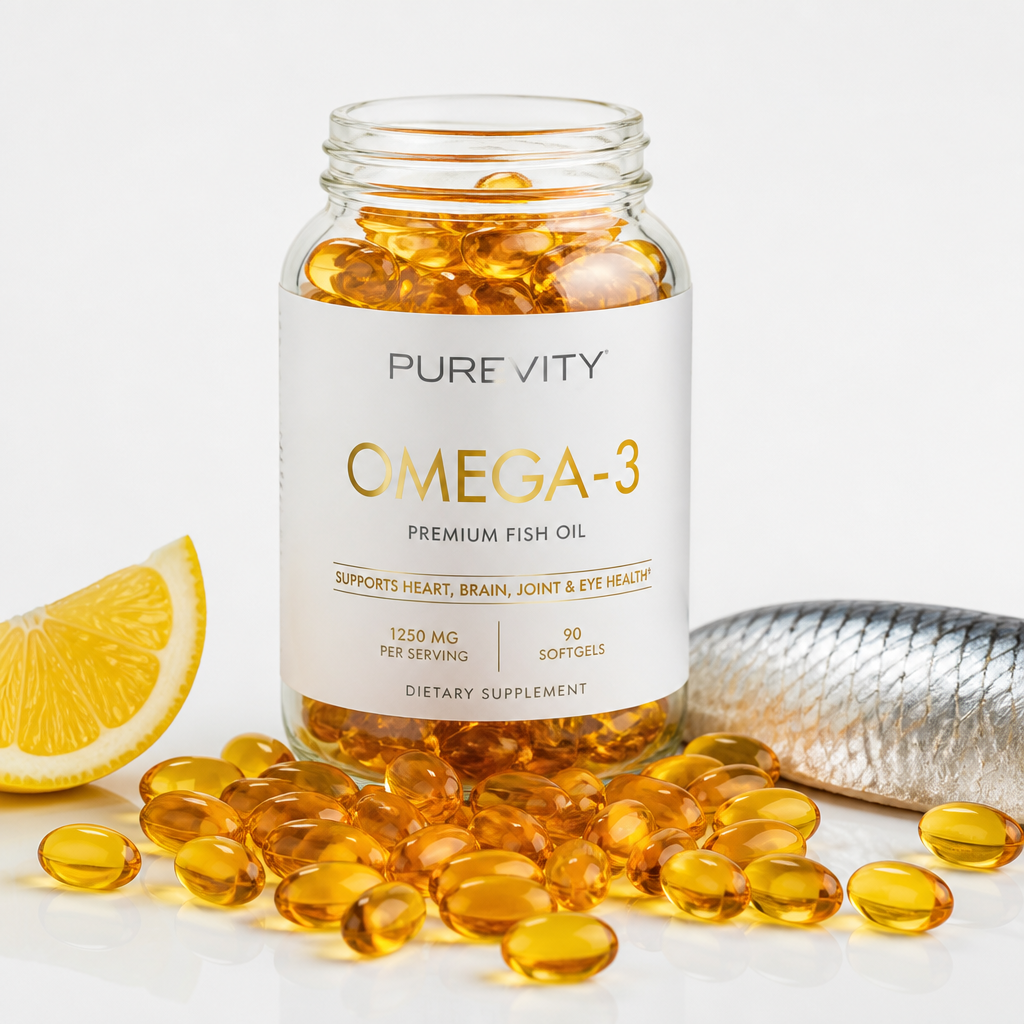
Example generated from “Purevity Omega Softgels”
GPT Image 2en

A clear-glass jar of Purevity omega-3 amber softgels stands on a bright white surface, a scatter of glossy golden softgels spilling in front and a fresh sardine-silver fish scale accent and lemon wedge nearby. Bright clean lighting from above, amber-gold, clear-glass and white palette, crisp seamless background. Straight eye-level shot, 90mm lens, clean clinical supplement mood, glossy translucent softgel detail, sharp focus, minimalist airy framing.

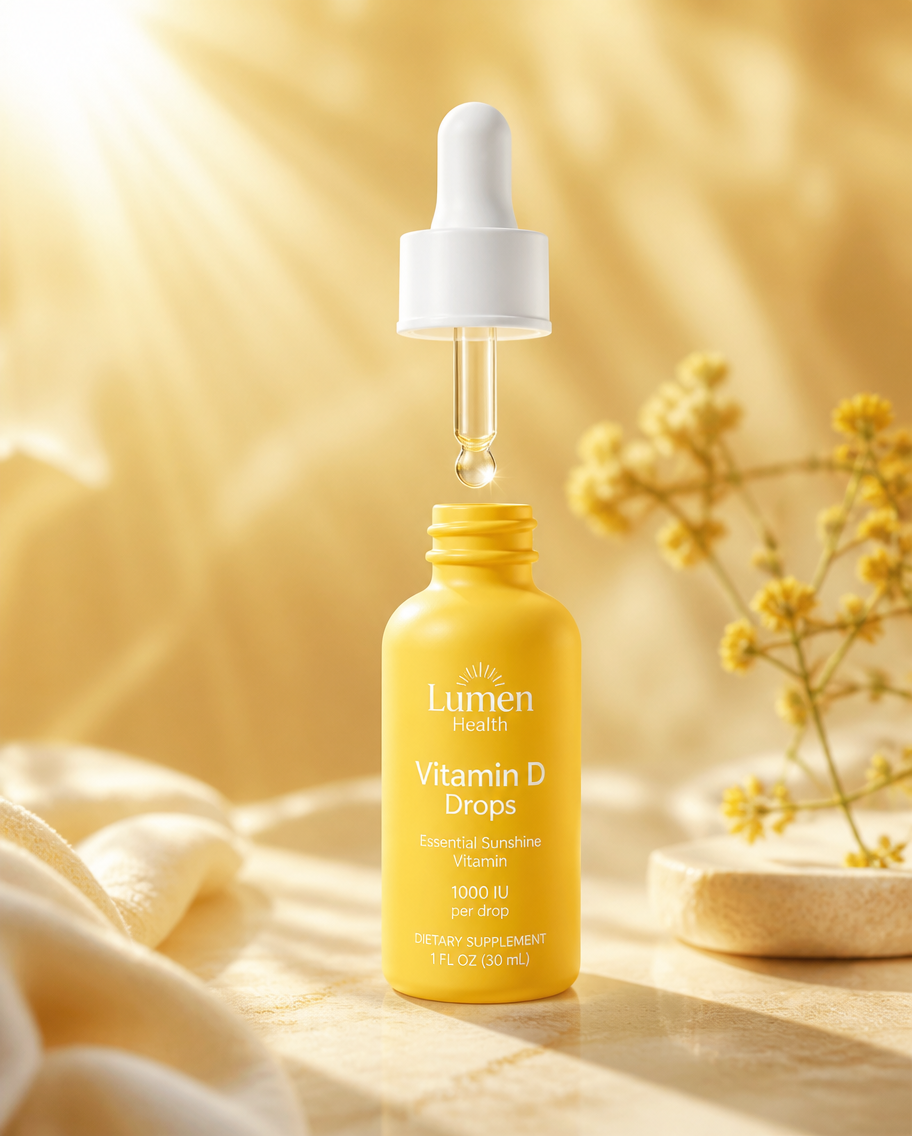
Example generated from “Lumen Health Vitamin D”
GPT Image 2en

A matte-sunshine-yellow bottle of Lumen Health vitamin D drops with a white dropper cap stands on a warm cream surface bathed in bright golden light, a soft sunbeam glow radiating behind it. A single droplet gleams at the dropper tip. Bright warm cheerful lighting, sunshine-yellow, cream and gold palette, warm glowing background. Straight eye-level shot slightly above, 90mm lens, uplifting sunny wellness mood, radiant glow, airy bright framing.

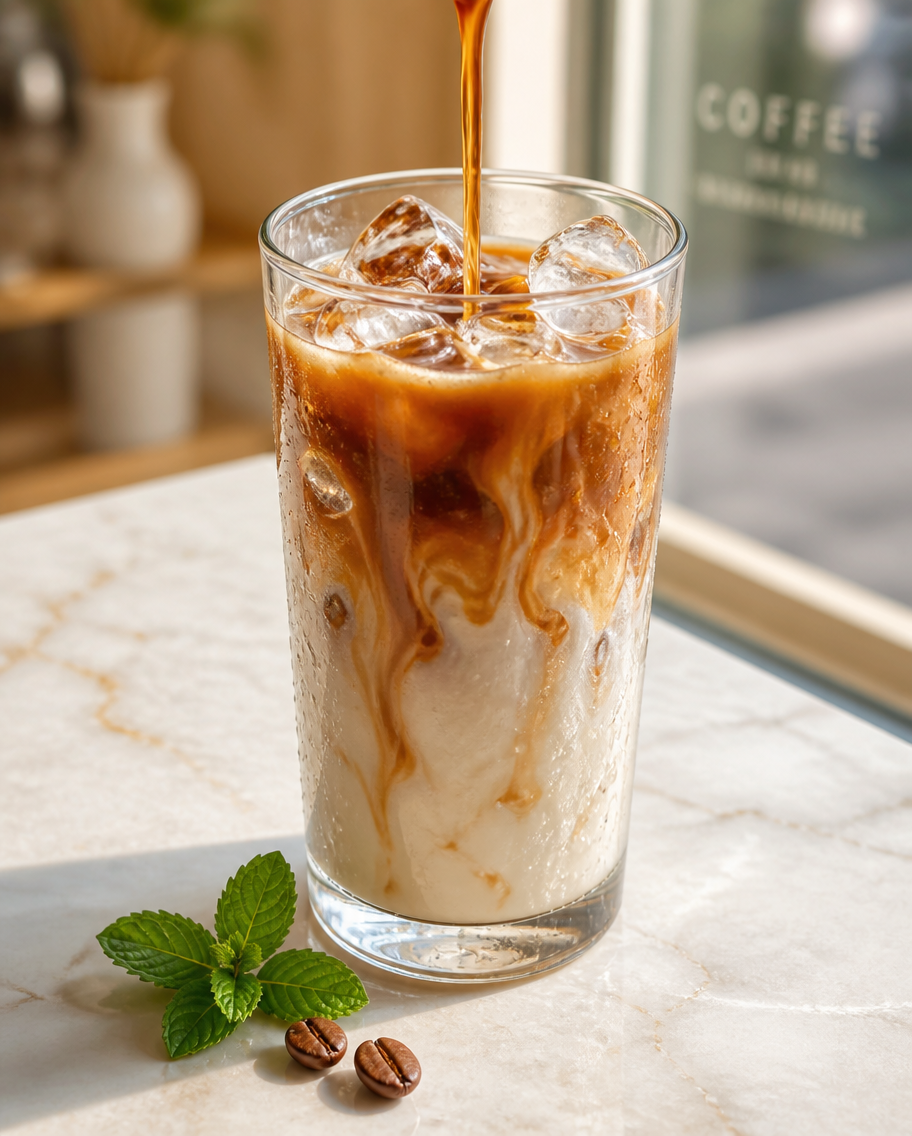
Example generated from “Iced Latte Glass Product Shot”
GPT Image 2en

A tall clear glass of iced latte on a pale marble countertop, layered espresso pouring in ribbons through milky ice, condensation beading down the glass. A single mint sprig and two coffee beans rest beside the base. Bright airy background in soft beige, a blurred cafe window behind. Overhead-front 30-degree angle, natural morning light from the right, creamy caramel and ivory palette, glossy highlights on the ice, fresh appetizing beverage-menu quality.

Example generated from “Single-Origin Coffee Bag Hero”
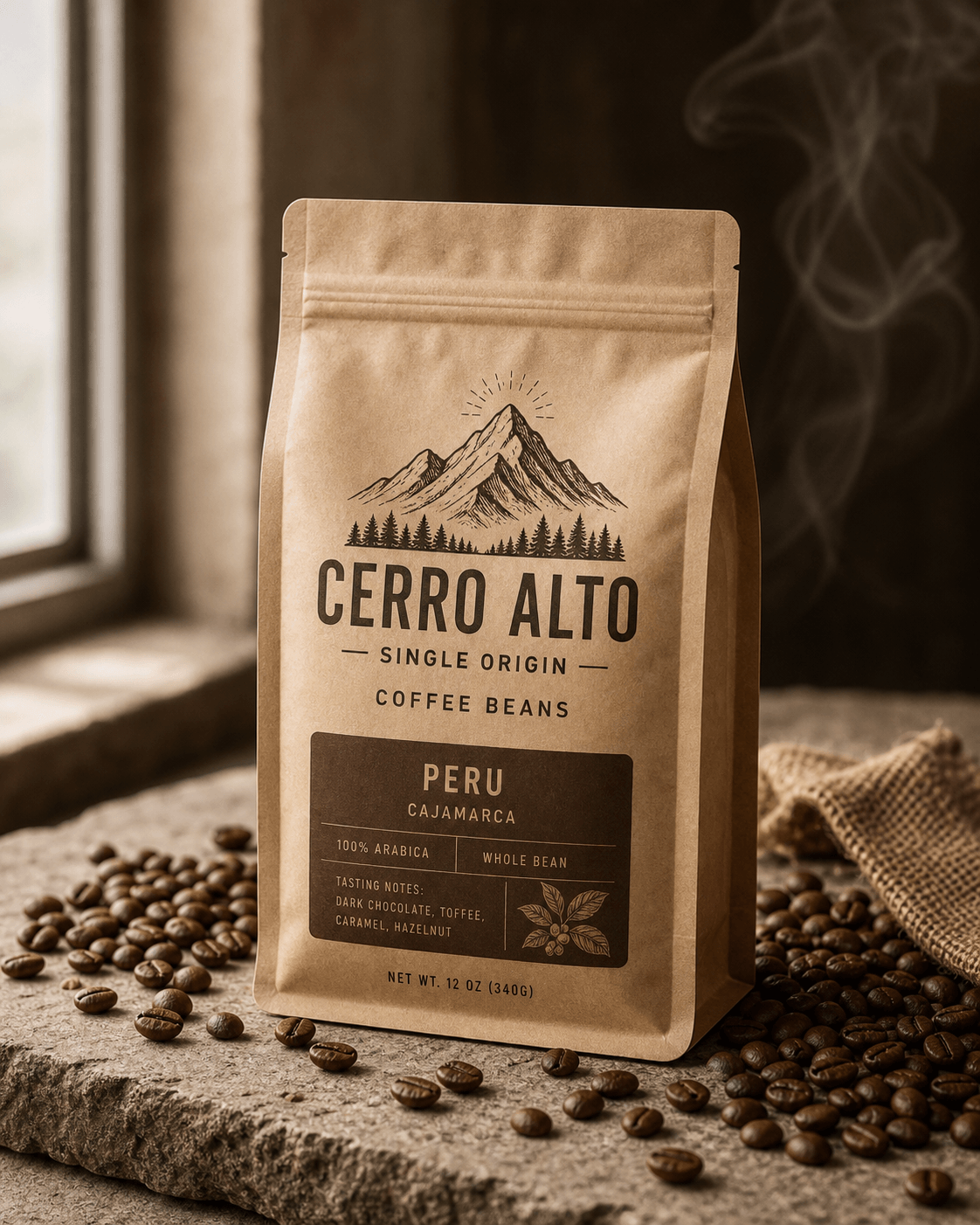
GPT Image 2en

A matte kraft-brown stand-up pouch of "Cerro Alto" single-origin coffee beans standing upright on a rough concrete slab. Freshly roasted whole beans scattered around the base, a small burlap corner and a curl of aromatic steam rising behind. Soft directional window light from the left casting a long gentle shadow to the right. Warm earthy palette of chestnut, tan and cream. Shot at a slight three-quarter front angle, eye level, shallow depth of field, crisp product focus, premium specialty-coffee catalog look.

Example generated from “Matcha Powder Ceremonial Set”
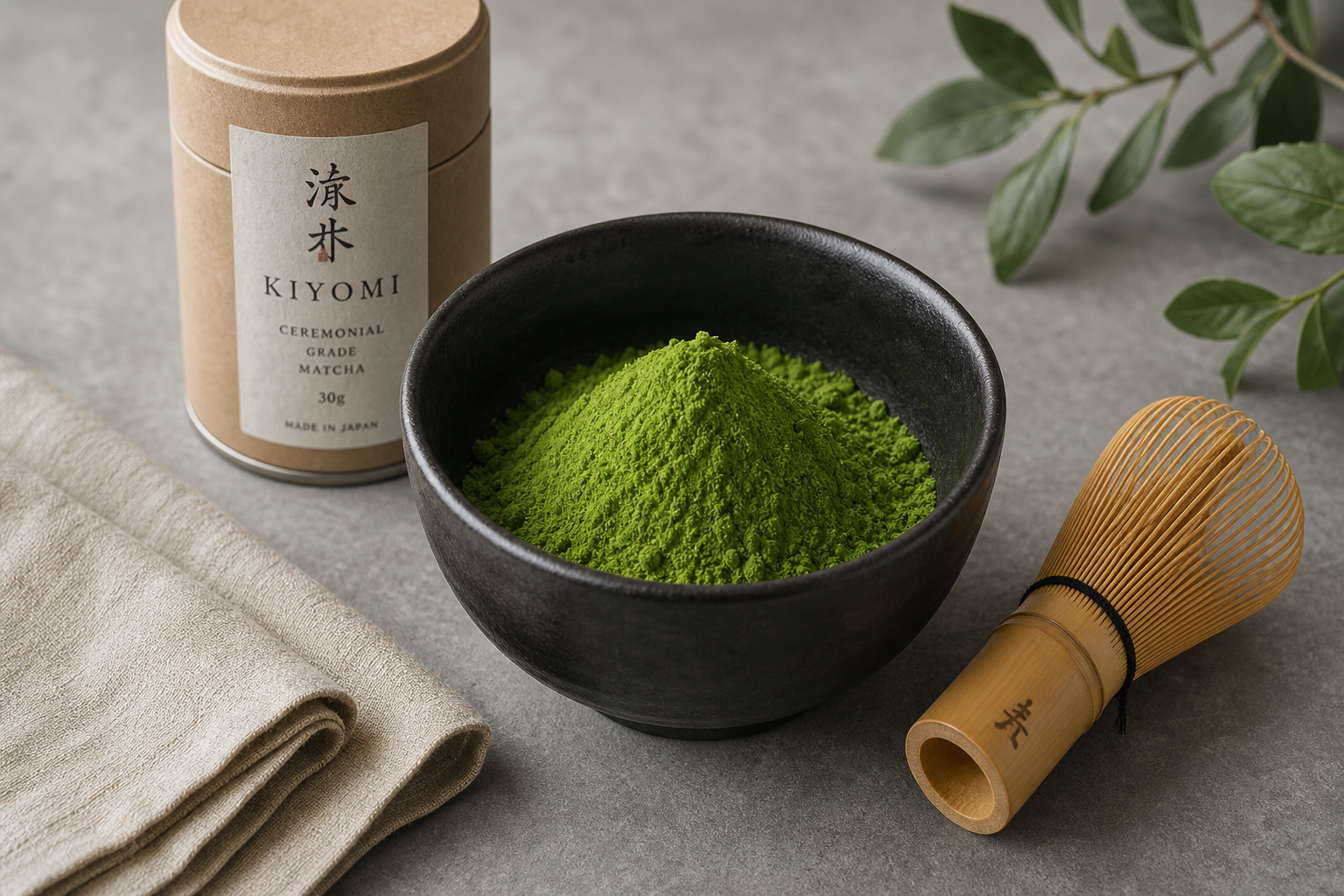
GPT Image 2en

A vivid emerald mound of "Kiyomi" ceremonial matcha powder in a matte black ceramic bowl, a bamboo whisk resting beside it and a small kraft tin of matcha with a rice-paper label behind. Set on a smooth grey stone tabletop with a folded natural linen napkin. Soft diffused overhead light, gentle shadows, striking green against muted neutrals, three-quarter angle at eye level, fine powder texture visible, calm premium Japanese tea aesthetic.

Example generated from “Espresso Capsules Boxed Set”
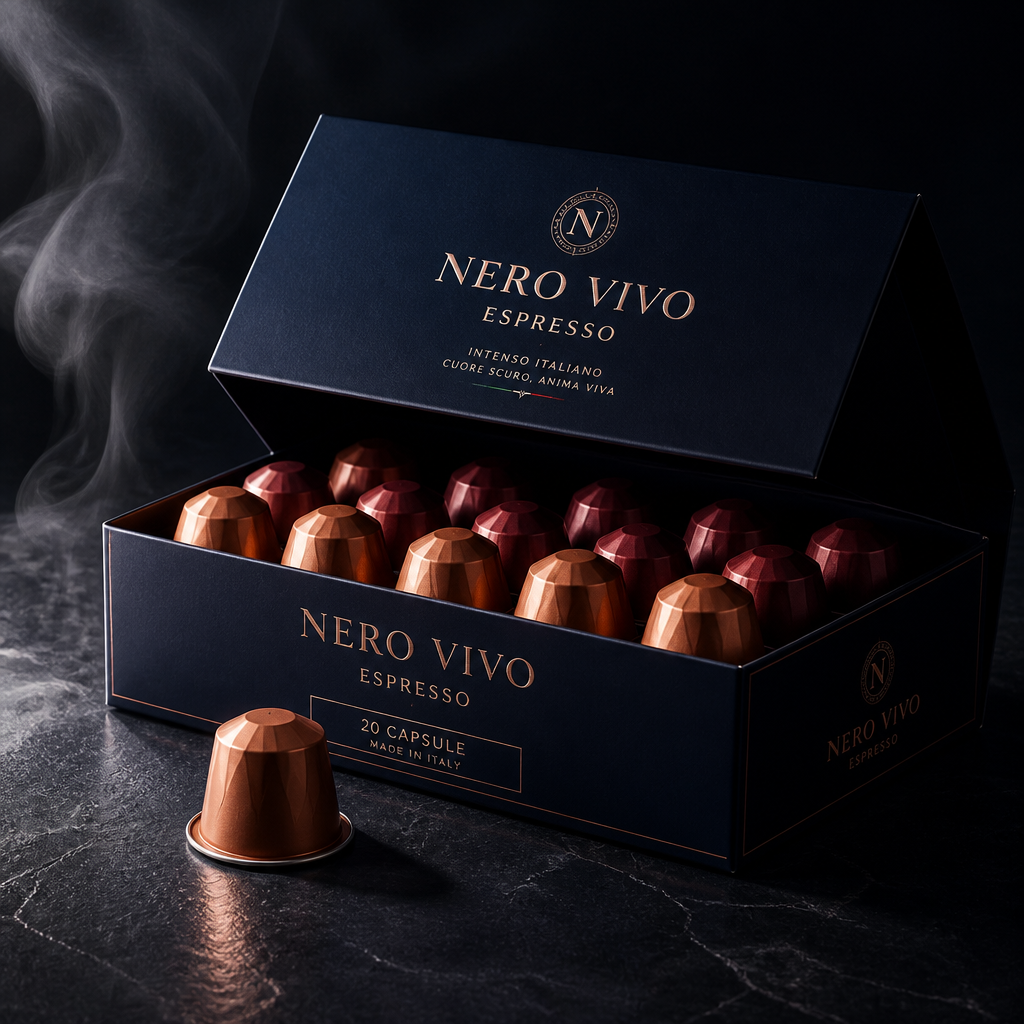
GPT Image 2en

A sleek dark navy gift box of "Nero Vivo" espresso capsules, lid ajar to reveal rows of copper and burgundy aluminum pods neatly aligned. Placed on a dark slate surface with a single pod standing upright in front and a whisper of steam. Dramatic side lighting from the left, deep shadows, luxurious moody palette of navy, copper and charcoal. Front three-quarter angle, eye level, glossy metallic reflections, high-end premium coffee-capsule commercial style.

Example generated from “Loose Leaf Tea Tin Flatlay”
GPT Image 2en

An open round tin of "Golden Meadow" loose-leaf jasmine green tea photographed flat lay from directly above on a warm oatmeal linen cloth. Dried tea leaves and tiny jasmine blossoms spill from the tin in a loose arc, a bamboo scoop and a small white porcelain cup of pale brewed tea nearby. Soft even daylight, gentle shadows, sage green and soft gold palette, minimalist wellness branding, clean top-down composition, delicate natural textures.

Example generated from “Cold Brew Bottle Lineup”
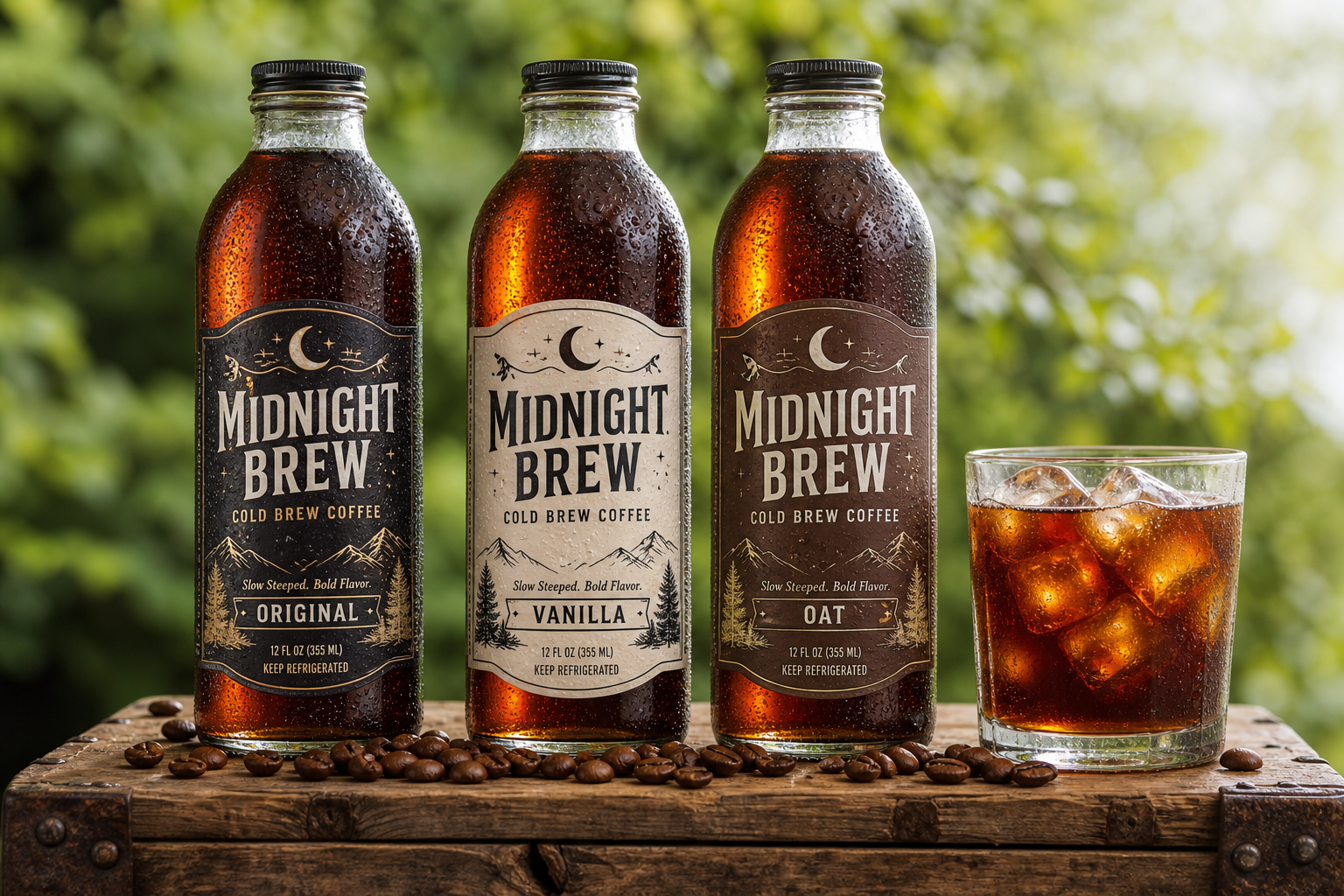
GPT Image 2en

Three tall glass bottles of "Midnight Brew" cold brew coffee in a row on a weathered wooden crate, labels reading original, vanilla and oat. Deep amber liquid glowing, water droplets on the chilled glass, a scatter of coffee beans and one glass with ice in front. Cool morning light from the right, blurred green foliage background. Straight-on eye-level angle, rich mahogany and cream palette, refreshing artisanal beverage catalog style.

Example generated from “Herbal Tea Sachets Display”
GPT Image 2en

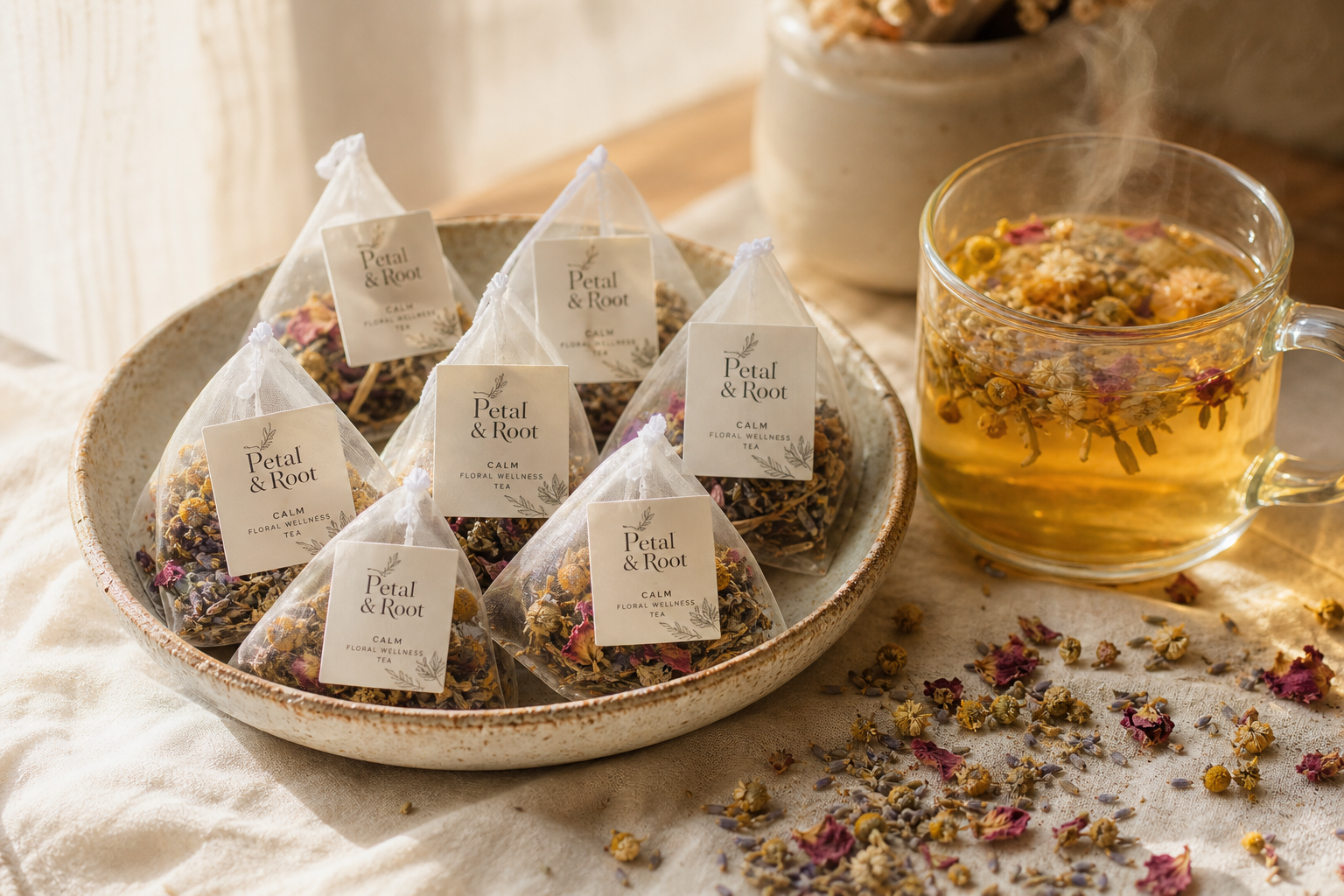
A rustic ceramic dish holding a fan of pyramid-shaped herbal tea sachets from "Petal & Root", filled with visible dried chamomile, rose petals and lavender. A steaming glass mug of golden infusion beside it, loose dried flowers scattered on a cream linen surface. Warm cozy afternoon light from the left, soft honey and blush palette, gentle shadows, slight overhead angle, inviting natural texture, comforting wellness-tea product photography.

Example generated from “Drip Coffee Bags Kraft Pack”
GPT Image 2en

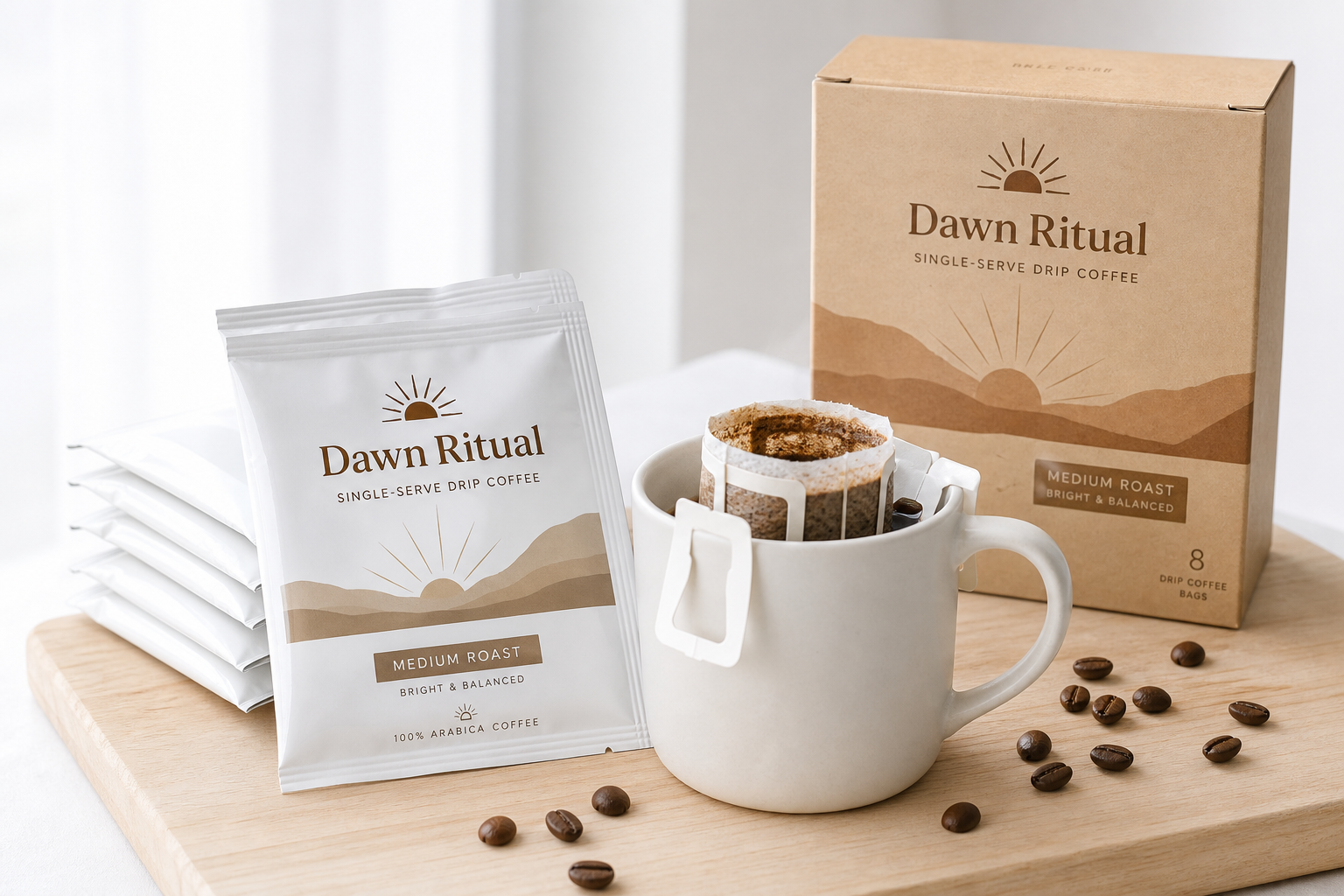
A stack of individually wrapped "Dawn Ritual" single-serve drip coffee bags on a light birch board, one bag opened and hooked onto a white ceramic mug mid-brew with dark coffee dripping through. Whole beans and a folded outer kraft box in the background. Bright clean morning light from behind-left, airy white and warm tan palette, soft shadows, front three-quarter angle, crisp focus, minimalist convenient coffee product style.

Example generated from “Chai Spice Blend Jar”
GPT Image 2en

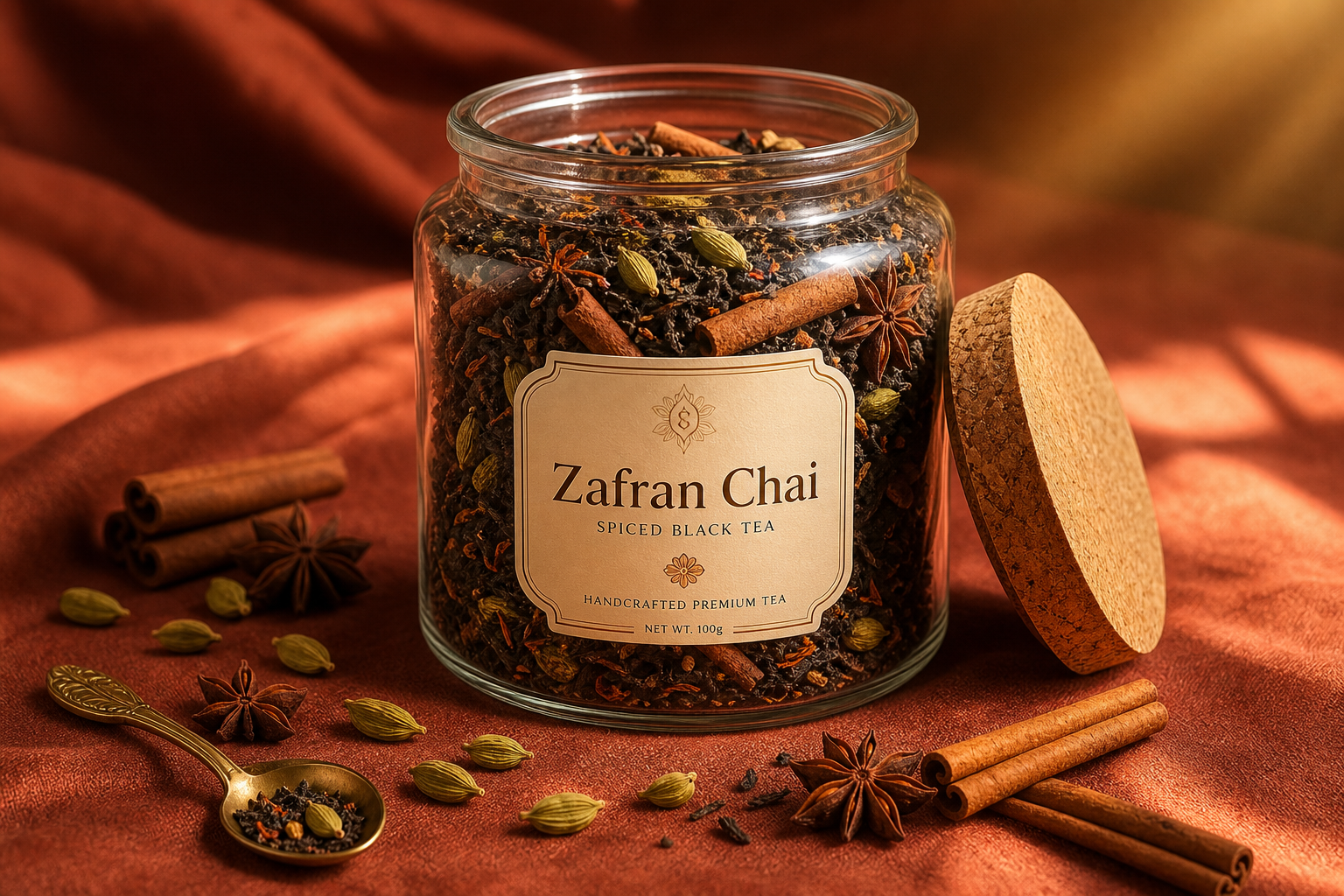
A clear glass jar of "Zafran Chai" loose spiced tea blend showing cinnamon sticks, cardamom pods, star anise and black tea leaves, cork lid off and resting beside it. Set on a warm terracotta cloth with whole spices arranged in a loose scatter and a small brass spoon. Golden warm side light from the right, rich amber, rust and cinnamon palette, deep shadows, three-quarter eye-level angle, aromatic exotic spice-tea packaging photography.

Example generated from “Cappuccino Latte Art Cup”
GPT Image 2en

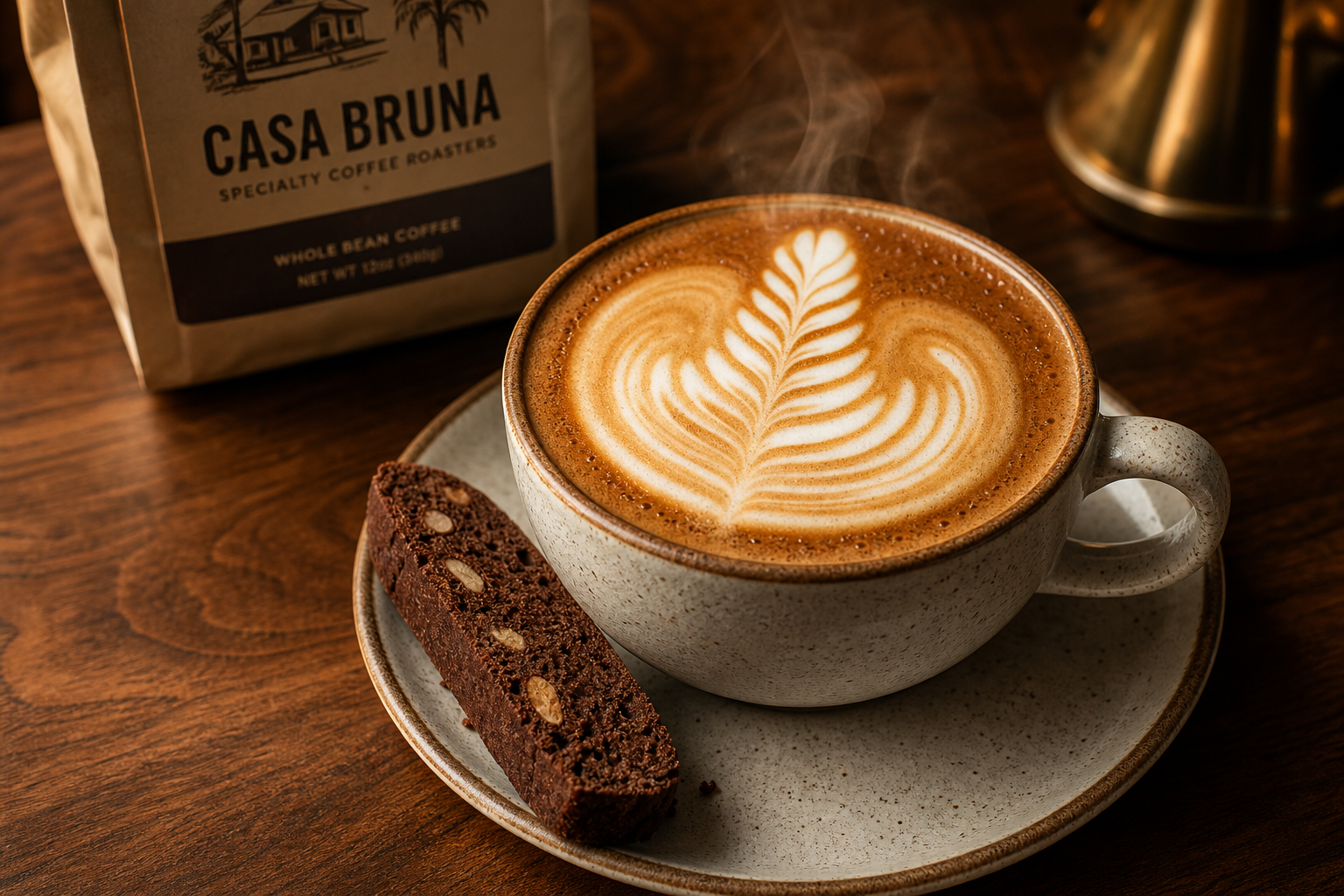
A wide ceramic cup of cappuccino with a crisp fern latte-art pattern in the foam, resting on a matching saucer with a chocolate biscotti. Placed on a warm walnut cafe table, a bag of "Casa Bruna" coffee beans softly blurred behind. Cozy warm overhead-front light, gentle rising steam, rich espresso brown, cream and caramel palette, slight top-down angle, silky foam texture, inviting artisan cafe product photography.

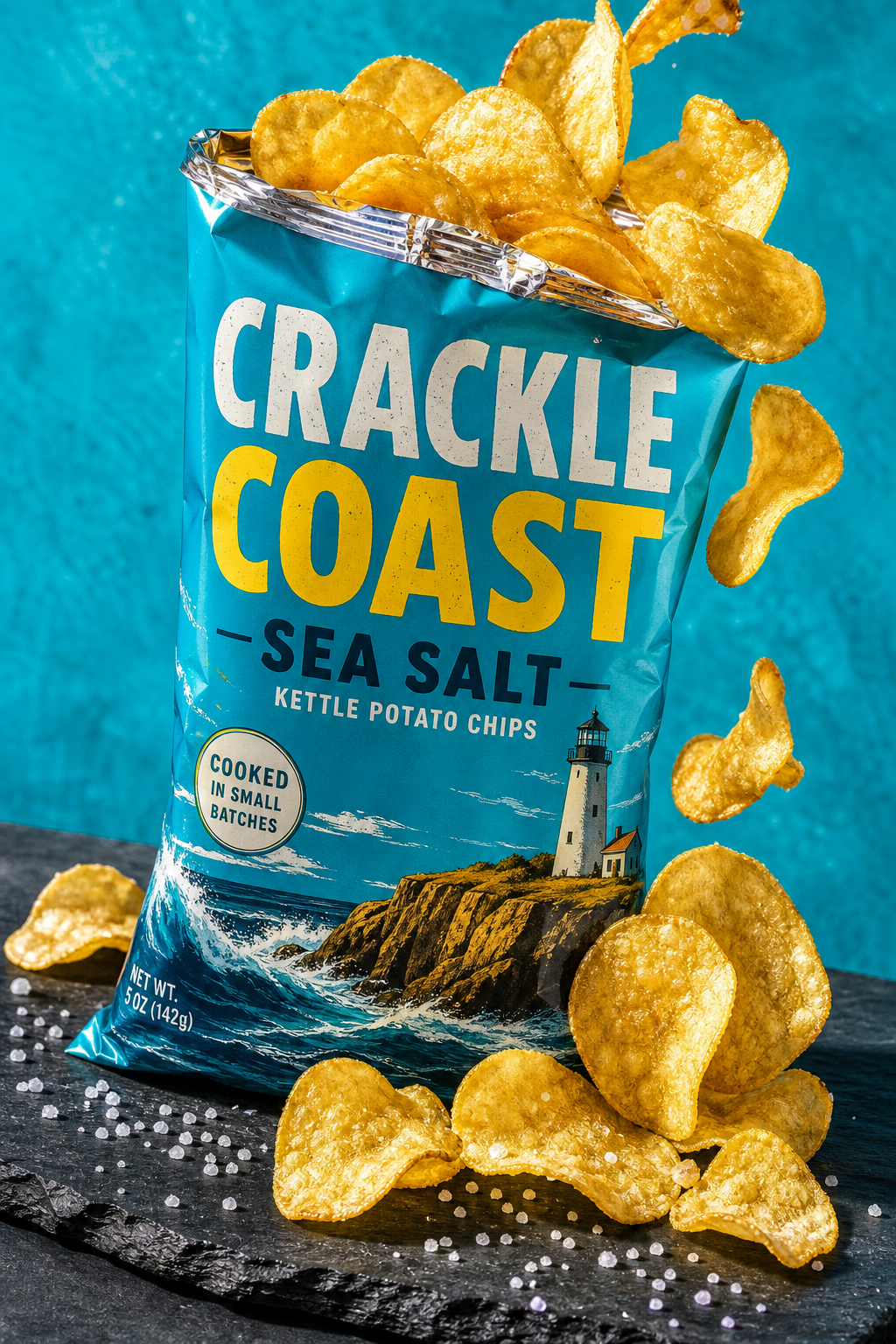
Example generated from “Potato Chips Bag Hero”
GPT Image 2en

A glossy foil bag of "Crackle Coast" sea salt kettle potato chips propped upright, top burst open with crisp golden chips tumbling out onto a slate surface. A few chips leaning against the bag, coarse salt flakes scattered. Bold energetic background in bright turquoise. Punchy studio lighting from above-front, saturated golden yellow and teal palette, crisp shadows, front three-quarter angle, crunchy appetizing texture, vibrant snack packaging commercial style.

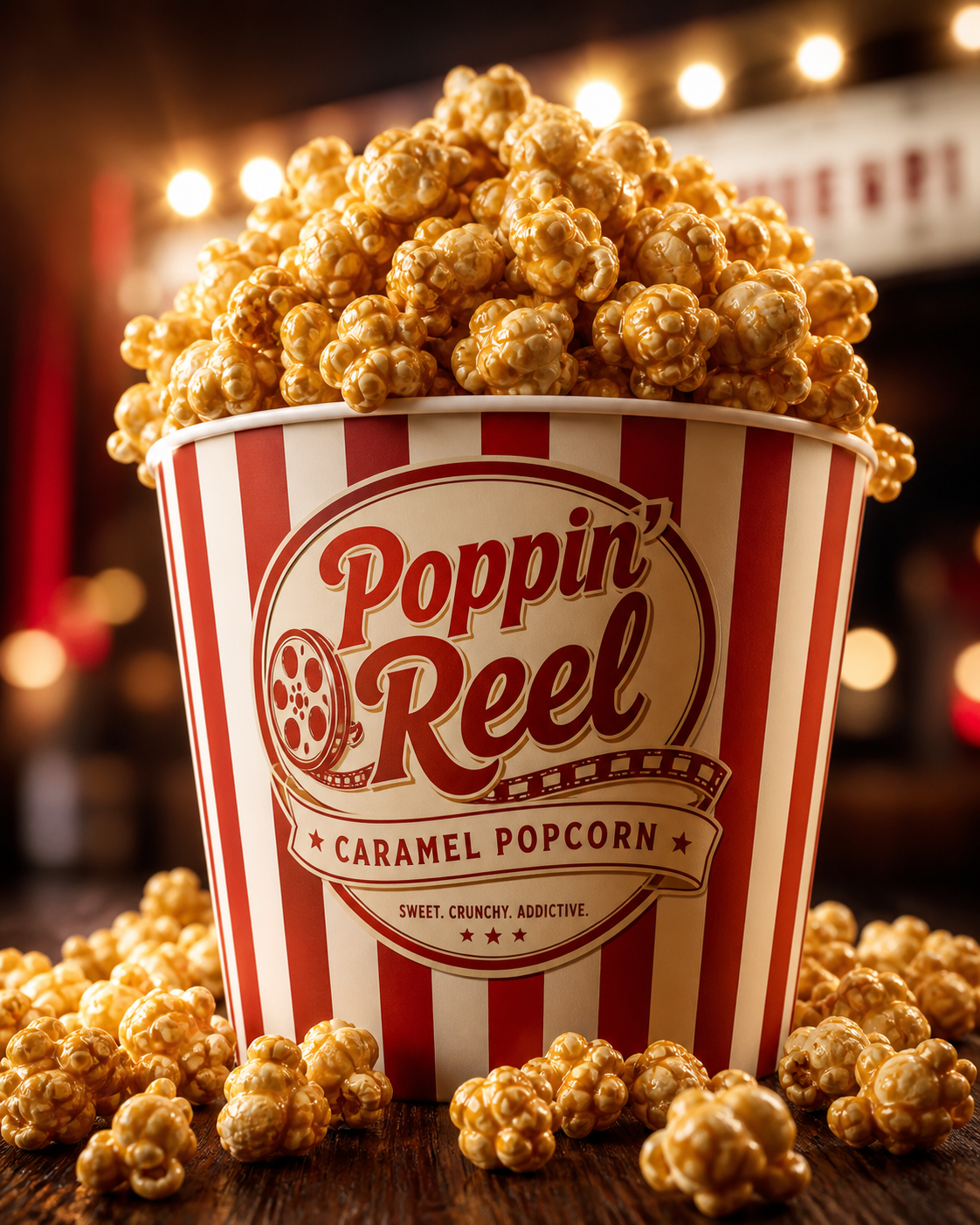
Example generated from “Popcorn Tub Movie Style”
GPT Image 2en

An overflowing red-and-white striped tub of "Poppin' Reel" caramel popcorn, fluffy glazed kernels spilling over the rim onto a dark wood surface. A scatter of loose popcorn and a soft-focus warm bokeh background suggesting cinema lights. Warm golden top-front lighting, rich caramel, cream and cherry-red palette, gentle shadows, slight low angle looking up for a heroic feel, glossy caramel sheen, indulgent movie-night snack photography.

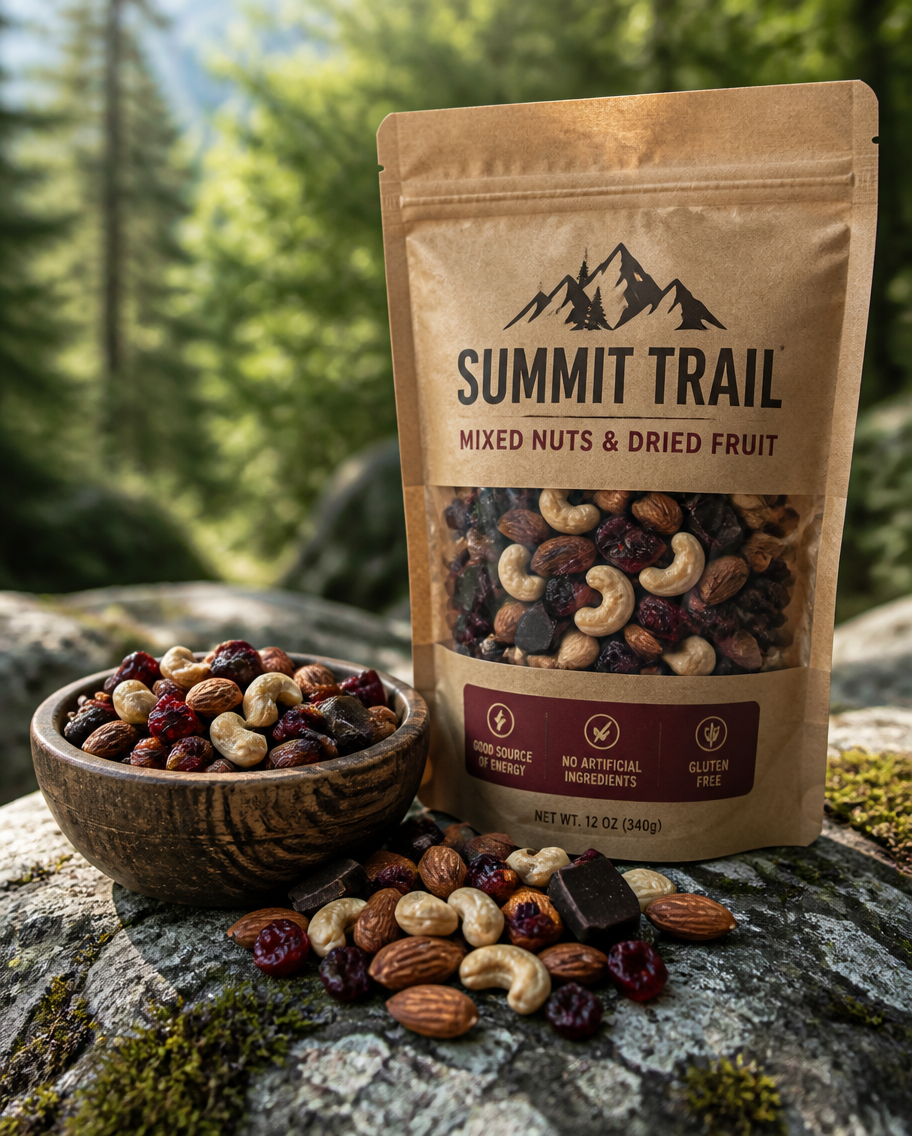
Example generated from “Trail Mix Pouch Outdoor”
GPT Image 2en

A resealable kraft pouch of "Summit Trail" mixed nuts and dried fruit standing on a mossy grey rock, contents spilling out to show almonds, cashews, cranberries and dark chocolate chunks. A weathered wooden bowl of the mix beside it, blurred forest greenery behind. Natural cool daylight from the left, earthy brown, forest green and cranberry-red palette, soft shadows, three-quarter eye-level angle, wholesome adventurous outdoor-snack photography.

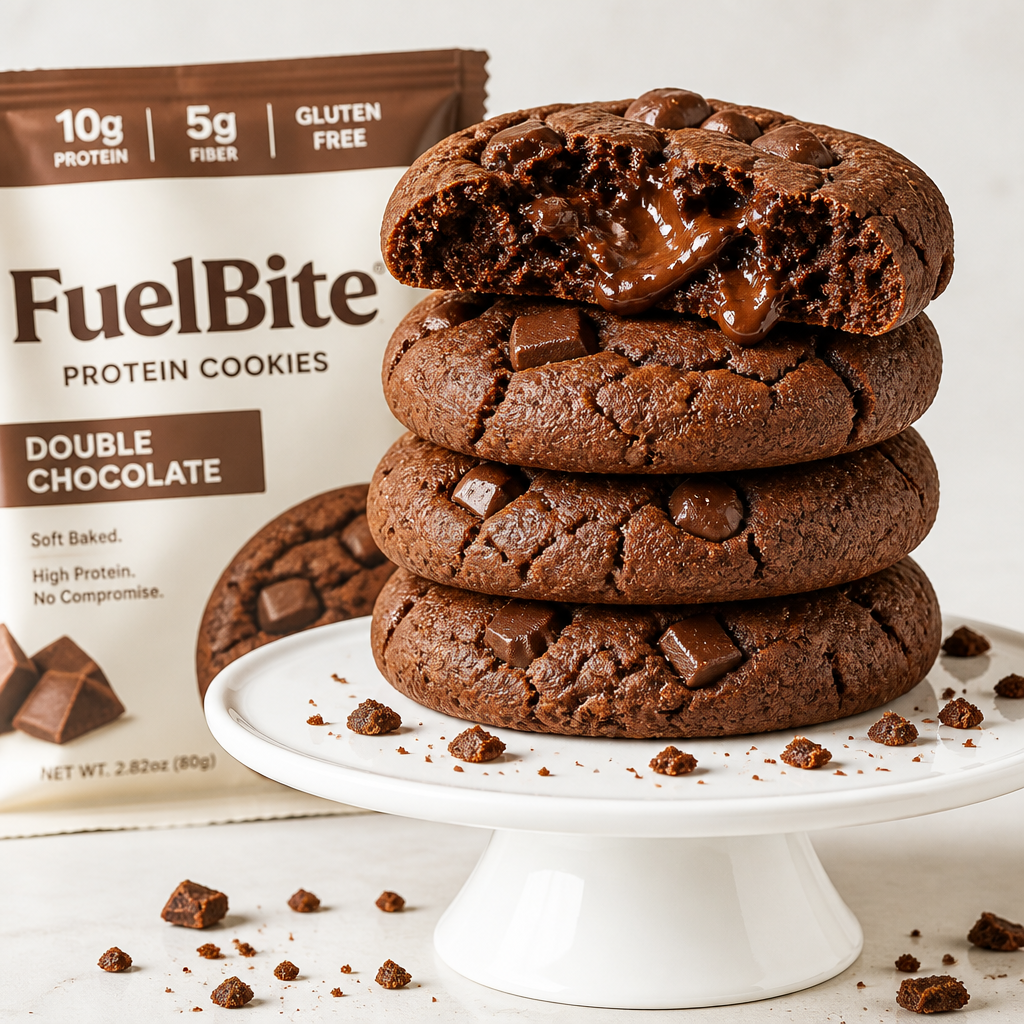
Example generated from “Protein Cookie Stack”
GPT Image 2en

A neat stack of four thick "FuelBite" double-chocolate protein cookies on a white pedestal plate, the top cookie snapped to reveal a soft gooey center and melting chocolate chunks. Crumbs scattered around, a wrapper subtly visible behind. Bright clean studio light from above-left, appetizing warm brown and crisp white palette, soft shadow, front eye-level angle, indulgent yet fresh texture, high-protein snack product photography.

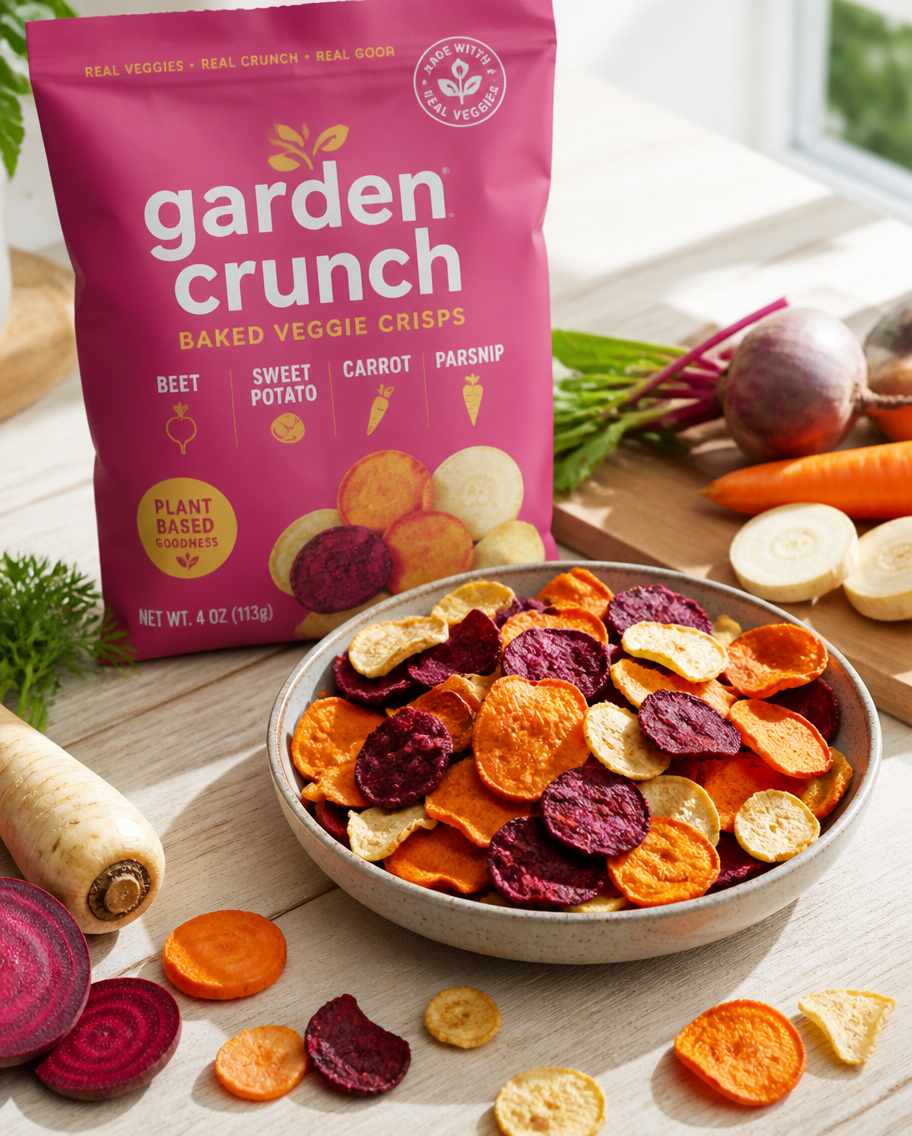
Example generated from “Veggie Crisps Bowl Shot”
GPT Image 2en

A shallow ceramic bowl brimming with colorful "Garden Crunch" baked veggie crisps — beet, sweet potato, carrot and parsnip — a matte pastel bag standing behind it. Set on a pale oak table with a few crisps and fresh vegetable slices scattered around. Bright natural daylight from the right, cheerful magenta, orange and gold palette, soft shadows, slight overhead angle, crunchy airy texture, fresh healthy-snack lifestyle photography.

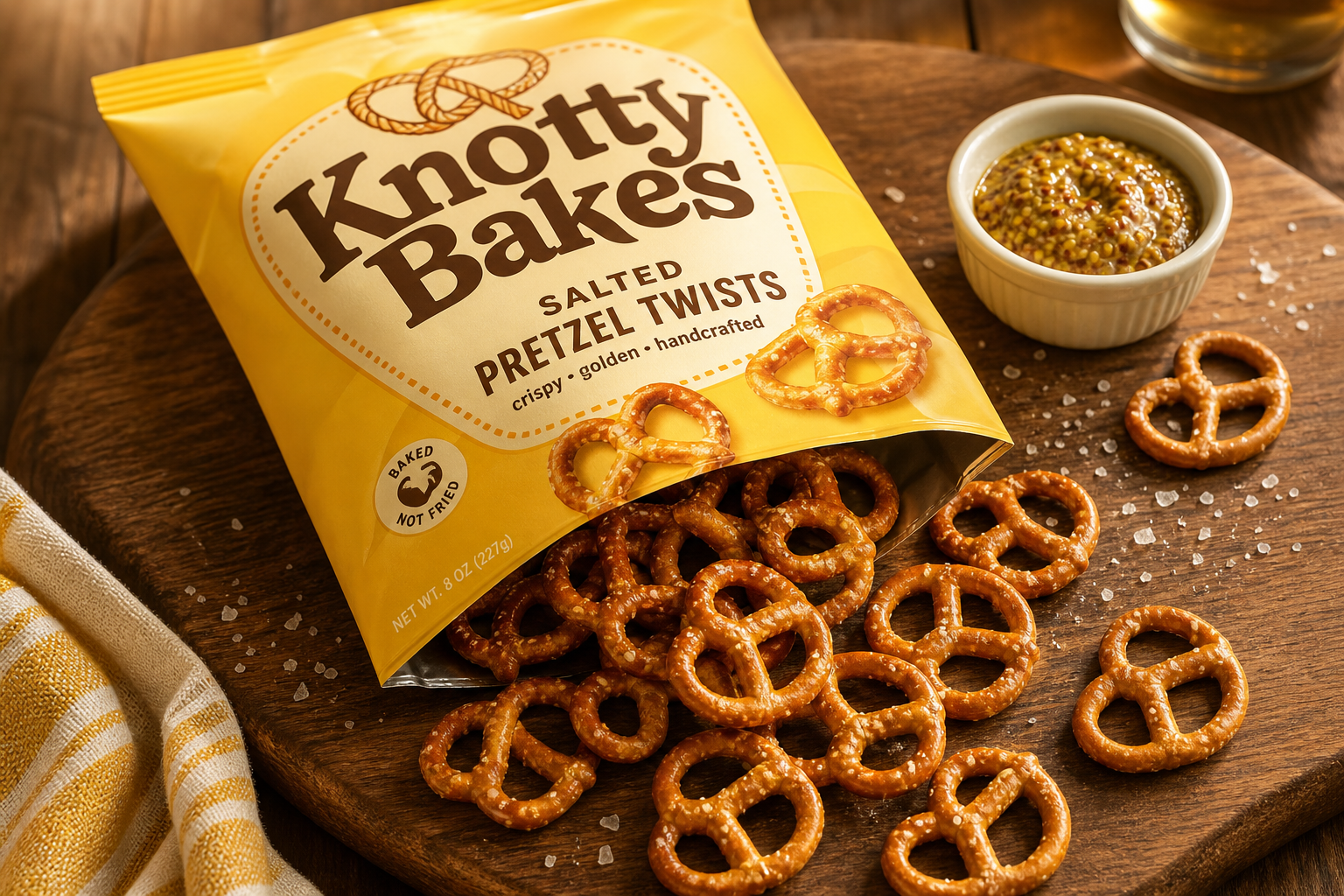
Example generated from “Pretzel Twist Snack Pack”
GPT Image 2en

A cheerful yellow snack bag of "Knotty Bakes" salted pretzel twists lying at a slight angle, crunchy golden pretzels spilling from the opening onto a warm wooden board. A small ramekin of grainy mustard for dipping nearby, coarse salt scattered. Warm inviting side light from the left, golden-brown, mustard-yellow and cream palette, soft shadows, three-quarter overhead angle, crisp baked texture, snackable pub-style product photography.

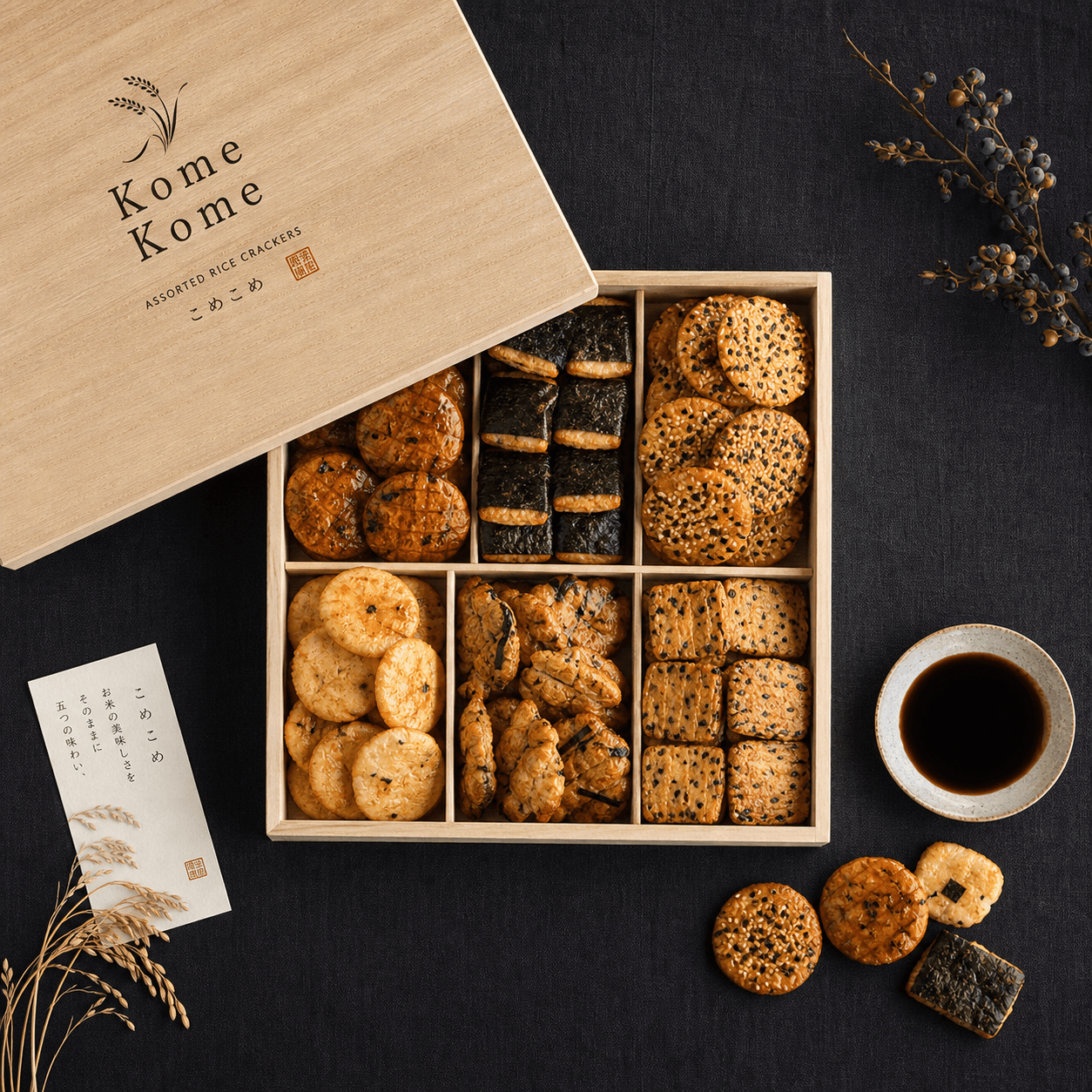
Example generated from “Rice Cracker Assortment Box”
GPT Image 2en

An open bento-style wooden box of "Kome Kome" assorted rice crackers arranged in neat compartments — soy-glazed, seaweed-wrapped and sesame-dusted. Placed on a dark charcoal linen mat with a few crackers and a tiny dipping dish of soy sauce beside it. Soft diffused overhead light, gentle shadows, warm toasted-brown, black and cream palette, top-down flat lay composition, crisp detailed texture, elegant Japanese snack gift photography.

Example generated from “Granola Bar Wrapped Trio”
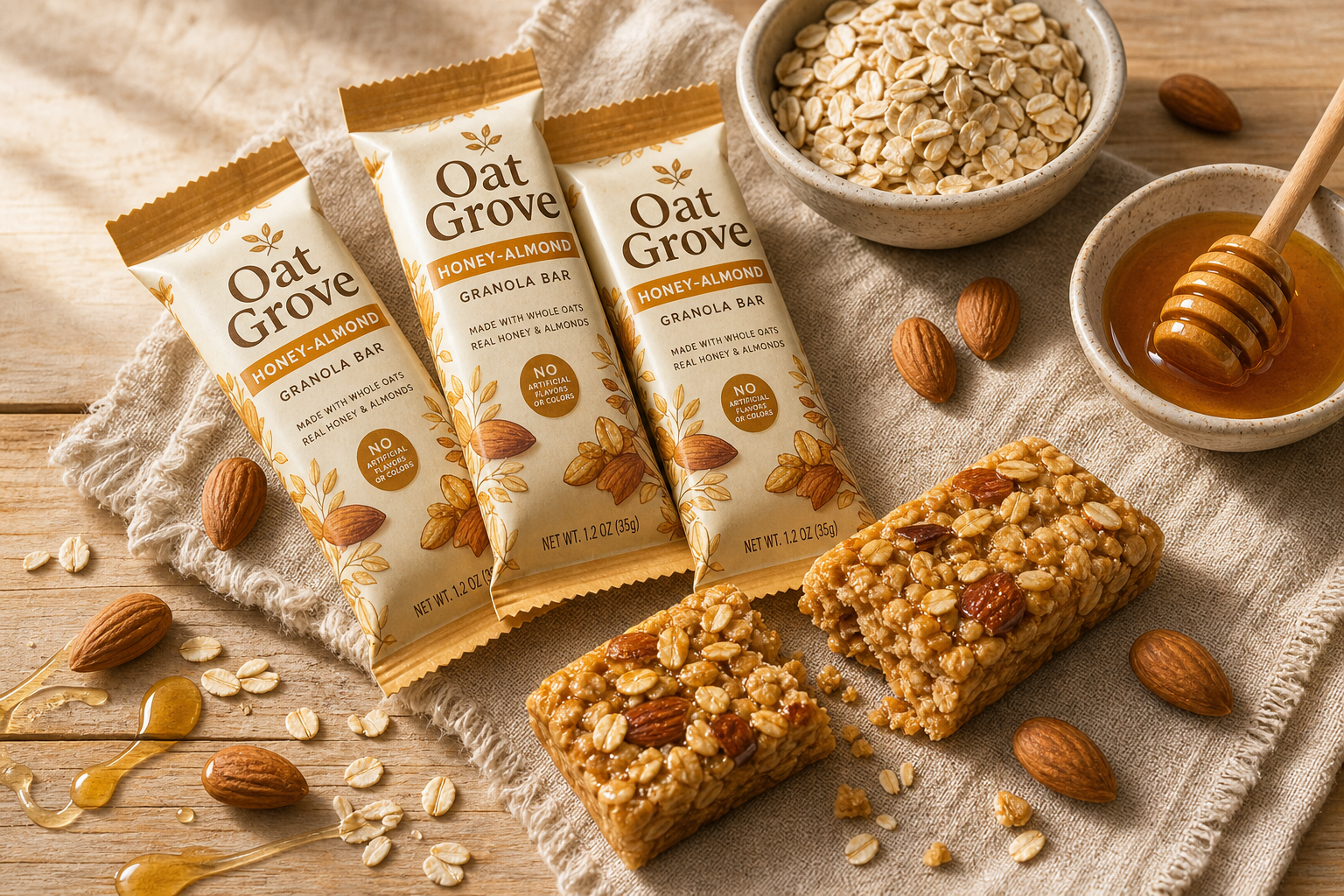
GPT Image 2en

Three individually wrapped "Oat Grove" honey-almond granola bars fanned out, one unwrapped and snapped in half showing chewy oats, nuts and honey. Placed on a rustic linen napkin over light wood, with loose oats, almonds and a drizzle of honey around. Warm natural light from the left, golden oat, honey-amber and cream palette, soft shadows, slight overhead angle, hearty wholesome texture, cozy breakfast-snack product photography.

Example generated from “Seaweed Snack Minimal Pack”
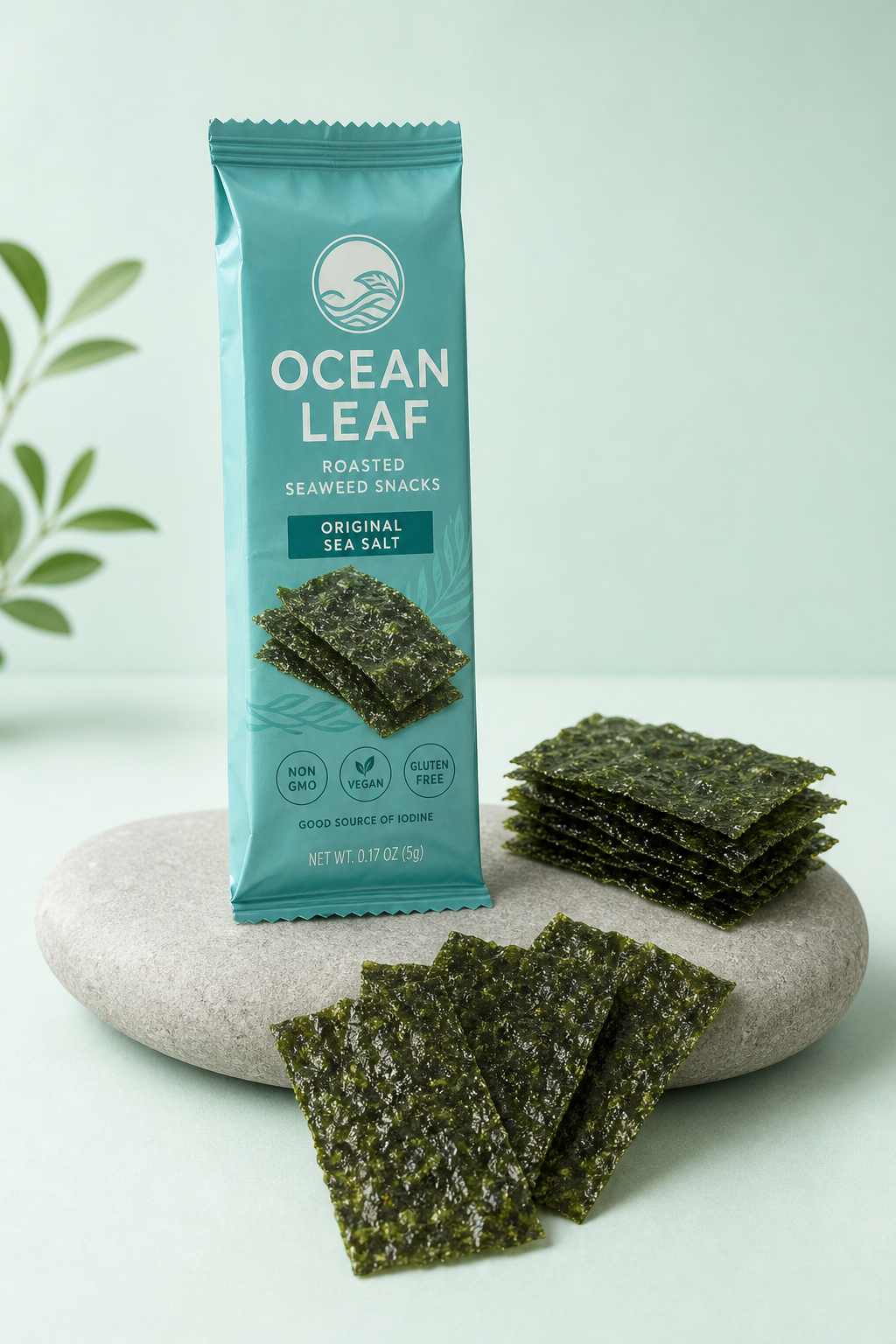
GPT Image 2en

A slim teal packet of "Ocean Leaf" roasted seaweed snacks standing upright on a smooth pale grey stone, a few crisp glossy seaweed sheets fanned out in front and a small stack beside it. Clean minimalist background in soft mint. Bright even studio light, gentle soft shadow, cool teal, deep green and light grey palette, front three-quarter angle at eye level, delicate crisp texture, modern clean healthy-snack packaging photography.

Example generated from “Spicy Corn Nuts Jar”
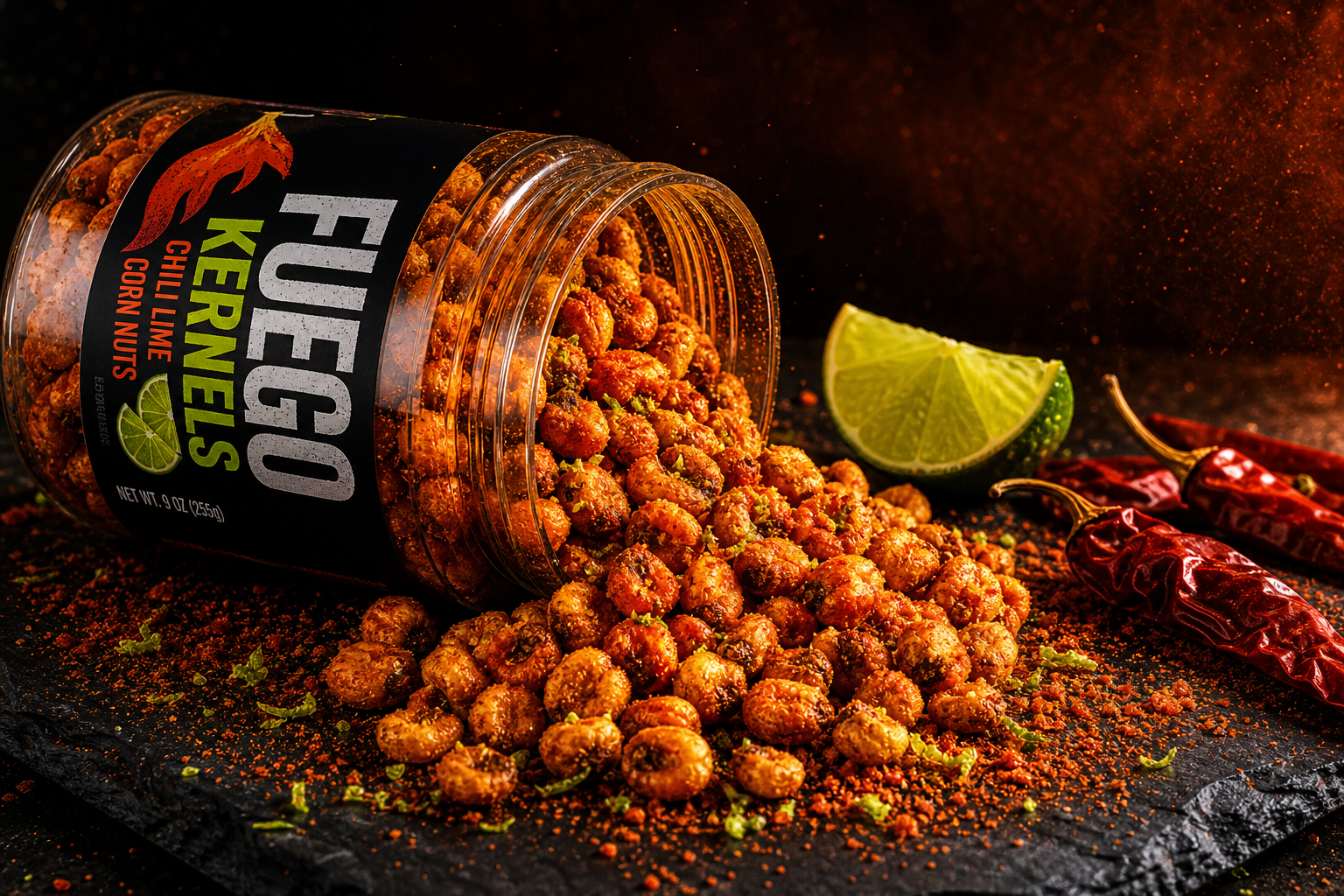
GPT Image 2en

A clear glass jar tipped slightly to pour out crunchy "Fuego Kernels" chili-lime corn nuts onto a dark stone surface, dusted with red chili and flecks of lime zest. A wedge of fresh lime and a scatter of dried chilies beside it. Dramatic warm side light from the right, bold shadows, fiery red, golden corn and lime-green palette, front three-quarter angle, gritty spicy texture, bold snack packaging commercial photography.

Example generated from “Craft Soda Bottle Splash”
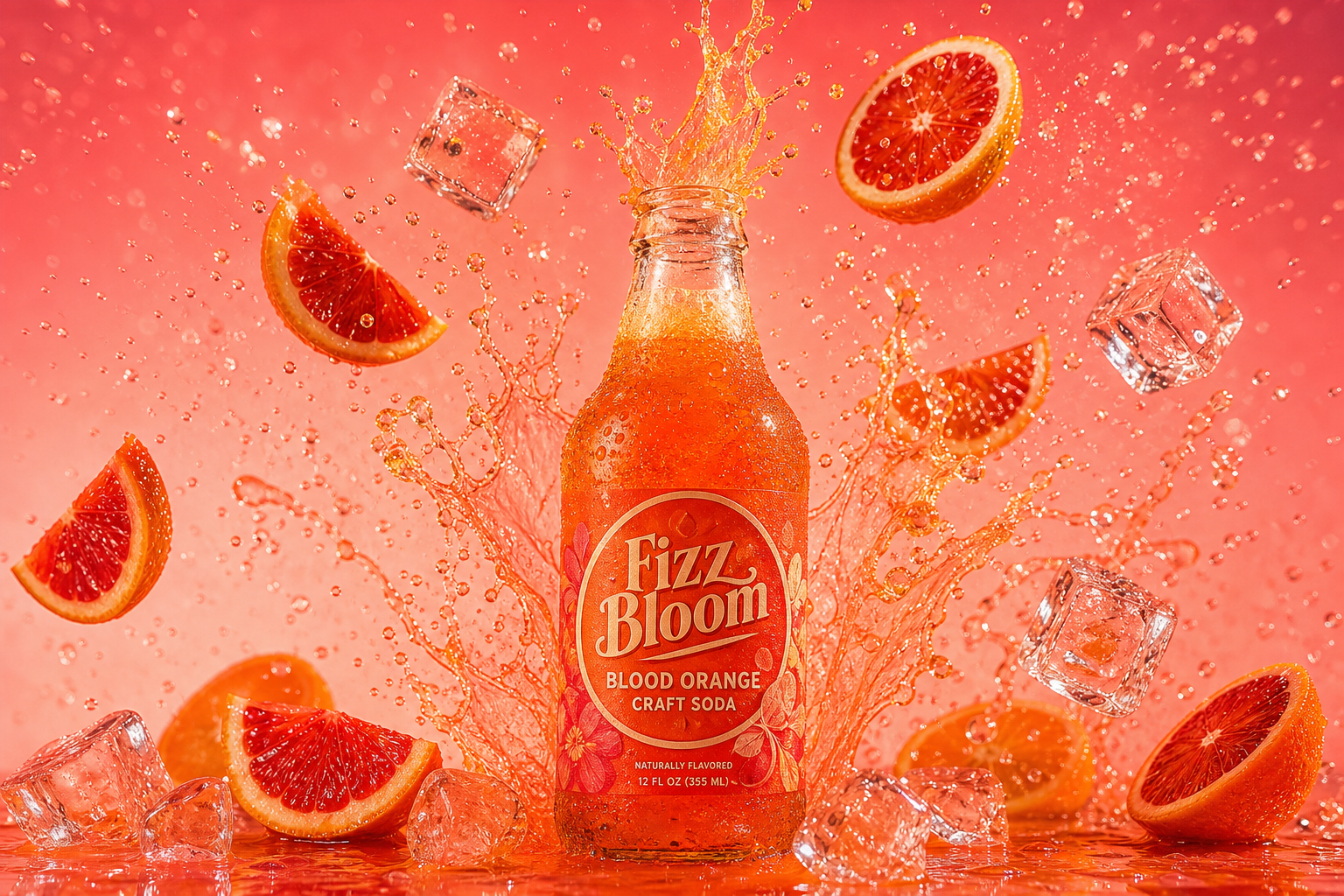
GPT Image 2en

A frosty amber glass bottle of "Fizz Bloom" blood-orange craft soda, cap off with a dynamic splash of orange soda and bubbles bursting around it. Fresh orange slices and ice cubes suspended mid-air. Vibrant coral-pink gradient background. High-speed studio flash freezing the splash, saturated orange, coral and gold palette, crisp shadows, front eye-level angle, effervescent refreshing texture, energetic beverage advertising photography.

Example generated from “Cold-Pressed Juice Row”
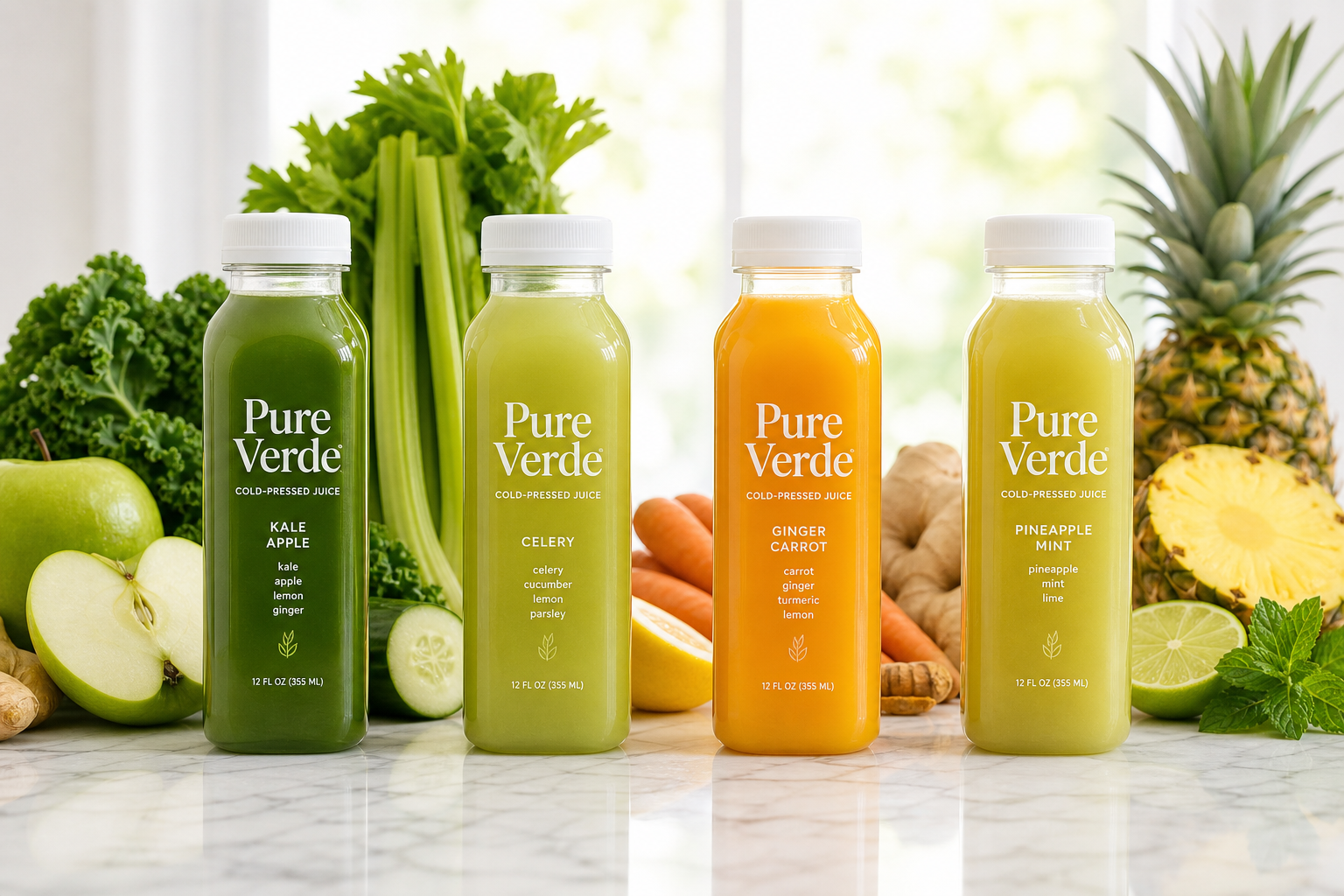
GPT Image 2en

A row of four clear bottles of "Pure Verde" cold-pressed juices in graduated greens and golds — kale-apple, celery, ginger-carrot and pineapple-mint — lined on a white marble counter. Fresh whole fruits and vegetables arranged behind each bottle. Bright clean daylight from behind, vivid green, gold and orange palette, soft shadows, straight-on eye-level angle, glossy fresh liquid, healthy premium juice product photography.

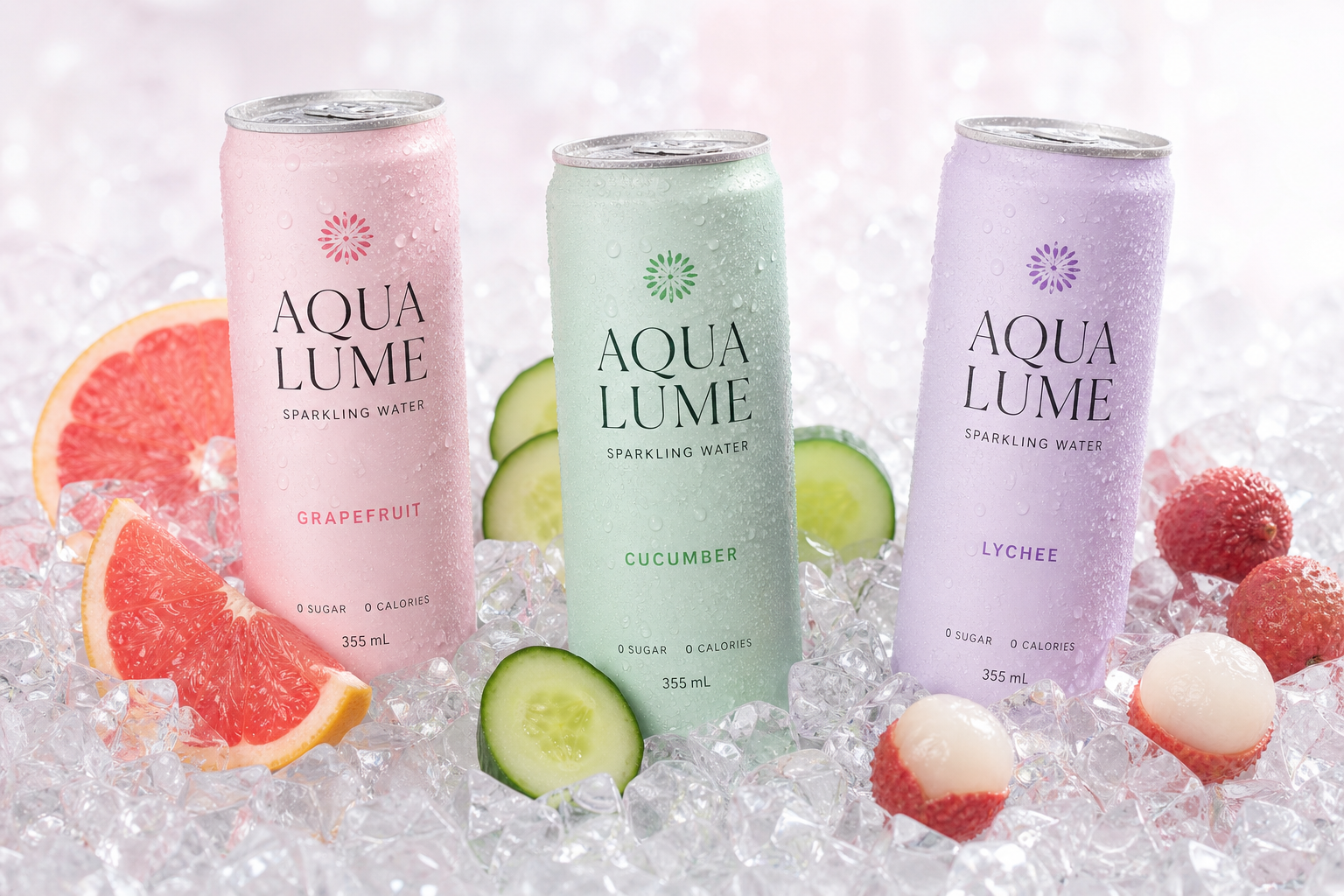
Example generated from “Sparkling Water Can Trio”
GPT Image 2en

Three slim pastel aluminum cans of "Aqua Lume" sparkling water — grapefruit, cucumber and lychee — standing in a shallow bed of crushed ice with water droplets glistening on the metal. Fresh fruit garnishes tucked between the cans. Soft bright studio light from above, cool pastel pink, mint and lilac palette, gentle reflections, front three-quarter angle at eye level, crisp icy freshness, clean modern beverage brand photography.

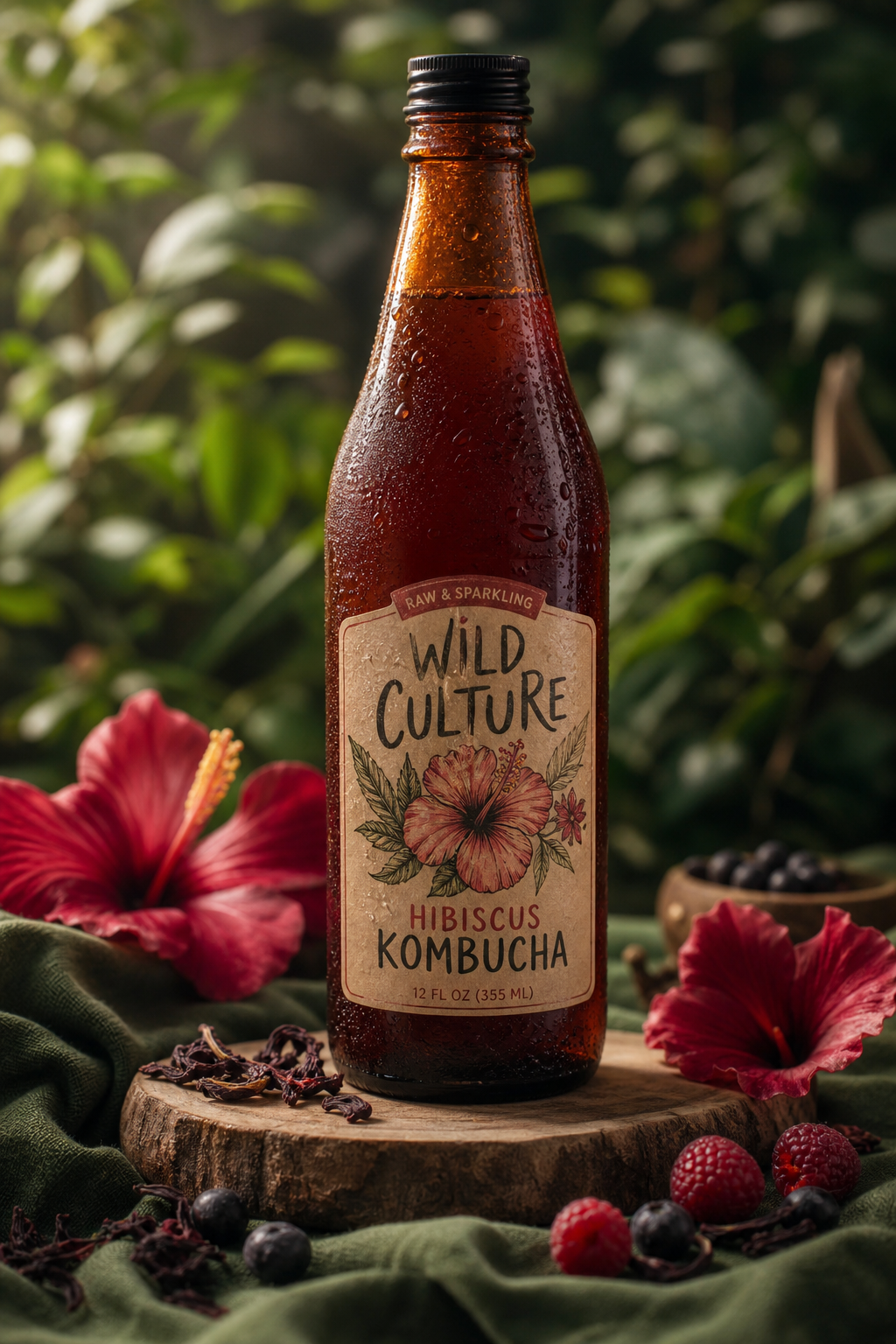
Example generated from “Kombucha Bottle Nature Set”
GPT Image 2en

A tall amber bottle of "Wild Culture" hibiscus kombucha standing on a rough sawn log slice, condensation beading on the glass, a hand-drawn kraft label facing front. Fresh hibiscus flowers and berries scattered on a moss-green cloth, blurred botanical background. Soft dappled natural light from the left, deep magenta, amber and forest-green palette, gentle shadows, three-quarter eye-level angle, effervescent artisanal texture, organic beverage lifestyle photography.