原始文档
GPT Image 2 · en
Scene:
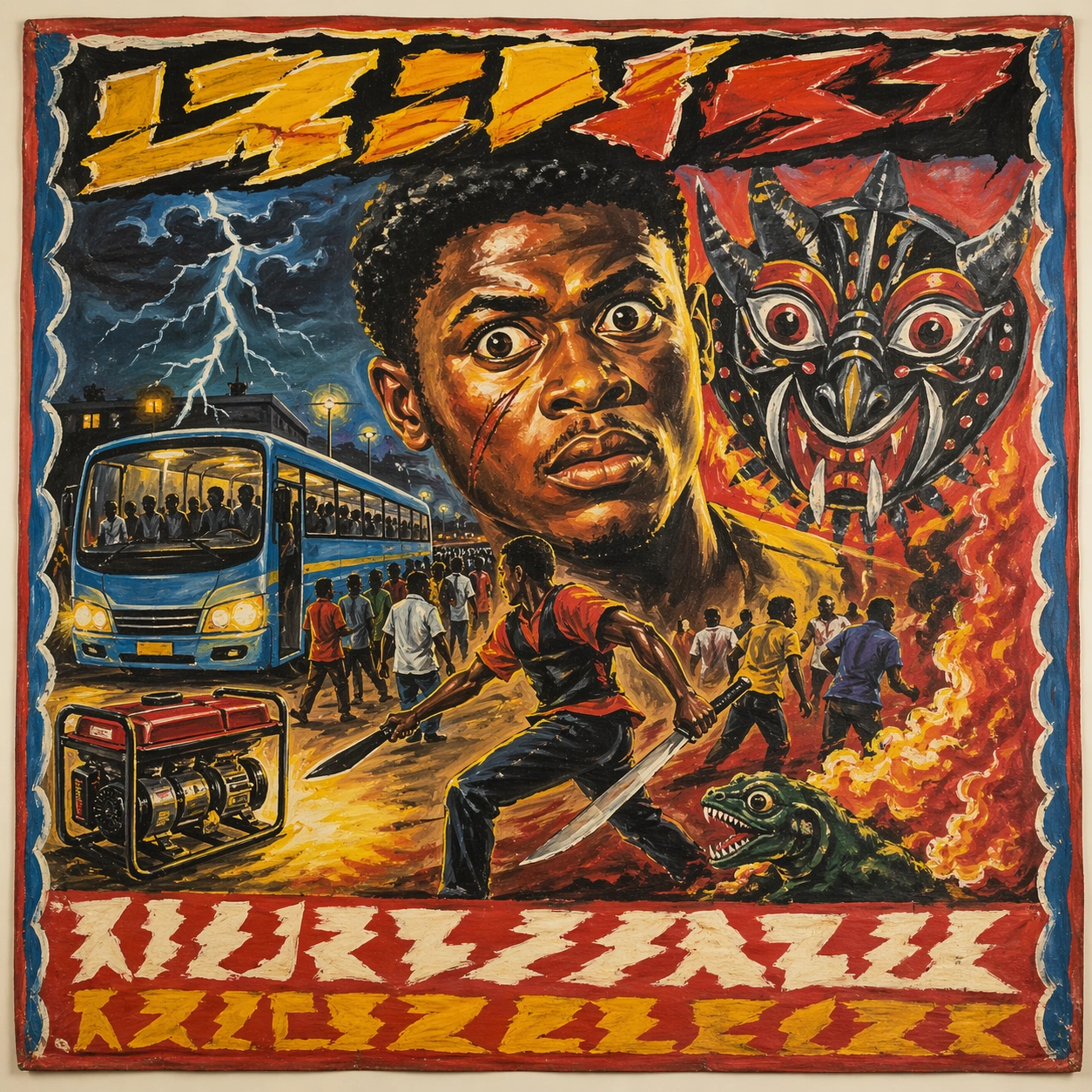
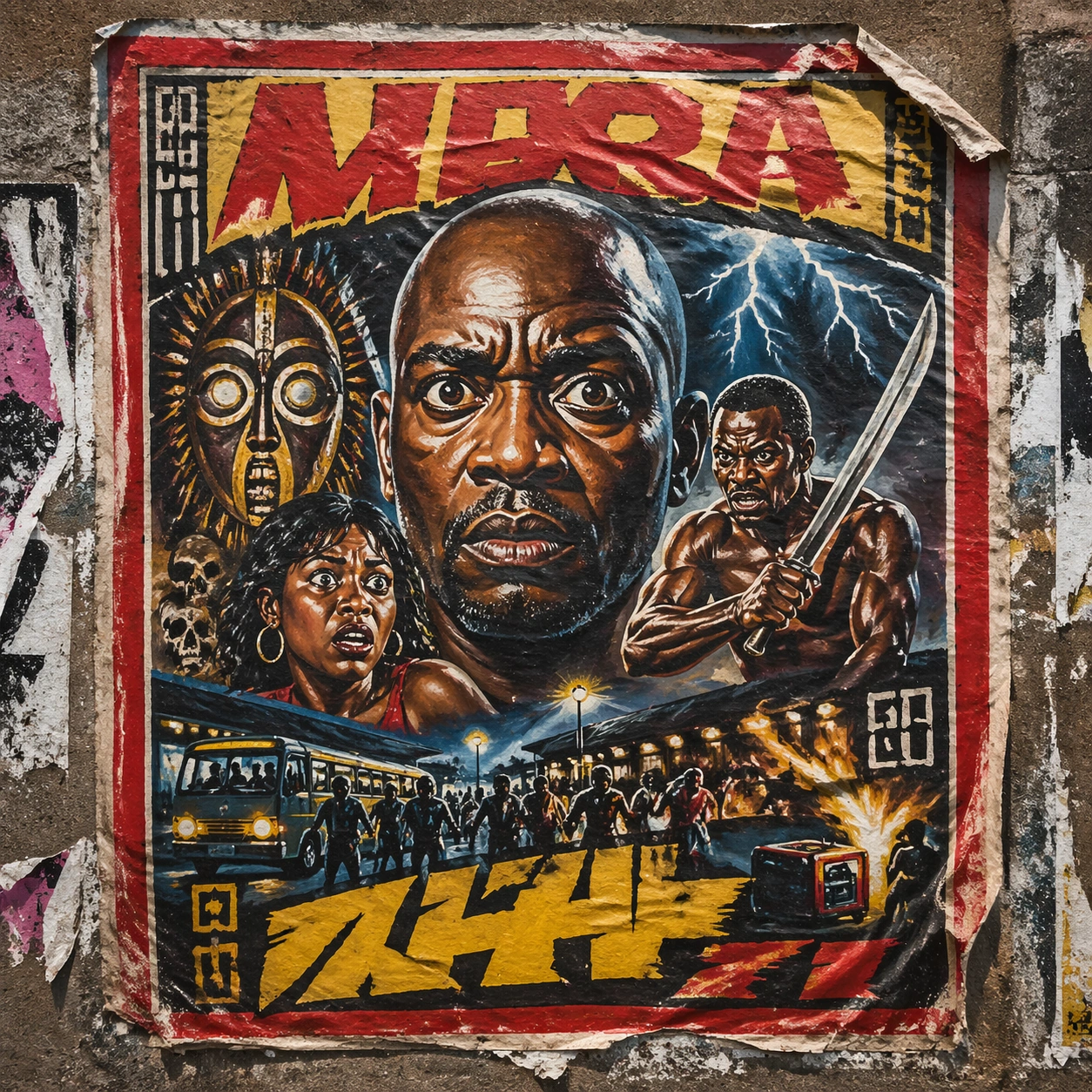
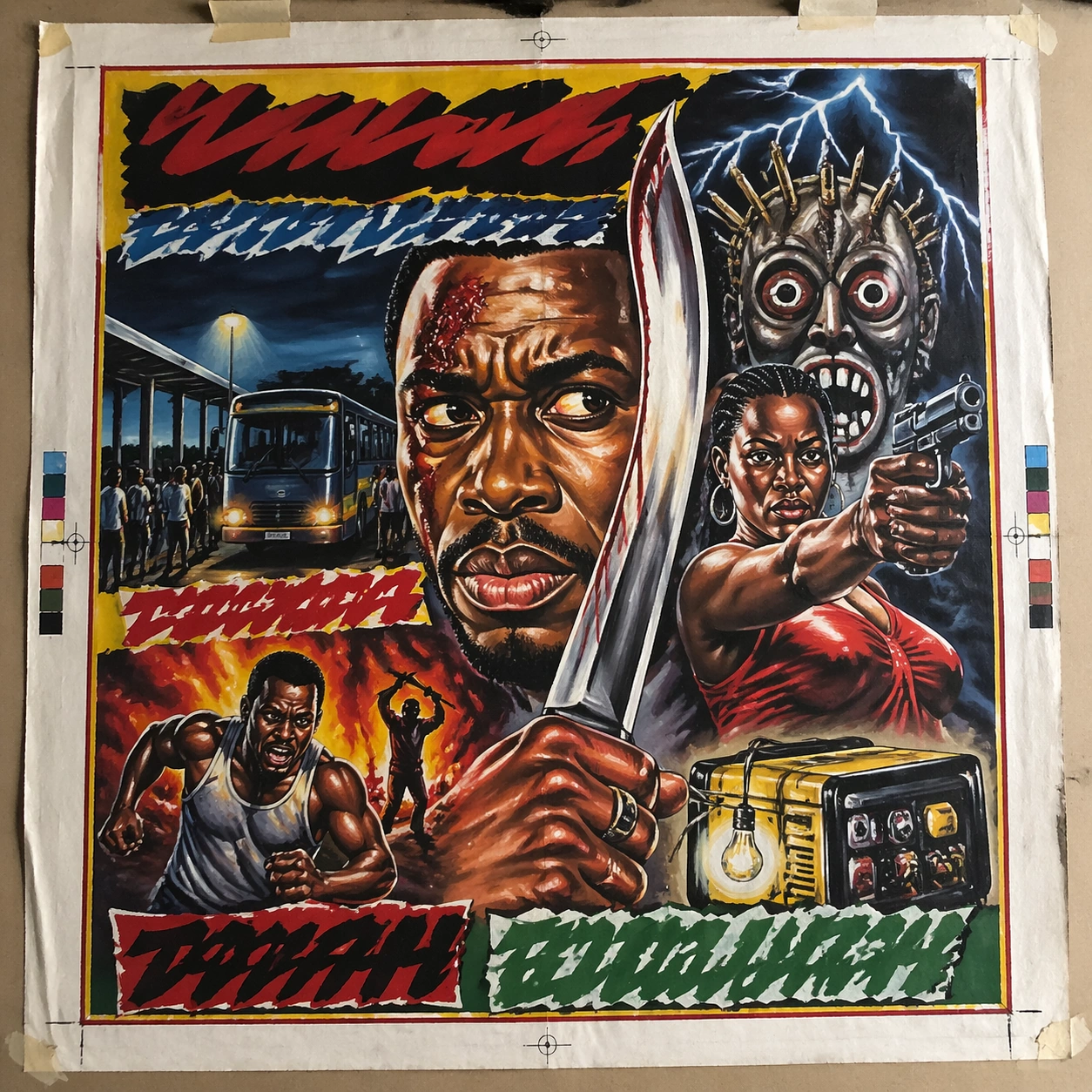
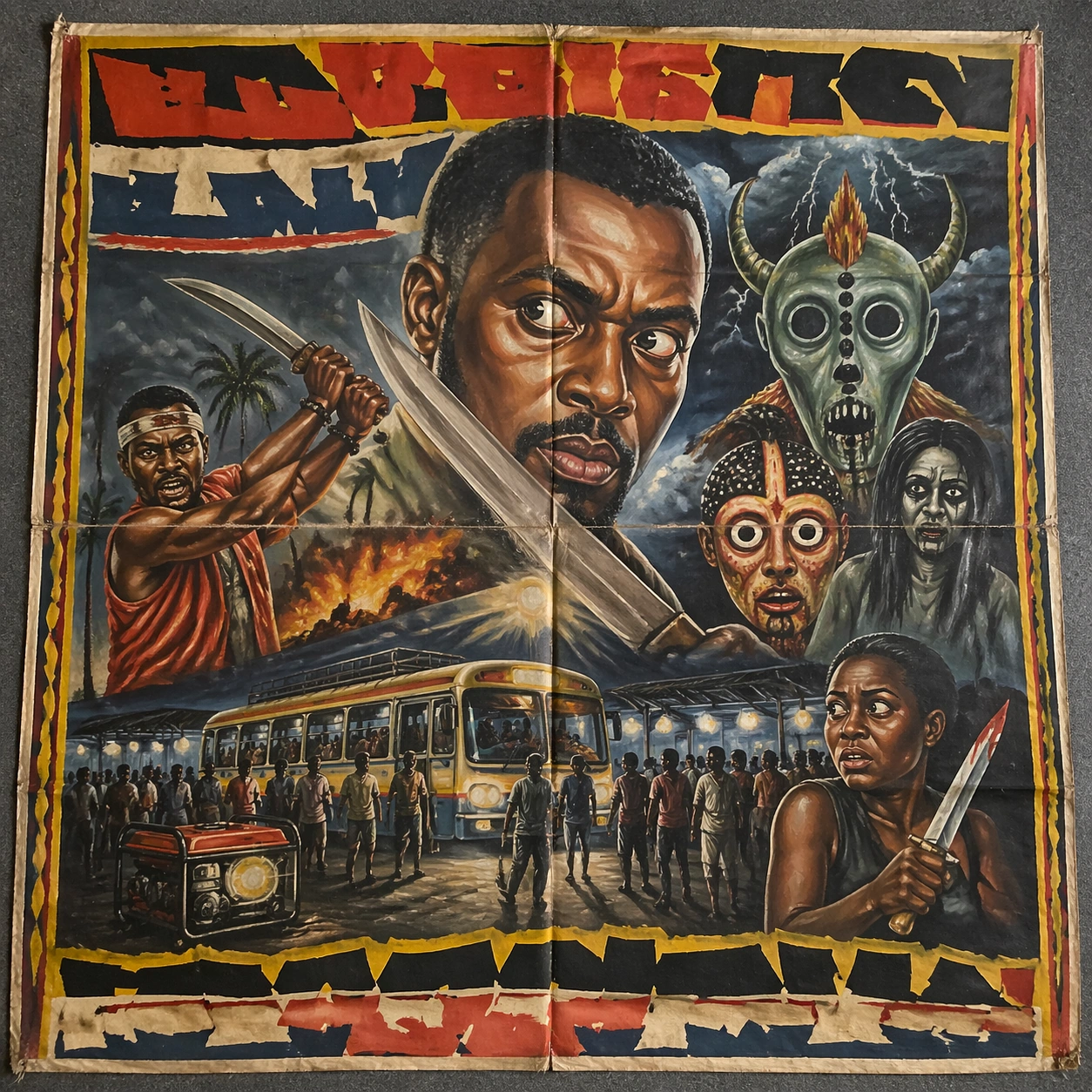
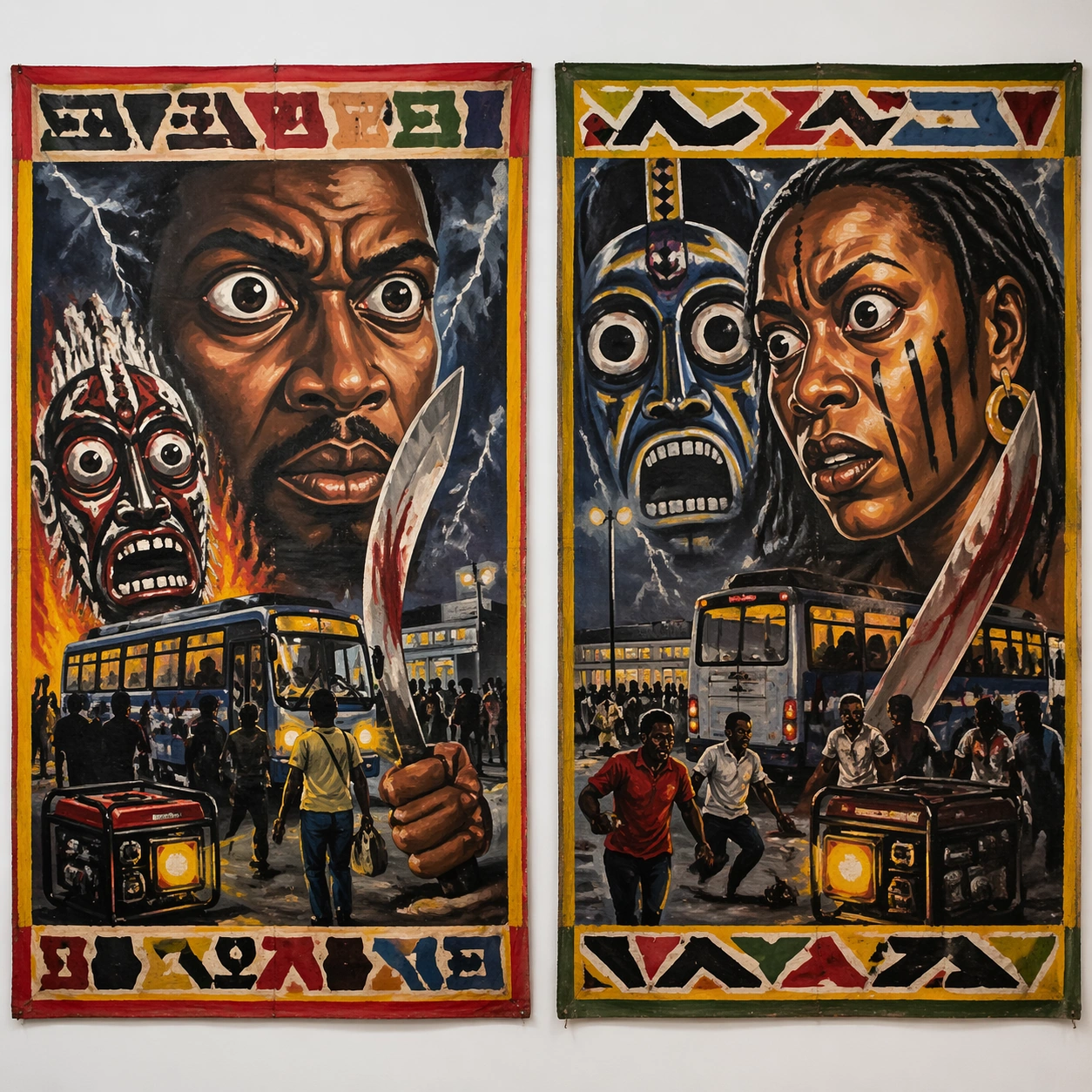
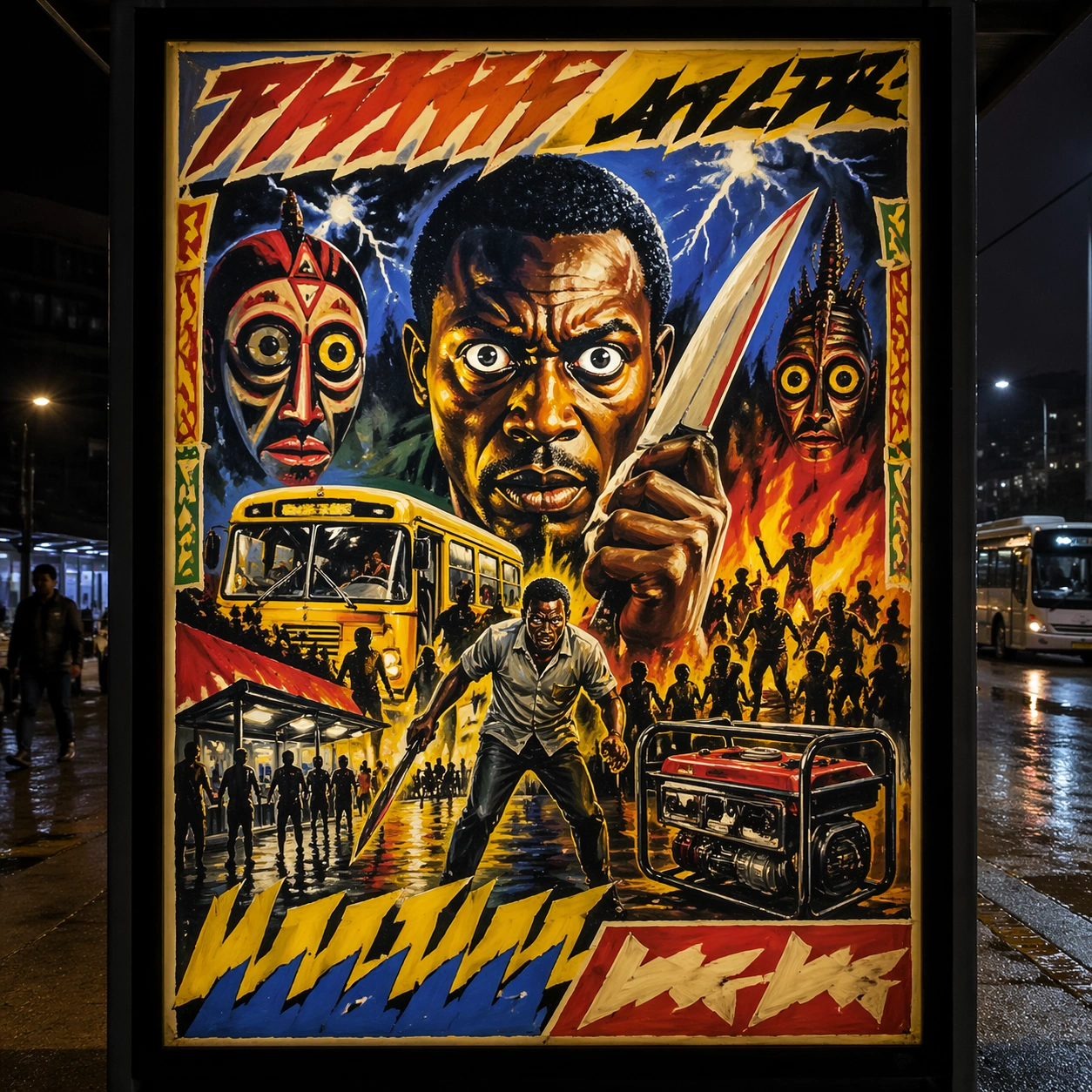
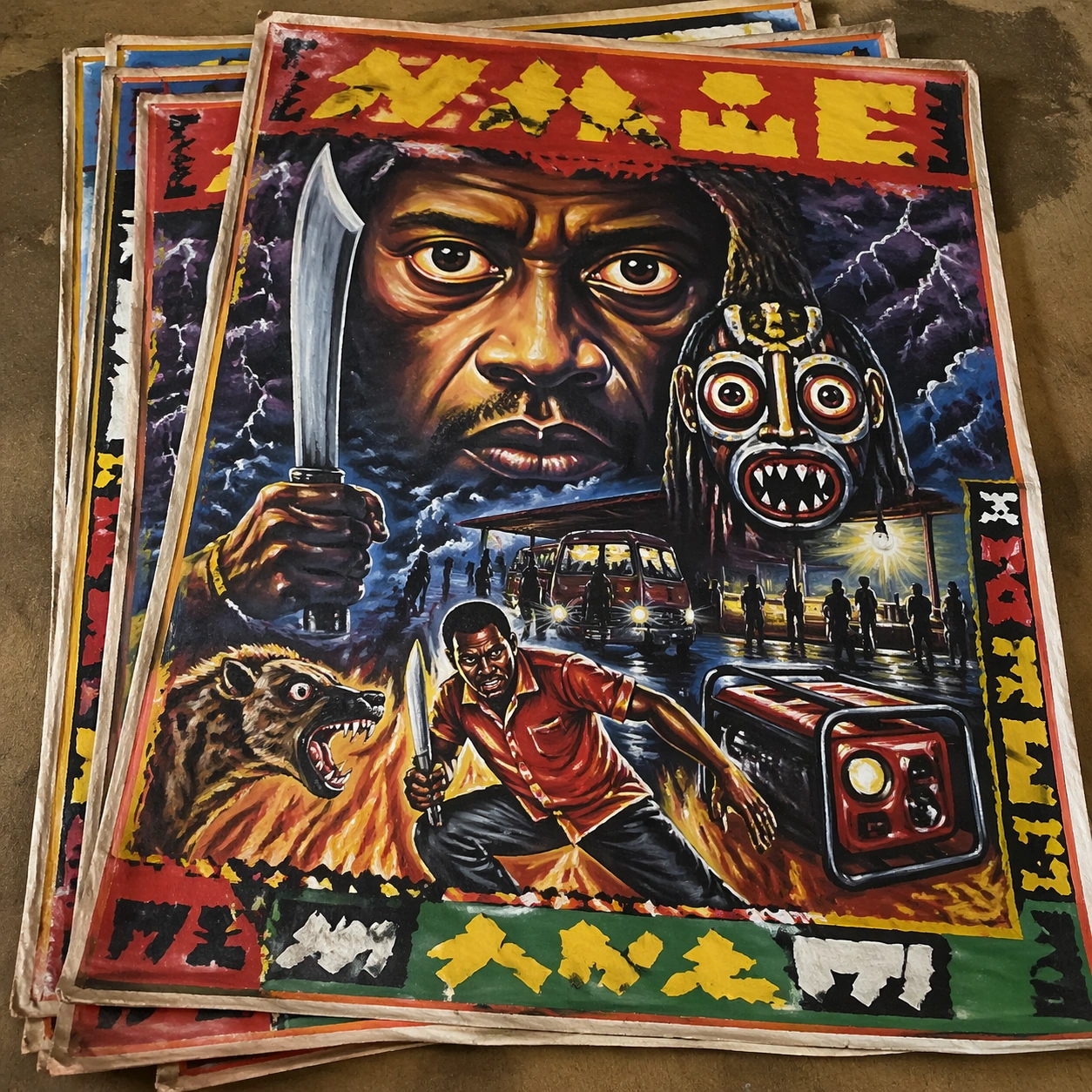
A square tabletop shot of several poster prints stacked and slightly fanned, with curled corners, offset edges, and soft directional light revealing paper thickness and ink behavior. The poster should express raw market-poster painting on rough cloth or board with fearless scale distortion and thick visible brushwork, using saturated red, yellow, green, blue, black, and sun-faded cloth neutrals and a tactile surface appropriate to the medium.

Subject:
Design the top poster to dominate while nearby duplicate sheets echo the same composition, creating a tactile print-run scene rather than a single isolated sheet. Use giant eyes, action poses, storm skies, spirit masks, blades, creatures, flames, and hand-painted borders as the main visual ingredients, and organize them with brush-painted pseudo-titles and framing bands kept emphatic but unreadable. For the contemporary-subject axis, thread in a night bus station, generator glow, and urban hustle translated into a bold hand-painted thriller advertisement. The poster must feel like an original design object rather than a reproduction of any known work.

Important details:
Use the stack to emphasize production character: edge shadows, repeated motifs peeking from beneath, and subtle misalignment should enrich the material reading without changing the core design. Preserve oversized portrait dominance, uneven brush edges, hand-mixed paint, energetic anatomy distortion, and local-market immediacy. Keep every letterform abstract and non-readable, as if it were a typographic texture rather than language. Make the style unmistakable through composition, palette, surface behavior, and symbolic compression. no smooth digital airbrush, no clean vector geometry, no subtle luxury minimalism, no photographic polish.

Use case:
Ghana Hand-Painted single study 7/9, testing print-run tactility and repeat presence.

Constraints:
No readable text, no watermark, no logos, preserve exact 1:1 aspect ratio, no copyrighted characters, no real brand marks, no QR codes, no interface chrome, no accidental gibberish lettering.
使用方法
- 复制完整原始提示词,并保留其中的参数。
- 按需求替换主体、文字和构图要求。
- 在兼容的外部工具中使用,核对当前使用条件并检查结果。
开始前需了解
- 先确认是否需要参考图。标注兼容模型,不代表该示例由这个模型生成。
- 核对名称、数字与画面文字;不同模型版本的结果可能不同。