原始文档
GPT Image 2 · en
Scene:
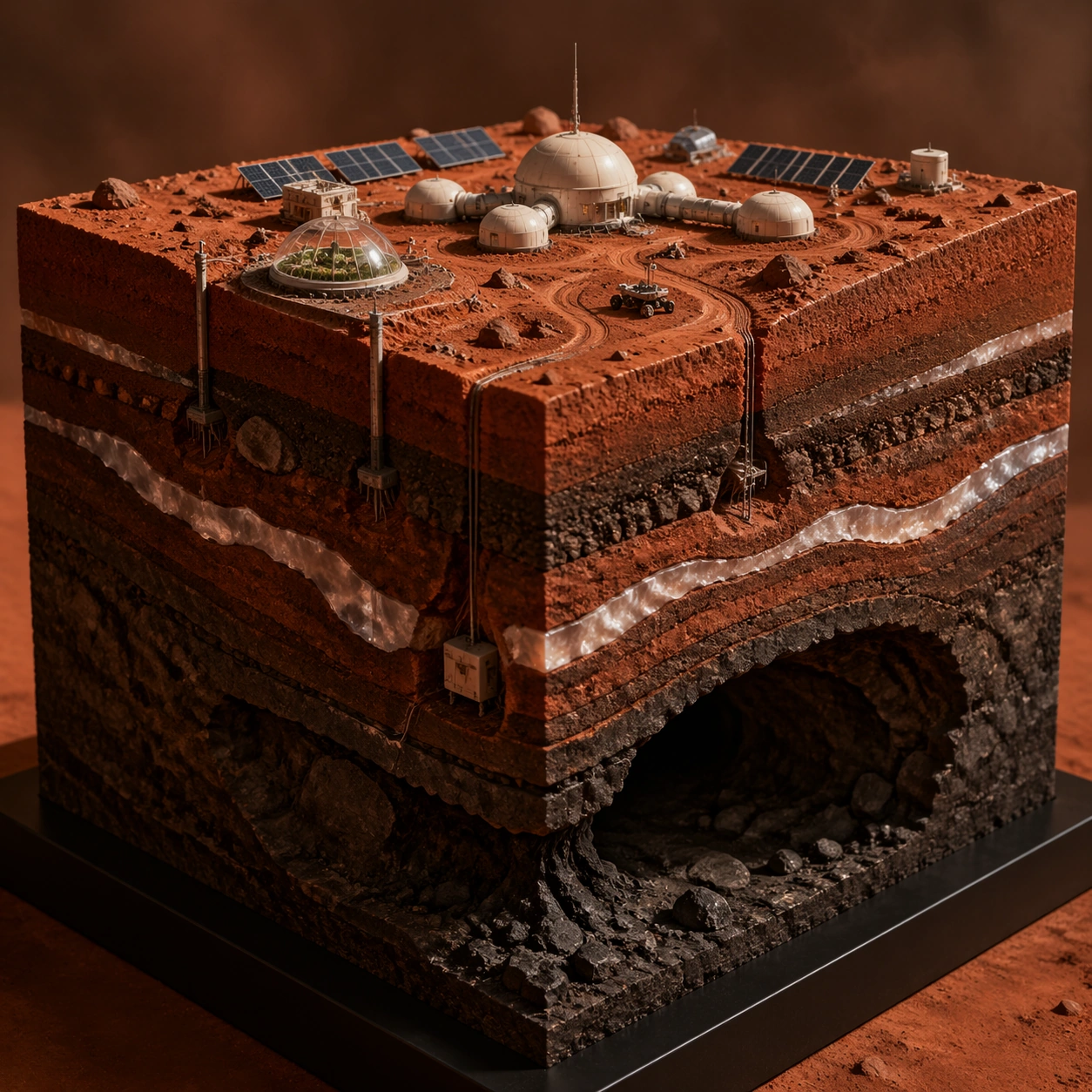
A square cinematic studio photograph of a Mars habitat diorama cube under warm directional light. The cube rests on a minimal black base, with a rust-red dust haze and a dark neutral background. Use a sharp three-quarter view that shows the top habitat surface and multiple cutaway sides with clean, physically convincing edges.

Subject:
The top face shows a tiny modular Mars research outpost: pressurized domes, solar arrays, rover tracks, dust-covered equipment, regolith berms, and a small greenhouse bubble. The vertical cut faces expose layered red regolith, basalt fragments, buried ice lenses, cable trenches, habitat foundation pylons, a sealed lava tube chamber, and older impact breccia. Include fine dust, compacted tire marks, small rocks, and realistic scale cues.

Important details:
The cube should feel like a future planetary science exhibit. All infrastructure must connect logically: cables should run from the surface into trenches, foundations should enter the regolith, and the greenhouse should sit on a stable pad. Subsurface ice must appear as pale translucent seams, not blue fantasy crystal. The lava tube should be a dark hollow space below the habitat, with rough basalt walls and no magical glow.

Use case:
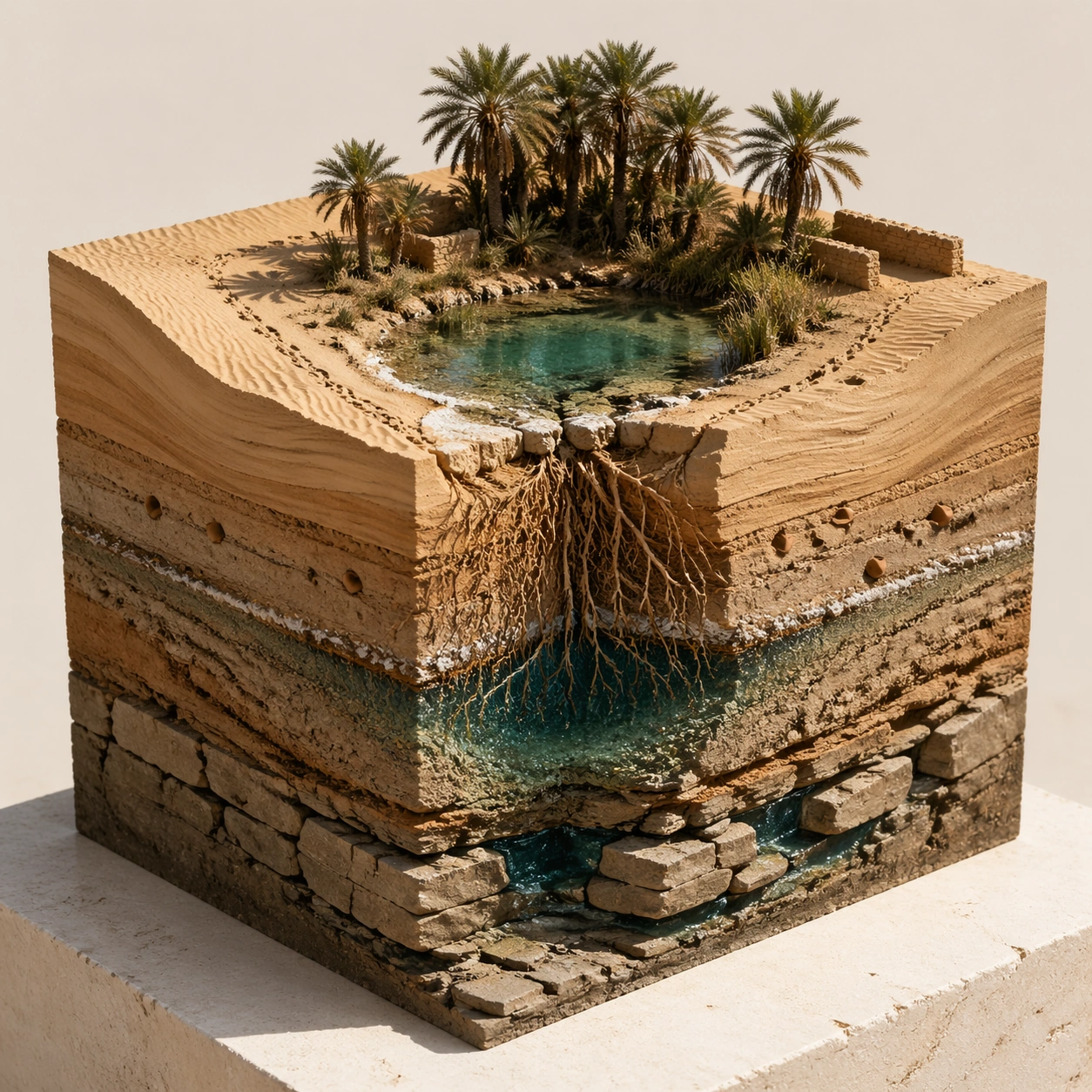
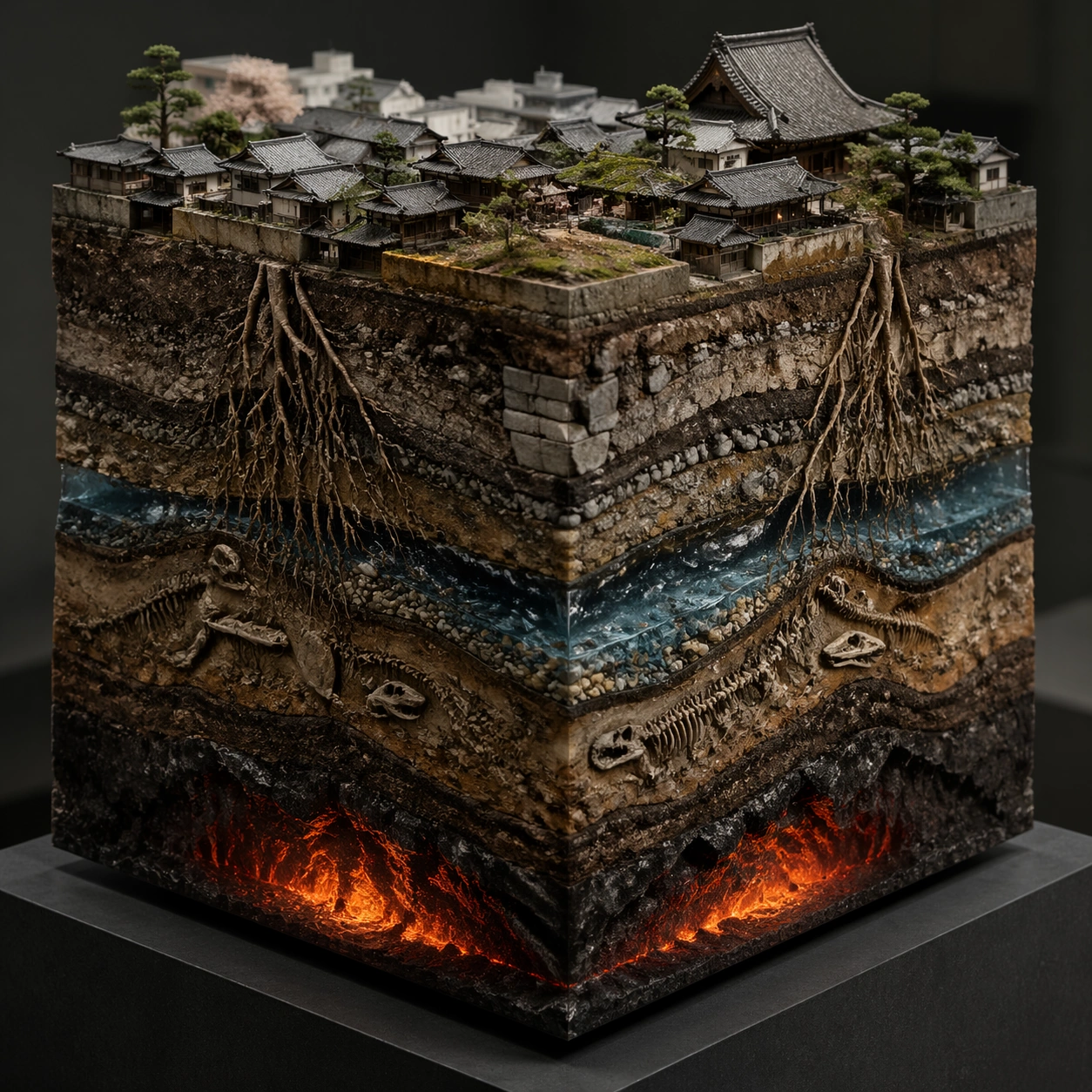
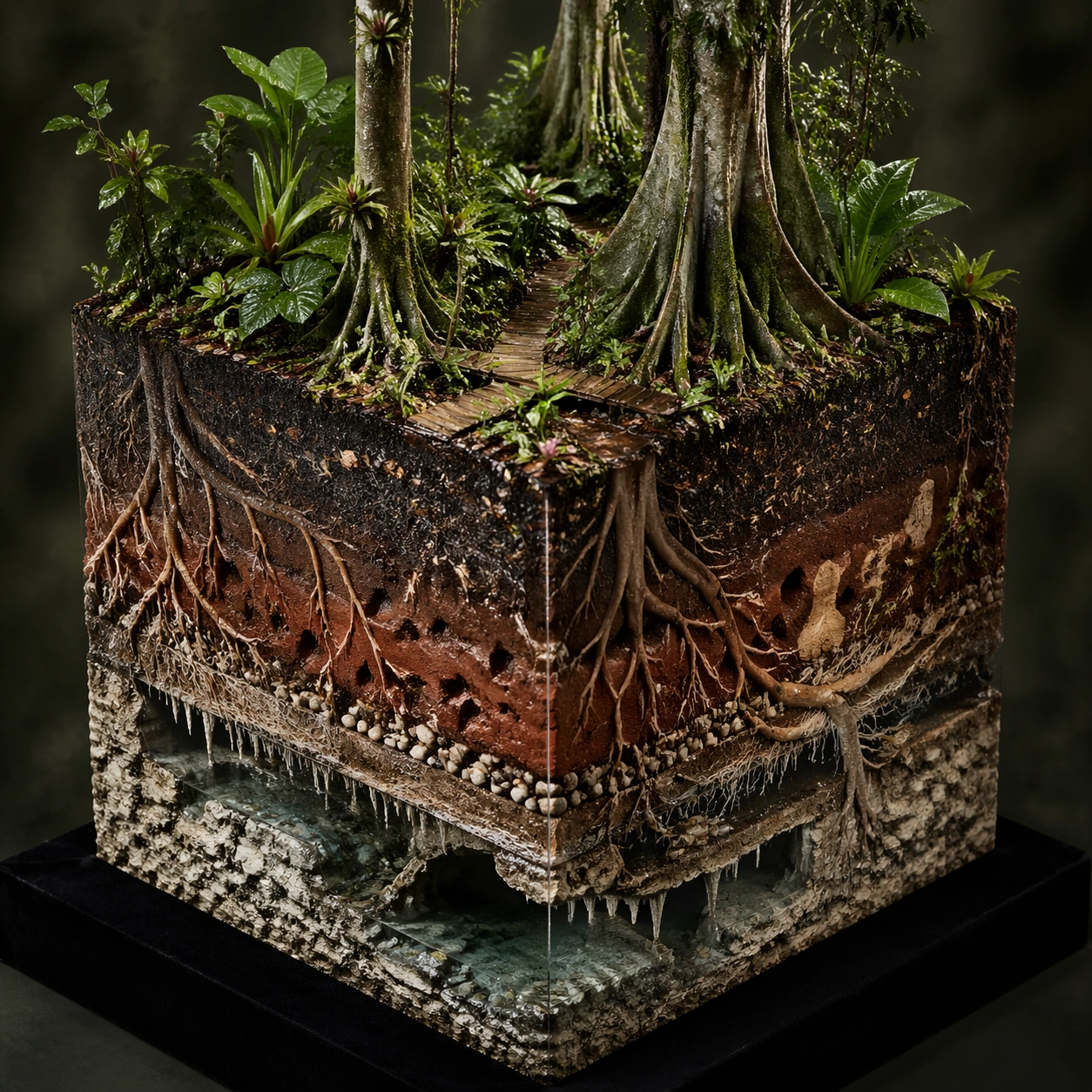
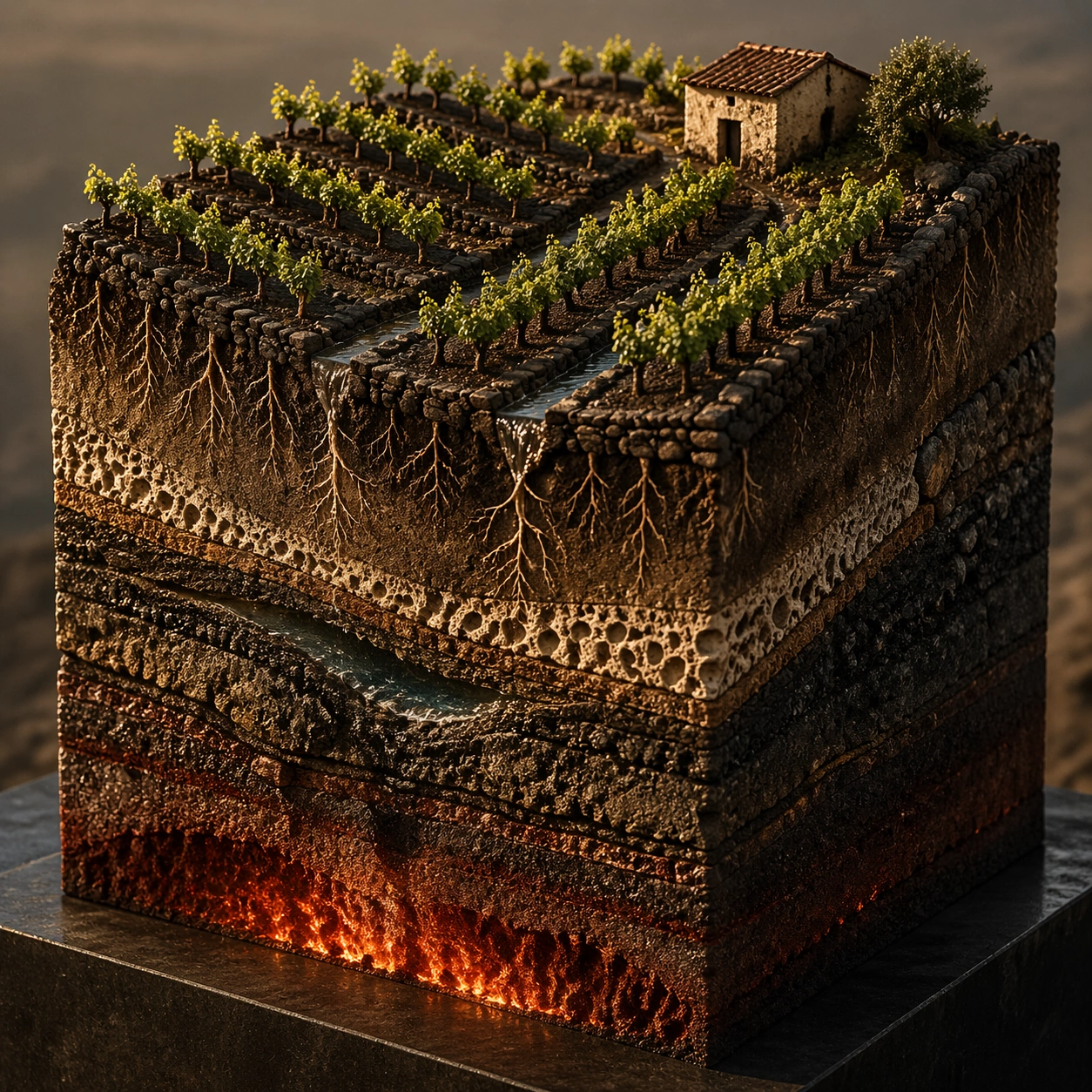
Hyperreal Diorama Cube single study 4/8, testing a Mars habitat surface with regolith structure, buried ice, infrastructure, and a lava-tube void.

Constraints:
No readable text, no watermark, no logos, preserve exact 1:1 aspect ratio, no real space agency marks, no astronauts posing, no flags, no floating labels, no oversized rover, no glowing alien artifacts, no disconnected underground cables, no blurry side strata.
使用方法
- 复制完整原始提示词,并保留其中的参数。
- 按需求替换主体、文字和构图要求。
- 在兼容的外部工具中使用,核对当前使用条件并检查结果。
开始前需了解
- 先确认是否需要参考图。标注兼容模型,不代表该示例由这个模型生成。
- 核对名称、数字与画面文字;不同模型版本的结果可能不同。