
The AI infrastructure build-out has made memory, storage and semiconductor supply chains more visible to technology leaders. That attention often arrives through a financial headline: a fund becomes larger, a corporate investor joins a vehicle, or a new pool of capital is set aside for chip companies. It is tempting to treat the headline as proof that more AI capacity is on the way. It is not.
Longsys's disclosed expansion of a semiconductor-focused limited partnership is a useful way to separate the questions. The completed source record says the partnership's subscribed capital rose while Longsys subsidiary Tibet Yuanshi kept its reported RMB 80 million commitment. The company therefore became a smaller participant in a larger vehicle. That can broaden an investor's access to industry opportunities, but it does not establish which companies will be funded, when capital will be called, or whether any investment will increase usable AI memory capacity.
The right reading is not a verdict on Longsys or a prediction about memory prices. It is a practical framework for teams and readers who need to distinguish a funding announcement from evidence about AI infrastructure.

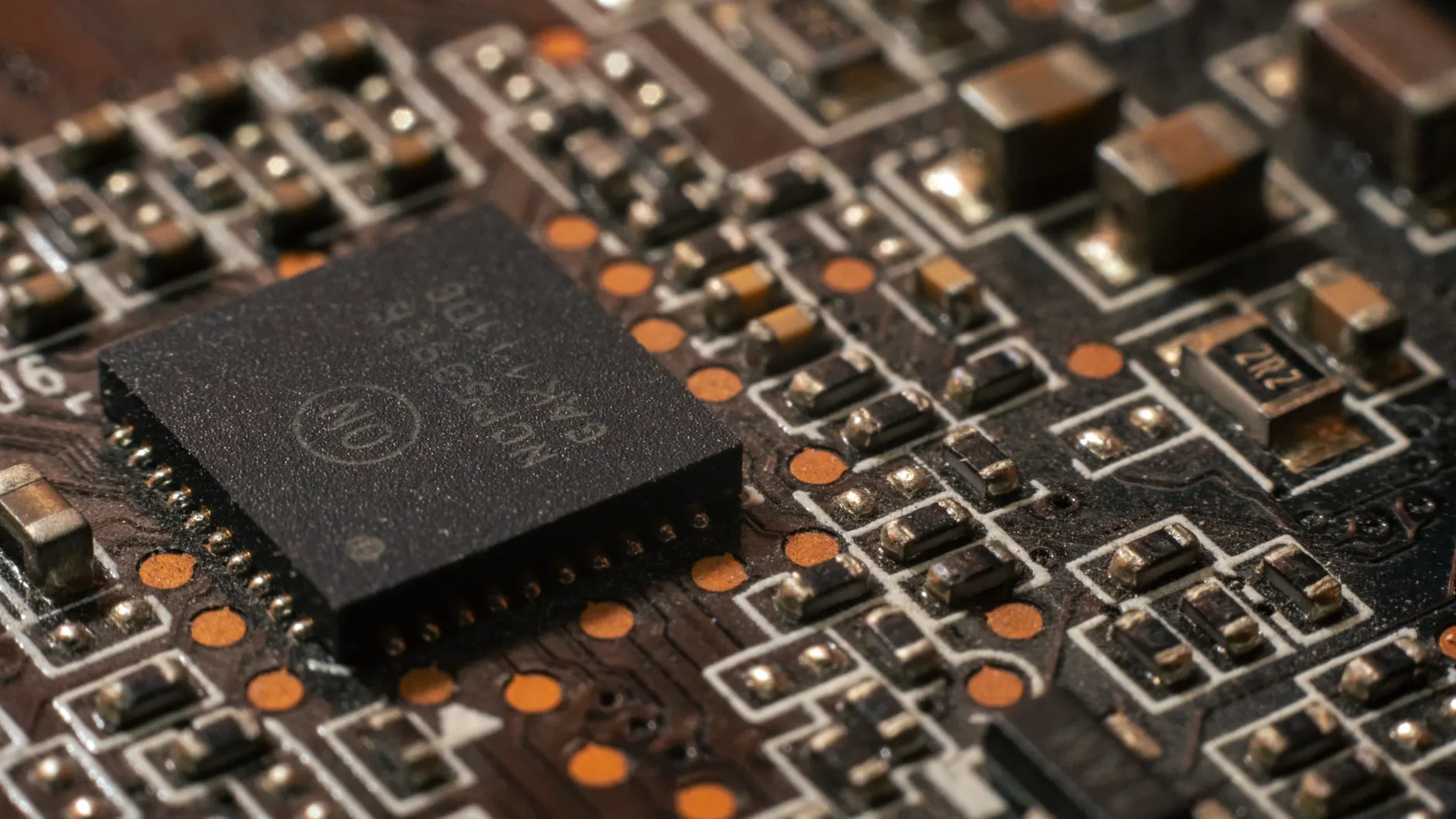
Editorial illustration from a Pexels image credited to Ivan Chumak. It is not a Longsys facility, a fund portfolio company, or a chart of fund performance.
Separate a commitment from deployed capacity
A fund's subscribed capital is a promise to provide money under the partnership terms. It is not necessarily cash in the bank, and it is not a list of completed investments. Managers typically call capital over time as they approve deals, reserve money for follow-on rounds and cover eligible expenses. A larger headline number can therefore coexist with a long period in which the fund has not yet placed capital in an operating company.
This distinction matters sharply for AI infrastructure. A funding announcement does not mean a new memory controller, packaging line, enterprise SSD or server platform has shipped. A useful diligence record separates at least four stages: committed capital, called capital, capital invested, and capacity or product outcomes that a customer can actually use. If a release names only the first stage, describe it that way.
The Longsys disclosure is particularly clear on this point. Its original agreement identifies a limited-partner structure and a semiconductor-chain investment scope. The subsequent completed-source record reports a larger partnership with the subsidiary's commitment unchanged. Readers should not add the partnership's whole subscribed amount to Longsys's own capital expenditure or call it an AI infrastructure build. Those are different financial and operational claims.
Map the fund's actual link to AI memory
AI workloads can increase demand for several kinds of memory and storage. Accelerators need fast attached memory, servers use DRAM for active work, and data systems rely on storage for models, checkpoints, logs and retrieved data. That broad demand story makes many semiconductor investments sound AI-adjacent. It does not make every portfolio company equally exposed.
Ask for the specific layer. Is a prospective company making high-bandwidth-memory packaging equipment, a controller for enterprise drives, test services, storage firmware, materials or a component with a more distant relationship to AI systems? Next, ask whether the company sells into AI-server deployments, general consumer electronics, or both. A business can participate in a growing semiconductor market while still being exposed mainly to a weak end market.
This mapping should also preserve uncertainty. TrendForce's market outlook, cited in the completed source, is useful context for its reported AI-server and enterprise-storage expectations. It is not evidence that a particular fund has selected the right company or bought it at a sensible price. Treat market forecasts as a scenario input rather than a conclusion about a portfolio.
Read governance before treating participation as control
Corporate investors sometimes use funds to gain industry access without buying a company outright. That can be rational: a professionally managed vehicle may find more opportunities and spread risk across several investments. The trade-off is control. A limited partner can receive information rights or strategic visibility while the general partner and investment committee decide which deals go forward.
The original Longsys partnership disclosure assigns operational management to the general-partner structure. When an investor's percentage falls as a fund grows, it may still benefit from a wider network, but its economic share and informal influence can change. The reported dilution from the expanded vehicle should therefore prompt questions about governance, not a claim that the company now controls a larger chip budget.
For every fund, document who can approve an investment, who appoints the committee, whether an investor has a veto or observer right, and what related-party protections apply. Also ask whether strategic collaboration is contractual, optional, or merely a possible future outcome. A fund's investment thesis may mention the semiconductor chain without guaranteeing that a corporate limited partner receives preferential supply, technology access or commercial rights.
Test valuation discipline against the cycle
A strong AI demand cycle can improve the outlook for some memory and semiconductor companies. It can also make attractive assets expensive. The central decision is not whether AI matters; it is whether a manager can select companies with durable technical and customer evidence at a price that leaves room for execution risk.
Use a simple investment evidence ladder. Start with the product: does the company have a design, a qualified component, a volume-shipped product or recurring customer deployment? Then examine the customer base, production constraints, supply dependencies, margins and cash needs. Finally, compare the entry valuation with the time and capital still needed to reach scale. A company at the engineering-sample stage should not be treated as equivalent to one with qualified, repeatable revenue just because both serve a popular AI category.
The same discipline prevents a common error in reading fund expansions. More money can make follow-on investment possible and diversify a portfolio. It can also create pressure to deploy during an expensive part of a cycle. The useful evidence is the manager's selection process, reserve policy and later disclosure of what was actually funded—not the size of a commitment alone.
Build an operating scorecard after the announcement
A technology team does not need to forecast an entire chip cycle to decide whether a funding event matters. It can maintain a short scorecard. Record the committed amount and the amount actually called. List disclosed portfolio companies and identify their AI-memory layer. Note governance rights, customer deployment evidence, supply-chain dependencies and any conflicts of interest. Finally, record which claims are sourced to a company filing, a primary technical document, an independent market source or not disclosed at all.
This scorecard keeps financial storytelling connected to operational evidence. It also supports procurement decisions: if a supplier is indirectly linked to a fund, the buyer still needs product qualification, support terms, availability commitments and a fallback plan. An investment vehicle can be strategically relevant without being a substitute for those checks.
A larger semiconductor fund may create more opportunities to finance components that matter to AI systems. The more useful conclusion is narrower: follow the capital from commitment to deployment, map each asset to a real workload, inspect governance and keep valuation assumptions visible. That is how an AI-memory narrative becomes a decision-ready infrastructure assessment.