
Use AI with better judgment
Independent guides built around decisions, repeatable work, and verifiable product differences.

A second Yandex strike in Kaluga shifts the cloud crisis from failover to migration
With Sasovo still shut and Kaluga modules disabled on October 9, Yandex arranged help from other cloud providers. The condition of its AI supercomputers and any permanent data loss remained unconfirmed.

Bitdeer adds 67MW in Malaysia, with A901 customer contracts still to follow
The ten-year A901 agreement lifts secured AI cloud capacity to 273.5MW, but delivery, customer funding and offtake remain distinct unresolved steps.

AWS’s pricing chatbot changes the way employees reach an 18-tab model, not the need to defend its numbers
The internal deal-analysis example retains Excel export while making discount and payment scenarios conversational. Public architecture and error data remain limited; coverage gains are not proof of reliable decisions.
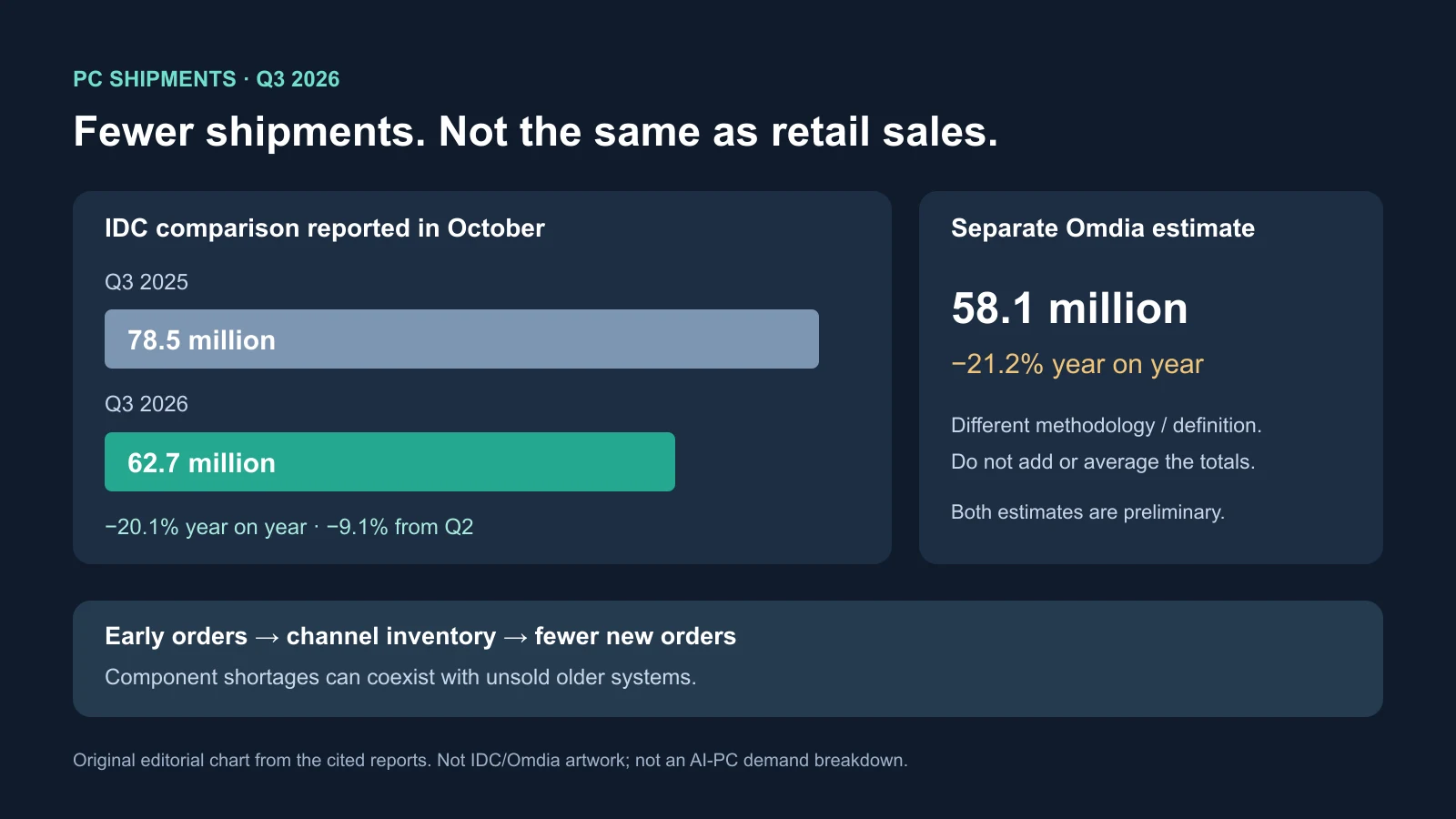
PC shipments fell 20.1% as early buying met a more expensive component market
IDC’s preliminary third-quarter figures show a sharp channel correction, not a direct measure of retail demand. AI-related supply pressure and inventory can squeeze the market together.

ARC Raiders links AI detection to permanent bans—and a harder appeals problem
Embark combines Denuvo, Anybrain and internal models with tougher account, license and hardware penalties, while key reliability figures remain undisclosed.
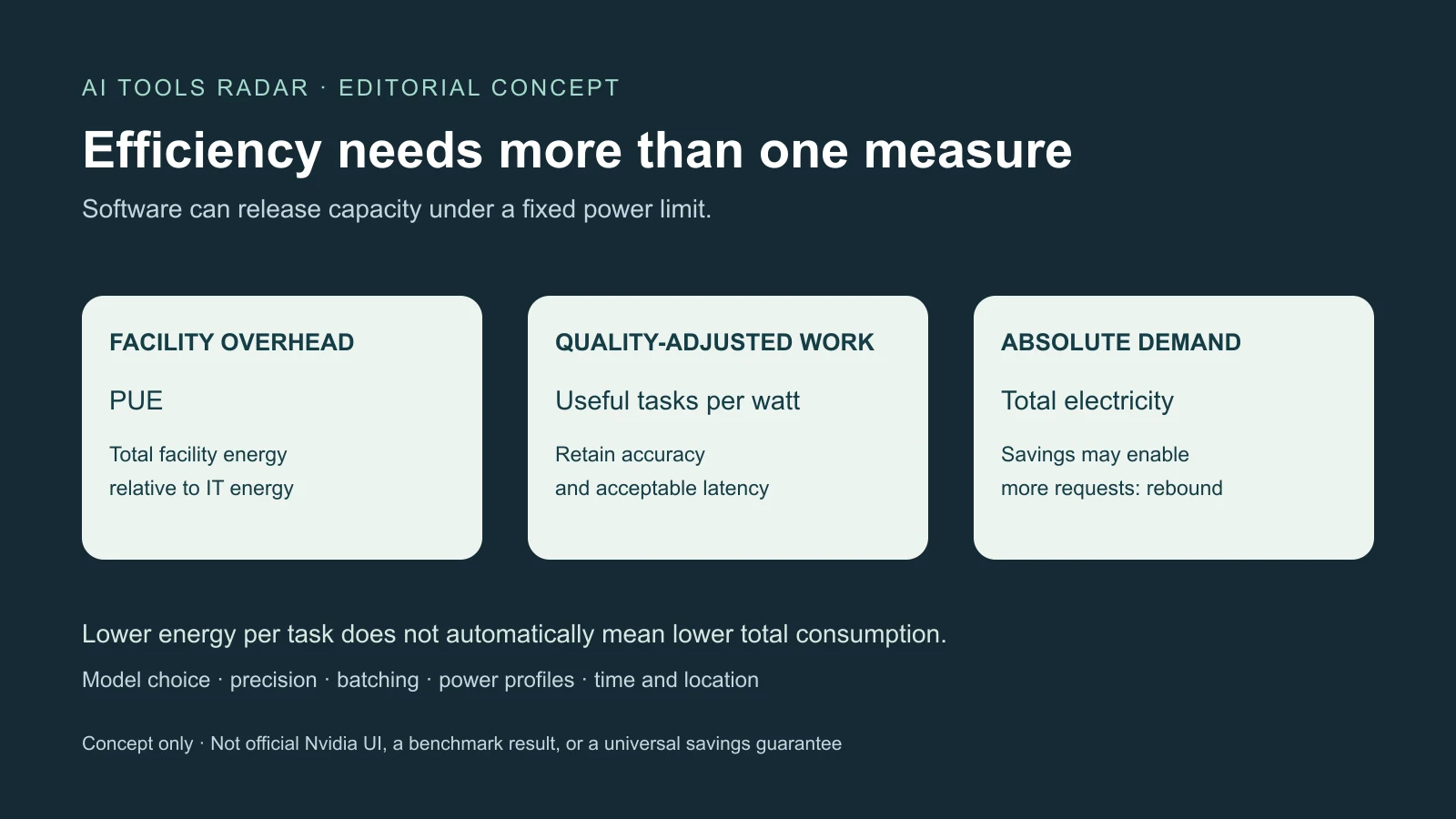
AI power limits make useful work per watt a software question—not just a better-chip claim
Power profiles, precision, scheduling and smaller-model routing can release capacity on installed hardware. The gains remain workload-dependent, and better efficiency need not lower total electricity use.

Natura’s Interface ring moves the AI prompt off-screen—but not the need for control
A thumb-operated microphone promises access to several agents and health tracking. Its real test is the full path from a spoken request to a confirmed, reversible action.
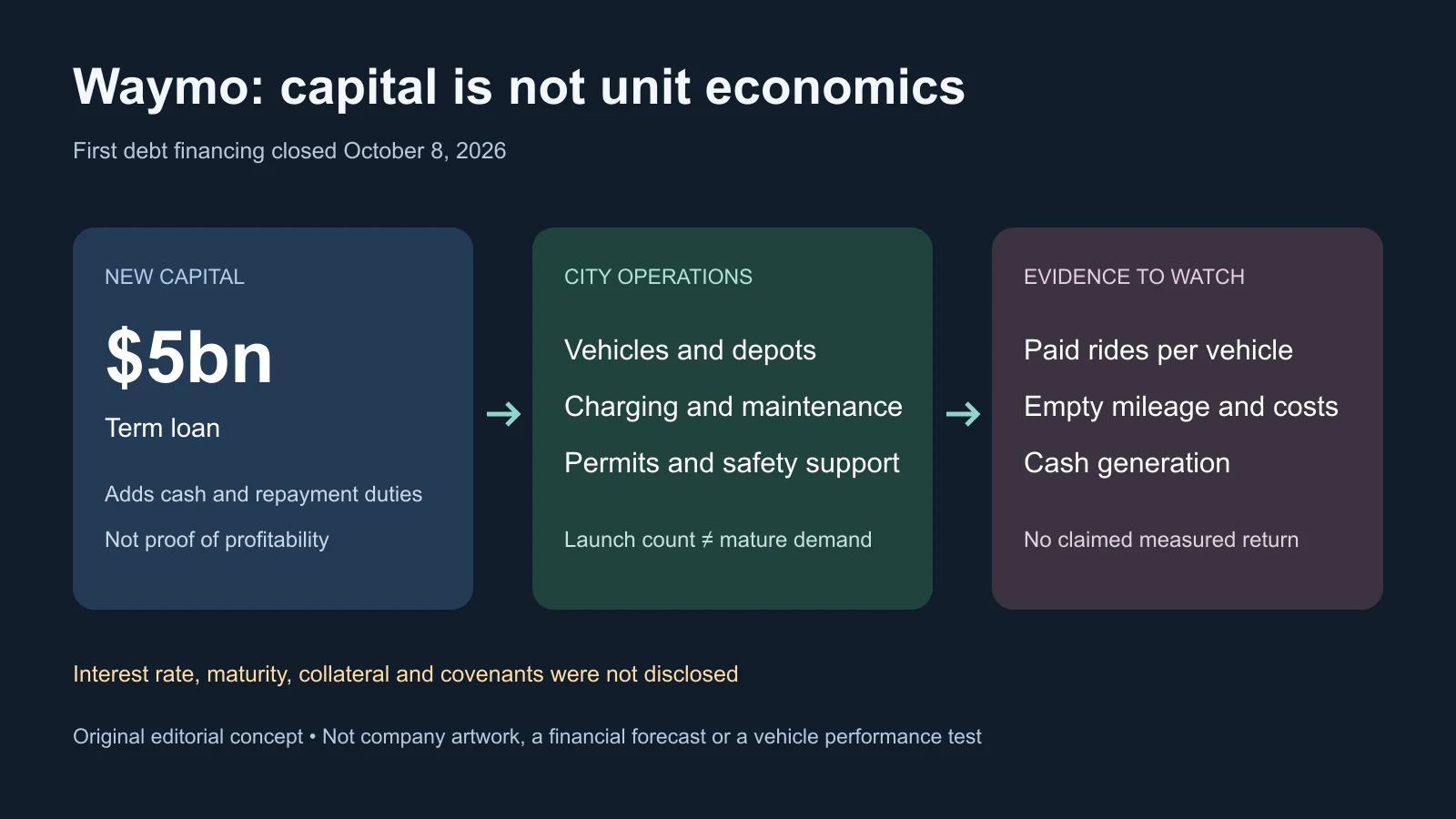
Waymo’s first $5 billion loan puts fleet economics beside the robotaxi expansion race
Debt follows a $16 billion equity round, adding capital without another immediate share sale—but unknown loan terms and undisclosed city economics limit what the deal proves.

Besi’s HBM opportunity runs into the economics of keeping factories running
Analyst downgrades question when memory makers will move from evaluation to production orders, as shortages and taller-package rules extend established bonding processes.

TSMC’s record quarter confirms chip orders—not the final returns on AI infrastructure
October’s revenue disclosure put third-quarter sales near NT$1.49 trillion, ahead of expectations. AI and seasonal phones both contributed; margins, capacity economics and customer monetization require different evidence.
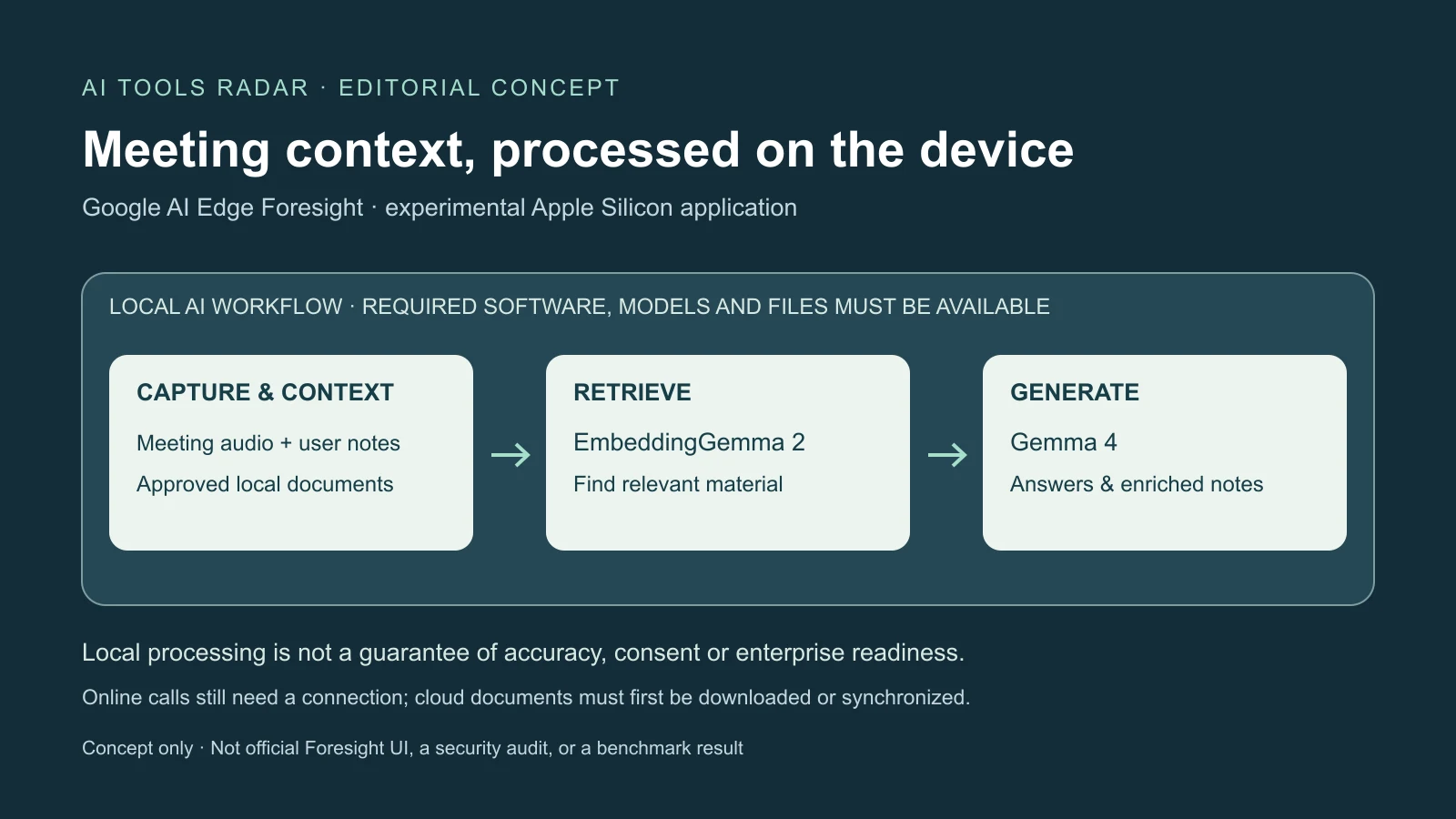
Google Foresight makes local meeting context tangible, without yet proving an enterprise replacement
The experimental Apple Silicon app joins bot-free capture, guided notes and private retrieval on-device. Its local stack challenges cloud dependence; accuracy, collaboration and support remain separate tests.
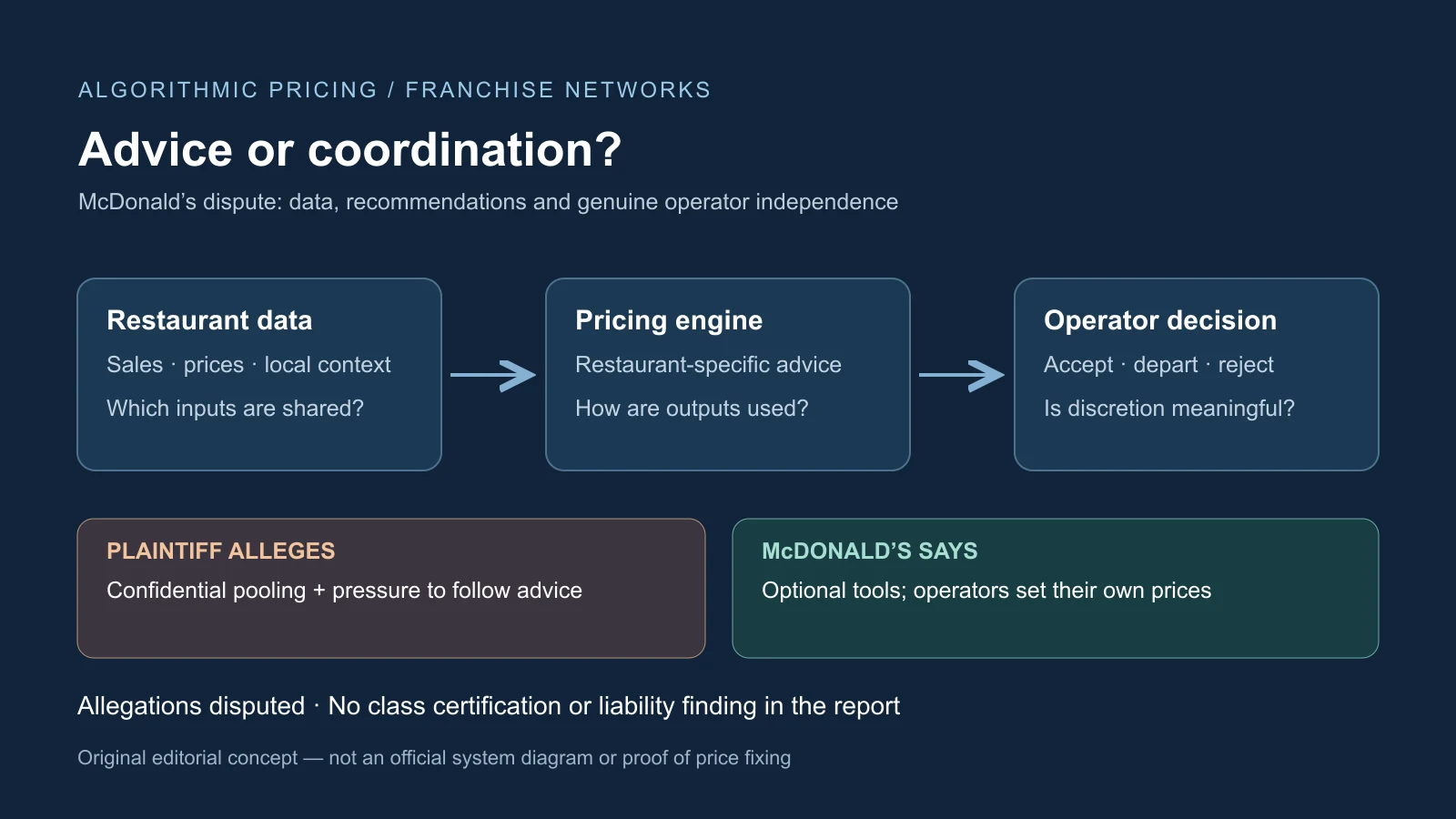
McDonald’s pricing suit turns on shared data and franchisee independence
A consumer alleges confidential restaurant data and pressure turned AI-assisted advice into coordination. McDonald’s says operators retain control; no class or liability finding is established.